The U.S. Commerce Department announced on Thursday that consumer spending fell 0.4% in February from January after adjusting for inflation. This may not seem like much, but real spending has dropped in three of the last four months. Without strength in household outlays, the economic expansion is doomed.
While most of the world watches in horror as Vladimir Putin advances his military invasion of Ukraine, Russia’s congruent foray into Bitcoin, gold-linked rubles and central bank digital currencies is triggering a conflicted response from financial technology and crypto enthusiasts.
On the latest edition of Market Week in Review, Director of Investment Strategies, Shailesh Kshatriya, and Director of Institutional Investment Solutions, Greg Coffey, discussed market reaction to the latest developments in the Russia-Ukraine war.
The March Employment Report was strong. Nonfarm payrolls rose by 431,000 – less than expected but with upward revisions to January and February (a 562,000 monthly average in 1Q22).
Intellectuals and politicians often try to verbally summarize or justify conventional thinking in pithy ways.
As quarters go, this was one for the record books. Taking three months, or a calendar year, to have any particular significance makes no sense, but it’s difficult to quell it. So, here is an attempt to summarize what’s changed in the last three months from the point of view of markets.
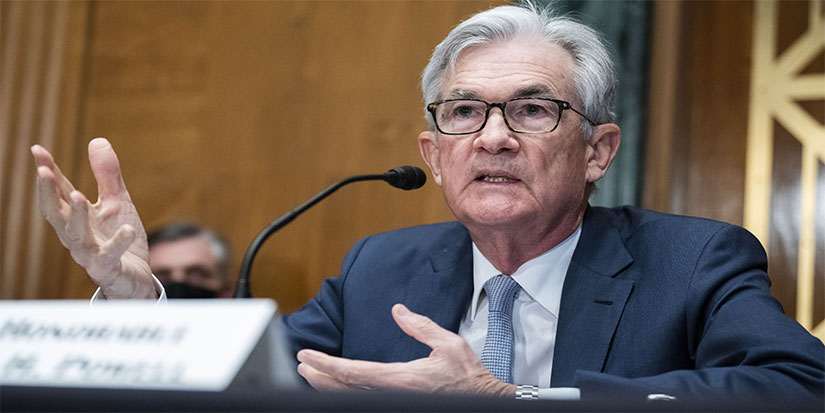
Federal Reserve Chair Jerome Powell and his colleagues are on the march to return ultra-loose monetary policy and accommodative financial conditions to more normal levels. The trouble is, their destination is uncertain and the terrain may be shifting as they forge forward with higher interest rates.
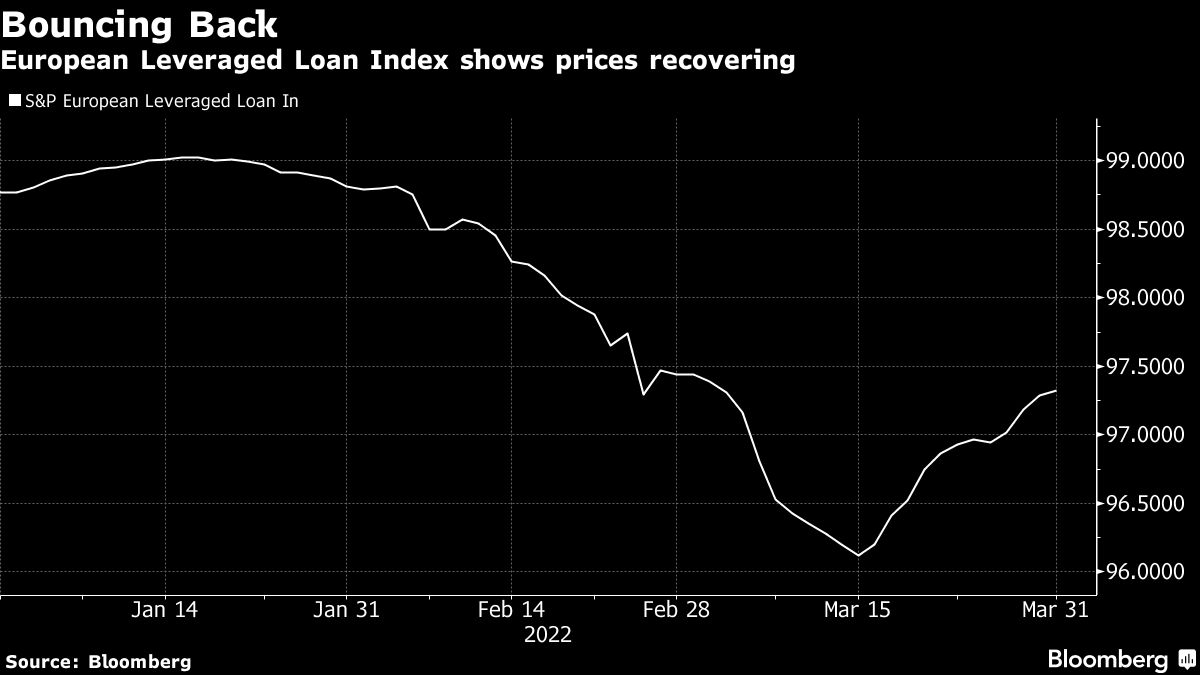
Banks are gearing up to offload billions of dollars in junk debt backing leveraged buyouts, counting on the nascent stability in the market to finally get rid of underwrites for businesses such as Wm Morrison Supermarkets Plc and Unilever Plc’s tea unit.
For more than a quarter century, the U.S. government has been sending an unmistakable message to poor, single mothers: Get married. If America genuinely wants to address poverty and achieve gender equality, this has to change.
According to LIMRA, RILA sales for the first half of 2021 were 105% higher than the same period in 2020. What’s behind the popularity of this relatively new product?
Globalization in all its forms, from social to economic to political, has been on the rise since about the 1970s, and I genuinely believe it’s had more benefits than drawbacks on average.
Are the reserve banks too slow in tackling inflation? Will inflation level off by itself? Will rising rates cause a recession?
The yield curve is really just a symptom. I like to compare it to a fever—not serious in itself, but a sign you have an infection or some other ailment. An inverted yield curve means something is wrong in our economic body. So today we’ll consider what it means.
Volatility is likely to persist but the U.S. economy has room to grow.
Are the reserve banks too slow in tackling inflation? Will inflation level off by itself?
The surge in bond yields suggests that we are nearing the ideal entry point to buy longer-duration bonds for capital appreciation and portfolio protection.
"Inflation is as violent as a mugger, as frightening as an armed robber and as deadly as a hit man." Ronald Reagan
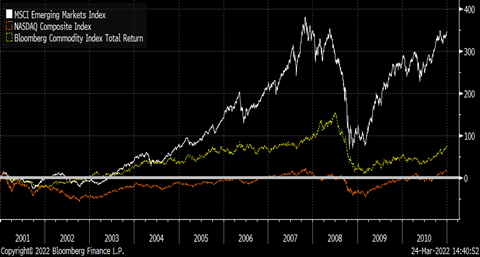
The global economy seems to be significantly changing, yet investors remain very hesitant to alter their basic portfolio strategies. As they did around 2010, investors are using the old leadership as their portfolios’ core. We think this could be a mistake.
Roughly half of adults over the age 55 say their biggest financial fear is not having enough money saved for retirement. Add in inflation, market volatility and low interest rates, and that’s enough for any investor to have serious cause for concern. Those at or near retirement don’t have time on their side.
Enter Constance. Last October, RetireOne, an independent distribution platform for fee-based life insurance products, introduced Constance - a zero-commission, flat-fee annuity built to enable financial advisors to integrate life insurance into client portfolios. With Constance, RIAs give their clients a lifetime income guarantee without cannibalizing their assets under management. By unbundling the insurance component from its underlying investments, advisors can wrap client brokerage accounts, IRAs, or Roth IRAs with lifetime income protection.
My guests today are RetireOne’s president, Ed Mercier, and Dimensional Fund Advisors’ head of retirement distribution, Tim Kohn, on the show to discuss their recent announcement and the trends facing advisors who work with clients approaching or entering retirement.
Seeking resilience. 2022 started with rising interest rates, high inflation and unthinkable violence and human tragedy in Europe.
Fixed income investors faced plenty of challenges in 2021 as the global economy recovered from the COVID-19 pandemic. With January and February returns flashing red across the board, 2022 appears to be setting up for more of the same. Columbia Threadneedle will discuss strategies that may help investors navigate the triple threat of Fed tightening, high inflation, and decelerating economic growth.
The Federal Reserve’s first rate hike in years has sparked bond volatility, pushing investors to search for yield elsewhere.
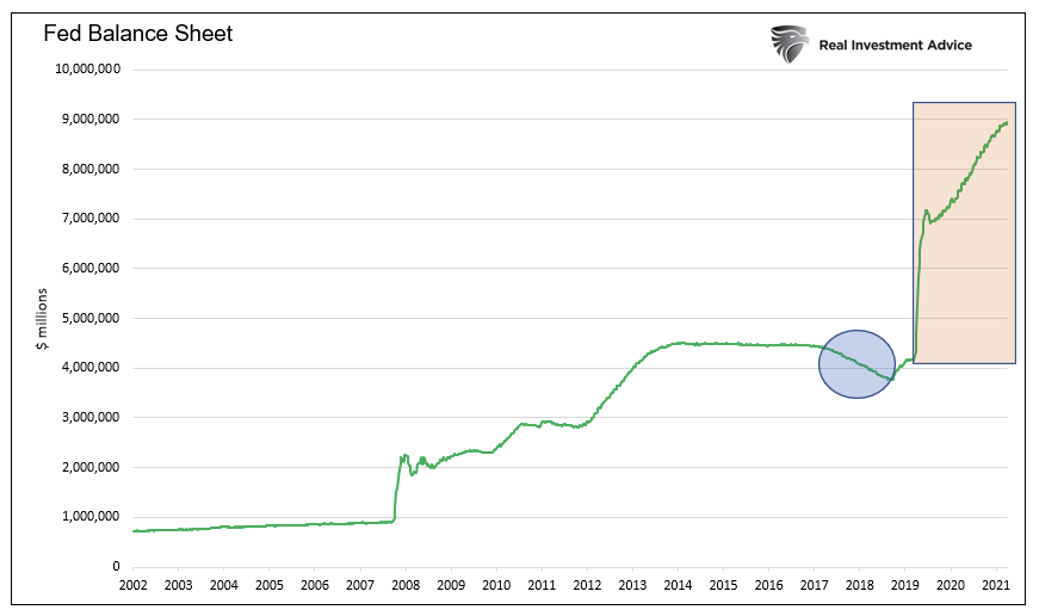
With QE finished and QT on the horizon, I answer a few questions to help you better appreciate what QT is, how it will operate, and discuss how draining liquidity will affect markets.
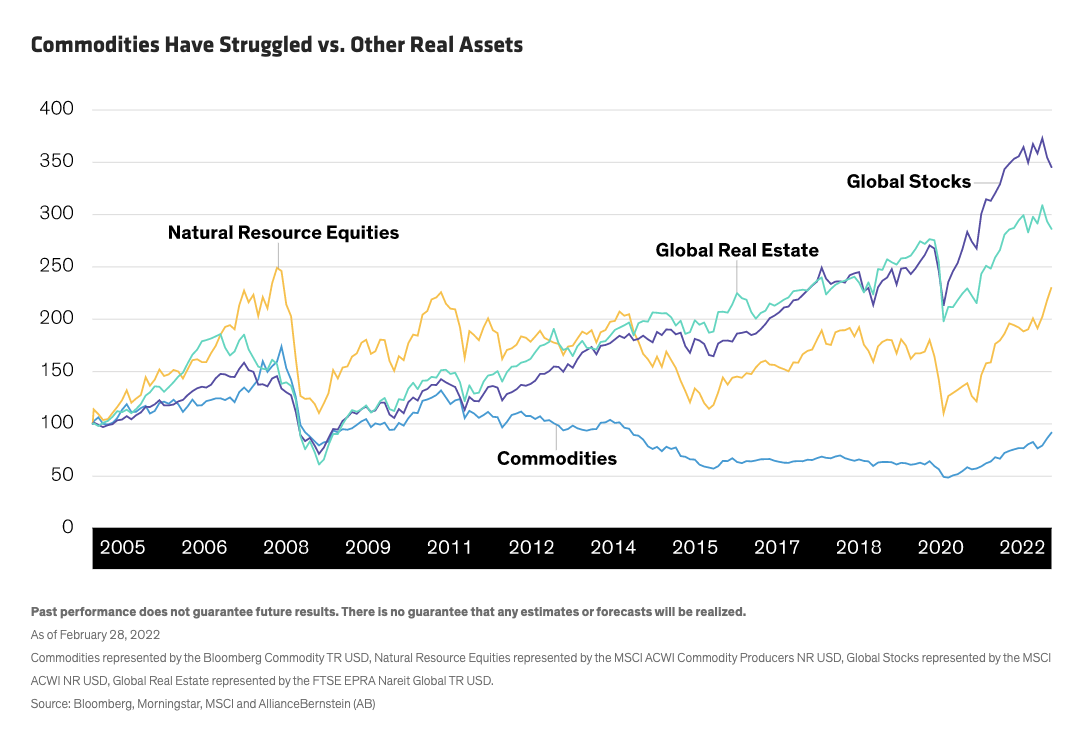
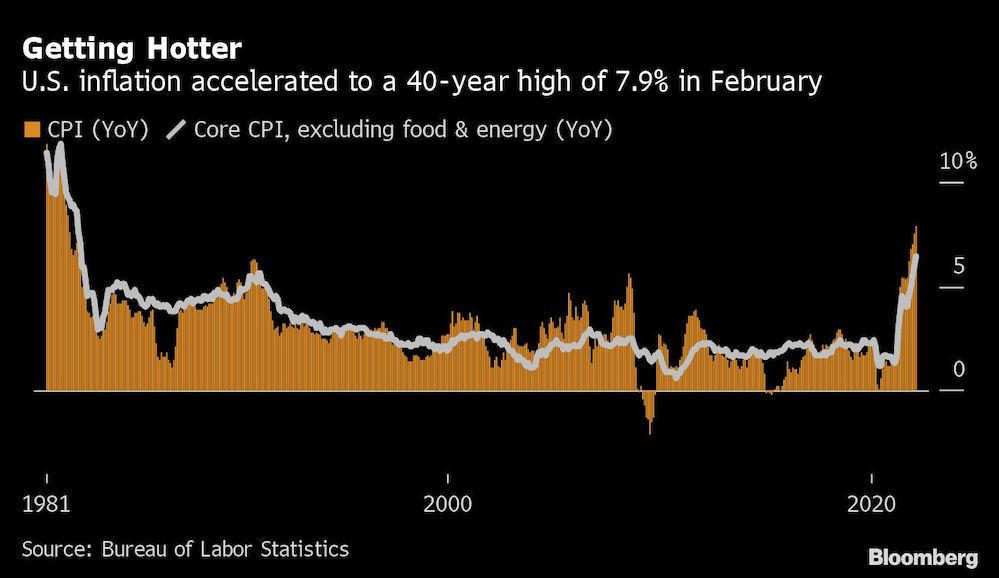
The highest inflation in 40 years has spurred more investors to search for assets that can help offset its bite.
The US Federal Reserve is turning increasingly hawkish—hiking rates fast enough to slow inflation while maintaining economic growth will be a monumental task.
Much of the commentary about the Ukraine war’s implications for the investment-management industry has tended to be both immediate and narrow, particularly in discussions about the spillovers for different segments. By zooming out, however, some longer-term ramifications become more apparent for both public and private markets.
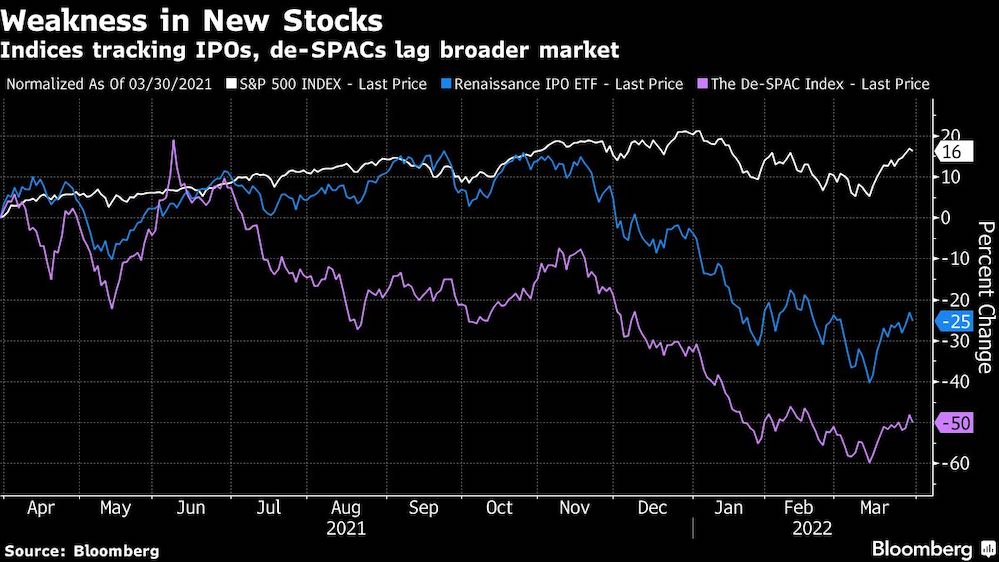
Volatility from Russia’s invasion of Ukraine, faster inflation and rising interest rates triggered the slowest quarter of U.S. initial public offerings in more than five years. At one point, the market ground to a complete halt, with longest period without an initial public offering since the Great Recession.
Purchases of goods and services, adjusted for changes in prices, fell 0.4% from the prior month, following a 2.1% jump in January, according to Commerce Department figures Thursday. The decline was due entirely to a decrease in spending on merchandise.
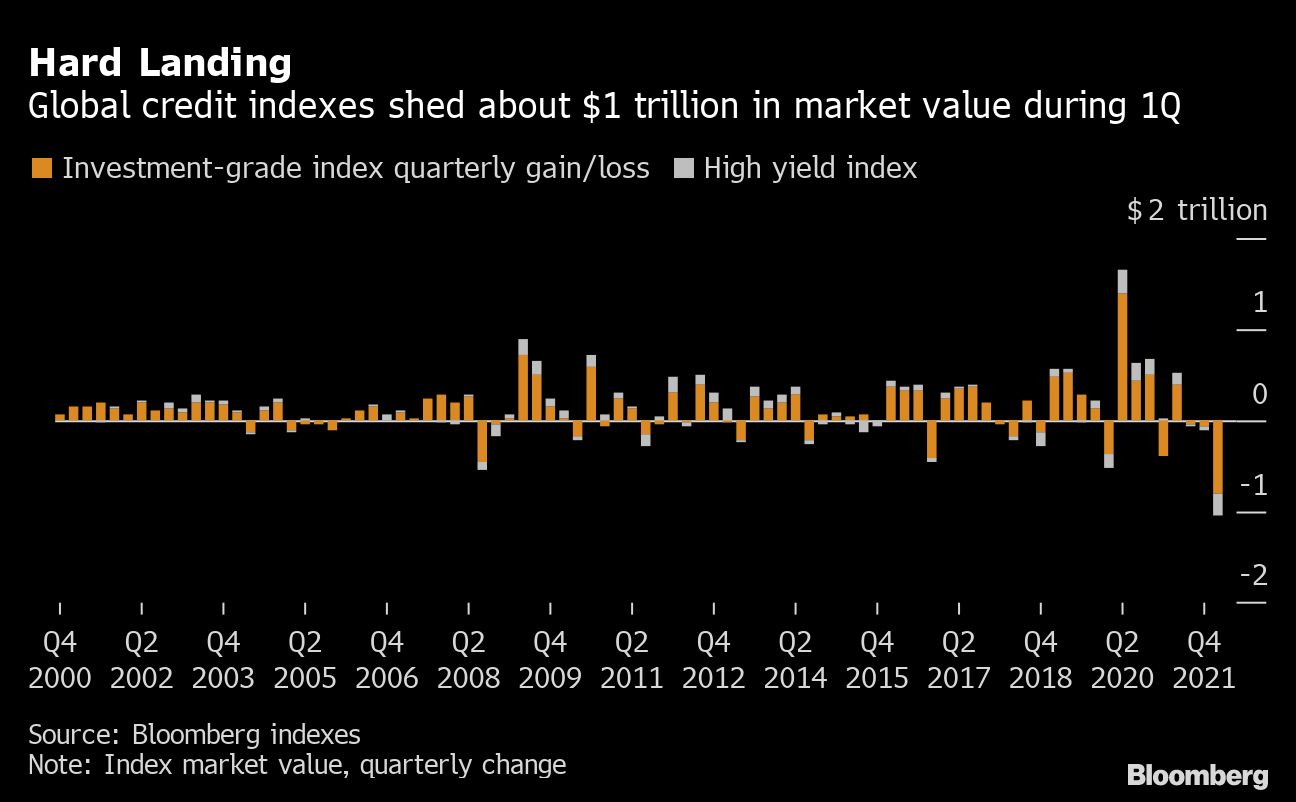
Investors in corporate bonds are bracing for more trouble after getting hammered by rampant inflation and rising yields in the first quarter.
It may be inconceivable to the moneyed class, but there are in fact very good reasons not to raise interest rates quickly or dramatically. Yes, inflation is worryingly high, Ukraine is burning and Covid-19 still threatens to upend supply chains. However, the reality many Americans face — if not low-income and middle-class workers across the globe — is quite different from what the stock market and go-to suite of economic indicators tell us.
Supply chains set to become less dependent on China over time.
War in Europe comes at a time when the global economy was just emerging from the COVID-19 pandemic.
Like the COVID-19 pandemic, Russia's war in Ukraine has contributed to the stagflationary pressures in the United States and other advanced economies.
Get out of stocks, according to Gary Shilling, who has gone to 30% cash in the portfolios he manages. The economy will be in recession by the end of the year, and stocks will fall in response.
Portfolio Manager Winnie Chwang assesses the growth avenues for China small companies.
ICYMI: In this roundup, we’re highlighting the five most popular pieces of content from the previous week.
The Russian invasion of Ukraine is a shock to the existing world order. From an economic perspective, the initial impact of the war is rising inflation given the importance of Russia and Ukraine in the supply of commodities to the world.
The halt of Russian equity markets, the prospect of higher U.S. inflation and rising interest rates are all contributing to uncertainty in emerging markets. How should investors navigate these headwinds and what could the impact be to markets in Asia, Europe, and Latin America?
Many investors see gold as a sort of haven in times of turmoil, and prices have surged amid Russia’s invasion of Ukraine.
The yield curve's movements are unlikely to change the Fed's course.
Russia's invasion of Ukraine has sparked higher inflation, unleashed additional market volatility and will likely lead to a slowdown in global growth rates. However, we believe above-trend growth is still possible this year, provided hostilities ease and energy prices stabilize.
Buyout activity is picking up pace in Europe, but a number of banks are taking a cautious approach to new risk, looking for higher pricing, more flex protection and in some instances fuller fees on junk-rated debt underwrites against a backdrop of heightened volatility, inflation and rising rates.
Signs are emerging that the resilience of American consumers is rapidly waning, potentially undermining one of the few remaining pillars supporting the bull market in equities.
Federal Reserve officials, rattled by persistent inflation and criticism that they’re behind the curve, have pivoted toward an even more aggressive plan of interest-rate hikes than they signaled earlier this month to ensure price increases cool.
For the past month, investors have been focused on the war on Ukraine and the economic impact of sanctions.
Inflation is a political lightning rod.
India's economic links with Russia leave it in a delicate position.
We’ve talked a lot about higher interest rates and what they mean for the market.
Some of the big-name startups expected to go public early this year have slowed their rush to market as stocks continue to whipsaw. Companies including Reddit Inc. and Cohesity Inc. each discussed listing shares as soon as the first quarter of 2022, people familiar with the matter have said. Though both have filed paperwork for an initial public offering, neither has taken the next steps toward making their market debuts.
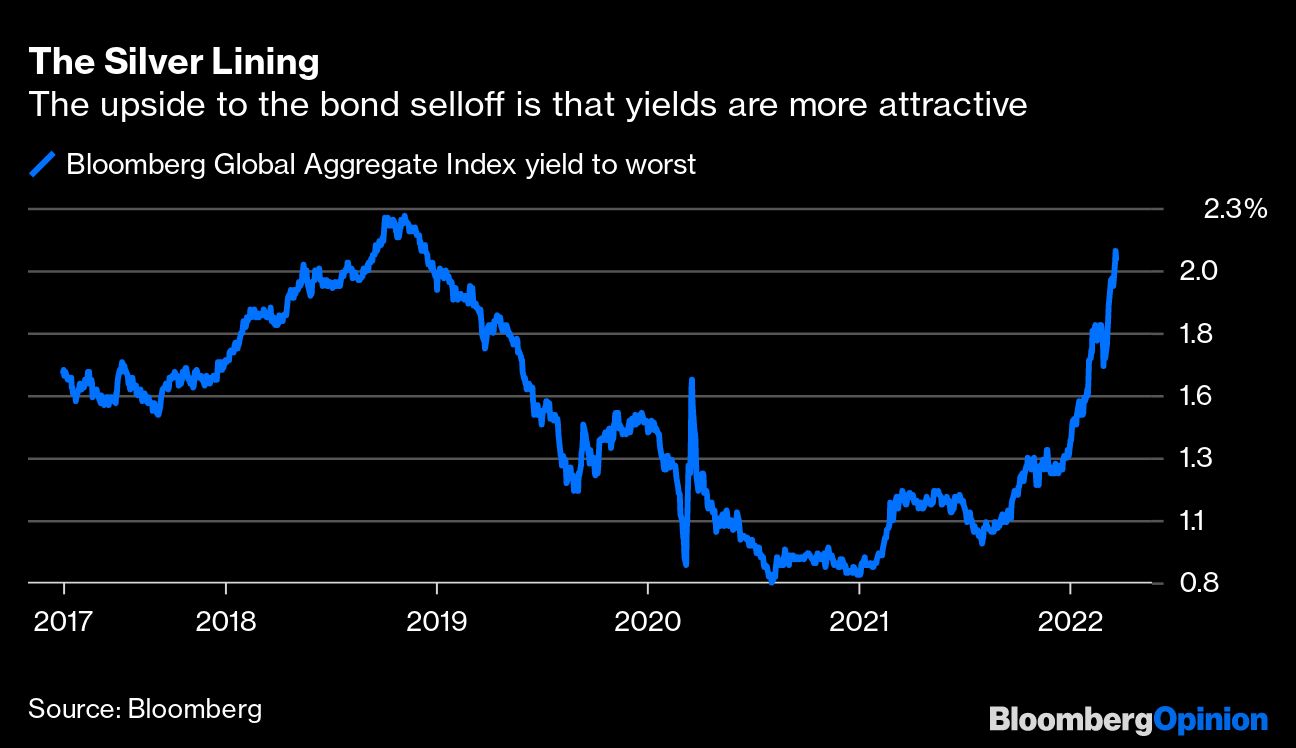
The Bloomberg Global Aggregate Index, a benchmark for the bond market worldwide, has tumbled 11% from its peak in January 2021, equating to a drop of $2.6 trillion in the index’s market value.