A steady stream of news helped drain enthusiasm from the equities markets through most of August, snapping a five-month growth streak at a time of the year known for cool market performance despite the swelter of its dog days.
Credit balances are not the only consumer indicator running high.
In an environment of pronounced volatility and less-than-certain equity and bond performance in the last few years, investors are leaning toward more complex strategies such as alternatives.
We believe idiosyncratic credit events may occur over the next 12 months, but systemic bank risk is remote.
Active ETFs have had a really strong year so far in 2023, picking up advisor and investor interest. Even institutional investors have increasingly turned towards specialist, responsive management.
Federal Reserve Bank of Atlanta President Raphael Bostic said the US economy faces a period of some disruption as debts are refinanced at significantly higher interest rates, putting some pressure on both financial institutions and the government.
The resilience of US growth, earnings and markets has been the big surprise of 2023. Stephen Dover, Head of Franklin Templeton Institute, opines on the factors at play—and whether they will last.
While the S&P 500 delivered solid performance this summer, we remain cautious in the near term given the Index remains modestly above our year-end target of 4,400.
US hiring picked up in August and wage growth slowed, offering a mixed picture of both resilience and moderation in the labor market.
We believe the best way to add value is through relative positioning in sector allocations, individual security selection and along the yield curve, holding duration neutral overall. That approach, however, does not prevent us from having views on interest rates and we think bonds offer good value at current rate levels.
The Fed's asset portfolio is on an uncharted course.
Although high-yield bonds have performed well so far this year, we continue to take a cautious view.
The hope for the US resale housing market a year ago was that inflation would peak, interest rates would fall, and lower mortgage rates would help unfreeze the buying and selling of existing homes. That hasn't happened.
In China’s current economic travails, US and other Group of Seven nations increasingly see evidence of deep-seated structural problems that ultimately will strengthen the West’s hand against a weakening geopolitical competitor.
Actively managed exchange-trade funds are set to launch in Tokyo next week, with one asset manager focusing its strategy on corporate Japan’s effort to elevate shareholder returns.
The Northern Trust Economics team shares its outlook for major markets in the months ahead.
First, let me start with a tweet by Larry Summers, though this chart has been passed around by Andreas Steno Larsen and others.
Today the monthly Job Openings and Labor Turnover survey came out for the month of July. Expectations were for 9.5 million job openings, but the actual figure came in at 8.87 million, representing the biggest miss in recent history.
A Conversation With: Matthew Bartolini, Head of SPDR Americas Research, SPDR ETFs and Dave Nadig, Financial Futurist, VettaFi
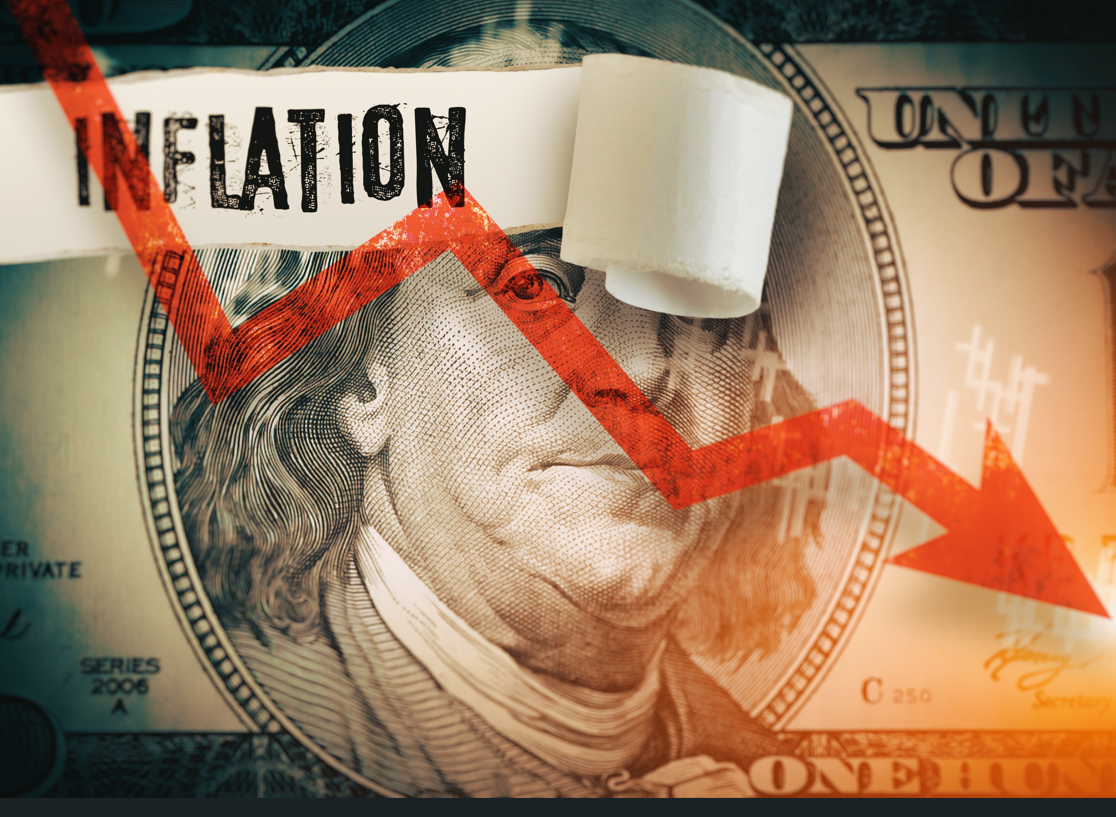
Fears of inflation arise, in part, from the fact that its sources seem mysterious and uncontrollable while it extracts immediate, adverse effects on essentially all people’s lives and household budgets.
US household finances have reached a milestone by accumulating $1 trillion in credit card debt, which comes with an average interest rate of 20.6%.
President Joe Biden and his team insist that “Bidenomics” — a term they’ve embraced — is more than a mere bundle of policy initiatives.
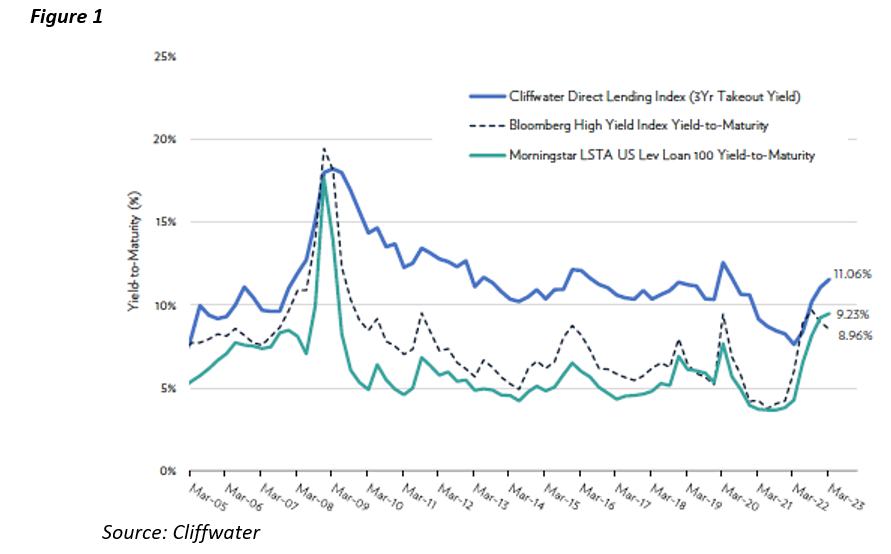
The turmoil in the banking system earlier this year caused private-debt issuers to make concessions, including floating rates and improved covenants, which make this an attractive asset class.
Despite softening demand, US home prices remain elevated. The culprits are high interest rates, limited supply and owners' reluctance to take on new mortgages.
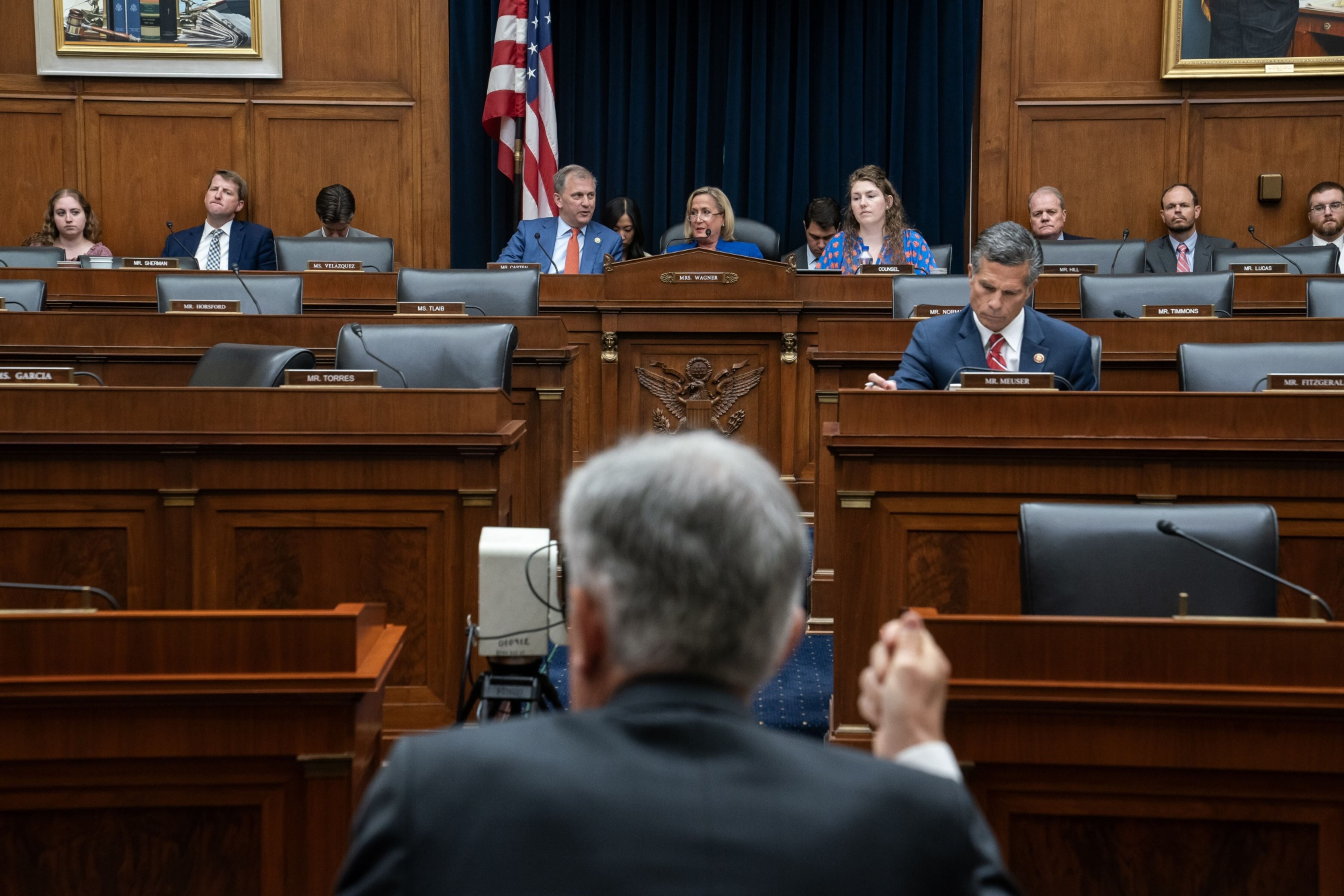
The Fed chair’s high-profile speech emphasized the central bank’s focus on taming inflation.
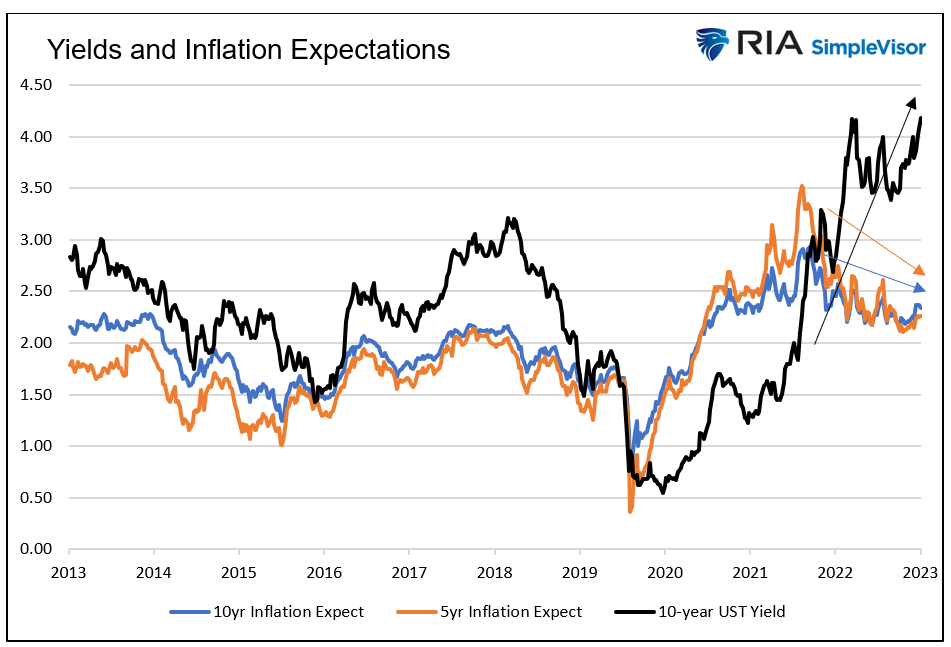
Fitch’s recent downgrade of the U.S. debt rating alarmed investors as the deficit and debt steadily increased. The downgrade sent 10-year Treasury bond yields above 4%, causing concern about America’s deteriorating financial condition.
A $15.4 billion wave of debt is set to sweep over leveraged finance markets in September as Wall Street banks rush to lure in yield-hungry investors.
Even with elevated consumer prices and high borrowing costs, Americans continue to spend at a solid clip, complicating the Federal Reserve’s efforts to tame inflation.
Michael Lebowitz: Inflation, deficits and QT don’t mean higher yields
Disrupted global trade is weighing on Germany's performance.
In the first installment of our three-part series on global supply chains, Portfolio Managers Peeyush Mittal and Inbok Song discuss why and where trading networks and manufacturing hubs are changing and how it’s impacting the international investment landscape.
China's economy may have spillover effects on global economic and earnings growth, but it's unlikely to lead to global financial contagion and send stock markets materially lower.
In the wake of the Federal Reserve’s annual gathering in Jackson Hole, Stephen Dover, Head of Franklin Templeton Institute, conveys one clear message: interest rates aren’t coming down anytime soon.
Several key economic indicators are released every week offering valuable insights into the overall health of the U.S. economy. Policymakers and advisors closely monitor economic indicators to understand recession risk and the direction of interest rates because the data can ultimately impact business decisions and financial markets.
Here are the six things you can do to create stellar content and increase your odds of going viral.
The world’s most powerful central bankers have vowed in unison to keep interest rates higher for longer if necessary to tame inflation.
Federal Reserve Chair Jerome Powell briskly dispensed with the idea of raising the central bank’s inflation target in his speech at the Jackson Hole conference last week. But the idea isn’t going away.
You hear a lot these days how unaffordable housing has become in the US. One way to think about affordability is to look at home prices relative to household incomes.
Holding expectations low will help the battle against high prices.
It’s hard to see your portfolio dip and not panic – especially as you near retirement. Coupled with record inflation, a dip might tempt you to sell your investments to drive cash flow.
Like Samuel Beckett’s titular character Godot, we are still waiting the all-but-certain U.S. recession. It may yet happen, but it’s wise to understand why forecasters were so grossly incorrect.
Beaten-down US Treasuries are proving irresistible to some investors even after Federal Reserve Chair Jerome Powell said he’s ready to raise interest rates again to choke off inflation.
Jerome Powell has the bond market exactly where he wants it: lacking conviction as to the Federal Reserve’s next steps.
As investors look for clues about what monetary central planners are thinking at Jackson Hole, the BRICS countries – Brazil, Russia, India, China, and South Africa – are holding a summit of their own in Johannesburg.
Surprised that the S&P 500 swung into the green Friday? Don’t worry. Just wait. It’ll fall again after the next opening bell.
Is a stock market rally coming? I think that is most likely the case. However, to understand why, we must review what we said at the beginning of July in “Complacency Seems Overly Complacent.”
At its annual summit in Johannesburg this week, the bloc of five emerging countries—Brazil, Russia, India, China and South Africa—announced plans to expand for the first time since 2010.
Today we continue our study of the historical cycles suggesting a major crisis is in our near-term (5‒8 years) future. We don’t know the precise timing or nature of the crisis, but the patterns indicate one is coming and could be severe.
Declining commercial real estate valuations will not likely lead to a wave of defaults among muni issuers, according to Franklin Templeton Fixed Income’s municipal bond team.
Watching coverage of the BRICS (Brazil, Russia, India, China and South Africa) summit in South Africa this week made us wonder why the members of the BRICS decided to name the section, in which Vladimir Putin was addressing the conference by video conference, “BRICS BUSINESS FORUM,” in English, yes?