Franklin Templeton

How advisors can differentiate portfolio returns
Looking to complement traditional equities? Dividend reinvestment can be deployed more creatively than just putting earnings back into a fund. Exposure to high growth assets like Bitcoin can create differentiated return potential. Join the experts at Franklin Templeton to learn another way to differentiate your returns.
Solving the Operational Challenges of Private Markets

Rafay Farooqui, CEO and Founder of SUBSCRIBE, joins Tony Davidow to discuss the future of fintech within private markets.
Panic at the Disco

Chris Galipeau discusses high-conviction insights that go beyond media headlines.
The AI Selloff and Portfolio Implications

Franklin Templeton Institute’s Stephen Dover and Larry Hatheway opine on the US stock market’s recent volatility in the wake of the US midterm elections and the path forward for investors.
Strong Growth, Emerging Cracks

The big story last week? The Federal Reserve paused despite stronger growth and persistent inflation. It was a hawkish pause, with a December hike still the base case, according to Franklin Templeton Fixed Income. Third-quarter gross domestic product showed the US economy's resilience, but also its growing dependence on artificial intelligence investment, and household purchasing power took a hit.
Five Things Families Should Know About the FAFSA

Understanding the FAFSA process can help families navigate college financial aid. Bill Cass, director of US Wealth Planning, explores five important considerations, from income and assets to application timing and aid offers.
Where Investors Aren’t Looking

Taken together, these trends point to a healthier, broader economic backdrop than the AI-driven narrative alone would suggest. For us as investors, it reinforces the case for individual, fundamental stockpicking over simply riding the AI wave. There's more supporting this market than one theme, and that breadth matters for how we position portfolios.
The Rotation Will Continue Until Morale Improves

We expect the rotation to continue. The earnings bar is high—very high. Any minor misstep has led to punishment, which has led to rotation. Rotation is not a bad thing, and if you are running a diversified equity portfolio, you should be in good shape.
The Big Picture Beats Politics

Election Day has markets watching how divided Washington will be over the coming two years. Jeff Schulze shares insights for investors based on different potential outcomes.
October FOMC Recap—No Hike But Hawk Talk Persists
The Fed held rates steady at its October meeting but kept the door open to further tightening, with two dissenting votes and hawkish rhetoric signaling that the pause is a skip, not a stop.
Year-End Charitable Giving: Understanding the New Tax Rules

New charitable deduction rules may affect year-end giving strategies. Bill Cass examines the changes for 2026 and considerations for taxpayers looking to align charitable goals with tax planning.
The Midterm Market Effect

US midterm elections take place on Tuesday, November 3. Currently, the Republican party is in control of the House and the Senate. This vote will essentially be a referendum on the Republican party’s body of work. It’s likely the composition of either the House or the Senate will change.
AI Wobbles. Treasuries Step Up.

Rick Polsinello, Christian Galipeau Discuss high-conviction insights that go beyond media headlines.
A Checklist May Help Taxpayers Navigate Year-End Planning

With several provisions of the One Big Beautiful Bill Act (OBBBA) taking effect in 2026, year-end planning may present new opportunities and considerations for taxpayers. It’s important to assess personal finances before the end of the year to determine if action is needed.

Resilient Growth, Sticky Inflation

Last week saw a further deterioration in the inflation outlook, while the Federal Reserve (Fed) appears increasingly reluctant to tighten again immediately. The September headline Consumer Price Index (CPI) rose 0.6% month/month (m/m) and 3.7% year/year (y/y), while core inflation increased 0.3% m/m and accelerated to 2.6% y/y from 2.4%.
US Treasuries: A Market in Transition

The US Treasury market is entering a new era. Financing government debt is becoming less about capital availability and more about the yield required to attract it.
Hot Inflation. Cold Chips. Stay Diversified.

Chris Galipeau and Taylor Topousis discuss high-conviction insights that go beyond media headlines.
Hedge Fund Strategy Outlook: Fourth Quarter 2026

As we enter the final quarter of 2026, the investment backdrop remains constructive but increasingly differentiated. Economic growth and corporate earnings have remained resilient, while continued investment in artificial intelligence (AI) and other productivity-enhancing technologies has supported capital spending and market sentiment.
Year-End Planning Begins With Projecting Income

An income projection can provide an important starting point for year-end tax planning. Explore key 2026 tax brackets and income thresholds that may help inform planning decisions before year-end.
The Case for Global Income

Global income strategies offer a compelling value proposition for investors: a steady stream of income generated from dividend-paying equities, government bonds and structured instruments like equity-linked notes (ELNs) from around the world.
The Bar Is High—Can Earnings Clear It Again?

Taylor Topousis and Christian Galipeau discuss high-conviction insights that go beyond media headlines.
Bond Market Blues—Real or Inflationary?

US Treasury yields have moved sharply higher, with the 10-year yield rising roughly 45 basis points over the past month to about 5.25%. That has understandably revived concerns about what higher bond yields could mean for equities.
From Scale to Innovation

Emerging markets (EMs) have historically been associated with commodity exports and low-cost manufacturing. Those characteristics remain relevant in parts of the investable universe, but the sources of competitive advantage have broadened materially.
Rising Interest Rates: What They Mean for Wealth Planning

Rising interest rates can affect more than investment portfolios. Explore how changing IRS interest rates may influence several estate, charitable and tax-planning strategies.
AI, Energy and Robotics

In this month’s issue, AI, energy and robotics are creating new opportunities in emerging markets, but selectivity remains key as policy, cost and execution risks evolve.
Will the Real Yield Please Stand Up?!

Our real gross domestic product (GDP) forecast for 2026 is 2.5% (based on our Global Investment Management Survey) versus the Federal Reserve’s (Fed's) forecast of 2.2% and the Wall Street consensus of around 2%.
The Next Phase of AI is an Earnings Story

Franklin Equity’s Grant Bowers discusses why a higher cost of capital does not change the capital expenditure outlook.


Trump Accounts Are Here: What Families Need to Know

Trump Accounts are now available nationwide. Explore how the new tax-advantaged accounts work, who can contribute and key considerations for families evaluating their long-term savings options.
Growth Holds, Pressure Builds

Global growth remains resilient but uneven. In the United States, expansion is supported by private demand, a stable labor market and AI investment, while Europe and Japan continue to show surprising strength despite ongoing risks.
On My Mind: One Flew Over the Dove’s Nest

Federal Reserve (Fed) chair Kevin Warsh has established his hawkish credentials. Franklin Templeton CIO, Sonal Desai sees scope for further yield curve steepening and a range of selective opportunities, based on capturing income and focusing on quality rather than counting on lower rates or tighter spreads.
Here We Go Again—Another Hiking Cycle?

Chris Galipeau and Taylor Topousis discuss high-conviction insights that go beyond media headlines.
Pacing the Frontier

Pacing isn't pausing. Calls to "pace the frontier" mean slowing the release of powerful artificial intelligence (AI) models to test and control them better, not halting development or spending.
Energy Addition Within the Transition

The new investment case for global power, security and affordability. The phrase “energy transition” has served as a useful political and cultural shorthand, but it has become a misleading framework for capital allocation. Franklin Templeton Institute explodes new opportunities for investors—and where shifts in thinking may be needed.
Planning Considerations for a Direct Indexing Program

Advancements in technology, combined with significant stock market gains in recent years, have created a new set of opportunities—and challenges—for investors. For example, investors holding a concentrated position in a highly appreciated stock may face a difficult trade-off between the risk of a market downturn and the potentially significant tax cost of diversifying the position.
Charting the Structural Growth Opportunity in Health Care Technology

AI-driven healthcare innovation is creating strong investment opportunities by improving efficiency, expanding access, and delivering better patient outcomes.
From the US Market Desk: From Missouri

Chris Galipeau discusses high-conviction insights that go beyond media headlines.
High School Action Plan Part 2: Junior and Senior Years

As students get closer to making a final college decision, the last two years of high school are particularly important. Parents will want to review their financial strategy to meet the costs of college, including a review of current savings, financial and merit aid, scholarships and loan options.
The World Rewired—AI, Private Markets & the Future of Investing

To kick off our fourth season of the Alternative Allocations podcast series, I sat down with John Bowman, CEO of CAIA Association, to explore the massive changes underway across our industry. John and I discussed CAIA’s seminal paper “The World Rewired,” and the implications for private markets.
Bonds. Worth a Look?

Chris Galipeau discusses high-conviction insights that go beyond media headlines.
Rearranging the Debt Chairs

US Treasury Secretary Scott Bessent made waves with his recent announcement that the Treasury would at least double the size of its buybacks of long-term debt in the coming months. He argues that long-term yields do not reflect fundamentals, suggesting that the Treasury's intervention is aimed to restore proper market functioning.
Income Opportunities Beneath the Surface: Equity Volatility and Credit Dislocations

Beneath relatively muted index-level volatility, single-stock implied volatility remains high. In today’s low-correlation environment, individual stocks are moving more independently, keeping single-name volatility high even as those moves offset at the index level.
From the US Market Desk: Now…We Wait…

Our real gross domestic product (GDP) forecast for 2026 is 2.5% (based on our Global Investment Management Survey) versus the Federal Reserve’s (Fed's) forecast of 2.2% and the Wall Street consensus of around 2%. The economy remains resilient and the consumer is strong.
Core Bond (Plus): What’s Under the Hood and When to Consider It

We think it’s time for investors to consider moving from a short-duration bias toward core (plus) bond portfolios. Valuations have become more attractive across fixed income, with all-in yields approaching compelling levels. We share our views on when and why.
High School Action Plan Part 1: Freshman and Sophomore Years

Funding a college education can be one of the biggest financial goals for a family, and it often requires a comprehensive approach.
The Great Inversion: Investment Opportunities Amid a New Paradigm

The most durable assumption in global investing is also the most outdated: that the United States is fundamentally a consumption story and China is fundamentally a capital-expenditure story.
Operation Twist

Chris Galipeau discusses high-conviction insights that go beyond media headlines.
A Bigger Basket Isn't Always a More Diversified One

Most of us try to be mindful not to put all our eggs in one basket. But the now-familiar concern that most portfolios are quite concentrated in a relatively small group of large US tech companies means that investors may still be doing just that.
Broadening Delivered. Now Prepare for Volatility.

Market leadership has broadened beyond mega-cap tech, but the next phase is likely to reward disciplined, diversified investors, write Chris Galipeau and Lukasz Kalwak of Franklin Templeton Institute.
Balanced Budgets, Uneven Pressures

With the US fiscal year 2027 (FY27) state budget season now largely complete, several important trends have emerged. Most states and local governments adopted their budgets without major delays or political impasses, an encouraging sign for two important credit considerations: governance and financial management.
Micro Over Macro

Chris Galipeau discusses high-conviction insights that go beyond media headlines.
Building Better Portfolios With Private Markets: Rethinking Retirement

While institutions have embraced private markets for decades, individuals have historically had limited access to these potentially valuable and versatile tools. Tony Davidow from Franklin Tempelton Institute demonstrates that private markets can be potentially valuable sources of growth and income during the accumulation and distribution phases of retirement.
College Planning Starts Earlier Than You Think

College planning begins long before college. Learn why welcoming a new child is the ideal time to build a strong financial foundation, explore education savings options and prepare for your family’s future.
Earnings Drive the Tape

Chris Galipeau discusses high-conviction insights that go beyond media headlines.
WAIT. Wut?

Chris Galipeau discusses high-conviction insights that go beyond media headlines.
An Adulting Checklist for College-Bound Students

As families prepare for college move-in season, the packing list usually starts with the obvious essentials: bedding, a laptop, chargers, school supplies and plenty of snacks.
Earnings Strong. Bond Yields a Risk.

Chris Galipeau discusses high-conviction insights that go beyond media headlines.
Why Now Emerging Markets

Emerging markets are quietly having their best decade in a generation, and most global investors still don’t own enough. The case for investing in emerging markets today is not the tired characterisation of a high growth, low valuation opportunity.
US Midterm Elections—Interpreting the Early Signs

It may seem premature to focus on the November US midterm elections. Polls will shift, economic data will evolve and unexpected events will reshape the political landscape in the months ahead.
Muni Monthly: June 2026

In June, market news continued to be dominated by the Middle East conflict as frequent flare-ups in hostilities gave way to repeated ceasefire efforts and the signing of a high-level memorandum of understanding between the US and Iran.
Agentic AI—The Killer Use Case for Blockchain and Crypto

AI continues to evolve. Early offerings in the 2010s around machine learning, natural language processing, and predictive analytics helped ignite the Big Data era and allow for the ingestion and processing of both structured and unstructured data at previously unimaginable speeds and volumes.
Froth Coming Out. Tape Remains Resilient.

Chris Galipeau discusses high-conviction insights that go beyond media headlines.
Staying Nimble and Focused on Income as Uncertainty Persists

The first half of 2026 reinforced the importance of balance, selectivity and income generation. Franklin Income Investors Chief Investment Officer Ed Perks discusses how markets have evolved, where opportunities are emerging, and why diversification remains critical heading into the second half of the year.
Before You Implement Tax-Aware Long-Short: Five Things Every Advisor Should Know

Tax-aware long-short strategies are no longer the exclusive domain of institutional investors. As separate account delivery has expanded access, more advisors are asking whether tax-aware long-short belongs in their clients’ portfolios. Here are five practical considerations to help you decide.
Lesser-Known Differences Between IRAs and 401(k) Plans

Beyond the obvious differences such as contribution limits, ability to take loans and eligibility requirements, here are some other, lesser-known differences many savers may not be aware of.
Expanding Global Opportunities

This paper presents the case for emerging market (EM) allocations within the broader context of global investment strategy. In a period of heightened geopolitical complexity—spanning the 2026 US-Iran conflict, challenges to globalization, political transformation and ongoing great power competition—we believe the case for engaged emerging markets exposure has never been stronger.
Who’s Right? Two-Year Yields or Two-Year Breakeven Rates?

Chris Galipeau discusses high-conviction insights that go beyond media headlines.
The World Didn’t Break: 2026 Mid-Year Investment Outlook

Midway through 2026, Franklin Templeton Institute’s Global Investment Outlook framework remains a valuable lens—but the landscape has shifted.
Planning Considerations for State Death Taxes

Federal estate taxes may not affect most households, but state death taxes can still be significant. Learn key planning considerations and strategies to help preserve wealth.
Global Investment Outlook—Resilience

A look at the resilient global economy, evolving market opportunities, and key risks shaping the investment outlook.
Rotation Nation. Large-Cap Growth on Sale.

Chris Galipeau discusses high-conviction insights that go beyond media headlines.
Meet the New Boss. Different from the Old Boss.

Chris Galipeau discusses high-conviction insights that go beyond media headlines.

The Warsh Fed—Return to Orthodoxy
Kevin Warsh came out as a hawk during his first press conference as Federal Reserve (Fed) chair. Franklin Templeton Fixed Income CIO Sonal Desai believes that he may be the most hawkish chair since Paul Volcker. Warsh stressed that the Fed can and will bring inflation back to 2%, and signaled his preference for a smaller balance sheet and no forward guidance—a welcome return to more orthodox monetary policy.
Private Markets in Retirement Plans: Unlocking Opportunities

In August 2025, the US President Donald Trump signed an executive order aimed at broadening the investments available in defined contribution plans (DC plans). On March 30, 2026, the US Department of Labor issued proposed guidance regarding a plan fiduciary’s selection of investments, including private market and other alternative investments, in 401(k) plans.
Alternative Allocations: The Convergence of Public and Private Equity

On June 12, SpaceX went public with a US$2 trillion valuation—the largest initial public offering (IPO) ever, by far. It has been the most anticipated IPO in more than two decades and likely ushers in a series of high-profile IPOs in the coming months, including for OpenAI and Anthropic.
Buyable Pullbacks. Be Prepared.

Chris Galipeau discusses high-conviction insights that go beyond media headlines.
Allocation Views: Optimistic on equities, mindful of inflation

In this month’s Allocation Views, strong corporate fundamentals and resilient growth fuel our continued optimism toward equities into June, despite persistent inflation and more restrictive monetary policy.
Health Care—Positioning for a Potential Recovery

After more than three years of underperformance, our prognosis for global health care stocks remains positive. The sector now offers a broader set of high-quality companies at valuations that appear increasingly disconnected from fair value.
2026—The Year the Fed Pauses. Rates Range-Bound. Now What?

Chris Galipeau and Taylor Topoussis discuss high-conviction insights that go beyond media headlines.
Workplace Benefits: It’s Not a Communication Gap. It’s a Translation Opportunity.

For years, the retirement industry has framed the challenge the same way: Participants aren’t engaged enough. Employers need better communication. Advisors need to educate more.
Evolving Investment Narratives in a Resilient Market

The latest Emerging Markets Insights discusses companies across various sectors that have expressed cautious optimism for the second half of 2026 despite ongoing geopolitical pressures and higher input costs. Templeton Global Investments highlight what they observed at a recently attended summit.
Strong Earnings Season Complete! Where Will the Market Focus Now?

Taylor Topoussis and Chris Galipeau discuss high-conviction insights that go beyond media headlines.
May Is 529 Month: Five Action Steps Every Family Should Take

May is 529 Month. As college costs rise, learn five practical ways to maximize your plan’s tax benefits, flexibility and growth potential to prepare for the future.
Fundamental Backdrop Strong. Watch for Pullbacks.

Chris Galipeau discusses high-conviction insights that go beyond media headlines.
The Cost of Being Too Liquid

Private markets (private equity, private credit and real estate) have historically delivered an “illiquidity premium”. Institutions and family offices have recognized this illiquidity premium and have historically allocated significant capital to capture it.
How AI Is Transforming Software

Stephen Dover shares key insights from the Franklin Equity team about how artificial intelligence is changing the economics of the software industry.
Making the Most of an Overfunded 529 Plan

Concerned about overfunding your 529 plan? Discover the strategic flexibility of modern 529 accounts. From tax-free Roth IRA transfers to building a multi-generational educational legacy, learn how to maximize your unused education savings for long-term wealth building.
Software in the “Age of Intelligence”

Enterprise software is undergoing its most significant reset in a generation. Artificial intelligence (AI) is reallocating value within software—creating clear winners and exposing vulnerabilities in business models that have worked well for the past two decades. We believe investors who treat software as a uniform asset class will make costly mistakes.
From the US Market Desk: Now What?

Chris Galipeau discusses high-conviction insights that go beyond media headlines.
Under the Macroscope: Trump-Xi Summit—A Tactical Relief Rally, Not a Strategic Reset

The summit in Beijing between US President Donald Trump and Chinese President Xi Jinping delivered little in the way of diplomatic breakthroughs but bears important cross-asset implications.
Rethinking US Equity Exposure Through Sectors

US equities continue to march higher in 2026 despite geopolitical uncertainties, supported by resilient economic data and strong corporate earnings. Much of the market narrative remains focused on mega-cap technology and artificial intelligence (AI).
Meatloaf and the Evolution of ETF Thinking

David Mann, our Head of Global Exchange-Traded Funds (ETFs) Product and Capital Markets, explains how meatloaf—the dish, not the singer—serves as a perfect example of how his ETF thinking has evolved over the past decade.
Most Families Don’t Know the Full Power of 529 Plans

Today, 529 plans offer flexible, tax-advantaged savings beyond traditional college. Recent updates expand their use to K-12 tuition, vocational training and the option to transfer unused funds to a Roth IRA. Our Bill Cass explains the ways to optimize the benefits of 529 savings plans.
What a Move!

Get ready each week with high-conviction insights that go beyond media headlines.
Looking Through the Energy Cost Shock—Stronger Earnings, Lower Tail Risks

In this month’s Allocation Views, the Middle East conflict and its impact on the global economy in 2026 continue to be the chief concern for asset allocation, as inflationary pressures challenge central bank policy.
Resilience and Divergence in the Face of the Latest Oil Shock
Emerging markets have grown more resilient, according to the Templeton Global Macro team, and the Iran-driven oil shock is a fresh test. Impacts will likely diverge between oil importers and exporters and vary widely within each group.
Three Strategic Options for Adjusting your Social Security Claim

Claiming Social Security is one of the most critical financial decisions you will make, serving as a significant factor in determining your financial success in retirement. You must consider several variables: Does it make sense to claim benefits early to improve current cash flow and avoid tapping into other accounts?
Earnings Drive Stock Prices

Get ready each week with high-conviction insights that go beyond media headlines.
Resilience Through Volatility

Although sentiment remains sensitive to headlines around the Strait of Hormuz and energy markets, Franklin Templeton’s Emerging Markets Debt team sees an asset class that has shown it can absorb shocks, even as renewed geopolitical flare-ups or a broader risk-off episode could still test markets.
Are Markets Complacent?

In a recent (unscientific) Franklin Templeton social media poll, we asked investors what they felt was the biggest risk to the global economy over the next 12 months. Nearly half (45%) of respondents highlighted high oil prices as their greatest fear factor.
Navigating Financial Milestones: A Guide to Age-Based Planning

Reaching age milestones triggers critical financial and tax-planning actions. This guide explores how specific ages impact decisions regarding Medicare, Social Security, charitable giving and retirement withdrawals, helping you navigate these milestones to optimize your long-term wealth strategy.
Don't Let State Taxes Derail Your Retirement: What You Need to Know

With policy changes creating more access to retirement savings plans, more workers are saving for the future. According to the Investment Company Institute, nearly 75% of households own some form of tax-advantaged retirement account such as a 401(k) or IRA.
Resilience Meets Overbought Readings

Get ready each week with high-conviction insights that go beyond media headlines.
Innovation Insights Quarterly: Q2 2026

The most exciting innovations aren't always the ones that break new ground—sometimes they're the ones that finally make breakthrough ideas work. This quarter’s spotlight reveals how researchers are removing practical barriers to turn promising laboratory technologies into deployable solutions, from agricultural robotics to dissolving medical devices, transforming theoretical possibilities into tools that can reshape industries today.
Private Credit vs. Public High Yield: Understanding the Tradeoffs

Much of the conversation around private credit versus public high yield focuses on yield levels, default expectations and headline volatility. But we think what matters most is how each market lets investors measure, manage and reprice risk as conditions change.
Strategic Planning Opportunities Hidden in Your 1040

Focusing on tax planning year-round can significantly improve your financial situation. By reviewing your recently filed 1040 form, you can uncover valuable opportunities to optimize investments, maximize deductions and strategically plan for retirement, ensuring long-term financial health and tax efficiency.
On My Mind: The $ is Dead, Long Live the $

The US dollar's obituary has been written many times—with increasing frequency over the past year. Each time we get a fresh round of analyses declaring that de-dollarization is accelerating, the world is reorganizing its financial architecture around alternatives and the greenback's reign is drawing to a close.
Infrastructure Investing—Growth, Income and Inflation Protection in One Asset Class

Michael Bell of Meketa Capital joins the Alternative Allocations podcast to explore why infrastructure investing is shifting from an institutional-only play to a foundational piece of the modern portfolio and what that means for today's market participants.
The Evolution of Private Credit

Franklin Templeton Institute examines the evolution of private credit, its risk/return characteristics, and why commercial real estate debt represents a viable alternative to traditional fixed income options.
Maximizing Tax Benefits: Plan for Key Income Thresholds

The One Big Beautiful Bill Act introduces enhanced tax benefits but adds significant complexity. Our Bill Cass explains why strategic planning around key income thresholds is critical to maximize deductions and ensure tax-efficient financial outcomes.
How Family and Friends Can Supercharge a 529 Plan

Leveraging 529 plans and community support can significantly boost college savings. These plans offer potential tax benefits and flexibility. Our Bill Cass explains that involvement from family and friends can provide additional resources and motivation.
Volatility Rising. Stay With the Plan.

Get ready each week with high-conviction insights that go beyond media headlines.
Business Owners Still Have Time to Fund Retirement for 2025

A SEP IRA offers small businesses and sole proprietors a flexible, tax advantaged way to fund 2025 retirement savings. With high contribution limits, simplified administration and deadlines extending through tax filing, it can provide a practical solution for boosting long term financial security.
Is Your Portfolio Missing This Key Ingredient?

As portfolios limited to public equities capture a smaller slice of corporate growth, private investments are increasingly finding a place in long-term wealth-building strategies, including 401(k)s.
China’s Risk-Reward Is Shifting

China’s underappreciated equity market and energy resilience amid current geopolitical tensions warrants consideration, according to Franklin Templeton ETFs’ Dina Ting. In this article, she discusses the different factors that underpin her views.
Rotation, Momentum and Geopolitical Risk

In this month’s Allocation Views, healthy earnings growth is disguising a bifurcation that has resulted in particularly challenging earnings expectations for large-cap growth stocks in 2026.
QSBS: A Valuable Tax Break for Business Owners Just Got Better

The OBBBA expands Section 1202 benefits, allowing certain C-corp business owners to exclude significant capital gains. This complex provision requires specific holding periods and asset tests, making professional guidance essential to maximizing these tax savings.
Private Markets Implications

On February 27, 2026 the United States and Israel launched a coordinated strike on Iran’s leadership, killing Ayatollah Ali Khamenei and many of the leadership team. Since the initial attack, a torrent of strikes has continued, designed to take out Iran’s ballistic missiles and leadership apparatus.
Maximizing the QBI Deduction: Key Strategies for Business Owners

Tax reform in 2017 reduced the statutory tax rate for corporations from 35% to 21%. As a result, lawmakers had to address taxes paid by noncorporate business owners who are considered “pass-through” entities for purposes of income taxation.
From US Concentration to Global Opportunity—Staying Invested While Preparing for Volatility

As markets rotate to favor small caps and international equities, rising risks are likely to make investment discipline even more important for seizing opportunities, write Chris Galipeau and Lukasz Kalwak of Franklin Templeton Institute.
Five Catalysts for International Value Stocks in 2026 and Beyond

International value stocks outpaced US equities in 2025. See the five catalysts fueling the shift—and why investors still have time to act.
From US Concentration to Global Opportunity—Staying Invested While Preparing for Volatility

As markets rotate to favor small caps and international equities, rising risks are likely to make investment discipline even more important for seizing opportunities, write Chris Galipeau and Lukasz Kalwak of Franklin Templeton Institute.
Steady With Moderate Volatility

Get ready each week with high-conviction insights that go beyond media headlines.
Of Bots and Men—Investing in the Age of AI

Investment strategy is never easy, but we have started this year with a remarkable confluence of shifting factors: technological, economic and geopolitical. Understanding how they will play out and interact becomes crucial to asset allocation.
US Supreme Court Strikes Down Trump Tariffs

Today, the Supreme Court stripped away the Trump Administration's power to impose sweeping tariffs through emergency authority—but the battle over US trade policy is far from over.
When it May Make Sense for Married Couples to File Taxes Separate

Each year over 150 million tax returns are filed. For married couples, the overwhelming majority will choose to file joint tax returns. For most households, this makes sense considering the advantageous nature of tax brackets applying to joint returns
Crypto—What’s Driving the Recent Fallout?

The recent decline in cryptocurrency prices has unsettled parts of the market. I talked with Christopher Jensen, Director of Digital Asset Research and a Portfolio Manager in the Digal Asset Investment Strategies group for his views which I share below.
Unlocking Value in Middle-Market Private Equity With Guest Matt Katz, Fiduciary Trust

In our latest “Alternative Allocations” episode, Matt Katz of Fiduciary Trust International explores the unique structural advantages of the middle market and shares tactical insights on using secondaries and due diligence to navigate today's evolving private equity landscape.
Confidence, Not Complacency

Equity valuations are top of mind among investors as we move into February, amid stretched sentiment and positioning and challenging corporate earnings expectations.
Blockchain’s Emerging Universal Liquidity Layer

Buildout of blockchain-based infrastructure is entering a new phase. The focus in 2025 was on stablecoins and their emergence as the cross-over use case that captured interest from both crypto-native and traditional financial participants.
Early Planning Can Help Taxpayers Navigate Tax Season

2025 brought new tax policy changes. Prepare early to understand deductions, charitable giving and retirement contributions. Our Bill Cass explains how organizing documents and consulting an advisor can optimize your filing, ensuring a smoother process.
The Shift to Outcome-Driven ETFs

As the ETF universe continues to expand, a fundamental shift is underway with investors moving beyond simple market access toward outcome-driven construction. Dina Ting, Head of Global Index Portfolio Management, discusses how different index-based ETF strategies are being used to design portfolios aligned with specific goals rather than just reacting to market noise.
The Broadening Will Continue Until Morale Improves

Get ready each week with high-conviction insights that go beyond media headlines.
How to Simplify an Estate Plan with a Beneficiary Review

Estate planning often sounds like something only wealthy families need to worry about. The federal estate tax exemption increased in 2026 under the One Big Beautiful Bill Act (OBBBA)—now shielding estates under $15 million for individuals and $30 million for married couples.
Renewed US Tariff Threats—Implications for Trade & Markets

On Saturday, President Trump threatened 100% tariffs on “all Canadian goods and products coming into the U.S.A.,” linking the warning to Canada’s China engagement and the risk of Canada becoming a “drop-off port” for Chinese goods into the U.S.
OBBBA: Ten Tax Law Changes Taking Effect in 2026

The OBBBA brings 10 tax changes for 2026. Some provisions benefit taxpayers while others impose new restrictions. Our Bill Cass shares the highlights.
Continued Stability—A Good Sign for Investors

Looking ahead to 2026, Franklin Templeton Fixed Income Municipal Bond Director Ben Barber says there are a few key factors that will likely shape the municipal bond market.
Greenland Scenario Analysis—Transatlantic Trade and Defense Implications

Geopolitical tensions have escalated following President Trump’s renewed intent to acquire Greenland. Franklin Templeton Institute’s Kim Catechis explores the implications.
Understanding Trump Accounts and How They Compare with Other Savings Options for Minors

Major tax legislation passed in 2025 represents the most sweeping changes to the tax code since the Tax Cuts and Jobs Act (TCJA) in 2017. In addition to extending current tax brackets and rates and introducing new tax deductions, the law creates new savings accounts for minors known as Trump Accounts.
Rotational Bull

The US economy remains resilient. The gross domestic product (GDP) growth estimate from the Atlanta Federal Reserve (Fed) GDPNow model as of January 8 shows 5.4% real growth for the fourth quarter (Q4) of 2025.
Notes on Venezuela

The removal of Venezuelan President Nicolás Maduro under “Operation Absolute Resolve” has materially improved the country’s outlook by breaking a long-standing political and economic impasse that had prevented reform, external engagement and debt resolution.
Key Tax Figures for 2026

In 2026 new tax deductions and inflation adjustments impact tax brackets, rates and contribution limits. Our Bill Cass talks about what is changing in 2026 and shares planning considerations.
2026 Private Markets Outlook

Geopolitical risks remain elevated as the markets continue to digest the impact of trade tariffs. What does this mean for private markets? Franklin Templeton Institute shares its outlook.
China 2026 Outlook

The outlook for Chinese equities in 2026 is bright. Its ability to stand up to US trade demands reflects the narrowing technological gap between the two economies. We anticipate a less confrontational approach towards trade in 2026 as both sides seek to focus on growing their economies.
Municipal Bonds are Back

Franklin Templeton Institute believes tax-free municipal bonds continue to be well positioned in the current market environment.
ETF Year in Review, 2025 Edition

The “active” in active ETFs simply means there is not an underlying index. This somewhat obvious statement, made last February in my predictions column, was intended to dispel the misconception that active somehow means more risk or more tracking error, which certainly is not the case.

Inherited IRA Beneficiaries Must Begin Distributions in 2025

Many beneficiaries who inherited retirement accounts after 2019 must begin taking required minimum distributions in 2025 under the SECURE Act's 10-year rule. Our Bill Cass notes that heirs should plan distribution strategies based on their individual tax situations.
The Rest of the Economy Is Waking Up

Innovation is no longer confined to tech—it’s transforming every sector of the economy, from transportation and health care to energy and retail. Learn more from Franklin Equity Group’s Matt Moberg.
Mandatory Roth Catch-Up Contributions Arrive in 2026

Signed into law in 2022, SECURE 2.0 legislation pursued many of the key themes of the original SECURE Act from 2019, including expanding access to retirement accounts and promoting plan participation.
Changes Coming for Social Security and Medicare in 2026

The Social Security Administration and the Centers for Medicare & Medicaid Services recently announced key figures for 2026. After several years of above-average cost-of-living adjustments for Social Security, beneficiaries will receive a slight increase in the cost-of-living allowance (COLA) in 2026 based on the current inflation environment.
2026 Private Markets Outlook: Executive Summary

Geopolitical risks remain elevated as the markets continue to digest the impact of trade tariffs. What does this mean for private markets? Franklin Templeton Institute shares its outlook.
International Value Can Shine Even Brighter in 2026

While US investors focus on growth, international markets may remain the best places to find value opportunities in 2026, says Franklin Mutual Series.
Four Considerations for Year-End Charitable Giving

This year, Americans will give more than $500 billion to charity, according to the National Philanthropic Trust. While meeting philanthropic goals is important for donors, these gifts may also provide valuable tax benefits.
Reform Momentum and Global Index Implications

Hints of reforms to ease foreign-ownership limits in Saudi Arabia set off the sharpest rally for its equity market in years this autumn, reigniting investor curiosity.
Planning for New Tax Deductions at Year End

As year-end approaches, it’s a good idea for taxpayers to get a sense of their projected income for the year. This can drive important decisions on whether it might make sense to reduce or increase income (if possible) based on current circumstances.
Eight Steps to Help Get You Through the Open Enrollment Jungle at Work

Open enrollment is a crucial time to review and choose employee benefits. It's an opportunity to make informed decisions that can significantly impact your financial and health well-being.
Quarterly Economic Outlook: Fourth Quarter 2025

We see the global economy as undergoing a period of “global rewiring” on a number of fronts—evolving patterns and relationships that we anticipate affecting certain economies and markets for some time to come. Such rewiring could cover relationships between countries or developments within particular regions or economies.
A Checklist May Help Taxpayers Navigate Year-End Planning

Review investments, estimate income, maximize retirement savings and consider charitable donations are among many year-end planning ideas. Our Bill Cass shares a helpful checklist to use as a guide when planning.
Revolution—Not Evolution: Better Living Through Investing

Though deemed to be “Modern” portfolio theory (MPT), the primary framework used to construct diversified portfolios and deliver risk-adjusted investment returns is now well over 50 years old. Enhancements have helped keep MPT’s 60% equity and 40% bond allocation formula relevant for decades.
How the OBBBA Impacts Different Taxpayers

The centerpiece of the One Big Beautiful Bill Act (OBBBA) is the extension of current income tax rates and brackets that were due to expire at the end of the year.

Turning Anxiety Into Engagement: How Advisors Can Support Retirement Plan Savers During a Shutdown

The recent US government shutdown likely triggered immediate ripple effects across the workplace and has implications for retirement savers.
Optimize Wealth Transfer with a Step-up in Cost Basis Strategy

As a result of the One Big Beautiful Bill Act, the lifetime exclusion for gifts and estates will increase permanently to $15 million next year with annual inflation adjustments to follow.
Emerging Markets Insights: Fear of Missing Out

Three things to watch this month from Franklin Templeton Emerging Markets Equity: China's Golden Week, tariffs on India and the likelihood of a year-end market rally.
Innovation Insights Quarterly: Q4 2025

From harvesting pollen for industrial use to commercially available drone delivery to osmotic power plants—Franklin Equity Group’s Matt Moberg highlights some of the most exciting innovations in the latest “Innovation Insights Quarterly.”
Physical AI Is About to Reshape Our World

Physical artificial intelligence (AI), the convergence of robotics and AI, is here. With autonomous vehicles and industrial automation moving into mainstream adoption, Matt Cioppa from Franklin Equity Group explains why this could represent a generational opportunity for long-term investors.
The Importance of Planning for Social Security Survivor Benefits

Social Security is a key component of a comprehensive retirement income plan. As a result, making the right decisions around claiming benefits is critical for long-term success in retirement. Married couples in particular need to think carefully about how to best access benefits based on their individual needs and circumstances.
From the Market Desk: Steady at the Helm

Get ready each week with high-conviction insights that go beyond media headlines.
AI Did Not Write This ETF Column

Artificial intelligence is becoming more ingrained in our daily lives-but not everywhere.
Three Things to Know About Medicare

Medicare provides health coverage for more than 60 million individuals. Understanding the details about enrollment periods and plan coverage is critical to getting the right plan for retirement. Our Bill Cass shares the highlights of the program.
The Risky Business of Risk Management

The Federal Reserve cut interest rates, but uncertainty is high and the FOMC is deeply divided on where policy should go next.
From the Market Desk: The Rise of the Small Caps

Get ready each week with high-conviction insights that go beyond media headlines.
Value, Not Politics, Can Continue to Drive European Stocks

With German fiscal spending rising, interest rates low and reforms continuing, European value stocks have the potential to shine despite the current political uncertainties, says Franklin Mutual Series.
Infrastructure in the Rapidly Changing Policy Landscape

ClearBridge Investments believes accelerating policy-driven investment and AI-driven data center growth are unlocking a multi-decade growth opportunity for listed utilities globally.
Why Stable Value Funds Matter for Retirement Savers

The US Federal Reserve’s (Fed) recent interest-rate cut is a shift in monetary policy that could signal a change in how retirement plan sponsors view capital preservation strategies.
Key Considerations for the OBBBA

The One Big Beautiful Bill Act (OBBBA) solidifies the current tax rate schedule, introduces new tax changes for individuals and businesses, and offers opportunities tax-smart strategies. Our Bill Cass shares some planning considerations for 2025 and beyond.
How US Equities and US Fixed income Performed with a Resumption of Fed Easing

Since the first rate cut of this cycle in August of 2024, the S&P 500 has risen by roughly 16%, broadly in line with historical performance during prior expansionary easing episodes.
How Businesses May Benefit From the OBBBA

The One Big Beautiful Bill Act offers valuable tax benefits specifically for businesses. Our Bill Cass discusses the highlights of the new law and how business owners may benefit.
Allocation Views: (We Can’t Get No) Seasonal Satisfaction

Global macro conditions remain constructive for risk assets, according to Franklin Templeton Investment Solutions. Get the team’s views across global assets in the latest “Allocation Views.”
Emerging Markets Insights: Winners and Losers From Tariff Shifts

Franklin Templeton Emerging Markets Equity discusses recent developments in emerging markets, specifically examining the impact of tariffs on Indian exports, the resurgence of Chinese equities and potential US Federal Reserve interest-rate cuts that could benefit emerging markets.
Consider These Essential Legal Documents Before Your Child Leaves for College

Packing for a child heading off to college? Don’t forget the legal documents.
Do Emerging Markets Need Developed Markets?

As emerging markets navigate deglobalization, tariffs and regional conflicts, they are pivoting toward domestic drivers of growth and intra-regional trade
The Silent Majority: How 90% of ETF Assets are Proactively Managed

The global exchange-traded funds (ETFs) market has rarely been more dynamic. Active strategies may be commanding the headlines, but index-based ETFs remain the bedrock of portfolios worldwide.
Public Insights on Private Credit: The Art of Vintage Selection

Benefit Street Partners believes private credit managers need to focus on the financial conditions during a fund’s investment period. Skilled managers know when to dynamically deploy more capital or pull back, as the weather changes.
Value Vantage Point: Why Currency Diversification Matters

US investors are more concentrated than they think. Franklin Mutual Series believes diversifying into local, non-US currencies yields benefits, particularly in an environment of downward US-dollar pressure.
Thinking About College? Here’s a Checklist for the High School Years

For many students, high school is about preparing for college. Our Bill Cass reviews a four-year plan with action items for both parents and students.
Changes to Student Loans and 529 Plans Under New Tax Law

The One Big Beautiful Bill Act, signed into law on July 4, 2025, introduces significant changes to the federal student loan system. The legislation aims to simplify repayment options, adjust borrowing limits and modify the structure of educational financing.
Navigating the New Tax Law: Tips for Maximizing New Deductions

The new US tax law raises the SALT deduction cap and adds a new deduction for seniors.
Earnings Drive Stock Prices—Consolidation Needed

Get ready each week with high-conviction insights that go beyond media headlines.
New US-Japan Landmark Trade Pact Inked

The US-Japan deal may mark a pivotal moment for global equity investors, according to Dina Ting, Head of Global Index Portfolio Management. Find out why.

Stablecoin Summer: The Emerging Evolution in Digital Money

US Congress passing the GENIUS Act paves the way for stablecoins to move from niche to mainstream.
Why a Financial Plan Should Include Asset Protection

Asset protection is important to protect assets from a lawsuit, civil claims or bankruptcy, and is often associated with high-net-worth individuals, business owners or professions that are high-risk, such as medical providers.
US Small-Cap Forecast—More Volatility and Cautious Optimism

Current volatility and optimism are some of the topics being discussed in this new roundtable from Royce Investment Partners.
Revolution—Not Evolution: The Crypto Dilemma

Contrary to popular belief, investors can use TradFi best practices to analyze on-chain KPIs of DeFi networks and the underlying fundamentals of the tokens that drive them.
Stop Me if You Think You’ve Heard This One Before

A full three months since President Trump’s “Liberation Day” tariff announcements sparked panic in financial markets, macro developments have been benign. The passage of the Big Beautiful Bill has brought clarity on the fiscal outlook, but uncertainty on trade negotiations remains. Franklin Templeton Fixed Income CIO Sonal Desai explains what this means for investors going forward.
Fundamentals Are a Lighthouse in the Storm

Franklin Mutual Series shares its mid-year outlook, focusing on corporate fundamentals as a catalyst to unlock value in the midst of ongoing market volatility.
Emerging Markets Insights: Seeking Clarity on Tariffs

In this month’s issue, Franklin Templeton Emerging Markets Equity explains how markets in many regions are weathering US policy uncertainty and offers an upbeat assessment of Vietnam after a recent research visit.
Examining the 60/40 Portfolio With Brian Ullsperger

In the latest Alternative Allocations, with guest Brian Ullsperger from Andersen, Tony Davidow examines the traditional 60/40 portfolio and how it can be expanded to include alternatives to meet clients’ needs.
Quick Thoughts: The Global Reset

As the global economy navigates a complex landscape, investors are left wondering: are they right to be optimistic or are they being complacent? This article from Franklin Templeton Institute explores the signs of resilience as well as numerous risks.
Under the Macroscope: Why Cutting the SLR Matters

Proposed regulatory changes involving the Supplementary Leverage Ratio may have benefits for both large banks and the Treasury market.
Senate Tax Proposal: Some Key Provisions Differ From House Bill

As tax policy discussions continue on Capitol Hill, the Senate Finance Committee recently released its version of the tax bill that would avoid the expiration of the Tax Cuts and Jobs Act (TCJA).
Why Glide Path Selection Deserves More Attention in Target-Date Fund Evaluation

Target-date fund glide paths can be important tools for retirement planning. Advisors should focus on assumptions, transparency, and outcomes to ensure they align with participants' needs.
Key Considerations for Evaluating Non-Hardship 401(k) Withdrawals

It's important to consider non-hardship 401(k) withdrawals carefully. Our Bill Cass explains why individuals should check plan eligibility and consider asset protection and tax implications.
As Japanese Companies Change, Investment Opportunities Bloom

We remain bullish about many of the corporate changes taking place in Japan. Toyota Group recently announced it was taking Toyota Industries private (its auto parts and forklift business) to simplify the group’s structure.

Special Tax Alert Update: House Passes Tax Bill
The House passed a comprehensive tax bill to avoid an expiration of the 2017 Tax Cuts and Jobs Act (TCJA) at the end of the year.
529 Plans: Not Just for College

529 plans offer tax-free savings for a variety of education expenses, including K-12 tuition, vocational training and apprenticeships. Our Bill Cass discusses the trends in 529 savings plans.
Special Tax Alert: House Committee Advances Tax Bill
The House Ways & Means Committee advanced a comprehensive tax bill this week. Our Bill Cass discusses the key provisions and how they may impact taxpayers.
A 529 Plan Can be an Effective Component of an Estate Plan

529 plans provide tax benefits, estate planning advantages, and flexible education savings. Our Bill Cass explains how 529 plans can be part of an estate planning strategy.
The Home Stretch: Seven Essential Steps For Pre-retirees

Preparing for retirement involves more than finances and should include a focus on health, wellbeing and goals. Our Mike Dullaghan explains why it’s important to start preparing 10 years ahead of retirement.
For Students With College Debt in Default, it’s Time to Pay the Bill

The federal government recently resumed student loan collections after a multi-year pause. This affects millions of borrowers who have been in forbearance since March 2020. Our Bill Cass outlines some options for borrowers in default.
Key Tax Planning Strategies for Business Owners

Businesses may face challenges but there are also a number of tax-smart strategies that can help mitigate tax liability and enhance efficiency. Our Bill Cass discusses several tax-smart strategies to consider.
Why Stable Value is Critical in Retirement Plan Menus

Stable value funds can offer capital preservation and stable returns. Our Mike Dullaghan explains the key role of stable value in long-term retirement savings.
Tax Planning Should be a Focus for All seasons

Tax filing season may be over for many, but tax planning is an important focus year-round. Consider post-tax season strategies including optimizing deductions or adjusting retirement contributions. Our Bill Cass shares some tax planning ideas to consider.
Six Tax Planning Ideas for Navigating Market Volatility

Navigating market volatility can be challenging for investors. Our Bill Cass shares several tax planning strategies to consider.
Putting Your Tax Refund to Work

Taxpayers plan to use their tax refunds for essentials and debt repayment, as well as savings strategies. Bill Cass shares ideas and strategies to consider this year.
Aligning for Success: From Conflict to Consensus

The fifth edition of our annual “Voice of the American Workplace” survey, conducted by The Harris Poll on behalf of Franklin Templeton, includes the perspectives of both employers and workers. The 2025 survey found US workers are prioritizing work-life balance and their mental health. Employers are listening and strengthening their focus on improving benefits and communication. In this piece, our Jacque Reardon shares findings from the survey and potential implications for employers.
Will Social Security Change As Spending Cuts Are Considered?

Social Security faces funding issues by 2035, but major changes to the program are unlikely in the near term.


Seeking Clarity at Tax Season: Tackling Common Confusions

Navigating tax season can be even more confusing when facing the range of rules around IRA withdrawals, 529 plan distributions, and charitable deductions. Our Bill Cass details some common questions around tax filing.
Tax Policy Takes Center Stage: What to Watch on Capitol Hill
As the debate heats up on Capitol Hill about extending the TCJA, there are several issues to watch including potential SALT cap relief and whether more tax cuts will be added to the final bill.
Heirs Must Act on Inherited Retirement Accounts This Year

Starting in 2025, many non-spouse beneficiaries of inherited retirement accounts must begin taking annual minimum distributions. Our Bill Cass details several strategies and explains why it’s important to seek advice.
Solving the Dividend Challenge: Enhanced Yield with Optimization
Join the experts from New Frontier Advisors and Franklin Templeton to discover how the next-generation dividend multiplier index strategies can revolutionize/augment your portfolio and complement traditional investments.
Empowering Financial Advisors: Training and Retaining Talent in Retirement Plan Practices

In today’s competitive landscape, a training program may be crucial to help advisors master retirement plans and excel in client engagement. Training builds a knowledgeable, adaptable and trustworthy team.
Five Estate Planning Ideas for 2025

Consider estate planning strategies to minimize the impact of taxes on your estate. Our Bill Cass highlights several key actions including document reviews, naming beneficiaries and the use of 529 college savings plans to enhance tax efficiency.
Key Planning Ideas to Maximize Your 2025 Tax Savings

For 2025 tax planning, our Bill Cass shares income tax planning strategies that can help manage current tax bills and prepare for future changes. Here are the highlights.
More Secure 2.0 Retirement Enhancements Kick in This Year

In 2025, SECURE 2.0 introduces mandatory automatic enrollment in new retirement plans, increased catch-up limits for certain workers, and reduced participation requirements for long-term part-time workers. Our Mike Dullaghan highlights the details of the new provisions.
Early Planning Can Mean Smooth Sailing for Tax Season

Prepare for 2024 taxes by organizing forms, documenting charitable contributions, maximizing retirement savings and reporting rental income.
SECURE 2.0: What’s New for 2025?

In 2025, the SECURE 2.0 Act boosts retirement savings with new rules for higher catch-up contributions, auto-enrollment and expanding access to savings plans. Our Bill Cass shares the highlights.
2025 Outlook: Uncovering Retirement Opportunities for Advisors

The growth in US retirement assets offers potential opportunities for retirement plan advisors to likewise expand their business. Our Mike Dullaghan discusses growth opportunities in the retirement market and how to enhance client engagement.
Rebuilding Hope: Immediate Assistance and Financial Guidance for Wildfire Victims

State and federal agencies are providing immediate assistance and financial aid for essentials for wildfire victims in California. Our Bill Cass shares some financial strategies to secure emergency funds and plan finances.
Social Security Changes Mean Higher Benefits for Certain Public Workers

The Social Security Fairness Act is expected to enhance benefits for many starting in 2024. Our Bill Cass explains the significance of the new law.


Time Is Running Out: Is a Roth IRA Conversion Right for You in 2024?

Taxpayers may want to consider a Roth IRA conversion for 2024 but need to act before the end of the year to realize income this year. Our Bill Cass explains when a Roth conversion may make sense.
End-of-Year Giving Tips: Tax Savings Through Charitable Contributions

To maximize tax benefits from year-end charitable giving, you may want to use strategies like lumping contributions, making qualified charitable distributions from IRAs, and gifting appreciated assets.
Franklin Templeton’s 2025 Outlooks for Equities and Fixed Income Sectors

Five of Franklin Templeton’s specialist investment managers provide their annual outlooks for the global economy and key asset classes, including global equities; global fixed income; global infrastructure; the macro fixed income environment; municipal bond market; high yield bond market; small cap equities; U.S. dollar; U.S. economy; and U.S. equities.
Year-End Estate Planning: Strategies for Maximizing Tax Benefits and Legacy Planning

With year-end looming, consider taking action now to determine if annual gifts make sense. Our Bill Cass shares useful strategies to consider for estate planning.
What Retirement Plan Advisors Need to Know About In-Plan Retirement Income Solutions

It is important for savers to understand guaranteed and non-guaranteed options when looking at retirement solutions offered within a 401(k) plan. Our Mike Dullaghan shares the highlights and talks about the need for personalized strategies.
By the Numbers: Changes Set for Social Security and Medicare in 2025

In 2025, Social Security will see a 2.5% cost-of-living adjustment. At the same time, Medicare Part B premiums and the annual deductible will increase.
Act Before Year-End to Manage Your Tax Bill

Before the year 2024 comes to a close, it's time to optimize your tax strategy. Our Bill Cass shares some tips including timing deductions and harvesting losses.
Modernizing Retirement Plans With Alternative Investments

Change is on the horizon for hard working Americans saving for their future, as 401(k) plans are now embracing private market investments. Savers may soon have access to opportunities previously reserved for institutional investors.
Turning After-Tax Plan Contributions Into Tax-Free Retirement Income

Retirement plan savers looking to mitigate the risk of higher taxes in the future may benefit from making after-tax contributions to employer plans, which may be transferred to Roth accounts. Our Bill Cass details a “mega backdoor” Roth strategy.
Empowering Change: The Role of Social Bonds in Promoting Gender Equality

Franklin Templeton Fixed Income believes investing in companies promoting gender equality and diversity can lead to inclusivity and strong financial returns. Despite the persistent gender gap, there's an increase in women in leadership roles, positively impacting financial performance, corporate governance and crisis resilience.
Election Promises Meet Reality

Brandywine Global: With the US election imminent, looking past heightened emotions and uncertainty to the potential economic and market impacts can be difficult. But election rhetoric eventually meets reality.
Get a Jumpstart on Year-End Planning With This Useful Checklist

Year-end can be an opportune time to review finances, rebalance portfolios, and possibly reduce taxes. Our Bill Cass shares some highlights from a year-end planning checklist.
Medicare Open Enrollment Presents Opportunity to Change Existing Plans

Medicare open enrollment, held from October 15 to December 7, allows individuals to change or sign up for plans, and potentially save money and improve coverage. Our Bill Cass shares the key things you need to know.
Surviving Disaster: Key Considerations for Moving Ahead

Surviving a disaster involves securing safety, accessing help from agencies, and documenting damages for insurance claims. Our Bill Cass highlights numerous resources for financial relief, including accessing emergency funds, insurance and tax considerations.

How the Expiring TCJA Could Impact Your Tax Bill

The expiration of the Tax Cuts and Jobs Act (TCJA) in 2025 could mean a tax increase for many taxpayers. But the impact varies widely based on income, location, and personal circumstances. Our Bill Cass shares the details.
Unlocking the Treasure Chest: The Growing Opportunity of 401(k) Plans for Wealth Advisors

Explore the significant opportunities for wealth advisors in managing 401(k) plans. Our Mike Dullaghan explains how these plans can help both advisors and clients with financial growth and retirement planning.
Five Observations on the Expiration of the Tax Cuts and Jobs Act (TCJA)

The TCJA is set to expire at the end of 2025, bringing unprecedented uncertainty. From potential tax rate hikes to changes in deductions, our Bill Cass highlights what you need to know to plan ahead.
Age Milestones Can Trigger Financial Planning Actions

Many financial planning actions are linked to age milestones. Our Bill Cass highlights what key birthdays and other dates could mean for your financial plan.
Unwinding the 10-Year Rule for Inherited Retirement Accounts

Determining the age when retirement account owners need to begin taking distributions is key for heirs to understand how to implement the 10-year rule for inherited accounts. Bill Cass explains what beneficiaries need to know.
Navigating Financial Aid: New FAFSA Rules and Tips for Families

Recent changes to the FAFSA form and process include a simpler form, fewer questions and a revised eligibility formula. Our Bill Cass highlights what you need to know to apply for federal financial aid for college.
The Pecking Order of 401(K) Plan Design: A Bird’s Eye View

Establishing the optimal workplace retirement plan follows a pecking order, which starts by prioritizing plan design over investments. Our Mike Dullaghan discusses the process.
Consider Packing a Legal Safety Net Before Students Leave for College

College students may want to secure legal documents to ensure their parents can access important information and help them in medical emergencies. Our Bill Cass highlights the key documents students can prepare before leaving for college.
College-Bound High School Juniors and Seniors Focus On a Strong Finish

The last two years of high school can be particularly important as students approach the final college decision. Our Bill Cass highlights some action items for students and parents.
Kick Off Your College Planning During the First Two Years of High School

Families may want to consider a comprehensive plan for college, including actions to take during the high school years, and consider how a 529 plan can help guide savings. Our Bill Cass offers details on college planning.
From Dreaming to Living: What You Need to Know About Retiring Abroad

As the number of Americans retiring in other countries continues to grow, our Bill Cass shares five considerations for individuals planning to retire abroad.
Maximizing 401(k) Plans: How Financial Advisors Can leverage the DOL’s Target-Date Tips

The US Department of Labor (DOL) offers eight tips for advisors to use to review target-date funds. Our Mike Dullaghan illustrates how to use the DOL tips in preparation for plan review season.
Final Regulations Deliver Clarity on 10-Year Rule

With a recent IRS announcement, heirs now have clarity on the 10-year rule for distributions from inherited retirement accounts. Our Bill Cass details the final regulations.
New Ways to Avoid Early Withdrawal Penalties From Retirement Accounts

Provisions in the SECURE 2.0 Act introduced new ways this year to avoid a 10% early withdrawal penalty from retirement accounts. Our Bill Cass explains the implications for savers.

Planning Moves to Lessen the Sting of the 3.8% Surtax

A rising number of U.S. taxpayers are subject to an investment income surtax, introduced a decade ago in federal legislation. Here are some strategies that may help mitigate the impact of the tax.
Six Things to Know About Social Security Survivor Benefits

For married couples, it is important to understand the rules for claiming Social Security survivor benefits in order to plan ahead. Our Bill Cass discusses the details.
Navigating the Next Normal in the Retirement Industry

The needs of retirement plan sponsors and savers are changing, and advisors may want to consider a value proposition for the “next normal” in the shifting retirement landscape, according to Mike Dullaghan, Retirement Strategist at Franklin Templeton.
Financial Planning Strategies for Newlyweds

Here are some financial planning considerations and steps newlyweds may want to take after the wedding. Our Bill Cass highlights some of the key areas.
Beyond Generic Advice: How Advisors Can Personalize Investing

Personalized messaging has a powerful impact. Our Kevin Murphy believes it is time for the financial services industry to deliver personalized solutions and advice.
Advisors’ Top 529 Questions, Answered

Our recent 529 Month webinar focused on how 529 plans are used, the impact on federal financial aid, and expanded uses. Here are some of the leading topics discussed.
On My Mind: The Twin Roots of Rising Rates

Franklin Templeton Fixed Income CIO Sonal Desai discusses why rising investment and persistently loose US fiscal policy are simultaneously pushing in the direction of higher long-term real interest rates.
When It Comes to US Elections, It’s the Economy—Perhaps

Several factors account for the apparent disconnect between headline US economic data and what polls suggest many Americans feel. Find out more from Franklin Templeton Institute’s Stephen Dover.
Reasons Why a Grandparent-Owned 529 May Make Sense

A grandparent may choose to fund a 529 plan for a grandchild’s education. Our Bill Cass discusses key tax and estate planning considerations as well as the impact on student financial aid.
Harvesting Opportunities: Income Diversification for Uncertain Times

Despite the US Federal Reserve’s cautious stance on interest rates and the shifting dynamics of the equity and fixed income markets, Franklin Income Investors CIO Ed Perks believes conditions are favorable for investing in these asset classes.
UK Equities Climb to All-Time Highs as Sunak Faces General Election Wipeout

Will the good times continue for the UK equity market in light of an upcoming election? Marcus Weyerer opines.
Decision Made: Why 529 Plans Are a Popular Choice for Education Savings

For families saving for college, 529 plans remain popular. Our Bill Cass shares some key facts about 529 plans.
Alternative Allocations: Democratizing Alternative Investments in Today’s Market

Franklin Templeton Institute’s Tony Davidow discusses democratization of alternative investments and the lessons learned from institutions that have historically used alternatives with Matt Brown, Founder and CEO of CAIS.
Fed Hawks Will Fly Lower—Eventually

Although there were no huge surprises coming out of the recent Fed meeting, it may have provided hints on what the FOMC is thinking about future monetary policy changes. Franklin Templeton Institute analyzes the Fed’s statement and press conference.
Evolving Fed Expectations and Asset Allocation Implications
With continued economic growth and elevated inflation levels, the Fed keeps delaying interest-rate cuts. The Franklin Templeton Investment Solutions team provides a historical analysis to make sense of the Fed rate cycle and what it implies for multi-asset investors.
Consider a Reset of College Savings With a 529 Plan

Understanding the broader tax benefits, 529 plans may be a more tax-efficient way to save for college than custodial accounts. Our Wealth Planning Director Bill Cass highlights several reasons to consider this strategy.
Alternative Allocations: Due Diligence Meetings

How and why more advisors are tapping into alternatives—Tony Davidow, Senior Alternatives Investment Strategist at Franklin Templeton Institute, shares insights from a recent gathering.
Mind the Benefits Gap

Educating workers about workplace benefits is vital to employee retention, according to findings from Franklin Templeton’s 2024 “Voice of the American Workplace” survey. Our Jacque Reardon shares findings from the survey related to what employees want—and how employers can meet these needs to benefit both parties.
Checking the CIO Pulse

So far this year, the US equity market has shown remarkable resilience and US inflation has remained sticky. Against this backdrop, a recent survey of our chief investment officers offers analyses and perspectives on key areas, such as Federal Reserve rate cut expectations, geopolitical risks, uncertain corporate earnings and opportunities in different asset classes.
A Story About the Drongo, the Meerkat and Debt Markets

A look at private credit, and why increased activity in the broadly syndicated loans space is not necessarily a bad thing for direct lending, and vice versa.
March Inflation—Yet Another Reason to Delay Easing

March U.S. consumer prices rose faster than expected. The reacceleration in supercore inflation suggests the strong inflation readings at the start of the year may not have been mere blips.
Alternative Allocations: Evaluating Alternatives

In the latest edition of “Alternative Allocations,” Patrick McGowan of Sanctuary Wealth Management joins Franklin Templeton’s Tony Davidow to discuss advisor adoption, structural tradeoffs, due diligence and the increasing demand for alternatives.
Japan Ends Its Negative Interest Rate Policy

After many years of low and negative interest rates, the Bank of Japan has changed course, creating opportunities for Japanese investors and implications for global markets. Templeton Global Investments outlines the positives and the risks.
Do Elections Matter for Markets?

The upcoming US presidential elections transcend mere political rivalry. Stephen Dover, Head of Franklin Institute, examines the policy differences between the major parties and their potential implications on capital markets in the years to come. He also discusses whether elections and their outcomes have significantly affected equity markets or if other factors made more of an impact.
Fed Chair Powell—I Still Haven’t Found What I’m Looking For…
Franklin Templeton Fixed Income CIO Sonal Desai believes that the Fed's March policy meeting was not as dovish as some commentators and market participants have claimed, and that the Fed is still pragmatic and cautious about inflation and rate cuts.
The Fed—Steady as She Goes

Thoughts on the US monetary policy path ahead from Franklin Templeton Institute’s Stephen Dover and Rick Polsinello.
Alternative Allocations: Private Equity—Secondaries Anyone?

In recent years, private equity fundraising surged, yet exits slowed drastically in 2022, prompting institutional investors to rebalance portfolios through increased secondaries activity. Franklin Templeton Institute’s Senior Strategist Tony Davidow explains.
ETF Trends To Watch in 2024: Bitcoin’s Impact on Alternatives and Thematics

With a laser focus on the future, David Mann, our Head of Global Exchange-Traded Funds (ETFs) Product and Capital Markets, shares his 2024 outlook for the ETF industry and the key trends he sees taking shape.


US Economy: Ending 2023 on an Unexpected High

US gross domestic product surprised to the upside in the fourth quarter of 2023, primarily led by US consumers and the government. Franklin Fixed Income Economist Nikhil Mohan sees the growth mix remaining largely the same in 2024.
2024 Municipal Bond Market Outlook: Increased Optimism for the Year Ahead

A year of significant monetary policy tightening is coming to a close, making Franklin Templeton Fixed Income optimistic about muni bonds in the year ahead. Get the team’s 2024 muni-bond outlook.
US Equity Outlook: Opportunities for Active Management

If 2023 was the year of the “Magnificent Seven,” 2024 may be a year where small-, mid- and large-cap companies will take the spotlight, according to Franklin Equity Group.
Year in Review: 2023 ETF Predictions Report Card

What were the big ETF trends of 2023? David Mann, Global Head of ETF Product & Capital Markets, reviews some of his predictions for this year—and how they panned out.
Crisis in Concrete: Navigating the Ripple Effects of Commercial Real Estate on Municipal Bonds

Declining commercial real estate valuations will not likely lead to a wave of defaults among muni issuers, according to Franklin Templeton Fixed Income’s municipal bond team.
Alternative Allocations: The Growth and Diversification of Secondaries

Although once considered a niche strategy, secondaries have matured and now represent a vital cog in the private equity ecosystem, according to Franklin Templeton Institute’s Tony Davidow.
Private credit: Opportunities in today’s market environment

Given the challenges presented by today's market environment, private credit can be a valuable and versatile tool in sourcing incremental growth and income, dampening portfolio volatility, and hedging the corrosive impact of inflation. Read this paper for an in-depth look at the types of private credit, potential benefits and how to access them.
The Tapestry of Debt and What We Need To Do To Unravel It

Thoughts on the current US debt challenge and the long-term implications for markets and the economy from Stephen Dover, Head of Franklin Templeton Institute.
On My Mind: The Fed Fights Inflation, the Markets Fight the Fed

Markets want to believe policy interest rates will soon fall—but inflation and growth data tell a very different story, argues Franklin Templeton Fixed Income CIO Sonal Desai.
Is Japan springing into bloom?

Japan’s business and government leaders have undertaken efforts to revitalize the country’s economy. Dina Ting, Franklin Templeton ETFs’ Head of Global Index Portfolio Management, discusses some of these positive developments.
Will 2023 Be a Good Vintage Year for Private Markets?

It is not yet clear when or if we’ll have a recession in 2023— but it has certainly been a challenging market environment, and with dislocation comes opportunity.
The Cost of Being Too Liquid

There's a potential illiquidity premium - the excess return received for tying up capital for an extended period of time - for allocating capital to private equity, private credit and private real estate markets that have historically delivered a substantial illiquidity premium relative to their public market equivalents.
Learn how you can help clients determine the appropriate percentage to allocate to private markets by developing an "illiquidity bucket" that can also help instill a long-term disciplined approach to investing.
From A Deep Dive Into The Banking Sector

Beyond the near-term turmoil, there may need to be a re-evaluation of the regional banking model in the United States, according to a recent panel hosted by Stephen Dover, Head of Franklin Templeton Institute.
Banking, Inflation, and the Fed: Where Do We Go From Here?

Banking turmoil continues to rattle the global markets and investor confidence.
A Multi-Asset Perspective on Recent Bank Turmoil: Don’t Lose Sight of the Macro Story
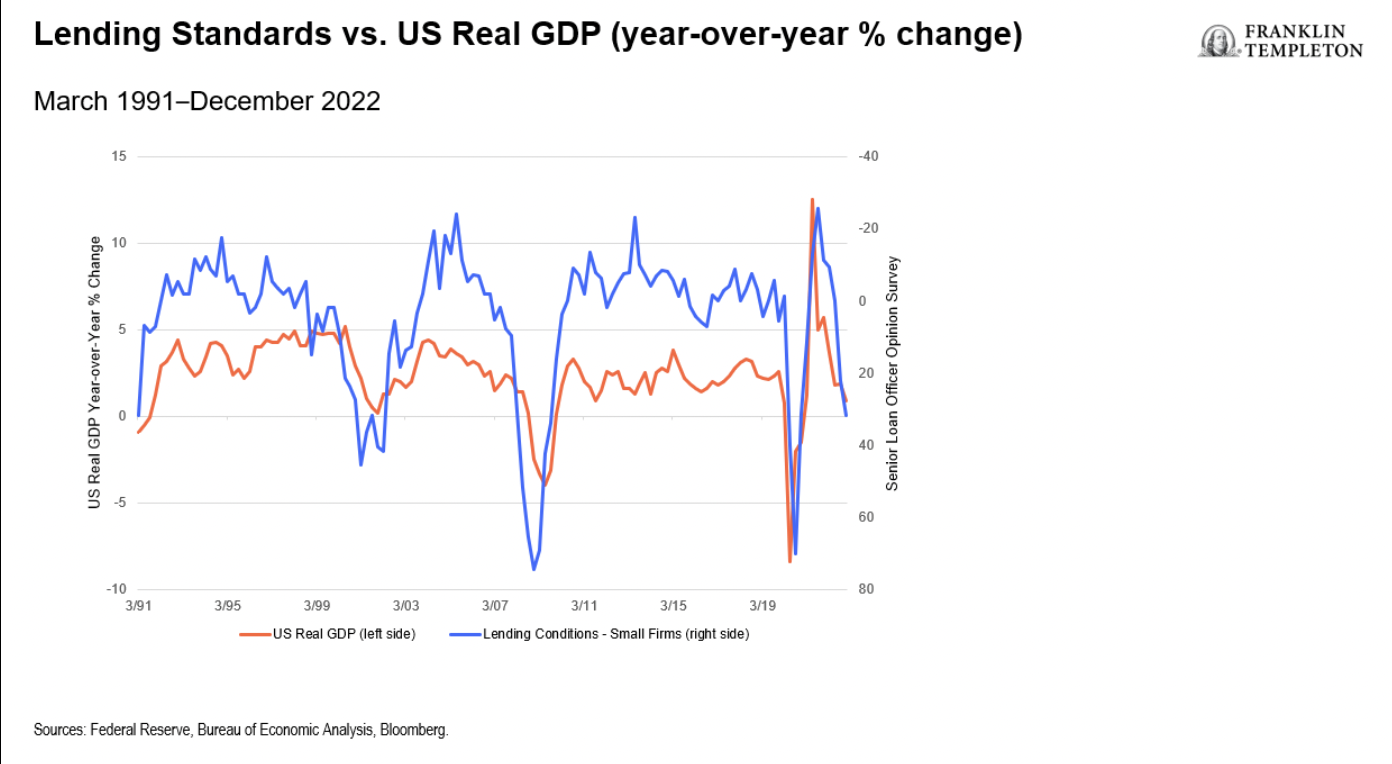
Franklin Templeton Investment Solutions explores the shared macro concerns that set the stage for the recent banking crisis, its ripple effects on the broader economy and implications for multi-asset investing.
European Banking Sector—Taking Stock After Silicon Valley Bank and Credit Suisse

Implications of SVB and Credit Suisse on the European banking sector—check out highlights from our recent panel discussion with Kim Catechis, Investment Strategist with the Franklin Templeton Institute.
Banks and the Butterfly Effect—the Global Ramifications

Financial market volatility has followed the collapse of Silicon Valley Bank. Stephen Dover, Head of Franklin Templeton Institute, shares his thoughts on possible implications outside the United States.
Making Sense of SVB, a Unique Bank with a Classic Problem

Why did Silicon Valley Bank fail?
Silicon Valley Bank Failure Ripples Through the Market

Here’s an update on the latest news involving Silicon Valley Bank and the implications for the Fed and markets, from Stephen Dover, Head of Franklin Templeton Institute.
International Equities: Poised for Recovery
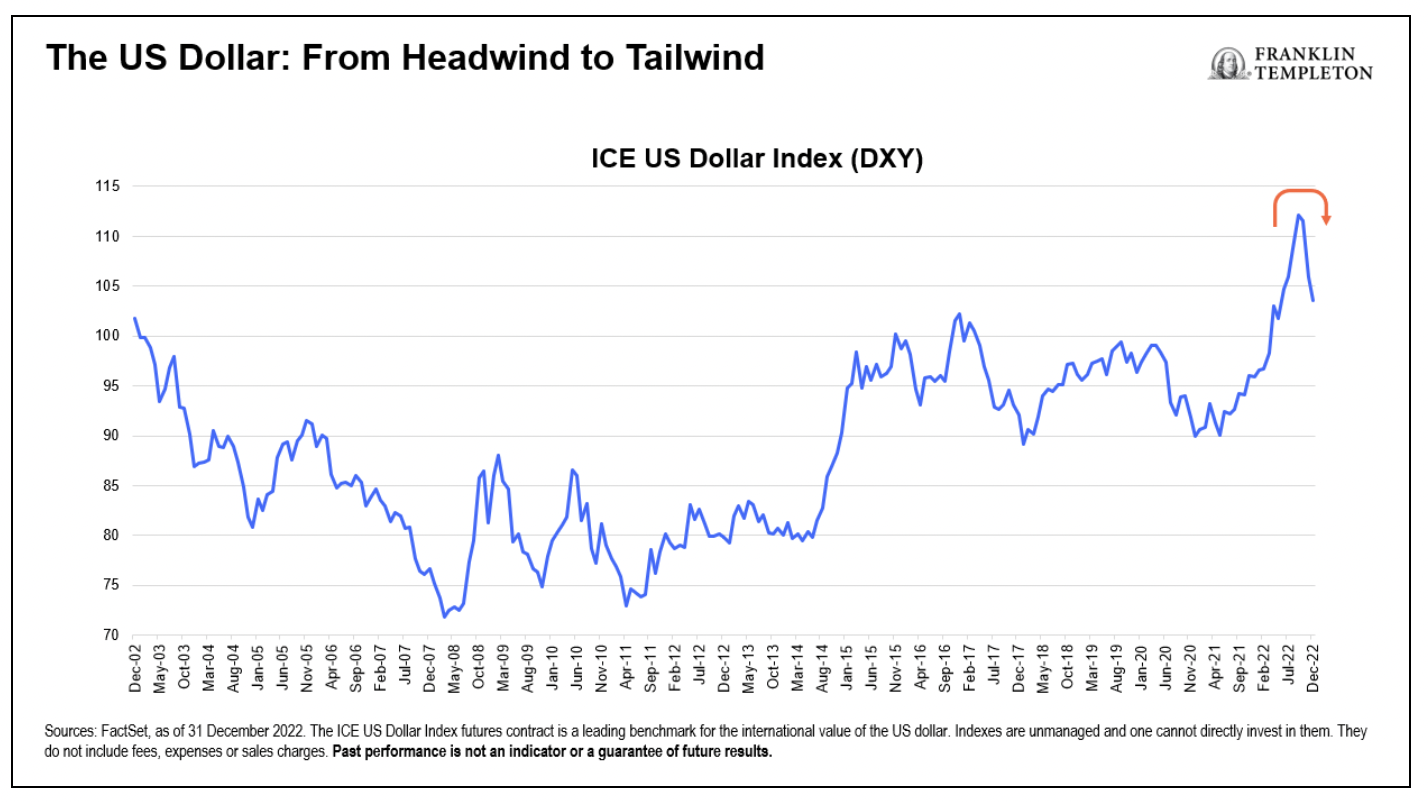
Making the case for international value investing—thoughts from Templeton Global Equity Group on why now’s the time to consider expanding one’s investment horizons.
Don’t Call This a Flash Crash!
US market structure was back in the news recently with several stocks experiencing irregular price movements on the morning of January 24.
US Budget Season Implications for the Muni Market
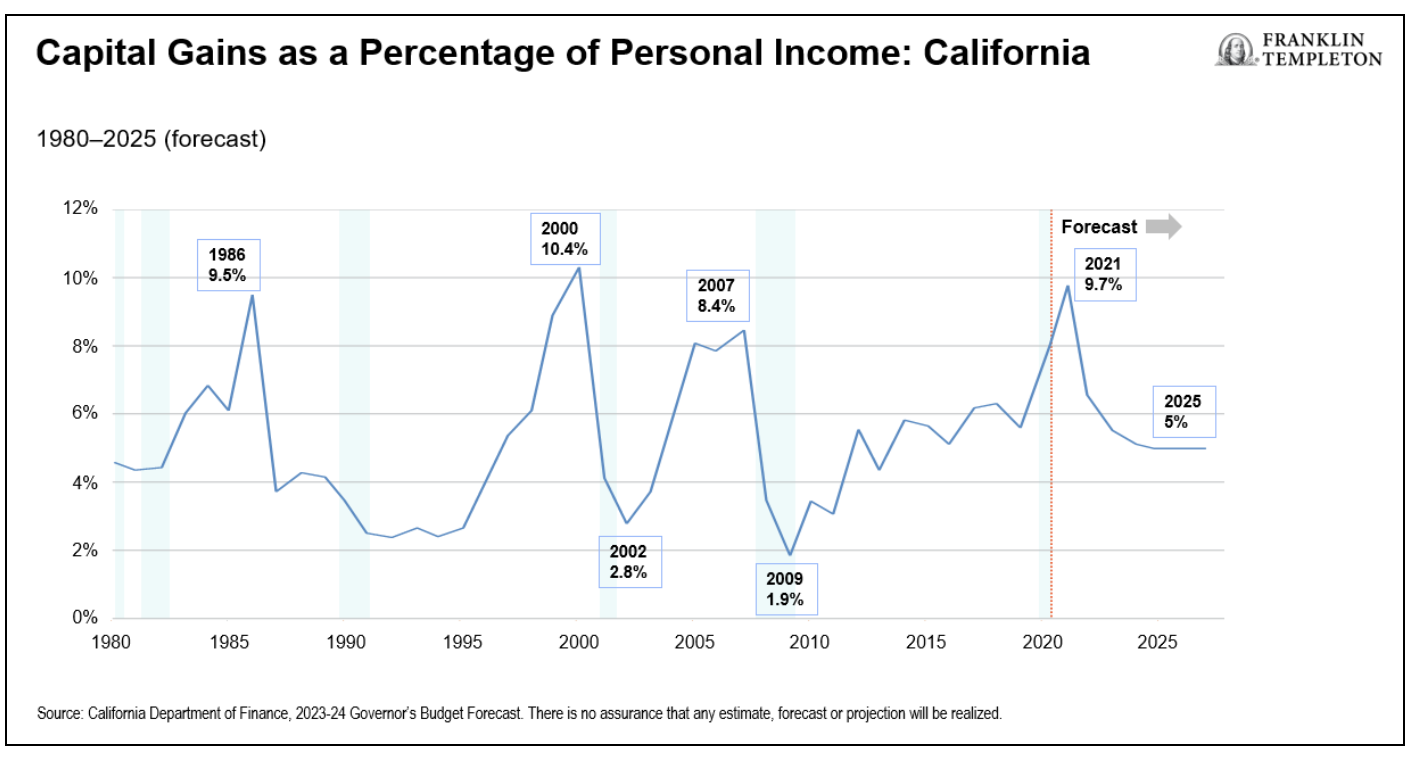
A slowdown in US economic activity this year is likely to impact most states, which could face budget deficits, according to Jennifer Johnston, Franklin Templeton Fixed Income’s Director of Municipal Bonds.
Mid-Cap ETFs’ Moment
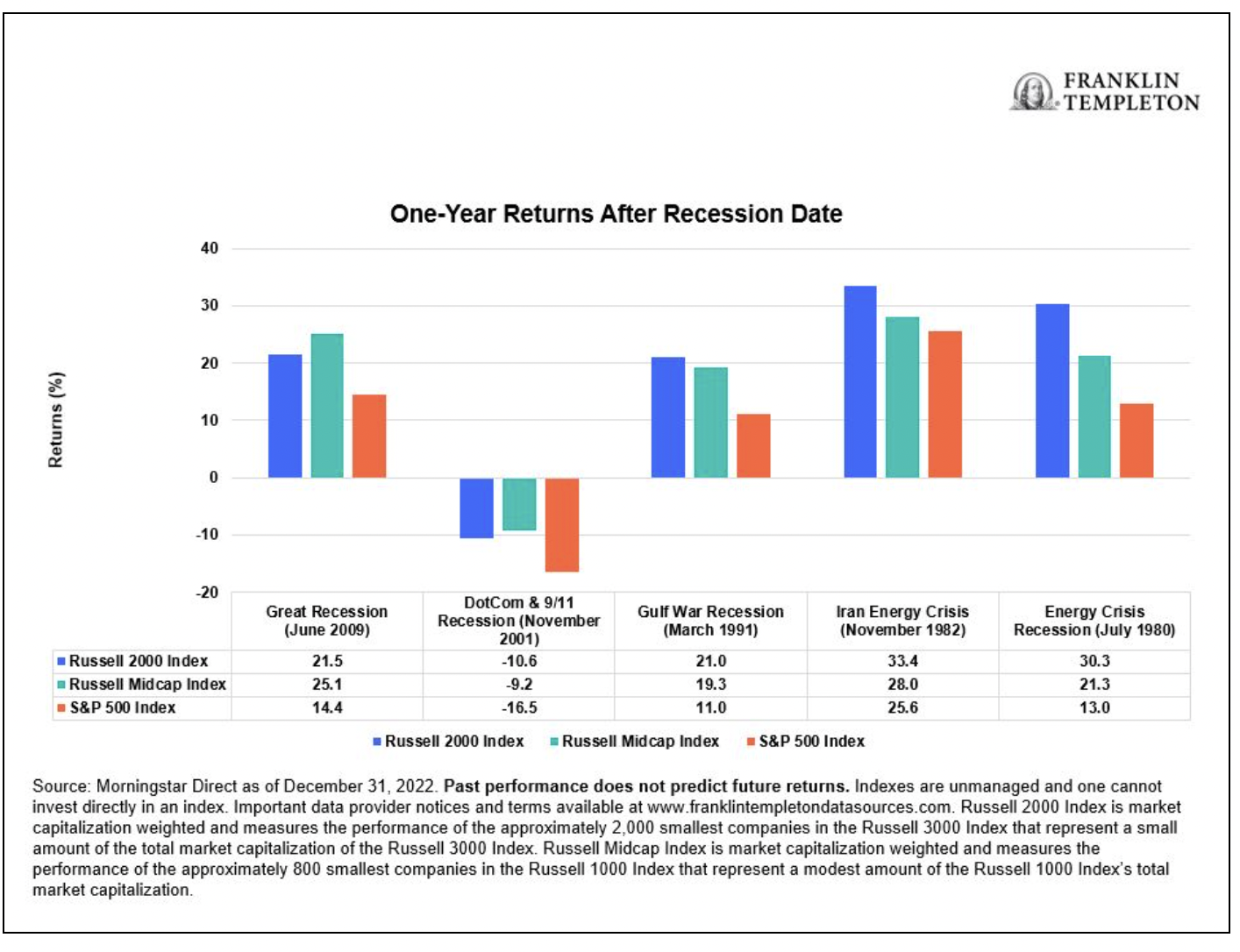
Dina Ting, our Head of Global Index Portfolio Management, offers her perspective on the allure of multifactor US mid-capitalization strategies for 2023.
US Retirement Legislation and Regulation Bulletin: Fourth Quarter 2022

We believe it is important to keep you informed on the latest proposals and regulations impacting the retirement industry, as well as implications to your business.
Alternative Investments: The Case for Real Estate
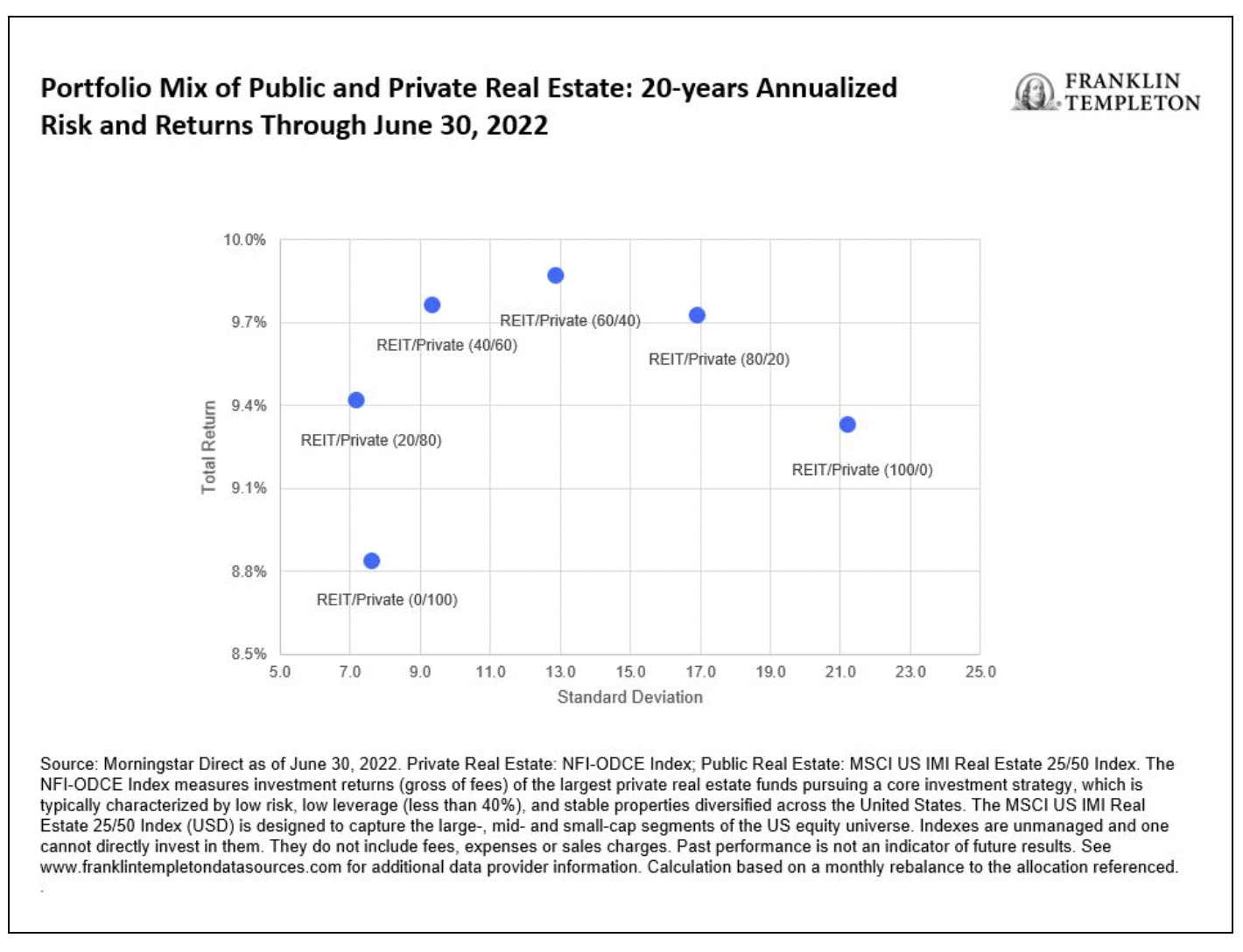
Public and private real estate investments present a compelling opportunity in the current environment of high inflation and rising interest rates, according to Daniel Scher and Blair Schmicker from Franklin Equity Group.
One Small Step Forward —One Giant Leap Away From Deflation in Japan
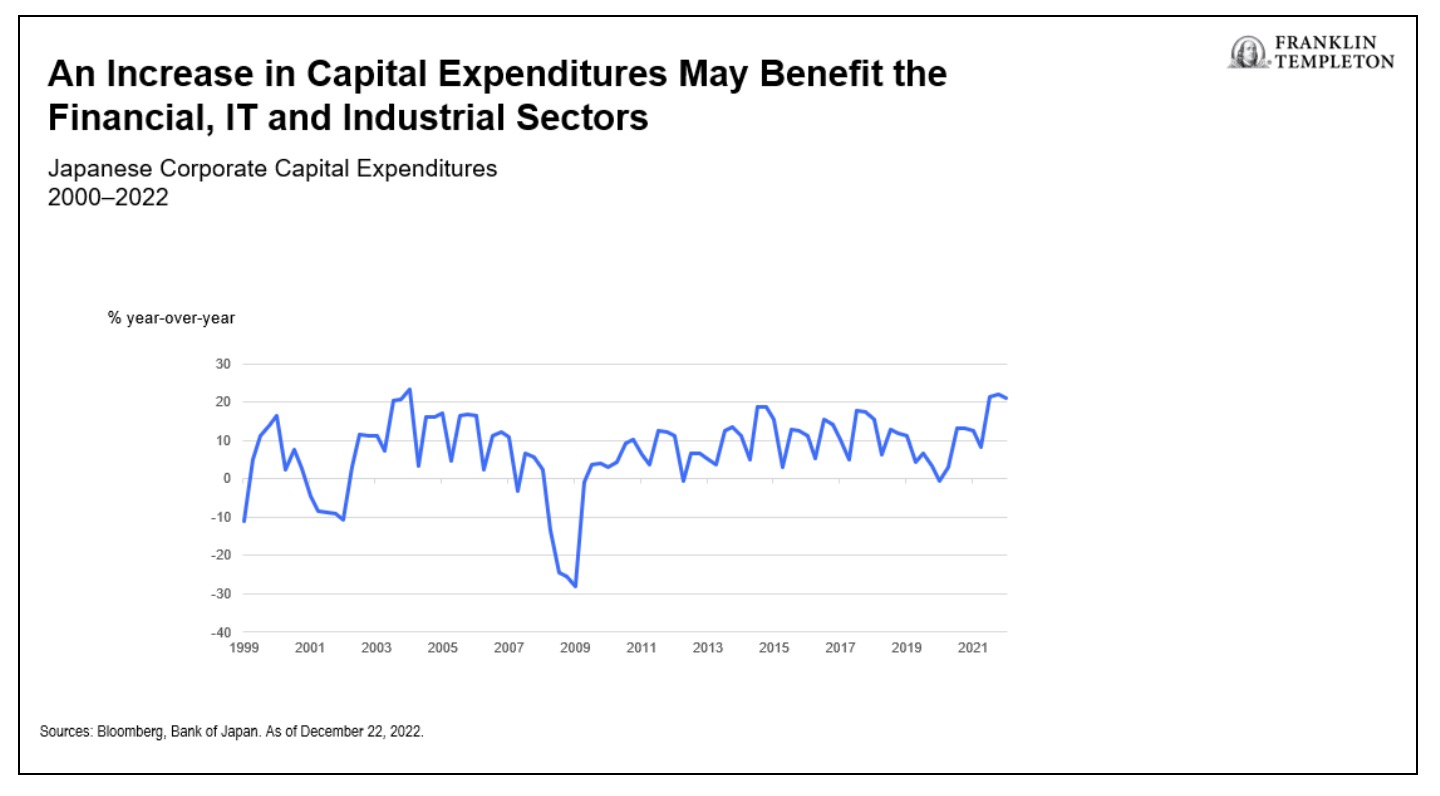
Templeton Global Equity Group weighs in on inflation’s emergence in Japan, recent monetary policy shifts, and the implications for investors.
What to Watch in 2023

Stephen Dover, Head of Franklin Templeton Institute, shares his scorecard on some market prognostications for 2022, and what his team is watching in 2023—from blockchain to balanced portfolios.
Harnessing The Power Of Duration

Yield is set to be a more important component of total return for investors during the next few years as the “Fed Put” exerts less influence on markets.


The US Prioritizes Climate Change
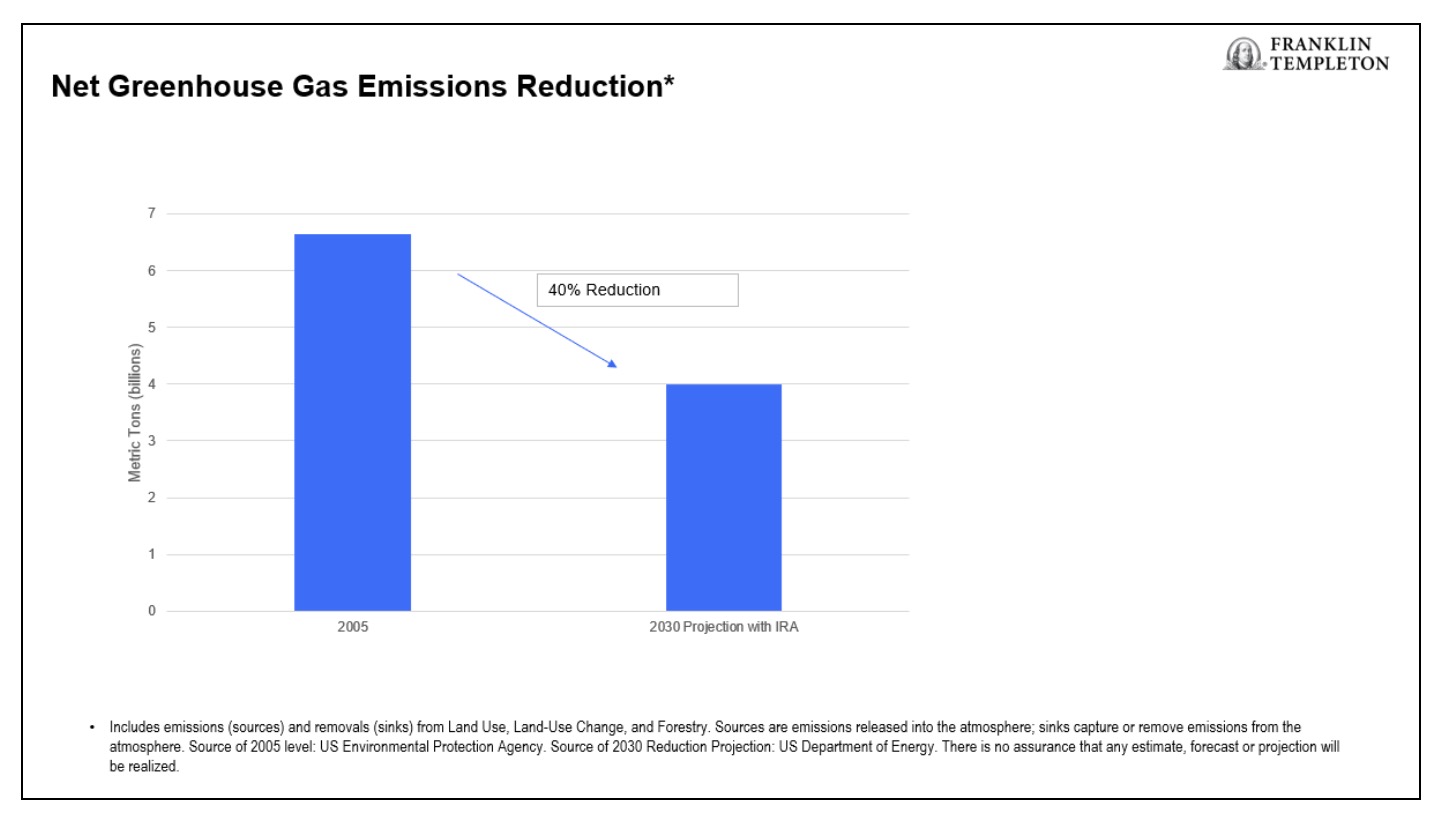
Inflation Reduction Act (IRA), climate and multi-asset implications—Franklin Templeton Investment Solutions examines the IRA from an investment lens.
Midterms and Markets
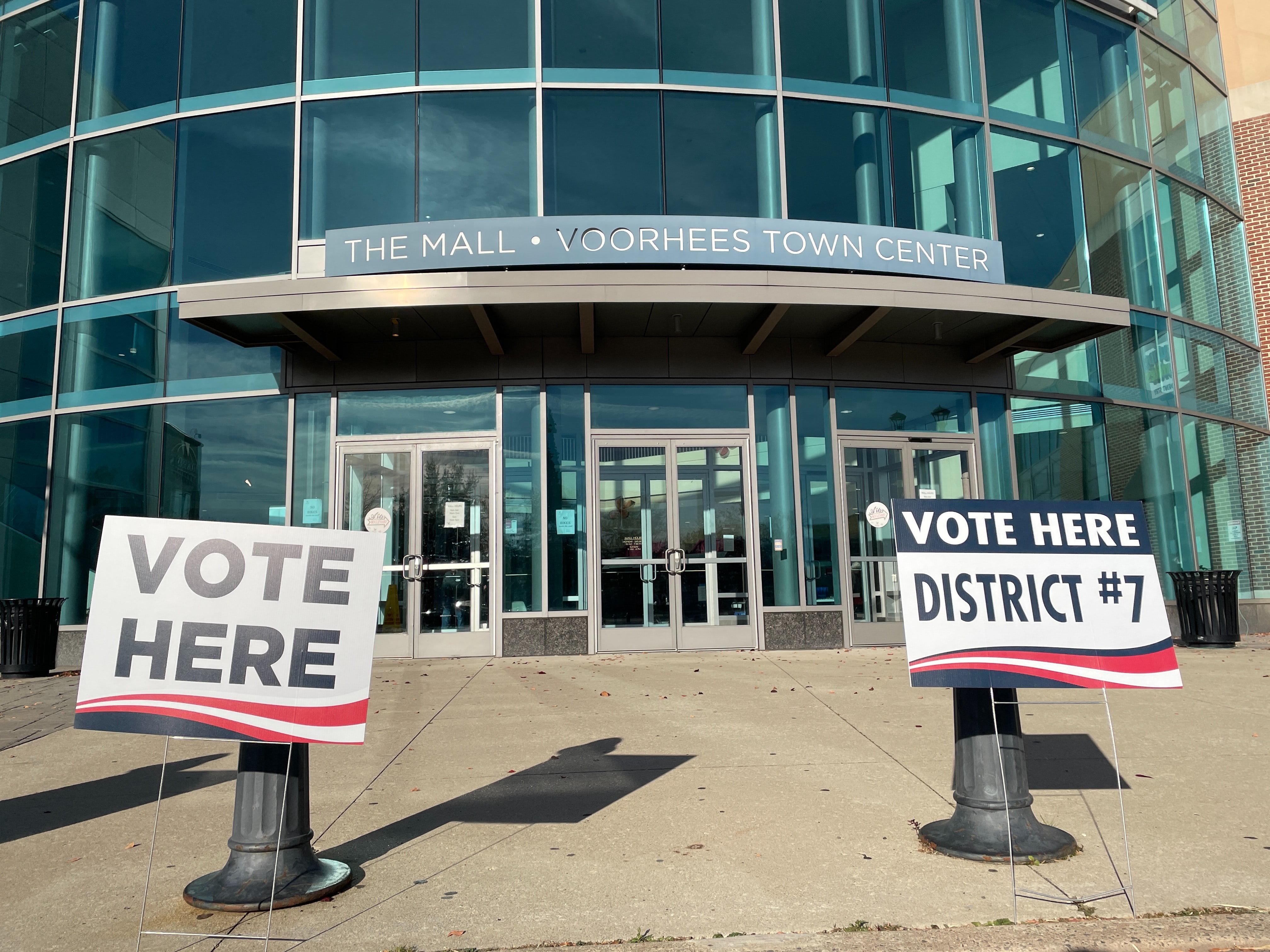
While a divided US government may look appealing, there are long-term risks amid resulting gridlock, according to Head of Franklin Templeton Institute Stephen Dover.
The Search for Hidden Opportunities

What are the implications of strategic asset allocation, the dynamics of public and private credit, tech-driven megatrends, and more?
A Different Kind of Pivot

Markets hoped for a dovish Federal Reserve “pivot,” but got a hawkish surprise instead.
UK Vs. US Pensions: The Risks of Derivatives-Led LDI Approach

It is unlikely that US corporate defined benefit (DB) pensions will have to face liquidity issues like those UK DB pensions recently witnessed, primarily because of their different approach to valuing liabilities, varying use of derivatives/leverage, and therefore a different investment style of liability-driven investing (LDI), according to Franklin Templeton Fixed Income’s Tom Meyers.
Something of Value

Franklin Mutual Series believes that fewer value investors in the market today may mean better opportunities for those who remain.
US Retirement Legislation And Regulation Bulletin: Third Quarter 2022

On August 16th, President Joe Biden signed the Inflation Reduction Act into law, ending months of uncertainty over whether congressional Democrats would ever reach agreement on a compromise budget reconciliation bill.
A Lesson in Ratios and ETF Liquidity

In the midst of back-to-school season, David Mann opines on the real-life applications of mysterious middle-school math and exchange-traded funds.
Municipal Markets Continue To Feel The Pressure This Year, Yet Fundamentals Remain Stable

The municipal bond market has not been immune to bouts of volatility hitting the markets this year, but there are still pockets of opportunity, according to Franklin Templeton Fixed Income’s Director of Municipal Bonds, Ben Barber.
Staying on Message

Federal Reserve Chairman Powell delivered another forceful message to markets that an early pivot back to rate cuts will not happen until inflation is under control.
Making The Case for Alternatives—Particularly Commercial Real Estate—in Defined Contribution Plans

Despite widespread use in institutional portfolios, alternative investments are not typically found in US defined contribution plans.
Euro Fall: Why Parity Between the Euro and US Dollar May Persist

Franklin Mutual Series’ Investment Strategist Katrina Dudley believes that higher inflation in Europe stemming from rising energy prices, as well as lower relative interest rates, may keep the euro under pressure.
Think Locally, Invest Globally
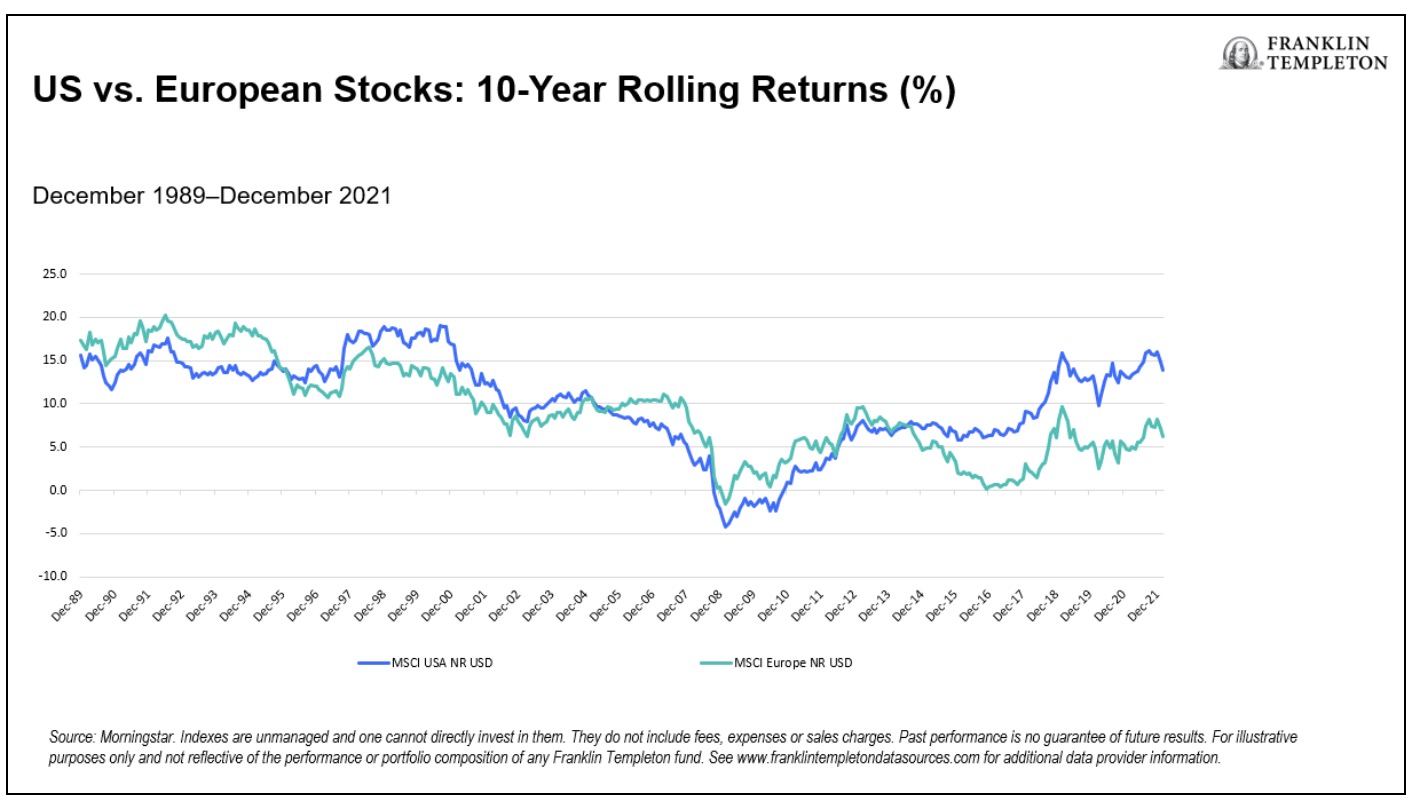
Franklin Mutual Series explains how global investing may provide a path to better returns.


Inflation Hedges: Fact and Fantasy
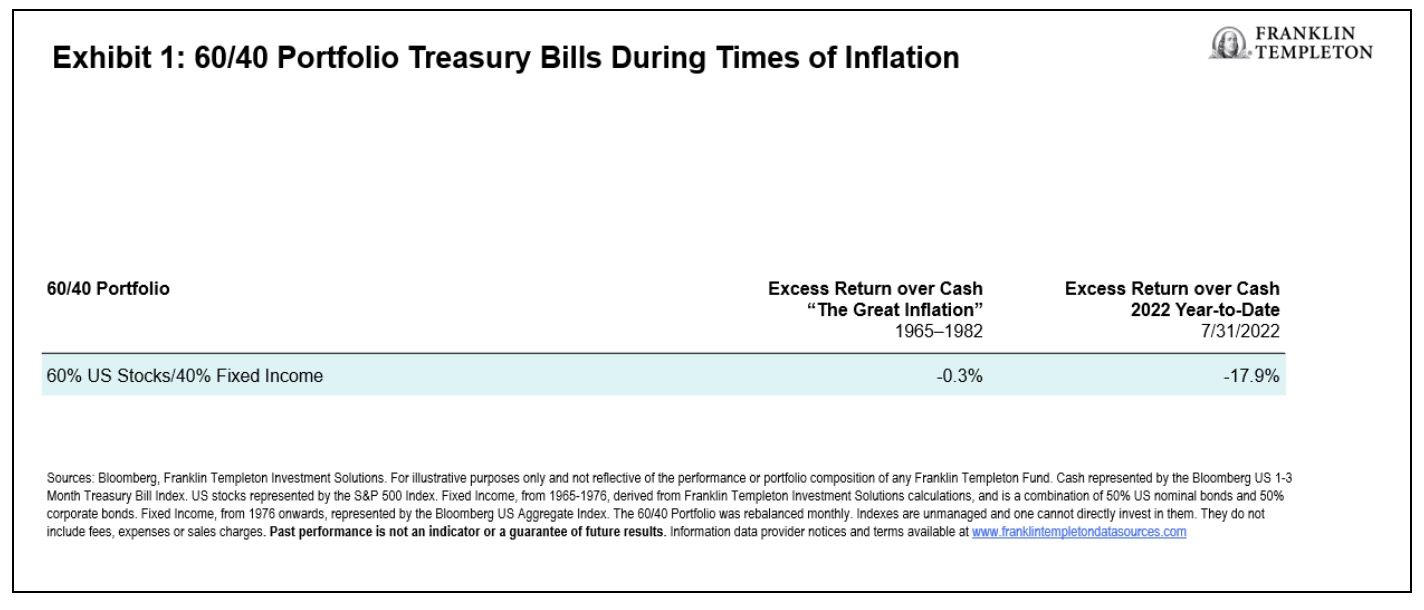
Equity markets have clearly taken notice of rising inflation—and not in a good way.
Quality Microcaps Can Weather the Current Storm

Mutual Series’ Oliver Wong believes high-quality microcaps house hidden benefits, despite the extreme market declines seen in the first half of the year.
US Equities: Opportunities Amid Turbulence
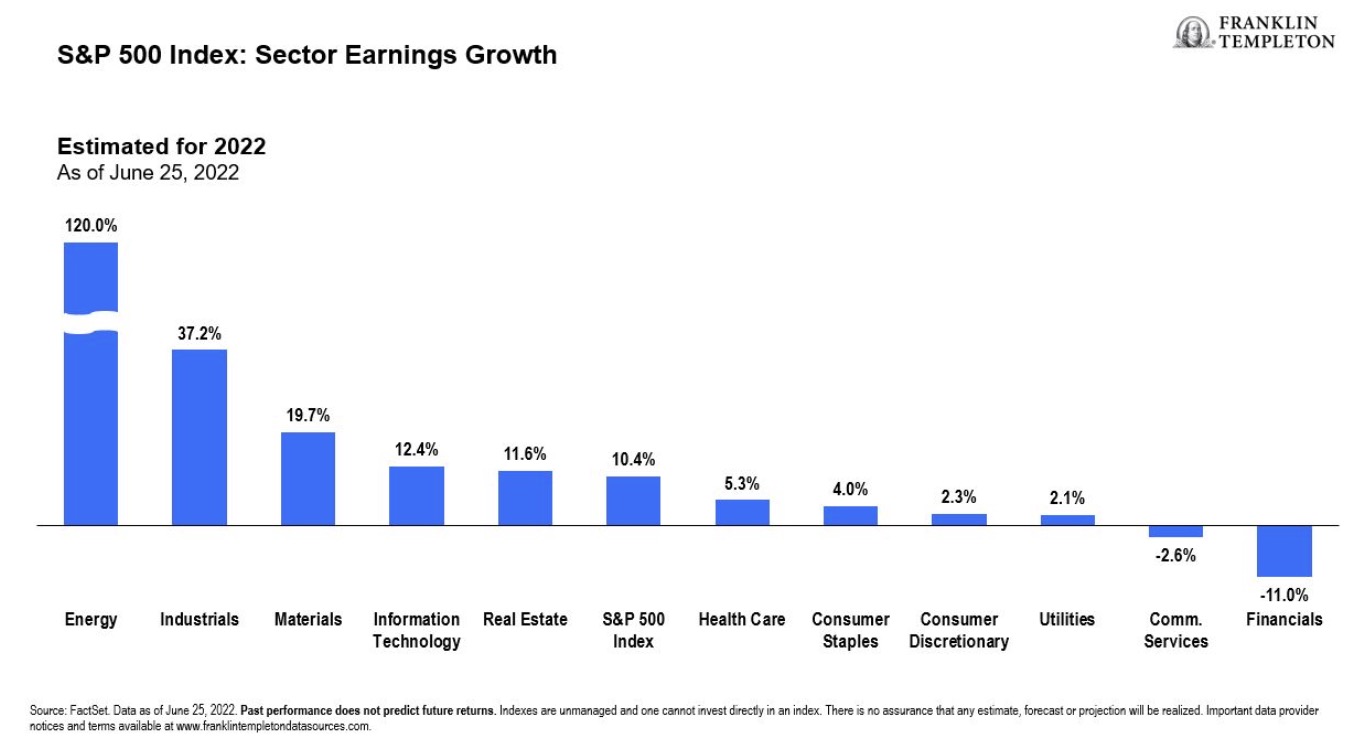
Franklin Equity Group Portfolio Manager Grant Bowers shares his outlook on inflation and recessionary risks and where he’s finding opportunities in US equities amid recent market volatility.
A Collective ETF Trading Mentality

What do sports cards have in common with exchange-traded funds?
Investing in Infrastructure- Why Now?

Infrastructure has recently seen increased attention as broad equities have been weaker in 2022 due to inflation, rising interest rates, global supply chain disruptions from COVID-19 and the war in Ukraine.
Where Have All the 100-Yen Stores Gone?
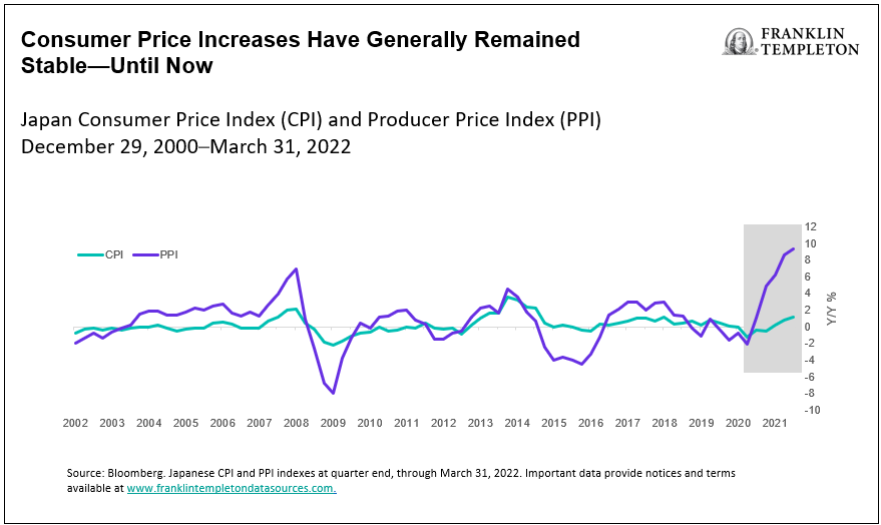
Templeton Global Equity Group explores the legacy of Abenomics, the emergence of inflation in Japan, and finding value opportunities there.
Saving For College: Start Small, But Start Now

With National 529 Day last month and graduation season underway, the cost of education is at the top of many people’s minds.
Quick Thoughts: Navigating Uncertainty In A Rapidly Changing World

Thoughts on recent market volatility and implications for investors from Head of Franklin Templeton Institute, Stephen Dover.
Drilling Down: Oil Production Scenarios Across Countries

With economies scrambling for alternatives to Russian fossil fuels, Dina Ting, our Head of Global Index Portfolio Management, offers perspective on single-country portfolio exposure to other world oil producers.

Making Sense of the Recent Market Selloffs

Wylie Tollette, Head of Client Investment Solutions with Franklin Templeton Investment Solutions, joins the head of the Franklin Templeton Institute, Stephen Dover, for a conversation on the recent equity market selloff.
Don’t Fear the ETF Liquidity Boogeyman

Selling an exchange-traded fund (ETF) should be just as easy as buying one, irrespective of the fund’s size or volume.
Managing Challenges in US Equity and Fixed Income Markets Today
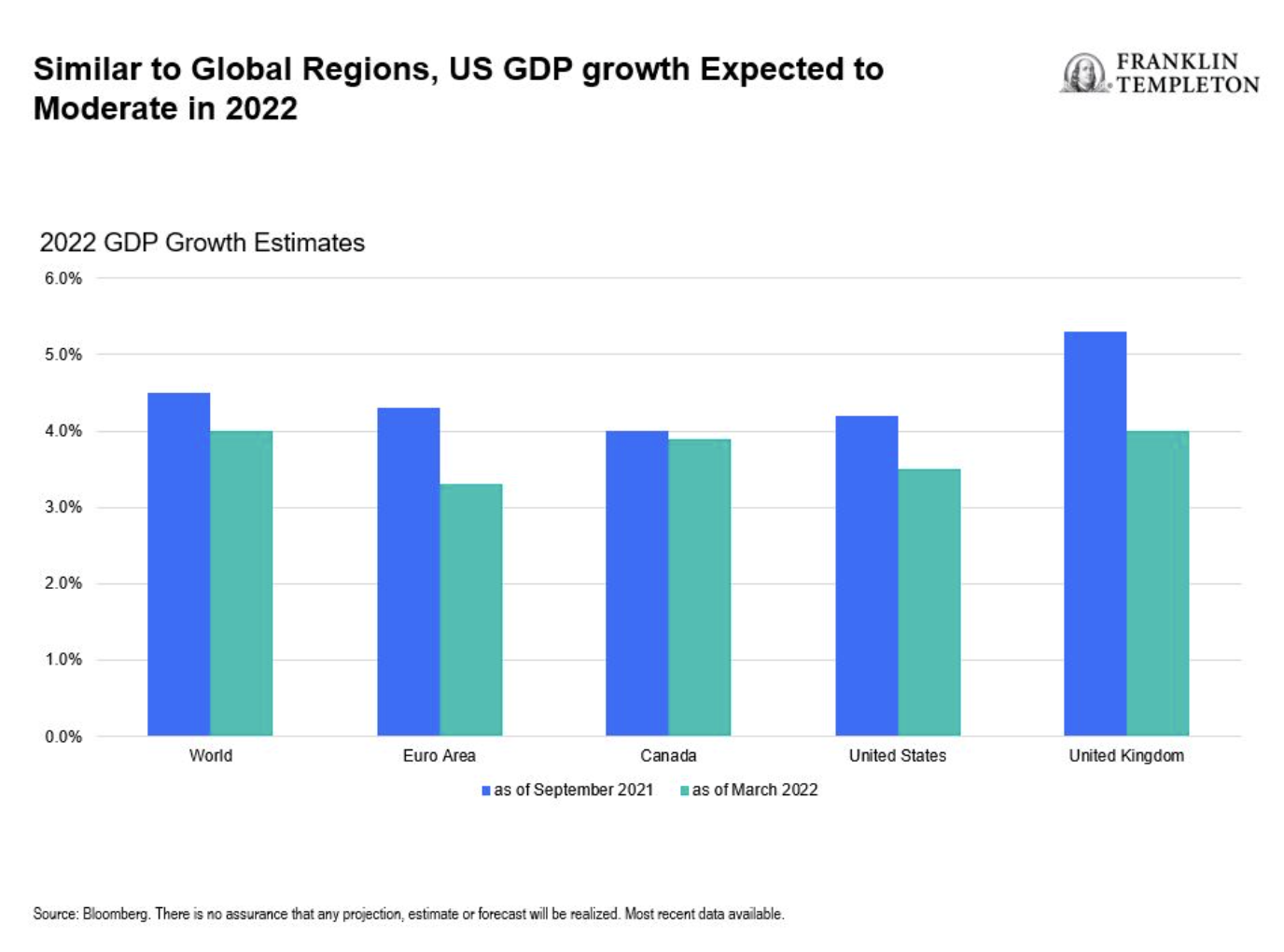
Coming out of the depths of the pandemic, US equity and fixed income markets are facing new challenges this year amid a rising interest rate environment and deceleration in growth.
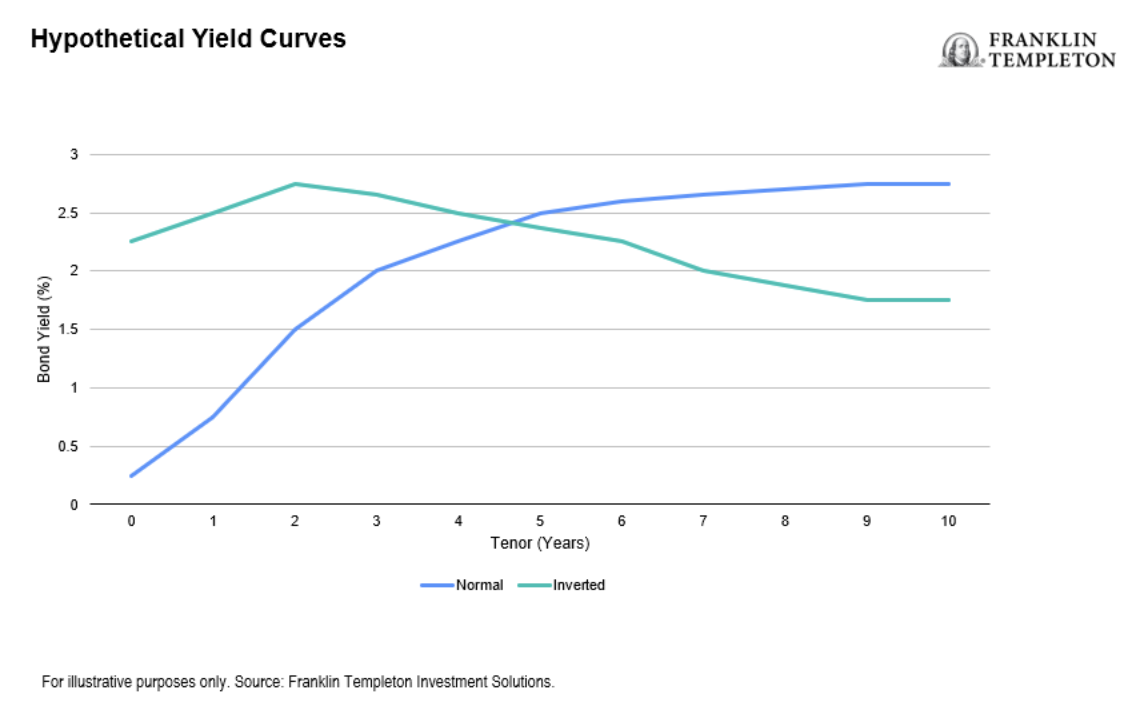

Budget Season

For US states, spring marks budget season, a time to check the ledger board and allocate funds to entities and projects within the state—or cut back where needed.
Quick Thoughts: Staying Ahead of Environmental, Social and Governance (ESG) Risks and Opportunities

Head of the Franklin Templeton Investment Institute, Stephen Dover, recently hosted a sustainable investing roundtable.
The Inflationary Shock of the Russia-Ukraine Crisis

Russia’s invasion of Ukraine has ramifications for global inflation and growth, according to Franklin Templeton Fixed Income.
Quick Thoughts: What Russia’s Power Play in Ukraine Means for Investors

We recently hosted a special edition of our “What Our Managers Think” panel discussion to address the current situation in Ukraine.
Quick Thoughts: Ukraine, Russia, and the Path Forward

Kim Catechis, Investment Strategist for the Franklin Templeton Investment Institute, recently shared his thoughts around the situation in Ukraine and the implications for the global economy and capital markets.

Diving into the ETF and Mutual Fund NAV Pool

With many mutual funds converting into exchange-traded funds (ETFs), the combination of ETF trading and net asset value is garnering more attention.
Quick Thoughts: Defensive on the Curve

Stephen Dover shares insights on investing in fixed income in a rising-rate environment with Walter Kilcullen, Head of US High Yield for Western Asset Management, and Reema Agarwal, Head of Floating Rate Debt for Franklin Templeton Fixed Income.
On My Mind: The Long and Winding Road…

With inflation running at multi-decade highs, major central banks get ready to tighten monetary policy.
Re-Evaluating Work and Retirement

Franklin Templeton’s second edition of our “Voice of the American Worker” survey revealed that US workers are re-evaluating how they think about their jobs and what they expect from employers.
Global Plays on Inflation for 2022

When considering portfolio allocation, it’s important to keep in mind the wide dispersion of returns among economies.
Quick Thoughts: On the US Markets and Volatility

Stephen Dover, Head of the Franklin Templeton Investment Institute, recently sat down with colleagues Scott Glasser, Chief Investment Officer of ClearBridge Investments, and Mark Lindbloom, Portfolio Manager for Western Asset, to discuss recent US market volatility.
High Yield in View: An Update on Autos and Semiconductors

The intricacies and knock-on effects of the COVID-19 pandemic on the semiconductor and automotive industries continue to present interesting dynamics for investors to navigate.


ETF Trends to Watch in 2022: Conversions, International Interest and Sustainable Funds

With January being a month for prognostications, David Mann, our Head of Global Exchange-Traded Funds (ETFs) Capital Markets, shares his annual outlook for the ETF industry and key trends he sees taking shape in 2022.
K2 Hedge-Fund Strategy Outlook: First Quarter 2022

With both the pandemic and inflation proving longer lasting than many had anticipated, what does that mean for central bank policy in the months ahead?
A Tale of Two Real Estate Markets: US and China

Tracy Chen, Portfolio Manager with Brandywine Global, and Tim Wang, Head of Investment Research for Clarion Partners, join Head of the Franklin Templeton Investment Institute, Stephen Dover, to take a closer look at how the pandemic has impacted real estate markets in the United States and China.
Muni Impact of US Infrastructure Bill Could Prove Longer Term

While the new US infrastructure investment bill didn’t have any initiatives directly targeting the municipal bond market, there are still implications for munis in the longer term, according to our Municipal Bond Director of Research Jennifer Johnston. She explains the ramifications for investors in the space.
Global Investment Outlook: Is the E in ESG Accelerating?

The global pandemic has further highlighted the importance of environmental, social and governance (ESG) factors in investing. With the 2021 United Nations Climate Change Conference coming up in November, it is an opportune time to focus on ESG—particularly the “E”—and the roles of policymakers, asset managers and end investors.
K2 Hedge Fund Strategy Outlook: Fourth Quarter 2021

Is inflation truly transitory? Will central banks start to tighten the policy reins? Will earnings continue to boost equity valuations? Heading into year end, the K2 Advisors team ponders these and other questions in its fourth quarter (Q4) hedge-fund strategy outlook.
Quick Thoughts: Innovation Builds Deep Water Technology Waves

The next decade will see an urgent and widespread boom in investments in innovation across all economic sectors, according to Stephen Dover and Kim Catechis of the Franklin Templeton Investment Institute. They say this technology wave will be experienced in both private and public sectors, and in every facet of investment portfolios for years to come.
The Value of Being Actively and Constructively Engaged

Robust engagement with company management can be key in sparking catalysts that unlock shareholder value and potentially lead to better returns over the longer term, according to Franklin Mutual Series Environmental, Social and Governance (ESG) Ambassador Tim Rankin.
Quick Thoughts: The Growth and Inflation Argument Continues

When it comes to questions about inflation, growth, and the impacts of vaccination rates on global economies, many of us are asking: what’s next? Our Head of the Franklin Templeton Investment Institute, Stephen Dover, and five economists from Franklin Templeton’s specialist investment teams discuss the current environment and how it shapes their views on the path forward.
Deep Water Waves: Long-Term Drivers That Face Investors

“Deep Water Waves” represent the powerful long-term forces that face investors, fundamentally altering the economic, political, and public policy foundations for asset prices.
While it’s tempting to focus on passing market storms, Franklin Templeton Investment Institute explores these forces that look to shape the future of our world—and the investment landscape.
Survey Shows Importance of Personalized Approach to Retirement Planning

Franklin Templeton’s 2021 US Retirement Income Strategies and Expectations survey revealed financial-related concerns across generations of Americans including health care, inadequate savings, and debt management—and the need for a personalized approach to retirement planning.
On My Mind: Leaving QE, Never Easy

This year’s annual economic policy symposium in Jackson Hole opens the six months that will likely define the legacy of the Powell Fed’s first term.
On Post-Pandemic Growth and Inflation, Equity Prospects and Income-Seeking Strategies

Ed Perks, CIO of Franklin Templeton Investment Solutions, outlines what factors should likely support economic growth, how he views inflation, why US equities remain attractive, and where income-seeking investors should look for potential opportunities.


The Certainty of Change: Evolution of Investor Access to China

The unpredictable nature of politics and government action within individual countries can make a case for disaggregating international exposure, according to our Dina Ting.
Quick Thoughts: Are You Pricing in Water Risk?

Our Chief Market Strategist, Stephen Dover, believes that water risk is global now—devastating floods, unseasonal hurricanes, droughts, megafires, and more demonstrate this.
Cryptocurrency, Blockchain, and Digital Assets: Love ‘em, Hate ‘em, but Don’t Ignore ‘em

Our Chief Market Strategist Stephen Dover explores blockchain and digital assets through an equity-investor lens with Anthony Hardy and Christophe Vande Walle.
On My Mind – The Fed’s Last Call for the Punchbowl?

The Fed now acknowledges inflation risks are to the upside.
European Fixed Income Finds Central Bank Support

As Europe’s economy continues to recover from COVID-19, it appears the central bank will remain accommodative, but for how long?
Quick Thoughts: New Realities in Emerging Markets

Emerging market (EM) economies are not what they used to be.
Shortages, Resurgent Demand and Rising Inflation Expectations Lift Commodities

Commodities prices have been moving higher this spring amid rising demand and rising inflation expectations globally as economies emerge from the pandemic.
Quick Thoughts: A Very Hot Housing Market Globally

Rising housing prices often reflect a country’s economic growth and health.
Tech Opportunities Abound Amid Economic Reopening

As more people are getting vaccinated and economic conditions return to normal, Franklin Equity Group’s Jonathan Curtis says the digital transformation themes that accelerated during the COVID-19 crisis are still just getting started.
Value and Growth: The Indivisible Dichotomy

Franklin Mutual Series’ Director of Research Grace Hoefig sits down with us to explain how value investing involves more than just computing ratios, and why the answer to the age-old question “growth or value” should be “yes.”
Pent-Up Consumer Demand Fuels US Recovery

As the US recovery gains momentum, Franklin Equity Group’s Grant Bowers explains why pent-up consumer demand should present a fertile environment for stocks and highlights some opportunities he sees in the US equity market.
Factoring Inflation and Valuations into Stock-Picking Decisions

Our Chief Market Strategist Stephen Dover speaks with portfolio managers Matt Moberg from Franklin Equity Group and Aram Green from ClearBridge Investments on how they factor inflation and valuations into stock-picking decisions.
Quick Thoughts: The Opportunities in Innovation

Our recent investing in innovation roundtable confirmed that investing in innovation requires intuitive and fundamental knowledge.
Muni Market View of The American Jobs Plan

US President Joe Biden recently announced an ambitious new $2 trillion infrastructure plan, which touches many areas of the US economy. Jennifer Johnston, director of research, Franklin Templeton Municipal Bonds, outlines some highlights of this sweeping legislation, and how it could impact the muni market.

Quick Thoughts: Blockchain Innovates and Disrupts

Blockchain has the potential to launch a new global digital renaissance, transforming financial services, supply chains, healthcare, backend offices, and more. Our Chief Market Strategist Stephen Dover outlines how we continue to evaluate its risks and opportunities as active investors.
Climate Change Sectors Heat Up

From digital factories to plant-based clothing, climate change investing is much more than just investing in renewable energy, according to the Templeton Global Equity Group.
Reasons We Remain Bullish on Gold

While gold is valued for a variety of reasons, the uncertainty and economic fallout tied to the COVID-19 pandemic saw investment drive the price of the yellow metal to record highs in 2020.
Volume and the Hybrid Nature of the ETF Vehicle

Investors choose particular exchange-traded funds (ETFs) for many reasons, but volume and liquidity are often important considerations.
On My Mind: A Tale of Two Recoveries

While a global recovery has now become the base case for financial markets, differences between countries and regions on the path toward normalcy are significant and seem set to widen.
Biotech Innovations Remain at Forefront

The first quarter of 2021 was challenging for investors in biotechnology, but Franklin Equity Group Portfolio Managers Evan McCulloch, Wendy Lam and Akiva Felt believe the second half of the year will likely bring welcome tailwinds for the industry.
State and Local Governments Get Shot of Stimulus

Another round of stimulus totaling $1.9 trillion is making its way through the US economy, with hopes it will trigger a sharp rebound from the ravages of COVID-19.
Quick Thoughts: The American Jobs Plan is Not Just an Infrastructure Plan

The American Jobs Plan is not only the biggest traditional infrastructure proposal in over 50 years, but if approved, it will also fund significant investments in human and environmental infrastructure.
Secular Tailwinds Prevail Across Market Cycles

With global equities trading near record highs, many investors are questioning the potential for continued gains going forward.
K2 Advisors Second Quarter Hedge-Fund Strategy Outlook

With a broad-based economic reopening coming closer into focus, investors are planning for the next stage in the cycle.
Take the Time to Love ETF Liquidity

Is it time to give newer or smaller exchange-traded funds (ETFs) a look?
Time for Social Security’s Shot in the Arm

The COVID-19 pandemic has been devastating for individuals and economies around the world.
Quick Thoughts: Be an Ally to Women Entrepreneurs and Herstory

Entrepreneurial women’s lack of access to venture capital (VC) is one of the oldest stories in the world. How do we change herstory and empower women entrepreneurs and founders?


Asia at the Forefront: The World’s Uneven Emergence from COVID-19

There is significant variation in how countries have handled the pandemic, managed fiscal and monetary policy, and supported their economies, according to Templeton Global Macro.
Brexit Deal Finally Struck as 2020 Comes to a Close

The United Kingdom and European Union finally put Brexit to bed, striking a deal in the final days of 2020. While the deal may not be perfect for either side, David Zahn, our Head of European Fixed Income, says the markets welcomed the removal of uncertainty.
Preparing the Post-Pandemic Playbook

Ongoing uncertainty around the COVID-19 pandemic has strengthened headwinds to global growth, says Franklin Templeton Investment Solutions CIO Ed Perks. In his 2021 investment outlook, he says nimble and diversified positioning is key to effective investment strategies.
A Year of Lingering Uncertainty, but Ample Global Opportunities

Our Head of Equities, Stephen Dover, shares his 2021 equity outlook. He sees opportunity amid upheaval.
US 2020 Election Investment Pulse: Resilience and Vulnerability in Emerging Markets
The US elections have implications for emerging markets in the area of global trade relations in particular, but for investors, it’s important to look at countries and companies individually within the asset class, according to Portfolio Manager Andrew Ness. He joins our Head of Equities Stephen Dover to discuss how emerging markets are navigating today’s challenges—including the COVID-19 pandemic—and note they are home to some of the most innovative and resilient companies in the world.
Investors Turn Cautious in September after a Strong Start to the Quarter

Emerging markets have had different approaches to coping with COVID-19 and are at different stages of recovery. Our emerging markets equity team examines trends, news and data shaping emerging markets in the third quarter, and shares its latest outlook.
Investing in Innovation

The pace of innovation is accelerating. See why Matt Moberg, PM of Franklin DynaTech Fund, thinks the fourth industrial revolution is just beginning.
COVID-19: A Positive Tipping Point for Some Brazilian Banks?
The coronavirus pandemic is hurting Brazilian banks in the near term, but is the outlook entirely grim? Franklin Templeton Emerging Markets Equity’s Gustavo Stenzel explains why certain banks could emerge from the outbreak stronger relative to a new pack of financial technology competitors.v
The Fed’s Final Frontier—Negative Rates or Yield Curve Control?
Given fears of a COVID-19 resurgence and US election uncertainties looming, many investors are wondering what comes next for policymakers in terms of supporting the economy. Our Fixed Income CIO Sonal Desai weighs in on the possibility of negative US interest rates or other measures.
Navigating Uncertain Waters: Preparing for a Post-Pandemic World

Dr. Michael Hasenstab and team examine the economic implications of the global pandemic, then look ahead to reopened economies and a post-virus world.
The Path to Recovery: What's Next?

The coronavirus has dealt a severe and unexpected shock to people - and markets - worldwide. Our senior investment leaders examine where we go from here, outlining how they see a recovery taking shape once the crisis passes.
