Speculation may be running rampant—much like past bubbles—but that’s exactly why long-term investors should be optimistic. As past bubbles eventually gave way to investment opportunities, this environment could set the stage for powerful long-term returns.
Investing in commodities can be a difficult path for investors who react impulsively to market headlines and short-term price movements.
The Federal Reserve held rates steady for a fifth consecutive meeting, though murmurs have begun in the Fed ranks that the time for more cuts is approaching.
President Donald Trump has put the Indian prime minister in a tight corner. The 25% tariff that he says he’ll impose on US imports from the most-populous nation isn’t significantly higher than the rates he has announced for Southeast Asian countries like Vietnam, Indonesia and the Philippines.
In a May report on alternative scenarios for the long-term US budget outlook, the Congressional Budget Office estimated the impact of productivity growth that was faster or slower than the 1% annual average in its baseline forecast. It made a big difference.
The Federal Reserve kept benchmark interest rates unchanged on Wednesday but edged closer to a resumption of cuts, perhaps as soon as the next monetary policy meeting in mid-September.
With August tariff extensions looming, several major companies are now guiding for reduced tariff impacts, a shift that has helped boost market sentiment this earnings season.
Judging by soaring asset valuations in the wake of President Trump backing away from the worst-case tariff scenario, one could believe that the threat posed by upending the global trade framework has been removed. We are more circumspect.
Globally, stock markets are near their highest levels for the year, reversing the losses that came in the wake of the U.S. tariffs announced on President Donald Trump's declared "Liberation Day," April 2nd.
Doug Drabik discusses fixed income market conditions and offers insight for bond investors.
Tell me if this rings a bell. You worked hard your entire life. You maxed out your 401(k) every single year of your career and invested those assets inside your employer 401(k).
On Tuesday, consumer products giant Procter & Gamble reported its latest quarterly results. Given the mixed signals on where inflation and tariffs stand for the long term, advisors and investors were eager to hear how the company is doing and what it’s doing to position for the long term.
Retirement saving in a 401(k) plan requires patience and discipline. Our Mike Dullaghan explains why it’s important to automate contributions, diversify, and stay committed to your plan.
The Federal Funds Rate (FFR) is the interest rate banks charge each other to borrow money overnight. It's set by the FOMC and is one of the Federal Reserve's primary tools to implement monetary policy and is a key driver of economic activity. This video examines the Federal Funds Rate and reviews the Fed's interest rate meeting on July 30, 2025.
Constant threats are souring U.S. relations with its trading partners. Stop-gap deals of the kind agreed recently will not mark the end of the trade war, as the pacts leave high tariffs in place.
The U.S. economy is still proving resilient despite global tensions and trade barriers. The news of a 15% EU deal is very encouraging, and there were few other restrictions in the preliminary agreement.
With the August 1 trade deadline fast approaching, America’s trading partners are racing to finalize agreements in hopes of securing more favorable terms before the higher tariffs announced by President Trump take effect.
US equities underperformed global markets in the first six months of 2025, but continue to trade at a premium to foreign markets. ClearBridge Investments outlines the case for global diversification.
When markets decline—especially after long periods of sustained growth—the familiar advice resurfaces: “Be patient. Stay invested. Ride it out.” The rationale? The market always goes up over time. But there’s a critical flaw in this narrative.
In the latest edition of Market Week in Review, Senior Investment Strategist and Head of Canadian Strategy, BeiChen Lin, unpacks the European Central Bank’s (ECB) latest policy decision, provides an update on U.S. trade negotiations ahead of the August 1 deadline, and previews next week’s interest rate decisions from the Federal Reserve and Bank of Canada (BoC).
President Trump announced higher tariffs were on the way almost as soon as he took office. As a result, businesses focused on buying foreign goods in advance, to front run those tariffs, putting some of their purchases from domestic producers on the backburner.
The ability of the US economy to avoid a recession in 2022-2023 rested, in part, on the resilience of non-residential investment, which was propped up by a strong private investment push from companies taking advantage of provisions in both the CHIPS Act as well as the IRA.
With inflation still eating away at fixed-income returns and threatening the once-reliable stock/bond inverse correlation, it may be time to take another look at adding gold fixed-income offerings to portfolios.
We believe several forces—tariffs that weigh on U.S. household income, shifts in fiscal and economic policy abroad, and evolving macroeconomic conditions—could compress growth differentials between the United States, Europe, Japan, and China.
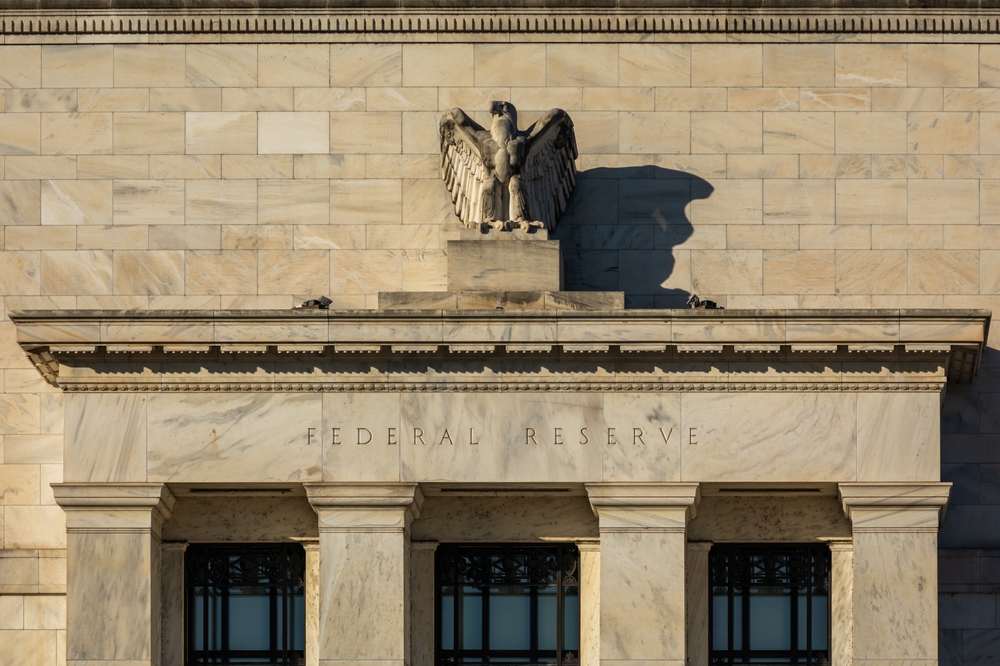
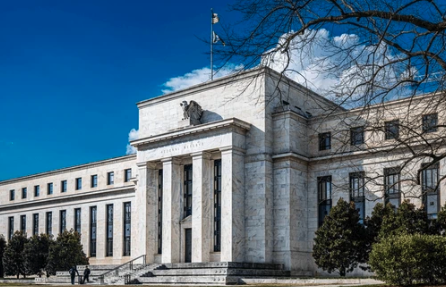
The Marriner Eccles Building, home to the Federal Reserve Board, is an imposing structure that fronts the National Mall in Washington D.C. It was constructed in the wake of the Banking Act of 1935, which created clear separation between the Treasury Department and the central bank.
The 2025 bitcoin bullishness has stirred much chatter about why the largest cryptocurrency is one of this year’s best-performing assets.
“Everyone knows” falling interest rates are good and rising interest rates are bad for bond investors. But “everyone” is generally wrong.
The outcomes resulting from headline items in 2025, such as inflation, monetary policy, and tariffs, remain unknown. However, staying disciplined and following a plan through a robust asset allocation is key.
Despite some wide swings over the last few years, most bond yields still remain elevated.
Understanding How Options Work, Why They Matter, and How Investors Can Use Options
Today I’ll continue talking about uncertainty. I want to highlight the complexity we face and also describe the jarring surprise some of us feel when our most trusted sources say things we didn’t expect… and the importance of listening to them anyway.
The second quarter of 2025 started with a bang and ended with a whimper.
Policy shifts may create an incentive to diversify.
The June Consumer Price Index (CPI) report offers clear confirmation that inflation is quietly reasserting itself.
The second quarter of 2025 was defined by an optimism that the global economy will find a path forward, where the initial shock of aggressive tariff announcements was replaced by a period of cautious uncertainty as the resilient and resourceful U.S. consumer provided encouragement for domestic equities.
Asset protection is important to protect assets from a lawsuit, civil claims or bankruptcy, and is often associated with high-net-worth individuals, business owners or professions that are high-risk, such as medical providers.
Gold was up nearly 26 percent through the first six months of 2025, ranking as the top-performing asset class.
While the market has successfully looked through concerns over tariffs, it is important to note that this is still a dynamic situation.
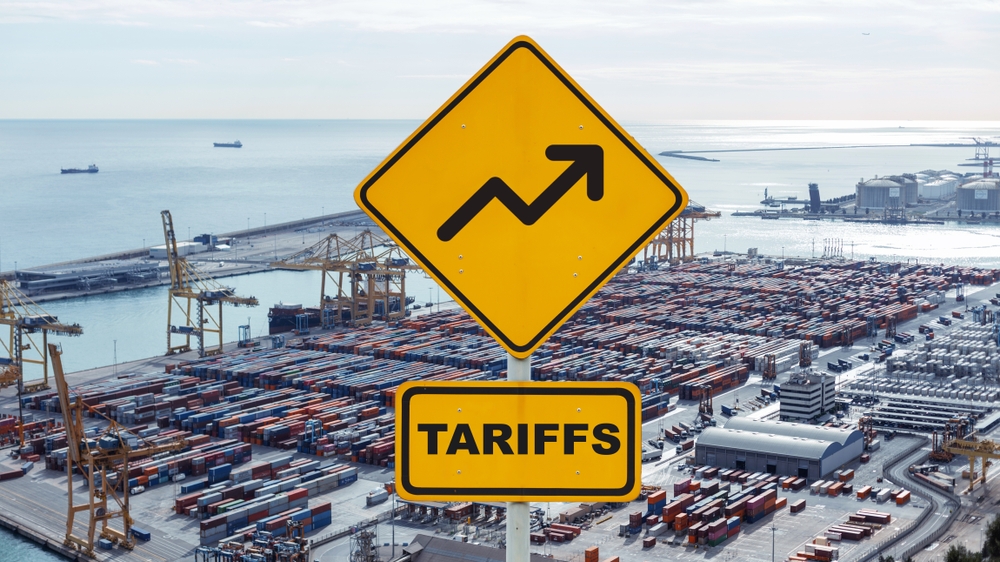
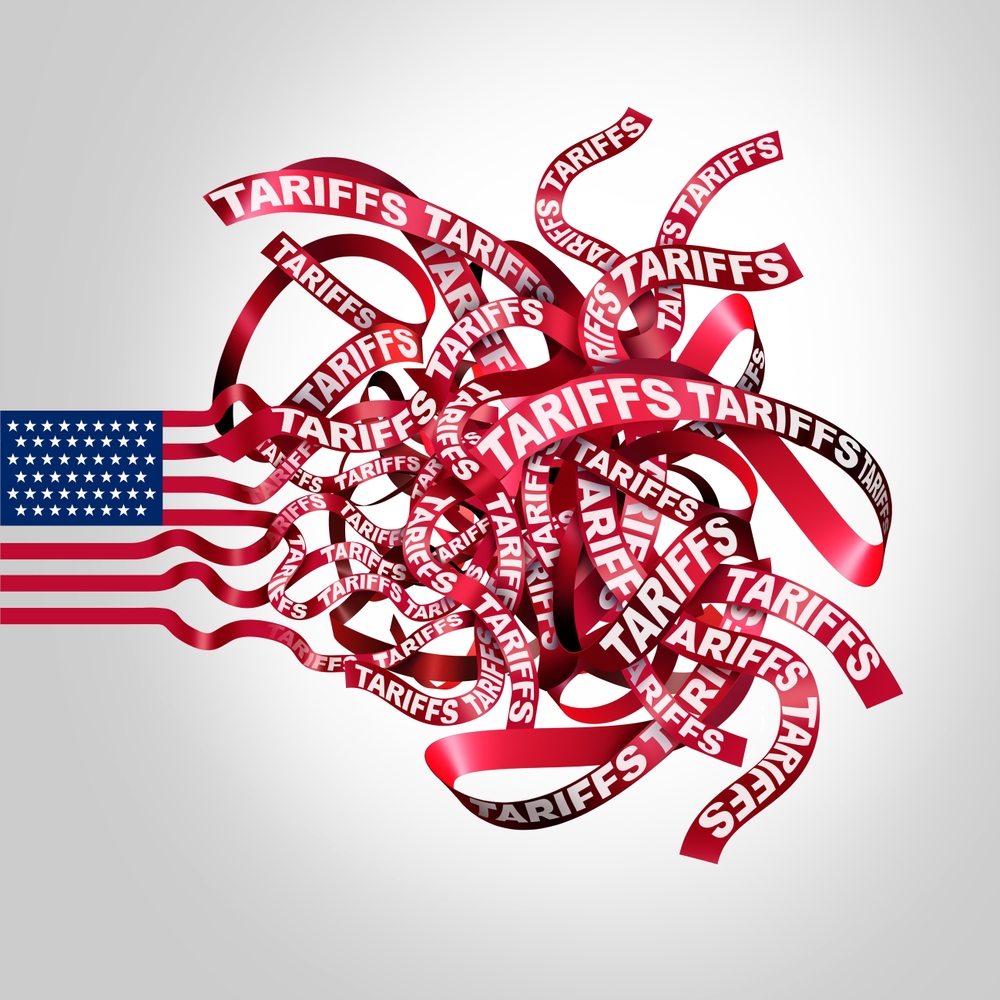
The US economy hasn’t seen tariffs like these in around 80 years.
Trade is an economic alliance that benefits both countries. There are no losers only winners…And trade helps strengthen the free world.
Income-seeking equity investors don’t need to sacrifice growth to capture the power of dividends.
When we started gathering the economic and financial metrics we so often include in these letters, we found that for the second quarter in a row little had changed.
In January, our emerging markets (EM) debt outlook called for steady growth, manageable inflation, and resilience in the face of geopolitical noise.
In this article, Russ Koesterich discusses the recent movement in oil prices and the commodity’s relationship to stocks within the broader economy
As the market marches to new highs, just two months after a violent 20% selloff in equities, we ask ourselves how the narrative has shifted so quickly.
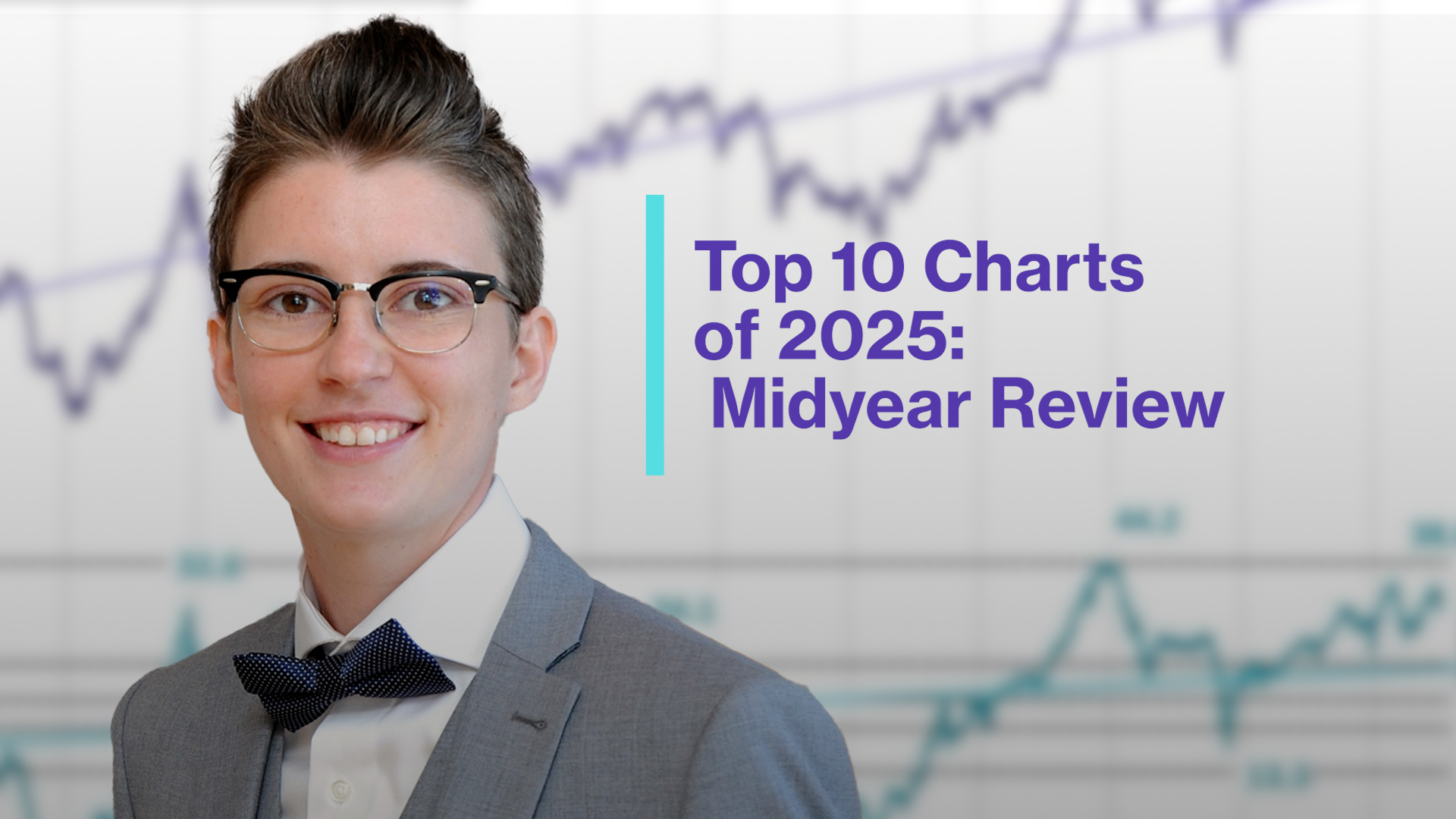
Now that we're more than halfway through 2025, let's take a look at the top 10 most-read charts so far for the year.
For investors, 2025 has not gotten off to the start that many had envisioned. Many will assume that I’m referring to political turmoil relating to tariffs or spending cuts by the Department of Government Efficiency (DOGE) and the corresponding market spillover.
This video examines the top 10 most-read charts for the first half of the year. From market updates and valuations to consumer attitudes and gas prices, these charts have provided crucial insights into the economic landscape that has shaped the first six months of 2025.
The record-breaking rally in US equities continued on Wednesday as President Donald Trump reached a trade deal with Japan and investors geared up for the first round of big tech earnings later today.