Many portfolios consist of highly appreciated, concentrated positions. Investors are hesitant to rebalance these portfolios due to concerns about paying capital gains taxes. Such hesitancy is often unwarranted.
I will point out that one particular oft-overlooked capability will most likely determine the dominant currency in the future — the ability of a currency to preserve and protect the value of intangible assets into the future.
As digital technologies become the rails upon which money moves, the resilience and credibility of currency networks increasingly hinge on the integrity of technological infrastructure. This fundamentally changes the logic of monetary competition, with far-reaching implications for financial and geopolitical stability.
Over the past year, financial headlines continue to flood investors with doomsday predictions about the U.S. dollar. Whether it’s social media influencers waving “dollar collapse” charts or YouTube personalities warning about debasement, the noise has become deafening.
Strategic versus tactical asset allocation is an age-old debate in the world of asset managers, fiduciaries, and everyday investors alike.
Cutting to the chase… prepare to muddle through. I should point out that I felt that 2025 would be a Muddle Through year at the beginning of the year. We will talk about that below plus look at a lot of charts and yesterday’s rather poor employment data…
History confirms one thing — drawdowns do occur, instilling a level of market uncertainty of varying degrees.
A strong GDP rebound was quickly overshadowed by a weaker-than-expected jobs report and hotter-than-anticipated inflation.
Invesco is no stranger to the active ETF arena, and they continue to make strides in fixed income with the introduction of the Invesco Core Fixed Income ETF (GTOC) and the Invesco Intermediate Municipal ETF (INTM).
Chief Economist Eugenio J. Alemán discusses current economic conditions.
The opportunity set for emerging market (EM) equities has changed dramatically over the past three and a half decades – geographically, at a sector level, and in terms of market capitalization.
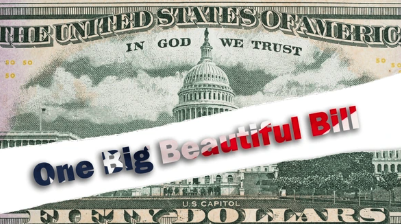
On July 4, President Trump signed into law the “One Big Beautiful Bill Act (OBBBA)”, a far-reaching piece of legislation that will impact the U.S. investment landscape for years to come.
Risk assets rebounded in Q2 as tariff worries eased and earnings growth continued. The quarter also highlighted the resilience of major secular trends, which could be key to returns going forward, says the Research Team.
For families with a loved one who has special needs, planning ahead can feel overwhelming.
Heading into August, with over $680 billion of net inflows YTD, the ETF industry is on track to surpass the $1 trillion mark again.
Signs of market fatigue and elevated expectations suggest that caution may be warranted.
Today’s LPL Financial Chart of the Day spotlights the seasonal setup for stocks in August.
It happened quickly. One minute, the focus was on the furious nature of stocks’ rebound off the April 8 lows. The next minute you start hearing strategists, including ourselves, making references to 2021.
Bitcoin continues to draw investor attention and interest as prices climb higher and fundamentals strengthen. Matthew Kimmell, digital asset analyst at CoinShares, joined Roxanna Islam, CFA, CAIA, head of sector and industry research at VettaFi in the Alternatives Symposium hosted on the VettaFi platform.
Emerging markets (EM) could finally be in the throes of a comeback, and there are already signs it could be in its early stages.
VettaFi research colleagues spotlight some of the top trends in the first half of 2025 and preview what's to come in the ETF market."
Investors in US Treasuries will scour employment data Friday for clearer evidence of a hiring slowdown that could open the door to the Federal Reserve cutting interest rates in September.
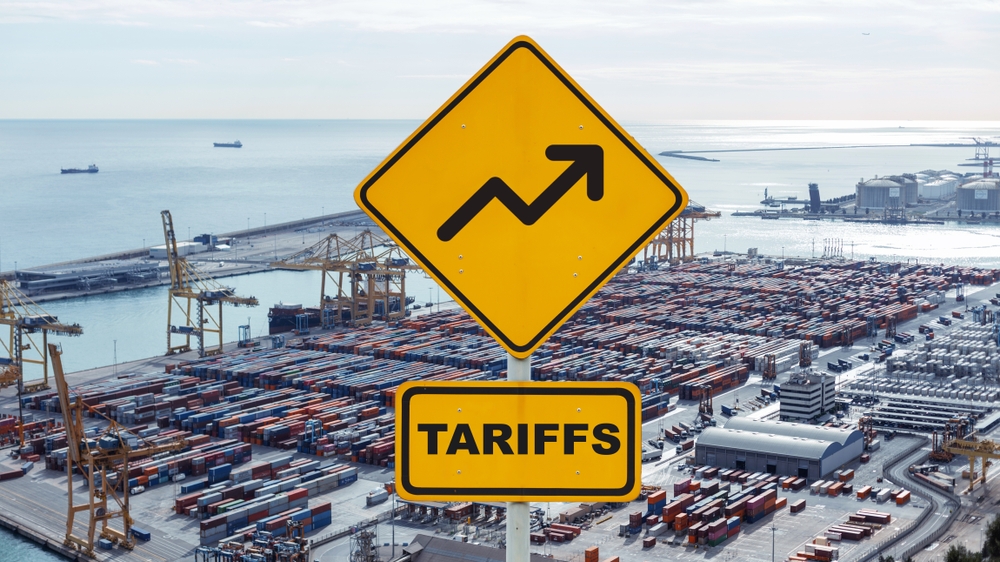
Four months after Donald Trump shocked the world and roiled markets by unveiling a placard full of tariff rates at the White House Rose Garden, his revisions unveiled Thursday generated a more subdued response among investors.
The nimbleness of corporate America is on full display this earnings season, with a little assist from fiscal policy.
We are entering a Golden Age of big business. Or, depending on how you look at it, a Dark Age for small business.
Did tariffs help Apple Inc. to a blowout quarter?
A wise man once said that generally accepted accounting principles (GAAP) is where you start. It may not be the most economic way of looking at a business for various reasons.
Fixed income investors often think of changes in US Treasury rates as the tide that lifts or lowers all other domestic bond yields.
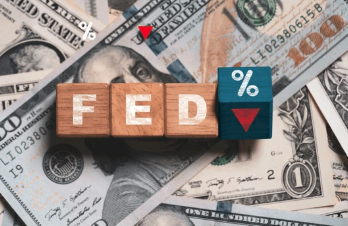
Federal Reserve officials leave short-term interest rates unchanged but appear to open the door for a potential rate cut later this year.
Emerging markets (EM) local currency debt posted strong returns in the second quarter, building on momentum from earlier in the year.
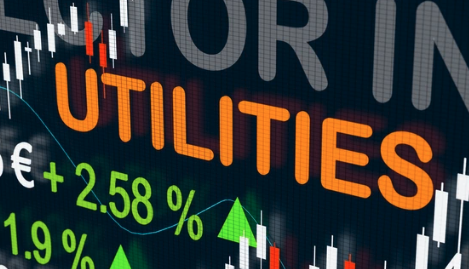
Thanks to AI, cloud computing, and renewable energy reshaping the global economy, one under-the-radar sector surging to the forefront is utilities. Long considered a sleepier, more defensive, “old economy” play, utilities stocks and ETFs are quickly becoming the backbone of the digital and green revolution.
An ambitious policy yielded great gains and high debts.
The US-Japan deal may mark a pivotal moment for global equity investors, according to Dina Ting, Head of Global Index Portfolio Management. Find out why.
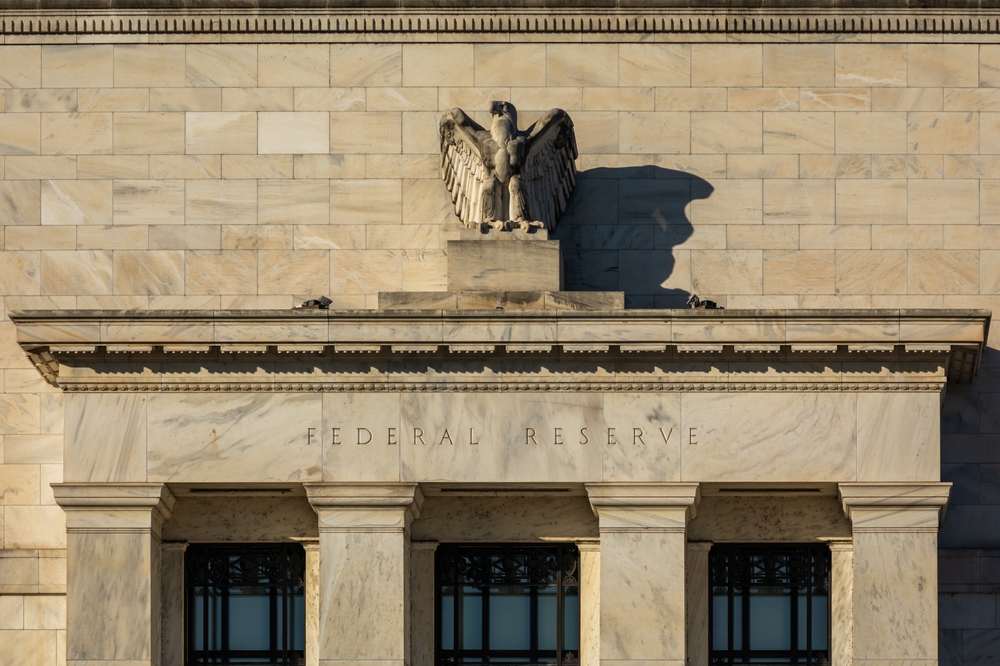
For the fifth meeting in a row, the Federal Open Market Committee (FOMC) decided to keep rates unchanged, leaving the Fed Funds trading range at 4.25%–4.50%.
Speculation may be running rampant—much like past bubbles—but that’s exactly why long-term investors should be optimistic. As past bubbles eventually gave way to investment opportunities, this environment could set the stage for powerful long-term returns.
Investing in commodities can be a difficult path for investors who react impulsively to market headlines and short-term price movements.
The need for strategies targeting AI opportunities across the value chain has become a necessity for investors.
Join us for the Alternatives symposium as we explore non-traditional approaches, investment strategies, and innovative financial models that provide alternatives to conventional financial systems and investment practices
The Federal Reserve held rates steady for a fifth consecutive meeting, though murmurs have begun in the Fed ranks that the time for more cuts is approaching.
President Donald Trump has put the Indian prime minister in a tight corner. The 25% tariff that he says he’ll impose on US imports from the most-populous nation isn’t significantly higher than the rates he has announced for Southeast Asian countries like Vietnam, Indonesia and the Philippines.
In a May report on alternative scenarios for the long-term US budget outlook, the Congressional Budget Office estimated the impact of productivity growth that was faster or slower than the 1% annual average in its baseline forecast. It made a big difference.
The Federal Reserve kept benchmark interest rates unchanged on Wednesday but edged closer to a resumption of cuts, perhaps as soon as the next monetary policy meeting in mid-September.
Consider the humble bank note. Wrinkled and torn as it may be, it’s the only government-issued legal tender — the only direct obligation of a central bank — to which most people have access.
On Wednesday, Mark Zuckerberg addressed every constituency that mattered.
With August tariff extensions looming, several major companies are now guiding for reduced tariff impacts, a shift that has helped boost market sentiment this earnings season.
Judging by soaring asset valuations in the wake of President Trump backing away from the worst-case tariff scenario, one could believe that the threat posed by upending the global trade framework has been removed. We are more circumspect.
Globally, stock markets are near their highest levels for the year, reversing the losses that came in the wake of the U.S. tariffs announced on President Donald Trump's declared "Liberation Day," April 2nd.
Doug Drabik discusses fixed income market conditions and offers insight for bond investors.
Tell me if this rings a bell. You worked hard your entire life. You maxed out your 401(k) every single year of your career and invested those assets inside your employer 401(k).
Platinum charted a 49.8 percent gain through H1, rising from around $900 an ounce in January to $1,360 at the end of June. That compares with a 25.9 percent increase in the price of gold and a 24.9 percent rise in silver.