One idea unites the left and right lately: a zero-sum view of the world. Unfortunately, nice as it would be to hail a rare instance of ideological harmony, both sides are very much mistaken.
The world’s hottest postcode for oil exploration is Namibia, attracting a who’s who of the petroleum industry.
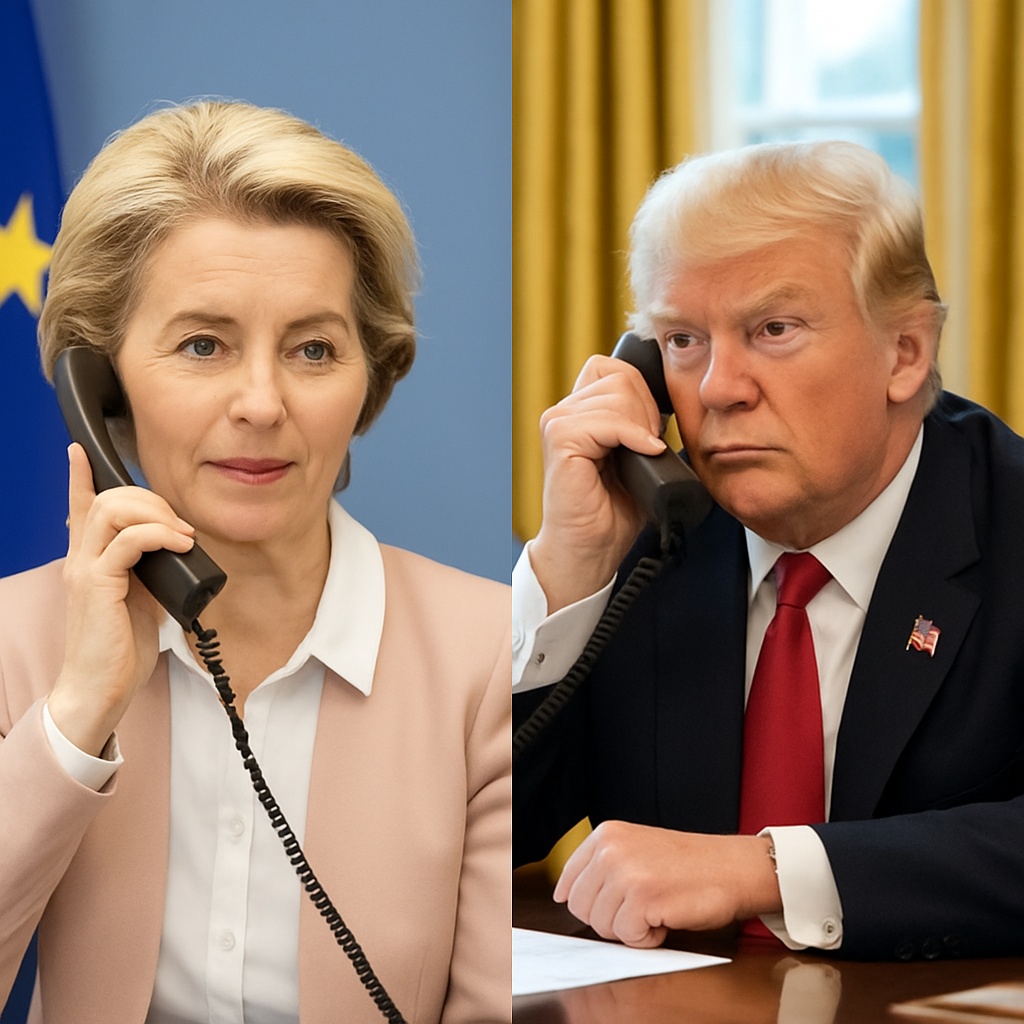
The US and European Union agreed on a hard-fought deal that will see the bloc face 15% tariffs on most of its exports, including automobiles, staving off a trade war that could have delivered a hammer blow to the global economy.
Wall Street has a long history of selling the newest shiny object to Main Street just as the trade begins to sour. If the music stops at this private equity party, you don’t want to be the last one still dancing.
In this video, Chuck Carnevale, co-founder of FAST Graphs, aka Mr. Valuation revisits Elevance Health (formerly Anthem), an undervalued long-term opportunity, a major U.S. for-profit health insurer.
Despite some wide swings over the last few years, most bond yields still remain elevated.
Green life, sustainable mutual funds, buying local, the “buy nothing” movement, plastic-free living, eco-fashion, electric vehicles.
Understanding How Options Work, Why They Matter, and How Investors Can Use Options
Standard value and growth style indexes categorize stocks based on a composite signal that combines valuation (cheap vs. expensive) and growth (fast vs. slow) metrics.
Today I’ll continue talking about uncertainty. I want to highlight the complexity we face and also describe the jarring surprise some of us feel when our most trusted sources say things we didn’t expect… and the importance of listening to them anyway.
The second quarter of 2025 started with a bang and ended with a whimper.
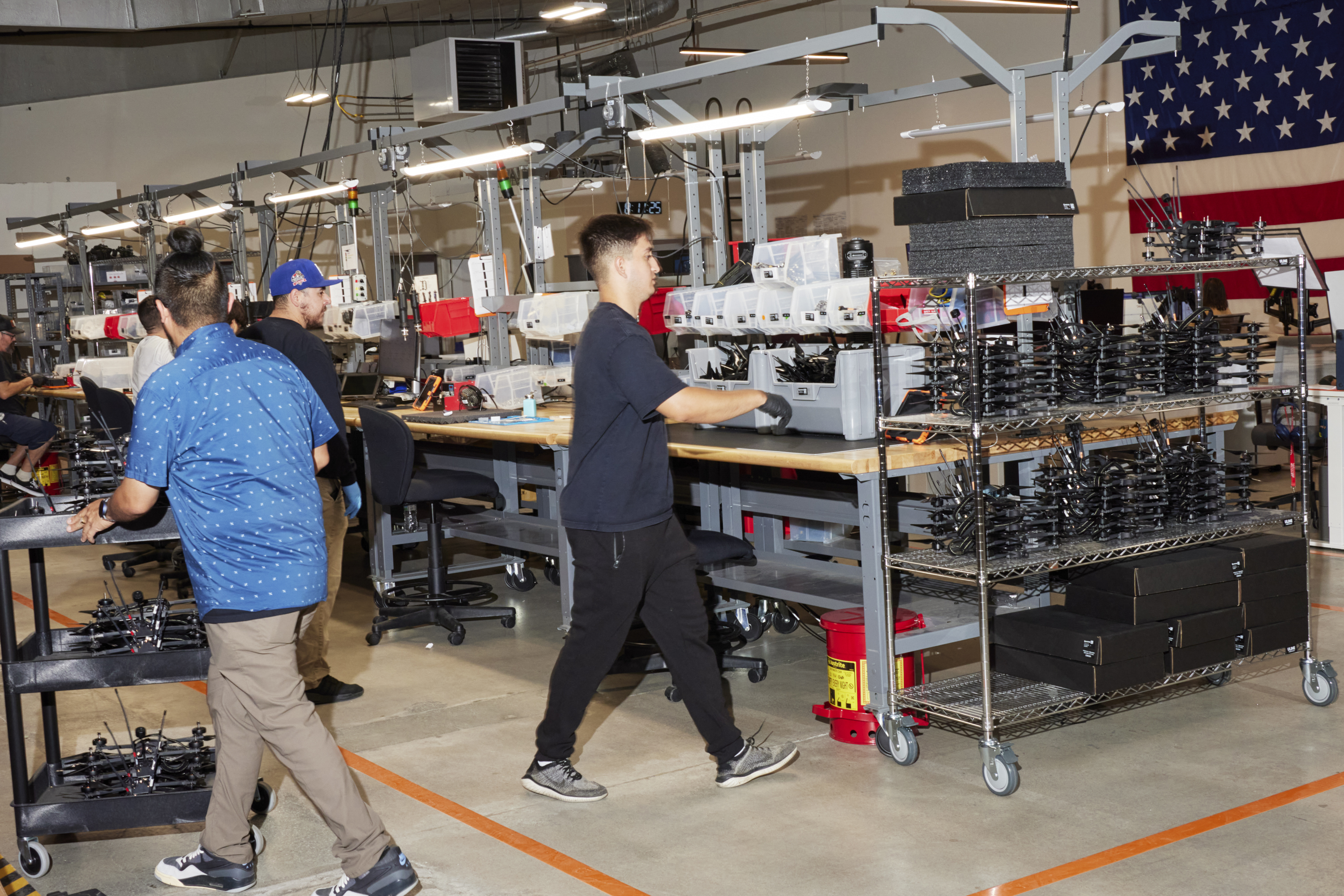
Every month Neros Inc. makes hundreds of drones designed to drop warheads on adversaries.
On Wednesday, Janus Henderson expanded its ETF lineup with the launch of the Janus Henderson Asset-Backed Securities ETF (JABS).
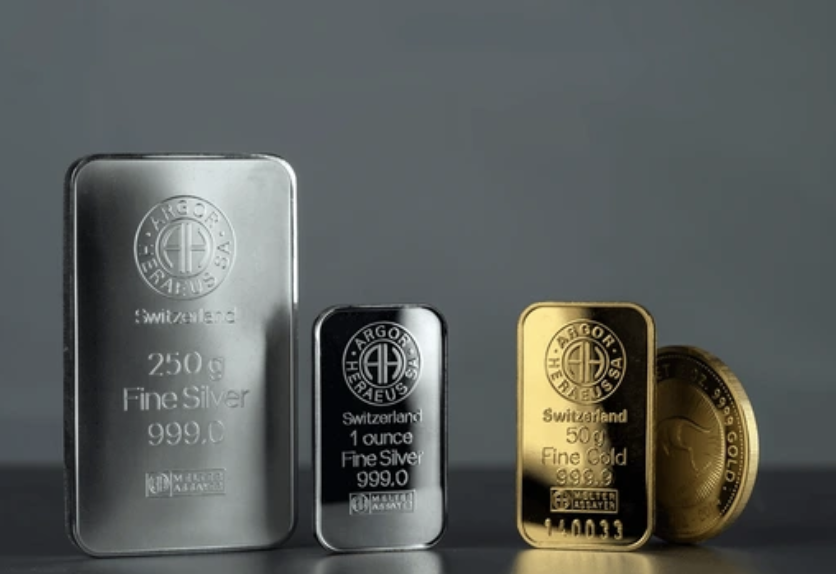
All the pieces are falling into place for silver’s bull market to accelerate, with a breakout into the $40s now looking increasingly likely in the near term.
In the one-year period ended June 2025, the S&P 500 Momentum Index rose 30%, essentially double the gain of the S&P 500.
This week, the White House released America’s AI Action Plan. This plan is the clearest signal yet that Washington now views AI as launching the next industrial super-cycle.
Policy shifts may create an incentive to diversify.
Women love gold! The popularity of gold jewelry makes this pretty apparent.
Technology offers plan sponsors powerful retirement planning and engagement tools.
The June Consumer Price Index (CPI) report offers clear confirmation that inflation is quietly reasserting itself.
The decision to transition from a traditional wealth management environment to an independent RIA model represents one of the most significant career moves today’s Advisors can make.
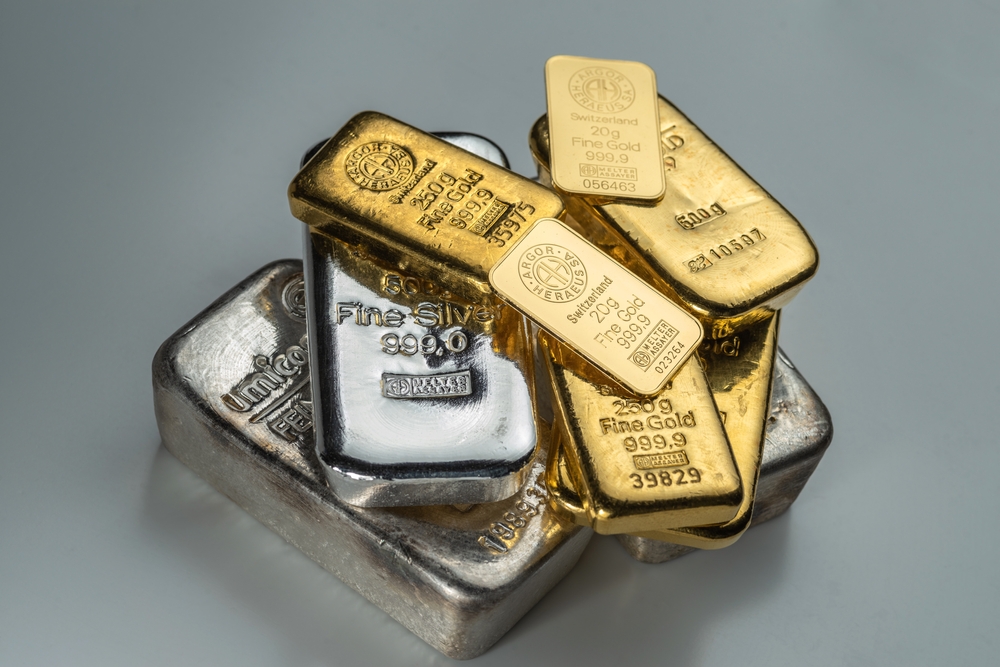
Versus other assets, gold and silver have been dominating year-to-date returns with the first half of 2025 in the books. With more market uncertainty ahead and as growth factors abound for alternative energy, the duo looks set for continued upside.
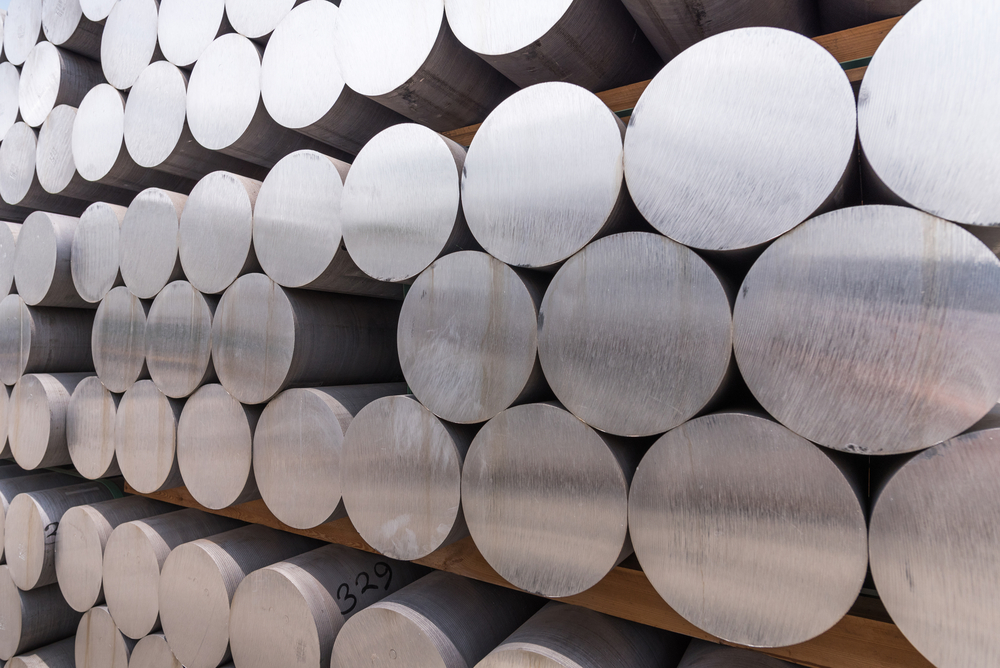
Century Aluminum is considering development of the first new US aluminum smelter in nearly 50 years — a move that could revitalize the domestic industrial metals landscape.
Join the experts at AOT Invest for an educational webcast as they unpack the history of US technology equities and where investors can find opportunity next.
Last week, I returned to the small Maine town I mentioned in my Independence Day post.
A solid earnings season shows Corporate America’s profit engine is humming along, potentially easing worries that the record-setting rally in US stocks is starting to overheat.
Star founders, Beijing officials and deep-pocketed financiers converge on Shanghai by the thousands this weekend to attend China’s most important AI summit. At the top of the agenda: how to propel Beijing’s ambitions to leapfrog the US in artificial intelligence — and profit off that drive.
The second quarter of 2025 was defined by an optimism that the global economy will find a path forward, where the initial shock of aggressive tariff announcements was replaced by a period of cautious uncertainty as the resilient and resourceful U.S. consumer provided encouragement for domestic equities.
Ordinary investors have won the battle of fees. The challenge will be holding on to that victory as Wall Street mounts a counteroffensive.
Much of the history of the modern corporation could be written in terms of two slogans: Ford’s “from mine to finished car: one organization,” and Apple’s “designed in California, assembled in China.”
Paramount Global’s merger with Skydance Media was approved by the US Federal Communications Commission, which backed the deal after the Trump administration extracted concessions on the news and entertainment company’s political coverage and diversity practices.
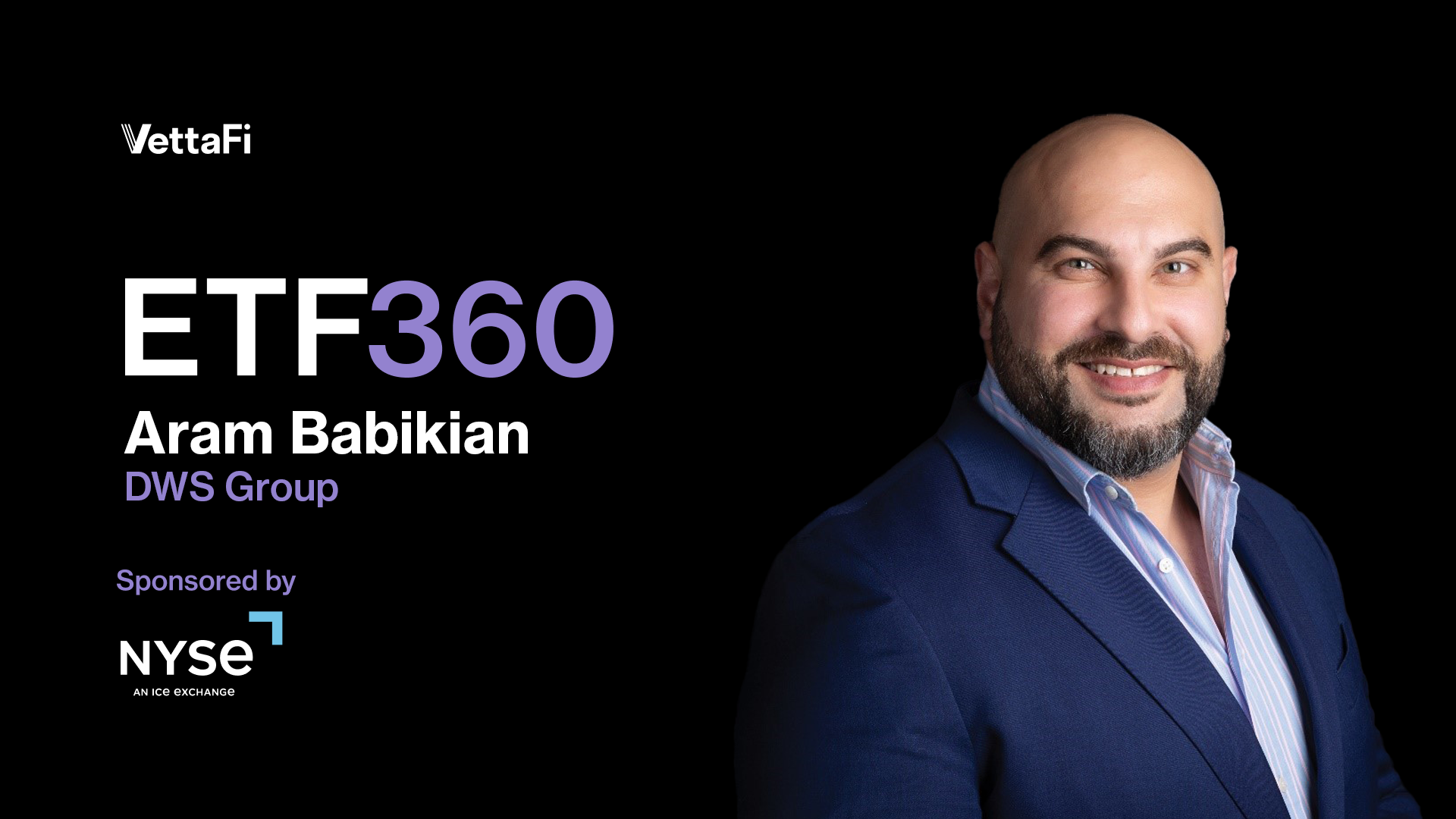
On the latest ETF 360, VettaFi Senior Industry Analyst Kirsten Chang was joined by Head of Xtrackers Wealth, Aram Babikian. The two discussed geopolitical de-risking, currency hedging, AI, and more.
Asset protection is important to protect assets from a lawsuit, civil claims or bankruptcy, and is often associated with high-net-worth individuals, business owners or professions that are high-risk, such as medical providers.
Trade-dependent Asia-Pacific (APAC) economies are at great risk from the U.S. reciprocal tariff plan. After a three-month deferral, a new series of letters from the White House suggests that the levies will go into force on August 1.
Tech earnings strength has lifted S&P 500 earnings growth in recent quarters and could again as major firms like Apple, Microsoft, and Intel gear up to report in coming weeks.
As AI and financial tech evolve rapidly, some question if AI will replace human advisors. In this exclusive Q&A, founding partner John Alexander answers with a resounding “no,” emphasizing that now is a breakthrough moment for financial advisors, not a breaking point.
Gold was up nearly 26 percent through the first six months of 2025, ranking as the top-performing asset class.
In the Q3 2025 equity market outlook, explore key questions amid tariff-related worries, prospects for European stocks, and the benefits of alternative data.
Bitcoin and gold share the same year-to-date return, both up 28% through July 16. So far, 2025 has been the year of diversification, thanks to hefty gains in international stocks, a positive (though rocky) return in the bond market, and tailwinds in the alternative asset space.
While the market has successfully looked through concerns over tariffs, it is important to note that this is still a dynamic situation.
This is a great opportunity to engage directly with the experts and get answers to your specific questions about the current investment environment and the ROBO Global ETFs.
Alphabet Inc. said demand for artificial intelligence products boosted quarterly sales, and now requires an extreme increase in capital spending — heightening pressure on the company to justify the cost of keeping up in the AI race.
Blackstone Inc. reported a 25% jump in distributable earnings for the second quarter, buoyed by profits from its retail and evergreen funds.
Ever since he picked up a trombone in middle school, Jackson Spellman has wanted to pursue a career in music.
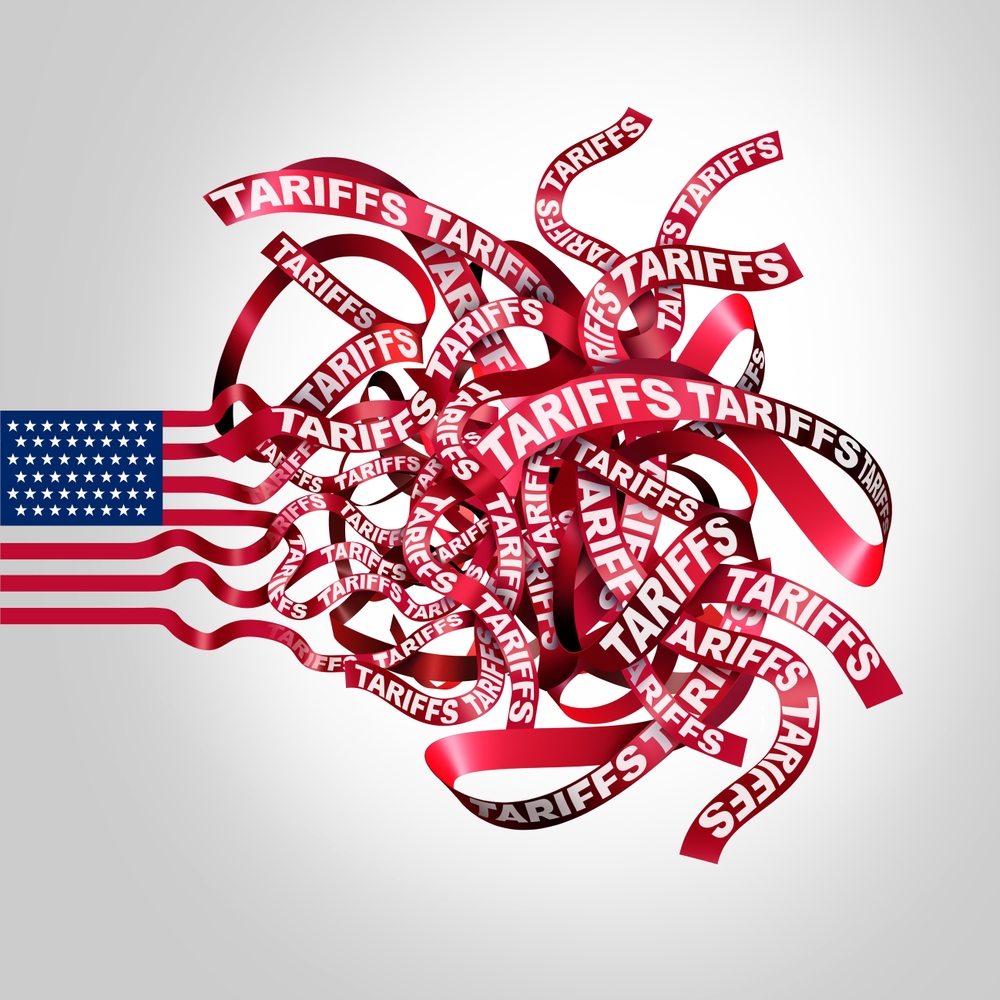
The US economy hasn’t seen tariffs like these in around 80 years.
The secret to getting a trillion-dollar valuation on a struggling car company is to convince everyone that you are not in fact a car company.
Passed by Congress and then signed into law by the president, the GENIUS Act builds legal and some regulatory frameworks around stablecoins.
Trade is an economic alliance that benefits both countries. There are no losers only winners…And trade helps strengthen the free world.
Income-seeking equity investors don’t need to sacrifice growth to capture the power of dividends.