Clients want to understand how the advisor thinks, what they value, and what guides them when hard decisions arise. Your clients want to hear a familiar voice, not another generic, institutional message that could have come from any firm in the country.
Family offices do not need to choose between ignoring AI entirely and adopting it everywhere at once. A practical middle path exists, and it starts with controlled experimentation. By protecting sensitive information, choosing a well-defined use case, and confirming that the underlying data can actually support it, family offices can see significant benefits from AI without introducing significant risks.
A wirehouse financial advisor recently asked me to run the numbers on his group long-term disability (LTD) coverage. He had enrolled years earlier and looked at the benefit summary, which indicated coverage for 60% of his earnings — a figure that seemed generous enough.
Ken Griffin told a room full of investors recently that we are “almost certainly” in an AI bubble. He may well be correct in that assessment, and there are plenty of media narratives that support that view.
We estimate the US economy grew at a 3.3% annual rate in the third quarter. Solid. Robust even, considering that net immigration is near zero and possibly negative, while Baby Boomers continue to gradually drift into retirement.
Rick Polsinello, Christian Galipeau Discuss high-conviction insights that go beyond media headlines.
The Middle Eastern waters might be calm enough to allow for energy shipments to recover toward pre-war levels, but Asia-Pacific (APAC) economies are not yet in calm waters. Tight petroleum product supplies and higher shipping costs leave the region vulnerable to further shocks.
Keynes’ influence is still very much alive. As one point of evidence, Robert Hall of Stanford University and Michael Woodford of Columbia University, champions of what is now known as “The New Keynesian Theory,” were recognized with this year’s Nobel Prize in Economics.
The next two weeks bring an unusually crowded lineup of potential market-moving catalysts, including a Federal Reserve (Fed) policy meeting, the busiest stretch of third-quarter 2026 earnings season, the Treasury’s Quarterly Refunding Announcement and the midterm elections.
We have been arguing that the reset higher in yields has restored the dual role of bonds in multi-asset portfolios: providing attractive income while once again offering the potential for meaningful risk mitigation. This month’s tech market turbulence has provided a clear example: As equities came under pressure, U.S. Treasury yields fell amid a flight to safety, allowing duration to behave like a diversifier again.
Last year, U.S. charitable giving hit a record $617.20 billion, according to Giving USA. That’s the first time it’s ever topped $600 billion. Individuals gave $394.2 billion of that, foundations gave $117.15 billion, bequests added $62.19 billion and corporations contributed $43.67 billion.
Insurance-licensed RIAs grew fastest as fee-only firms’ asset share fell to 34%, though fiduciary clients report higher satisfaction.
Imagine someone looking into a crystal ball on October 1 and telling you what was about to happen: September CPI data would come in higher than expected, PPI would rise 1.3% (well above the 0.5% forecast), and crude oil would climb $10 in the next two weeks alone.
Knowing how to read the underlying SEC Form 4 filing can help an advisor explain to a client what happened and put the headline in context. This article walks through the explanations and transaction codes that can help an advisor separate routine activity from trades worth investigating further.
At its core, a carry trade is simply borrowing where money is relatively cheap (Japan) and investing where the expected return is higher (U.S.). This strategy captures the difference in interest rates, but it also exposes investors to changes in interest rates and foreign currency exchange rates.
A few months ago, Georgina Long received a message asking her to call a collaborator at Merck & Co. She feared the worst.
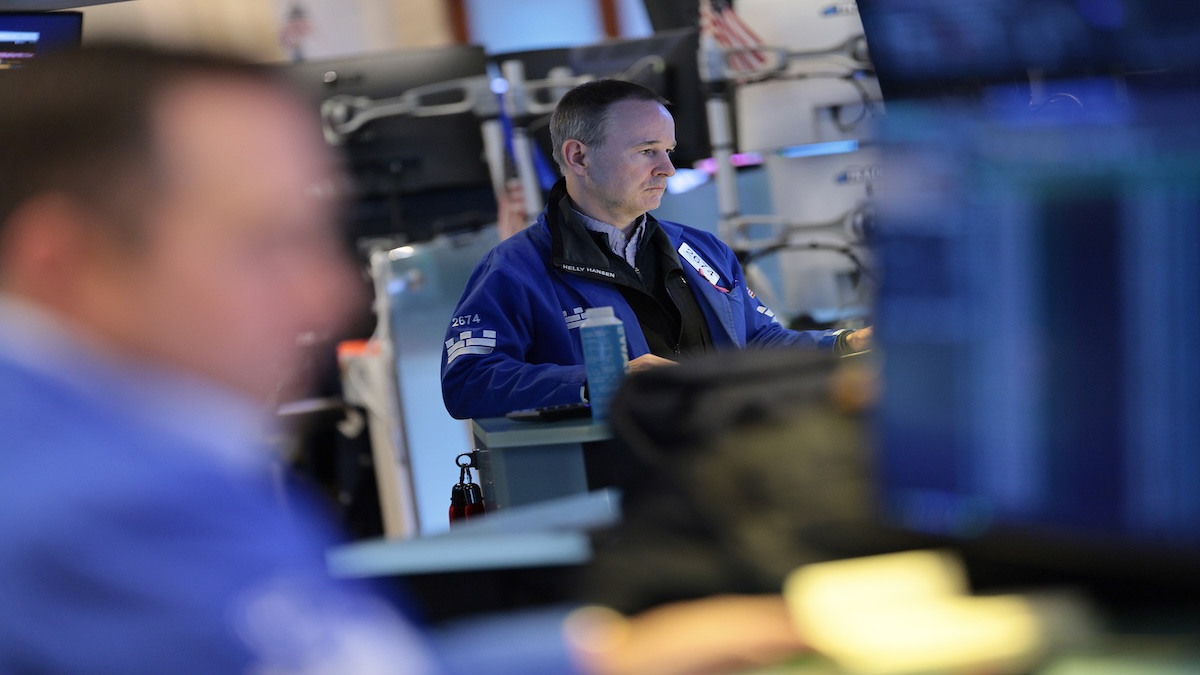
Wall Street strategists are warning that declines in shares of AI cloud-computing providers will spill into other corners of the tech trade, potentially dragging the US stock market down to its June lows.
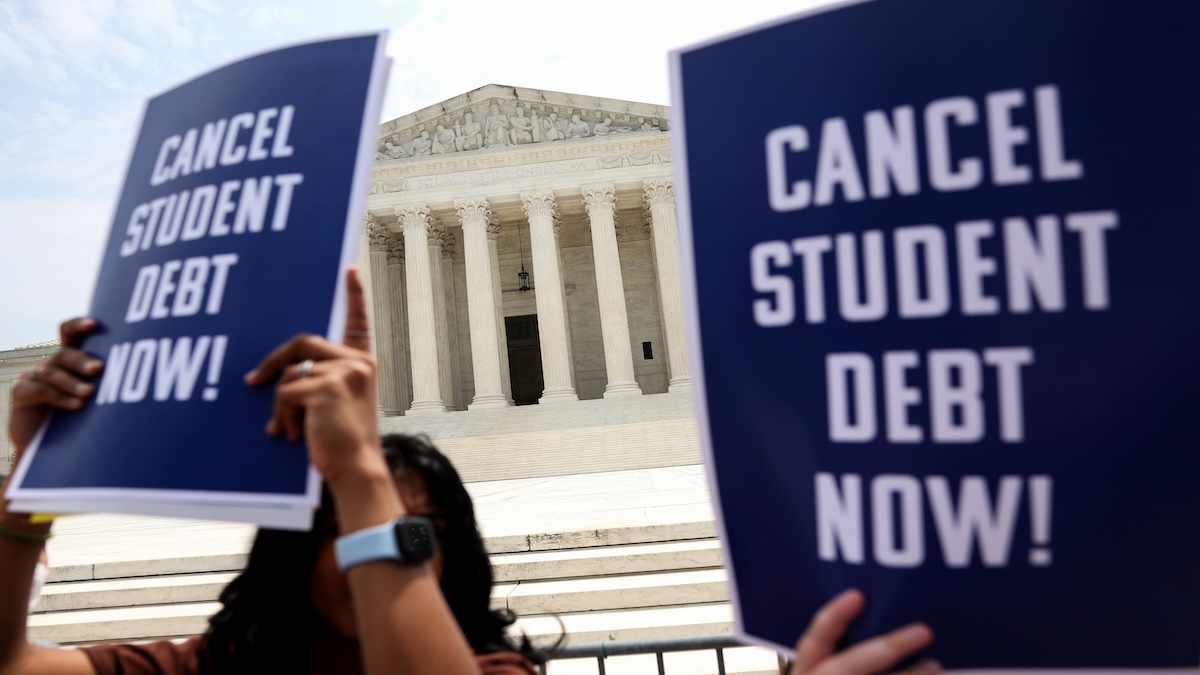
Our higher education system is broken. Families pay a fortune for degrees that do not pay off like they used to. However you feel about the future of advanced degrees, they’re certainly a mispriced asset — a mispricing that started in the market for student loans.
When Australia’s Defence Minister Richard Marles described the seabed as a battlefield at a regional defense gathering in Singapore earlier this year, he was preaching to the converted. The security of undersea cables — which carry more than 95% of data flows and trillions of dollars of daily financial transactions — was already top of mind for the senior military brass, geopolitical analysts and government ministers in the room.
This marks the first peak week of Q3 earnings season, with 1,885 companies expected to report and overall S&P 500 EPS growth holding at a robust 29.5%
US stocks gained on Monday as investors digest Anthropic PBC’s filing for its initial public offering and look forward to key big tech earnings this week as well as the Federal Reserve’s next decision on Wednesday.
The Fed is hiking to prove it can beat inflation. The danger is that it proves the point with the one economy that can’t afford to lose.
In a world that must fund trillions of dollars of sovereign debt not just in the US but all over the world. Plus, other “normal” business investments which will be even more hundreds of billions, if not trillions. And that brings us to the thrust of today’s letter: who will get access to this money and what are the returns going to be?
In late October, VettaFi hosted an interactive virtual event featuring market leaders from State Street Investment Management, Janus Henderson, and Horizon. During the presentation, advisor sentiment polls revealed a decisive shift in how many are approaching their fixed income allocation. Higher yields have restored bonds as a compelling asset class. However, advisors were looking for tools beyond a traditional index-based bond ETF.
Our Director and Head of Canadian Investment Strategy BeiChen Lin sees two main forces behind this week’s more cautious market tone: higher energy prices and renewed questions around artificial intelligence investment.
With several provisions of the One Big Beautiful Bill Act (OBBBA) taking effect in 2026, year-end planning may present new opportunities and considerations for taxpayers. It’s important to assess personal finances before the end of the year to determine if action is needed.
The S&P 500 has been a reliable index for building exposure to U.S. stocks for years, and for good reason. It’s a valuable barometer for investors who want to make sure they are tracking large-cap U.S. equities.
Manufacturing production began to recover in early 2026 after nearly three years in recession. Yet manufacturing employment has remained largely unchanged. In other words, a year and a half after tariffs were imposed with the goal of boosting manufacturing jobs, that objective remains elusive.
With the U.S. midterm elections mere weeks away, it can be easy to get swept up in the headlines and questions about what different outcomes might mean for markets.
There’s not a lot of bullishness in the silver market right now. After surging to just over $120 per ounce in January, silver corrected and has lost more than half its value.
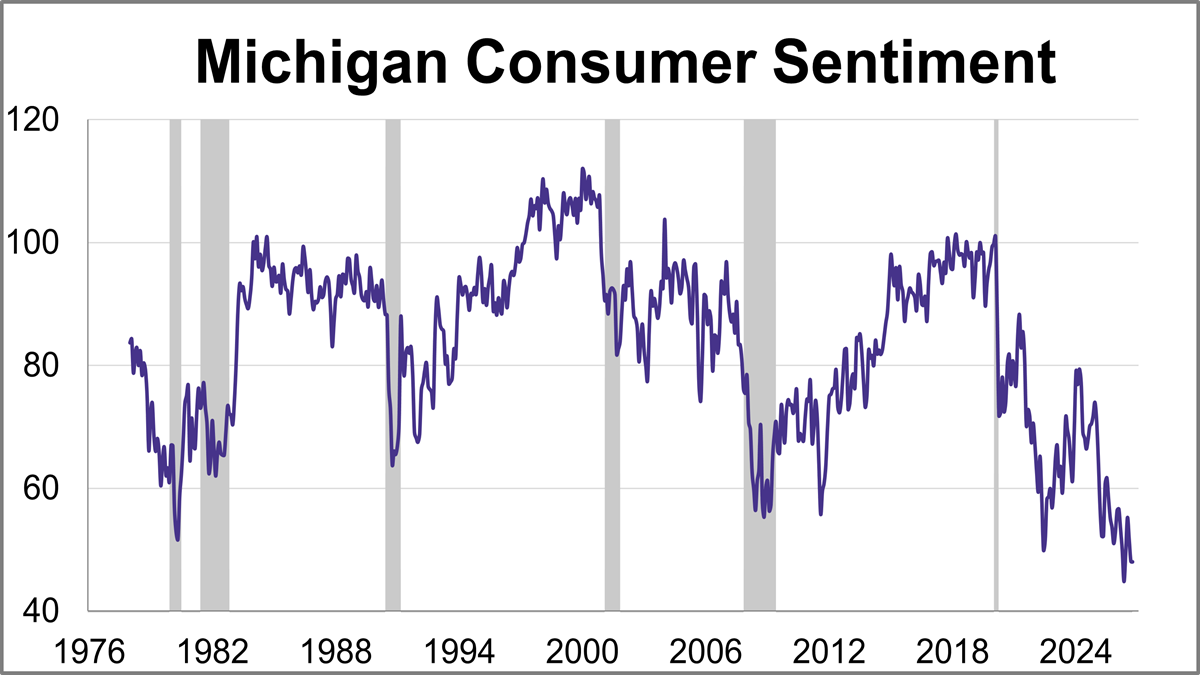
Consumer sentiment falls in October to a five month low. The final October reading for the University of Michigan Consumer Sentiment Index came in at 48.0. This marks a 0.2% (0.1 points) decrease from September.
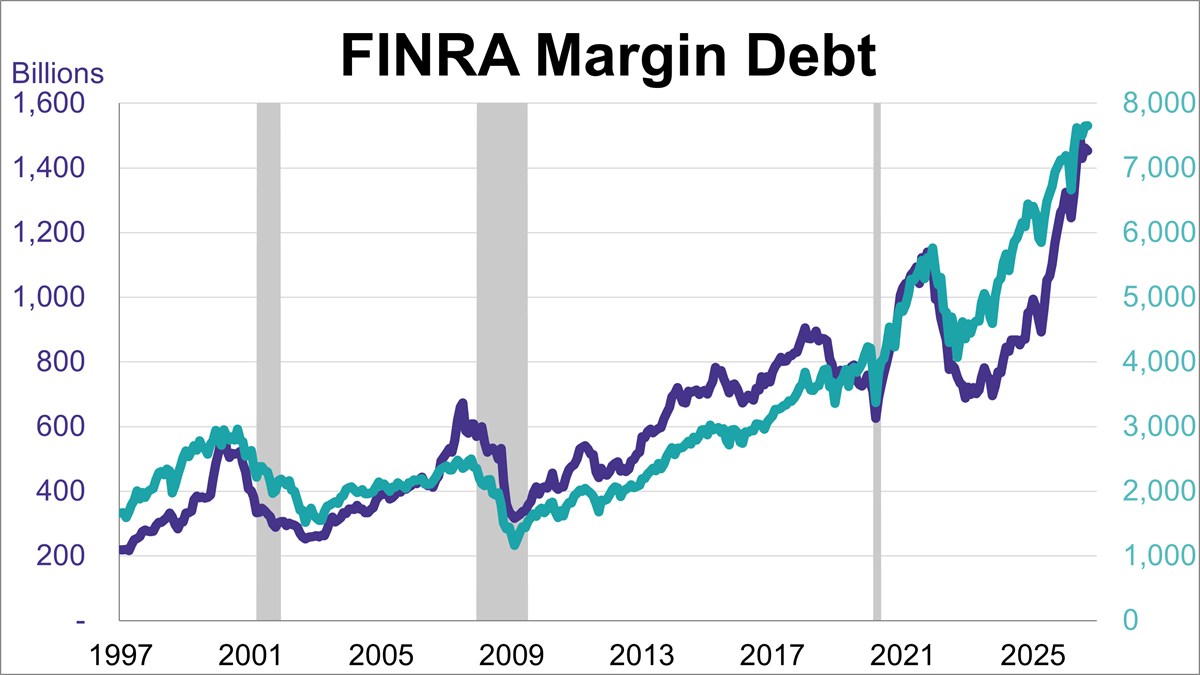
Margin debt increased in September to $1.48 trillion. This marked a 1.8% increase from August and a 31.4% rise compared to the previous year.
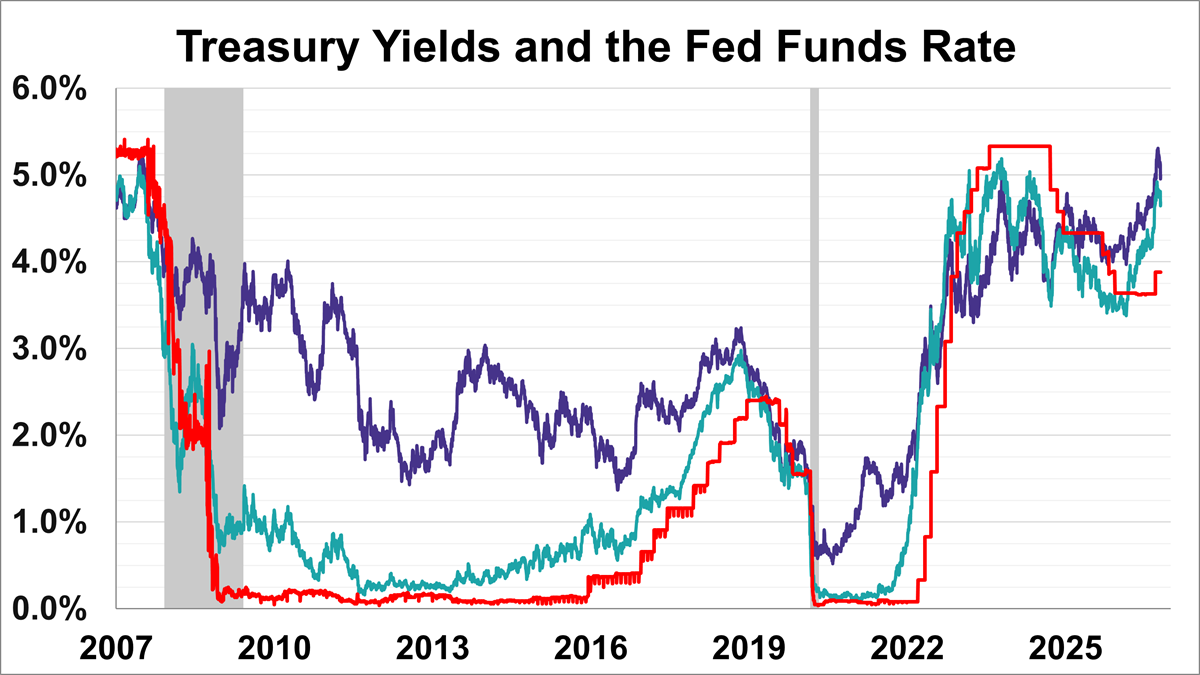
The yield on the 10-year note finished October 23, 2026 at 5.00% while the 2-year note ended at 4.69%.
Join the experts at Alger for an educational webcast that explores the mid cap opportunity.
Retail investors who spent the past week loading up on semiconductor stocks at the center of the artificial intelligence trade are getting pummeled amid Thursday’s rout.
VettaFi has been recognized as the Best U.S. Index Overall Provider at the ETF Express U.S. ETF Awards 2026, building on a standout year of index innovation, strategic acquisitions, and product milestone growth across the ETP landscape.
Stocks fell on Friday with technology megacaps again trading lower after Thursday’s selloff. Oil prices rose, with the US midterm elections less than two weeks away. Investors were parsing mixed earnings from payments giant American Express Co. for signals about spending and the health of the economy.
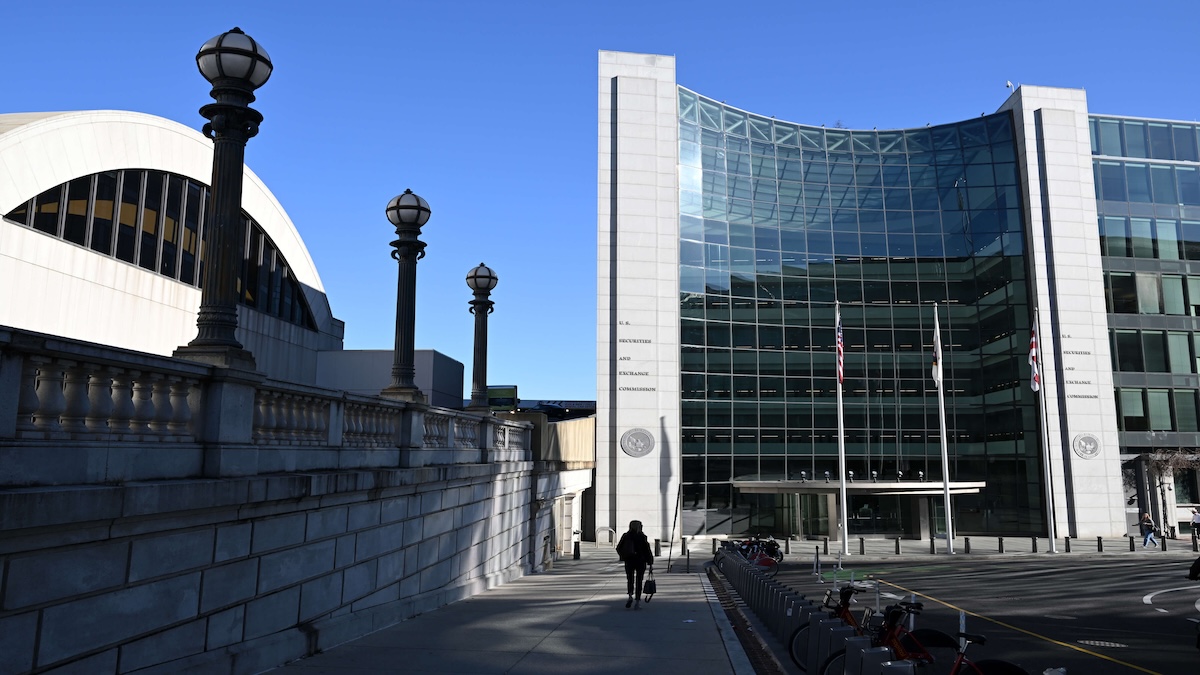
Securities and Exchange Commission examiners will step up scrutiny of private fund valuations and artificial intelligence, the latest sign of regulatory concerns about emerging market risk.
This marked the first major deal of its kind and became a blueprint for chip-backed debt that, three years on, is on track to become a trillion-dollar market, eclipsing even the borrowings used to build the data centers housing the chips.
Kalshi Inc. is opening up a new frontier in its rivalry with traditional financial exchanges by pitching the world’s largest banks and hedge funds on a futures market tied to US inflation.
Emerging markets continued to deliver strong year-to-date returns in 2026, although the third quarter served as a reminder that the path higher is rarely linear. After a powerful first-half rally led by artificial intelligence (AI), semiconductors and other growth-oriented sectors, markets experienced a broad correction in July before stabilizing through the remainder of the quarter.
Stock prices reflect the decisions of buyers and sellers, whose expectations can shift quickly. Enthusiasm, fear, and uncertainty can push a stock above or below a reasonable valuation—and keep it there for an uncomfortable stretch of time.
The number one question we tend to receive is: Where are long-term interest rates headed from here? Right behind it is: How do I invest in the bond market, not only for right now but also for the future? In our opinion, investors should be prepared for this elevated “normal” rate setting for the foreseeable future. We wanted to address both questions by examining how to prepare a bond portfolio for a 5% world.
The Federal Reserve is engaged in a well-documented battle with high inflation. So, many advisors and fixed income investors are evaluating Treasury inflation-protected securities (TIPS) and related ETFs.
A broad retreat in technology shares set the tone for the week. The S&P 500 fell 1.9 per cent and the NASDAQ dropped 4.5 per cent, while the Dow rose 0.7 per cent as investors rotated out of tech and into more defensive sectors.
The Magnificent Seven have dominated the technology trade, but investor attention is now shifting toward the MANGOS — a group of companies that place greater emphasis on artificial intelligence (AI) rather than traditional megacap technology.
For many bond investors, 2026 has stirred up uncomfortable memories of 2022. Yields have climbed sharply as bond prices have come under pressure and the Federal Reserve has raised its policy interest rate target.
Markets look calm on the surface, but AI-driven shifts in capital allocation, earnings quality, and funding needs are reshaping risks and opportunities beneath the index level.
Higher bond yields may offer retirees more income potential, but a diversified approach that balances income, risk, and spending needs remains important.
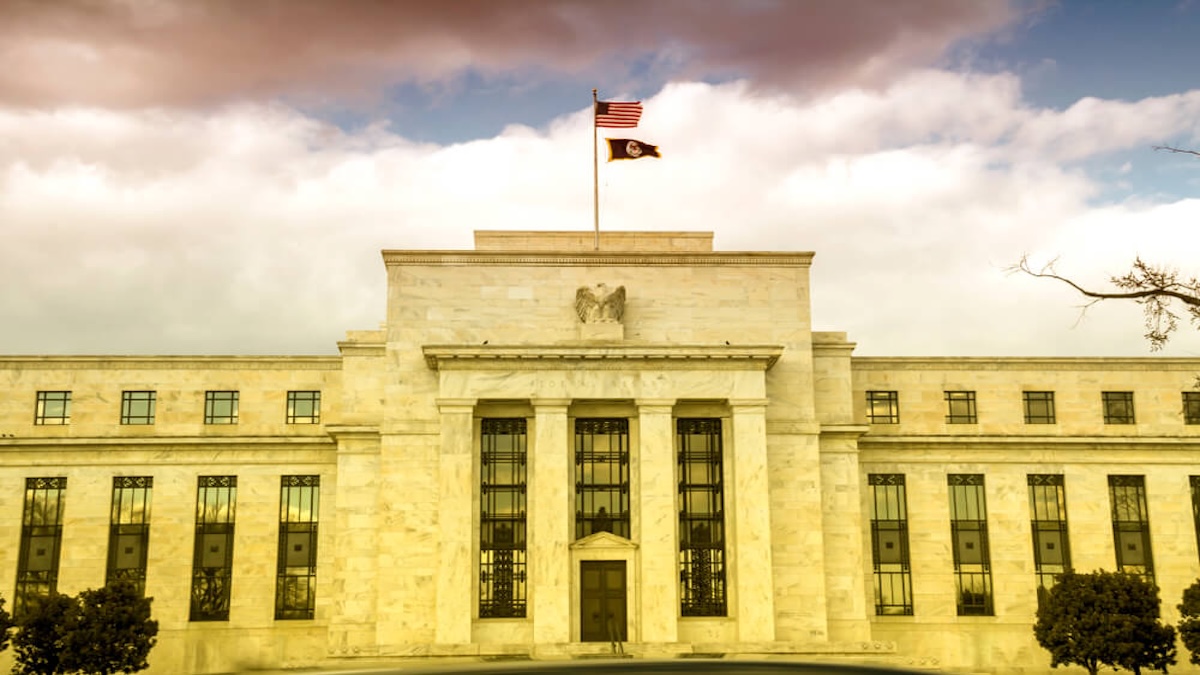
The Federal Open Market Committee (FOMC), the policy-setting group within the U.S. Federal Reserve, meets on 27–28 October to discuss the economic outlook and appropriate monetary policy. We expect the FOMC to hold the policy rate at 3.75%–4.0% while keeping a clear tightening bias.