Is now the time for senior loans? Shifting yields and rising pressure make the floating rate yield vehicles an intriguing place to watch.
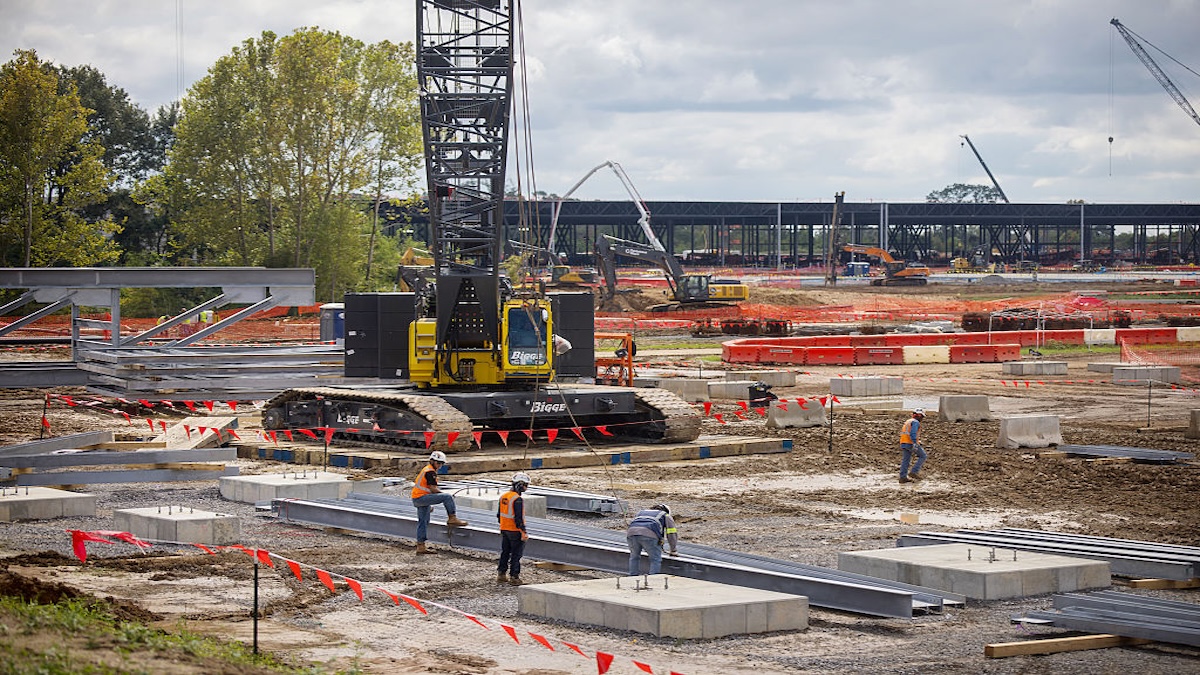
Amid heated discussion of the astonishing (and also rather worrying) capabilities of artificial intelligence, investors are realizing that the underlying computing and energy infrastructure relied upon by OpenAI, Anthropic PBC and their ilk is much harder to construct than a chatbot prompt.
Morgan Stanley Investment Management’s Vishal Khanduja, a top-performing bond investor, is turning bullish on US debt for the first time in a decade, with yields at two-decade highs serving as a check on economic growth.
Free-market-oriented economists probably live in a state of perpetual despair these days. Politicians and voters on both the left and right are turning on markets. Polls suggest widespread support for interventionist policies that economists long discarded for causing more harm than good.
Interest rates are on the rise, and, according to market expectations, the ascension may not be over quite yet.
The economist Robert Solow’s famous 1987 adage about the computer age — it can be seen everywhere except the productivity statistics — also applies to generative artificial intelligence.
On the surface, the municipal bond market may not check the “dynamic” box. After all, individual muni bonds and ETFs such as the ALPS BBH Intermediate Municipal Bond ETF (MNBD) are positioned, rightly so, as conservative, income-bearing investments.
Stocks chopped this summer as high hopes for AI product and infrastructure development were offset by rising inflation and an increasingly hawkish Federal Reserve.
For decades, investors have used growth and value allocations as a foundational block of equity portfolio construction. The distinction has been intuitive and practical. Investors expected growth to provide exposure to faster-growing companies, often with higher valuation multiples and greater sensitivity to earnings expectations.
There are many reasons to own bonds, but for many investors, one of the most important is principal preservation. Years of saving, investing, and market growth may help build wealth. Bonds can then play a different role, helping preserve that wealth while providing a predictable stream of income and cash flow.
Yet gold and silver have been falling as traders seek refuge in the dollar and demand higher interest rates on U.S. government debt.
The U.S. economy remained resilient in Q3, with 2.2% real GDP growth, 4.1% unemployment, and inflation easing to 3.4%. Rising interest rates reflect persistent inflation concerns. The AI boom continues despite growing skepticism, while tariff uncertainty persists. The Iran war remains unresolved, supporting higher oil-price risks. Muhlenkamp added oil, software, and animal-health investments at attractive valuations.
After a nine-month rally in equity markets and a recent spike in bond yields, some investors may see fit to reduce their exposure to stocks. On the surface at least, bonds appear to offer better value than equities. The gap between stocks' earnings yields, the inverse of the price-to-earnings ratio, and bond yields is narrower than it has been in two decades.
AI's labor-market impact remains limited but uneven, as productivity and profits outpace hiring and import-heavy investment dampens U.S. job growth.
Rising interest rates can affect more than investment portfolios. Explore how changing IRS interest rates may influence several estate, charitable and tax-planning strategies.
U.S. equities ended the week with mixed results. The S&P 500 declined less than one per cent to 7,722, while the Dow Jones Industrial Average declined more than one per cent to 51,177. The tech-heavy NASDAQ rose a half per cent, owing to the stability of the AI trade.
As globalization recedes, governments and businesses have stronger incentives to invest in building more resilient societies and supply chains. That imperative has coincided with the emergence of artificial intelligence, creating a powerful interaction between technological innovation and economic security.
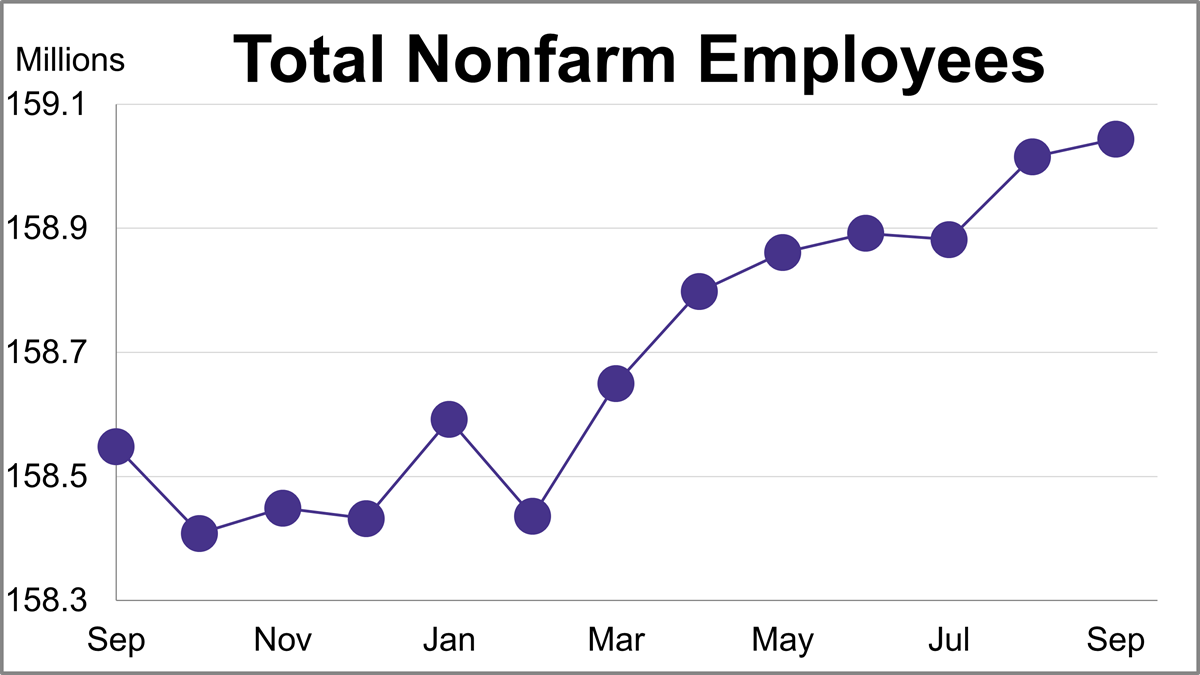
There is a general belief that there are four big indicators that the NBER Business Cycle Dating Committee weighs heavily in their cycle identification process. This commentary focuses on one of these indicators: nonfarm employment. In September, total nonfarm payrolls increased by 29,000 while the unemployment rate increased to 4.2%
International stock funds outpaced U.S. large caps in September, as ETF inflows cooled and investors leaned toward defensive sectors.
Make communication a priority. It is often considered a natural thing that everyone knows how to do, but it is the most difficult thing to master and to maintain. Focus on it, and let your team know you care about getting better.
Market participants have been conditioned to expect clear Forward Guidance from Fed Chairs and Ben Bernanke, Janet Yellen, and Jay Powell provided it continuously, especially after the Financial Crisis. Chairman Warsh has made it clear that Forward Guidance will be less under his leadership, but he has offered a very important qualifier that many have yet to grasp.
Attendees will gain insights into the role of real assets and a framework for implementing an allocation in client portfolios.
The discipline of running a succession-ready firm makes every aspect of a business stronger, not just the eventual transaction. Advisors who operate this way attract better talent, serve clients more consistently, and create businesses that hold their value regardless of market conditions.
China’s latest effort to prop up its battered housing market and spur the economy is getting a poor reception. The measures are underwhelming and unlikely to achieve much beyond improving Beijing’s chances of meeting its already restrained growth ambitions.
When Parthenon Capital Partners set out to extend its control of Kroll Bond Rating Agency, the private equity firm also sought a higher share of profits — known as “super carry” — to manage a new fund that would hold the prized portfolio company.
Signs of resilient economic momentum are reinforcing the bull case for US small caps, which have been under pressure lately in the face of soaring borrowing costs.
A measure of SpaceX’s credit risk surged to a fresh high and the company’s bonds tumbled in the secondary market on Wednesday, following reports the company is in talks with banks and investors to raise $40 billion to buy chips from Nvidia Corp.
In a world defined by rampant energy demand and electrification, battery tech is one of the more intriguing places to invest. While attention has turned to the big AI narratives and debates in the market, tech categories like battery innovation have plenty of opportunities.
Inflation progress remains uneven: The latest Personal Consumption Expenditures Price Index showed some improvement after revisions, but several measures suggest price pressures remain sticky and above the Federal Reserve’s target
Only one month ago the big story about the US economy was how strong it was. The August jobs report, which arrived in early September, showed that payrolls were up 162,000 for the month. Meanwhile, at one point the Atlanta Fed’s “GDP Now” model was estimating real GDP would grow more than 5% at an annual rate in the third quarter.
Bond yields still look attractive, but investors are earning little extra for taking on corporate credit risk, according to Thornburg Investment Management.
Seven months into the U.S.–Iran conflict, few historical analogues have held. The trajectory of oil prices has been consistent with previous geopolitical shocks, but the market response elsewhere has looked strikingly different. U.S. Treasury yields have moved notably higher, for example, while credit spreads have remained remarkably resilient.
This year has marked another remarkable chapter for the global economy and financial markets. Investors have navigated no shortage of challenges, from geopolitical conflicts and trade tensions to elevated energy prices and shifting interest rate expectations. Yet despite these headwinds, the economy continues to expand, corporate earnings remain resilient and markets have steadily climbed the proverbial wall of worry.
The new iPhone Pro range has been out for nearly three weeks, and from the get-go analysts noted somewhat flat consumer interest compared with last year’s Pro models.
Long before modern scanners and monitors became common, doctors often checked a patient's health with something as simple as a finger on the wrist. A pulse could reveal a surprising amount about a person's condition. Economists have their own version of this practice. Rather than relying solely on complex statistical models, they often look for signals that offer a quick health check.
The latest employment report was softer on the headline numbers, but I thought the underlying details were quite constructive. Payroll growth came in below expectations and the prior two months were revised downward, yet labor-force participation increased and the workweek stabilized rather than declining as expected.
In this month’s issue, AI, energy and robotics are creating new opportunities in emerging markets, but selectivity remains key as policy, cost and execution risks evolve.
Industrials are supported by increased capital spending in electricity capacity, construction around the artificial intelligence-related (AI) infrastructure buildout, defense, and energy, although higher costs and possible delays in data center construction could temper growth.
The most-read articles on Advisor Perspectives in September included a variety of topics, though the top story for the month focused on a key part of practice management — how you charge your clients.
Join the experts at ProShares for a timely educational webcast exploring the hidden opportunities in a rising rate environment.
Rather than dive straight into a technology investment, a firm should start by clearly defining what it is trying to accomplish, then determine how people, processes, data, and technology can best work together to achieve that outcome.
Diversifying your portfolio across the globe will not completely insulate you from a bad year in equities, because global markets tend to rise and fall together. However, that diversification can help shield your retirement resources from the decline of any single country.
We understand that you can’t forecast the sequence of returns, but we CAN build a plan that survives a bad one. As Howard Marks puts it, you can’t predict, but you can prepare. These are the rules of engagement once you’ve crossed from saving into spending.
While the majority of advisors, 62%, still use an AUM-based fee model to charge clients, a growing number have said they now charge a retainer fee. In 2023, only 14% of advisors offering financial planning services said their compensation model was an annual retainer, while 38% said the same in the 2026 State of Financial Planning Fees study.
If you only looked at the price of gold in September, you’d be forgiven for believing the bull market had run out of steam. The yellow metal fell 6.3% during the month, and some in the financial press were quick to say it had failed as a safe haven.
How’s the US economy doing in President Donald Trump’s second term? Going by the topline economic statistics, not too bad. Second-quarter gross domestic product was revised higher last week, to a 2.2% annualized rate from a previously reported 1.5%. At 4.2%, the jobless rate is consistent with an economy considered to be at full employment.
Today’s employment report reinforced a trend that has been evident across several labor market indicators: conditions in the goods-producing sector continue to improve after several difficult years, while hiring across the much larger service sector continues to soften.
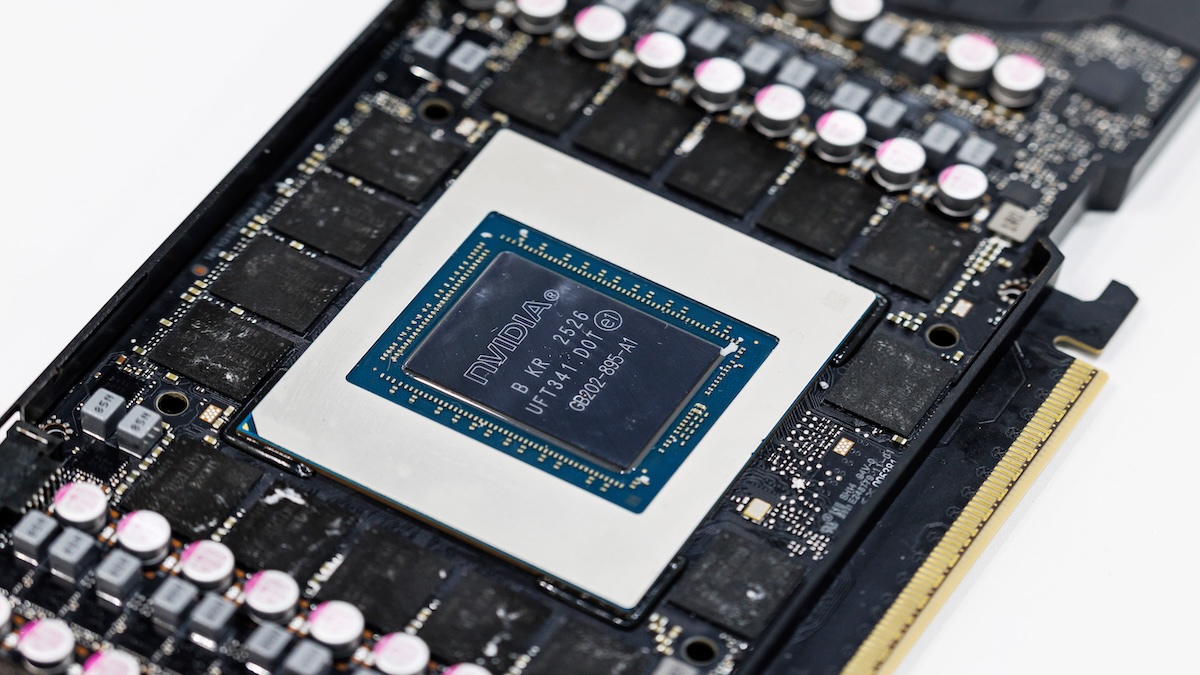
Nvidia Corp. is on the verge of becoming the first company with a $6 trillion market capitalization as investors rotate back into the artificial-intelligence chipmaker after a disappointing start to the year.
Paramount Skydance Corp. closed its $110 billion acquisition of Warner Bros. Discovery Inc. on Tuesday, completing one of the biggest media mergers of all time after engaging in a bruising battle for control with Netflix Inc. and fending off antitrust lawsuits.
Societal angst about AI continues to grow. Whether it’s concern about misalignment or potentially misdirected investment, the AI-may-be-bad narrative is gaining traction. In stark contrast, the AI trade in financial markets was alive and well in September of 2026.