You can’t spot it on the field or in the stadium. You can’t correct it in training. Or cure it with a dose from the team doctor. But it’s a malady an overwhelming number of professional athletes will face.
AI could be a transformative force for the Fed’s policy framework. Elevated investment demand – now coupled with positive wealth effects that are necessitating tighter financial conditions – could eventually give way to a positive supply impact from higher productivity growth that could allow for easier financial conditions without inflationary implications.
Munis can fund local power, grid, water and wastewater infrastructure; most AI campus capital will be financed in non-municipal markets.
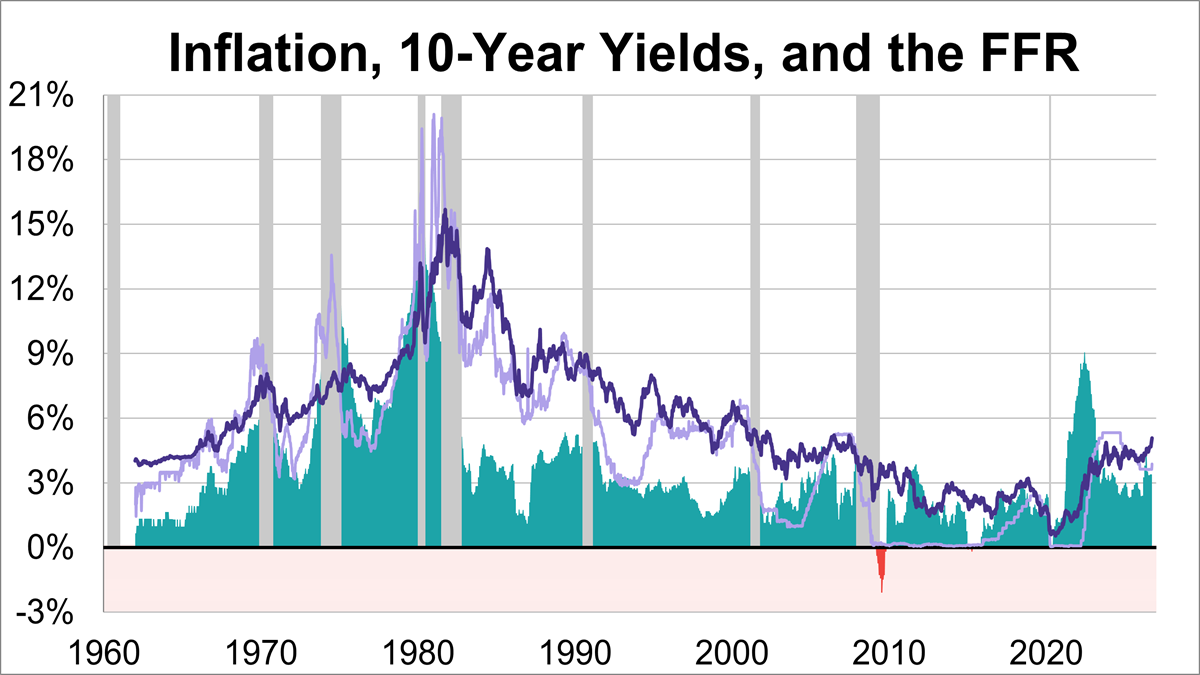
The 10-year Treasury yield has experienced dramatic fluctuations, ranging from a peak of 15.68% in October 1981, during the height of the Volcker era, to a historic low of 0.55% in August 2020, amidst the economic uncertainty of the pandemic. At the end of September 2026, the weekly average stood at 5.08%, the highest level since July 2007.
Explore how muni bond ETFs and targeted state funds can provide tax-efficient yields and strategic flexibility heading into 2027.
Join the experts at Allspring for an educational webcast exploring how an ultra-short, active municipal bond strategy can navigate the unique challenges of today’s market.
All eyes are on the macro economy. A significant market correction in late July triggered the abrupt collapse of Situational Awareness, L.P., a $45 billion, highly leveraged, AI-focused hedge fund. The collapse forced selling of many technology hardware stocks that were winners in the first half of 2026.
Treasuries might look cheap against stocks, GDP and the global cycle, but on their own historical terms they have more to fall before they become oversold and ready for a durable bounce.
Blackstone Inc. is investing $1 billion to form a defense-technology company as the US and its allies face growing threats from inexpensive drones and other weapons that can be broadly deployed.
The Yorkville financial group was once little known on Wall Street. Now though, it is harder to miss: its affiliates help manage Donald Trump’s Truth Social-branded ETFs, have taken over the MAGA and YALL funds, and recently hired retail-investor favorite Dan Ives to co-build an investment-banking arm.
The Securities and Exchange Commission is proposing a series of moves to help expand retail investor access to private markets, so more individuals can access private equity, early-stage startups and other assets.
Last week the S&P 500 rose 1.2 percent and the NASDAQ gained 2.1 percent, hitting a fresh record close earlier in the week, while the Russell 2000 fell 0.8 percent. The bigger story, however, was in rates. The 10-year Treasury yield pushed through 5.2 percent, its highest level since June 2006, and the two-year briefly topped 4.9 percent, its highest in over two years.
Assessing the wall of worry. Here, we assess the market's growing wall of worry, explain why these worries warrant attention, and justify our continued constructive intermediate-to-long-term stock market outlook.
Economic data from last week continued to paint a picture of a robust U.S. economy with an accelerating pace of growth. After a strong durable goods report showed business fixed investment continuing to rise on the back of ongoing AI data center buildouts, the Atlanta Fed’s GDP Now estimate for third-quarter real economic growth remained at an elevated 5 percent.
Some employer retirement plans allow after-tax contributions that can be converted to Roth assets. Learn how a mega backdoor Roth strategy works and key considerations for retirement planning.
From social media and AI tools to financial professionals and workplace resources, defined contribution (DC) plan participants are drawing retirement insights from an expanding portfolio of sources, according to our latest survey. But more content doesn’t necessarily mean better outcomes. We think plan sponsors are well positioned to help participants cut through the noise.
Globalization is being reorganized around security and resilience, creating uneven risks and opportunities across markets.
Yields have pushed higher with some points on the curve reaching yield levels not seen since the mid-2000s. While it is nearly impossible to pinpoint a specific catalyst for any move in the financial markets, below are a few of the factors that have helped push interest rates higher.
Higher-for-longer interest rates are forcing buyout firms to face facts. Struggling since 2023 to sell companies purchased in the long decade of ultra-cheap debt before the Covid pandemic, they’ve tried to placate investors with clever financial engineering to help keep some money turning over.
Across the world, nations are dealing with rising costs from energy and debt service. These costs are compounding as time goes on.
It’s a complicated economic environment to retire in, with high costs and significant geopolitical and policy uncertainty. Still, people want and often may need to retire. However, thanks to innovation in the asset management world, investors have an increasing array of options.
Given that the Federal Reserve raised interest rates earlier in September, inflation data that was already crucial has taken on a new meaning. These reports could now serve as a barometer for what is to come from the central bank.
The financial industry is being pulled between two powerful forces: bottom-up financial technology is enabling seamless integration, while top-down geoeconomic statecraft is promoting fragmentation. So much for the conventional wisdom that finance will simply become smoother, cheaper, and more globalized over time.
The bond market has become the central story for investors. The remarkable development over the past several weeks is not rising inflation expectations but rising real interest rates. Real rates have increased roughly 40 basis points in just three weeks, one of the sharpest moves I can remember over such a short period. Meanwhile, longer-term inflation expectations have actually edged slightly lower.
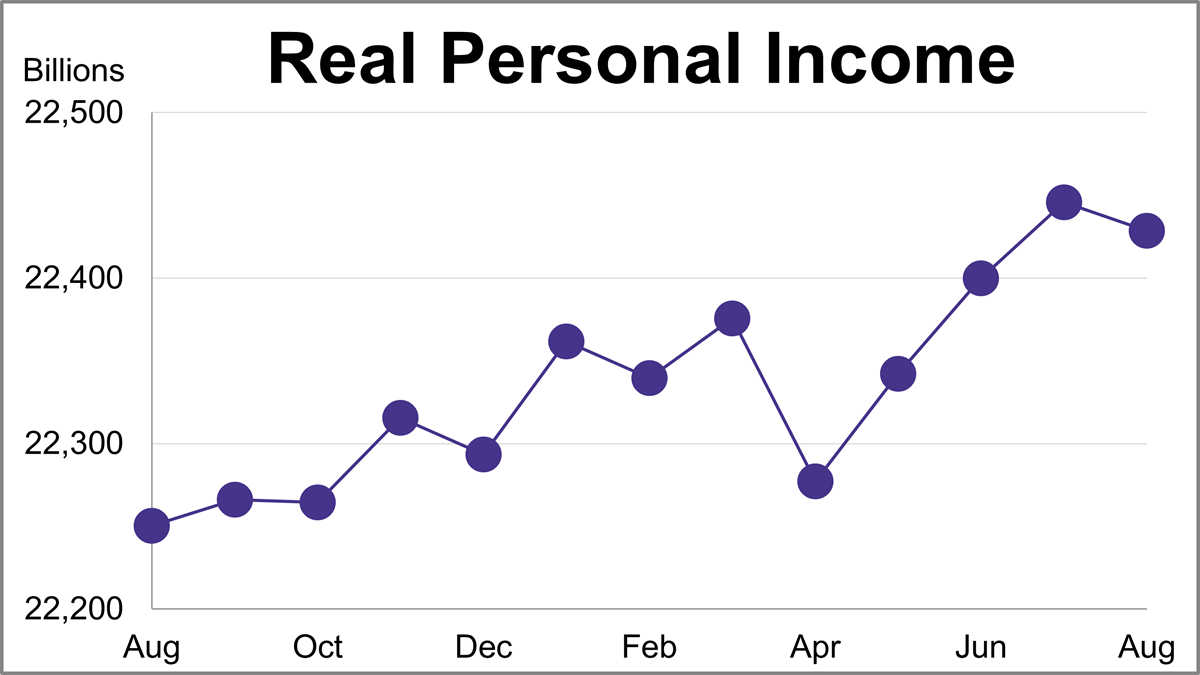
Personal income (excluding transfer receipts) was up 0.23% in August and was up 4.25% year-over-year. However, when adjusted for inflation using the BEA's PCE Price Index, real personal income (excluding transfer receipts) was down 0.08% month-over-month and up 0.80% year-over-year.
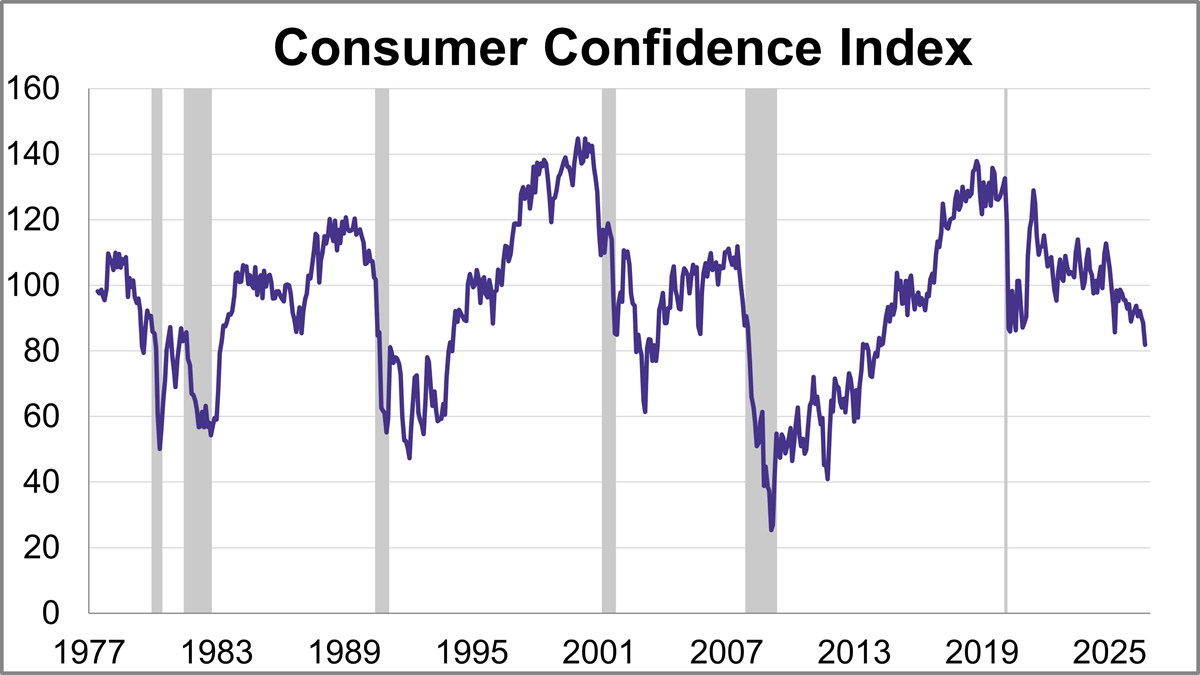
The Conference Board's Consumer Confidence Index® fell significantly more than expected in September, falling 6.7 points to 81.9. The index was far below the forecast of 89.2.
Compared to a decade ago, midstream operators boast improved fundamentals, lower leverage, and robust free cash flow generation. Coupled with surging natural gas demand and a constructive production outlook in response to global geopolitical shifts, these fee-based business models offer compelling yields and a remarkably defensive posture.
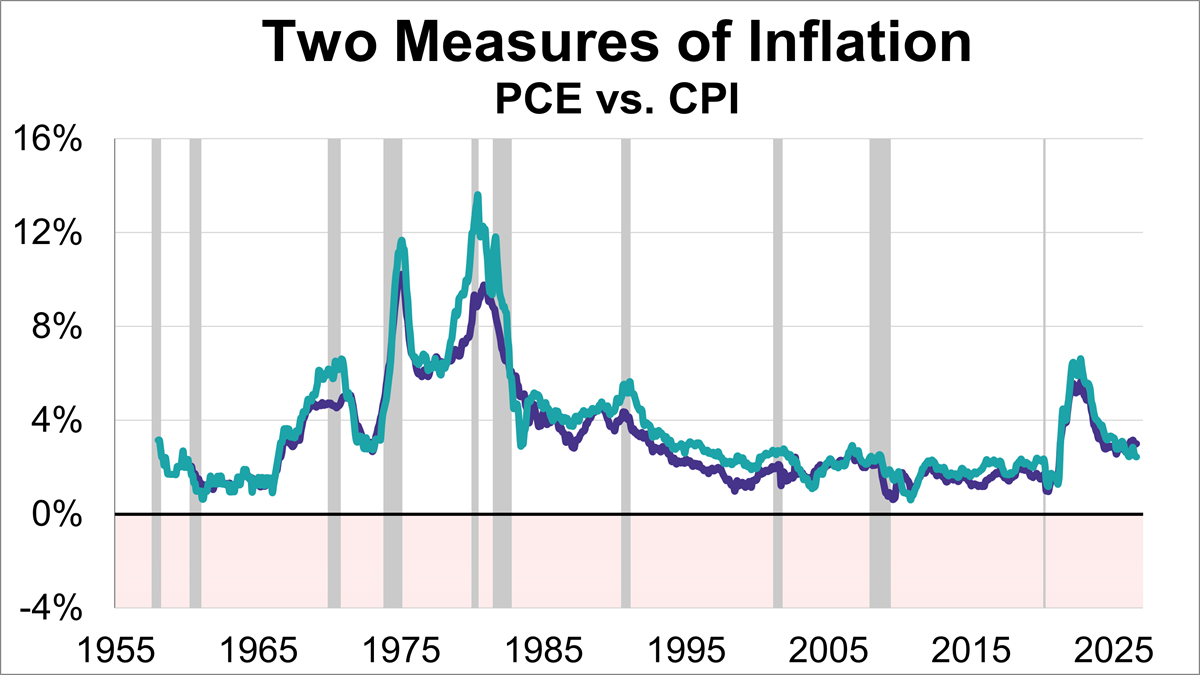
Inflation remains a hot topic, directly impacting everything from your grocery bill to interest rates. As of the latest data, two key inflation gauges — the Personal Consumption Expenditures (PCE) Price Index and the Consumer Price Index (CPI) — show that prices are still above the Federal Reserve's 2% target, with the core PCE at 3% and core CPI at 2.5%.
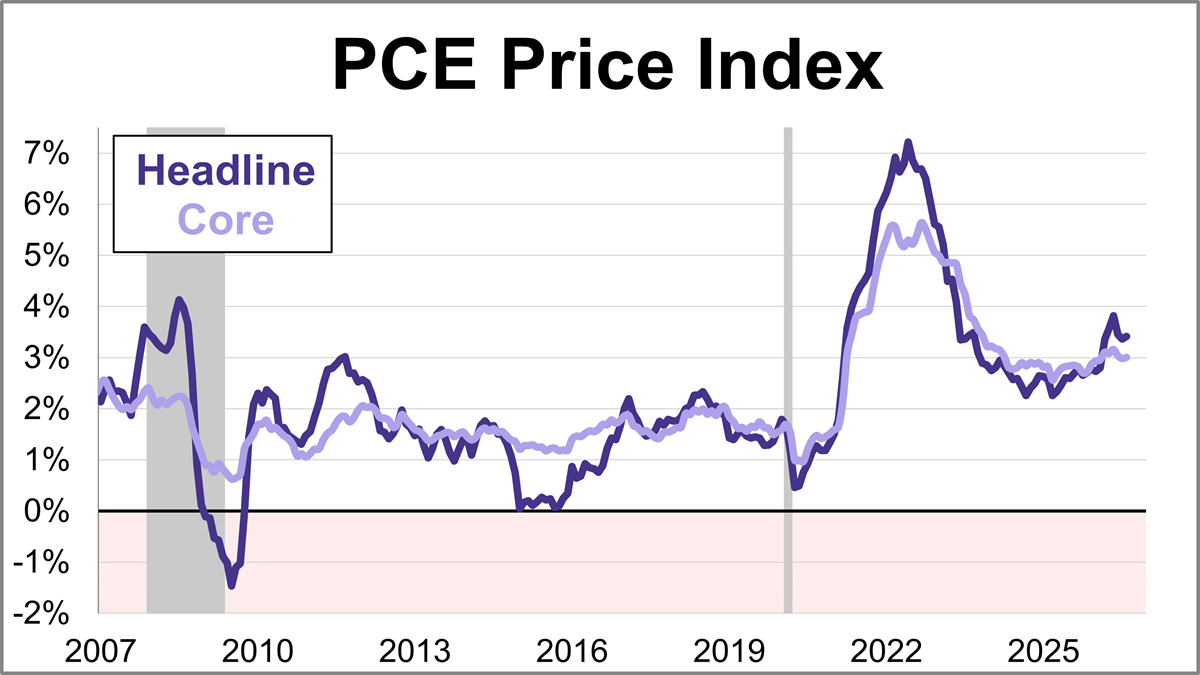
The Federal Reserve’s preferred inflation gauge, the core PCE price index, climbed 3% year-over-year in August. This marks no change from July's reading. On a monthly basis, core prices rose 0.2%.
Valid until the market close on October 31, 2026
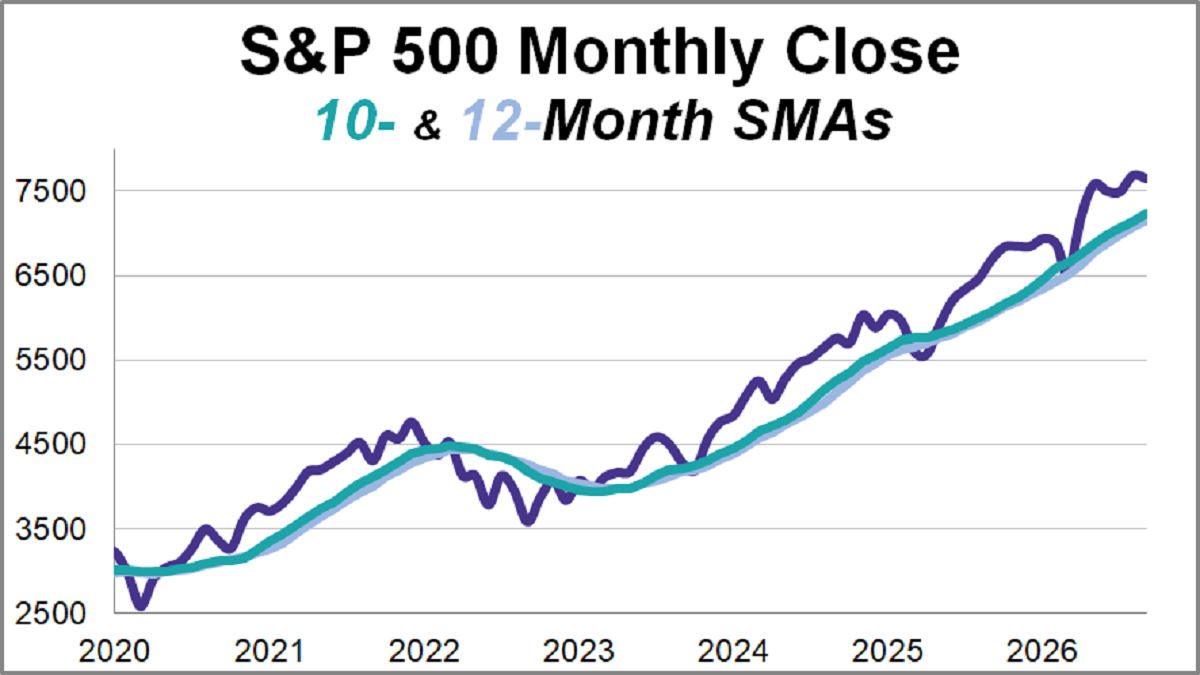
This article provides an update on the monthly moving averages we track for the S&P 500 and the Ivy Portfolio after the close of the last business day of the month.
With more than 100,000 advisors planning to retire in the next 10 years and an overwhelming majority of independent RIAs facing major challenges in succession planning, making your firm as attractive as possible, whether you’re looking to acquire or to be acquired, is quickly becoming much more than a good idea; it may soon be a survival tactic.
With a process and an approach in place, you should move toward a final solution more easily. All you can do is set it up to be as open and fair as possible, with someone holding the absolute final say once the decision is made.
Finance leaders can use agentic AI to boost budget visibility, develop more accurate forecasts efficiently, and find insights in data that would typically require extensive manual effort. With the right platform and a careful approach to governance, finance functions can start reaping the benefits of augmentation within months.
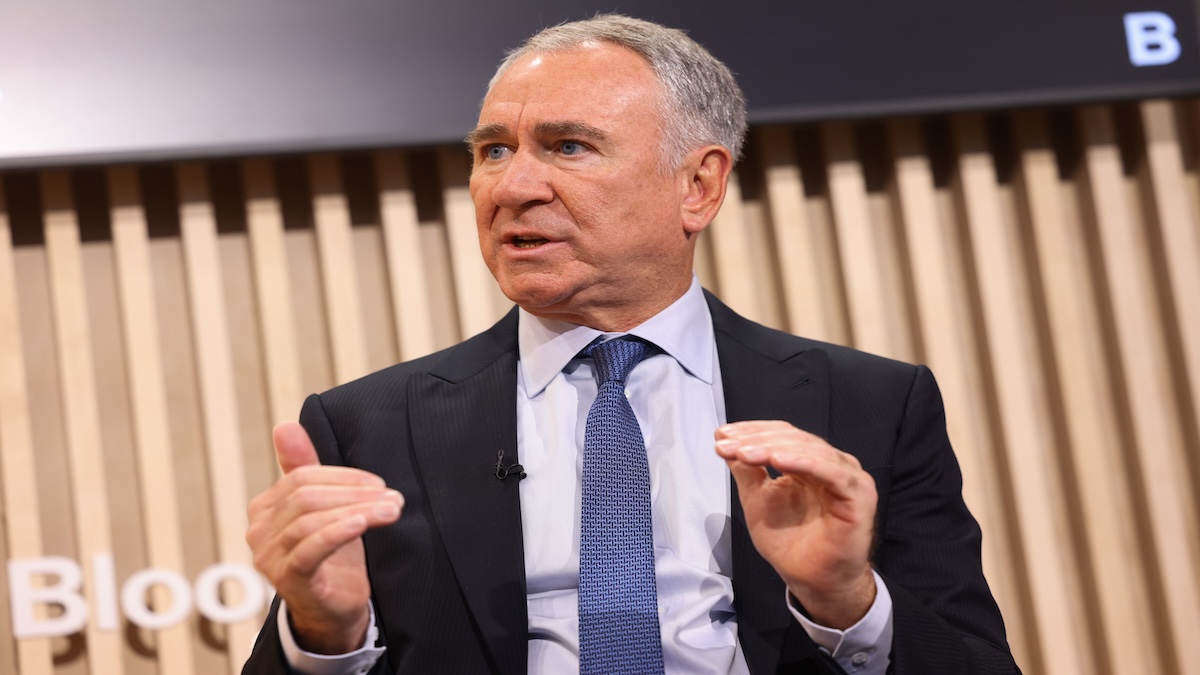
Ken Griffin is donating $3 billion to Carnegie Mellon University, most of it to establish a new campus in Miami, in the largest single gift committed to a US university.
Stock-market risks are everywhere. But you’d be hard pressed to tell anything was wrong by looking at the surface of major US equity gauges.
Banks in the US have plenty to celebrate these days, from record profits and higher stock prices to a strong economy and easier regulation. One thing they don’t need is an added discount on their deposit insurance — a crucial buffer that should be reinforced when times are good.
Has the stock market bubble quietly burst already? Even though the S&P 500 Index has mostly treaded water for the past four months, Wall Street analysts have continued to boost their earnings estimates.
Abdul El-Sayed, the Democratic candidate for Senate in Michigan, has a simple pitch to voters. Imagine, he says, a health-insurance plan with “no premium, no copay, no deductible — just healthcare when you need it.” El-Sayed and other proponents call the idea Medicare for All.
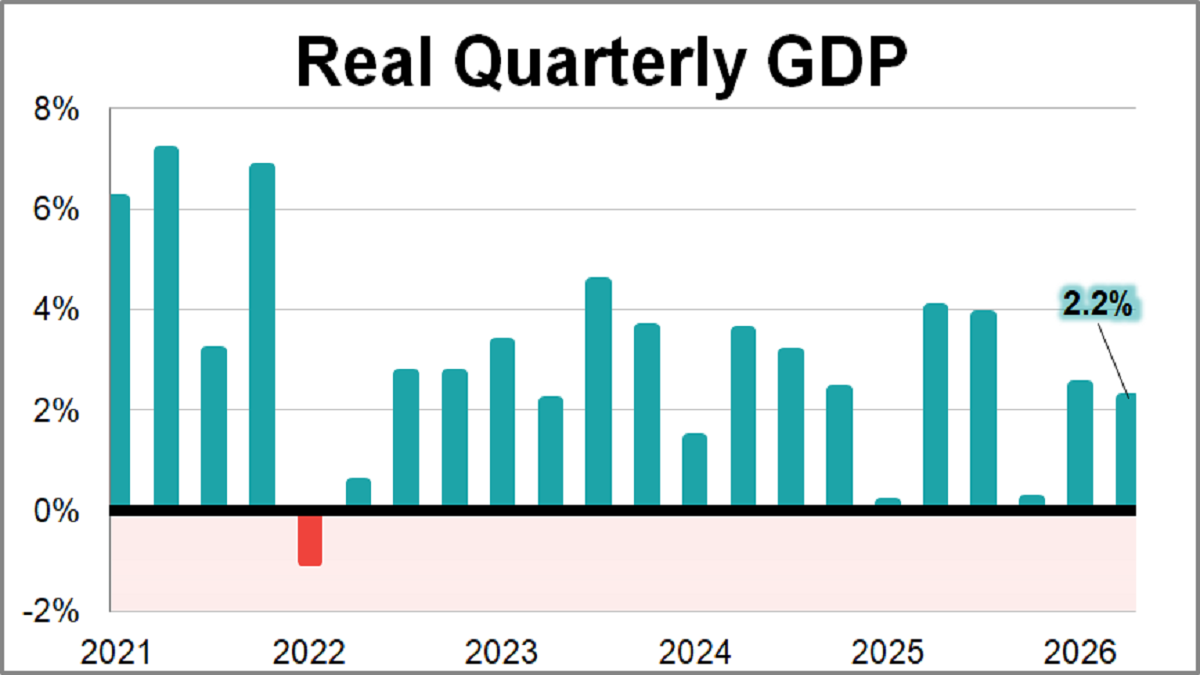
Real GDP rose 2.2% in Q2 for the third estimate from the U.S. Bureau of Economic Analysis, which was a 0.7% increase from the previous Q2 advance and second estimates.
Bond markets continue to adjust to a more hawkish policy environment following the Federal Reserve’s recent 25-basis-point rate hike.
Financial markets continue to grapple with a fundamental question: If inflation remains above target after years of restrictive monetary policy, is interest-rate policy still aimed at the right problem?
In this video The Most Powerful Growth Stock, Chuck Carnevale, co-founder of FAST Graphs and known as “Mr. Valuation,” examines NVIDIA through the lens of growth, valuation, financial strength, and long-term return potential. He explains why growth investing is still value investing when a company’s future earnings justify the price being paid.
There is more than one reason the 10-year Treasury yield is 5.23% today. Most importantly, the Fed has stopped anchoring interest rates at artificially low levels. Fear of inflation is likely another. However, both of those are related to the massive government debt the US has created.
I’m writing this week from London, the start of a four-country tour of Europe to see clients. I typically don’t have a lot of free time while on these journeys, but I did sneak away on the weekend for an economics field trip.
AI-related borrowers have accounted for nearly a quarter of nonfinancial U.S. dollar (USD) supply year-to-date, yet spreads for non-AI issuers have not widened meaningfully. Instead, hyperscaler spreads have widened, suggesting the market is absorbing the AI supply shock at its source.
On September 23, Invesco launched the Invesco Nasdaq International Innovators 100 ETF (QQI), a fund that seeks to track the performance of the Nasdaq International Innovators 100 Index.
Retail investors buy corporate bond ETFs expecting steady coupons and ballast against stock market volatility. Traditionally, fixed-income portfolios were anchored by defensive issuers like banks, industrials and utilities.
A recent VettaFi webcast explored advice on navigating retirees' behavioral tendencies in decumulating assets in retirement.
Join Fidelity for a product due diligence session exploring how the Fidelity Yield Enhanced Equity ETF (FYEE) captures derivative opportunities in today’s unique market environment.
In his latest insight, Richard Bernstein, Global Head of Macro & Customized Investing, examines why the Fed’s actions tend to lag the economic cycle, how deglobalization may limit its flexibility, and what a potentially longer period of tighter monetary policy could mean for investors.