Tokenization has taken hold in money market funds, leaving ETFs room to grow, while Cerulli eyes private markets as the long-term prize.
Microsoft Corp. is gearing up to install the latest version of its own chips in data centers, with the aim of powering its AI software using mostly homegrown hardware.
We are all investors now, or at least the majority of us are. More Americans than ever are investing in the stock market, and surveys show a large share of Gen Z and millennials actively trade individual stocks as their preferred investment strategy. Most people lose money or underperform with this latter endeavor.
Gold edged higher as sliding oil prices eased inflation concerns, giving traders some optimism the Federal Reserve could hold off on further interest-rate hikes.
Strong corporate earnings will be pivotal to hopes for a year-end rally in global stocks, as flare-ups in fears over inflation, bond volatility and artificial intelligence spending weigh on sentiment.
You can barely take a step on the New York subway lately without seeing the face of Meta Platforms Inc.’s furry Muse AI assistant. I’ve written already about how impressed I’ve been with the form and function of the breakthrough bot. Now, attention must move to assessing whether Muse has long-term staying power — or whether its launch will be just a flash in the pan.
What matters most now is not merely whether I can improve a client's financial position. It is how I help advance the financial and personal direction of that client's life in a meaningful way.
By generation, Gen Z and Millennials now make up 88% of online betting activity. Gen X trails at 9%. Boomers barely register. As recently as this spring, Millennials were the bigger group. Then Gen Z passed them, and Bank of America called it a “turning point.”
Global investing is changing. Geopolitical tensions, shifting trade relationships, energy costs and divergent central-bank policies are increasingly influencing which companies and markets are best positioned to navigate the environment.
For nearly four years, economists have been predicting that consumers would fail to sustain the economy. Yet despite many reasons for consumers to retrench, real personal consumption expenditures (PCE) grew 2.6% through September. The bottom line: Consumers keep worrying but keep spending.
We have a number of logistics routes that run close to our home, which can snarl traffic. Freight rail lines cut across local roads, and long columns of trucks crowd local highways. Transit delays are frequent, and their duration always seems proportional to how much of a hurry I am in.
For insurance investors, bond yields play a defining role in long-term planning, with the effects of their levels and movements rippling across balance sheets. Liabilities may move inversely to asset values, and today’s investment decisions have implications far into the future. That makes bond yields critical variables for prudent insurance investors. There are also insights in the “why” behind higher rates.
The Fed's recent rate increase may not develop into a hiking cycle as extensive as the one that began in 2022 because much of today's inflation pressure comes from supply constraints rather than broad economic overheating, where demand exceeds the economy's productive capacity.
While a gold ETF is a convenient way to play gold's price, you don’t possess any gold. You have paper. And you don’t know for sure that the fund has all the gold, especially when it sees inflows. In such a scenario, there have been difficulties or delays in obtaining physical metal.
When headlines announce that the stock market has reached an all-time high, investors often wonder whether they should stop buying stocks, sell their holdings, or wait for a correction. But those questions can distract from what matters most: the individual businesses they own and the prices they pay for them.
Four years after the sea change in interest rates began, the tide hasn’t reversed. The rate hikes of 2022 weren’t just a blip in a multidecade yield compression trend—they initiated a fundamental repricing of capital.
Broadly speaking, when advisors and investors consider adding focused industry exposure to a portfolio, there needs to be a strong justification for doing so. Take the AI industry, for example, where sustained buildout has driven many to target key tech players for exposure.
I write my letter as if I’m writing to friends, which I consider you to be. How many times do you get together with friends and you focus on just one topic? The usual friendly dinner conversation covers lots of topics. This week is a multiple topic letter, but with so much happening, how could it not be?
Western Asset’s Ion Dan explains why he thinks the fundamental case for agency mortgage-backed securities has strengthened.
US Treasury yields have moved sharply higher, with the 10-year yield rising roughly 45 basis points over the past month to about 5.25%. That has understandably revived concerns about what higher bond yields could mean for equities.
The S&P 500 hit a new record high in 3Q as strong earnings offset headwinds from oil returning to $100/bbl, the Fed hiking rates, and the 10-year Treasury crossing 5%.
The dollar rally is forging ahead as soaring oil prices weigh on currencies of energy importing nations and global inflation fears persist.
SpaceX investors are finally getting some reprieve after months of being whipsawed by volatility as the Elon Musk-led company’s stock breaks above the level it’s been stuck below since July.
Emerging markets (EMs) have historically been associated with commodity exports and low-cost manufacturing. Those characteristics remain relevant in parts of the investable universe, but the sources of competitive advantage have broadened materially.
With markets around the globe rattled by the bond sell-off, it may be time to pivot towards safe havens that still generate strong yield.
Active ETF flows offer a window into where the ETF ecosystem is going, and what its shifts and changes might mean for broader ETF innovation.
Join the experts at RAFI Indices for an educational webcast exploring what happens when concentrated markets revert to the mean.
September ETF launches highlighted active strategies and an AI hardware ETF as year-to-date inflows reached a record $1.54 trillion.
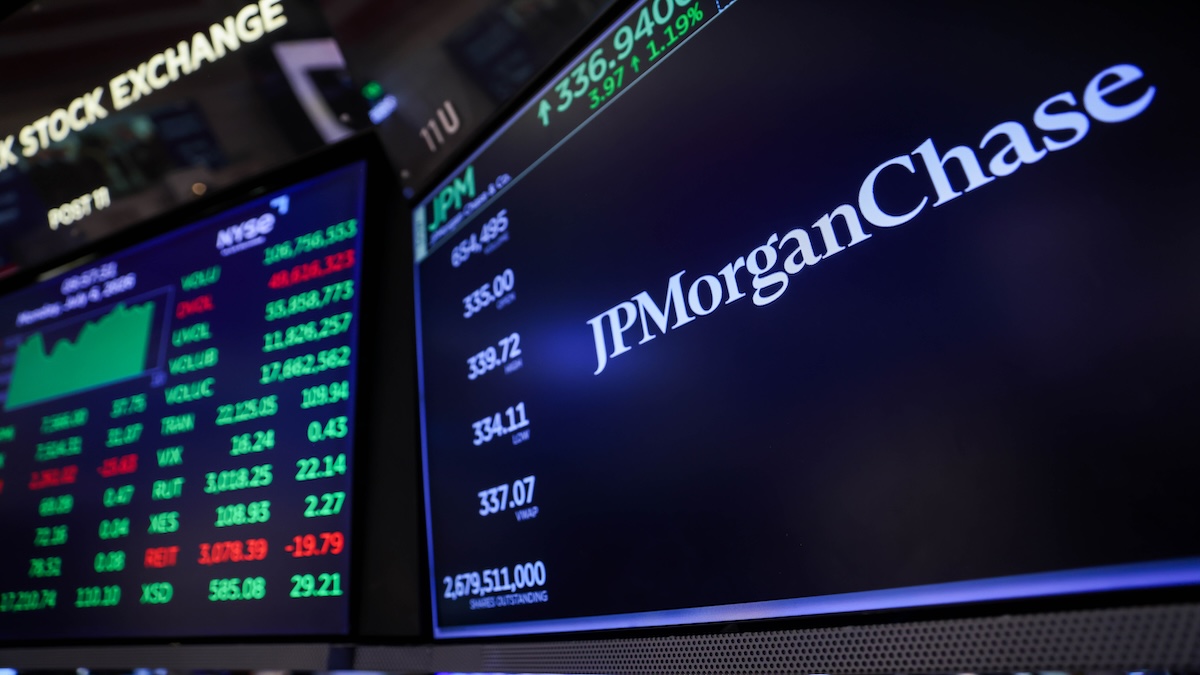
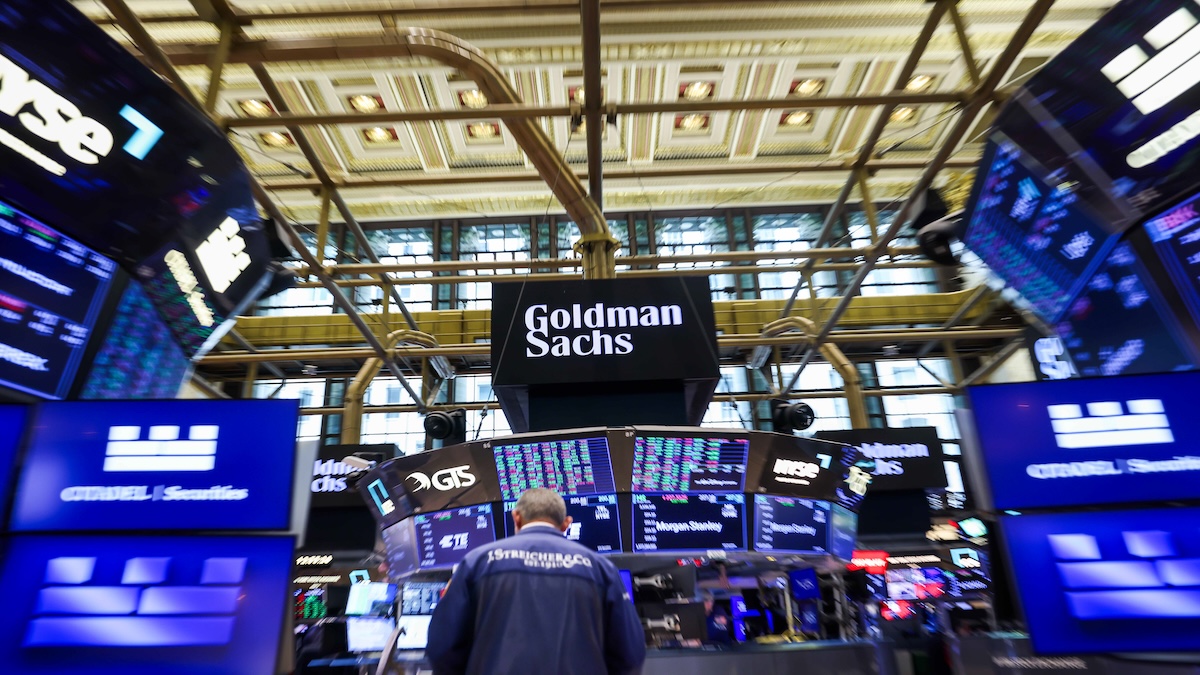
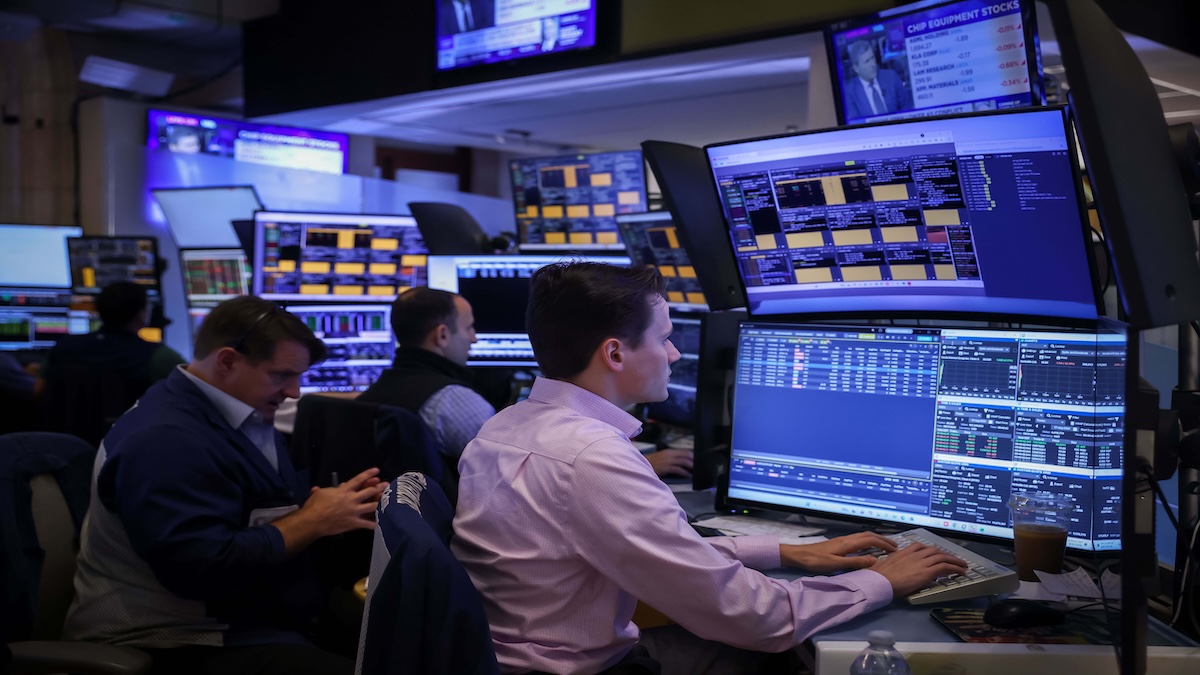
Wall Street’s biggest banks are expected to unveil a quarterly stock-trading haul of nearly $19 billion when the firms report earnings next week.
Gold advanced as oil fell and an auction of 30-year US debt on Thursday drew solid demand, helping to pull long-dated yields from the highest levels in more than two decades.
The bull market in US stocks is showing few signs of stress as it approaches its fourth anniversary: Corporate profits are rock-solid, the S&P 500 Index is near a record and volatility appears subdued.
Advisors choosing between two similar ETFs often let the lower expense ratio decide, but that fee says little about a fund’s liquidity. It may not even point to the cheaper fund to own, according to State Street Investment Management research.
Is it time to bail out of stocks — or to stay the course? Who knows? In the meantime, we can array recent stock returns against history to put 2026 into context and allow readers to judge for themselves.
“Nobody knows anything,” the screenwriter William Goldman famously said of the movie business. Much the same can be said today for artificial intelligence, a technology that’s moving fast, destination unknown.
Consumer confidence is collapsing, hiring is weak and the housing market is largely frozen. All of which serves to underscore that the US economy is only holding up because of the boom in artificial intelligence and an aging population spending ever more on healthcare.
Headlines are popping up left and right about how high the 10-year Treasury yield has risen. While investors make decisions about what is the “right” longer-term cost of government debt, many journalists focus on single-factor ways of viewing it.
In 1954, golfer Tommy Bolt won the inaugural Rubber City Open at Firestone Country Club in Akron. Four years later, he returned to Akron as the reigning US Open champion, where in the third round he was paired with an 18-year-old amateur making his tour debut.
The U.S. economy is handing investors a muddled picture. Housing is stuck, hiring is lopsided, and households feel worse than the jobs data suggest. Add a string of geopolitical shocks and a Federal Reserve (Fed) under new leadership still establishing its reaction function, and the signals markets rely on are harder to read. Investors will have to adjust to this market, where clarity is scarce.
Investment performance is often measured by what a portfolio earns. But for investors with substantial assets across taxable, tax-deferred, and tax-free accounts, what they keep after taxes can be just as important.
ClearBridge Investments: With the economy still resilient, a gradual Federal Reserve hiking cycle could help broaden market leadership beyond the Magnificent Seven.
Sometimes, there’s safety in size. Semiconductor Goliath Nvidia (NVDA) is proving as much. Already one of the world’s largest companies by market capitalization, Nvidia is up 29.5% year-to-date. That extends a five-year run in which the stock surged 1,066%.
Hand-picking individual securities from an enormous fixed-income universe can be inefficient. That’s why AB developed a dynamic credit scoring model known as core score, which ranks investment-grade and high-yield corporate bonds by their attractiveness.
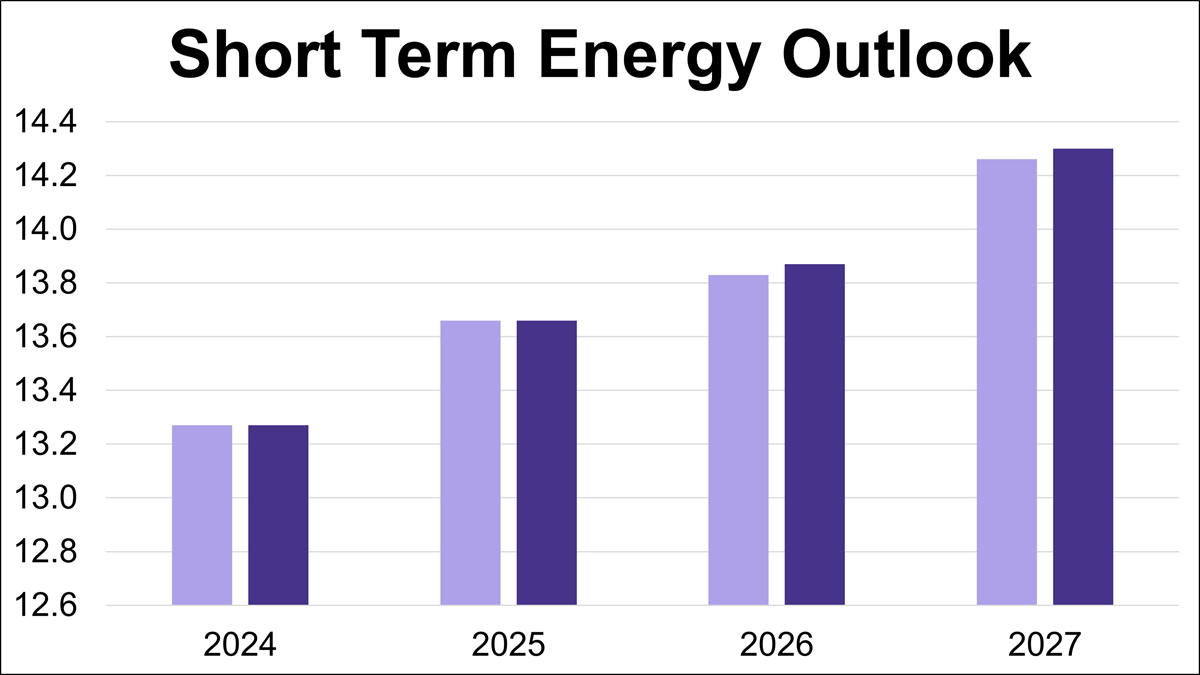
The U.S. Energy Information Administration (EIA) has released its latest Short-Term Energy Outlook (STEO), providing forecasts for energy markets. This article presents the annual production outlooks for crude oil, natural gas, and natural gas liquids (NGLs), comparing the October 2026 projections against the previous month's estimates.
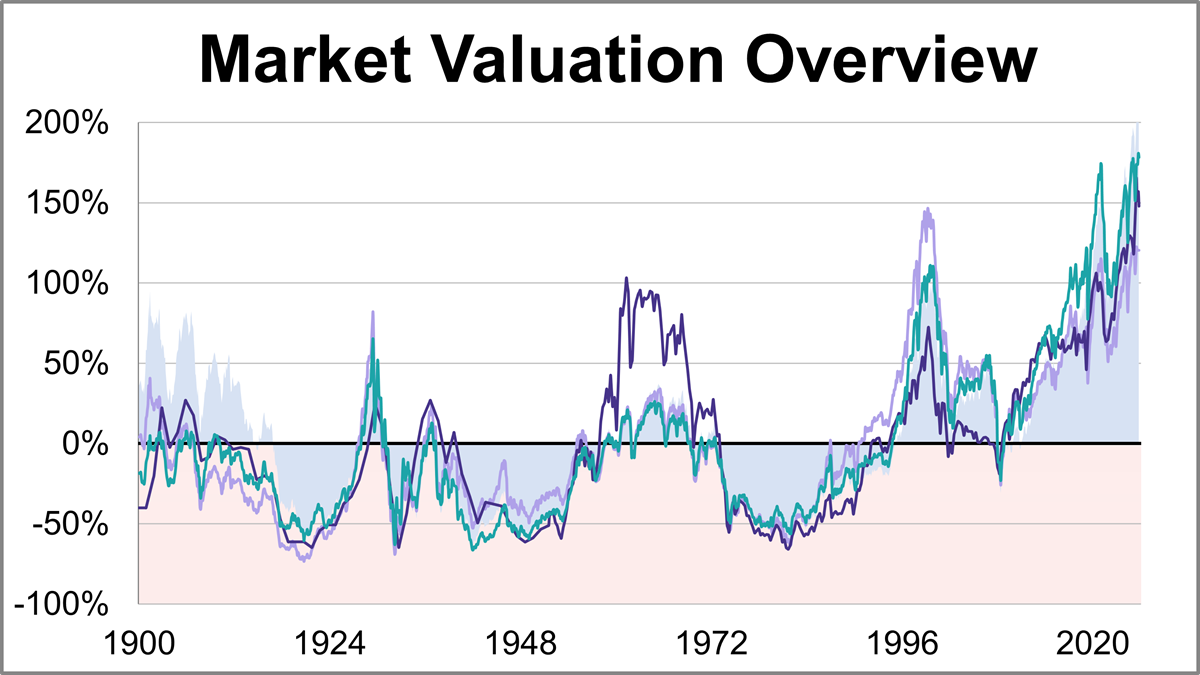
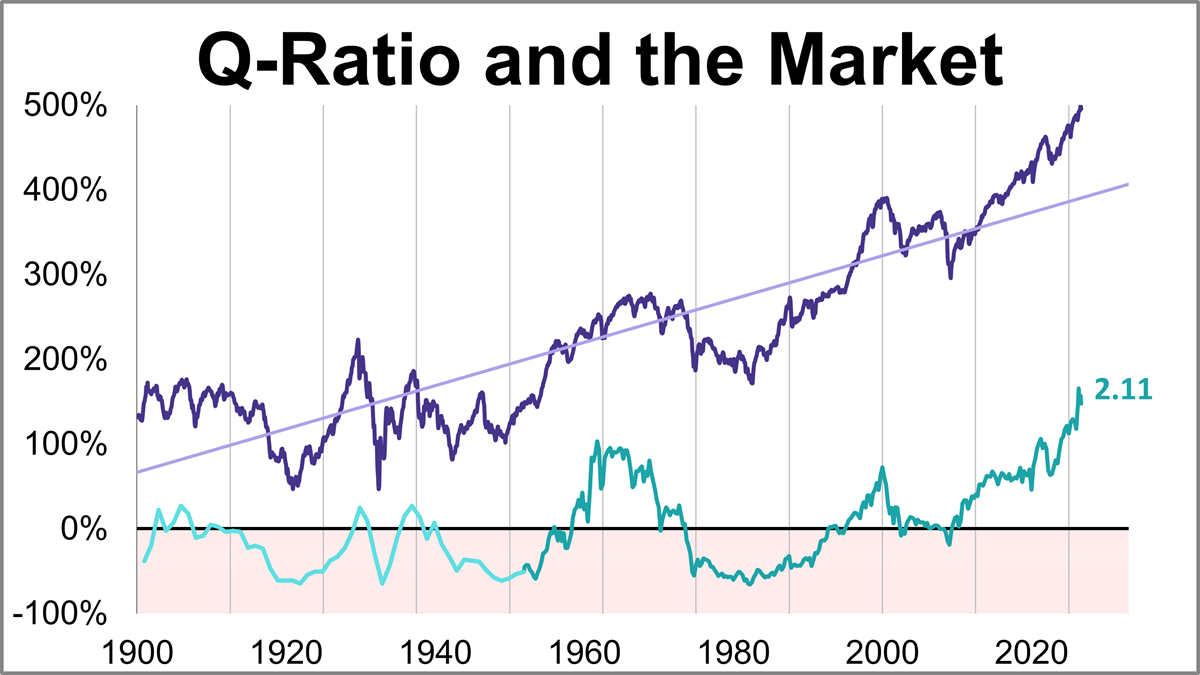
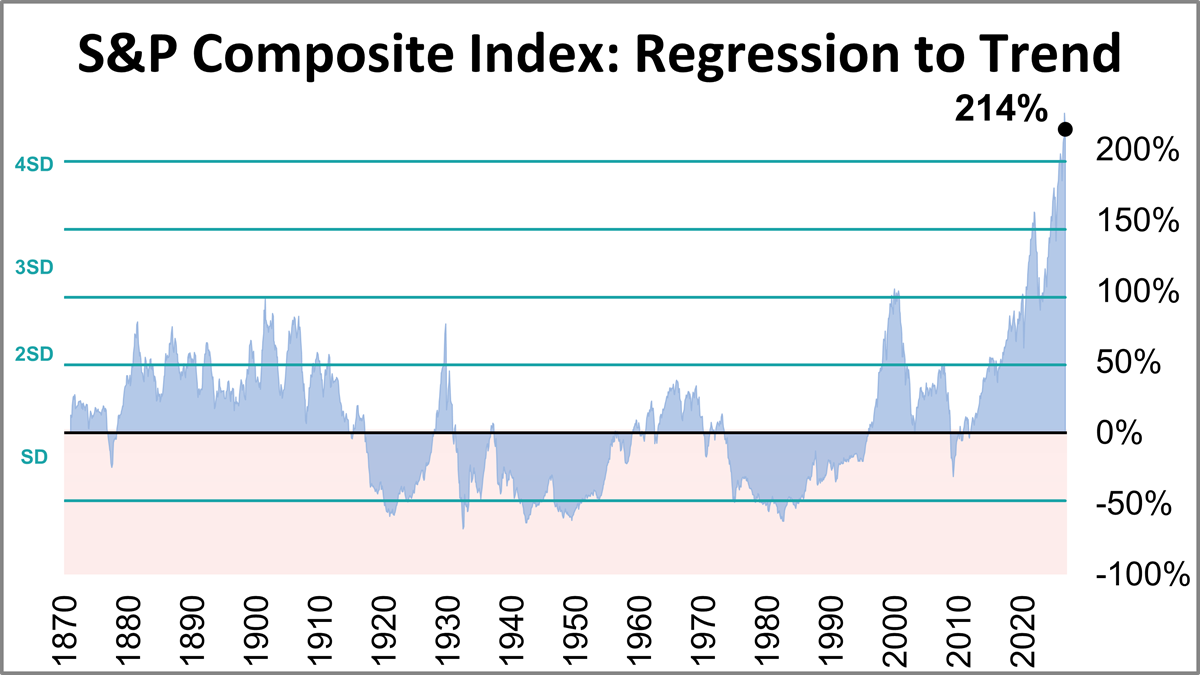
Here is a summary of the four market valuation indicators we update on a monthly basis.
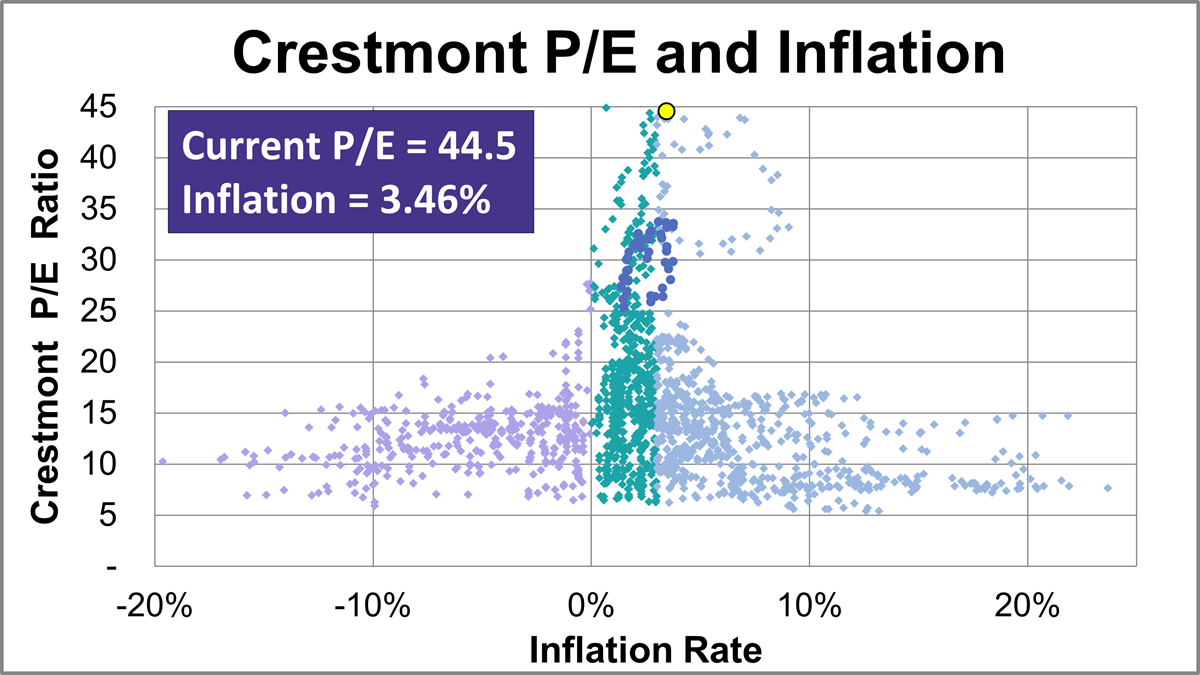
Based on September's S&P 500 average of daily closes, the Crestmont P/E of 44.5 is 188% above its arithmetic mean, 217% above its geometric mean, and is in the 100th percentile of this 14-plus-decade series.
The Q Ratio is the total price of the market divided by the replacement cost of all its companies. As of September 2026, the latest Q-ratio is at 2.11.
The inflation-adjusted S&P Composite Index was 214% above its long-term trend at the end of September.
While the market chases humanoid headlines, robots are already running warehouse floors, and generating real productivity gains for companies willing to deploy them. Dr. Henrik Christensen, a UC San Diego robotics researcher and cofounder of Robust.AI (maker of the Carter warehouse robot, deployed with DHL Supply Chain), joins us to give advisors a ground-level view of where automation is working today and how to separate durable technology from hype.
Wall Street’s biggest banks are set to extend a months-long borrowing binge and issue more bonds than usual in the fourth quarter, raising funds to meet the insatiable financing needs fueling the artificial intelligence boom.