2025 has been historically turbulent for the dollar, with declines of a magnitude last observed during the global financial crisis
Most economists, including us, were wrong about the ‘ensuing’ recession back in 2022 and 2023 as the US Federal Reserve (Fed) increased interest rates to fight higher inflation.
Despite inflation pressure, tariffs and immigration policy are leading to slower job growth and consumer spending, which may prompt the Federal Reserve to cut interest rates soon.
Gold inflows into ETFs through the first half of 2025 hit levels not seen since the pandemic, and that trend continued through July.
The U.S. Dollar Index (DXY) has rebounded over the last month following its worst first half since its inception in 1973.
The Fed confronts a dilemma as hiring slows while inflation heats up.
Nvidia has been the star of the market over the past few years — a powerhouse that has reshaped artificial intelligence, gaming, and high-performance computing.
In the tidal wave of funds coming to market, a few ETF strategies stand out for their innovation or for notable opportunities they provide.
The likelihood of recession has declined during our three-year forecast period, as such we increased equity exposure.
This article breaks down the five main reasons financial advisors overwhelmingly prefer using crypto exchange-traded funds (ETFs) rather than recommending direct purchases of Bitcoin, Ethereum, or other tokens.
Today, let’s take a look at a company sitting at the center of all these technologies. It’s a great example of the outsized potential and the volatility that often come with investing in companies on the edge of big breakthroughs.
The ICE BofA Fixed Rate Preferred Index returned 1.45% in July, bringing YTD gains to 2.47%. The $25 par ICE BofA Core Plus Fixed Rate Preferred Securities Index rebounded with a 2.77% return, while ETF inflows exceeded $150 million.
Foreign equities investing is hot this year, and it’s clear to see why. U.S. equities face myriad challenges calling for diversification abroad.
ETF providers have been quick to launch a bevy of new active funds at a quickened pace given the current trend. The same can be said for fixed income allocation.
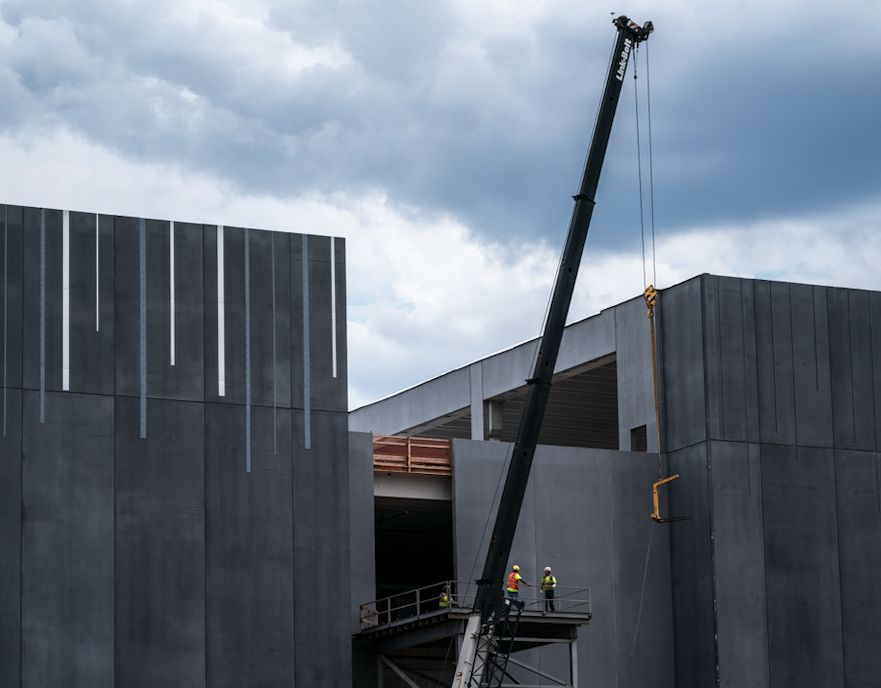
The AI hyperscalers that are spending hundreds of billions of dollars on data centers have dropped a windfall into the laps of the manufacturers, construction firms, building-materials makers and energy companies that make the build-out possible.
The United States has been on a remarkable run: exceptional growth and innovation, multiple structural advantages, and the financial market dominance to match.
Some of the world’s biggest investors in private equity are worried they could lose their special status as thousands of retail investors get invited into an asset class that had been reserved for sophisticated clients.
At a rooftop bar on Manhattan’s Lower East Side, roughly 150 quant researchers met with employees at the artificial-intelligence startup Anthropic who implored them to consider a life away from Wall Street.
Green firms in the US have found something of a lifeline in artificial intelligence after being bogged down by high interest rates, shrinking funding and, more recently, President Donald Trump’s sharp rollback of support.
Meta Platforms Inc. has selected Pacific Investment Management Co. and Blue Owl Capital Inc. to lead a $29 billion financing for its data center expansion in rural Louisiana as the race for artificial intelligence infrastructure heats up, according to people with knowledge of the matter.
As the Federal Reserve (Fed) conducts its quinquennial review of monetary policy, it must recognize the severe shortcomings of its current policy framework.
Bear markets are part of a normal market cycle. Understanding their basics and history can help investors make strategic investment decisions when bear markets occur.
What if you could capture the potential gains of the S&P 500, but limit your losses if the market goes down? Or earn above-market income given the right stock market conditions?
The new US tax law raises the SALT deduction cap and adds a new deduction for seniors.
President Donald Trump made headlines when he fired Bureau of Labor Statistics Commissioner Erika McEntarfer after a particularly bad July jobs report, calling it rigged.
Volatility across major asset classes is currently sitting at unusually low levels. While volatility is often viewed as a broad measure of risk in financial markets, its role has evolved significantly in recent years.
Investing in healthcare has long been a cornerstone of defensive, long-term growth strategies. It is, after all, a massive and expanding segment of the global economy.
While inflation has come down from its peak, it has proven stubborn to get below the 3 percent mark.
Recessions in the United States have become less frequent over time.
Like the “granny shot” in the game of basketball, the Fundstrat Granny Shots ETF (GRNY) is doing something seldom seen these days in the ETF world — it amassed over $2 billion in assets in less than nine months.
Many advisors have come to agree that the key to navigating 2025’s uncertain market is to do so through a well-diversified portfolio.
This actively managed strategy marries long duration purchased call options on the S&P 500 with 15% of the fund with a 1-year short duration treasury ladder with 85% of the portfolio, giving investors the potential long run compounding returns of the equity market, with measured risk in advance of a potential market decline.
President Donald Trump plans to sign an executive order Thursday aimed at eliminating practices by banks and their regulators that result in certain customers being denied access to financial services for ideological reasons.
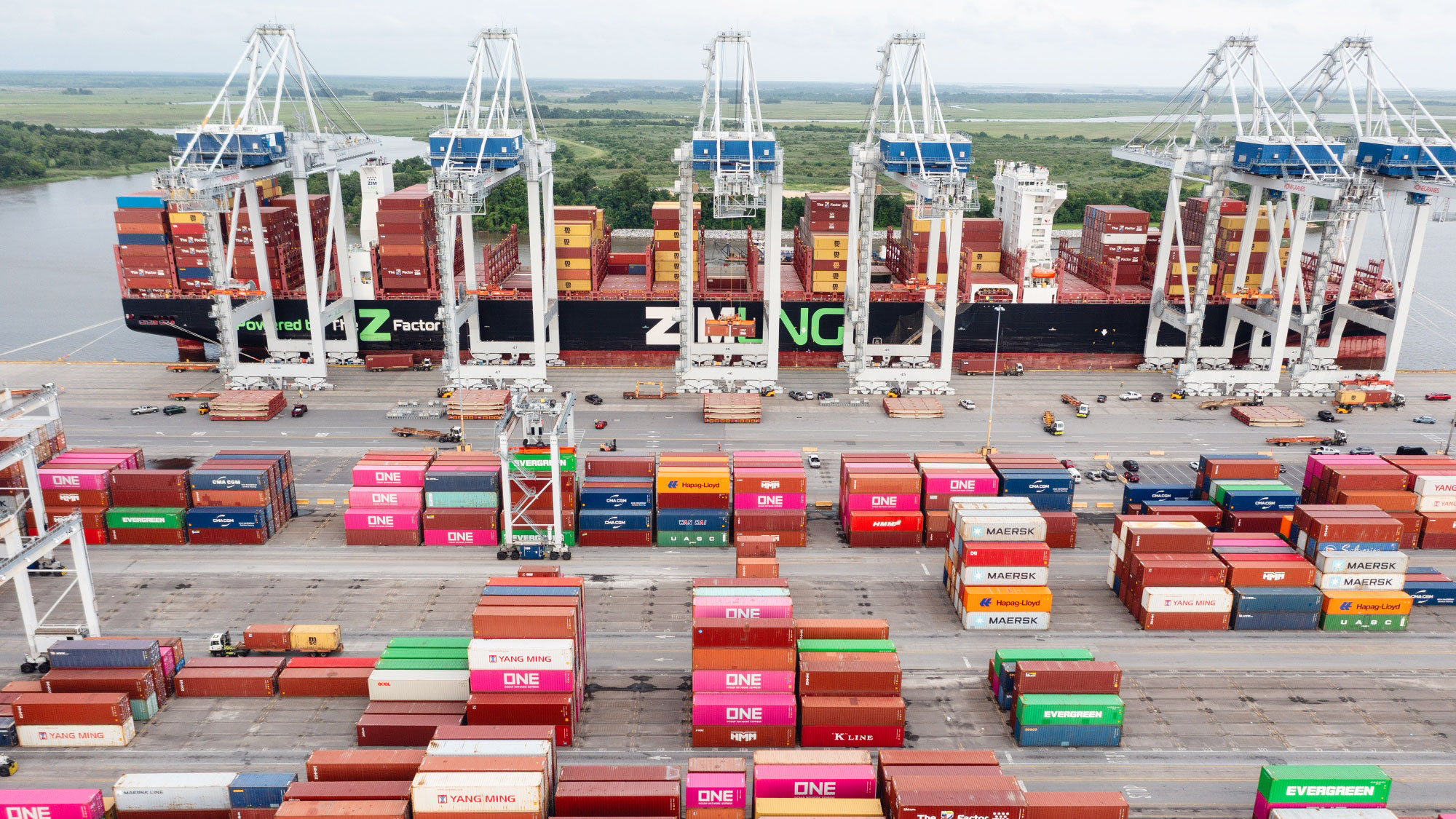
President Donald Trump’s sweeping new tariffs officially took hold Thursday, as he barrels forward with his turbulent push to reshape global trade.
Every time there’s fresh evidence of labor market softness, as with the July jobs report, an obvious question is raised about the health of the US economy.
Developing-nation currencies pared gains on reports that Federal Reserve Governor Christopher Waller has emerged as a top Fed chair candidate, raising confidence over the independence of the institution and boosting the dollar.
When a bet goes wrong, investors are often tempted to hold on, convincing themselves that their short-term trade was always meant to be a long-term position.
With a week as jam-packed with economic data, earnings, and events as last week, it’s no surprise it ended with a bout of volatility.
The July jobs report revealed significant downward revisions to payroll growth in the aftermath of the trade war, while also underscoring supply-side stress.
Gold surged to a record high in April 2025 but has since entered a quiet phase, trading sideways.
Get ready each week with high-conviction insights that go beyond media headlines.
U.S. equities experienced a sharp sell-off in early April, hitting a low point on "Liberation Day" when higher-than-expected tariffs intensified recession and inflation concerns.
As July gave way to August, an eventful news week moved markets. Corporate earnings continued to surprise to the upside.
Friday’s employment report produced the greatest downward revision in jobs in over half a century (excluding COVID), This is my interpretation of the fallout:
U.S. equities may be soaring, but earnings growth is narrowing fast—driven almost entirely by AI mega-caps. Paul Vella of Journey Strategic Wealth breaks down why investor sentiment remains fragile beneath the surface, with weak labor data, sticky inflation, and policy ambiguity setting the stage for a volatile August.
This article explores how equities – particularly bitcoin mining stocks – provide advisors with an often-overlooked path to crypto exposure.
The ETF wrapper provides a number of benefits for investors, combining tax-efficiency with cost savings. In more complex asset classes such as international equities, investors potentially compound the benefits of ETFs with those of active management.
Developing countries have navigated a changing world order relatively well so far. But to maintain this positive trajectory, they must create conditions that enable them to exploit the new opportunities created by AI, and multilateral institutions like the World Bank must support them in this multiyear effort.
July 2025 proved to be a compelling month for ETF investors, marked by a return to risk-on sentiment in some areas of the market.
Join industry experts Zeno Mercer and Morten Paulsen, CLSA’s Head of Research for Robotics and Machinery, for an exclusive webinar exploring the key trends and opportunities shaping the automation and robotics landscape.