The US Treasury boosted the size of its quarterly bond sales for the first time in 2 1/2 years to help finance a surge in budget deficits so alarming it prompted Fitch Ratings to cut the government’s AAA credit rating a day earlier.
Markets posted a strong first quarter, though it was a rollercoaster ride. The path forward will likely stay turbulent, with bank turmoil likely tightening credit conditions and the Fed still wrestling with inflation.
The question many economists, as well as market participants, asked themselves after the June Federal Open Market Committee (FOMC) meeting was why the Federal Reserve (Fed) paused its federal funds rate hike campaign if they were going to increase it again in July anyway.
A member of Putnam's Fixed Income team since 2007, Onsel Gulbiten analyzes macroeconomic issues, including inflation, interest rates, and policy developments.
The economy and markets that have emerged from the pandemic fundamentally changed. For equity investors, we believe this means a different opportunity set than the one that prevailed over the past decade and a half ― and one that favors alpha (excess return) over beta (market return).
Last week was Super Bowl week for economists, with fresh guidance from the Fed, ECB, BoJ, as well as data releases on GDP and inflation. The economic data fireworks show was set against a busy week of earnings data, which acted as garnishes to the main course of economic data.
The unexpected downgrade of US government debt sent shockwaves across the economic and political landscapes. In financial markets, the move was met with what amounts to a shrug.
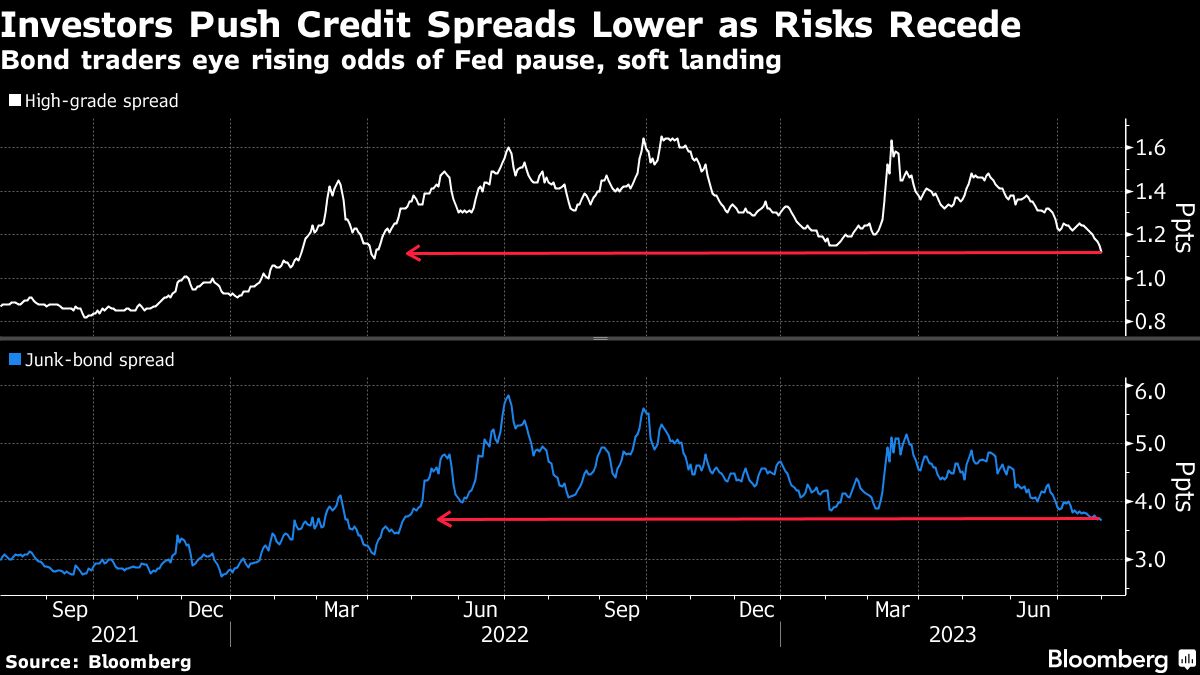
Credit investors are turning more optimistic that the Federal Reserve will pull inflation under control without shoving the US economy into a deep recession.
The US Treasury boosted the size of its quarterly sale of longer-term debt for the first time in over 2 1/2 years, testing dealers’ appetites amid an increase in government borrowing needs so alarming it spurred Fitch Ratings to cut the US sovereign rating from AAA.
Although past performance is never a guarantee of future results, it remains the case that stock-market valuations tend to outstrip bonds most of the time. Still, arriving at the best investment strategy is about more than simply doing the math; it also requires an appreciation of history and tail risks.
Is it vogue to be pessimistic about China’s economy? Andy Rothman explores.
Record-breaking heat waves dominate the news headlines, with 2023 shaping up to be one of, if not the hottest year on record. Extreme temperatures are shattering records across the U.S., Europe and in parts of Asia – not just on land, but also in the sea.
In a quarter filled with talk of potential Treasury default and the second largest bank failure in U.S. history, markets chose to look forward. This was a quarter of AI captivating markets.
Over the past 18 months, high inflation drove rapid monetary policy tightening, which weighed heavily on consumer spending power and corporate margins. As inflationary pressures now abate, we see eventual improvement in both real incomes and profits, which should enhance prospects for multi-asset investors.
Central bank policies are set to diverge from the steady hikes characterizing the first half of 2023, contributing to increased market volatility for the remainder of the year.
The current environment looks favorable for equity market neutral, global macro and insurance-linked securities, according to K2 Advisors. The team offers its mid-year outlook for these and other hedge fund strategies.
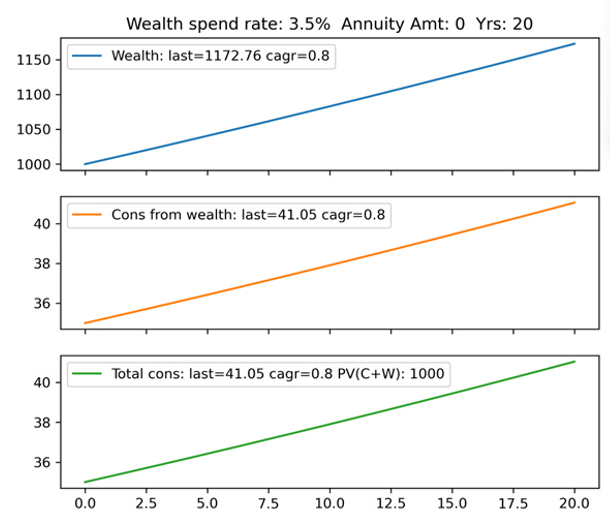
Advisors and investors wonder what role annuities should play in retirement planning. Here are the pros and cons of a common annuity product versus consuming out of invested wealth.
Talk of Goldilocks has taken hold in the markets, and with it the risk-taking allure of not-too-hot and not-too-cold investing conditions.
After a string of encouraging data, markets are displaying increasing optimism that the Federal Reserve might be done with its battle against inflation — and that the US will experience a rare “soft landing,” in which inflation falls back to 2% and the economy cools without dipping into recession.
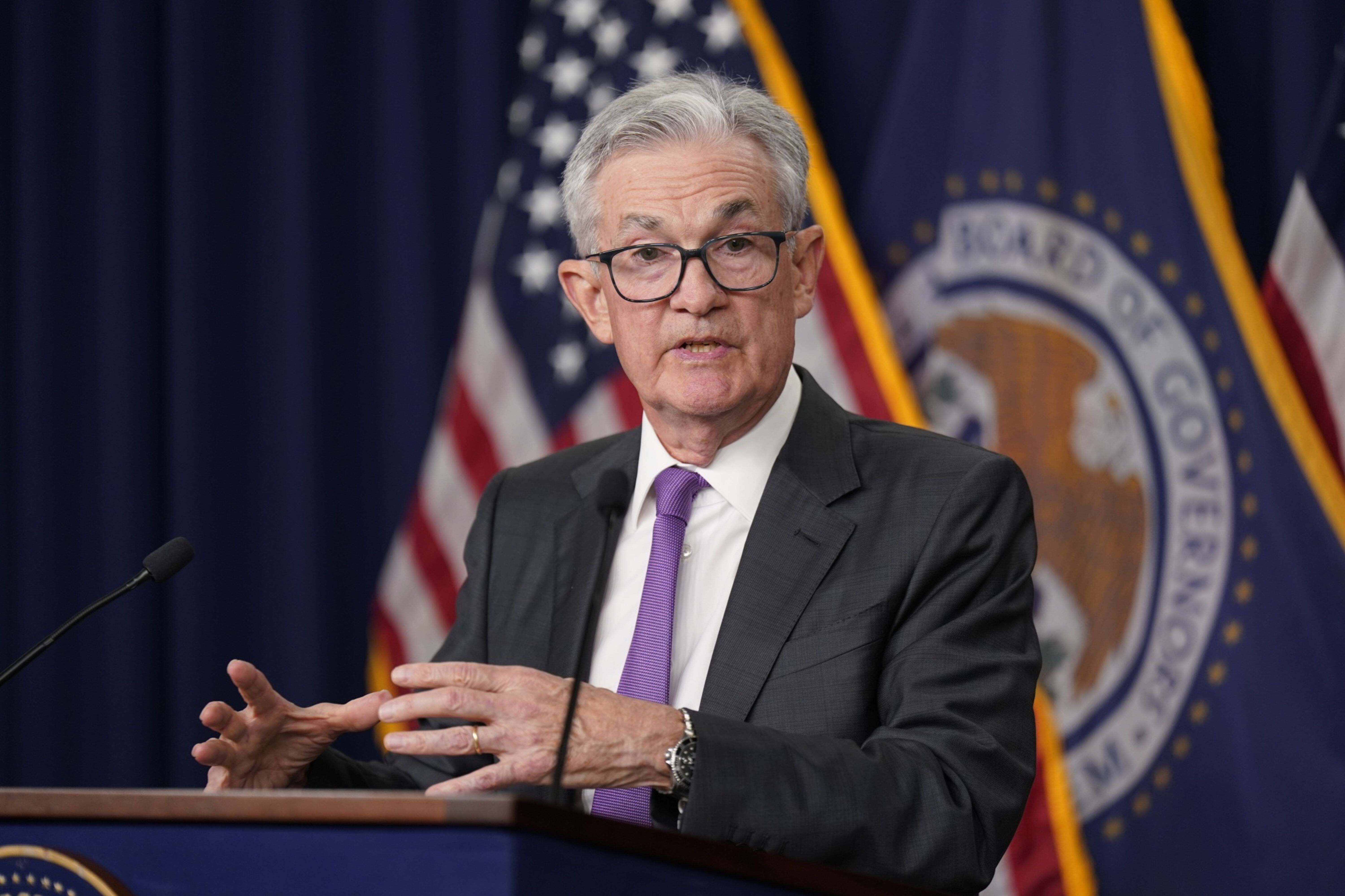
Federal Reserve Chair Jerome Powell has left the door open to another interest-rate hike, but Wall Street economists see the signs pointing in one direction ahead of the central bank’s September meeting: pause.
There’s a shift in tone happening across Wall Street.
For stock-picking hedge funds coping with 2023’s loopy markets, risks are starting to outweigh the rewards.
Believe it or not, Emerging Markets (EM) local currency bonds have been outperforming global fixed income asset classes for the past 18-months.
Amid an outlook for slower growth and more moderate inflation, the Fed shifts to data dependence.
The outlook for the British economy is sub-par.
Russ Koesterich CFA, JD, Managing Director, and Portfolio Manager discusses how improving economic expectations may suggest adding to cyclical areas of the market.
After breaking its string of 10 consecutive interest rate hikes in June, the Fed elected to raise the federal funds rate by 25 bps at its July 26, 2023, FOMC meeting.
While inflation dipping below 3% has been welcome news for investors, it’s still early to claim that inflation has been reined in. Our simple analysis shows that inflation rising in the latter half of 2023 would not be surprising.
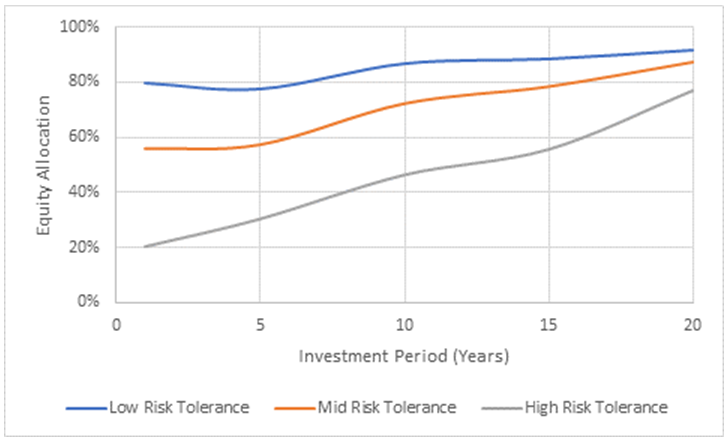
While the equity allocation of portfolios should increase for longer investment horizons, the adjustment should be less than implied by the historical evidence, and it should be based on each investor’s unique situation and preferences.
Starting valuations are the most reliable predictor of equity returns. But they are far from reliable, and investors must use those forecasts cautiously.
With the Federal Reserve nearing the end of its most disruptive monetary-tightening campaign in a generation, a softening US dollar is poised to boost profit growth for nearly half of the companies in the S&P 500 Index over the next year.
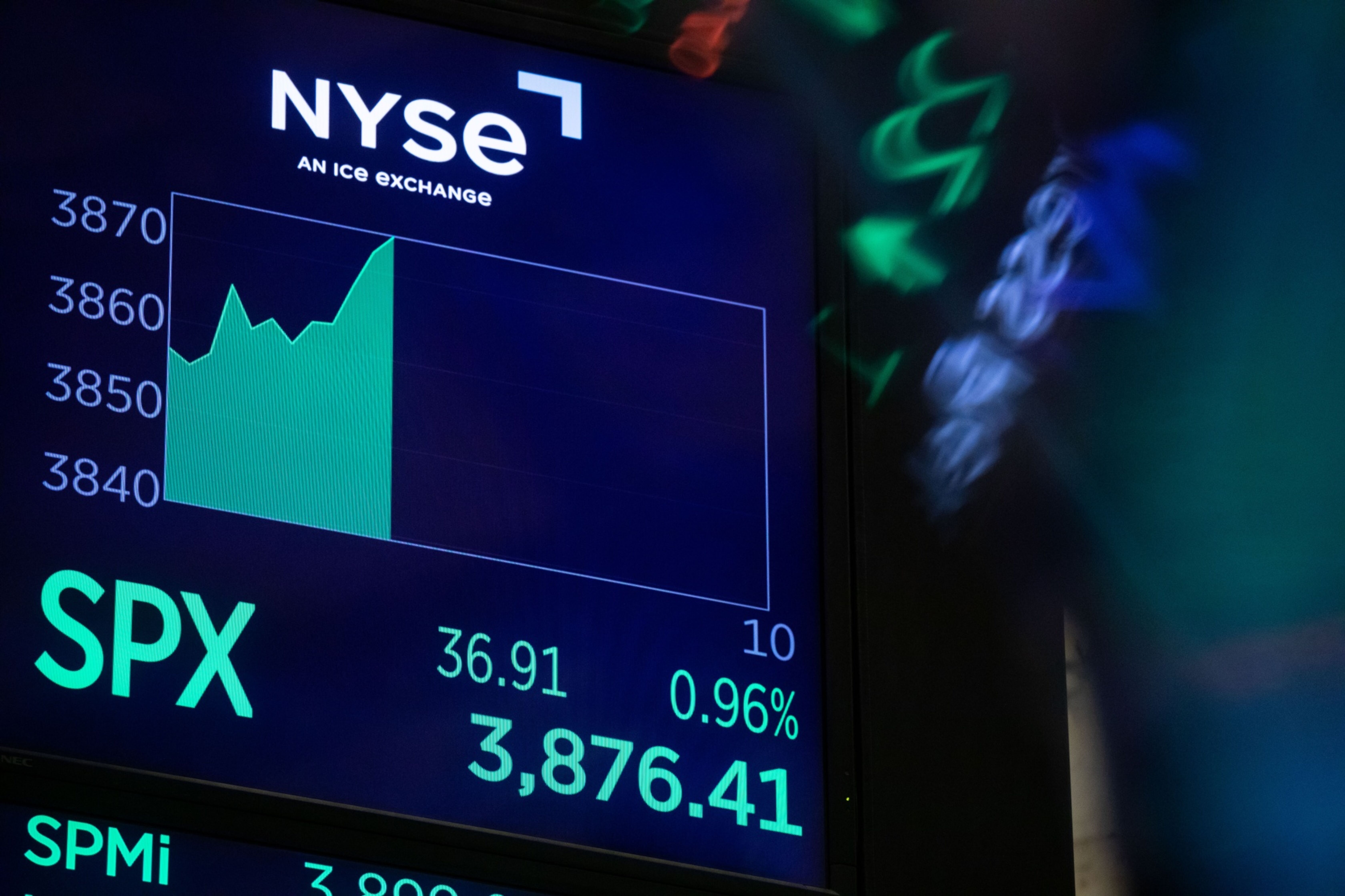
US stock market traders are almost completely fearless now, which has some strategists bracing for a possible selloff.
US equities are tracking the same path they did in 2019, which was one of the best years for the S&P 500 over the past decade as it handed investors a 29% return, according to Morgan Stanley’s staunch bear, Michael Wilson.
All the chatter back in December was that 2023 was to be the “year of the bond.” And for a brief moment or two in the winter, that call — and the economic doom and gloom that underpinned it — looked right.
Federal Reserve Chair Jerome Powell on Wednesday appeared to give traders the positive signal they’ve been waiting for — that the central bank may finally be wrapping up its steepest interest-rate hikes since the early 1980s.
There is one incredibly potent tool that keeps employees engaged and productive.
How will we tell if the mythical soft landing is happening?
The Fed continued to signal a "meeting-by-meeting" data-dependent approach to monetary policy. While the June Summary of Economic Projections suggested that there might be one more hike after today's, we think it's also possible that today's hike may be the last one.
When markets are rising, investors don’t always prepare for turbulence. Yet we think the best time to build a defensive plan for an equity allocation is before volatility strikes.
Mutual Series’ Christian Correa and Mandana Hormozi believe the Japanese equity market is finally benefiting from reforms, inflation, and efforts to push companies to focus on growth and improve their valuations.
Healthcare stocks rank high on our like list, boasting a history of resilience amid both inflation and recession as well as attractive growth prospects thanks to potent innovation. Dr. Erin Xie examines the opportunity.
Solid fundamentals, decent valuations, and attractive income potential make a case for continued exposure to corporate credit even in an uncertain economic environment.
Fresh from the Mining Disrupt conference in Miami, Frank Holmes shares his perspective on a resilient Bitcoin market and the upcoming halving event, amid ongoing debates around the need for regulatory clarity. From an optimistic outlook for a U.S. spot Bitcoin ETF to state-level breakthroughs in Bitcoin mining laws, this account offers a comprehensive glimpse into the evolving digital asset landscape.
Morgan Stanley strategist Mike Wilson finally capitulated and apologized for getting the market wrong the last nine months. He was everyone’s favorite analyst in 2022. King of the Bears. I haven’t seen that much drooling over a strategist since Abby Joseph Cohen in 1999.
Higher yields for corporate bonds generally correspond to higher credit risk based on an issuer's credit rating.
Office Commercial Real Estate faces challenges ahead, with high vacancy rates, declining rental income, and potential defaults. Investors should seek opportunities in more resilient sectors; multifamily properties for better risk-adjusted returns amidst a weakening economy/hawkish Fed.
Q2 2023 was a more favorable environment for Emerging Markets, Europe, Australia and Real Assets managers.
CIO Robert Horrocks, Ph.D., says peaking interest rates may strengthen the case for quality growth stocks in emerging markets.
A change in Turkey's economic policies was long overdue.
The US economy expanded at a 2.4% annual pace in the second quarter, crushing consensus expectations and driving another stake into the 2023 recession narrative.