On Monday Walmart warned on profit for a second time in just over two months. That is an ominous sign for the whole consumer sector and the broader US economy.
The Federal Reserve will probably have to inflict much more pain on the economy to get inflation under control.
President Joe Biden’s administration is downplaying data due this week that could show the US economy contracted for a second straight quarter -- a development that would match one standard definition of a recession.
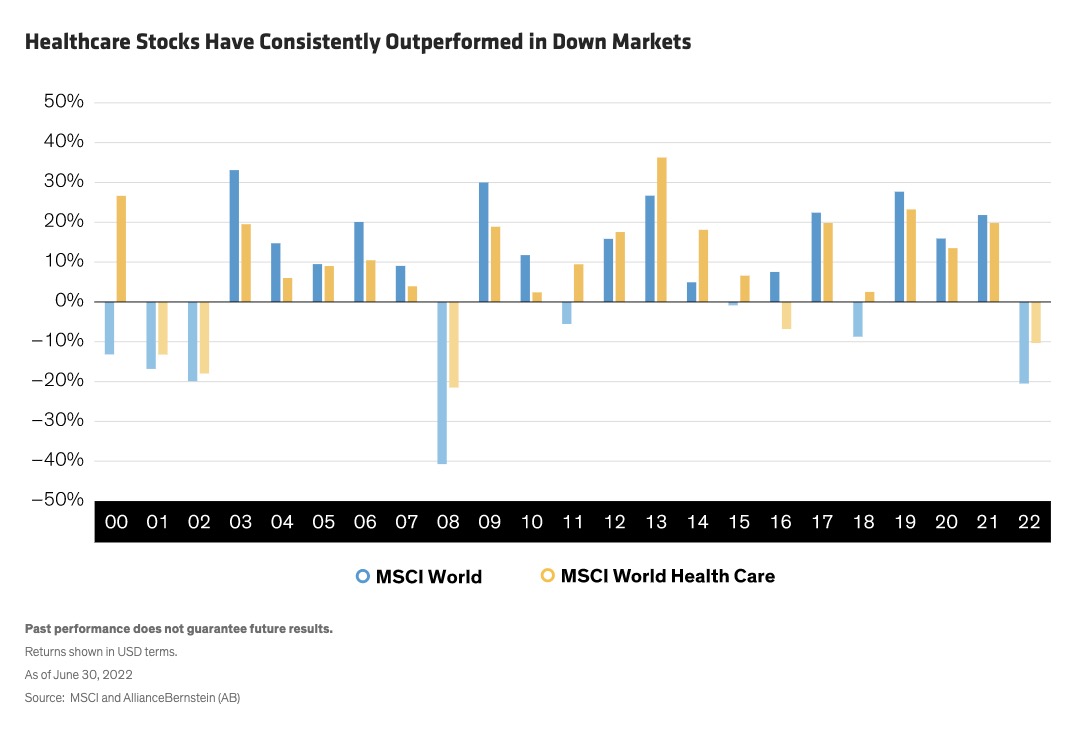
Healthcare has long been considered one of the most reliable defensive sectors—an effective portfolio buffer when equity markets turn volatile.
To many investors, this week’s GDP report is more important than usual.
What drove the U.S. dollar's surge, and can it last?
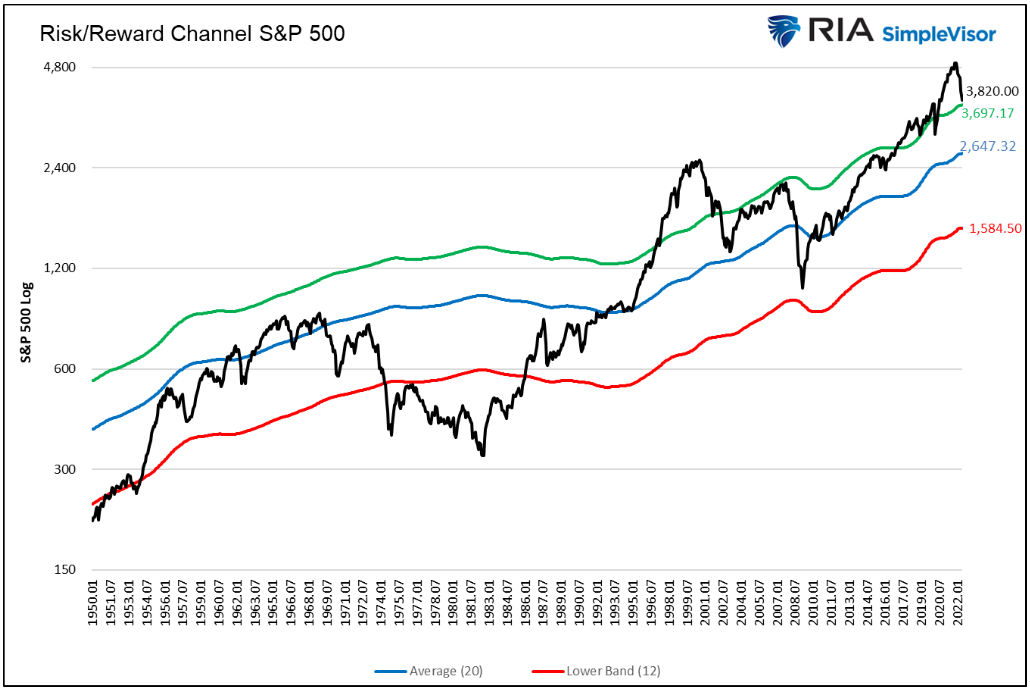
Given the stock market turmoil, a timely question is whether the U.S. Federal Reserve (the “Fed”) will act to stem the tide of losses as it has done during prior stock market declines. A bloated Fed balance sheet and historically high inflation suggest that this time the Fed will be unable to act to save the market.
India’s tech industry is ruling out a US recession.
Home equity is a powerful risk management tool that many higher net-worth individuals and their advisors are starting to explore.
Like it or not, we live in a globalized economy.
MMT Policy (Modern Monetary Theory), the grand experiment, was tried following the pandemic-driven shutdown of the economy.
Our last two quarterly letters conveyed a cautious attitude regarding both the economy and financial markets. The cautious season persists this quarter.
After underestimating the worst inflation outbreak in decades, central banks are now driving their economies headlong toward recession in order to tame prices.
Anxious Americans with student loans are tired of waiting for action from President Joe Biden and taking matters into their own hands.
During Tesla’s quarterly results webcast this week, Musk admitted to dumping some $936 million of Bitcoin to raise cash out of concern of an economic pullback due to pandemic lockdowns in China.
We can draw a direct line from the Fed’s low rate regime to today’s surging inflation, asset inflation, and income and wealth inequality. Low rates produce asset bubbles which ultimately pop, but not before blowing themselves larger and multiplying into other bubbles. The process that pushed stock prices higher is the same one that is now pushing food, energy, labor, and every other cost higher. Just follow the bouncing ball.
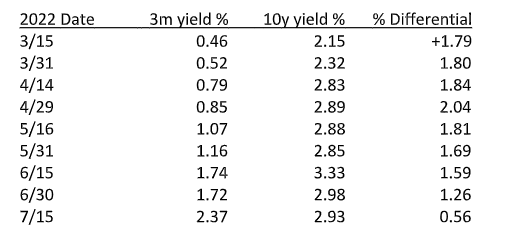
Yield-curve inversion indicators are strongly pointing to an incipient recession.
What would be the impact on your business if $34 trillion in wealth assets were destroyed over the next several months?
U.S. stocks are mixed in a subdued session to close out the week, but remain on target for a sharp weekly advance.
At this point, where do we honestly see ourselves on the journey to more and better energy storage solutions?
Global economy watchers and market participants will be paying a lot of attention next week to how the Federal Reserve describes the US economic outlook, to the magnitude of its interest rate increase and whether it changes the pace of its balance-sheet contraction.
From stagflation to cost relief in six months — that's the new picture of the housing market that has emerged in just the last few weeks.
What started out as re-entering the workforce opportunistically soon became a necessity.
Battered in the June selloff that sent American equities into a bear market, chipmaker stocks are staging a stunning rebound this month.
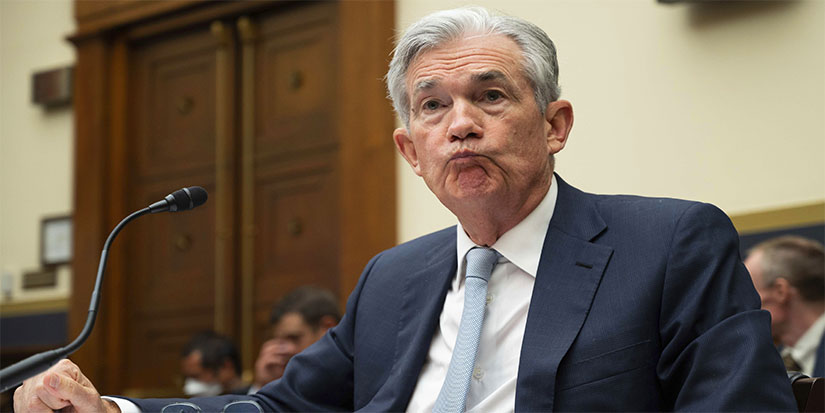
Federal Reserve Chair Jerome Powell is likely to slow the pace of interest-rate increases after front-loading policy with a second straight 75 basis-point hike next week, economists surveyed by Bloomberg said.
Equity markets have struggled so far in 2022, but in our view the declines are largely due to “The Great Normalization” – the unwinding of the Covid economy that was defined by excess liquidity, unusually high demand, and extremely low interest rates.
The Fed’s most pressing concerns are to not only reverse its monetary excess and misjudgment of inflation, but also to instill confidence that they will follow important provisions of the Federal Reserve Acts.
One of the headlines I have been asked about recently is the strong dollar. People are concerned about what it means, how it could hurt the U.S. economy, and, of course, how it will affect their investments. Good questions all.
The purpose of this article is to teach you how I think, not what I think.
“Desengaño” was noted by one Antonio Garcia Martinez in his most excellent book, Chaos Monkeys: Obscene Fortune and Random Failure in Silicon Valley, as a unique style of Spanish genre painting.
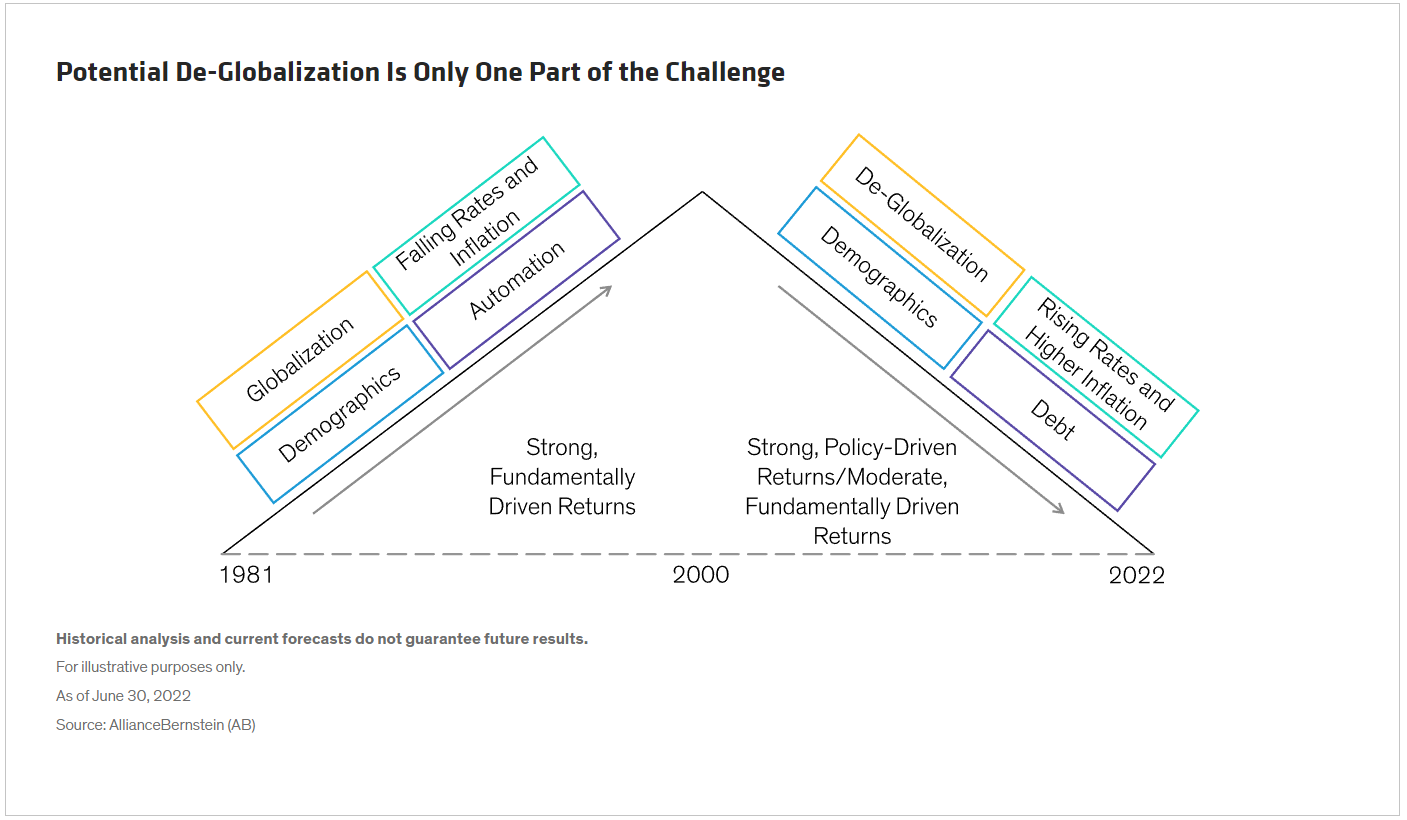
For decades, globalization has been on an inexorable rise, a key pillar fueling economic growth, driving inflation and yields down, bolstering corporate profit margins and supporting an upward climb in market valuations. Over the past few years, though, cracks have started to develop in globalization, as populism has seen a resurgence and trade wars have erupted.
There is much debate about the effectiveness of Western sanctions, the Ukraine war’s implications for markets and the global economy, and what the West’s next steps should be. While there are few good options, some are clearly worse than others.
The business press sometimes likes to say that a recession is a decline of real GDP lasting at least two consecutive quarters. Not so.
Blackstone Inc., the world’s largest alternative-asset manager, cashed out of big deals in the second quarter, mitigating the sting from writedowns on investments and the tumult rippling through markets.
We all know that the world as a whole suffered from a pandemic, and is now suffering inflation in its aftermath. But the ECB has to deal with three pressures that don’t affect the Federal Reserve.
More Americans are relocating to Europe, driven across the Atlantic by the rising cost of living, inflated house prices, a surging dollar and political rancor at home.
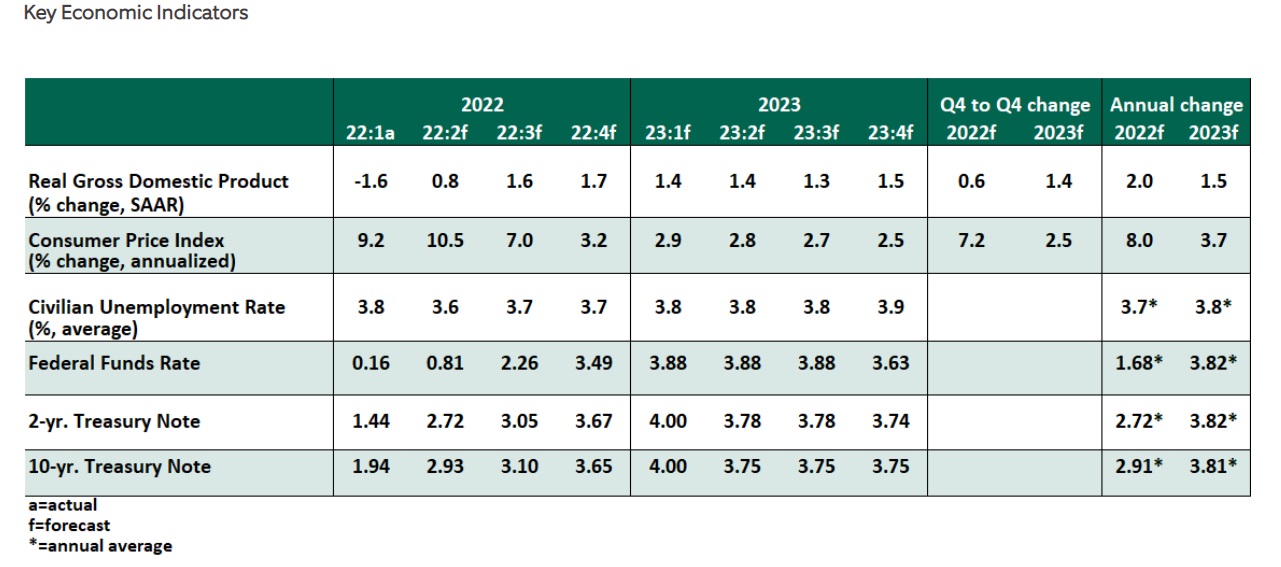
The Northern Trust Economics team shares its outlook for growth, inflation and interest rates.
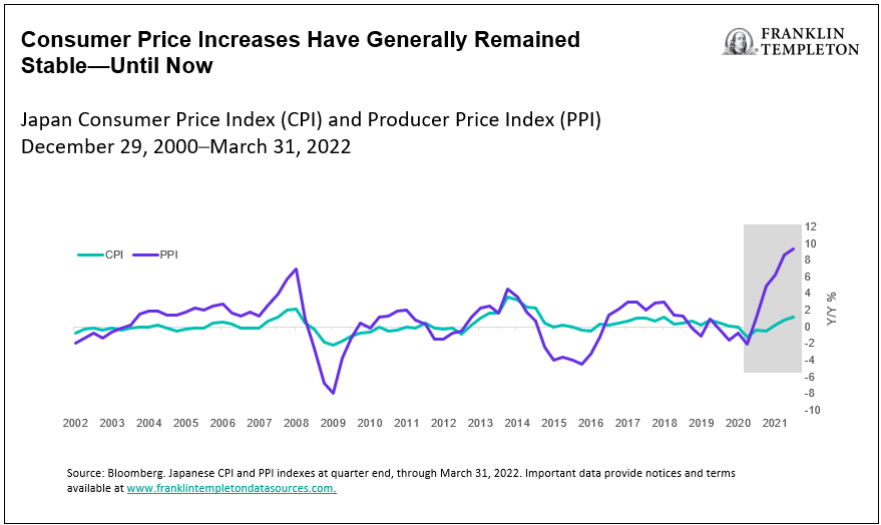
Templeton Global Equity Group explores the legacy of Abenomics, the emergence of inflation in Japan, and finding value opportunities there.
One is here already. The other is lurking right around the corner. Which should worry investors more?
Several important macroeconomic questions are puzzling economists, the Federal Reserve and everyone else. Why is inflation running so hot?
Sales of previously owned US homes fell in June to a two-year low as a surge in borrowing costs continues to erode affordability.
US price inflation is at 9.1% and a there is a fiercely strong dollar, a pair of statistics that was certainly unexpected a year ago and even now seems odd.
People are negative. Really, really negative. Now, the question is whether that could conceivably be a good thing.
Most people budget not for true emergencies — which are, thankfully, rare — but for what we might call predictable surprises.
One of the most surprising things to come out of the first half of 2022 was the walloping fixed income investors received from bonds. The Bloomberg U.S. Aggregate Bond Index posted its worst 12-month return in its entire history, which caused many investors to shed exposures, particularly longer-term sectors.
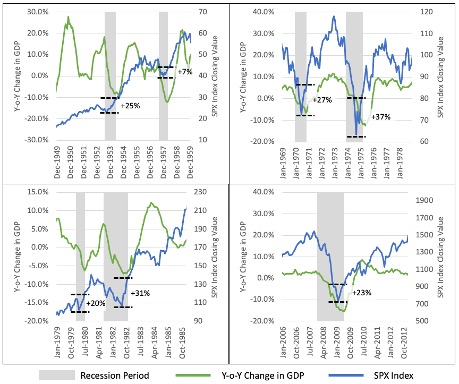
Bad news dominates the headlines. The question for investors is when to become optimistic on markets. Since nobody rings a bell to signify that the market has hit bottom, this commentary looks back at previous recessions to see what history reveals.
The issue is that John is very involved in politics in our community and his political leanings are the total opposite of the rest of the family and of mine.
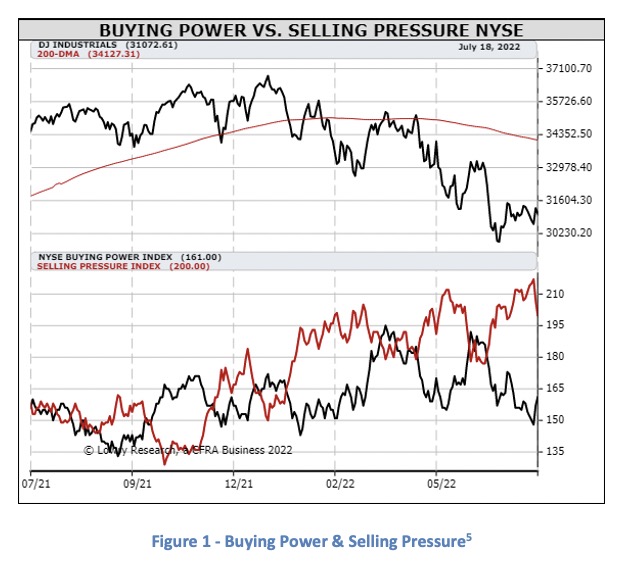
Valuations help investors gauge the downside risk and upside potential in a stock or market. At the same time, assessing liquidity conditions, including technical analysis, defining short term trends help with investment timing and asset selection.
Basic economics says that companies can only set prices at a level where the current supply will meet demand. Moreover, looking at prices in a vacuum is also very misleading because it doesn’t account for changes in the firm’s input or operating costs.
With central banks tightening aggressively to beat down inflation, growth is beginning to slow—and the risk of recession is ticking higher. Historically, creditworthiness has soured when growth slows. But instead of bracing for a wave of downgrades and defaults, we think income-seeking investors should embrace the high-yield corporate bond sector.