President Joe Biden’s signing of the Inflation Reduction Act on Tuesday caps nearly two years of efforts to pass sweeping climate legislation. But the real work is just getting started.
U.S. stocks are subdued following yesterday’s release of the minutes from the Fed’s July monetary policy meeting.
Energy infrastructure has long attracted investors seeking income, but there are other notable investment benefits for today’s volatile markets. Energy infrastructure companies generate stable cash flows from fee-based businesses resulting in more defensive energy exposure.
The market contraction presents better opportunities than we’ve seen in years to generate income, which we balance against the need for resilience in the face of a potential recession.
As prologues go, the first six months of this year have been a doozy.
Most advisors and practices get defensive during bear markets and recessions and look inward to protect what they have. They wait for the external climate to change to return to offense and growth.
The Democrats in the Senate and House of Representatives narrowly passed the mis-named Inflation Reduction Act last week, which is expected to be signed into law by President Biden this week.
It’s been a tough first half of the year, with the MSCI All Country World Index down by 21.7% and the Bloomberg Global Treasury benchmark losing about 9% as of June 17.
With the growth in 401(k) plans and the contraction of private pensions over the last 30 years, risks in retirement have slowly and almost imperceptibly transferred from institutions to individuals. Institutions staffed with actuaries and analysts are well suited to manage those risks. Individual investors may need some help.
This session introduces a relatively new kind of portfolio income insurance: a Contingent Deferred Annuity. It unbundles the insurance from underlying investments so that advisors may “wrap” the risk in client portfolios by covering investments in retail ETFs and mutual funds with lifetime income protections.
After more than 40 years of work in the financial markets, studying all the data I could get my hands on, I’ve found it to be universally true that those who argue “history doesn’t matter” have never actually studied history.
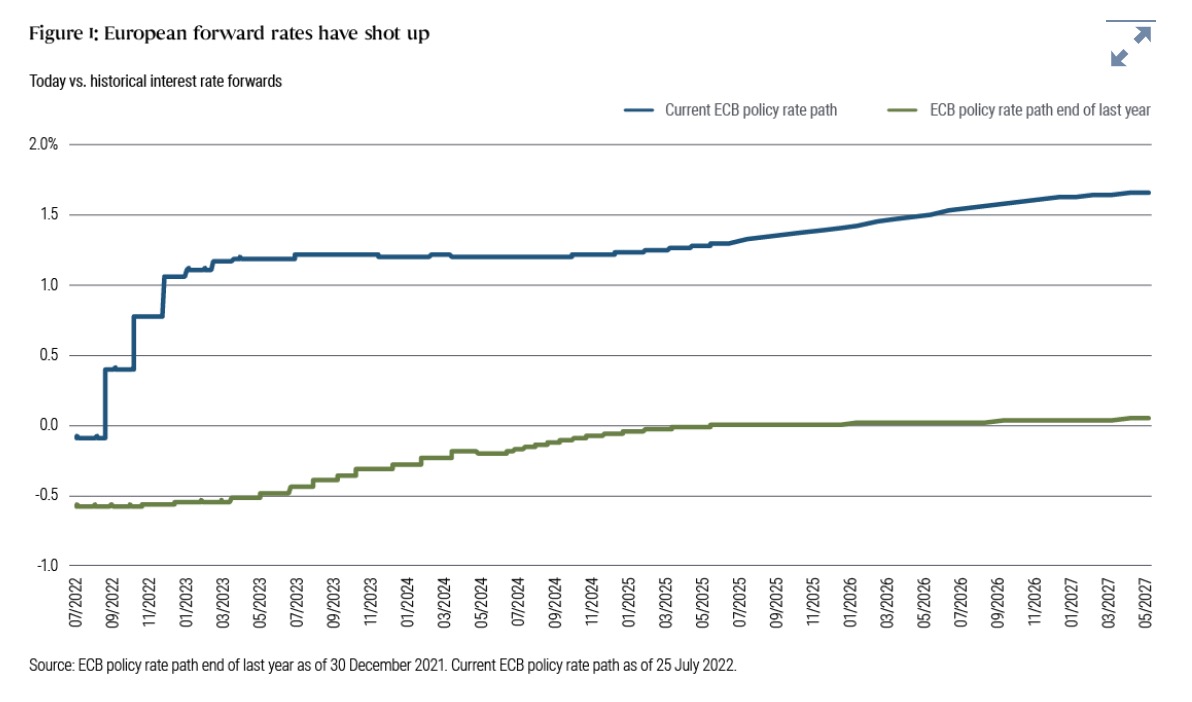
As the European Central Bank leaves negative policy rates behind, attractive valuations herald a much-improved total return potential.
Since the income cutoffs for different tax rates weren’t periodically adjusted for inflation, millions of Americans paid higher rates while their real incomes stayed the same.
The Inflation Reduction Act, Democrats’ tax, climate and health-care bill that Congress passed last week and is now awaiting President Joe Biden’s signature, calls for a 15% minimum tax on big corporations.
The Fed’s move towards more restrictive policy has rattled bonds and put equities on the brink of a bear market. But what is priced in and where do we go from here? In this month’s webinar, we discuss equity and fixed income valuations and examine how Innovator ETFs can help advisors hedge market risk and capitalize on opportunities.
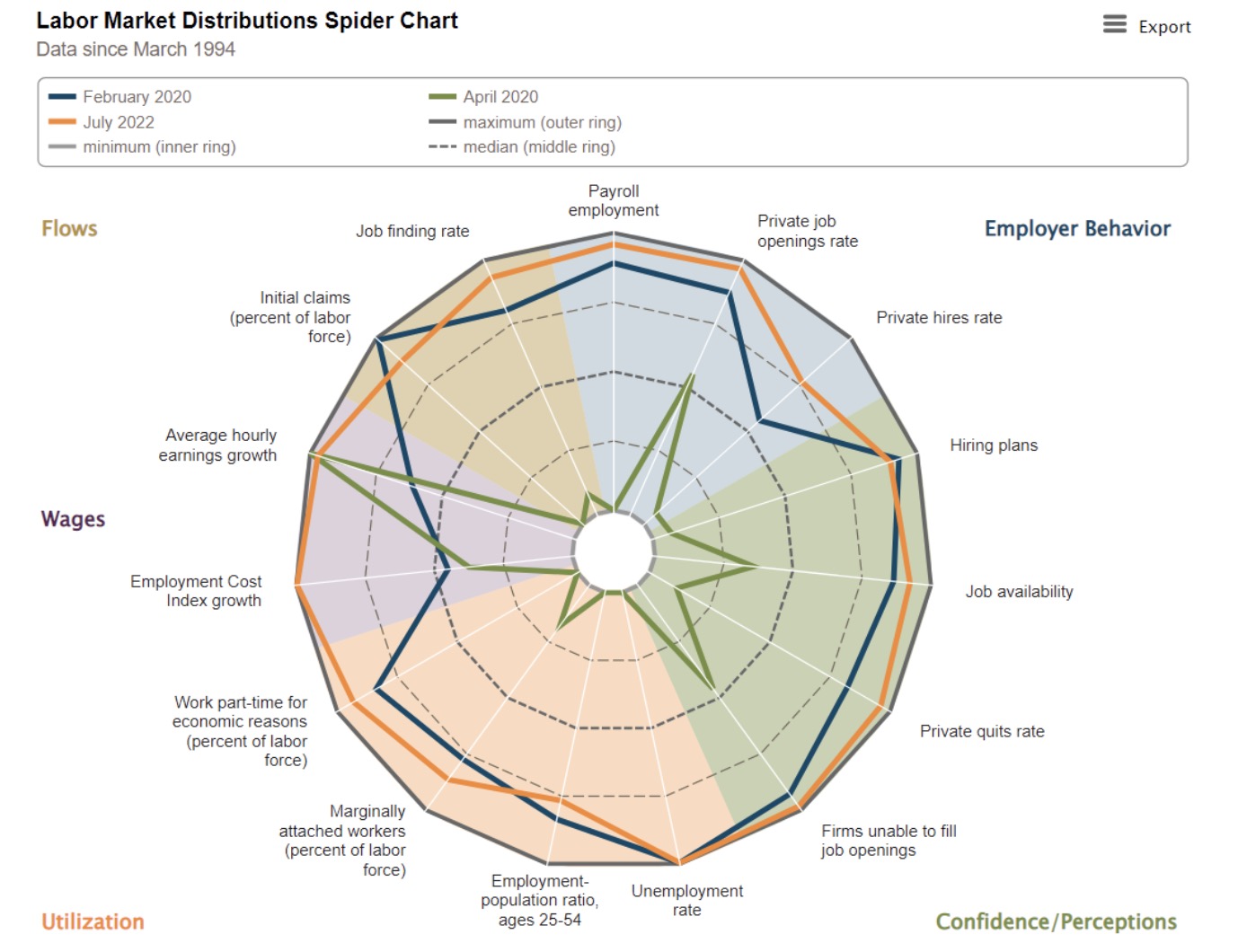
Labor force participation is the greatest shortfall in an otherwise thriving labor market.
In the current unstable economic environment, producing safe, reliable income over the course of an unknown retirement is a daunting goal for any financial professional. As a result, many Americans sub-optimize their retirement experience.
In the last two decades as an investment advisor, I’ve often been wrong – about markets, products and their providers, investors, the government, and the advisory business. Here are my top 10 items I’ve got wrong.
After German troops were defeated in a pivotal battle at El Alamein in 1942, he commented that it was “not the end, not even the beginning of the end but, possibly, the end of the beginning.”
Investors think a good way to beat inflation is to lean on one of the oldest strategies -- a 60-40 mix of stocks and bonds.
U.S. stocks have come off the worst levels of the day and are threatening a move into positive territory.
Major EMs are more resilient to U.S. interest rate hikes today than they were in past cycles.
With less than three months left before the 2022 mid-term elections, it is officially silly season when it comes to interpreting economic reports.
Let’s talk about something few people have any interest in talking about this year.
The Inflation Reduction Act, passed by the Senate and now headed to the House, is a notable achievement.
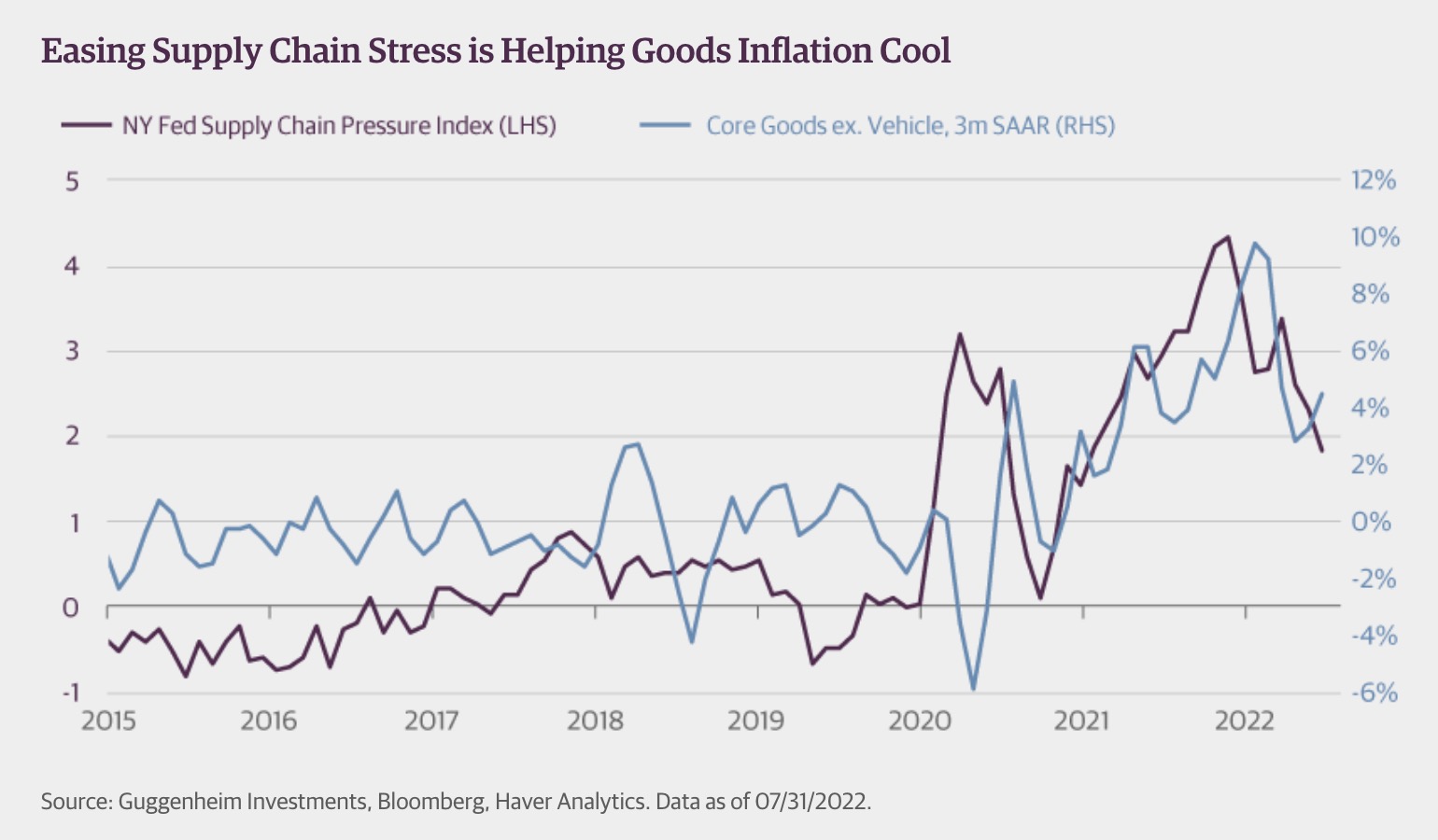
Lower July CPI inflation is likely the beginning of a trend.
U.S. stocks are moving upward, continuing yesterday's rally, as the markets digest the release of the Producer Price Index.
Twenty years ago, people on trading floors at investment banks worked in silos.
Mutual Series’ Oliver Wong believes high-quality microcaps house hidden benefits, despite the extreme market declines seen in the first half of the year.
Corporations will pay nearly $296 billion more in US federal taxes over the next decade, and middle-income households will see some tax cuts, under the tax-and-climate bill that is likely to become law in the coming days.
Coinbase Global Inc. posted a record $1.1 billion second-quarter loss and lower-than-expected revenue as the largest US cryptocurrency exchange was battered by tumbling digital-asset prices.
The world of politics and political maneuvering never ceases to amaze us.
Most consumers wait for things to go on sale before buying them, look for promo codes prior to purchasing something online, and suggest that discounts are the greatest influence on their purchase decisions around the holidays...
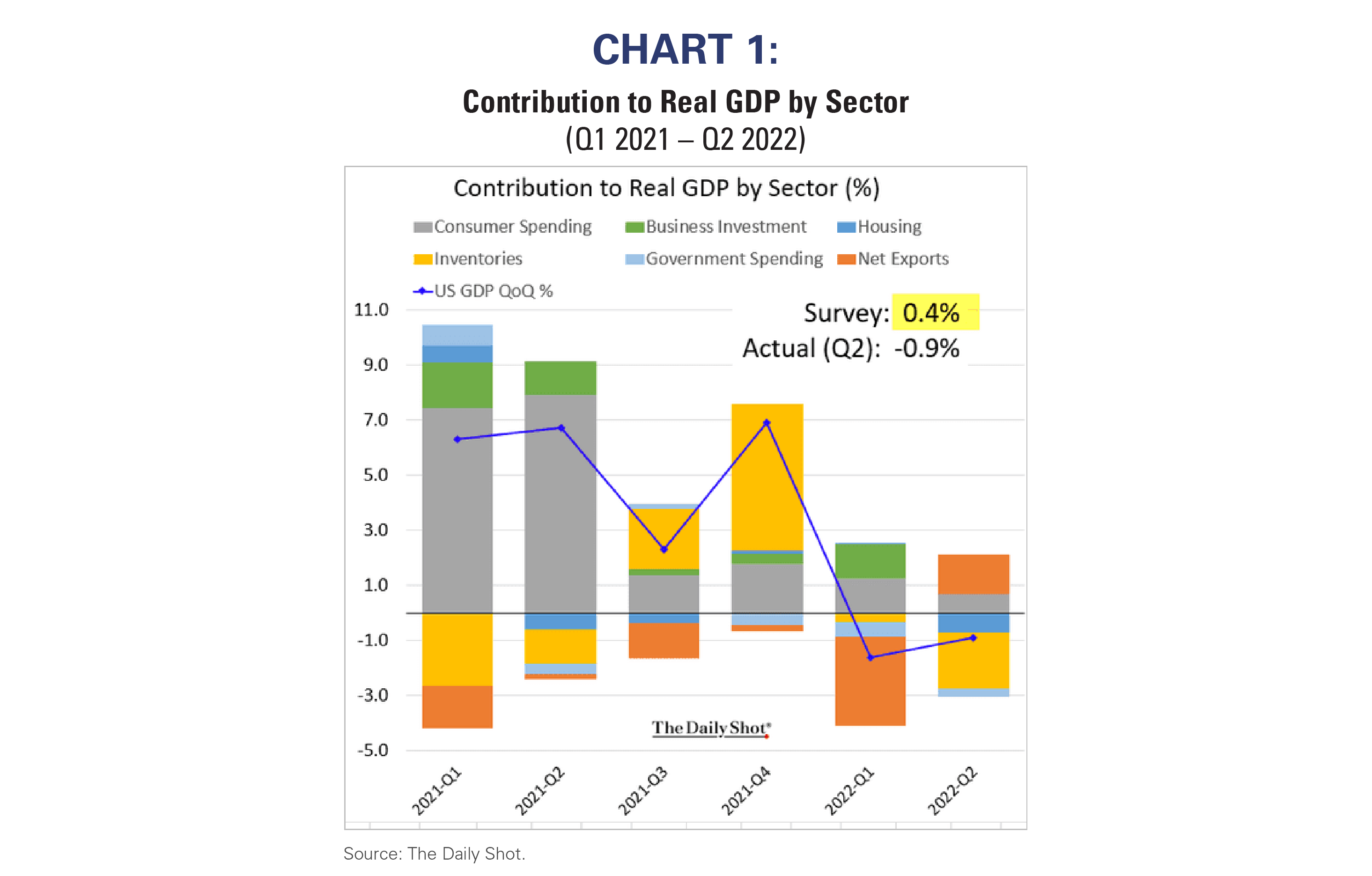
US productivity slumped for a second-straight quarter as the economy shrank, driving another surge in labor costs that risks keeping inflation elevated and further complicates the Federal Reserve’s efforts to tame price increases.
When it comes to a comfortable retirement, women in the US have the cards stacked against them.
U.S. stocks are trading mixed in pre-market action, with the markets anticipating tomorrow's start of a flood of July inflation data.
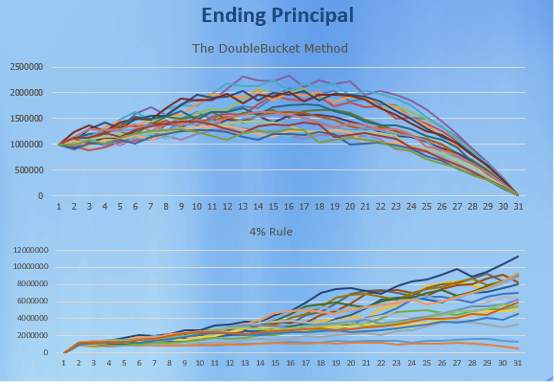
Sequence of returns risk can be totally avoided.
People are buying gold hoping to hedge against inflation. We offer a more compelling reason to own gold and discuss what it can do when you own it.
It’s time for our annual August report, “Charts for the Beach.” Each year we highlight five of our favorite charts we think consensus is currently overlooking. Load up the cooler, get your towel and chair, and enjoy the charts! And, watch out for those sharks!!
How would you feel to learn your financial planner came close to bankruptcy five times?
With the Senate having passed a budget plan yesterday with only Democratic votes as well as a tie broken by Vice President Harris, it is only a matter of time before President Biden signs the first significant tax hike since the “Fiscal Cliff” tax hike in early 2013.
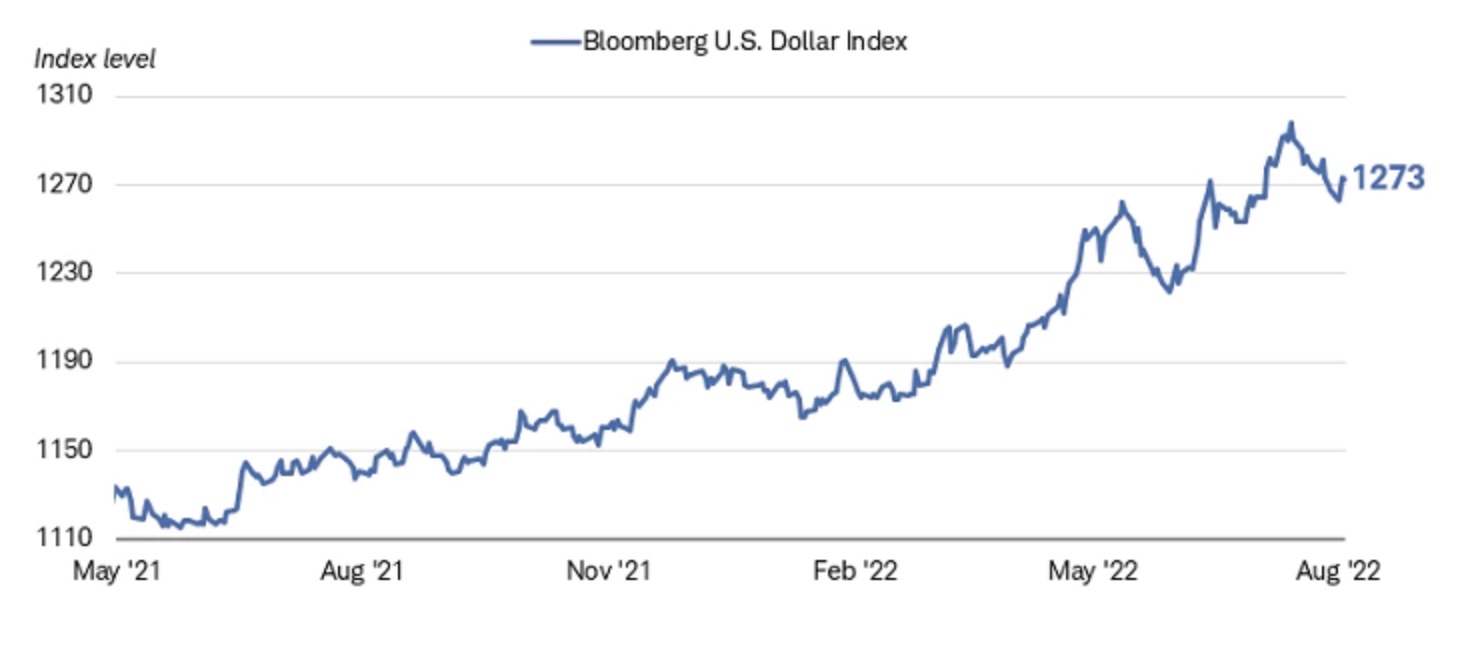
A trifecta of factors support the dollar, including the relatively strong performance of the U.S. economy, tightening monetary policy by the Federal Reserve, and safe-haven buying.
President Joe Biden and Senate Majority Leader Chuck Schumer are the biggest winners now that a huge piece of Democrats’ economic agenda is hurtling toward enactment.
Warren Buffett’s Berkshire Hathaway Inc. is following an age-old adage: Buy the dip.
You would think the news that Coinbase Global Inc. had entered into a partnership with BlackRock Inc. to help institutional investors manage and trade Bitcoin would energize the slumping cryptocurrency market.
New research shows the corporate performance has improved as their environmental practices have become better, while energy consumption and carbon emissions have decreased.
Each generation is destined to repeat the struggles of the generations that came before it. And you can’t escape. You can’t be different – though you’ll try. Everybody tries.
According to MPT, following certain steps leads to the optimal portfolio for the individual’s risk and return preferences. But, like executing a perfect squat, knowing how to build the optimal portfolio is not enough.
Office spaces still have a role in the future of work.
Having a strong marketing foundation requires the following four cornerstones to make the tactics and strategies you implement effective.
Meta Platforms Inc., one of the few S&P 500 companies without debt, is selling $10 billion in its first ever corporate bond sale as its cash flow and stock price fall.