Oaktree Capital Group LLC co-founder Howard Marks says investors who made a fortune in the era of easy money should not expect the same strategies to deliver such exceptional returns in the future.
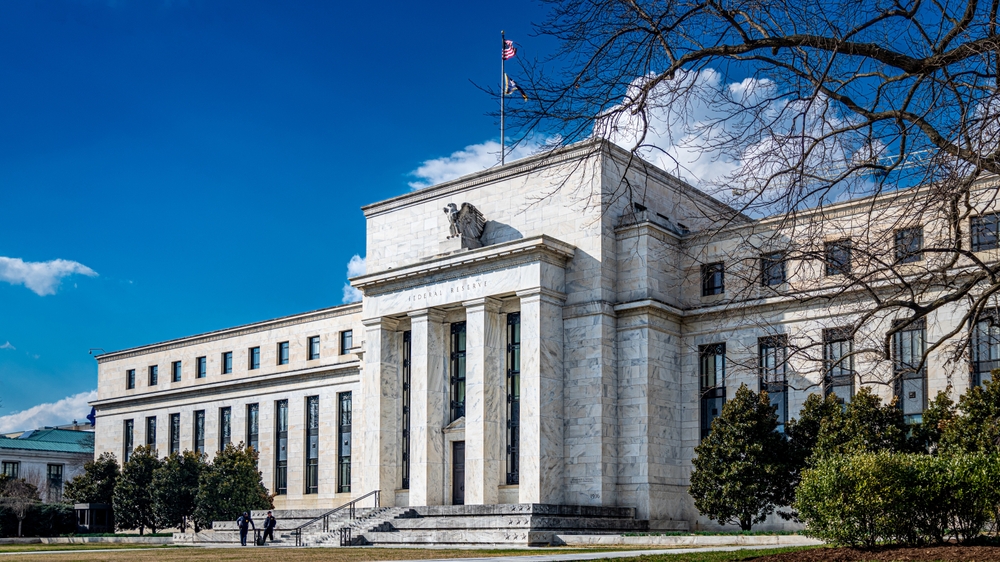
When it comes to degrees of difficulty, this week’s Federal Reserve meeting is shaping up as a walk in the park compared to what awaits policymakers down the road.
DeepSeek, a Chinese artificial intelligence startup, has developed a model that can apparently answer questions as well as any chatbot in the US. It might even help answer a long-running question on Wall Street without being asked.
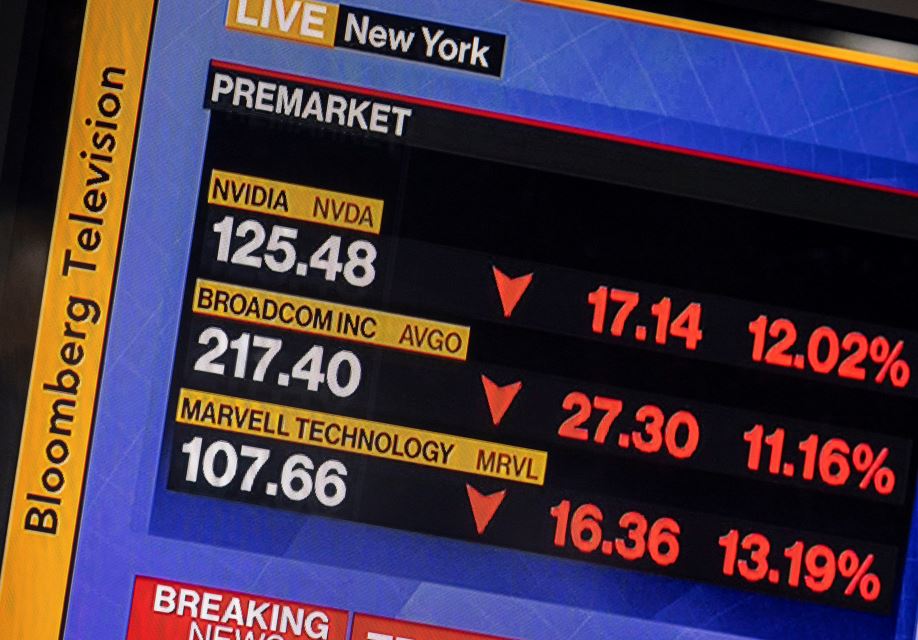
The S&P 500 Index plummeted as much as 2.3% on Monday over DeepSeek, a Chinese artificial intelligence startup that developed a model competitive with the US’s very best — and, supposedly, on the cheap.
Pacific Investment Management Co. is among asset managers looking at buying a portion of $3 billion of debt tied to Elon Musk’s buyout of X, according to people with knowledge of the matter.
Tech leaders gathered at the White House to announce Stargate Project, a new venture that plans to invest $500 billion over the next four years on AI infrastructure and datacenters.
As the Federal Reserve’s two-day meeting begins, investors have accepted that the central bank probably won’t be cutting interest rates this time.
Bosses at artificial intelligence companies aren’t worried about the end of the world or the start of government regulations. Their biggest worry is more mundane: finding enough electricity to keep servers running at data centers.
As 2025 begins, the core narrative of global resilience (built throughout 2024) faces fresh uncertainties. Gradual rate cuts, a continued slide in inflation, and steady – if modest – economic growth could set the tone for constructive market performance.
The Q4 earnings season continued on a positive note after big banks and other financials struck a bullish tone in the first two weeks of reporting.
Retail investors are the most optimistic about higher stock prices in 2025 by the most on record. Unsurprisingly, that sentiment resulted in the psychological rush to overpay for assets, pushing forward 1-year valuations sharply higher.
Not all companies in emerging markets will be hurt by President Trump’s agenda. Here’s what equity investors should look for.
We still believe the odds of a recession are higher than most investors think. Monetary policy tightening started back in 2022 and inflation remains above the Federal Reserve’s 2.0% target, which means the Fed will be reluctant to get loose anytime soon.
Donald Trump’s second term as president came with a flurry of executive orders and his policies are rippling across the global markets.
Tax and spending cuts will face Congressional roadblocks.
We explore how evolving priorities under the new U.S. administration may influence markets and investor outlooks.
Next week we will have the first Federal Open Market Committee (FOMC) meeting decision on interest rates of the year, where Federal Reserve (Fed) officials are expected to leave the federal funds rate unchanged.
High expected fixed income returns imply many non-profit investors could de-risk while still expecting to achieve their stated return objective.
I recently read three very different books which were published in the last three years, all of them speaking to the problems created by the neoliberal order that has been in the ascendancy since the late ’70s but has faltered of late. The solutions that these books offer are, respectively: tweaking; evolution; and revolution.
Let's discuss the recent strong correlation between the appreciating dollar and rising yields, and the reasons for the relationship.
Join Matt Kaufman, Calamos Head of ETFs, as he explores the opportunities and mechanics of Protected Bitcoin ETFs.
Exchange-traded fund investors who placed record bets on the US technology space last week are getting crushed Monday as anxiety over competition from a Chinese startup’s AI model is hitting tech stocks hard.
Treasuries rallied on Monday as investors flocked to the safety of US government bonds after equities slumped in a selloff driven by technology shares.
Chinese artificial intelligence startup DeepSeek’s latest AI model sparked a $1 trillion rout in US and European technology stocks, as investors questioned bloated valuations for some of America’s biggest companies.
Are U.S. stocks in a massive valuation bubble? We don’t think so. Will U.S. stocks outperform their European and Asian counterparts over the next 10 years? Maybe.
Bitcoin and other cryptocurrencies tumbled, following technology stocks lower, as the emergence of a new Chinese artificial-intelligence model triggered a global selloff in riskier assets.
Three factors heavily influenced the financial landscape over the last 12 months — AI-focused technological optimism, hoped-for leveling up, and higher government bond yields.
Last year, the chief executive officer of a leading AI firm was asked at a private Silicon Valley dinner about how his company differentiated from others building “foundation models,” the systems underpinning chatbots like ChatGPT.
Today, if you only invest in the US, you’re experiencing two hells. Your stocks are underperforming, and even inexpensive stocks are expensive. Yes, welcome to double hell. European stocks, however, offer paradise today.
The Second Trump Era has begun. If you are confident about what it will bring (either good or bad), I would like to gently suggest you reconsider. None of us should be sure what is coming.
Markets have responded with gusto since November’s presidential election, especially in a few key—and perhaps expected—industries. The biggest winner so far is the automobile industry...
What’s in store for stocks after two years of strong returns? Fundamental Equities Global CIO Tony DeSpirito assesses the prospects for another positive year and offers his year-ahead outlook through the lens of an active stock picker.
As we kick off 2025, the landscape is rich with competing narratives and evolving dynamics.
Four strategies for navigating crosswinds in the municipal bond market.
Bonds look attractive again after the most recent rise in interest rates. Markets are likely to continue to overreact to every new employment report and inflation reading, keeping interest rate volatility elevated as yields dance up and down with each data point.
On this episode of “ETF of the Week” podcast, VettaFi’s Head of Research Todd Rosenbluth joined Chuck Jaffe of Money Life to talk about the WisdomTree US Quality Dividend Growth Fund (DGRW).
The fourth quarter of 2024 was not just a period of optimism and recovery but also one of reflection and recalibration.
Two months from now, the ETF community of advisors and industry folks will come together. The Exchange conference kicks off in Las Vegas on March 23.
Four years after handling the first conversion of a hedge fund to an ETF, Wes Gray is gearing up to lead a surge of tax-busting deals aimed at investors big and small.
In mid-2023, the estimated costs to roll S&P 500 futures on a quarterly cycle was roughly 0.40%, or 40 basis points (bps) annualized—a fairly justifiable expense for most investors considering the benefits of the instrument.
The world’s biggest stock market is heading for its best start for a new US president since Ronald Reagan was sworn in to power in 1985.
US bond funds actively managed by industry heavyweights like Pacific Investment Management Co. attracted the most new investment last year as money returned after a two-year dry spell.
In December, most strategists predicted positive returns for the S&P 500 in 2025. The range of reasonable outcomes for stocks is wide.
Raw data needs sophisticated infrastructure to drive AI innovation. Snowflake provides critical infrastructure provider for the AI age.
Apple Inc.’s stock has had a rough start to the year and is now flirting with a key level that could signal more downside ahead if breached.
A seemingly unstoppable flood of money has Vanguard Group Inc. on the brink of claiming a crown that State Street Corp. has held for decades.
The Northern Trust Economics team shares its outlook for key APAC markets.
In a small Texas city nearly 200 miles west of Dallas, the first data center associated with the $100 billion Stargate venture from OpenAI, SoftBank Group Corp. and Oracle Corp. is taking shape.
For stocks, Christmas came with a 'Santa Clause' rally soon after the election. Since then, there's been a correction in US markets.
Investor appetite for growth really is something to behold.