The DeepSeek blip notwithstanding (our initial take on the news is here), January 2025 was a good month for financial markets. The S&P 500 was up a robust 2.7%, though Nasdaq lagged (largely due to DeepSeek, in our opinion) with “only” a 1.7% monthly return.
Mortgage-backed securities and MTGP’s steadiness against the backdrop of Fannie/Freddie privatization talk could be seen as a positive.
In the case of bond ETFs, it was a strong year in 2024, and key areas could be touch points for investment opportunities.
Technology stocks have been the poster child for growth in recent years. Other sectors deserve a closer look today.
Managers see mixed opportunities in emerging markets and a broadening opportunity set for small caps across global markets.
As an advisor and business owner, you need to realize you can create your own economy – an economy that you control and can leverage.
Stone Ridge’s Nate Conrad goes in-depth on the $20+ billion asset manager’s suite of LifeX Longevity Income ETFs. VettaFi’s Kirsten Chang takes an early look at ETF flow trends in 2025.
Investors plowed record cash into a pair of leveraged loan ETFs last week, in a high-conviction bet that the Federal Reserve will be slow to slash interest rates.
Despite being targeted by Beijing in retaliation to US trade tariffs, Alphabet Inc.’s durable growth and attractive valuation may offer insulation from all the geopolitical uncertainty.
In this article, Russ Koesterich discusses why gold may continue to advance in 2025 despite a stronger dollar and elevated real rate environment.
Apollo Global Management Inc.’s plan to tap wallets of rich clients is paying off, with its wealth business raking in record capital last year and boosting assets from the sector 50%.
Hedge funds have long gotten bad press. Criticized for short selling, corporate agitation or destructive greed, their contribution to economic activity isn’t always clear.
The dollar and US stocks have benefitted tremendously from recent global portfolio inflows. As of June 2023, the latest data available, foreigners owned a record 17% of US equities.
The urbanist and economist Edward Glaeser called cities “man’s greatest invention,” but cities have hit a bit of a rough patch lately. Why are cities so important to human life? What has gone wrong with them? And what can we do to make urban life better?
While we may joke about spending it down to the last penny, chances are there will still be plenty left for you when all is said and done. We just don’t necessarily want to admit it.
The Federal Reserve made it clear on Wednesday that it’s not about to cut short-term interest rates again anytime soon, which is good news if you’d like to see the Fed live up to its goal of bringing inflation down to 2.0%.
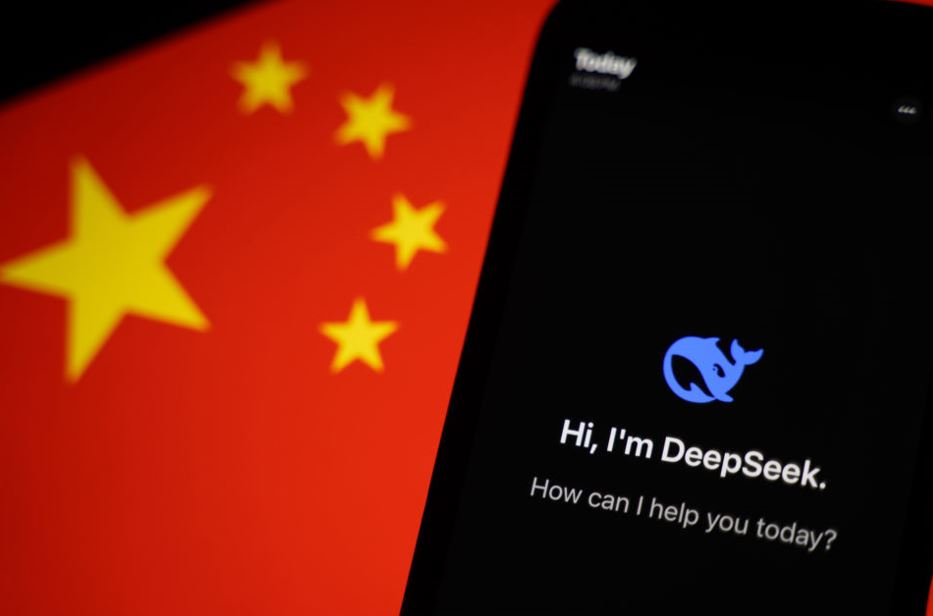
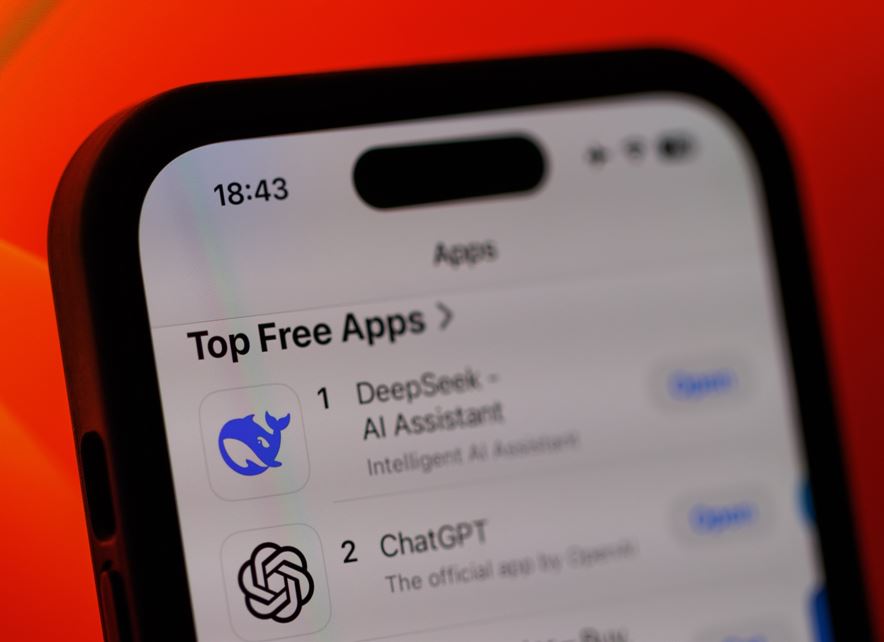
On Monday, markets were rocked by news that a Chinese Artificial Intelligence model, DeepSeek, performed better than expected at a lower development cost.
The Magnificent 7 kicked off fourth quarter reporting in a similar fashion to the Q3 season. Tesla once again missed expectations when they reported on Wednesday, on both the top and bottom-line this time (vs. only missing on revenues in Q3), yet investors seemed unbothered.
What a week! Markets were rocked by a series of developments—from AI news that could reshape the tech sector, to the Fed’s policy stance, and the tariffs on Mexico, Canada, and China that could inject fresh uncertainty into global trade.
Tariffs could upend the U.S. auto and energy sectors.
Economic indicator SPDR S&P 500 ETF Trust (SPY) fell 1.01% last week while the Invesco S&P 500® Equal Weight ETF (RSP) was down 0.53%.
We suspect many investors today think the “American Exceptionalism” they studied in high school or college no longer applies to the U.S.
On this episode of “ETF of the Week” podcast, VettaFi’s Head of Research Todd Rosenbluth joined Chuck Jaffe of Money Life to talk about the Calamos Bitcoin Structured Alt Protection ETF – January (CBOJ).
While it’s true that every administration brings policy shifts that can directly impact retirement savings, the speed and breadth of what is currently being proposed feels like we are headed into unprecedented territory.
Finally, an innovation has arrived in 401(k) investing. PTDAs are new. They combine multiple target date glidepaths with managed accounts, potentially using the best of both. Because they are new, it will be easy to think of them all as being the same, but that is far from the truth.
Meme coins are just the tip of the iceberg representing unproductive uses of capital. I could write volumes on other examples. But given its current popularity, I use it to help spread the productivity gospel once again.
After repeatedly blasting Janet Yellen last year over her department’s strategy for issuing federal debt, it’s now up to Scott Bessent to make the call on sales of Treasuries, with bond dealers conflicted over what he’ll do in a pivotal release due Wednesday.
Vanguard Group has slashed the fees for dozens of its mutual funds and ETFs in a record move that’s likely to send a shock wave through the asset management industry.
The US crude benchmark outpaced gains in other oil markets after President Donald Trump announced tariffs that threaten flows from two of America’s biggest foreign suppliers.
US bond markets are flashing a warning to US President Donald Trump that his move to unleash tariffs on top trading partners risks fueling inflation and stymieing growth.
I recently asked DeepSeek to model the impact of artificial intelligence on US labor productivity growth.
A lot has changed since a new administration took charge on Jan. 20, so the Federal Reserve’s decision last week to maintain its policy rate might seem odd.
This is not about China. I applaud the creativity of the DeepSeek developers and especially their ability to drive down costs. I am amazed they made it truly open-source and revealed everything.
A surprise is a completely unexpected outcome. By definition, a surprise is improbable, and its occurrence is rare. It seems strange then to try to predict three of them every year.
The artificial intelligence (AI) revolution is moving at lightning speed, and one of the biggest stories this past week underscores just how critical the technology has become—not just for Silicon Valley, but for America’s national security and global competitiveness.
Karen Carpenter was one the greatest singers of my lifetime. One of her biggest hits was called, “Top of the World.” The key line of the song says, “I’m on top of the world looking down on creation and the only explanation I can find, is the love that I’ve found ever since you’ve been around, you most put me at the top of the world!”
Jeff and Ron Muhlenkamp discuss ongoing inflation and modest but steady GDP growth. In 2024 stock markets mirrored 2023, with AI-related tech companies driving growth, while long-term bonds yielded little.
For the first time since the Fed began cutting rates at their September FOMC meeting, the voting members decided to keep rates unchanged to begin 2025.
In this video, Chuck Carnevale, Co-Founder of FAST Graphs, a.k.a. Mr. Valuation, will go over PepsiCo (PEP) for Dividend Growth Investors while utilizing FAST Graphs, the fundamentals analyzer software tool.
The fourth quarter was particularly volatile in fixed income markets, with U.S. government bond yields surging on worries over the rising fiscal deficit and the potential for inflation to reaccelerate.
After cutting rates at the past three meetings, it looks like the Federal Reserve has reached a plateau.
Following 100 basis points in rate cuts through the back half of 2024, the Fed started 2025 with a pause, placing itself in wait and see mode for the foreseeable future.
The higher yields they currently offer can be a benefit for income-oriented investors, but those yields reflect the additional risks they face.
In 2025, the SECURE 2.0 Act boosts retirement savings with new rules for higher catch-up contributions, auto-enrollment and expanding access to savings plans. Our Bill Cass shares the highlights.
Facing an uncertain outlook, the Federal Reserve holds rates steady and signals a watch-and-wait approach.
Apple Inc. described its latest results as its “best quarter ever,” but that’s only true if you stop reading near the top of the press release issued Thursday evening. Overall revenue may have reached record levels, but big questions lurk about large parts of the iPhone maker’s business.
Carol Tomé, chief executive officer of United Parcel Service Inc., is ripping off a Band-Aid in one excruciating shot of pain to fix the courier’s post-pandemic problem with depressed profit margins.
Looking back to 2024, global equity markets remained resilient despite a challenging final few weeks. U.S. equities led both annually and quarterly, buoyed by robust corporate earnings, supportive fiscal policies and market optimism following the Republicans’ red sweep in November.
Meta Platforms Inc. shares are on track for their longest streak of daily gains in almost a decade, with its latest earnings report adding to investor confidence about its strategy with artificial intelligence.
DeepSeek didn’t come out of nowhere. But it seemed to catch Silicon Valley and global investors by surprise this week, to the tune of billions of dollars in stock market value.