In this video, Chuck Carnevale, co-founder of FAST Graphs, aka Mr. Valuation, will be sharing with you six incredibly consistent dividend growth stocks that you can invest in today.
Big US banks will have to clear significantly higher capital hurdles under long-awaited proposals announced by regulators Thursday. The good news for investors is that most of them are already there — and the few that aren’t should easily meet the tougher demands well before they need to.
The US economy expanded at a 2.4% annual pace in the second quarter, crushing consensus expectations and driving another stake into the 2023 recession narrative.
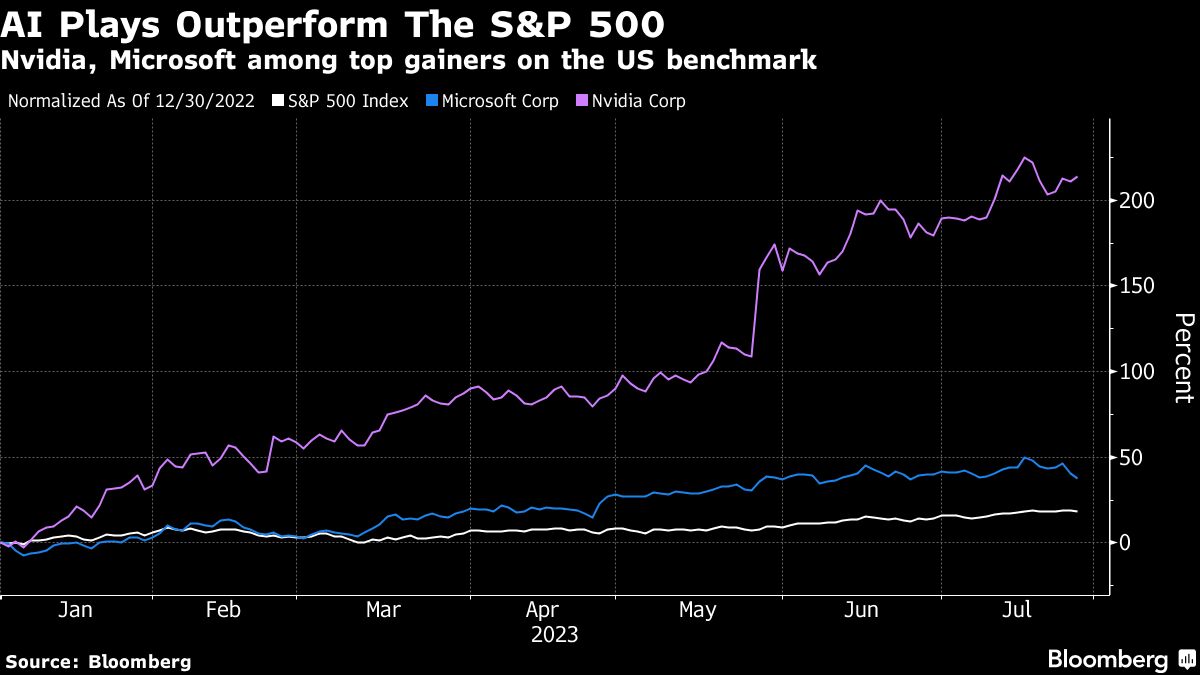
The frenzy over artificial intelligence-linked stocks has gone too far but won’t die down just yet, according to Bank of America Corp. strategists led by Michael Hartnett.
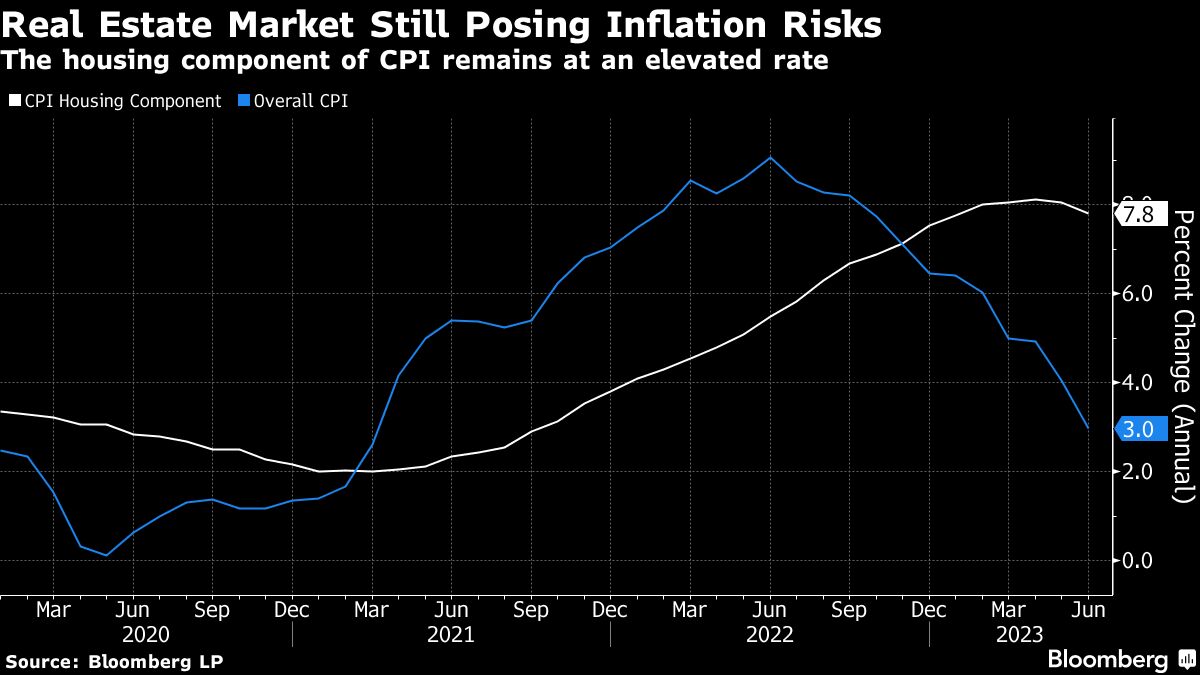
Key US inflation measures continued to cool and consumer spending picked up in June, adding to momentum in the economy ahead of the third quarter.
Sixteen months after the Federal Reserve began its most aggressive rate-hike cycle in decades, markets are breathing a sigh of relief that the central bank — at long last — may finally be done.
Municipal exchange-traded funds, still a relatively new and small part of the $4 trillion state and local debt market, have seen growth stall dramatically after record inflows last year as the shift away from mutual funds slowed.
Building wealth isn't difficult, so why don't people do it? As younger generations reach the point where they have finally saved enough to begin investing it may seem overwhelming to know where to start.
UK gilts rally after headline and core inflation numbers surprise to the downside.
Equity markets have rallied since October, but the Franklin Templeton Investment Solutions team thinks markets have run ahead of both current and expected growth. Learn why—and what it may mean for investors.
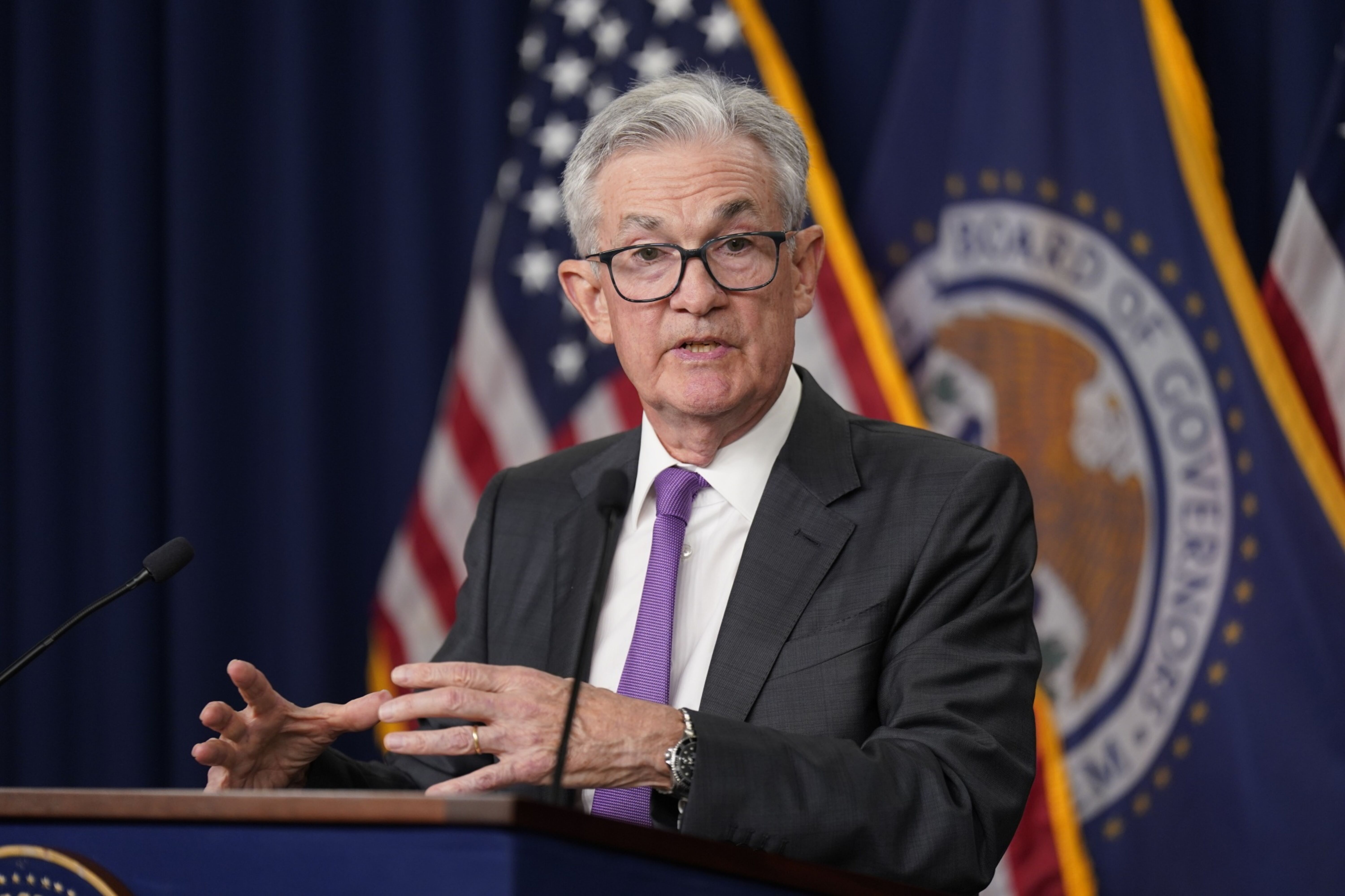
In a unanimous decision, Federal Reserve policymakers raised the federal funds rate to 5.5%, the highest point since 2001.
High-quality investment grade municipal bonds provide growth-like returns for investors in a relatively more conservative investment vehicle than equities. Have your financial advisor assess the opportunity as it pertains to your specific goals.
Monetary and fiscal indicators continued to tighten significantly in the second quarter pointing towards a material slowdown in the U.S. economy.
Mortgage rates are the highest they’ve been in over 30 years, keeping home affordability in unprecedented territory. However, mortgage rates above 7% aren’t the only factor keeping home prices high.
Yields on 10-year Treasuries may fall as much as 150 basis points before the end of next year as the Federal Reserve cuts interest rates to bolster a slowing US economy, according to Jupiter Asset Management.
A stellar year for JPMorgan Asset Management is proving to be an unusually tepid one for the world’s largest asset manager BlackRock Inc., shaking up the leaderboard in the $7.6 trillion US exchange-traded fund industry.
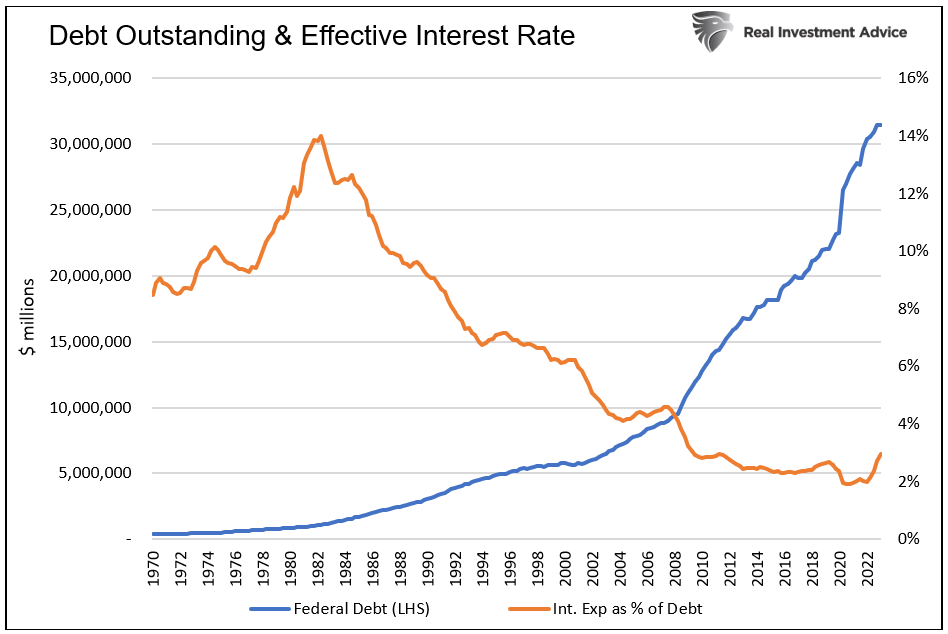
The Fed and government can ill afford to maintain today’s interest rates.
Central banks are set to hike policy rates this week. Markets expect rate cuts to soon follow due to cooling inflation, whereas we see central banks holding tight.
A favorable inflation report is just one step in a long journey.
While caution in some areas of the commodities space may be prudent, there are also reasons for optimism, according to Fred Fromm, portfolio manager, of Franklin Equity Group. He offers his mid-year outlook and potential investment opportunities.
There are multiple factors to consider, including your tax rate.
TCW is the latest well-established asset manager poised to enter the ETF business. But unlike some of its peers, TCW is going the acquisition route. Today, TCW announced it is buying the Engine No. 1 ETF business.
Signs of abating inflation have lifted the spirits of investors, the White House and the general public this month. While a welcome relief, inflation tends to be a lagging rather than a leading economic indicator.
Markets should brace for a deep US recession that warrants a dramatic one percentage-point interest-rate cut by the Federal Reserve, warned DoubleLine Capital’s Jeffrey Sherman.
BlackRock Inc. is poised to become a bigger buyer of assets that banks unload to improve their capital and liquidity, after concluding that the industry faces years of upheaval brought on by high-interest rates, stringent new regulations and possible consolidation.
TCW Group, the asset manager with a long history of managing bond funds, is expanding into exchange-traded funds with an agreement to buy an ETF business from activist investor Engine No. 1.
The recent broadening out in market breadth has been accompanied by frothier investor sentiment, but using sentiment as a market-timing tool is tricky (if not impossible).
High-quality fixed-income assets may offer the best return potential in more than a decade along with diversification benefits as a likely recession approaches.
With inflation falling and growth slowly grinding lower, time is running out on many global central bank tightening cycles – especially for the Federal Reserve (Fed) that meets next week.
Investors should consider diversifying their credit exposure with asset-backed lending strategies, which offer a fixed income allocation, a potential inflation hedge, and downside protection with collateralized assets.
With so much opportunity for others to spread the word about you, are taking advantage of the chance to ask clients for introductions?
Here are seven of the most common myths and how advisors can respond.
BlackRock Inc.’s Rick Rieder says US high-yield risk premiums are not wide enough to entice investors, and that there are other areas of credit to consider allocating to.
To find the best stocks to invest in, there are more than 19,000 stocks to pick from in the US and Canadian markets alone. Consequently, how is the individual self-directed investor able to find the best stocks to meet their goals objectives, and risk tolerances?
Commodity ETFs have seen a significant dip in financial advisors' interest and YTD flows in 2023.
The Northern Trust Economics team shares its outlook for U.S. growth, employment, interest rates and inflation.
One of the unforeseen side effects of the current travel boom has been flight delays, mostly because of staff shortages, and this has raised the issue of pilot retirements.
VettaFi’s Tom Lydon offers key takeaways from their recent Fixed Income Symposium. Simplify ETFs’ Paul Kim discusses the firm’s recent growth and highlights several unique ETFs. Democracy Investments’ Julie Cane explains the investment thesis behind the Democracy International Fund ETF (DMCY).
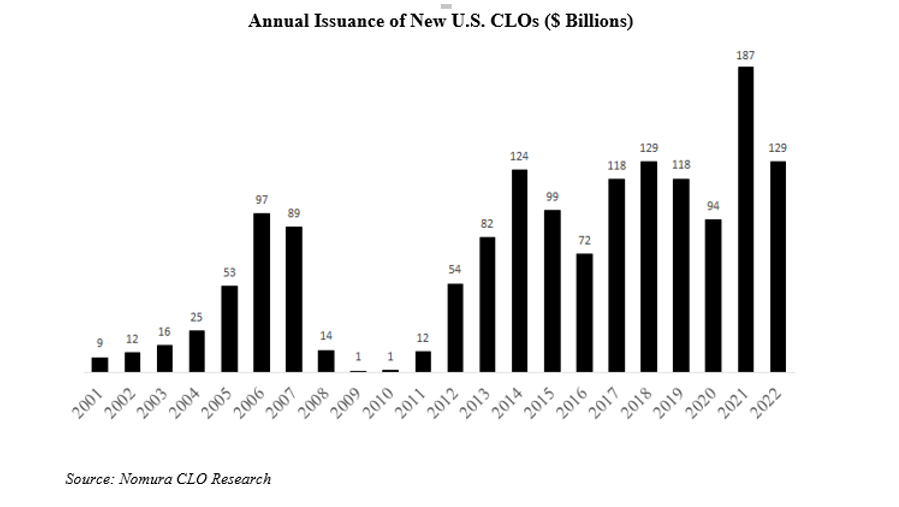
Investors willing and able to accept the illiquidity risk of CLOs should consider them as alternatives with attractive risk/reward characteristics.
A lot of the conversation around the rise of artificial intelligence has focused on its threat to white-collar jobs and knowledge workers.
Money market allocations hedged investors from tumbling equity markets last year and for the first time in a long time, generated considerable interest income. While cash-like investments offer liquidity and risk management, they do have some drawbacks. What other options do investors have?
Financial companies that help address some of the world’s most pressing socioeconomic challenges deserve attention from sustainability-focused investors.
So far in 2023, equity markets have shrugged off banking stress, recession risk, and monetary tightening in favor of a more optimistic view. While risks remain, alternative data suggests that inflation may fall faster than expected as the economy remains relatively healthy.
The Sovereign Debt Wave is at a historic peak and appears set to continue growing. With higher inflation and reduced liquidity, some countries will be able to continue to issue debt easily, while some will not.
Despite persistent inflation and elevated short-term interest rates, the economy appears to be holding up well, and we believe the Fed may deliver the “soft landing” it has been trying to engineer.
It is no secret that the biggest virtual event of the summer is the coming July 24 Fixed Income Symposium. Here’s why advisors can’t afford to miss this event.
El Niño will test the resilience of both infrastructure and food supply chains.
An advisor’s greatest contribution to an investor’s bottom line is their guidance through volatile markets.
Economic indicators are released every week to help provide insight into the overall health of the U.S. economy. In this article, we examine indicators from the past week, such as inflation, that shed light on both inflationary trends and sentiment within the market.
Head of Franklin Templeton Institute Stephen Dover recently moderated a panel of our leading economists and asked this key question: What’s in store for investors in the second half? Here’s a quick take on their answers.