Pain is deepening across the US real estate industry. Two of the biggest players — Blackstone Inc. and Wells Fargo & Co. — took steps this week to contend with weaker demand as the industry faces a rapidly cooling property market, rising interest rates and waning investor appetite.
Weaker economic trends will likely form heading into 2023 as the Fed battles inflation, but a (hopefully) mild recession may help set stocks up for a better second half of the year.
While economists have been lowering their employment forecast month over month over month, the U.S. labor market has continued to disappoint those forecasts and has remained relatively strong as well as relatively stable, with jobs growing at an average of 392,000 per month during 2022.
Over the past 12 months, global container shipping rates have steadily declined to their long-term averages as supply chain snarls have receded and backups at ports have disappeared. Now, another segment of the cargo shipping industry is seeing day rates explode to record highs.
Making apartment buildings more energy efficient can mean a massive cost to replace carbon-powered heating and cooling systems — something that’s pretty much out of reach for lower-income communities.
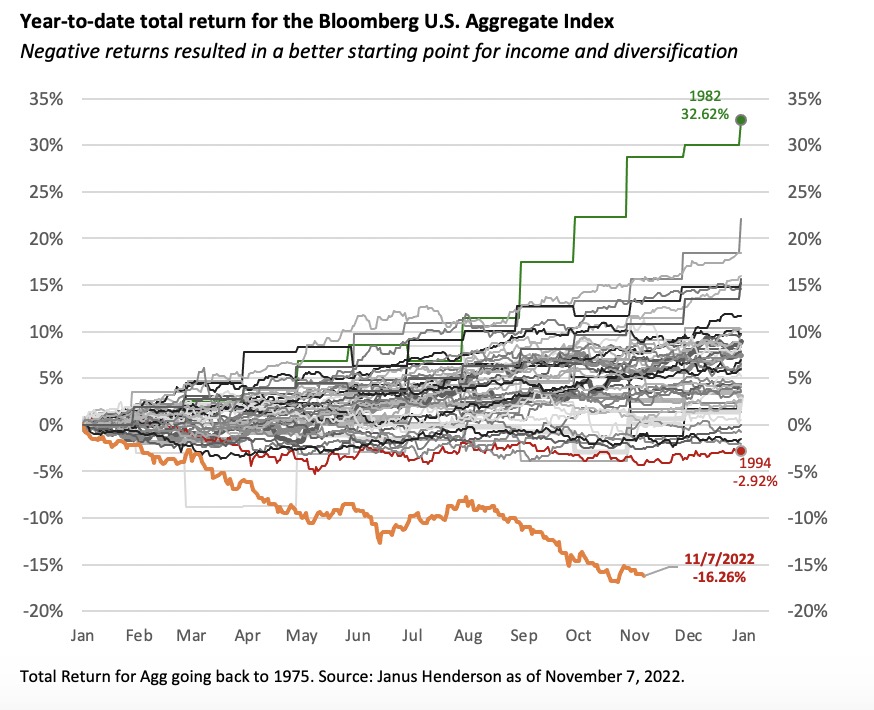
Three reasons why investors should consider adding intermediate-duration bonds back to their fixed income portfolios.
The corporate debt market is still doing its part to keep America out of a recession.
U.S. equities are sliding as investors sift through the November labor report that showed stronger-than-expected job growth.
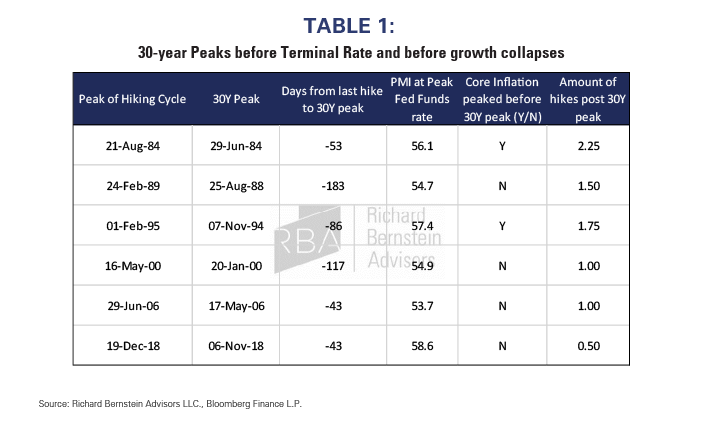
Remember, the Fed hikes short-term interest rates to slow long-term growth and inflation.
The emotional component begins with the hunger to be a true entrepreneur coupled with the frustration that builds every time wirehouse management demonstrates just how little control their advisor employees have.
How we’re thinking about investing against a backdrop of inflation uncertainty, geopolitical tension, and likely recession.
As president of the Federal Reserve Bank of New York and vice chair of the policy-setting Federal Open Market Committee, John Williams is perhaps the second-most influential US central banker behind Fed Chair Jerome Powell.
Value equities are still priced for significant outperformance, globally.
Regardless of your long-term view on bonds, Treasuries are beginning to look undervalued from a cyclical perspective.
How can advisors turn their clients’ focus from dollars to dreams? How can making a clear connection between their real and financial lives create a meaningful client experience and add value to an advisor’s service?
Global bonds rebounded in November, adding a record $2.8 trillion in market value, as investors bet that central banks are getting a grip on inflation. But how long the party lasts is another matter.
Corporate credit markets, long the asset class of choice for people looking for clean insights into the economy, have turned as murky as everything else in 2022.
The top bosses of US oil and gas companies are speaking less and less about climate and carbon emissions, a signal that the industry’s public focus on ESG over the past couple of years may be fading.
November has given a glimpse of the outperformance that emerging markets can deliver in the post-stimulus world as the maturing phase of Federal Reserve tightening focuses investors’ minds on the opportunities beyond.
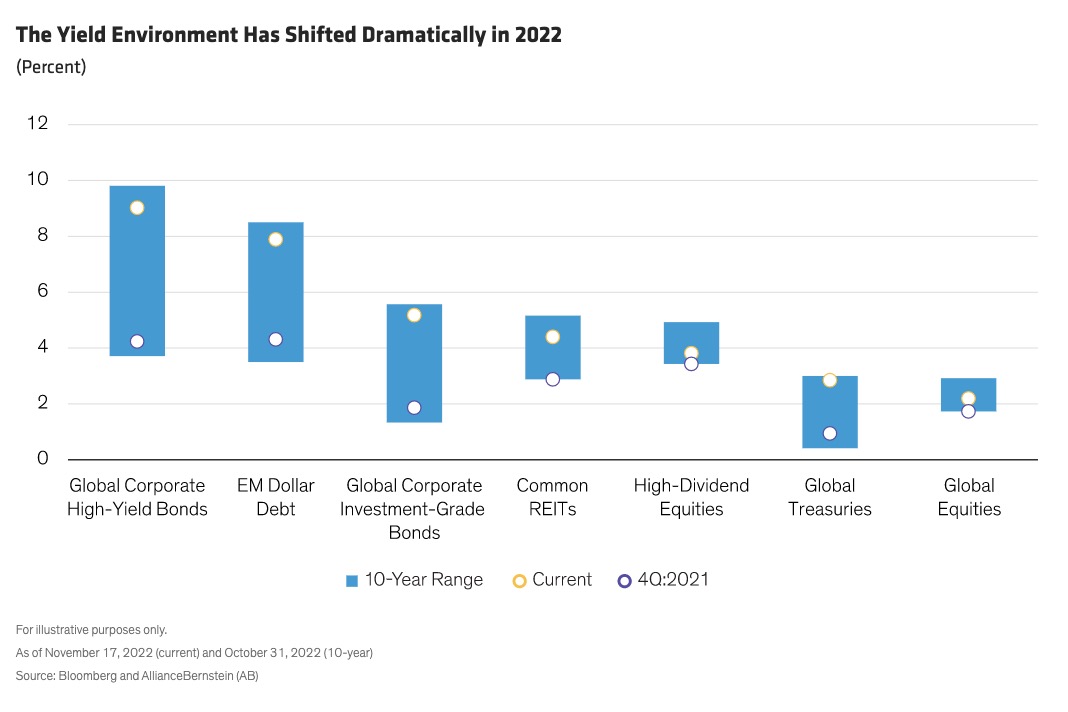
The question most asked by investors late last year, as Treasury bill yields hovered just above zero was “Where can I go for yield?” followed soon after by “What can I do to protect myself from inflation?”
U.S. stocks are choppy in pre-market trading on the heels of yesterday's drop ahead of tomorrow's comments from Fed Chairman Jerome Powell.
Doug Drabik discusses fixed income market conditions and offers insight for bond investors.
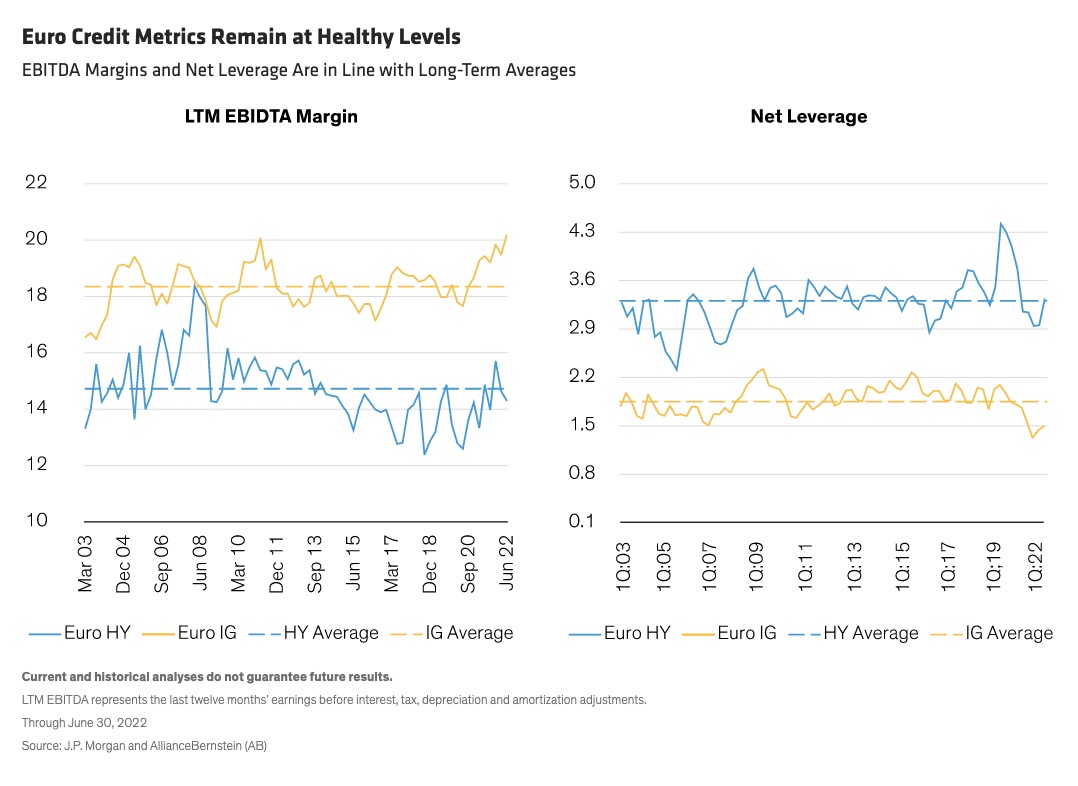
As Europe struggles with war, costly energy, record inflation and slowing growth, it’s no surprise that European corporate credit is out of favor.
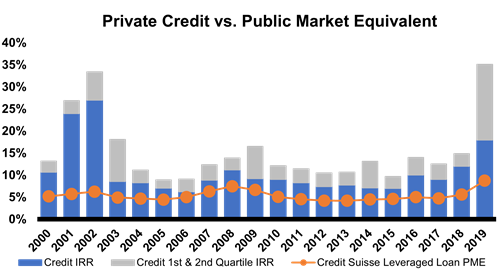
We believe private credit is an attractive investment with greater market coverage and a timely opportunity to benefit from the scarcity of fresh capital.
Doll’s Deliberations this week summarizes some short-term expectations and some longer-term issues.
President Joe Biden has often described his plan to cancel some federal student-loan debts as a “game changer.” In one sense, this policy has indeed proved transformative — by making a bad system worse.
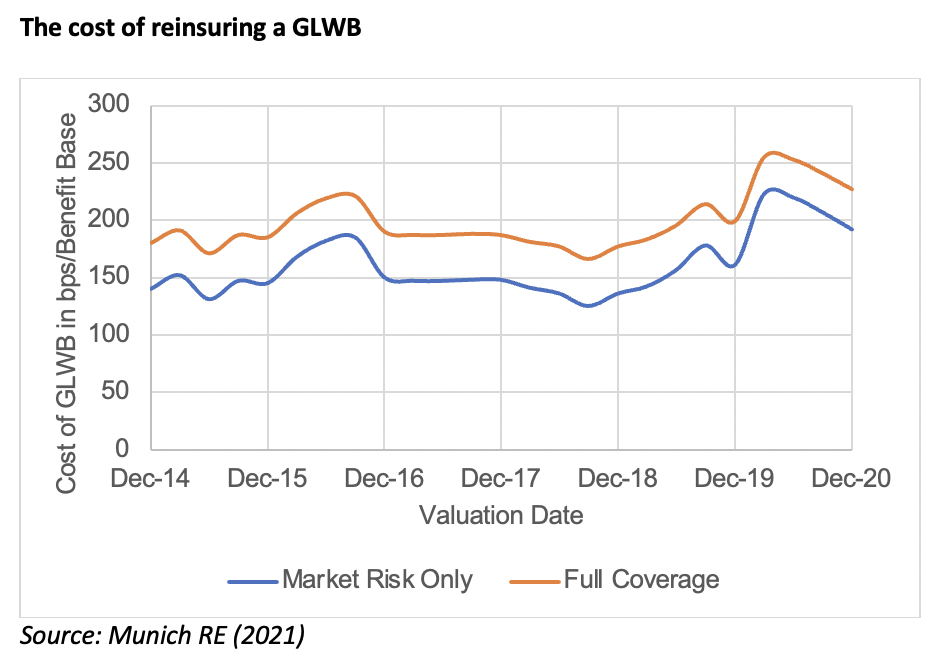
This article explores the efficacy of PLIBs against a retirement income strategy that does not include an annuity, as well as strategies which allocate to either a SPIA, a DIA, or a GLWB. I used a utility framework for this analysis.
Technology megatrends transform society, and there is a hugely significant fourth wave on the horizon.
Everyone seems to be paying more attention to the cost of goods and services these days. But there is one cost that many investors pay without realizing it – the cost of taxes on their portfolios. Here's why this cost matters and what you can do to help your clients avoid it.
With the year winding down, investors might think they’ve seen it all. But one element of market dysfunction that’s largely flown under the radar is increased friction within the US Treasury market. Treasuries are experiencing a liquidity decline on the back of economic uncertainty and higher volatility, with large blocks of government debt increasingly hard to trade.
Americans who work remotely, either full-time or part-time, can save between $2,000 and $7,000 in transportation and work-related costs. They can also gain back the equivalent of two to three weeks per year in commuting time.
U.S. equities are mixed in pre-market trading, but the markets are on track to post weekly gains for the holiday-shortened week.
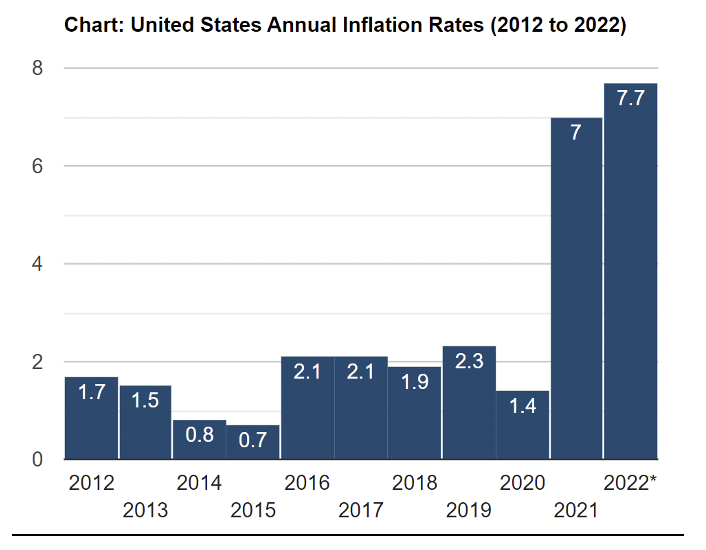
In one of the most challenging years for markets, 2022 brought persistently high inflation, aggressive central bank tightening and heightened geopolitical risks, leaving investors with few places to hide.
Franklin Templeton recently hosted an investment forum in Singapore, and much of the dialog pointed to a growing gap in growth outlook emerging between Asia and the West.
The US Securities and Exchange Commission’s draft plans to overhaul rules for the stock market would also expand its oversight of bond and options trading.
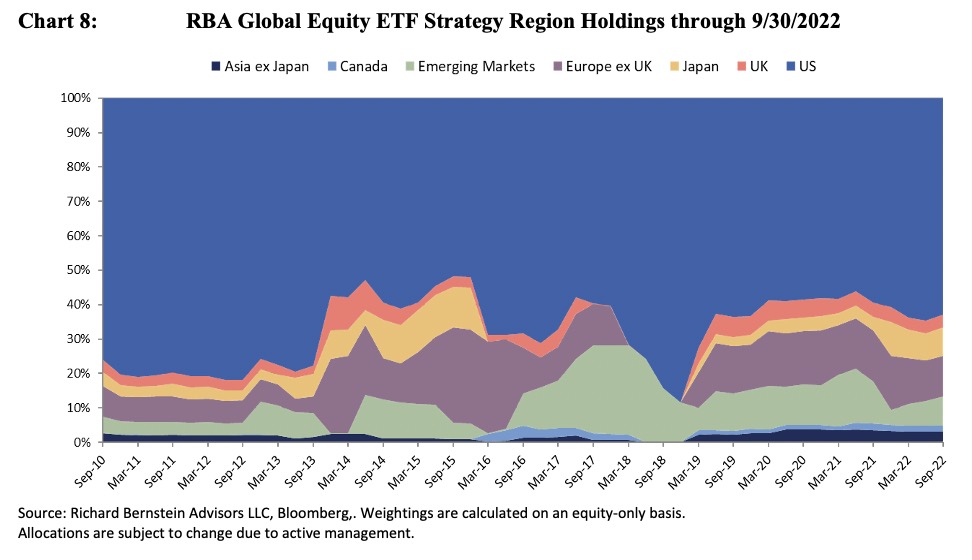
One of the reasons we formed RBA in 2009 was we thought the US was entering perhaps the biggest bull market of our careers.
More Americans are tapping their 401(k)s for financial emergencies, with the percentage of retirement savers pulling money for hardships spiking 24% in the 12 months through Sept. 30, according to new data.
Amazon.com Inc. spooked investors last month when it predicted the slowest holiday season growth in its history.
With all the market ups and downs, we are not as profitable as we have been historically.
U.S. equities are rising, although no notable directional drivers seem to be in play amid the holiday-shortened week, with the markets closed on Thursday for Thanksgiving and trading in a half day on Friday.
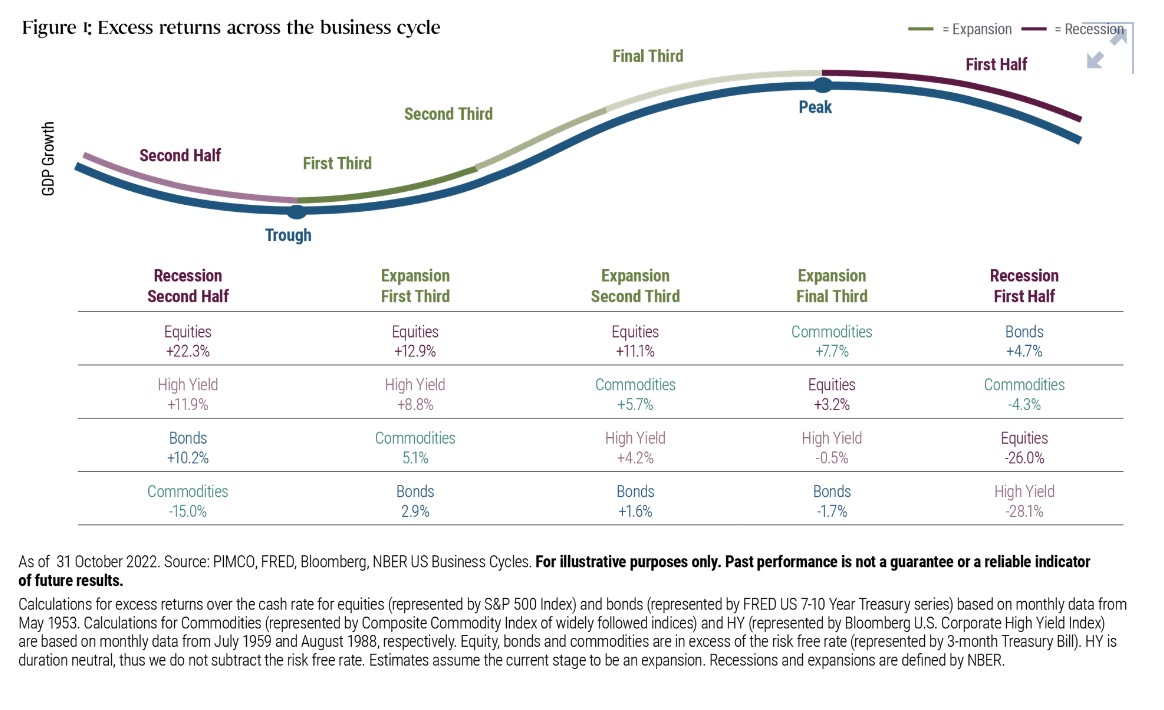
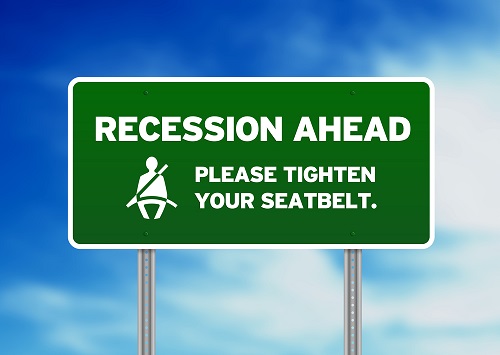
The US has had 12 recessions since 1945. Chief Economist Brian Horrigan contemplates the potential for unlucky #13.
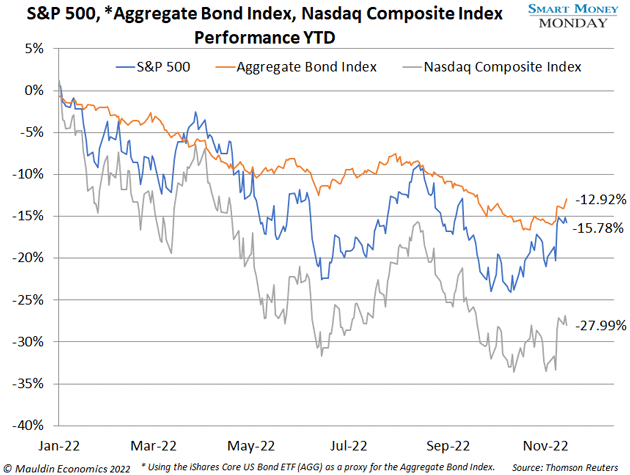
And up and down.
Tighter Federal Reserve policy is raising households’ interest-rate burden, leading to a rapid decline in excess savings and underscoring the likelihood hawkishness has peaked.
Recessions are like forest fires – small ones are healthy for the forest. However, the longer you suppress fire, the more dead material the forest accumulates. Eventually, when it does pay a visit, it is more devastating and its effects are more long-lasting. The recession that is coming could be a big fire.
Advisors and their clients need to manage pressures they have not seen for 20 years: market volatility, inflation, rising interest rates and potentially higher taxes. With fixed income not holding up as a low-risk part of the portfolio, it is time to look at other strategies to protect client portfolios.
We will forever believe that locking down the economy for COVID-19 was a massive mistake. There is virtually no evidence that death rates were lowered by government mandates and lockdowns.
Believe it or not, 2022 is almost over. That means it’s time to start thinking about end-of-year tax planning strategies…
This piece introduces the protected lifetime income benefit (PLIB) to describe an emerging category of longevity-protected solutions.
In this letter I’d like to explore the impact interest rates will have on the economy and especially the housing market.
Lifetime annuities in concert with allocations to stocks, TIPS, bond ladders and other diversified investments help retirees weather changing conditions regarding inflation and interest rates.