Striking the right balance between interest rate and credit risk can be a good idea in the late stages of a credit cycle. We think it’s a particularly good idea in this credit cycle.
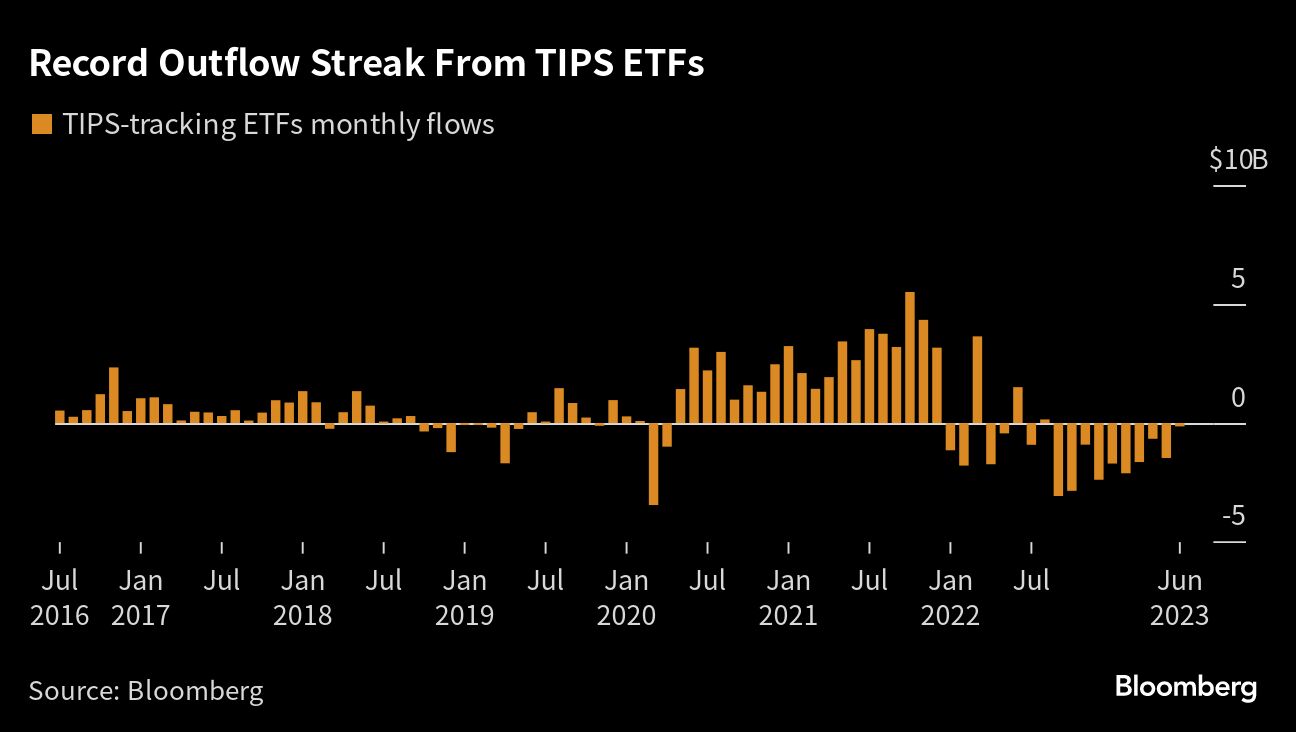
Exchange-traded funds designed to protect against inflation are staring down a record exodus after faltering in the face of still-sticky price pressure.
The US Federal Reserve (“Fed”) paused rate hikes in June, but signaled it expects to deliver 50 basis points of additional hikes this year.
While a severe hurricane for the global economy looks less likely than a few months ago, we are still likely to encounter a tropical storm that could cause significant damage. Much will depend on how major central banks confront the trilemma of simultaneously maintaining price, growth, and financial stability.
This past Wednesday marked the official start of summer! The summer solstice represents the best time of year – the maximum amount of daylight coupled with warm temperatures.
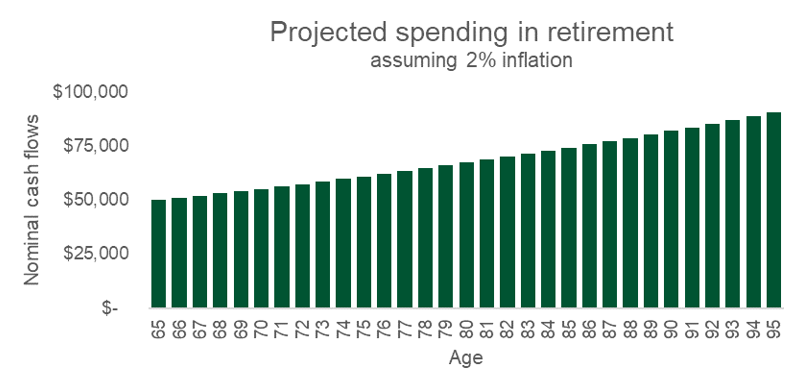
Evidence on actual spending behavior suggests that real spending falls with age. If that’s true, people need to save less for retirement than we think.
For people looking on anxiously as stock wealth converges in an oligarchy of high-tech juggernauts, some perspective: It’s nothing new.
In this article, we will delve deeper into some of the top-performing Japan ETFs, analyzing their YTD performance. We will also discuss whether advisors and investors should consider investing in them.
We get a big bunch of data reports this week: GDP revisions and economy-wide corporate profits for the first quarter; durable goods, new home sales, personal income, and consumer spending for May; home prices for April.
An ounce of optimism, a pound of prudence. It’s still a good time to be measured about taking risks in equities, but we believe the longer-term horizon holds particular promise for active stock pickers.
The Northern Trust Economics team shares its outlook for U.S. growth, employment, interest rates, and inflation.
Few financial topics grab more media attention than money managers who make gobs of money while everyone else suffers. Scott Patterson’s The Chaos Kings centers on two colorful participants who regularly do just that, Nassim Taleb and Mark Spitznagel.
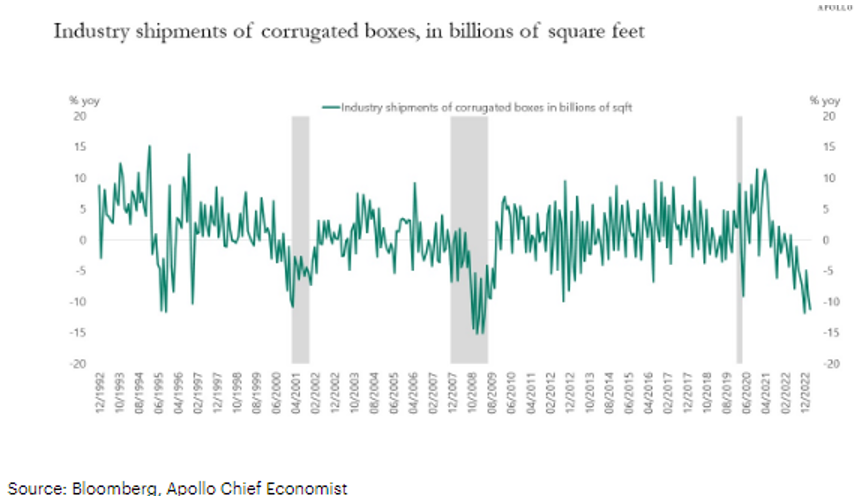
Many economists have been forecasting a recession for 2023 due to tightening monetary policy. But that recession has not arrived yet.
The barrage of fresh Treasury bills poised to hit the market over the next few months is merely a prelude to what’s yet to come: a wave of longer-term debt sales that are seen driving bond yields even higher.
The notion that central banks should set an inflation target higher than 2% has longstanding support among many economists, including former chief IMF economist Olivier Blanchard, and has remained persistent even amid efforts to bring inflation down.
Heading into 2023, a looming recession dominated the headlines.
Macroeconomic uncertainty has remained front and center in 2023 as the new investment regime continues to play out. Inflation remains above central bank targets and some signs of economic weakness have started to surface in the wake of rapid monetary tightening.
Volatile input prices have been a major inflationary force.
Is recession still coming? Of course. But some funny things are happening on the way there.
Imagine a new digital environment where our data is portable and democratized, challenging the current monopolies. Web3 promises to be such an environment, using blockchain technology.
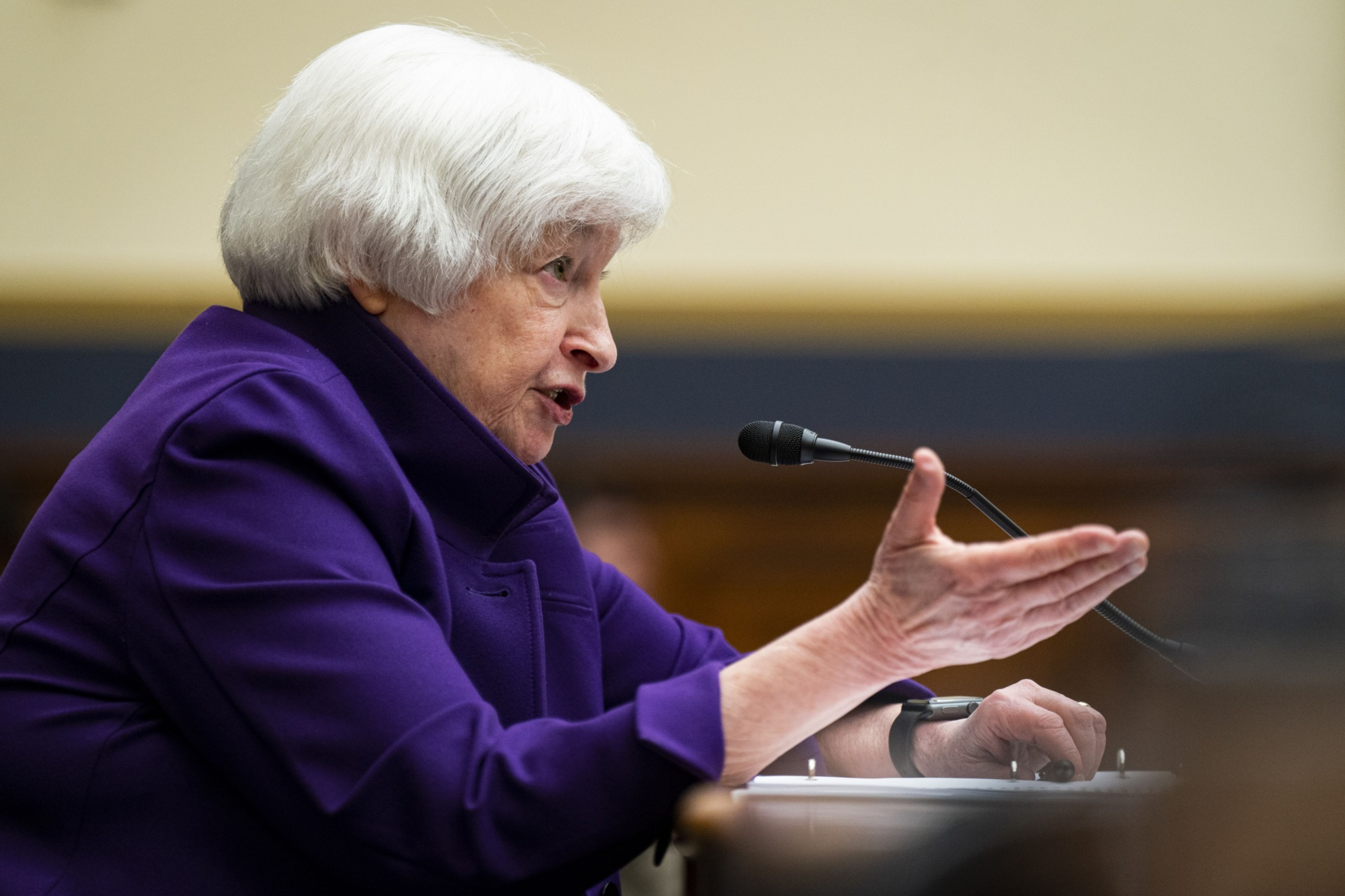
Treasury Secretary Janet Yellen sees diminishing risk for the US to fall into recession and suggested that a slowdown in consumer spending may be the price to pay for finishing the campaign to contain inflation.
Since the March trough the S&P 500 Index has gained around 14% and ten-year Treasury yields have risen roughly 0.50%. As market conditions have improved, inter-asset correlations have also shifted.
Bitcoin is heading for one of its strongest weeks of the year, buoyed by speculation that proposed exchange-traded funds potentially herald new sources of demand for the largest digital asset.
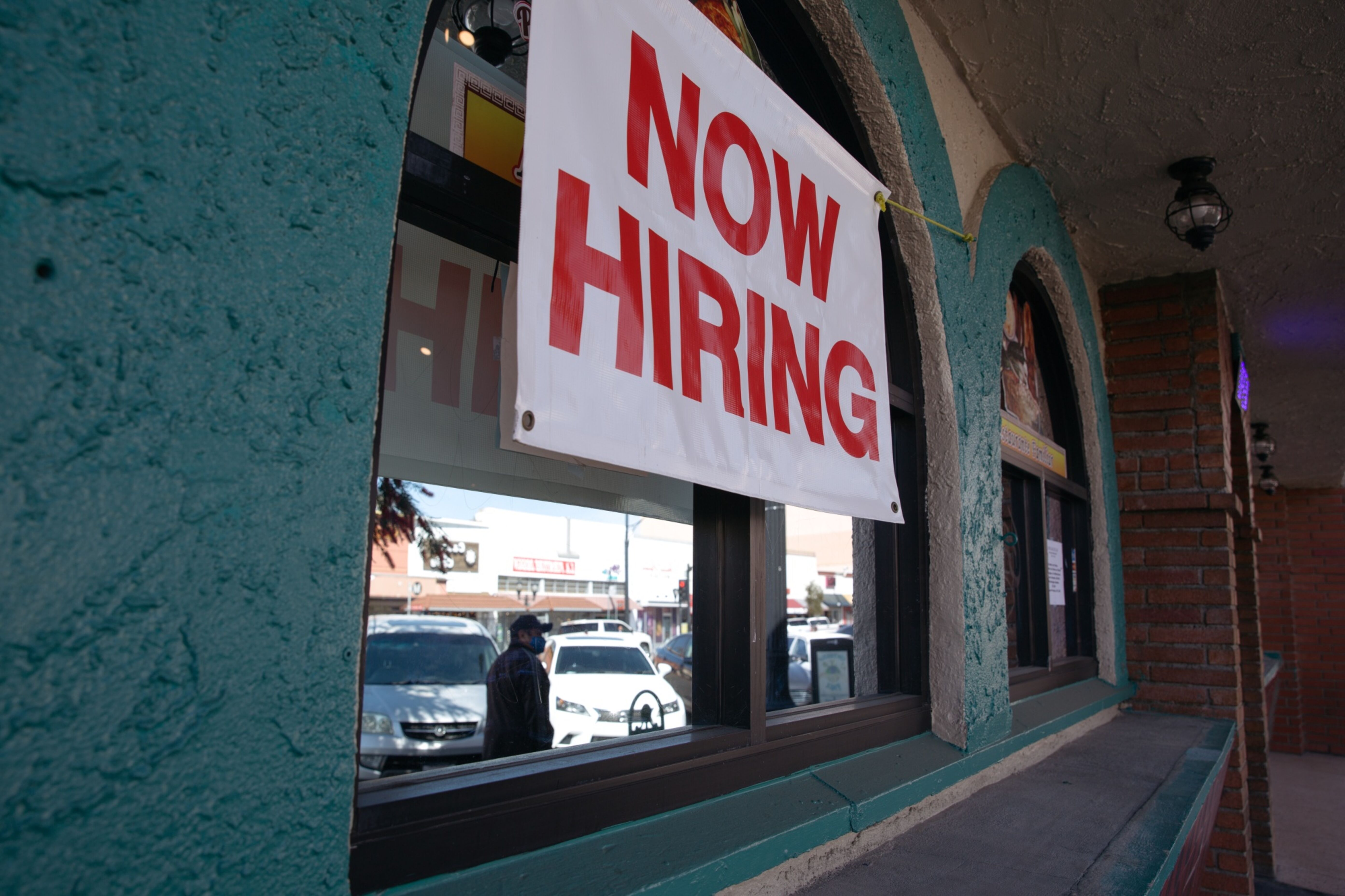
The balance of power in the jobs market is slowly tilting back toward employers as companies become choosier with their hires and workers turn more cautious about quitting.
Doug Drabik discusses fixed income market conditions and offers insight for bond investors.
This week I saw something I haven’t in a while: a brochure from Strutt & Parker advertising a price reduction on a rather charming Notting Hill house. It is now a mere £4,750,000 ($6 million) — down around 6% from its original listing price.
The exit from a decade of very low interest rates, via the most aggressive hiking cycle since 1980 has laid bare the distorted financing incentives that became entrenched in the years between the Global Financial Crisis in 2008 and the end of pandemic-era monetary policies in 2022.
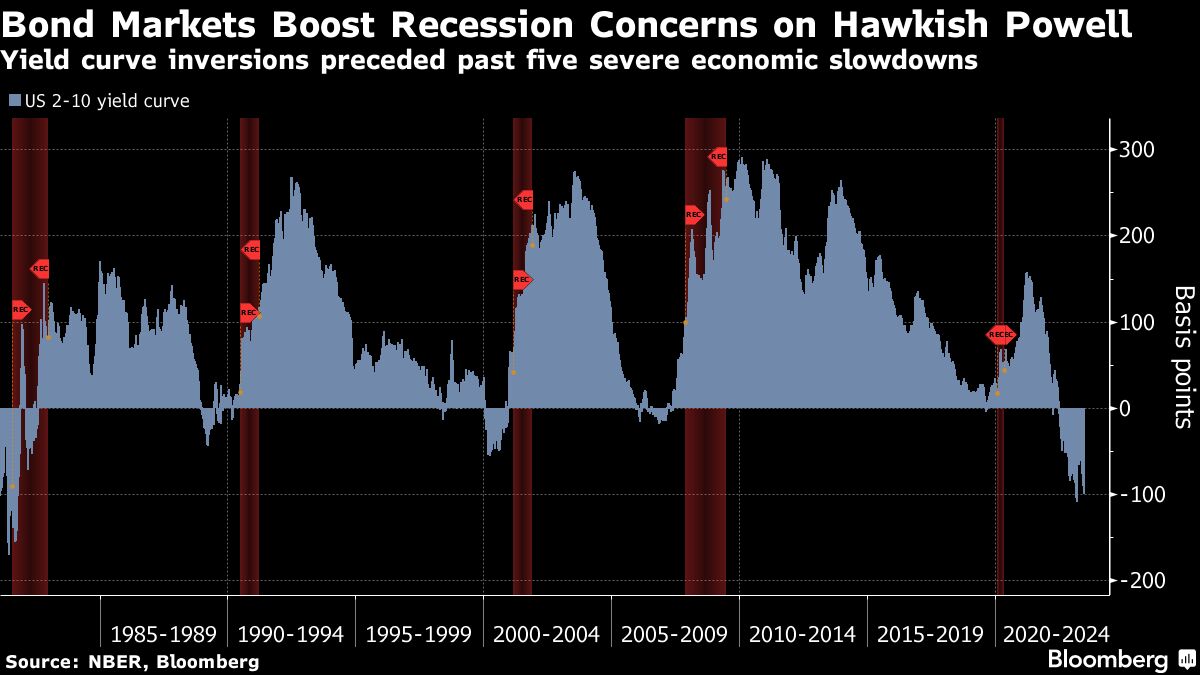
Bond investors’ concern over a potential US recession deepened after Federal Reserve Chair Jerome Powell signaled policymakers may keep pushing interest rates higher.
Japanese stocks may help boost the performance of international markets although the unique nature of Japan's economic and business structure could pose some risks.
Central banks have ramped up their hawkish rhetoric this month but for bond bulls, that’s a good thing.
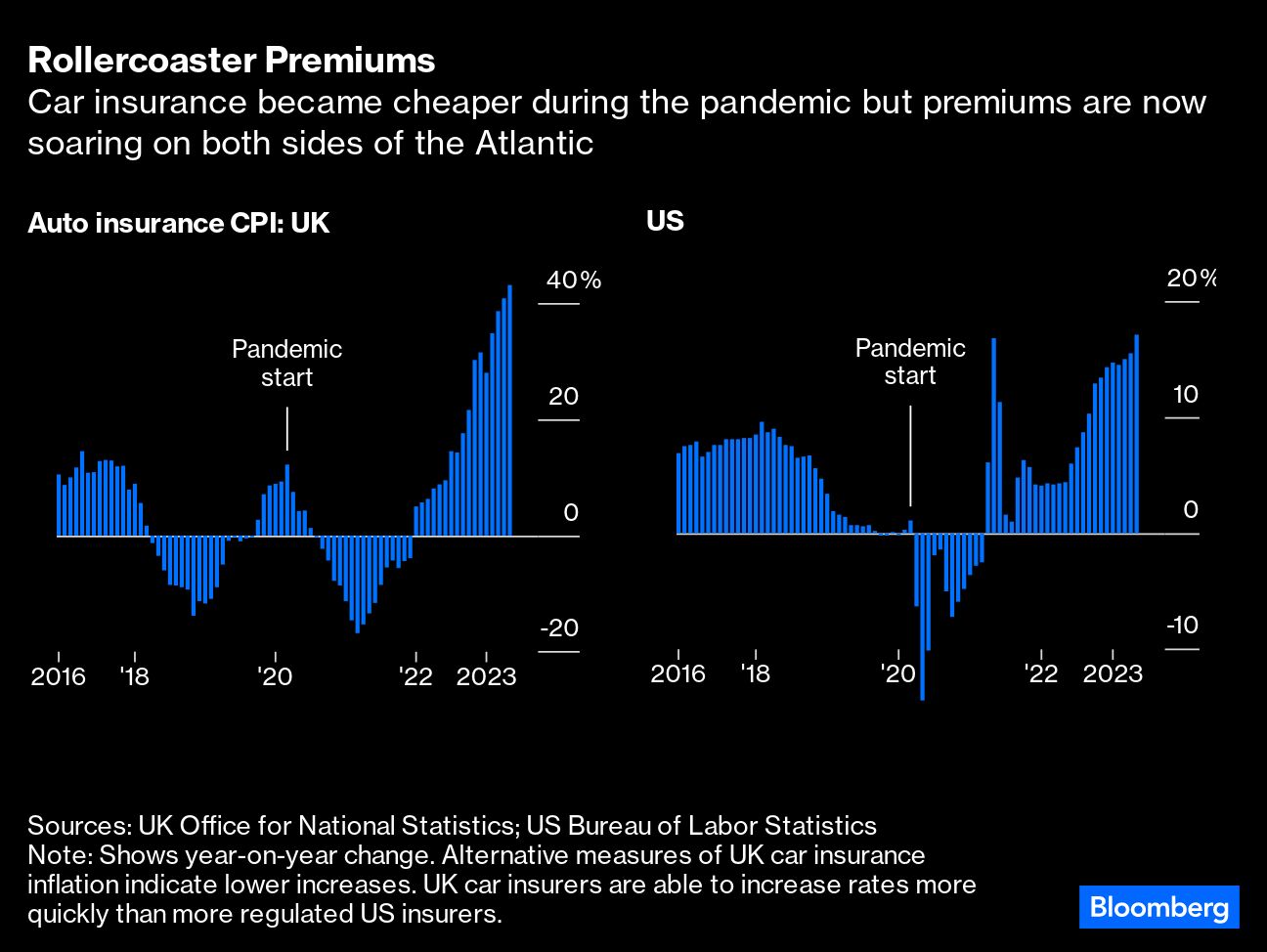
Modern cars are marvelous, except when they need fixing — in which case the bill for even a seemingly minor dent can easily reach four or even five figures. Consumers and fleet owners are being stuck with huge repair bills while auto insurers are hiking premiums.
Though recent data suggests China's re-opening growth has slowed, it's likely temporary. As China's recovery continues, it may have implications for U.S. inflation and rates.
In this article and video, we are going to cover Fidelity National Information Services.
Sticky inflation looks to compel developed markets (DM) central banks to crank policy rates higher – and keep policy tight for longer. The Federal Reserve paused last week but pointed to more hikes on the way.
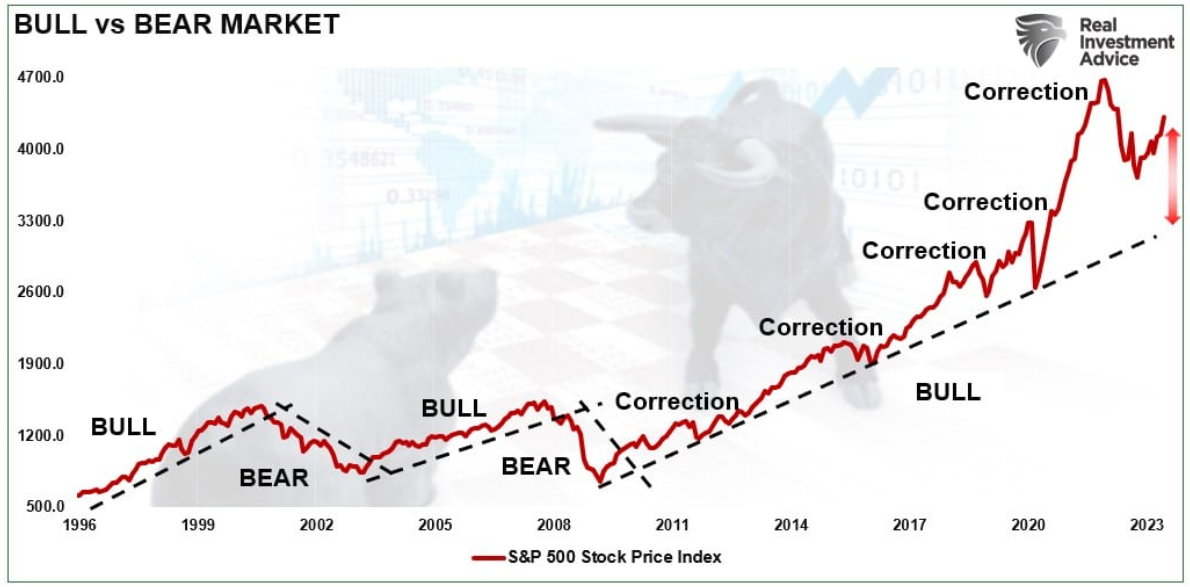
“It’s a ‘New Bull Market’!” Over the past few days, the call of a new bull market has plastered headlines and media commentary.
The period of large upside surprises to global data prints, which dominated the first quarter, seems to be over for now, but it is a major leap to suggest recession is now imminent.
Sales of previously owned US homes barely rose in May as high mortgage rates continued to crimp demand and discourage owners from listing their properties.
With unanimity, the Federal Open Market Committee held the federal funds rate in its current range, but updated projections suggest this rate-hike cycle is not yet over.
While the Euro Area reported inflation of 6.1% in May, the US was able to post 6% year-over-year as of February. In this framework, a hike, and potentially two more to follow, was to be expected before a pause could occur.
Investors have just turned back the clock on the Fed’s tightening campaign and cast aside the Fed fears that ruled them for 15 months.
Federal Reserve Chair Jerome Powell said policymakers expect interest rates will need to move higher to reduce US growth and contain price pressures, even though they held rates steady at their meeting last week.
In this article, we examine three important indicators from the past week: the consumer price index, the producer price index, and retail sales. By examining these data points, we gain valuable information about inflation in the U.S. and consumer spending patterns and their response to the ongoing inflation battle.
Lately, it’s been easy to see the optimism. As of the Friday close, the S&P 500 is up 15% so far this year (not including dividends) and up 23% (again, without dividends) versus the lowest bear-market close back in October.
Few of the advisors who will listen to this podcast have had professional careers that spanned a period of rising interest rates. But rates have been rising, and passive allocations to bonds or stocks cannot be counted on to provide the same results they did for the last 40 years.
Given that regime change, my guest today is here to discuss what should be the appropriate allocation to fixed income in a multi-asset portfolio. We will discuss how advisors should think about liquidity in their bond allocations, and to what extent tactical adjustments will be needed.
Federal Reserve Chair Jerome Powell is testifying before Congress this week on the state of the US economy and monetary policy, and there will be some tension.
There was nothing but worrisome news in Wednesday’s economic data releases for the UK. And the implications extend beyond Britain in a multifaceted way.
Bull markets and bear markets can’t be identified in real-time – only in hindsight. More importantly, the return/risk profile of a “bull market” or a “bear market” can change dramatically depending on whether valuations are consistent with the beginning of a market cycle or the end of one.
T. Rowe Price Group Inc., Allspring Global Investments and AllianceBernstein Holding LP are among investors seeking opportunities in longer-dated high-grade corporate bonds, reflecting bets that the peak in interest rates is nearing and a US recession would force policymakers to reverse course.
Quarterly Macro Themes, a quarterly publication from our Macroeconomic and Investment Research Group, spotlights critical and timely areas of research and updates our baseline views on the economy.
At its June meeting, the Fed opted to forgo an increase in its key lending rate for the first time since March 2022 but projected that more rate hikes may be possible by year-end. Our investment strategy analyst shares his thoughts on when the central bank’s rate-hiking journey could finally end.