The latest monthly US jobs report showed a moderation in employment growth, bolstering hopes that the Federal Reserve can stop raising interest rates. Not so fast, say the monetary policy hawks such as former Treasury Secretary Larry Summers.
Inflation concerns are threatening to keep US Treasury yields higher for longer, worsening a slide in Asia stocks as investors sell chip shares after their recent rally.
A key measure of US consumer prices rose only modestly for a second month, bolstering hopes that the Federal Reserve can tame inflation without sparking a recession.
This article takes a look at a long-term perspective on Treasury yields as of the July 31, 2023 close. The chart below shows the 10-year constant-maturity yield since 1962 along with the Fed funds rate (FFR) and inflation.
Doug Drabik discusses fixed income market conditions and offers insight for bond investors.
We see compelling value in high-quality, liquid fixed income assets that may offer potential resiliency if the economy weakens.
After an unprecedented pause that started in March 2020, student loan repayments will finally resume in October 2023.
We see emerging markets better withstanding volatility and benefiting as supply chains rewire. We switch our EM debt preference to hard currency from local.
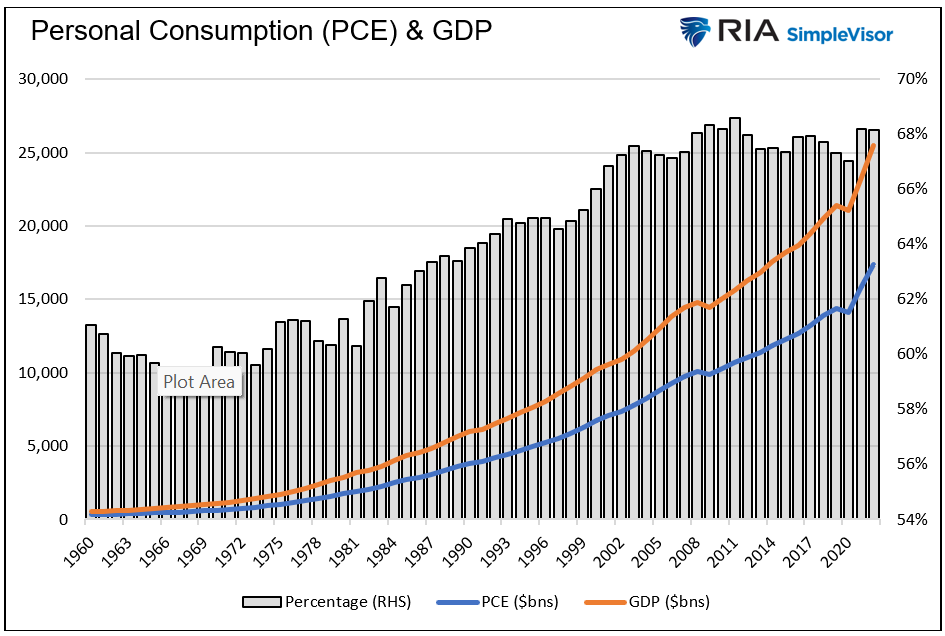
Personal consumption growth rates are showing signs of fatigue. Given it consistently accounts for more than two thirds of economic activity, it's worth exploring the state of the consumer.
The reaction to Fitch Ratings’ recent downgrading of US government debt was more revealing than the announcement itself. Citing concerns about America’s long-term fiscal position and the risk that Washington’s political dysfunction could make matters worse, the company marked US debt down from AAA to AA+.
It’s time for our annual August report, “Charts for the Beach.” Each year we highlight five of our favorite charts we think consensus is currently overlooking. So, head for the beach, but be safe and heed the warning about the critical lifeguard shortages. Yet another sign the labor markets are historically tight!
A closely watched bond market gauge of expected US inflation is rising back toward a nine-year high, signaling concern the Federal Reserve may continue to wrestle with elevated price pressures for years.
Investors are taking fright at commercial real estate risks in Sweden. But we think the situation is less threatening than feared.
Such is the latest rationalization to support the “bull market” narrative.
July was another good month for stocks across the board. The U.S. indices were up in the low single digits, while international markets also did well. Riskier investments like the Nasdaq and emerging markets did best.
It’s no secret that we are currently in a high interest-rate environment. The Federal Funds rate, the benchmark rate in the U.S. set by the Federal Open Market Committee (FOMC), currently sits between the range of 5.00% and 5.25%.
Bulging sales of US Treasuries are about to deliver a major test of investor demand and determine whether a selloff has room to run, as the market braces for the biggest round of refunding auctions since last year.
Despite some improvements in corporate health, Global Macro Strategist Craig Burelle shares why he thinks companies are likely to experience more pain in the months to come.
There is next to zero chance the government won’t be able to pay its creditors and the Treasury Department’s access to funding is determined by forces far more fundamental than a few capital letters tied to a ratings report.
Coming into the year, over 60% of economists expected the economy to enter a recession in 2023. But the economy’s resilience, particularly in the wake of aggressive rate hikes, has surprised the market and supported better than expected earnings growth and the equity rally year-to-date.
Earnings season has thus far been a mixed bag, and despite a notable increase in the beat rate, the market is rightfully shifting focus to guidance for the rest of the year.
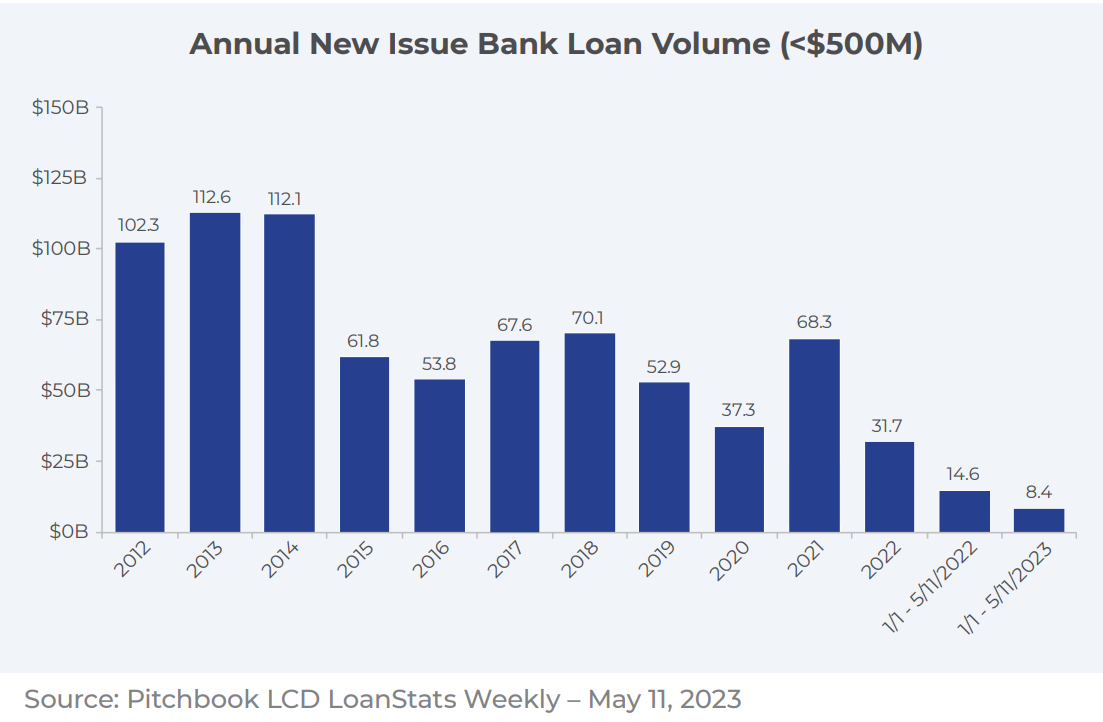
As the Fed tightens and banks accelerate their pullback from middle-market lending, private credit’s stability, strong downside protection and floating rate yields make it an attractive fixed income alternative.
Investors planning for retirement are facing seven significant challenges.
A clear majority of investors expect a US recession before 2024 is out, leading them to view the current bull market in stocks as ephemeral and to favor long-term US Treasuries.
A fresh fiscal showdown is brewing in Washington that threatens to complicate the Federal Reserve’s policymaking and strengthen Fitch Ratings’ warning that self-inflicted wounds are tarnishing America’s standing in the global economy.
Investors in emerging markets are shifting to stocks from bonds as they prepare for the world after monetary tightening.
With Corporate America’s earnings season nearing an end, the takeaway is clear: Challenges remain, but for a broad swath of companies the worst of the profit pain is likely over as margin-shredding inflation pressures ease.
Last week’s sharp moves in the US government bond market have people wondering about the implications not only for the outlook for other financial assets, including stocks but also for the economy and policy.
Is it possible for economic news to be a little too good? If many economic worries seem to be dwindling, is that reason to be scared? After periods of success, are economies due for a comeuppance — perhaps even for reasons stemming from their earlier achievements?
For now, and according to the June Summary of Economic Projections (SEP) ‘dot-plot,’ the Fed still has one more 25 basis point increase for the federal funds rate before the end of this year.
Research Affiliates explain why their long-term return forecasts have risen across asset classes and the implications of their near-term outlook for U.S. recession.
Bank of England raises interest rates again as expected. Rate hike likely to hurt first-time homebuyers in London. UK gilt curve appears to be pricing in a "higher rates for longer" scenario.
While US economic data continues to deteriorate along with much of the globe, pockets of growth have developed. We continue to be generally cautious but have expanded the portfolio to include Japan where we see opportunity today.
Fitch Ratings unexpectedly downgraded the U.S. credit rating from AAA to AA+, only the second downgrade in U.S. history, citing debt limit standoffs and rising entitlement costs.
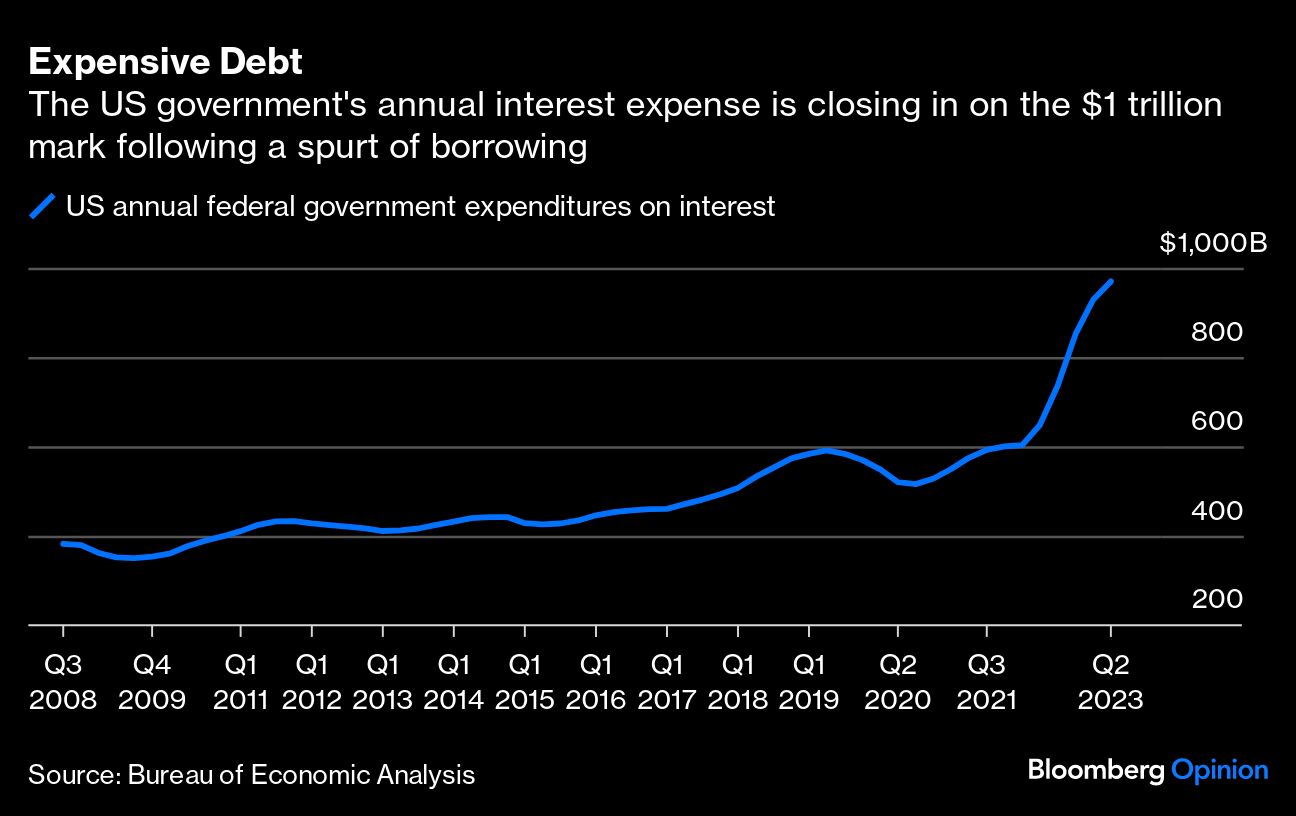
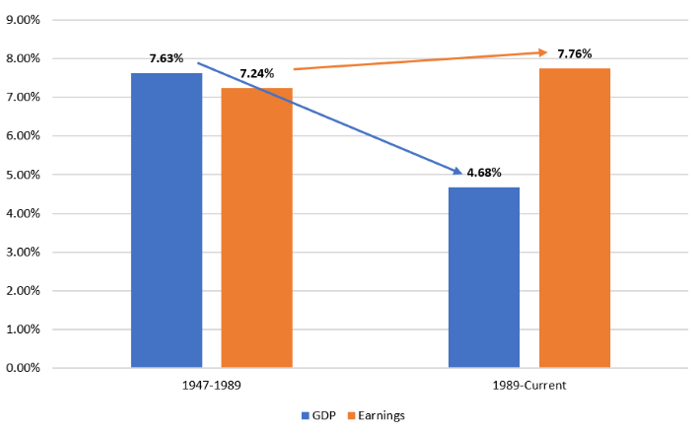
While Washington continues a seemingly unbridled spending spree under the assumption “more spending” is better, debts and deficits matter. To better understand the impact of debt and deficits on economic growth, we must know where we came from.
The sovereign credit rating cut is unlikely to significantly change views toward U.S. Treasuries, but questions about debt sustainability may grow louder over time.
Australia and Canada are experiencing a surge in population growth, while growth rates have slowed substantially in the UK due to post-Brexit frictions.
Raymond James CIO Larry Adam examines the reasons for the decision and what the impact may be on the financial markets.
Admittedly, I’ve glossed over the other catalysts in Ackman’s thesis — including the aforementioned supply-demand issues and the fiscal and governance challenges that Fitch underscored in its recent downgrade — but the inflation call seems to be the linchpin to his argument, at least going by the math in the post.
New public policies reflect growing urgency to address climate risk, which equity investors should emphasize, too.
All told it’s hard to get worked up about the near-term implications of the latest downgrade. But it’s telling that one of the most popular defenses of America’s creditworthiness has lost its rhetorical potency.
Some of the most widely read financial news stories involve projections by Wall Street strategists such as Morgan Stanley’s Michael Wilson, who recently conceded he’d misjudged the direction of US stocks this year.
Signs of falling inflation have helped risk assets recently, but the relief is likely temporary. Volatility may continue in fixed income markets, as high-interest rates continue to weigh on balance sheets and the market digests the probability of a potential recession.
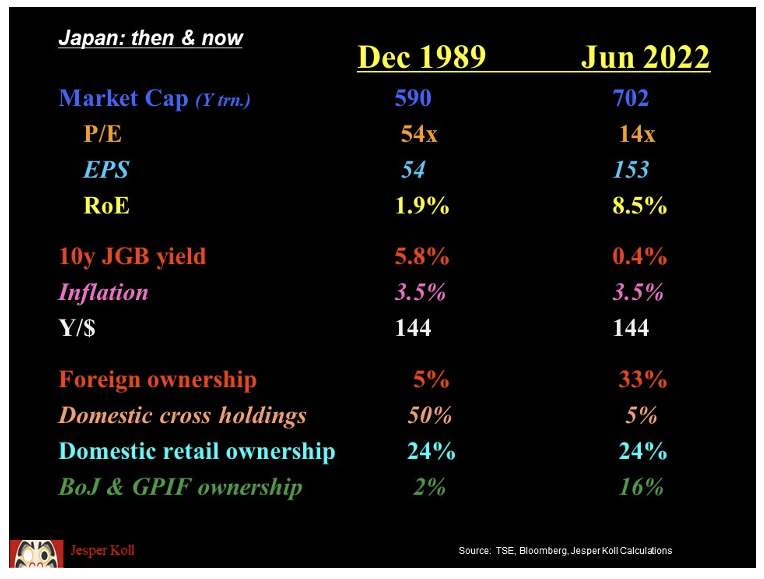
The Bank of Japan announced changes that could allow its yield curve control program to expire gradually if economic conditions are favorable.
The surprise move takes the rating to AA+ from AAA.
As that information presents itself, we may see a fair bit of market choppiness. This is why, even though the market’s monthly moves are fascinating and informative, they are far from instructive for a long-term investor.
Investors can use gold as part of a short-term strategy to hedge against volatility, inflation and weakness in the dollar. Over the long term, it can serve as a portfolio diversifier, providing uncorrelated returns.
The only constant in life is change — and Wall Street strategists trying in vain to divine the stock market’s future. After collectively missing the lion’s share of the year-to-date rally in the S&P 500 Index, the Street’s macro soothsayers appear to be getting modestly more bullish again.
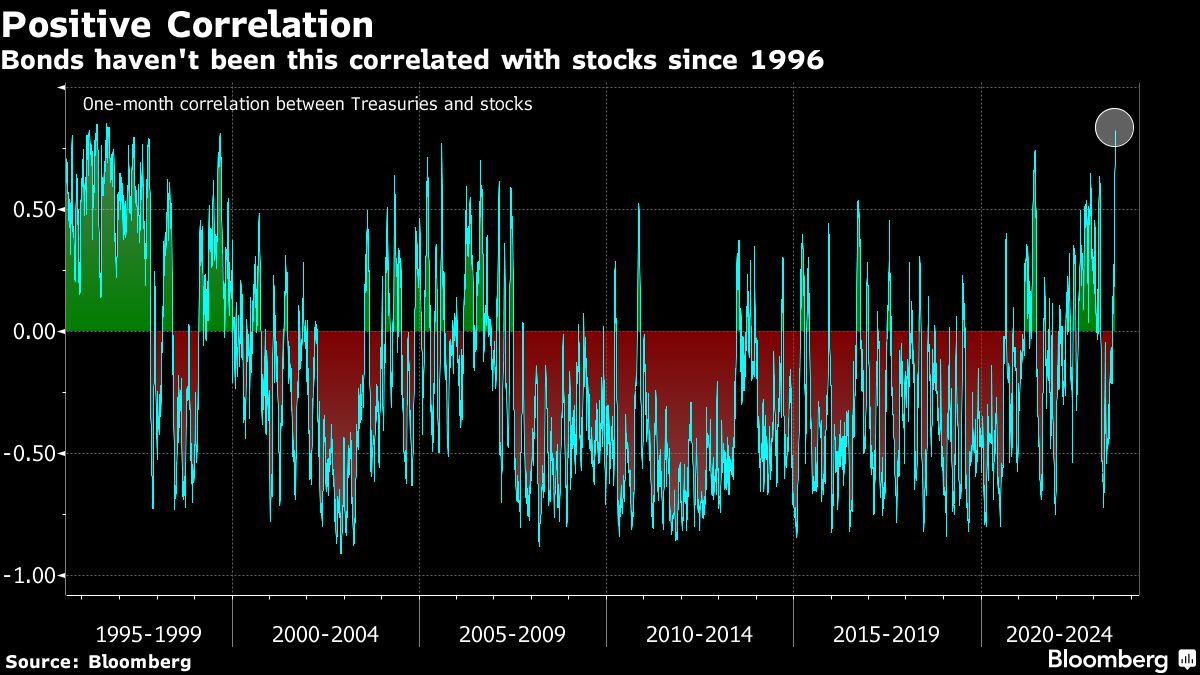
Historically, Treasuries tend to rally when stocks are tumbling, meaning they are negatively correlated. The idea is a cornerstone of the popular 60/40 strategy that uses an allocation to bonds as well as stocks to reduce the volatility of the overall portfolio.
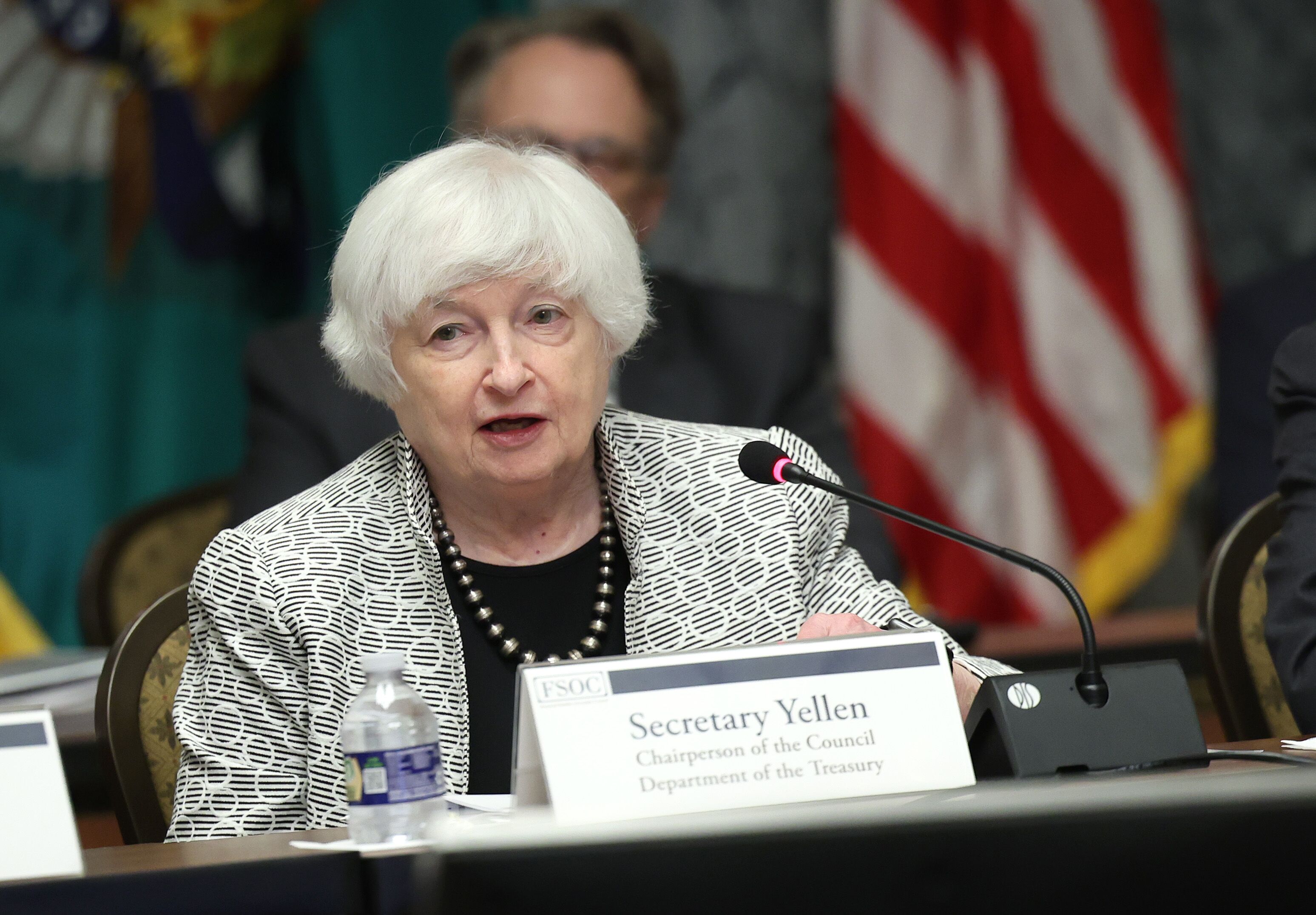
Treasury Secretary Janet Yellen on Wednesday slammed the move by Fitch Ratings to strip the US of its top-tier credit rating, calling it “flawed” and “entirely unwarranted.”