In a world where change is needed for growth and success, paraplanners have become a valuable resource for the financial planning profession.
This article outlines the necessary requirements to establish a Nevada family trust company and examines the core features and benefits it offers clients.
Russia's invasion of Ukraine led western nations to impose the most draconian economic sanctions in the modern era.
When it comes to the Federal Reserve and monetary policy, there are no shortages of talking heads who say the central bank can’t raise interest rates too much or else it would trigger a “debt bomb.”
For some months now I have been banging the drum on how economic growth has been slowing and is set to meaningfully deteriorate come the middle of 2022.
The one future that neither public polling nor commentary is expecting is an American political economy in which the incomes of non-rich Americans will grow rapidly and that growth is paid, in large part, by a tariff on the returns to private capital in the U.S.
New data on consumer preferences and behaviors during COVID shows that the advisory firms face daunting challenges with respect to staffing, differentiation and – if they are private-equity backed – financing and maintaining profitability.
I don’t believe the world has ever witnessed such a highly synchronized effort to ostracize a nation and isolate it from global markets. The steps have so far been deep and profound.
Given the war in the Ukraine, I thought it would be helpful to provide insights for advisors and investors to think about risk and what if any actions should be considered.
Research Affiliates discusses their approach to managing risks and targeting opportunities in uncertain environments.
Just as 9/11 dramatically changed the flow of history, resulting in two wars and hundreds of thousands of deaths and millions of lives ruined, so too will Putin’s invasion of Ukraine. We are seeing only the first effects and getting glimpses of second-order effects. The broad third-order effects will not be visible for a long time, though they’ll be obvious in hindsight.
More securities labeled as environmental, social and governance (ESG) bonds are being issued by a wider variety of companies than ever before.
Eight days before Russia invaded Ukraine, I wrote an article saying there would be no war. I was certain of it. I was wrong. How could I get it so wrong? The more you knew about the situation, the more likely you were to get it wrong.
American households took on over $1 trillion in new debt in 2021 for only the second time in history, pushing consumer debt above $15 trillion for the first time ever.
The war bonds pay 11%, even higher than the ultra-popular U.S. inflation-protected debt that earns 7.12%. But unlike those American savings bonds, Ukraine’s debt comes with significant risk as Russia proceeds with its invasion of the country. Some retail investors are willing to take on that risk — and earn that double-digit payout — but right now that’s easier said than done.
Those intending to shame or attack "the rich" commonly make an absurd comparison when they lump together "millionaires and billionaires."
This paper tracks the evolution of the emerging markets asset class and describes some of the resulting unique characteristics that make a value investing discipline attractive in these markets today.
Central banks have been a powerful tool to steady the global economy in crises past. Their ability — and willingness — to do so now is constrained. The terrain is tougher and the costs of a rescue are higher.
Gauges of money market stress remain elevated after hitting their highest since 2020, though bank strategists don’t see the turbulence escalating into a full-blown crisis.
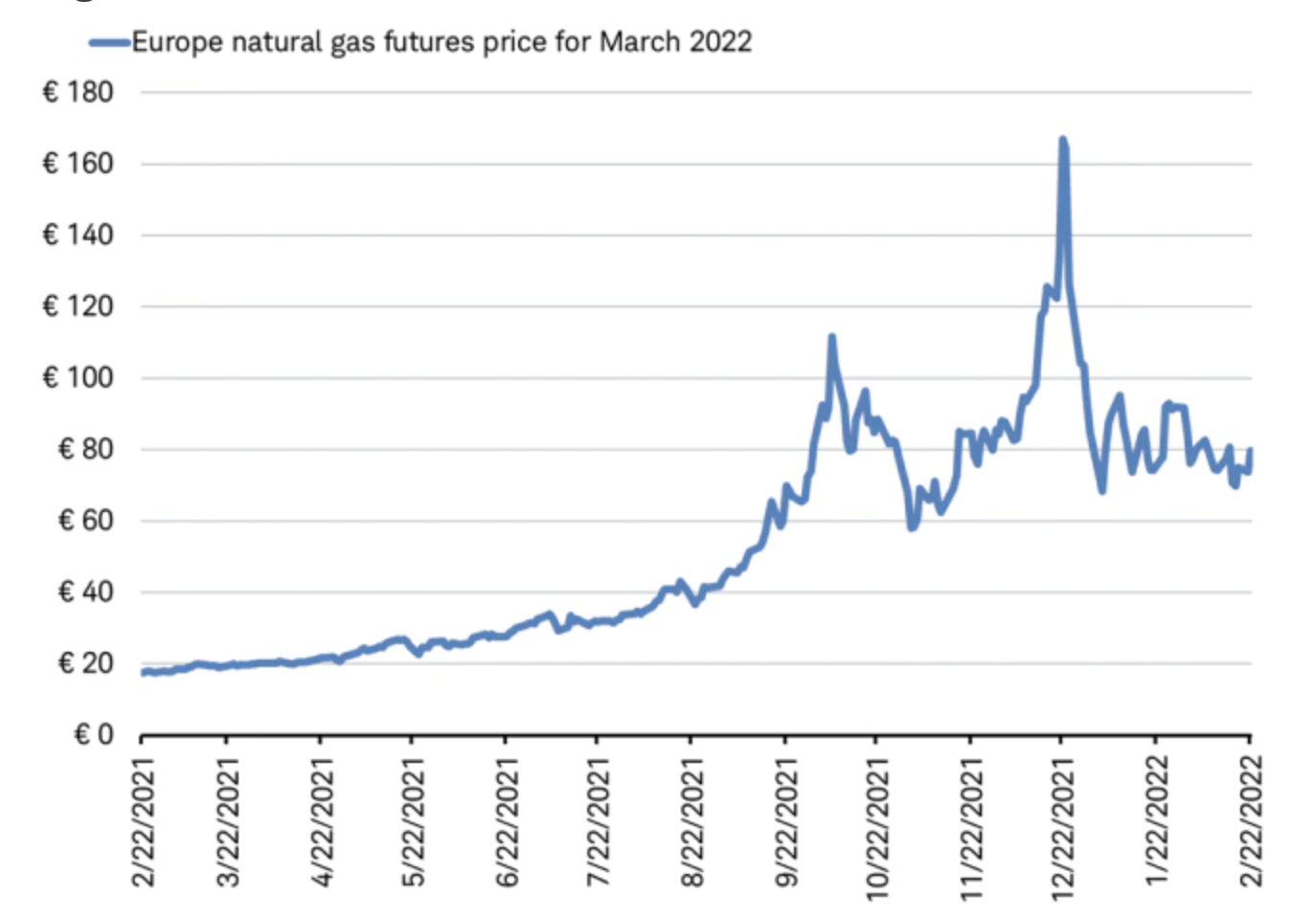
This week's biggest news adds to the complications in energy markets.
Investment professionals liken trading against small, uninformed investors to shooting fish in a barrel. With the GameStop saga in late 2020, however, the fish started shooting back.
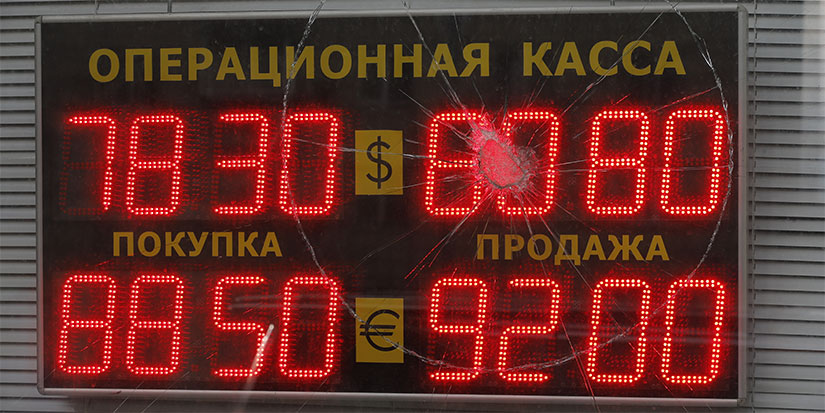
Our withdrawal was well timed, as Russian stocks had their worst one-day selloff on record. The dollar-denominated RTS Index fell around 40% on Thursday.
This week’s news is seemingly all about Ukraine and Russia. It is a terrible situation. But as an economic matter, we still have serious economic challenges no matter how it develops.
Yale Professor Robert Shiller’s Cyclically Adjusted Price-to-Earnings ratio (CAPE) is a respectable predictor of the future real return of the stock market, but it underwhelms when used on its own to set stock exposure. We examine a better way of using CAPE, with much better results.
Gold surged to the highest since 2020 after Russian forces attacked targets across Ukraine, triggering the worst security crisis in Europe since World War II and crushing risk sentiment.
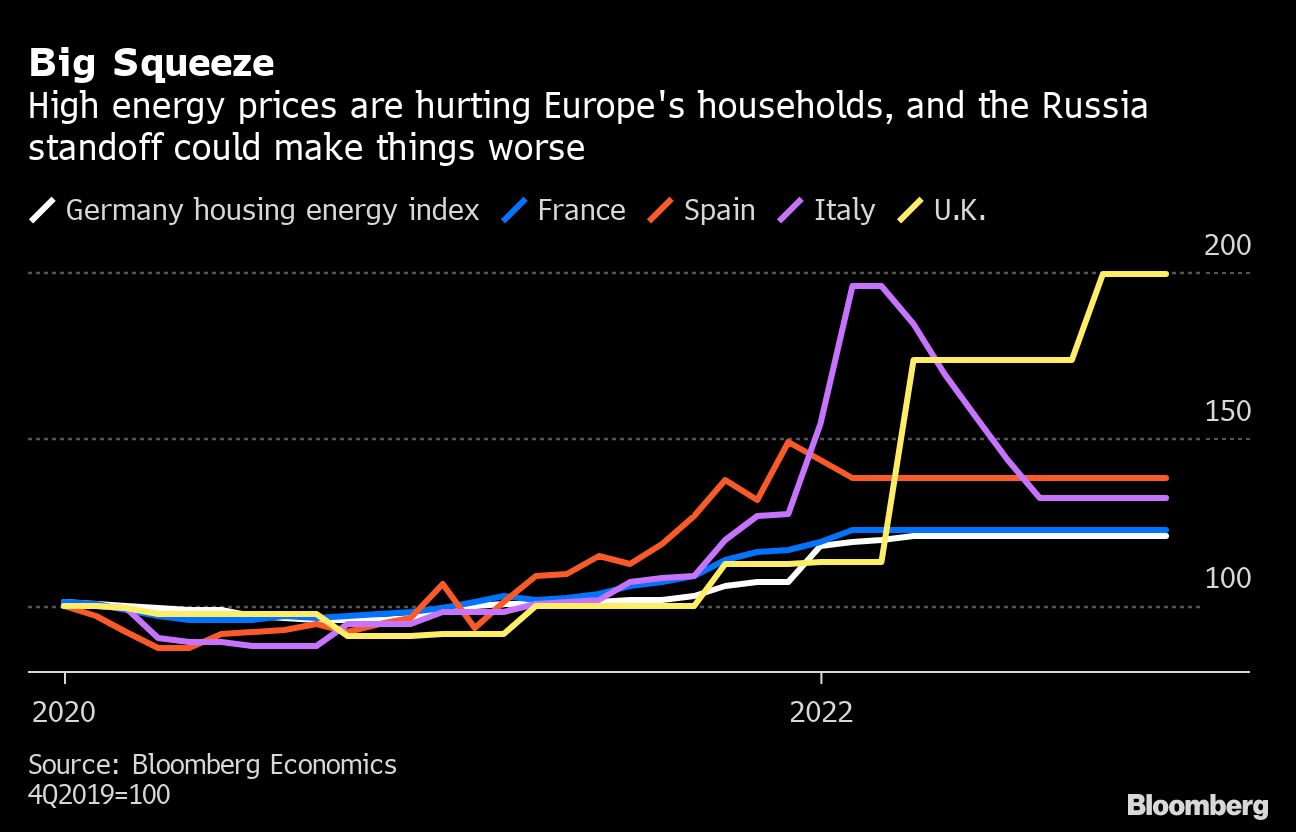
A world economy that’s still recovering from Covid-19 faces new risks from an energy-price spike as the standoff between the West and Russia escalates.
I have been holding off on commenting on the Russia-Ukraine conflict until some sort of resolution occurred.
In an apparent desire to create a weakened border state unable to join NATO, Russia supported separatists in eastern Ukraine by recognizing the independence of two regions: Donetsk and Luhansk. In support, Russia ordered “peacekeeping” troops to the areas, prompting sanctions by world powers.
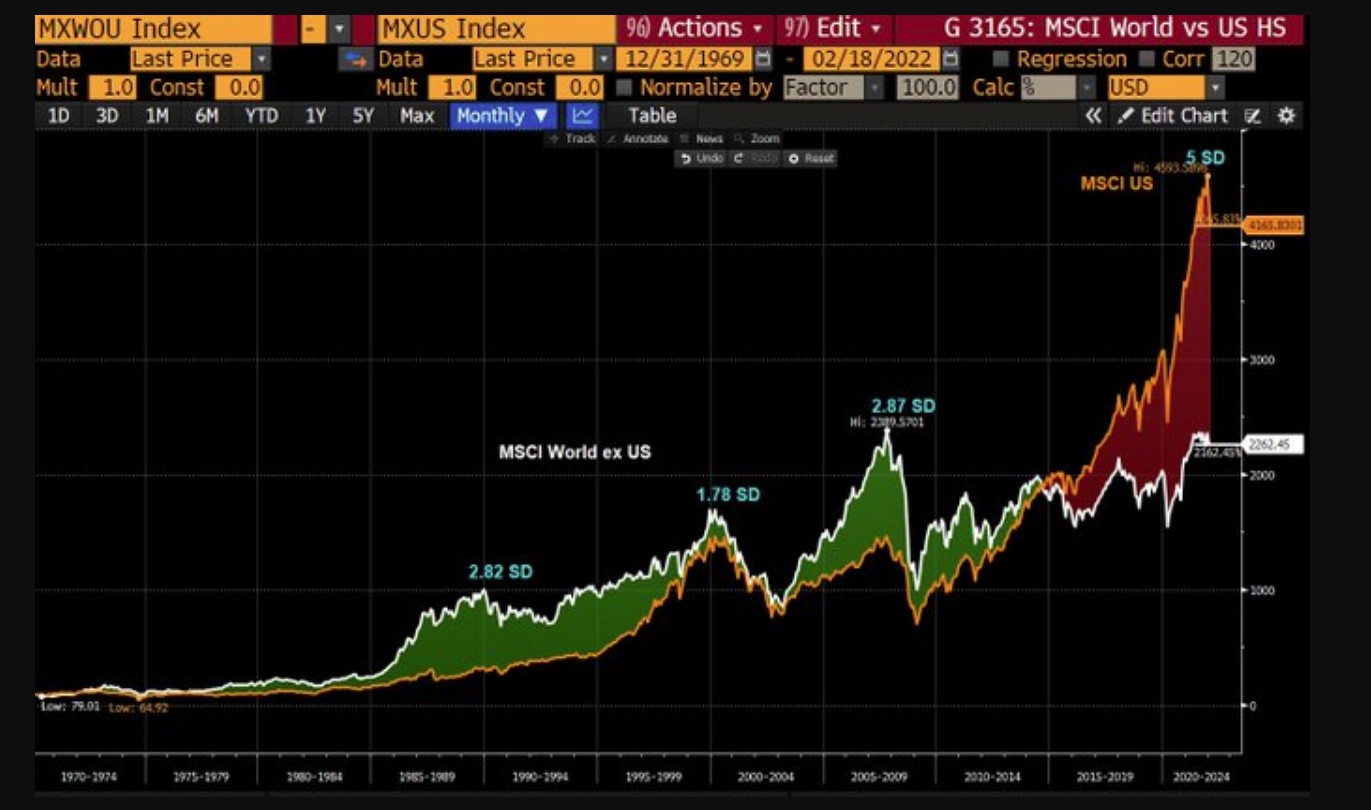
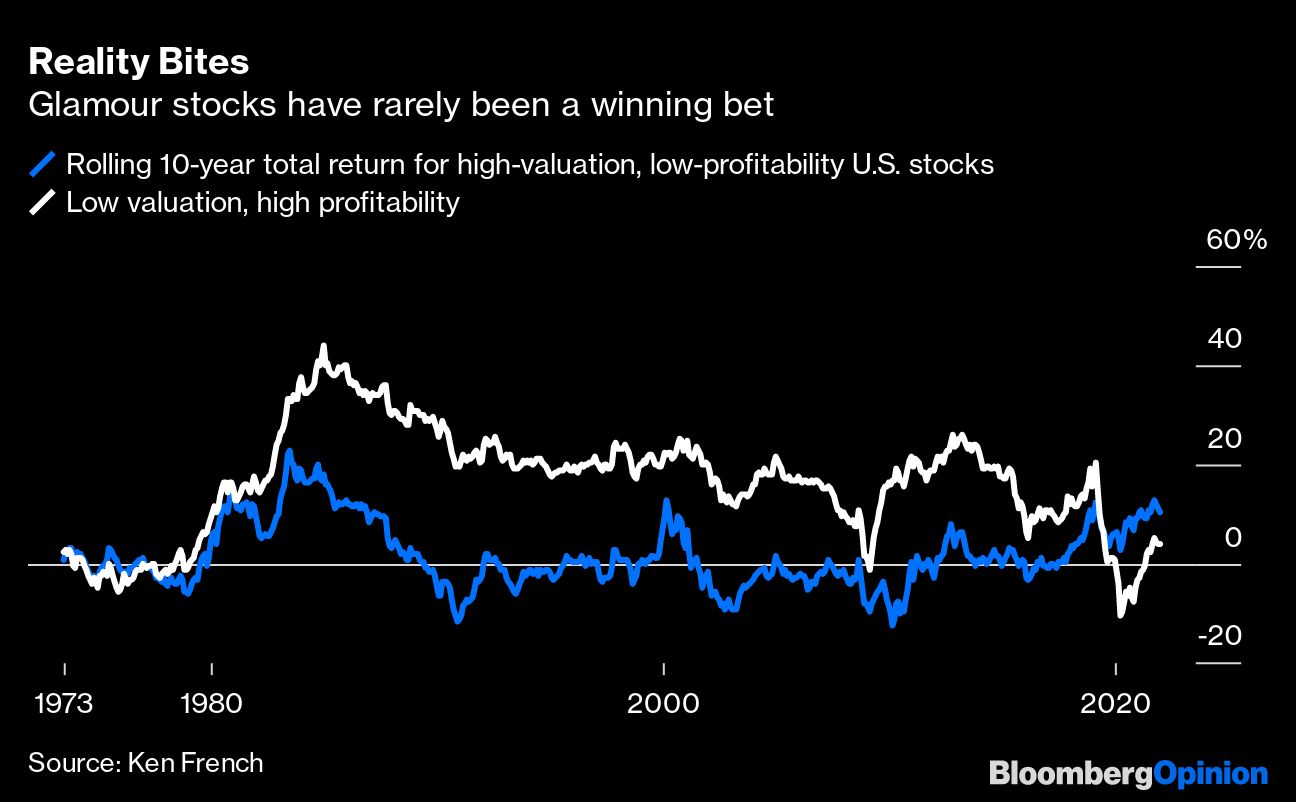
It has been a rough several months for U.S. stocks. While broad market averages are down, they obscure the extent of the wreckage. Not even the technology-heavy Nasdaq Composite Index, which has tumbled more than the better-known S&P 500 Index and Dow Jones Industrial Average, tells the whole story.
Neglecting non-financial assets, such as Social Security and pensions, will misstate the risk in a retired (or near retired) client’s asset allocation strategy.
Unlike fiat currency, Bitcoin is decentralized and cannot be controlled by any central bank or politician, making it a powerful peer-to-peer payment network. Why else are some lawmakers and bureaucrats so eager to regulate or outright ban it?
Economic stagnation arrives as expected as the “Sugar Rush" of liquidity continues to fade from the system.
There have been roughly 100,000 Russian troops on the border of Ukraine for about a year now. This is not a new development. What is Putin's main goal and how is all of this impacting equity markets?
We don’t expect the West to impose widespread sanctions in the event Russia invades Ukraine.
It has been a tumultuous start to the year for crypto markets to say the least.
I’m not averse to having clients tell their friends and family about me; I’m just averse to making it sound like they need to do it because we need them to do it.
ICYMI: In this roundup, we’re highlighting the five most popular pieces of content from the previous week.
Review the latest Weekly Headings by CIO Larry Adam.
Online brokers like Robinhood Markets Inc. and crypto assets might get the headlines, but the Securities and Exchange Commission’s parallel effort to drag private-equity firms and hedge funds out of the shadows will have far more impact on far more lives.
If everything goes according to plan, travel and tourism could contribute $2 trillion to the U.S. economy in 2022, compared to $1.87 trillion in the year before the start of the pandemic.
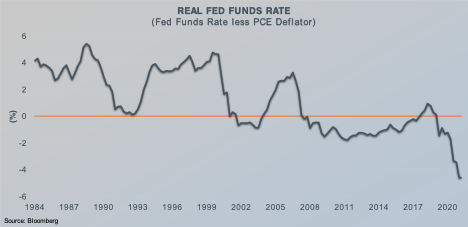
Near-zero, zero, and below-zero interest rates changed the incentive calculations and decisions from what they were a mere 30 years ago. You can’t look at policies or almost anything else prior to the early 2000s as a standard for today. The incentives of low interest rates have literally screwed (that’s a technical economic term) things up.
On this webinar, Origin Investments Co-CEO David Scherer will discuss the ways private real estate benefits an investor’s portfolio and why an increasing number of RIAs are allocating to private real estate. Plus, he’ll provide an overview of the diversified multifamily real estate funds that Origin offers to investors.
Why is it so hard to accept that speculative bubbles can burst?
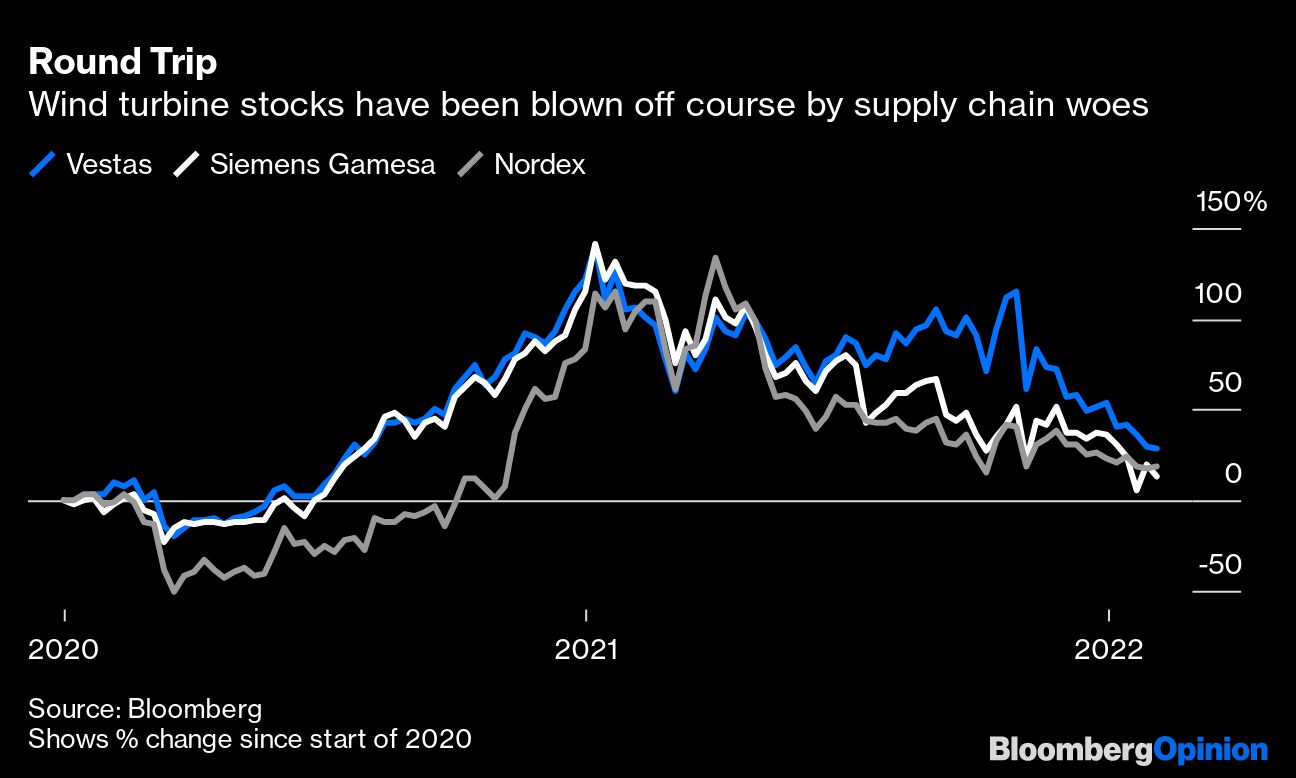
Manufacturers like Vestas Wind Systems A/S have been blown off course by a perfect storm of transport snarl-ups and surging freight and raw material costs. Instead of raking in profits on soaring demand for clean energy, the Danish firm is struggling just to break even.
We were watching CNBC recently and an analyst mentioned what practically nobody besides us has said.
I have charged Ken Fisher with crimes against annuities. I will begin this proceeding by expressing my gratitude for his anti-annuity advertising campaign including its famous tagline, “I hate annuities and you should too!”
Disinflation, and ultimately deflation, is a more significant threat than inflation over the next two years.
Custom-designed, printed marketing materials help customers know, like, and trust you by making your brand more recognizable and memorable, and deepen relationships with existing clients. Here’s how.
The short answer is “yes.”
The macroeconomic picture still doesn't support the case for monetary tightening in the eurozone.