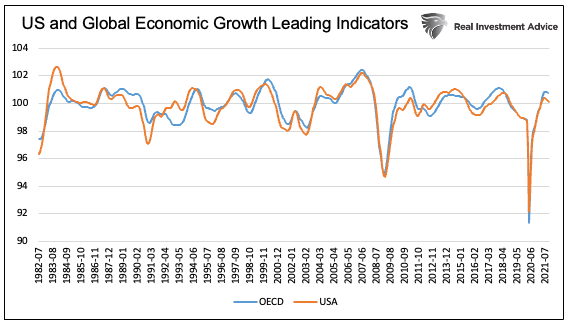
The global macro environment is ripe for EM assets outperformance as a combination of stronger growth in China, the end of exceptionalism in the US and less uncertainty on US interest rates, lead to a strong backdrop for EM assets.
A 2020 study concluded that 65% of emails are ignored – and I wouldn’t doubt it’s far from the truth (Ozdoruk, 2020). Try these five techniques if you’re getting crickets after you push “send.”
Uncertainty has become an ongoing theme in markets, economies, and communities everywhere, and in this environment, PIMCO investment professionals gathered – virtually, once again – for our recent Cyclical Forum.
“Jobs day” last Friday was a bit of a dud.
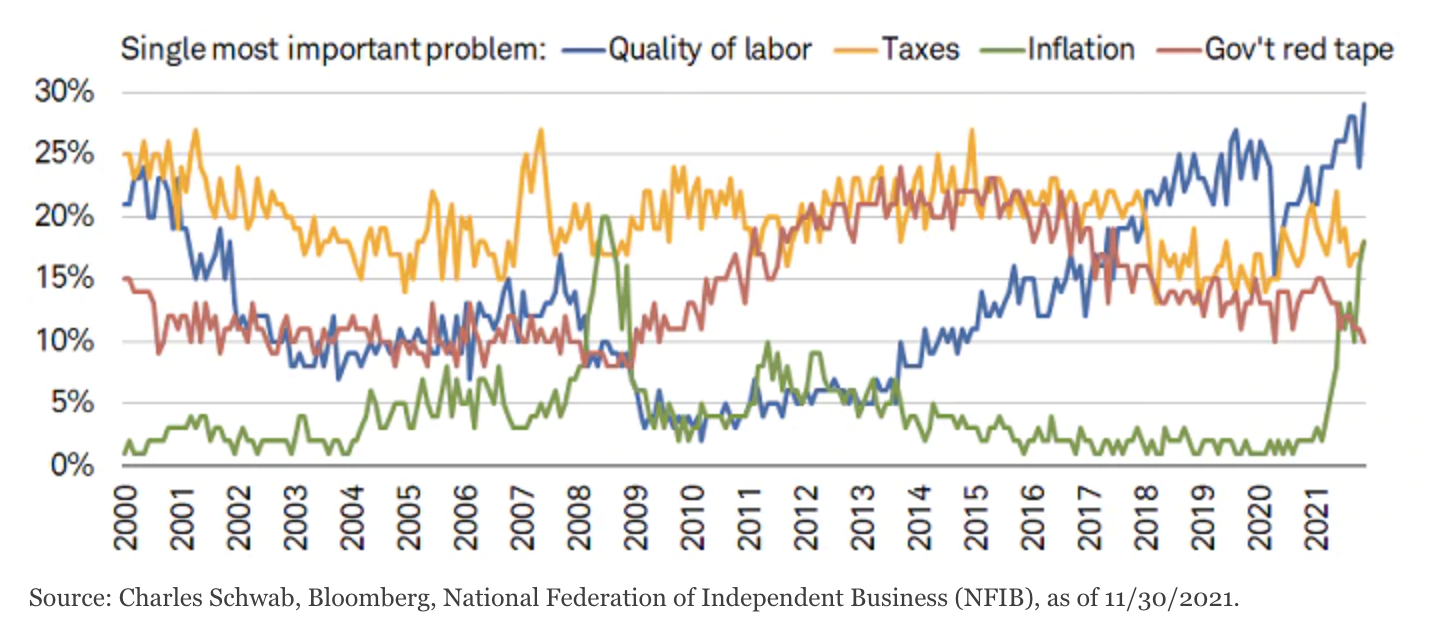
Long before supply chain issues and soaring consumer prices made the headlines, I warned readers that massive monetary expansion made persistent inflation inevitable.
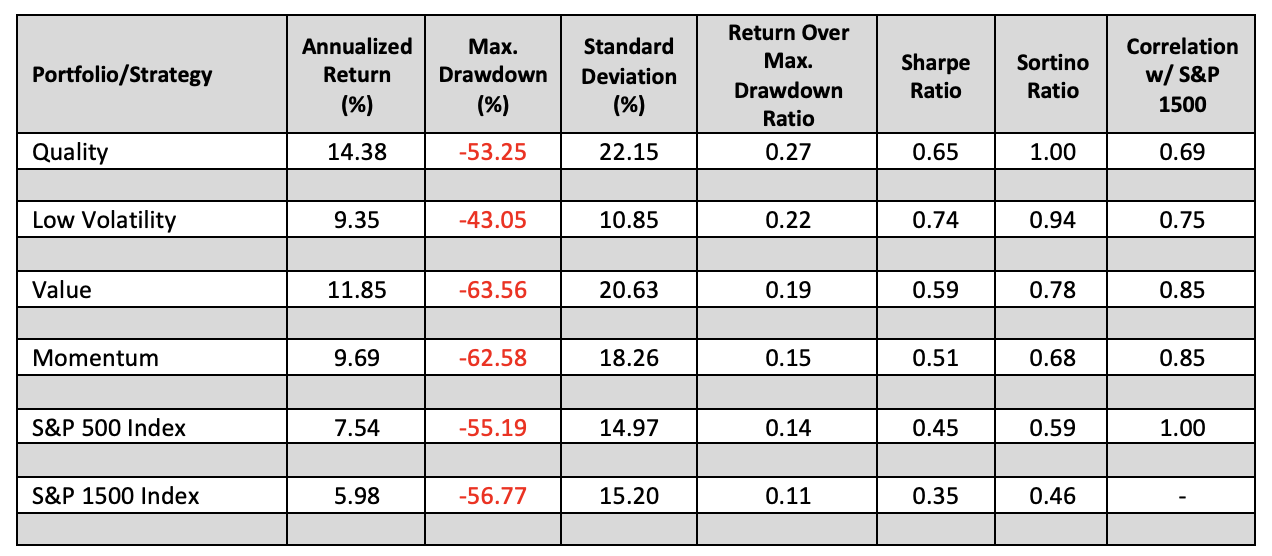
New research shows that some funds that use a factor-based construction process may have over- or under-exposure to industries, sectors, countries and other attributes relative to a market-cap-weighted index.
“Investors should be prepared for the ground to shift repeatedly in 2022,” says Raymond James Chief Economist Dr. Scott Brown.
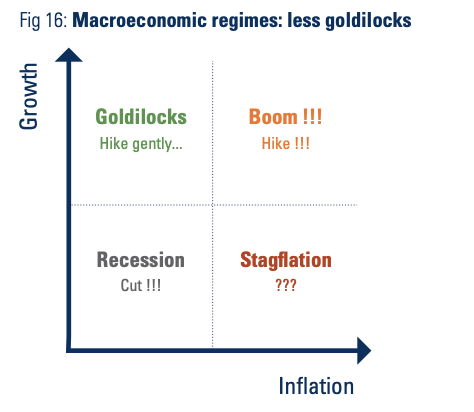
With both the pandemic and inflation proving longer lasting than many had anticipated, what does that mean for central bank policy in the months ahead?
Every year has plenty of lessons when looking backward in December.
As soon as an asset owner allocates capital to more than one manager, an interaction effect exists which will have an impact on the investor’s overall portfolio outcome.
In this issue of Sinology, Andy Rothman explains why China’s 2022 investment environment will be defined by two competing weather patterns.
We spent a small fortune in 2020 and 2021 on training for our advisors. We need them to get better at business building and finding new sales opportunities.
One of the fundamentals of basketball is that a player who has picked up his dribble can evade trouble by pivoting away from a defender.
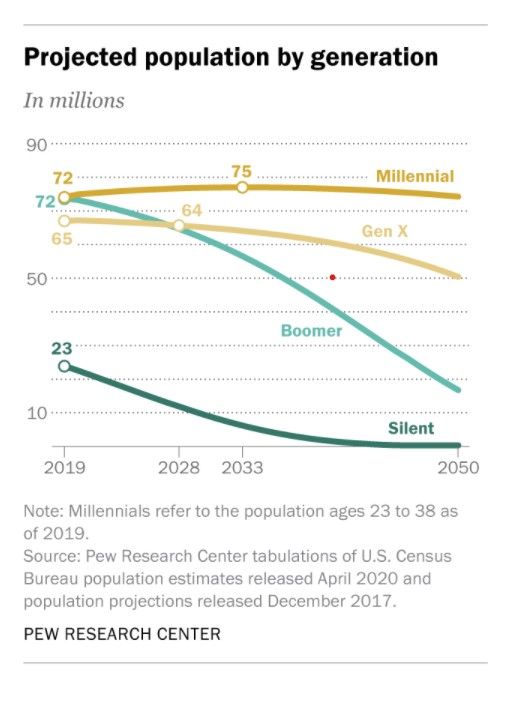
Millennials are growing up. After spending years splashing out on everything from skydiving excursions to Instagrammable vacations in Peru, 30-somethings with decent-paying jobs are making lasting purchases, buying cars, houses and everything inside them.
A new study, which I co-authored, proves that a withdrawal strategy utilizing a reverse mortgage reduces market risk and increases portfolio growth.
Here is how I nudge clients (sometimes not so gently) to where they should be on their portfolio.
New research confirms that investing with an environmental, social and governance (ESG) mandate does not lead to higher risk-adjusted returns. But investors will reduce exposure to climate-related risks and get the “psychic” benefit of making a positive impact for society.
The 2021 Mercedes-Benz S-Class comes with enough infotainment to entertain the most tech-obsessed passengers.
The reason that few predicted Soviet collapse was that the Soviet Union outwardly appeared to be a mighty military power with an extensive security apparatus. Few observers understood just how little legitimacy the system possessed; that it was eaten away on the inside by the rot of corruption, by the loss of faith in ideology, by the dismal standards of living, and, lastly, by elite in-fighting.
In general, the more optimistic we are on the prospects of an investment, the more of it we’ll want to own. However, at extreme levels of bullishness, the normal relationship can be turned on its head and it can make sense to own less of an asset the more we like it.
Despite the strong year for stocks in 2021, markets have confidently priced in some negative trends gathering more momentum in 2022 which may help markets, should trends reverse.
As the Federal Reserve debates its monetary tightening timeline, the labor market is an important factor to watch in the year ahead, according to our Franklin Templeton Investment Solutions team. Read their thoughts on the labor market’s implications for both monetary policy and risk assets.
We need to do year-end planning but in past years it hasn’t gone well.
CIO Robert Horrocks, PhD, sees fascinating and surprising investment opportunities arising in the emerging markets and China next year. Fed actions to manage inflation and the ongoing challenges of the pandemic will be important factors but the performance of markets may ultimately depend on the success of well-managed companies in key sectors.
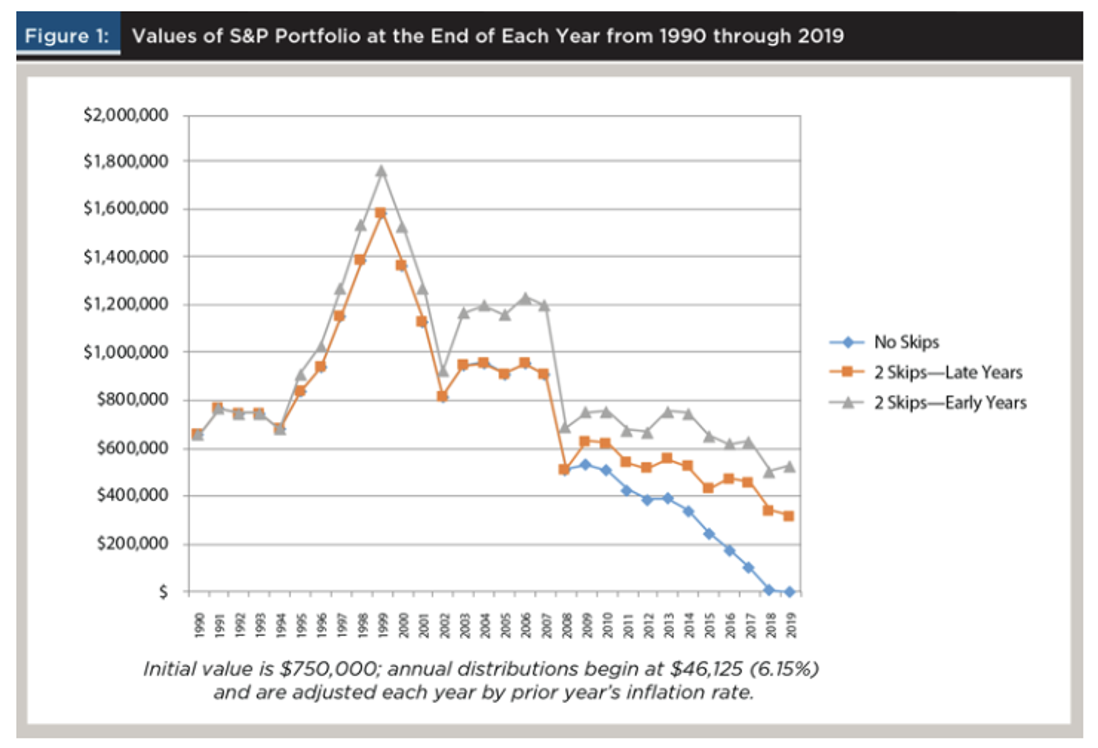
Media attention has focused on the long-standing “4% rule” and how economic and demographic realities have reduced that guideline. This article discusses related considerations and provides opportunities for retirees dealing with the new normal.
To obtain the best long-term risk-adjusted performance, investors should combine multiple trend-following factor strategies into a single portfolio.
New research shows that companies that engender high employee satisfaction are rewarded with higher stock prices and investor returns.
It has been my tradition to informally rate the investment-related books I read in the past year. I have also included some novels and books of general interest. Here is my list of winners and losers.
The dollar is on the rise, and with it comes underappreciated consequences.
Some of the market’s recent pressures are showing signs of easing.
PIMCO’s Global Advisory Board discusses the longer-term outlook for macro trends and major economies.
The world’s central bankers have had to manage competing priorities during the COVID-19 era. Now that COVID-related threats to global economic growth look to be receding, the risks from higher inflation are becoming more prominent in their thinking.
A renominated Powell is a different Powell. The Federal Reserve didn't raise interest rates today, a policy move we think is overdue, but it made major changes that set the stage for multiple rate hikes in 2022 and beyond.
2021 has been a year of notable economic growth after unexpected change caused by the COVID-19 pandemic. In our Economic and Market Outlook for 2022, we lay out some of the “known unknowns” we believe could significantly affect the investing landscape...
As we closed out 2021, the world looked both different from a year ago and very much the same. Another wave of the virus was underway, with a new variant that may be even worse than the one before.
Given your background and training, you may believe data is superior to instinct when you’re confronted with challenging decisions.Recent studies question this assumption.
Celebrated venture capitalist John Doerr’s new book, “Speed and Scale,” offers a solution to the threats posed by climate change. But it is so mired in the swamp of the terms of the discussion that its proposed solutions will go unnoticed and have little impact.
Investor sentiment is one key to shorter-term market swings; with euphoria preceding September’s and late-November’s pullbacks; but better conditions in place … for now.
Whether investors are ready or not, global monetary tightening cycles are fast approaching.
In his congressional testimony of November 30, Fed Chair Powell seemed to shift from cautious to hawkish. However, the evolution of the inflationary outlook had been underway for a while. The spike in inflation in the spring was narrow, the gain concentrated in a few categories.
For India and China, 2021 is a tale of two equity markets. But when it comes to energy—particularly coal-generated electricity—the two countries are remarkably similar. Liqian Ren discusses the potential impact of this reliance on India and China’s economic growth.
Ever since the Federal Reserve started hinting it was planning to end its ultra-loose monetary policy, bond yields have been falling. That it happened in a booming economy with the highest inflation readings in nearly 40 years has taken a lot of investors and analysts by surprise.
Historically, fourth quarter tax loss selling of closed-end funds (“CEFs”) has been prevalent in the market. CEFs may be more susceptible to tax loss selling given they trade on a stock exchange and market prices (investor return) can deviate from underlying net asset values (“NAVs”) (fund return).
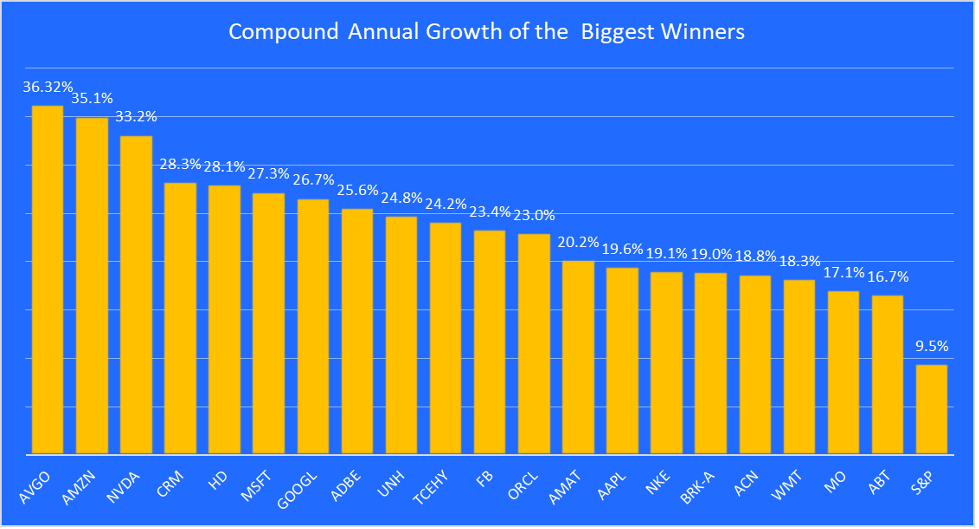
Picking the few "monster" stocks among the many thousands of underachieving ones is extremely difficult. But for those who guessed right and had the discipline to stick with those winners through bull and bear markets, the rewards have been truly remarkable. Here are the 20 best-performing stocks of the past 30 years.
Overall common stock index performance can be a very confusing thing to most investors. From a cyclical standpoint, the history of stock price performance in the U.S. is closely associated with the Federal Reserve Board. When the Federal Reserve Board reverses an accommodative interest rate policy, it is affectionately referred to as “pulling the punch bowl.”
How can advisors help clients who lack sufficient savings for retirement – those who accept the need to take on risk to achieve capital growth, but insist on a minimum income to fund essential expenses?
While I’m a huge proponent of passive and factor investing, the argument that direct indexing is akin to active management is imprecise.
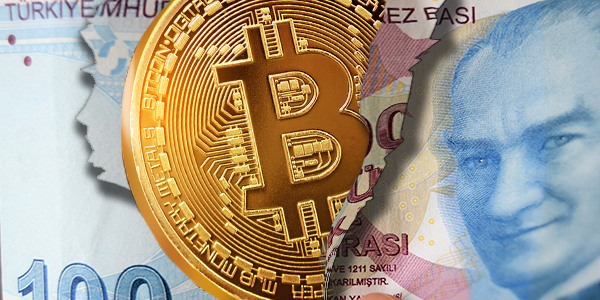
Like many others, I believe Bitcoin could fix Turkey’s lira problem. And to understand why, it might be helpful to dust off a book written 45 years ago by Austrian economist Friedrich Hayek.
This article contrasts the valuations and environments now and in 2000 to ask if it's time to leave the party or stay and rock on. I provide a statistical analysis showing the downside risk facing the S&P 500.
Bear with us as (no pun intended) you read this longer-than-usual outlook!