Tidal’s Mike Venuto discusses the latest in ETF innovation, from 351 conversions and the ETF share class structure to options-based strategies and leveraged products. VettaFi’s Kirsten Chang offers a tour around the world of fixed income ETFs, highlighting recent flows, new launches, and under-the-radar success stories.
Alphabet Inc.’s investors are looking to this week’s developer conference to see if the company can reset the narrative amid fears that its long-standing market dominance is on shaky ground.
The 60/40 approach has not been what it was just a few years ago. Fortunately, there are alternatives.
Moody’s Friday downgrade of the U.S. credit rating may not seem particularly earthshaking, given that Fitch and Standard & Poor’s had gotten there quite a while ago.
President Donald Trump’s first overseas trip since returning to the White House is turning heads across the aerospace & defense and semiconductor industries.
Imagine an institutional investor that allocates a big chunk of its portfolio to illiquid private assets but then needs to sell some of those investments to raise cash. Or a fund company that makes a fortune on actively managed mutual funds for decades, but its investors move their money to low-cost index trackers.
Macroeconomic and structural trends are finally moving in favor of emerging local currency bonds, after recent setbacks.
Recent revisions to the IMF’s World Economic Outlook reflect a sobering message: the world economy is entering a more volatile and fragmented era.
On this episode of the “ETF of the Week” podcast, VettaFi’s Head of Research, Todd Rosenbluth, discussed the Thornburg International Equity ETF (TXUE) with Chuck Jaffe of Money Life. The pair discussed several topics related to the fund to give investors a deeper understanding of the ETF overall.
The shareholder meeting began to be streamed about ten years ago, but that has had no impact on attendance. This is one reason why I think Buffett is at peace with the idea of no longer presiding at the meeting – people will still come to Omaha the weekend before Mother’s Day.
Given the recent market volatility and the possibility of an adverse wealth effect, it's worth quantifying the relationship between stock returns and economic activity.
Don’t allow your middle-aged clients depending on their 401(k) plan to fool themselves. Markets can’t rescue a failure to save until it hurts. And don’t let them kid themselves that a smoother ride with bonds won’t come at the cost of increased shortfall risk.
Fisher Investments recently wrote an interesting article asking whether corporate stock buybacks affect markets.
US stocks delivered their second-best weekly gain of the year on Friday, as Big Tech fueled a rally that brought the S&P 500 Index closer to an all-time high set nearly three months ago.
Long-dated Treasuries fell on Monday as investor attention turned to the US’ ballooning debt after Moody’s Ratings stripped the nation of its last top credit rating.
Wall Street’s emerging-market faithful are finally seeing better returns after missing out for years as US stocks soared.
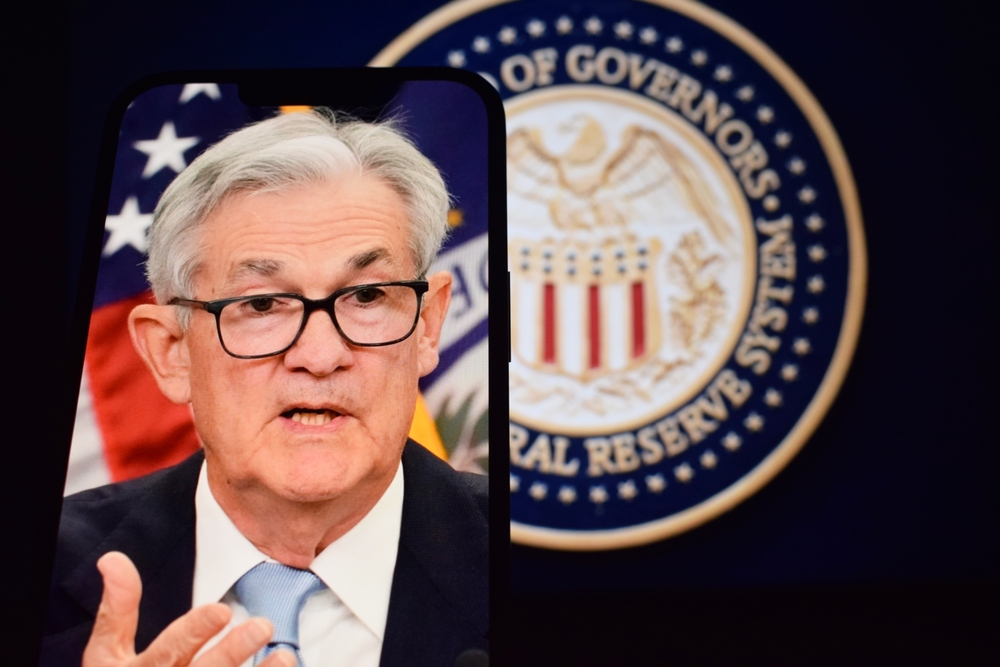
In a speech Thursday, Federal Reserve Chair Jerome Powell hinted that the central bank’s five-year framework review will focus on the particulars of its maximum employment and stable price goals, as well as efforts to communicate clearly with the public.
If only Europe could offer property investors the kind of buffet the US provides. For now, its listed real estate sector is fragmented and dysfunctional, the raison d’etre seemingly to create cheap takeover targets for buyout firms.
The 90-day reduction on tariffs between the US and China is a positive development, but some questions remain.
So far in 2025, markets have had plenty to absorb: the Trump administration’s tariffs, Germany’s latest investment commitments, the implications of the DeepSeek moment, and escalating military conflicts (now including one on the India-Pakistan border).
After a brief reprieve from all the recession talk while the Fed was raising rates to decades-old high watermarks, the ‘R’ word has come back into vogue once again post-Liberation day.
Keeping your financial plan aligned with your goals, risk tolerance and time horizon.
When volatility ripped through markets last month, many investors scrambled to respond. Some wanted to quickly adjust specific security exposures. Others wanted to flee to cash or build in protection against additional downside moves. And some rushed to buy the dip.
Are you trying to grow a stable team of advisors and retain top talent? Young advisors are looking for RIA firms that offer remote work flexibility, a clear path toward advancement and role transparency.
Commonwealth Financial Network®, a national RIA dedicated to providing financial advisors with holistic, integrated business solutions, has initiated a new partnership with Messina College, a two-year, all-residential degree program of Boston College that welcomed its first-ever class of students to the school’s Brookline Campus last summer.
Companies are launching a number of debt deals designed to pay out a dividend to their private equity owners, at a time when buyout firms are under pressure to return money to clients.
The roller coaster continues! A stronger than expected first quarter earnings season and encouraging signs on the trade front—highlighted by the US-UK trade deal—helped lift the S&P 500 from its April 8 near-bear market lows, reversing nearly all post-Liberation Day (April 2) losses.
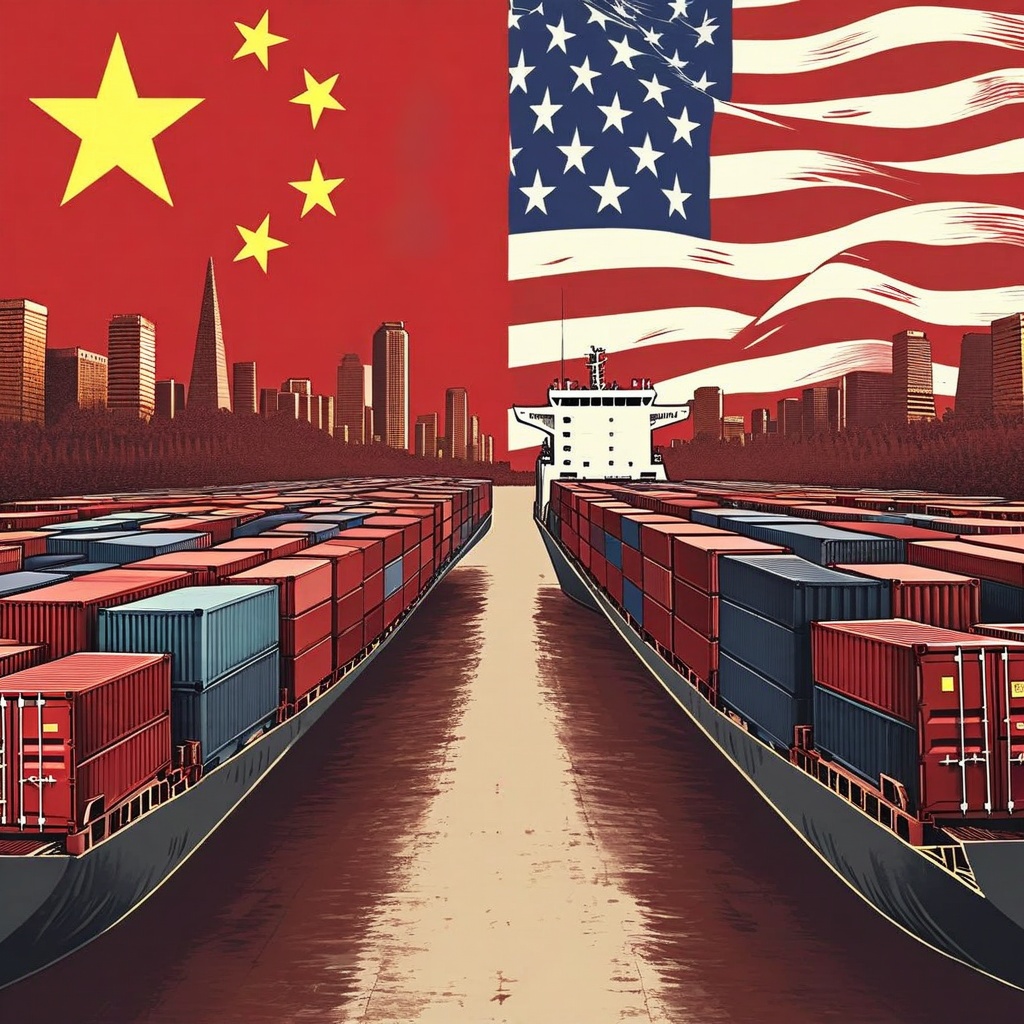
China and the U.S. conducted their first formal trade talks of 2025 over the weekend. And on Monday, May 12, they announced the outcome of their negotiations.
For my entire decades-long career in capital markets, I’ve made the case that gold is not just a shiny relic of the past, but a serious, strategic asset for modern investors. After years of pounding the table, it feels pretty good to say that the world’s central banks—and now the U.S. banking system—are finally catching up.
On this episode of the “ETF of the Week” podcast, VettaFi’s Head of Research, Todd Rosenbluth, discussed the Unlimited HFGM Global Macro ETF (HFGM) with Chuck Jaffe of Money Life. The pair discussed several topics related to the fund to give investors a deeper understanding of the ETF overall.
As April’s volatility storm fades into memory, traders are left balancing calmer markets and the ever-present risk of a fresh round of headline shocks.
A KKR & Co. debt sale shows how far Wall Street is willing to go to keep leveraged underwriting business from slipping away to private credit after periods of turmoil.
I’ve been writing about tariffs for a couple of months now, focusing mostly on the macroeconomic harm and the costs they impose on small businesses. Today I want to consider something else: the new risks they are adding to the financial system alongside the old risks.
While coming in much stronger than expected, the latest employment data confirmed what we already suspected: the economy is slowing.
As the effects of US import tariffs begin to emerge, we shift our stance on equities to underweight.
US equity investors will be watching closely as trade talks kick off between the Trump administration and China, with trillions of dollars hanging in the balance for American companies.
Currently, the Three Tactical Rules are a “flashing yellow light” - a roughly neutral rating which represents a slight downgrade.
After entering the year with a cautious outlook, managers have become more defensively postured as the U.S. tariff policy has increased uncertainty.
Market headlines may change daily, but the role of a financial advisor remains remarkably consistent: to be the calm in the storm, the strategist with a plan and—most importantly—the voice of reason when clients need it most.
When I was much younger, I worked as a bond salesman for a small regional bank in the southwest. I sold some short-term T-bills to yield 17% and some ten-year T-bonds to yield 14%. Paul Volcker, the Fed chairman at the time, had reduced inflation dramatically but the bond market had not yet accepted that new reality and kept interest rates very high for a while after Volker achieved his lower level of inflation.
Private equity transaction volumes remain limited despite predictions for a boom in 2025. With interest rates remaining elevated and the economic backdrop increasingly uncertain, executing acquisitions and IPOs is proving a challenge, leading financial sponsors to hold portfolio companies for longer.
In my team, we implement a concept called ARTICA, which I created a number of years ago . ARTICA is a step-by-step process to help you deal with the difficult conversations that might otherwise feel daunting,
Over the past two weeks, the market has had a furious nine-day rally, the longest winning streak in 21 years.
In recent times, central bank independence has been taken as gospel. Political pressure for easy money contributed to extremes of inflation in the 1970s.
Results from some of the Magnificent 7 names last week reignited the AI trade. Both Meta and Microsoft reported after-the-bell on Wednesday, blowing past analyst estimates
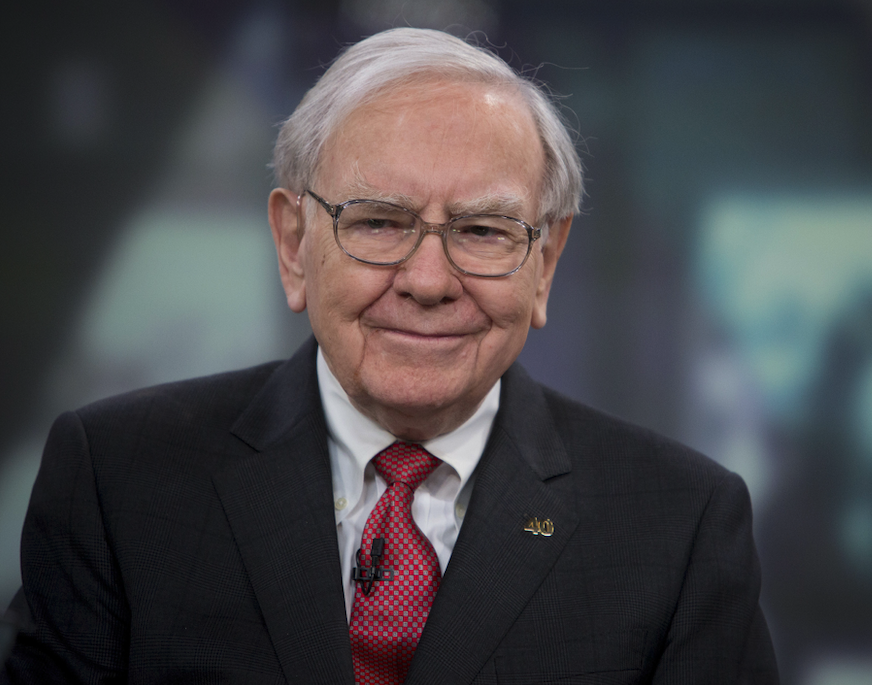
Now that Warren Buffett, the philosopher king of modern investing, has announced that he will step down as Berkshire Hathaway Inc.’s chief executive officer at the end of the year, it’s a good time to marvel again at his career.
If you’ve been inside a Walmart, Target or Home Depot in the past week, you may not realize that a trade war is underway between the U.S. and China, the world’s two largest economies. Store shelves are well stocked, and prices have largely held steady.
Ahead of this quarter’s crop of tech earnings, I predicted companies would be reluctant to offer much in the way of forward guidance given the almost Covid-like upheaval of the global economy thanks to President Donald Trump’s tariffs. I was half right: There was some guidance — though it arrived with a large asterisk.
In investing, success is often judged by numbers—returns on investment, percentage gains, and the ability to outperform benchmarks like the S&P 500. However, some investors frequently pursue a peculiar set of “awards” without realizing the pitfalls they embody.
Inflation is caused by the growth of the money supply, and gold is a strong hedge because it rises alongside it.