Global business activity is showing signs of stabilization, but beneath the surface, the world economy remains divided. Growth momentum has improved in several major developed economies, led by a stronger U.S. expansion and a tentative recovery in parts of Europe.
Would you consider investing in a bond that earns more than 3% after accounting for inflation? What if that security has zero chance of default? Such an opportunity exists today in U.S. Treasury Inflation-Protected Securities (TIPS).
Gold’s outlook has brightened considerably following its first-half correction. Spot prices have rebounded to flirt with $4,400 per ounce, supported by renewed central-bank buying, softer economic data, and diminished expectations for further Fed tightening.
Discounted municipal bonds could expose you to unexpected taxes. Here's what to know before you buy.
As growth accelerates, the first question a leadership team has to answer is not how big the firm can get. It is where the frontier sits, the exact point at which scale stops generating lift and starts generating drag.
Small-cap equities are winning out against their large-cap counterparts in a classic David versus Goliath ETF battle. After years of mega-cap technology dominance, small-cap equities have delivered investors a historic first half of 2026.
There is no one-size-fits-all approach to choosing between individual bonds and bond funds. The choice depends on an investor’s goals, time horizon, risk tolerance, need for predictable income, and available assets.
For savers, it drives them to seek bigger and bigger returns to keep up with the government’s monetary devaluation. At first, a simple savings account with a relatively low yield will do the trick. But as the dollar loses purchasing power, you need a better return to keep up. So, maybe you stick your money in a higher-interest-yielding CD.
Today’s market does not represent today’s economy. The ratio of market value dependent on future economic activity versus present activity has never been higher. These companies have earnings now, but those earnings stem from investments in the future, not present consumption.
Recent trends are sending confusing signals about the health of the U.S. labor market. Since late 2025, the employment/population ratio has moved lower even as the unemployment rate has declined.
A robust industrial rebound is underpinning the economy, and it has powered through an energy shock from the US-Iran war; elevated inflation that’s kept interest rates high and homebuilding low; and a bout of new, perhaps more permanent tariffs.
There’s been no summer vacation for the bond market this year. It seems there’s a new headline every day that needs to be processed and responded to. In terms of Treasuries (UST), yields at the back-end of the curve have risen in notable fashion and have resulted in rates being at levels not seen in almost twenty years in some cases.
Demand continues to outpace record supply. Municipal bonds remain an attractive income opportunity in a market where the Federal Reserve (Fed) is likely to remain on hold and carry is driving returns. Despite record issuance of roughly $50 billion per month, demand has remained strong.
Tech and AI are driving a greater share of global equity market returns and earnings growth, raising concentration risks and the need for broader diversification.
The S&P 500 has closed at a new record high some 25 times this year, the most recent taking place just last week. The benchmark, which is now up about 13% — as measured by the performance of the State Street SPDR S&P 500 ETF (SPYM) in 2026 — has been boosted by momentum, solid earnings and ongoing economic growth.
The mantra carrying the markets higher for years has been to leave it to mega-cap tech titans and AI leaders to drive the bulk of market gains, leaving cap-weighted indexes historically top-heavy. But a new narrative has begun to take over.
Fifty-eight billion dollars. That’s what the Department of War just awarded Lockheed Martin for PAC-3 interceptors, the missiles that have been knocking Iranian ballistic missiles out of the sky for the past five months. It’s one of the largest munitions awards in U.S. history.
With earnings season entering its final peak week, investors will be focused on results from restaurant names such as CAVA Group (CAVA), Jack in the Box (JACK), Red Robin Group (RRGB) and Brinker International (EAT).
US natural gas futures rose by the most in more than two months as an unusually large swing in weather forecasts triggered a wave of short-covering among money managers who were the most bearish on gas since 2020.
“Sound money,” in its purest form, is money whose supply a government cannot expand at will. Under a gold standard, every dollar is a claim on a fixed weight of gold. You can’t print gold. So the government can’t monetize its deficits, and the money supply grows only as fast as miners pull metal out of the ground, historically around 1.5% a year.
The AI capital expenditure cycle remains solidly on track to eclipse the telecom boom of the late 1990s and become the largest investment cycle since the railway buildout of the 19th century in inflation-adjusted terms. T
While long-term interest rates have been trending higher driven by a combination of persistent inflation, Fed uncertainty and geopolitical conflict, earnings growth this year has been very strong. If the trend continues, earnings could continue to help equity markets outpace rising interest rate and inflation risks.
Two things are worth considering that will dramatically impact the stats moving forward, and neither of them existed as a factor a generation ago. Alternatives to a four-year degree are getting more government support too. Workforce Pell Grants, once reserved for traditional colleges, now extend to short-term job-training programs.
After spending much of the year in the stock market doghouse over fears about their profligate spending on artificial intelligence, the world’s biggest technology companies are suddenly leading the way once again.
Investors remain cautious despite bullish positioning, as rotations curb speculation while record margin debt and high equity allocations raise longer-term risks.
Investors are warming to systematic processes in bond markets. In this new approach, a dynamic multifactor process drives the investment decisions, using predictive factors with demonstrable links to outperformance.
High-net-worth investors and institutional managers continue to allocate heavily to muni bond ETFs to lock in attractive yields.
July 2026 was a flattish month for markets. The S&P 500 index was down slightly. Value did well, while momentum did poorly. Smallcaps, midcaps, and emerging markets, all of which have been the year’s best performers, had a bad month. Commodities, driven largely by oil prices, led the pack, as the fragile ceasefire in Iran failed to hold.
LPL Research highlights strong corporate earnings, AI-driven growth, and a favorable equity outlook while monitoring inflation, oil prices, and risks.
State Street's July Flash Flows report highlights record ETF inflows, and a major rotation into value and dividend strategies.
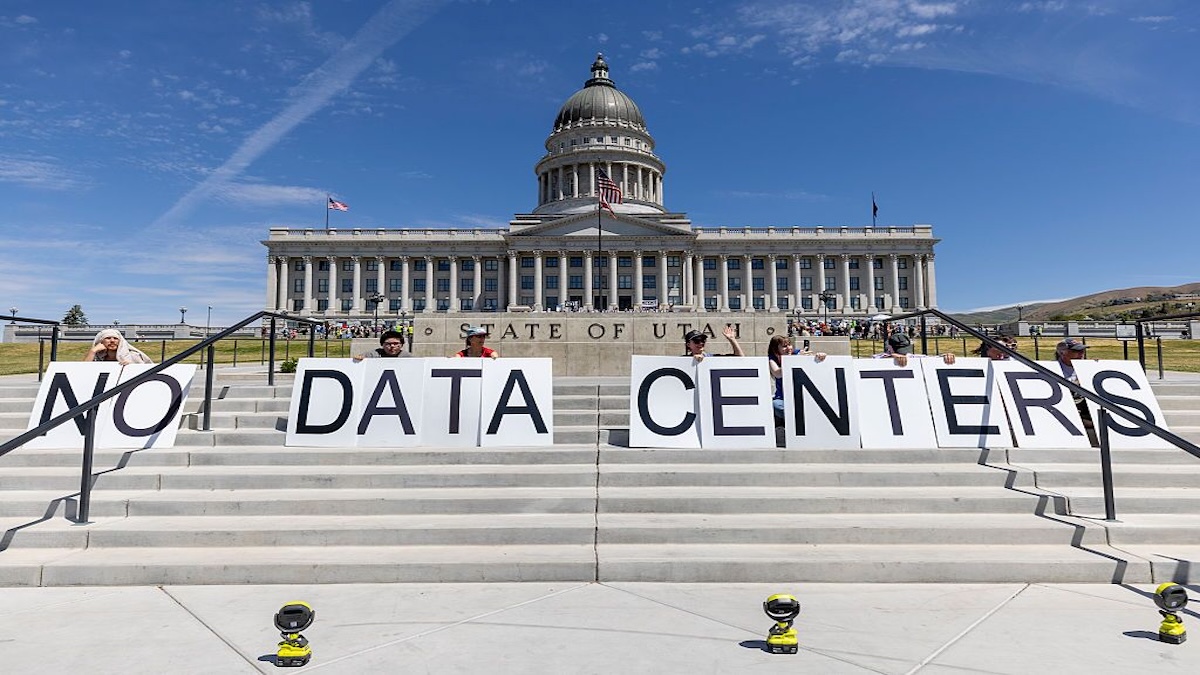
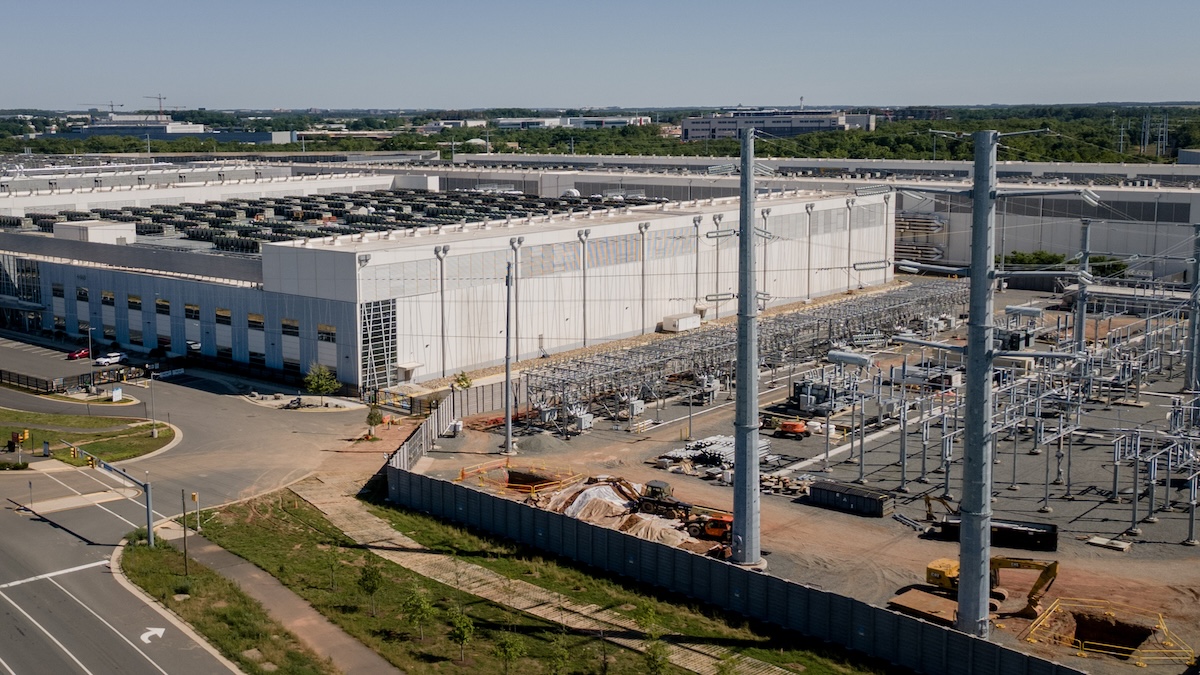
Power utilities across the US are already strained from AI data centers. But they’re increasingly facing an even bigger threat: that developers will be forced to walk away from projects, leaving households on the hook for massive infrastructure bills.
The latest earnings reports from Big Tech have laid bare a growing divide in the market's appetite for massive AI spending.
Advisors and investors of all kinds are used to closely watching the outcome of each of the Federal Reserve’s meetings, given how critical interest rates are to equity and fixed income markets alike. However, the recent July Fed meeting was particularly crucial. Many were uncertain what direction the central bank would go with interest rates.
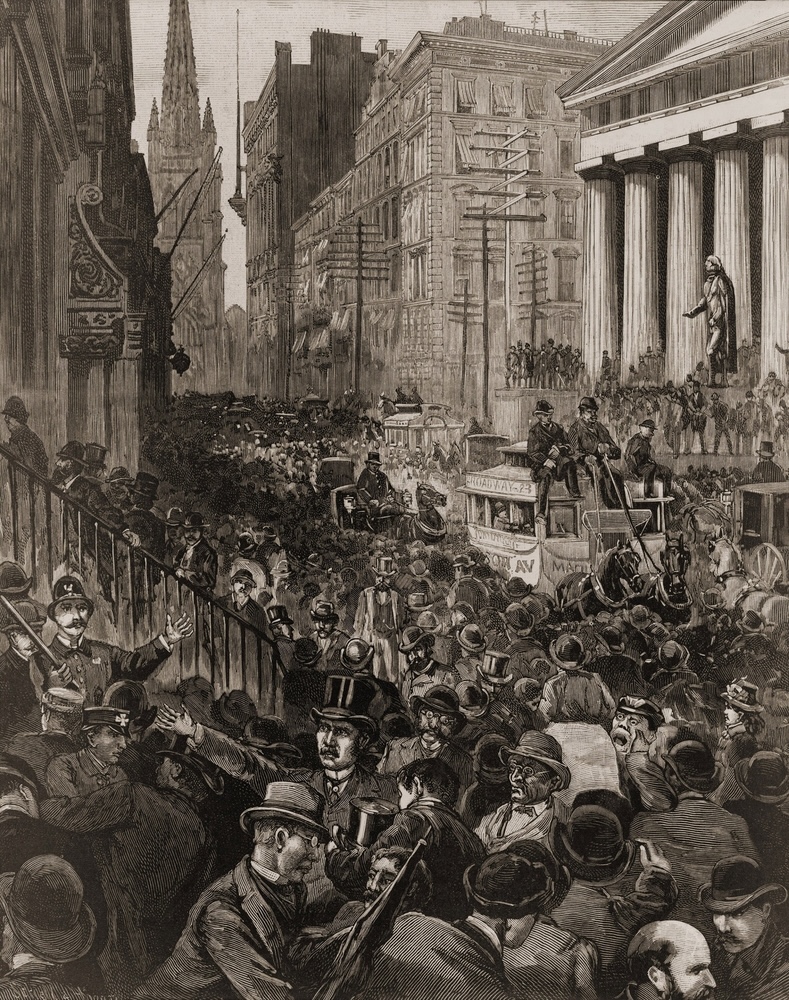
2008. 1929. 1907. 1893. These dates strike fear into the hearts of investors. Panics, crashes, and bear markets have been part of the investing ecosystem for as long as markets have existed. Some say they are the price of progress — others, a flaw in the system. Whatever you think of periodic market crashes, they’re here to stay.
Mega-cap tech stocks have helped large caps dominate small-cap ETF flows and performance for years. However, this year a shift is taking place. In 2026, small-cap index ETFs are outperforming their large-cap peers as the market has broadened out.
Schwab Sector Views is our six- to 12-month outlook for stock sectors, which represent broad sectors of the economy. The Schwab Center for Financial Research (SCFR) combines a factor-based approach with a market and economic assessment to determine the ratings.
LPL Research explores whether hyperscalers can generate attractive returns on massive AI investments through a framework focused on ROIC, growth, and capex.
In part two of AB’s “Build a Better Path” Disruptor SeriesTM, we shifted from diagnosing the challenge of long-term investing to a potential approach for solving it. With practical, actionable steps, investors have the potential to translate the concept of improving up/down capture into strategies aimed at improving portfolio design.
A continued escalation in the Middle East, where the Iranian-backed Houthis joined the conflict in an attempt to disrupt Saudi Arabian crude shipments that pass through the Red Sea via the Bab-el-Mandeb Strait, drove oil prices higher, while new tariff announcements and Alphabet's earnings release created headwinds for equities.
As the Q2 earnings season kicks into high gear, market sentiment around the AI trade is undergoing a critical sanity check. Alphabet’s second quarter results last week served as a barometer for how Wall Street is weighing artificial intelligence investments against current profitability.
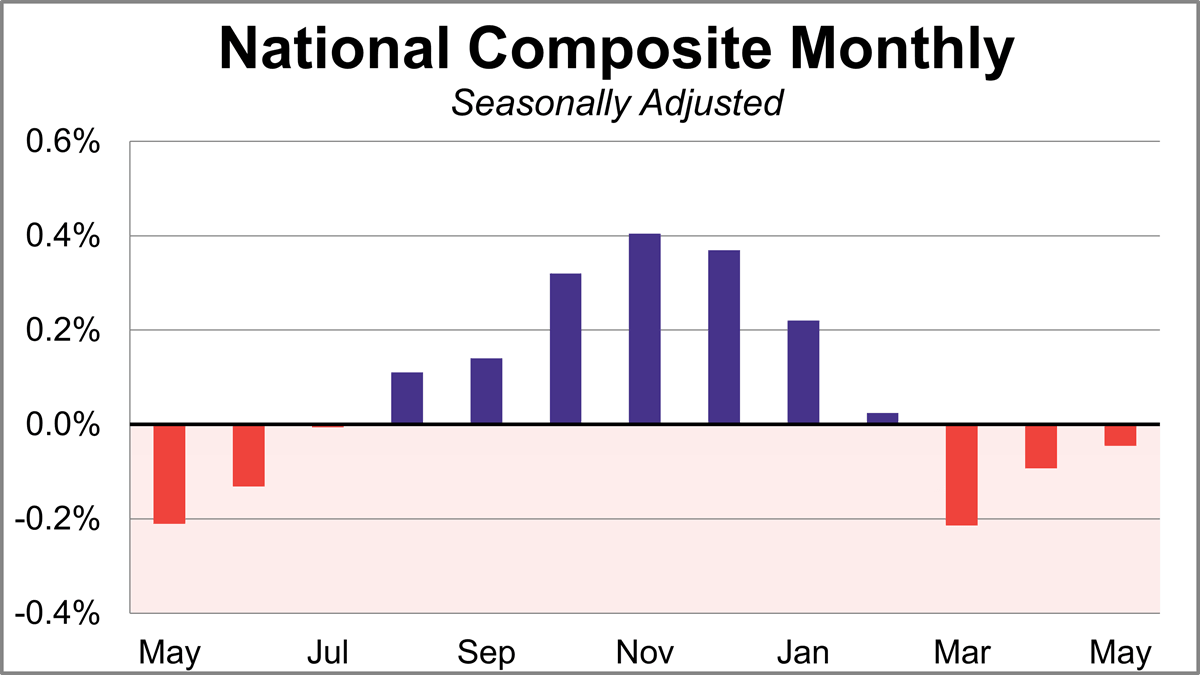
Home prices fell for a third straight month in May according to the S&P Cotality Case-Shiller index, as the housing slowdown continues. On a seasonally adjusted basis, the national index was essentially flat month-over-month and was up 1.1% year-over-year.
June may have proven to be a difficult month for silver investors, but it’s likely far too soon to give up on the precious metal. To better understand this, it’s important to contextualize why silver’s price is struggling and why the metal’s long-term opportunities are still there.
Equity markets have shown resilience amid persistent headwinds, supported by index evolution and earnings strength
From severe wildfires in northern Ontario to record heat across Europe, extreme weather is back in the headlines. Such events are becoming more frequent and intense, and the risks associated with them are testing the limits of insurability. With our research partners at Columbia Climate School, we examine how strains on the insurance system can transmit climate-related risks through the capital markets.
Inflation remains above target, especially the Federal Reserve’s preferred core Personal Consumption Expenditures (PCE) inflation measure, as choppy data have challenged the view that disinflation will proceed smoothly.
The prime culprit was renewed questioning of the artificial intelligence (AI) buildout given the increasing amount of capital investment needed to bring it to life and the corresponding costs for those who use the technology weighed against its potential productivity benefits.
Lock, stock and barrel, a British phrase, originally referred to the three essential components of a firearm. Over time, it evolved into shorthand for the whole package. When tensions flare in the Middle East, the global economy often feels the consequences lock, stock and barrel.
LPL Research analyzes China’s declining crude imports, inflation risks, and the resilient U.S. economy driving above-trend growth.
VettaFi’s Midyear Market Outlook symposium Thursday saw industry leaders take on the big questions. Where is the market going? How should investors and advisors navigate uncertainty and potential volatility? Leaders from Fidelity Investments and Invesco both joined for one of the early segments, focused on innovative U.S. strategies.
The second-quarter earnings season kicked off last week with a resounding statement from Wall Street, led by stellar results across the nation's six largest banking institutions.