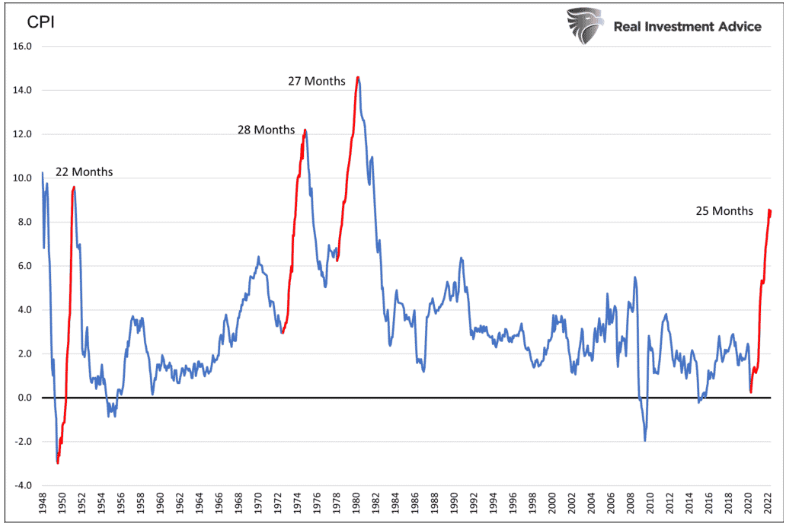
Elon Musk, chief executive officer of Tesla Inc. and the world’s richest person, said he sees signs the global economy is “past peak inflation.”
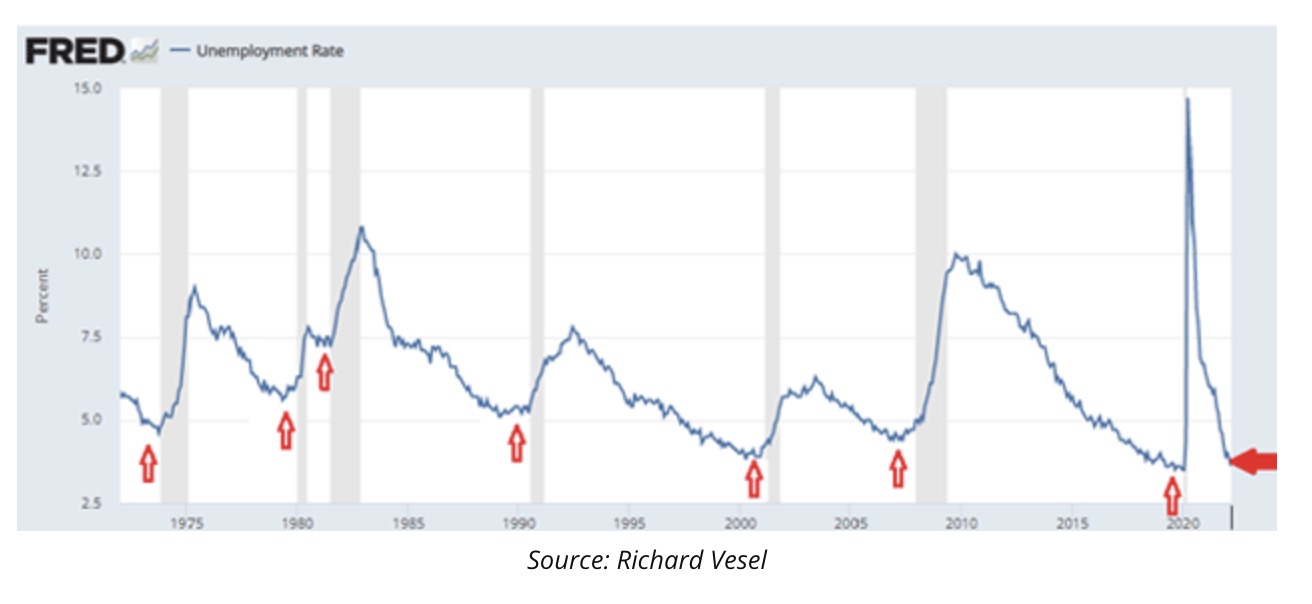
As of last month, the U.S. jobs market fully recouped the number of jobs that were lost due to the pandemic, in less than half the time it took following the previous downturn.
It’s a recession! No, not yet!
Do we continue to debate if it is a duck (recession)? If it looks, walks, swims, and quacks like a duck, then it is a duck.
US employers added more than double the number of jobs forecast, illustrating rock-solid labor demand that tempers recession worries and suggests the Federal Reserve will press on with steep interest-rate hikes to thwart inflation.
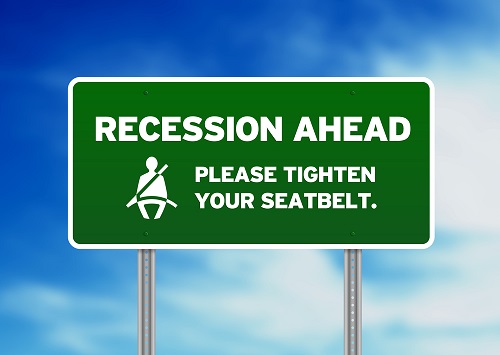
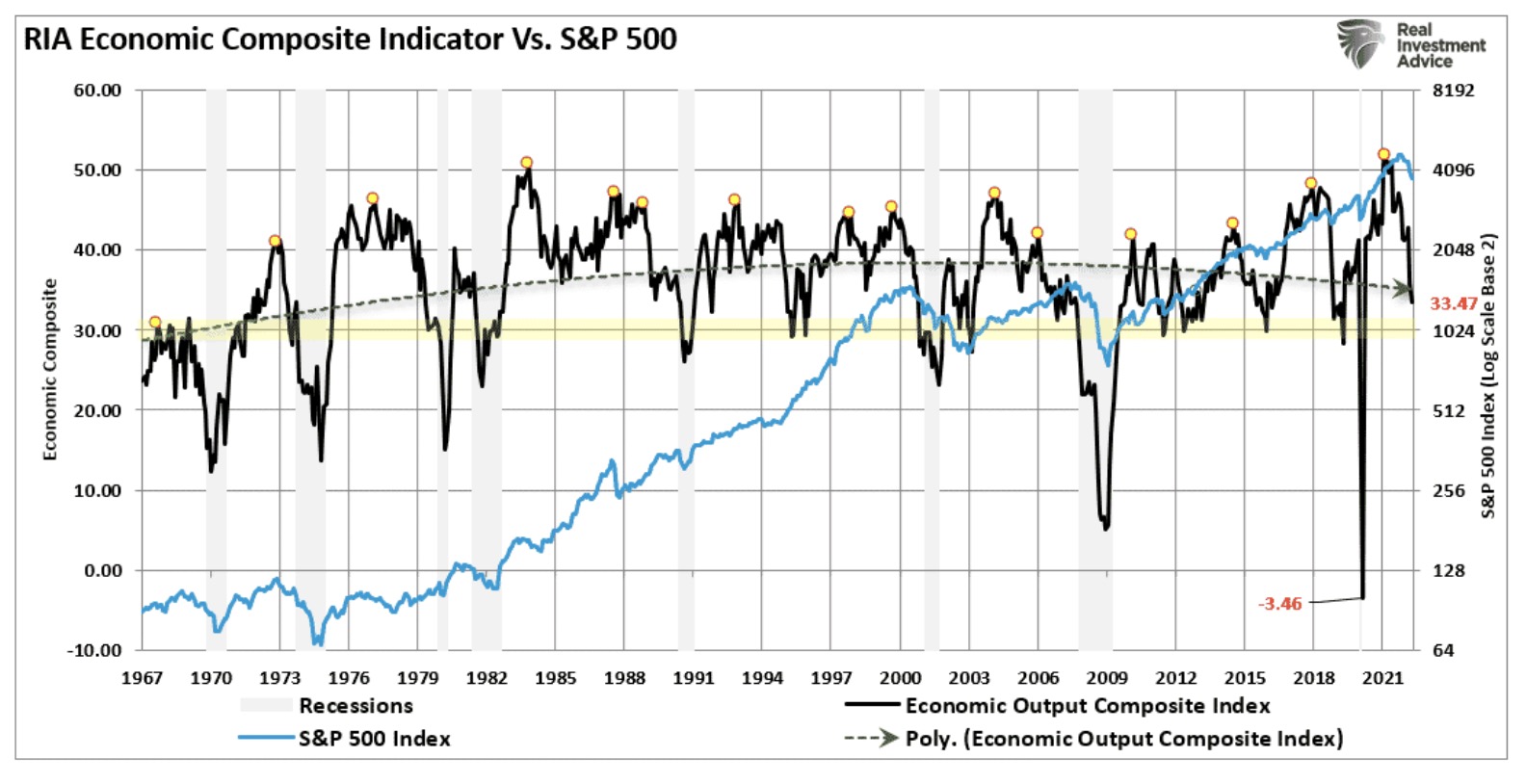
We didn’t need the reported two consecutive quarters of declining real gross domestic product —the unofficial determination of a recession—to tell us the US economy is already in, or at least close to, a business downturn.
Even if a downturn is narrowly avoided, high inflation and falling asset values have already destroyed wealth and made everyone poorer.
CIO Robert Horrocks, PhD, says well-managed companies, not inflation and interest-rate cycles, will determine long-term investment returns.
Russ Koesterich, Managing Director and Portfolio Manager, of the Global Allocation team explains why investors should expand their definition of quality in today’s market environment.
As expected, Wall Street wins again.
On the latest episode of the Behind the Markets podcast, we had a fascinating conversation with Don Kohn, former Federal Reserve vice chair, and Dave Goodson, Head of Securitized Fixed Income and Senior Portfolio Manager at Voya Investment Management.
We meet the official definition of a market correction and the unofficial definition of a recession, and we’re close to the definition of high inflation. Market corrections can and have caused recessions. Be prepared for all three problems coexisting for many years.
During market downturns, financial pundits can often make you feel like the world is ending.
Given the Fed's enormous impact on markets and its extremely hawkish stance due to inflation, a well-reasoned inflation forecast is imperative for investors.
For some reason, people are feeling good. Animal spirits are on the run.
If American businesses can resist laying off workers in the face of declining sales at the scale they did in past downturns, the country has a better chance of skirting a deep recession.
The latest signs of life from corporate bond issuers sure don’t signal a market that’s in a recession.
When it comes to the economy, so-called soft landings are as rare as sightings of Halley’s comet.
Franklin Equity Group Portfolio Manager Grant Bowers shares his outlook on inflation and recessionary risks and where he’s finding opportunities in US equities amid recent market volatility.
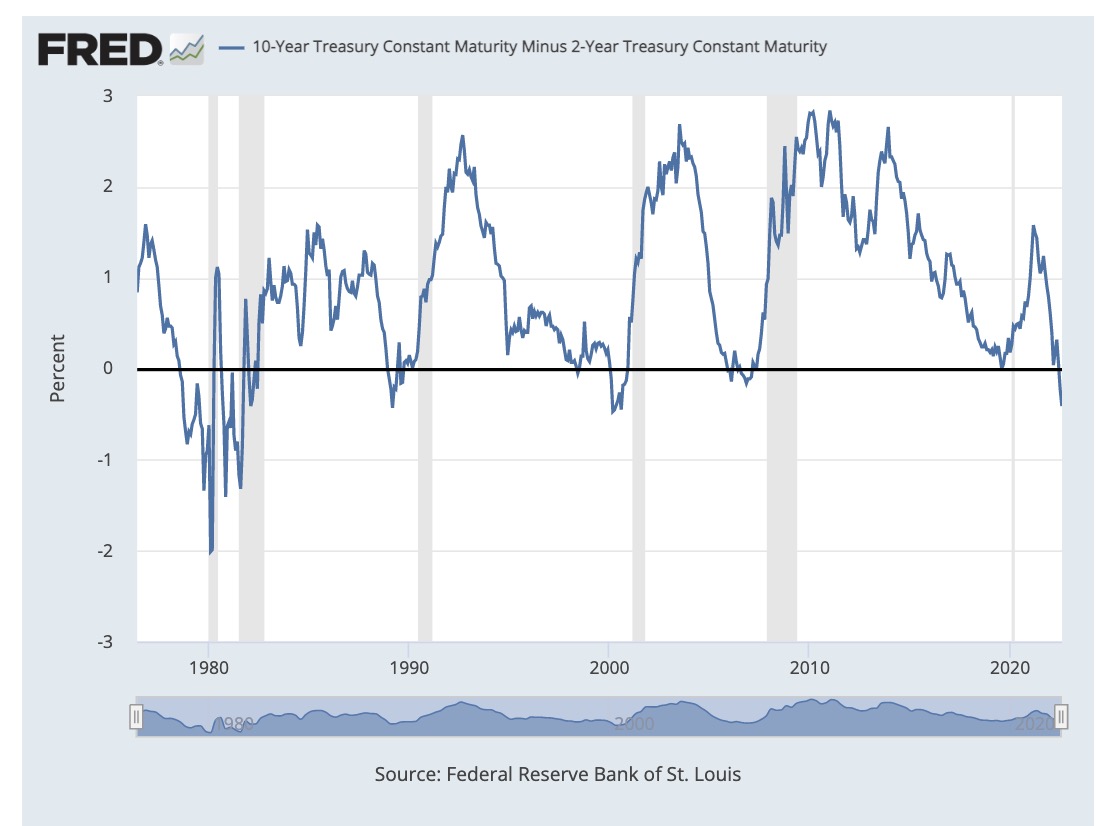
Concerns regarding inflation are almost everywhere you look—unless you happen to be looking at the Treasury bond market.
Neel Kashkari used to be the most reliably dovish member of the FOMC.
Jeff and Ron focus on the response by the Federal Reserve to rising inflation. They also discuss some of the consequences of increasing interest rates.
July was a surprisingly good month for financial markets, with the greatest monthly gains since 2020.
I couldn’t resist using one of my favorite words – lagniappe. It means a little something extra, given at no cost, somewhat like the thirteenth doughnut in a baker’s dozen. Because there are so many topics and issues I could not cover in the previous chapters, here’s my lagniappe.
After the US saw inflation hit its highest levels in 40 years (since the bond bull market started), fueling bets that the Federal Reserve would embark on the most aggressive tightening campaign in a generation, it seemed that the bear market had finally started.
Everyone agrees that a recession is a contraction in real economic activity, but there’s no consensus on how deep, widespread and long-lasting the contraction has to be to deserve the “recession” label.
The latest raft of technology earnings is starting to show a clear divide between areas that may continue to grow and those that will most certainly suffer at the hands of a global economic slowdown.
Federal Reserve leaders pledged the central bank would continue an aggressive fight to cool an inflation rate that’s at a four-decade high, even if higher rates cause the risk of recession.
Growth in the US services sector unexpectedly strengthened to a three-month high in July on firmer business activity and orders, easing concerns of a broader economic slowdown.
There was a major development in 2006 that transformed how Americans invest for retirement. It solved one problem, but created another that will be causing extra pain to people who retire in this economy.
U.S. equities finished mixed in choppy trading amid a host of data, events and cautious Fedspeak driving sentiment.
While inflation fears remain high, it is likely that we are past peak inflation and the largest interest rate increases are behind us.
We met with the portfolio managers of BlackRock Strategic Income Opportunities to have a wide-ranging discussion on their approach and why it’s so well suited to the current market environment.
After getting thrashed in the era of low interest rates, the last remaining hedge fund managers dedicated to the world of foreign exchange are in fighting spirits this year.
The long-running active versus passive debate has become even more heated than usual during the recent stock market turmoil.
This week, everyone working on energy and climate issues in the US is intensely focused on the Inflation Reduction Act, looking for smoke signals as to whether it will pass and if any modifications will be made.
Uber Technologies Inc. reported revenue that beat analysts’ estimates, boosted by resilient demand from customers who continued to hail rides and order takeout food despite rising inflation. Shares jumped about 14% in early trading.
Much has been made of the market’s relationship with the Fed in recent months.
Exceptional circumstances roiled the loan market in the first half. It's impossible to say what will happen next, but the loan market's floating-rate feature could offer value in multiple scenarios versus other fixed income assets.
The Federal Reserve raised short-term interest rates by three-quarters of a percentage point (75 basis points) on Wednesday.
The COVID bust and vaccine boom that followed it was a period unlike any in U.S. history. So why would the resulting inflation be any different?
The longstanding argument that go-go Keynesian fiscal stimulus is the answer to every imaginable economic shock has been exposed as bankrupt.
July was an illustration of the adage that “the market is not the economy.” US stocks had their best month in two years while the economy received discouraging news about both growth and inflation.
Bond bulls, while savoring a stellar rebound in returns fueled by growing recession fears, are braced for potential setbacks.
Necessity is the mother of invention, so they say. And in this case, stupidity is as well.
Currently, the electric vehicle market is bumping into some constraints on the supply side.
Before investors get too excited about the July surge in stocks, here’s something to keep in mind: August and September are historically the two worst months for the S&P 500 Index.
Alastair Reynolds, Portfolio Manager at Martin Currie, discusses the opportunities for investors who look at high quality, sustainable growth companies in emerging markets.
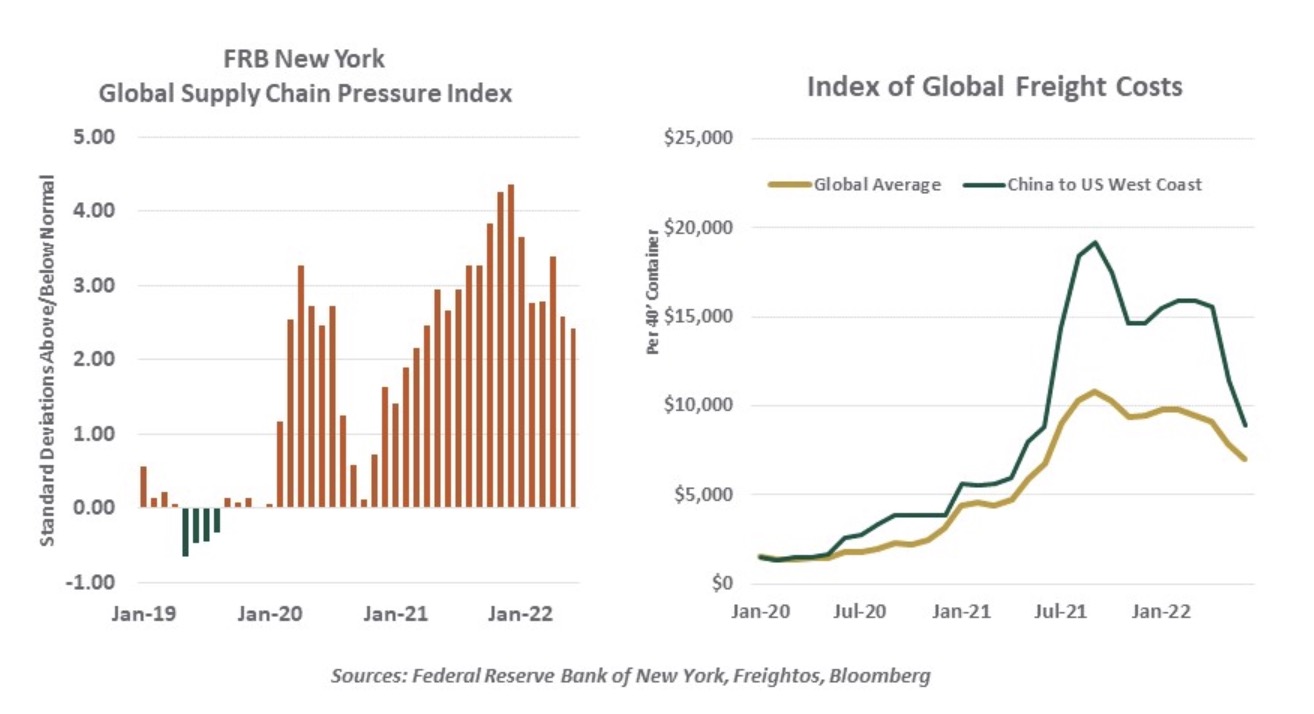
The availability of goods and cost of shipping are improving.
No recession.