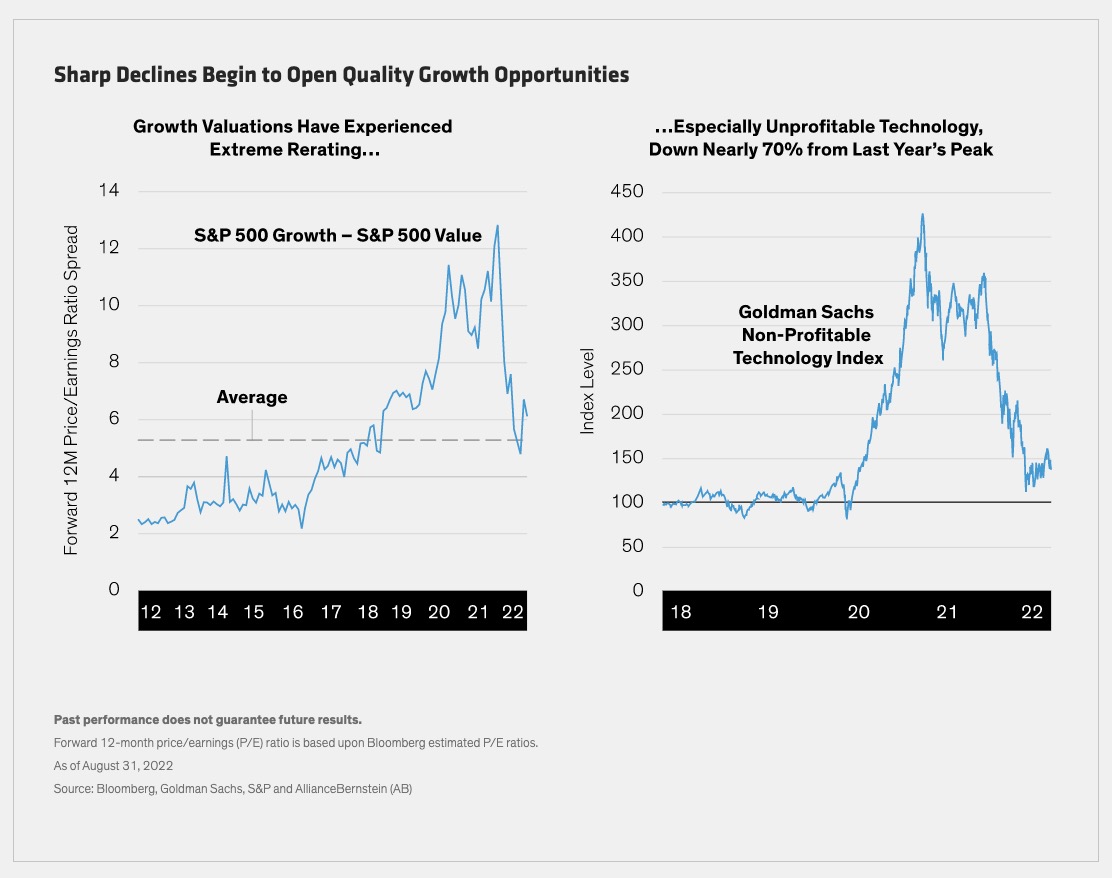
It’s been a tough year for investors, particularly in growth stocks.
In a year of volatile markets, the humble I bond has emerged as an unlikely star. Now, there’s a new way to buy them.
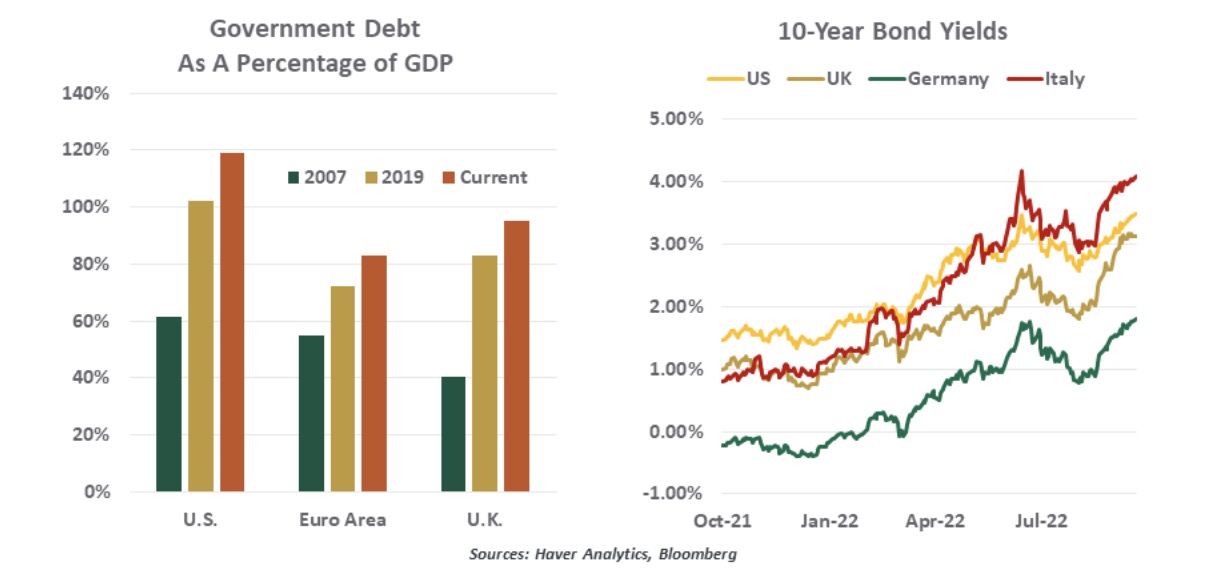
This week’s bond meltdown has sent the mean 10-year borrowing cost for Group of Seven countries to its highest in more than a decade, with the average yield surging above 3%. What happens next could set the tone for financial markets and the global economy for years to come.
Investors see a myriad of unknowns right now, and popular discussion continues to focus on a dichotomy between growth and cyclicals. We think there is a third choice that's being ignored.
Their plan has crashed the pound, wrecked the government bond market, and destroyed the Bank of England’s efforts to tighten monetary policy. After such a disastrous start, repairing the damage might be beyond them.
There is no relief in sight. The market remains volatile. Both equity and fixed-income assets are taking a beating as investors grapple with 40-year-high inflation and the Federal Reserve’s attempts to rein it in. My next guest says there is potential upside in this tumultuous market. He claims high volatility has historically had positive effect on a little-known class of bonds known as convertibles. He will explain why adding convertible bonds to your portfolio is a smart move as we weather this financial storm.
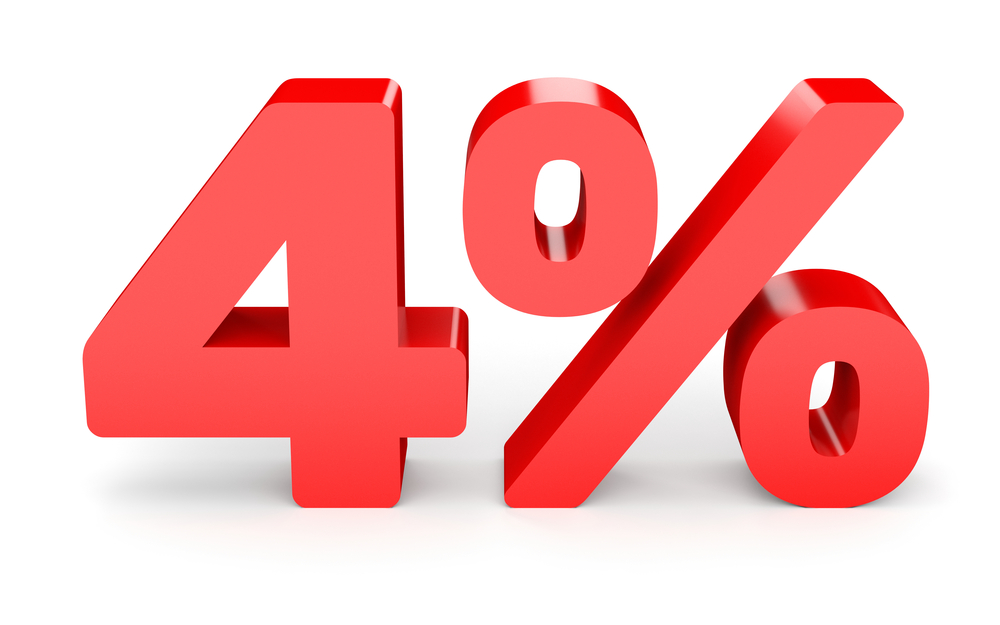
Bill Bengen’s 4% safe withdrawal rule is the standard by which retirement strategies are measured. But it fails as a practical guide to retirement planning. Here is how to fix it.
In the midst of a historically rough year in the $4 trillion municipal bond market, investment managers see ample opportunity as surging yields provide a compelling entry point.
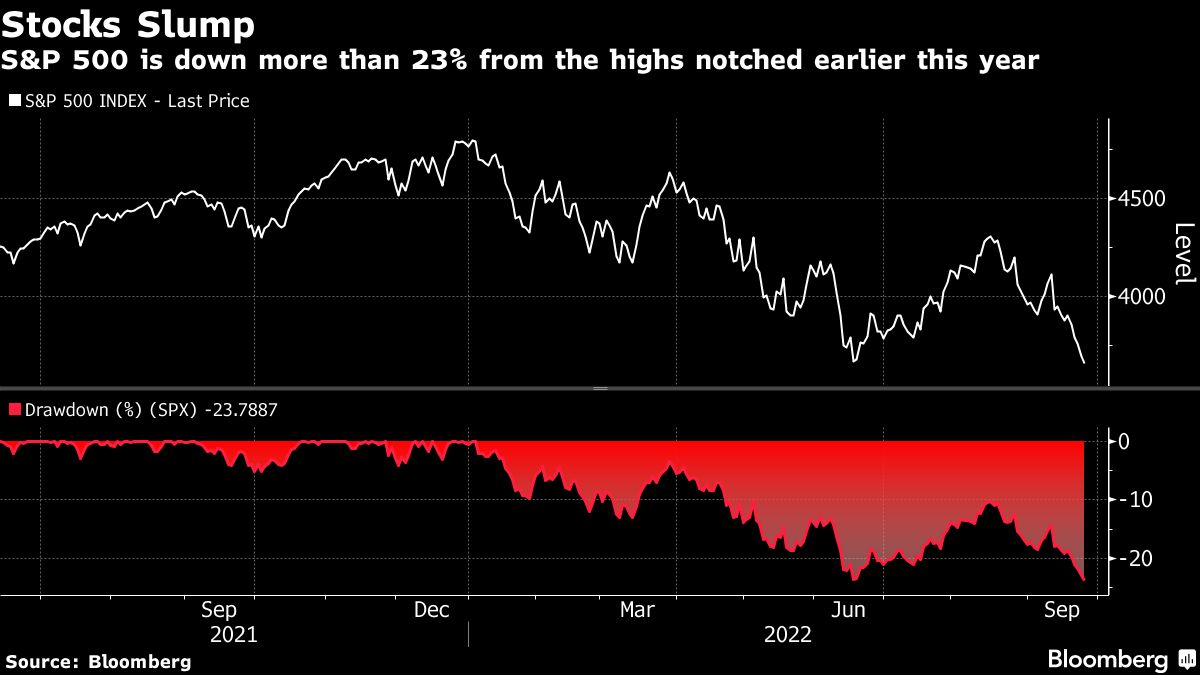
U.S. equities are higher in afternoon action following a recent plunge to lows not seen since 2020.
Inflation remains persistently high, dominating everything else in the macro outlook.
In the 1980s there was a famous TV ad for Wendy’s with the tagline “Where’s the beef?”.
As the U.S. CPI data continues to rise, Charles Hamieh, Portfolio Manager at ClearBridge Investments, dives into the opportunity present for investors looking at the infrastructure space as an inflation hedge moving forward.
It’s easy to overlook the fact that, in thinking about investment risk, we are implicitly making a choice about the benchmark against which risk is measured.
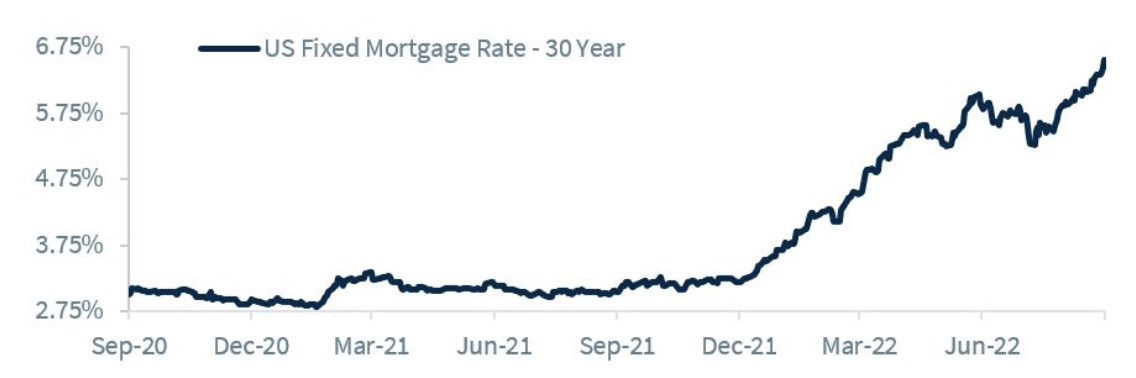
After previously eschewing interest-rate hikes, the US Federal Reserve has been tightening monetary policy at an unprecedented rate.
President Joe Biden’s decision to forgive some federal student debt will cost the US Treasury at least $400 billion, the Congressional Budget Office estimated.
While everybody's been sweating over the housing and labor markets, the office market has been streaking toward a hard landing.
If a long, ugly recession is in fact going to happen later this year, many investors will want to shift some additional money into cash. There’s good news: In July, yields on many cash-like investments, which means they're virtually risk-free and liquid, started soaring.
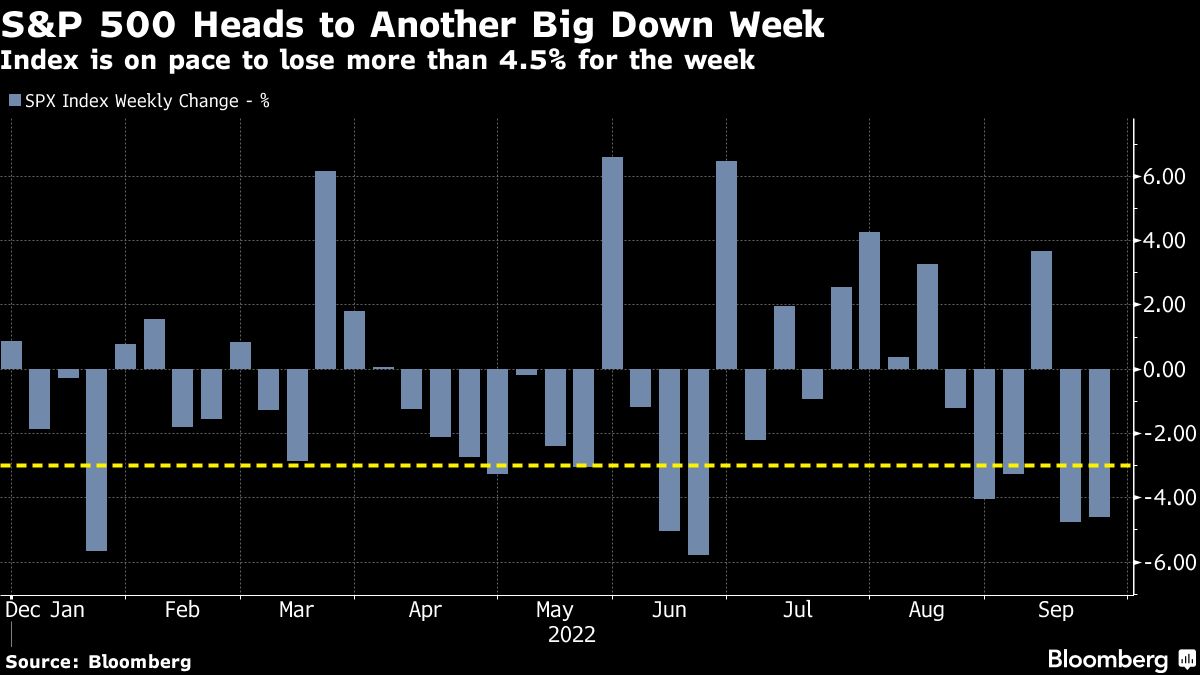
Monday brought a stark warning for Wall Street daredevils: Stocks are still in free fall and bearish sentiment is far from getting exhausted -- especially with hawkish central bankers rattling recession-obsessed markets like this.
Central banks haven't finished tightening and the U.S. Treasury yield curve remains inverted.
Bleeding into this week, the British pound reached its lowest level ever Monday, relative to the U.S. dollar.
The municipal bond market has not been immune to bouts of volatility hitting the markets this year, but there are still pockets of opportunity, according to Franklin Templeton Fixed Income’s Director of Municipal Bonds, Ben Barber.
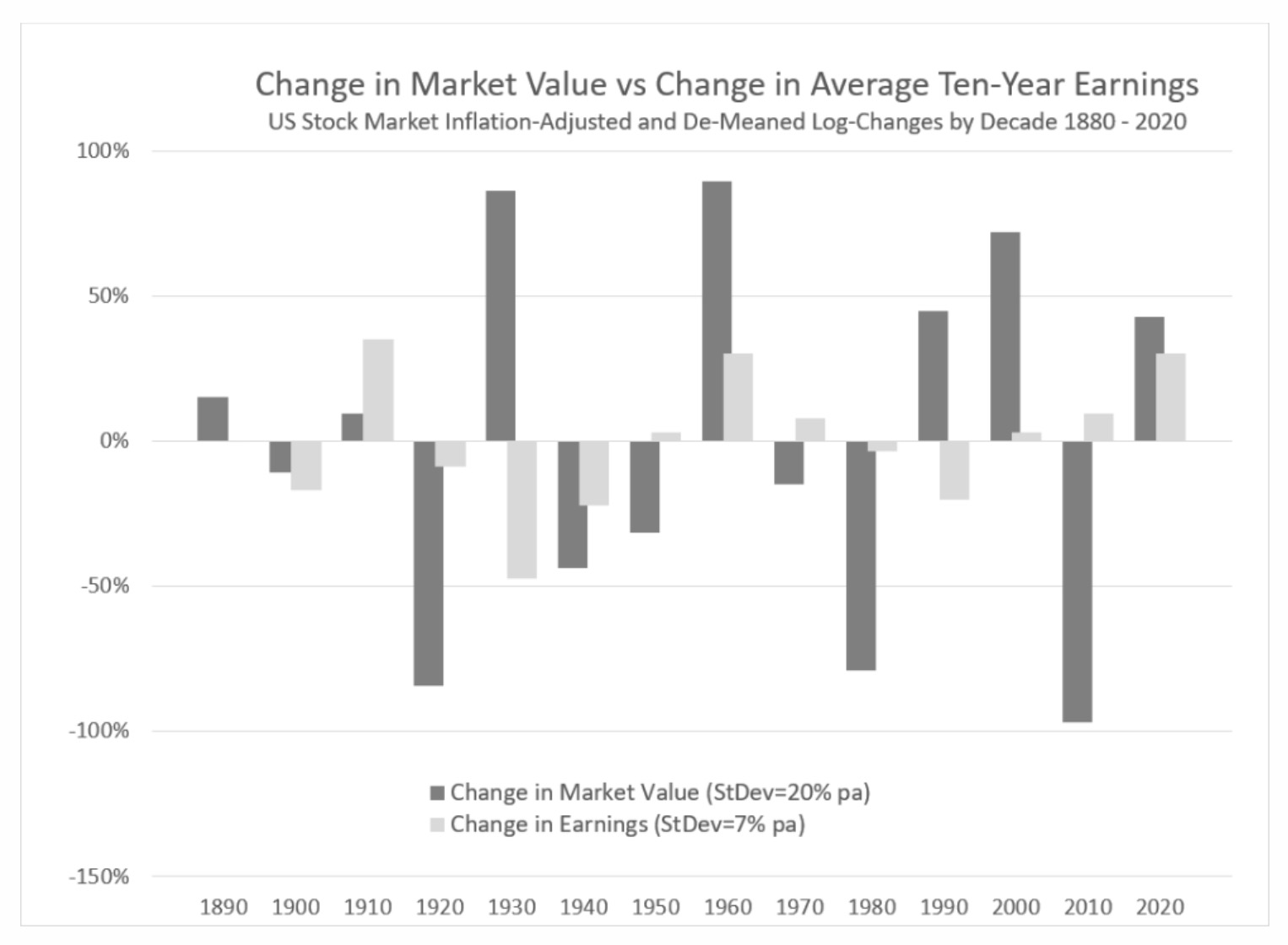
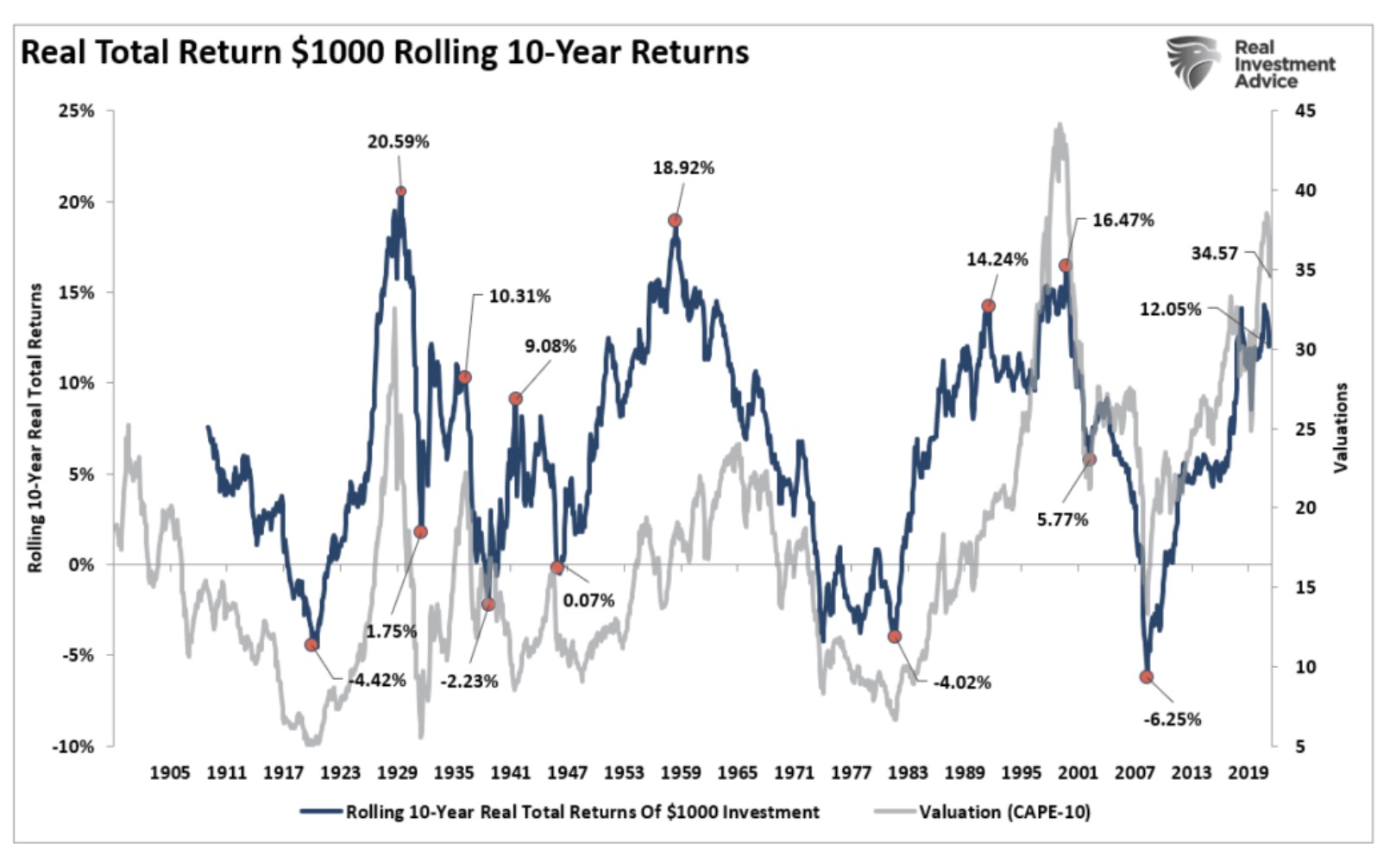
Stocks are far from cheap. Based on Buffett’s preferred valuation model and historical data, return expectations for the next ten years are as likely to be negative as they were for the ten years following the late ’90s.
The U.S. dollar has been on a tear in recent months, bringing it to its highest valuation versus other major developed currencies in more than 35 years.
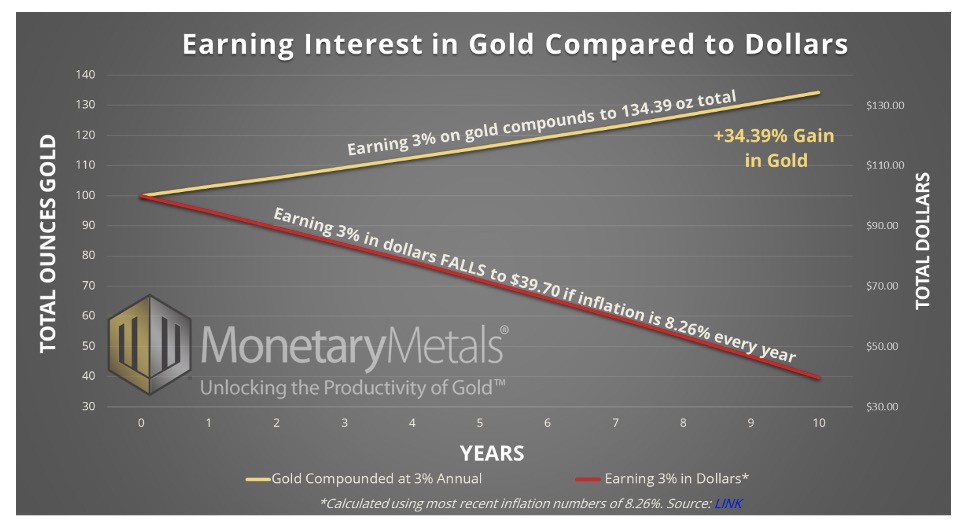
A yield on gold and silver is an attractive alternative to falling yields in dollars or the negative yield with costs of vaulting your precious metals. But are the yields high enough?
Oil has been routing since summer after reaching historic highs of over $130 per barrel, but we may see some relief soon as near-term events may trigger a rally.
Precious metals markets are trying to tough this week despite another large rate hike by the Federal Reserve.
The pandemic drove up debt, and higher interest rates are adding to the burden.
We had been bullish on stocks all the way back to March 2009, when mark-to market accounting was fixed and the Financial Panic started to recede
Gold plumbed its lowest since 2020 while copper and iron ore slumped, as the dollar’s rally to a fresh record added to fears for the global economic outlook.
Virtual money, digital gold, inflation hedge, uncorrelated asset, store of value: those are phrases once used by Bitcoin’s fans to describe the cryptocurrency’s virtues. Its new narrative? A Bitcoin is a Bitcoin.
Frequent flyers are accustomed to turbulence on some flights. Indeed, many expect it. Despite such anticipation, however, the turbulence can once in a while create significant anxiety among even the most seasoned travelers.
The great tech selloff of 2022 is far from over as investors brace for earnings misses that may spur a more than 10% plunge in the Nasdaq 100.
How do taxes impact the 4% rule for retirement spending?
Federal Reserve Chair Jerome Powell said the US economy may be entering a “new normal” following disruptions from the Covid-19 pandemic.
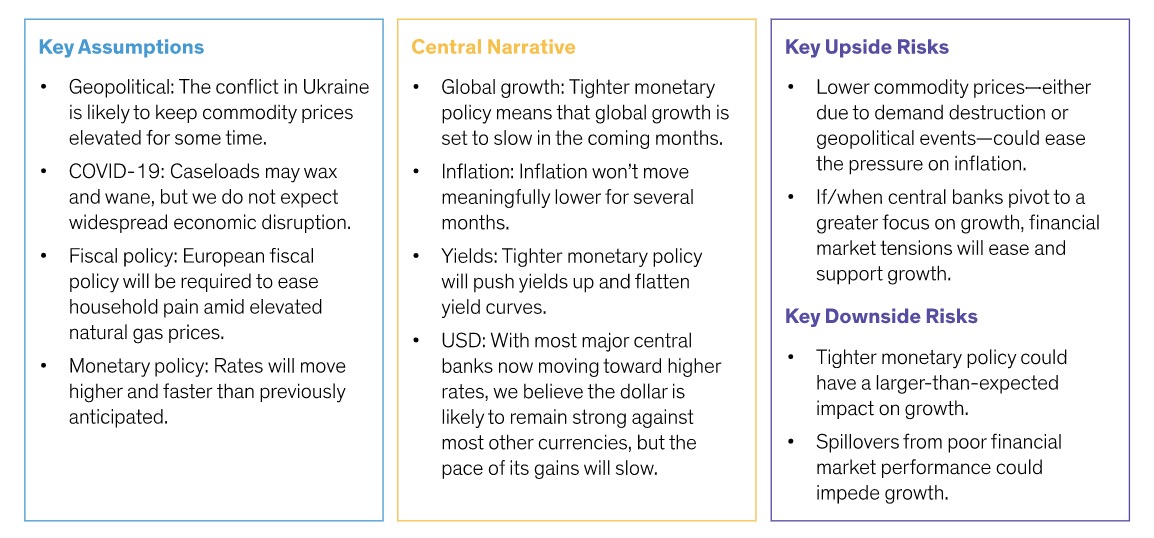
For years, asset allocators had it easy: Buy the biggest American tech companies and watch the returns rack up. Those days are gone, buried under a crush of central bank rate hikes that are rewriting the playbooks for investment managers across Wall Street.
In times like these, I’m reminded of Robert Rubin. The former US Treasury Secretary in the Clinton administration was unequivocal that a strong dollar was in the country’s best interests, and the government should be careful not to undermine trust in the currency.
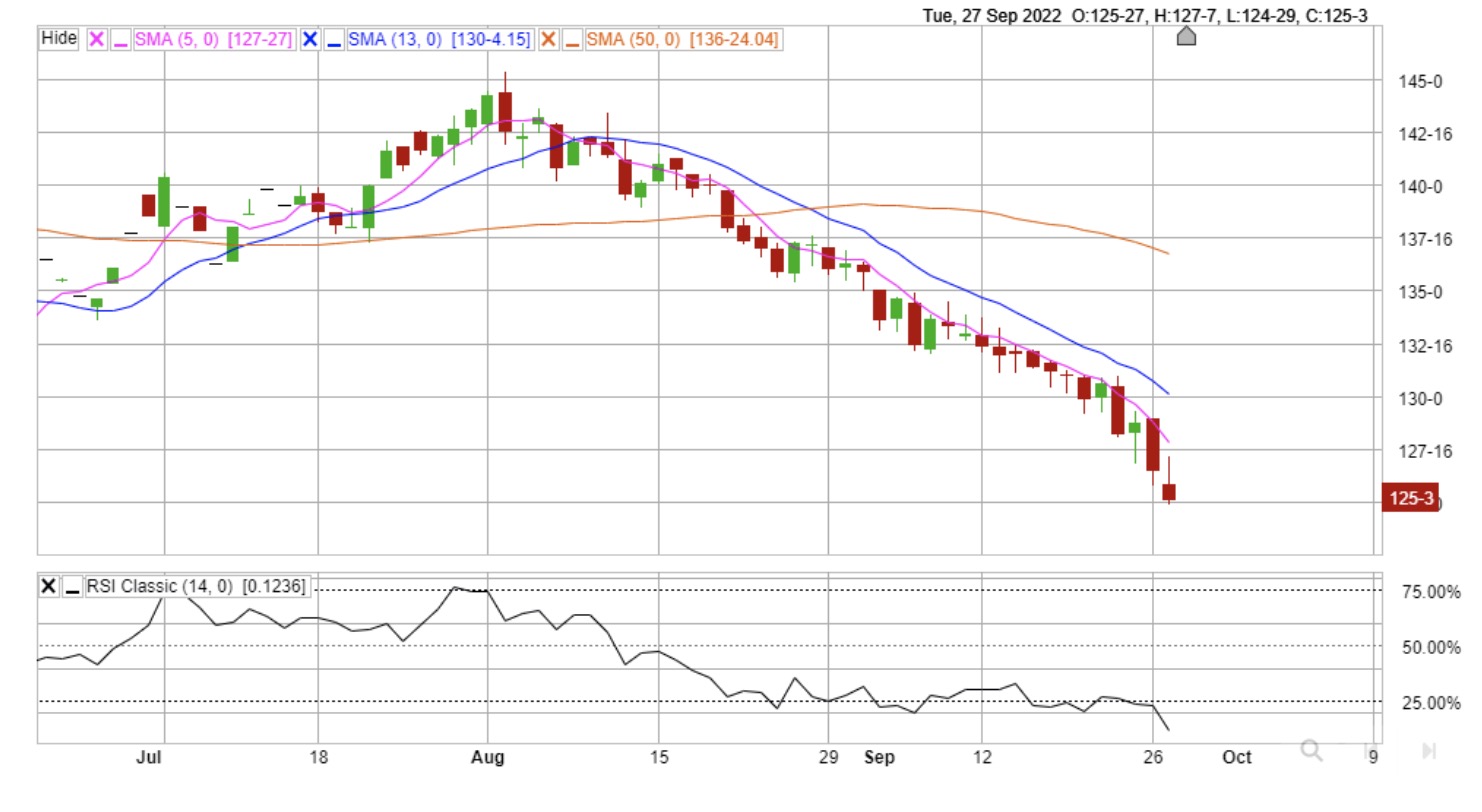
Week by week, the bond-market crash just keeps getting worse and there’s no clear end in sight.
The world will be going from an era of zero rates and loose monetary policy to higher rates and likely slower growth, except in certain sectors. Adjusting to this change will be both problematic and also full of potential opportunities.
Portfolio Manager John Paul Lech explains why investors in emerging markets should go upstream in order to leverage the long-term power of the EV sector.
Inflation is top of mind for consumers and market participants. In the United States, many are questioning whether student loan forgiveness will make inflation worse, and if the recently passed “Inflation Reduction Act” will offer relief.
Compared to the dotcom and great financial crisis recessions, our fiscal and monetary response over the last two years has been far more aggressive. But the true cost – in terms of inflation – presents a more threatening risk.
The spillover from the UK’s proposed tax cuts is washing into the US stock market.
Review the latest Weekly Headings by CIO Larry Adam.
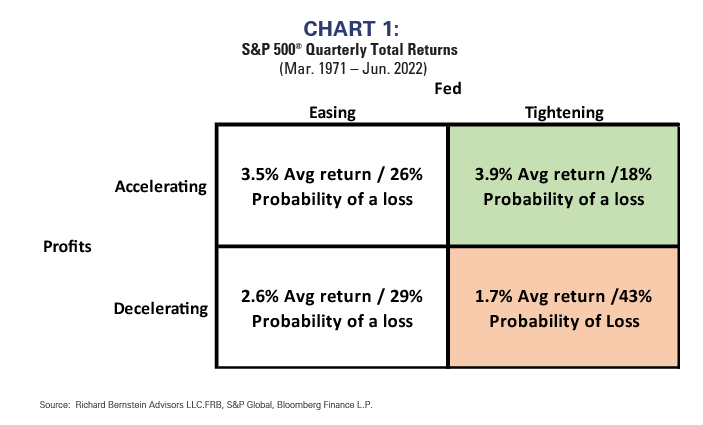
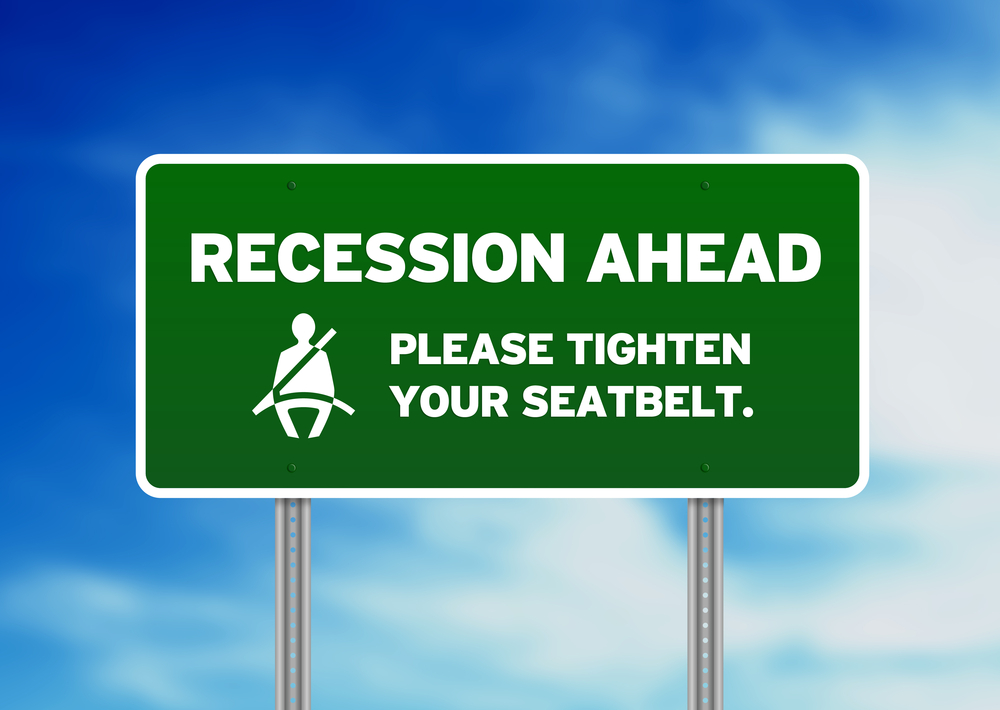
Federal Reserve officials gave their clearest signal yet that they’re willing to tolerate a recession as the necessary trade-off for regaining control of inflation.
We are now in another downswing in the ongoing bear market.
Nations are being forced to go it alone in erecting defenses against the relentless strength of the almighty greenback, with no sign that governments are willing to act in concert.
Oil headed for the longest stretch of weekly losses this year as central banks around the world stepped up the fight against inflation at the cost of economic growth.
Asset bubbles have been prevalent throughout history.
Balancing acts. As the Fed walks the line between curbing inflation and averting recession, anxious investors are seeking to balance the two risks. Amid the uncertainty, we believe stock selection matters more.