The virtue economy, the only bubble I have ever called, has now completely burst.
Blackstone Inc. has won approval from the US Securities and Exchange Commission to launch its newest private credit fund, one of the latest efforts to give individuals access to assets that are mostly backed by institutions.
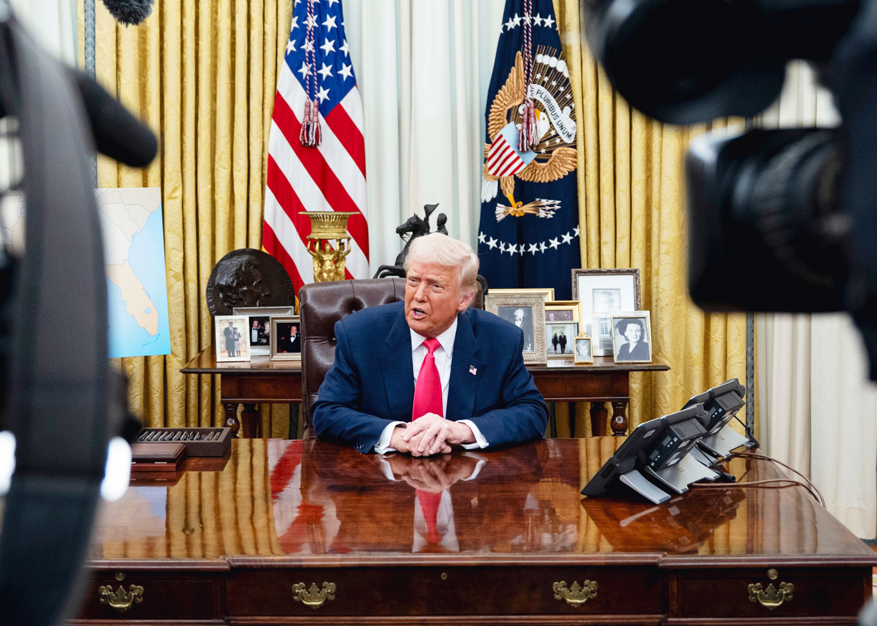
As Donald Trump’s tariffs send markets into a tailspin, pressure is mounting on the president to speed up his main proposal for juicing the economy: a sweeping tax bill.
US Treasuries surged and investors boosted their bets on Federal Reserve interest-rate cuts Monday as fear of a economic slowdown took hold across US markets.
Apple Inc. is preparing one of the most dramatic software overhauls in the company’s history, aiming to transform the interface of the iPhone, iPad and Mac for a new generation of users.
At the start of the year, our Investment Strategy Committee outlook was positive for both the economy and the equity market, supported by strong consumer, labor market, and corporate fundamentals.
Though mergers and acquisitions were expected to roar back in 2025 thanks to the new administration, uncertainty around Washington policy appears to be holding back new deals.
Trade policy clarity is a long way off.
Last week brought another wave of volatility to the markets, with investors grappling with mixed economic signals, geopolitical developments, and ongoing trade policy uncertainty.
It is true that tariffs are a tax. It is also true that tariff policies have been volatile…on and off again…different carve outs…different countries…phone calls that change things. All of this clearly has an impact on the market. So, we are not surprised to see stock market volatility.
There’s a lesson for financial advisors in this story. If you demonstrate a genuine intention to engage and connect with your female clients, it will build relationships that could drive the growth of the business for years to come.
Investor’s bearish sentiment has surged to levels that generally align with previous market corrections and crashes.
On this episode of the “ETF of the Week” podcast, VettaFi’s Head of Research Todd Rosenbluth talks about the KraneShares CSI China Internet ETF (KWEB) with Money Life host Chuck Jaffe. The pair covered a range of topics related to the fund, providing investors with a deeper understanding of the ETF.
Join Meb Faber and the other experts at Cambria Investment Management for a free educational webcast exploring an endowment style strategy.
WEIRDness provides rewards – wealth, the pursuit of happiness, political freedom – that should cause it to succeed, over the long run, in the Darwinian competition between social systems that we call “history.” I hope it wins. WEIRD is good.
The PPA has made a mistake in designating an MA as a QDIA. Perhaps the drafters of the PPA were thinking about accounts that are actually managed, but those participants do not default, so that flavor of MA is not a QDIA, and is typically reserved for executives of the sponsoring firm.
On February 19, 2025, the Fed made a confounding statement about QT, aka balance sheet reduction. Per its latest FOMC minutes: “several participants suggest halting or slowing balance sheet reduction pending debt ceiling resolution.” Might the Fed be offering investors a liquidity warning cloaked as a reaction to a fiscal crisis?
One of the bond market’s favorite trades is getting fresh momentum in Europe, as the worst rout in German bonds in more than two decades propels selling of long-term debt.
Learn how this hybrid approach is revolutionizing industries like logistics, space exploration, and disaster response while laying the foundation for the next wave of smarter, more capable robots.
A chorus of Wall Street strategists is warning about rising volatility in the stock market, with Morgan Stanley’s Michael Wilson the latest to sound the alarm on slumping economic growth amid President Donald Trump’s trade wars.
Some of Asia’s biggest central banks are getting a painful refresher in economic theory.
Emerging-market stocks declined for a second day and currencies halted a four-day rally as concerns grew that China’s deflation is spreading to its consumer economy and Donald Trump’s tariffs threaten US growth.
A lack of affordability has hindered housing transactions the past two years, frustrating would-be buyers and, more recently, hammering the stocks of developers.
The Federal Reserve is widely expected to keep interest rates unchanged at its policy meeting next week, shifting the market’s focus to signals about what comes next.
Last week's economic reports presented a narrative similar to what we’ve seen over the past few months: growth coupled with concerns.
I will again join forces with Ed Easterling of Crestmont Research to explore this data more deeply. Currently we have several powerful trends that have combined to create a nirvana-like market.
The U.S. has poured more than $120 billion into Ukraine since its war with Russia began three years ago, but with a new administration in Washington, that support is grinding to a halt.
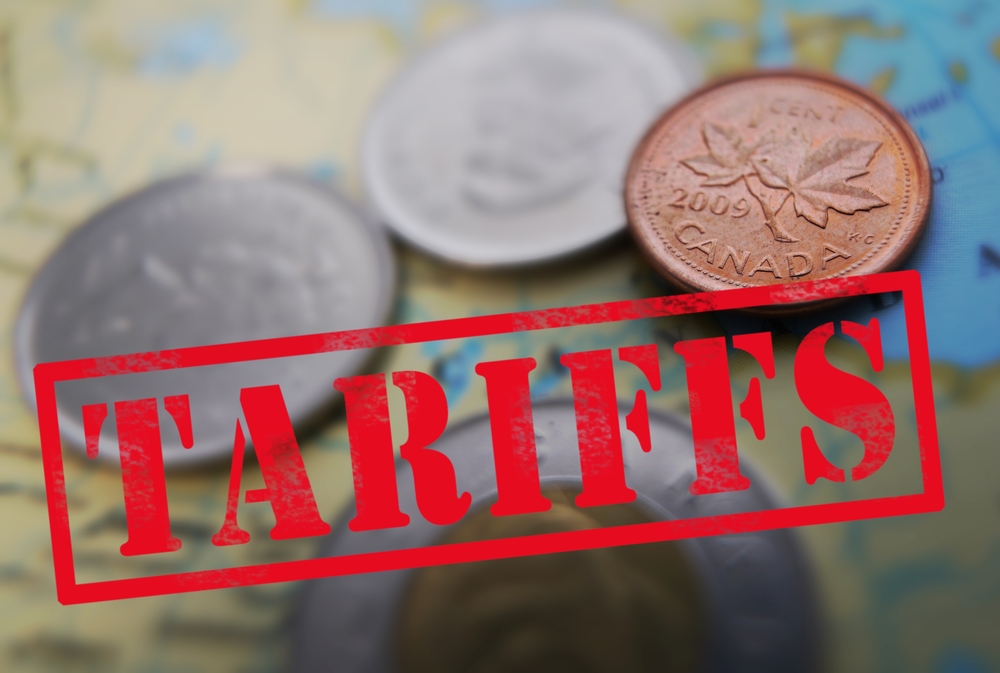
On March 4, 2025, the Trump administration imposed tariffs of 25% on Canada and Mexico and increased tariffs on Chinese imports to 20% from the previous 10% imposed earlier in the year.
We highlight some underreported positive developments that could keep economic growth on track and support higher equity prices in the months ahead.
The European Central Bank will likely continue to cut interest rates, but future decisions could be more contentious.
On the latest edition of Market Week in Review, Senior Investment Strategist and Head of Canadian Strategy, BeiChen Lin, discussed how markets are reacting to U.S. trade policy uncertainty.
The euro is set for its best weekly performance in 16 years after Germany’s historic pledge to ramp up spending for defense and infrastructure.
Federal Reserve Governor Michelle Bowman said the neutral level for the central bank’s policy rate had likely risen since the Covid-19 pandemic.
Italian Prime Minister Giorgia Meloni is getting cold feet over a proposed €1.5 billion ($1.6 billion) deal with Elon Musk’s SpaceX, according to Bloomberg News. As well she might.
Sanjay Malhotra, the new Reserve Bank of India governor, is right to unwind some of his predecessor’s hawkish controls on a runaway consumer-credit boom. There was a time to throw sand in the wheels of commerce.
Two different stories have played out in Japan at very distinct paces over recent months.
On the latest Road to Exchange, VettaFi Head of Research Todd Rosenbluth interviewed Michael Durso, CEO of ShoreHaven Wealth Partners.
During February, Advisor Perspectives featured a number of quality articles on topics near and dear to the advisory community.
The deal just announced for Walgreens Boots Alliance Inc. is above all a massive transaction.
Will artificial intelligence take my job? This question is really starting to preoccupy me and millions of other white-collar workers. There’s even a word for it — FOBO, or fear of becoming obsolete — and, regrettably, our apprehension isn’t entirely unfounded.
The Nasdaq 100 Index sank into a correction on Friday, as investors continue to sour on the megacap technology stocks that led the stock market rally over the past two years.
Broadcom Inc. shares jumped after the chip supplier for Apple Inc. and other big tech companies gave an upbeat forecast, reassuring investors that spending on artificial intelligence computing remains healthy.
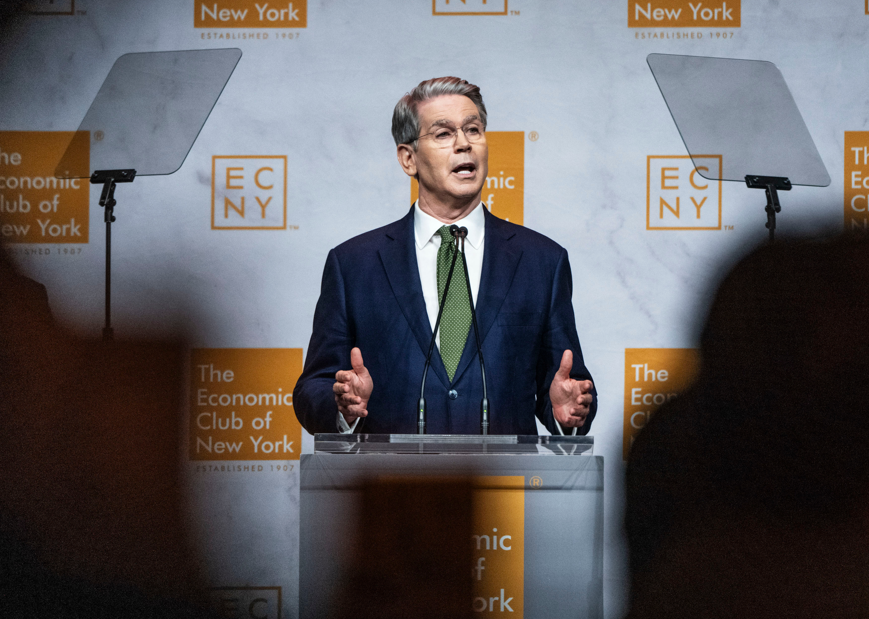
Treasury Secretary Scott Bessent warned that the US economy may see some disruption as the Trump administration shifts the basis for growth away from the government and toward the private sector.
Cambria Investments CIO and founder Meb Faber explores David Swensen’s legendary investment strategy at Yale’s endowment, comparing its long-term performance to traditional portfolios and examining whether individual investors can replicate its success.
As the debate heats up on Capitol Hill about extending the TCJA, there are several issues to watch including potential SALT cap relief and whether more tax cuts will be added to the final bill.
Q4 company earnings offered a lot to cheer at the start of the year, even as U.S. stocks contended with bouts of volatility.
In this video Chuck Carnevale, Co-Founder of FAST Graphs, a.k.a. Mr. Valuation will go over three super growth stocks that Chuck is often asked to cover but reluctant to because of valuation issues.
One month into President Donald Trump’s new term, financial markets are adjusting to a rapidly shifting economic and policy environment. Investors are watching closely as tariffs, interest rate expectations and regulatory changes take center stage.
Volatility is back in town. Tariff jitters and concerns about growth and inflation have resulted in an S&P 500® dip and the Cboe Volatility Index (VIX) jumping above 20. Investors grapple with a very sanguine backdrop painted by the fourth-quarter earnings season and policy uncertainty.
The municipal bond tax exemption is back in focus. We believe the threat to infrastructure investment outweighs the modest revenue benefits, which could keep the risk of elimination or significant curtailment low.