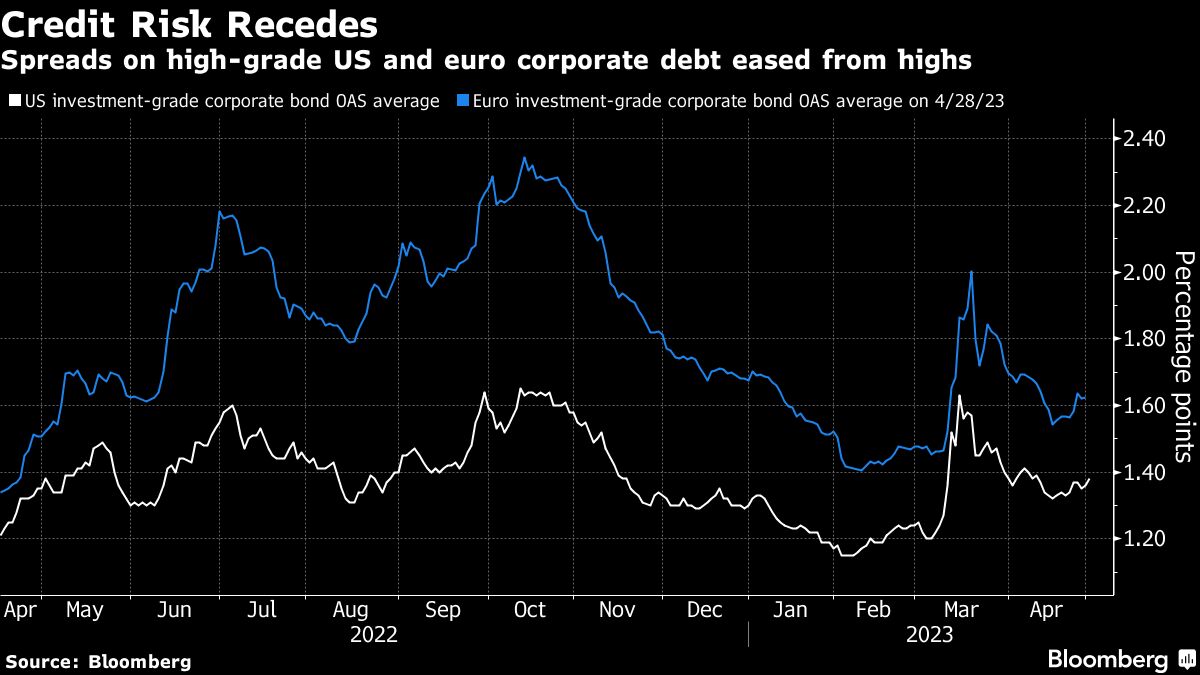
Investment Strategist Devon McKenna believes intermediate-maturity corporate bonds can offer a fresh value proposition that may help defend the segment against rallying rates and widening spreads.
The Fed and its loose monetary policy are to blame, according to Lacy Hunt, for high inflation, excessive risk taking, slow growth and other maladies afflicting our economy.
I want to write a bit about artificial intelligence from the standpoint of a market person who knows little about technology.
Floating-rate bank loans tend to do well when conditions are just right: the Federal Reserve is raising rates and the economy is growing. But such conditions typically don’t last long.
With unanimity, the Federal Open Market Committee raised the Fed funds rate by 25 basis points in May and signaled that further tightening will depend on various economic factors.
The Fed raised short-term interest rates by another quarter percentage point today to a range of 5.00 – 5.25%, just like most analysts and investors expected. In addition, policymakers made changes to its official statement that hint that this rate hike might be the last of the cycle.
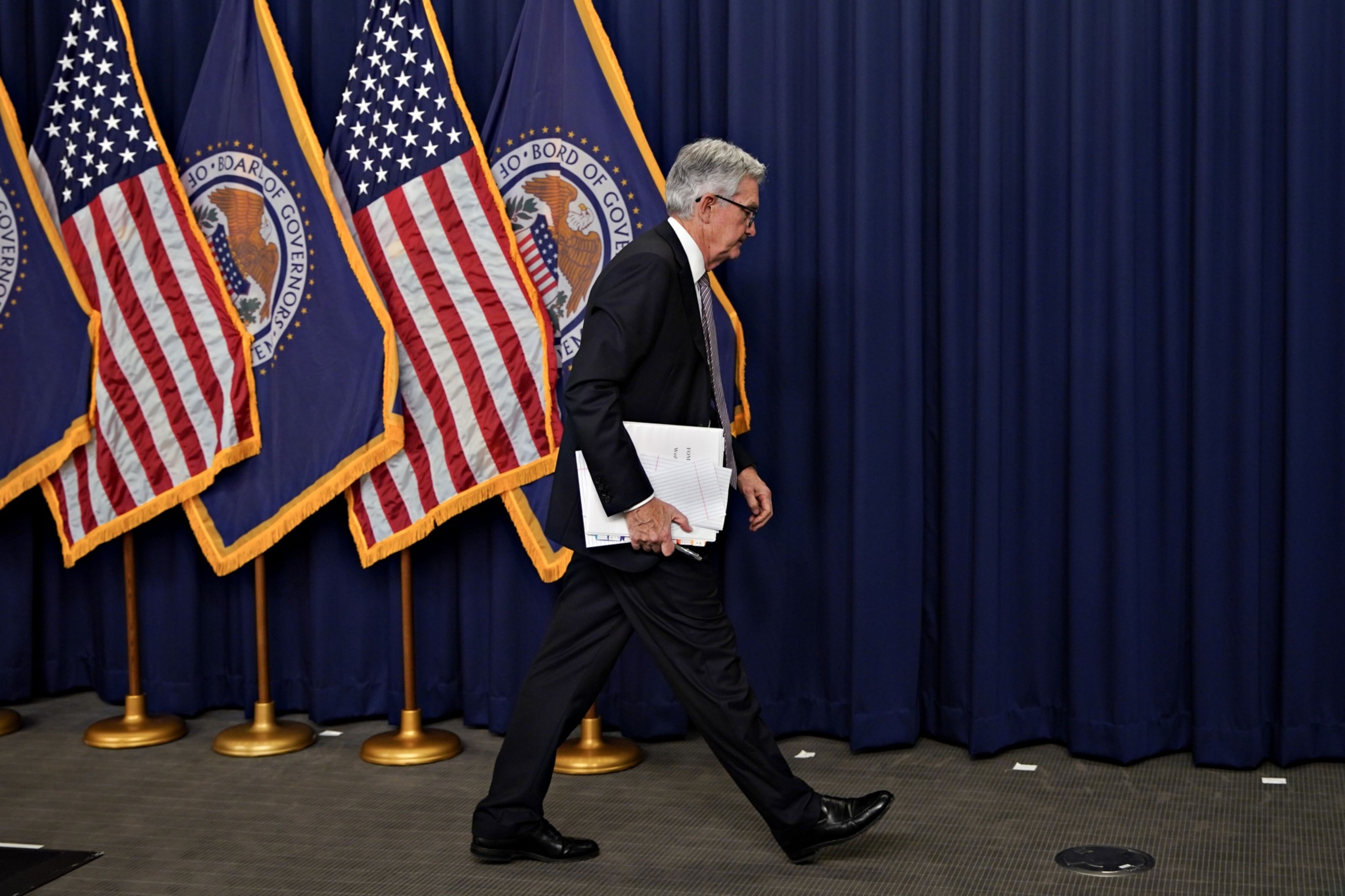
Within hours of the Federal Reserve’s latest policy decision, traders and commentators alike had started to challenge Chair Jerome Powell’s assessment of the economy.
US subprime auto loans are highly stressed, with a new delinquency peak of 1.8%. Rising living costs, interest rates, lack of stimulus, negative equity, declining vehicle values, and rising rates are putting pressure on borrowers.
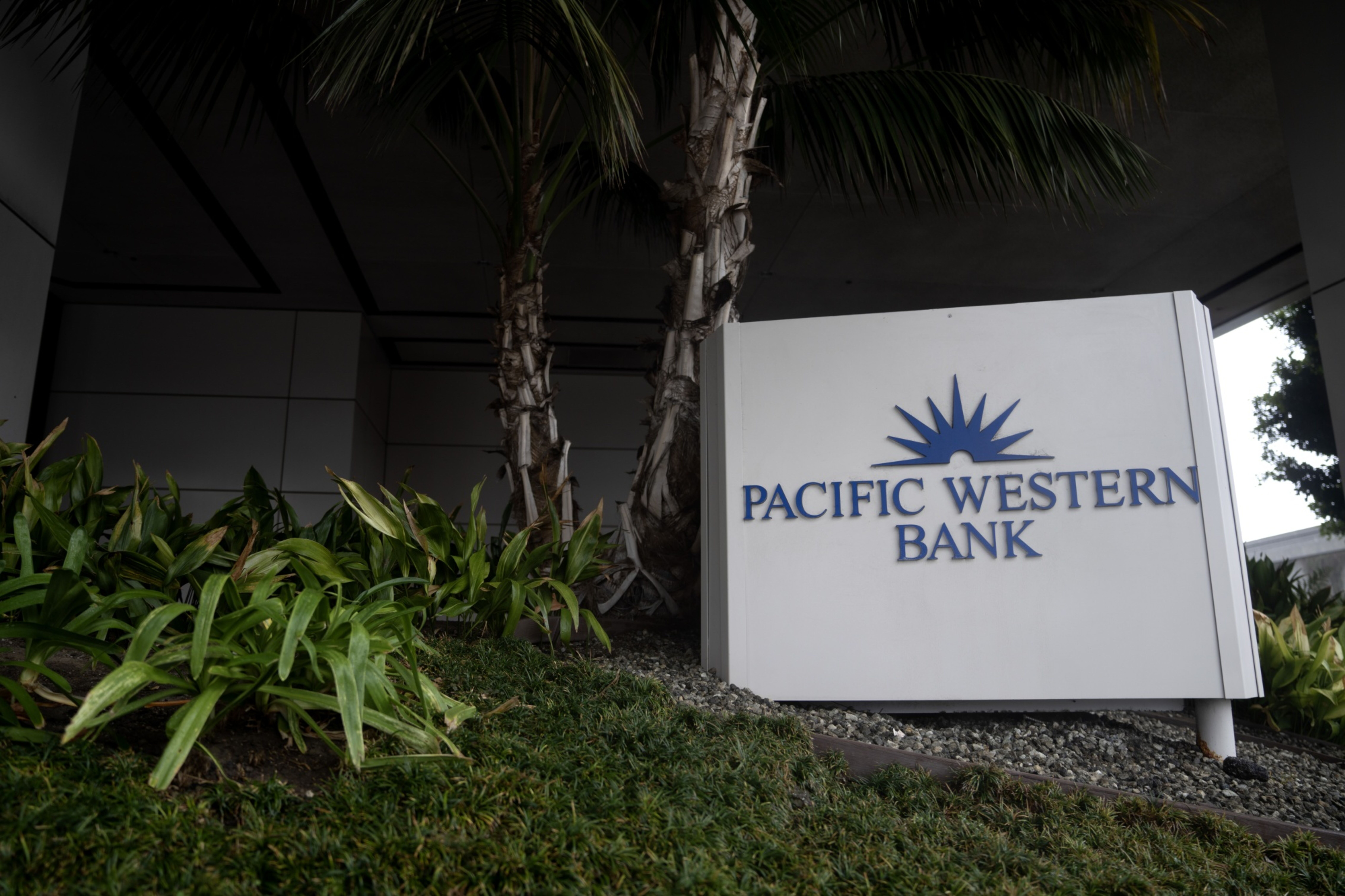
PacWest Bancorp has become the latest focal point of investor concern about the health of US regional banks, shedding nearly half its value in premarket trading, a day after Federal Reserve Chair Jerome Powell said authorities were closer to containing the turmoil that’s claimed four lenders this year.
VettaFi’s vice chairman Tom Lydon discussed the Consumer Staples Select Sector SPDR Fund (XLP) on this week’s “ETF of the Week” podcast with Chuck Jaffe of “Money Life.”
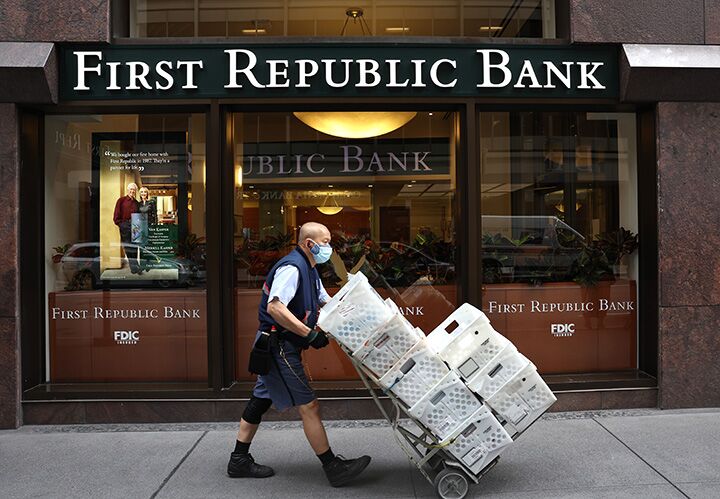
JPMorgan Chase & Co. Chief Executive Officer Jamie Dimon made a bold call on Monday: his firm’s rescue of First Republic Bank ended the initial phase of the turmoil engulfing banks.
The threat of recession is making debt securities a safer bet, while the stock market is yet to price in those risks.
Though equities have proven resilient, more of the long-expected effects of the Federal Reserve’s (the Fed’s) rapid interest rate-raising policy arrived in April.
Markets posted a strong first quarter, though it was a rollercoaster ride. The path forward will likely stay turbulent, with bank turmoil likely tightening credit conditions and the Fed still wrestling with inflation.
The big economic story today will be the end of the regular meeting of the Fed and what it decides to do about interest rates. Markets are expecting a 25 bp increase, to a range of 5 percent to 5.25 percent, with a slight bet on no hike at all.
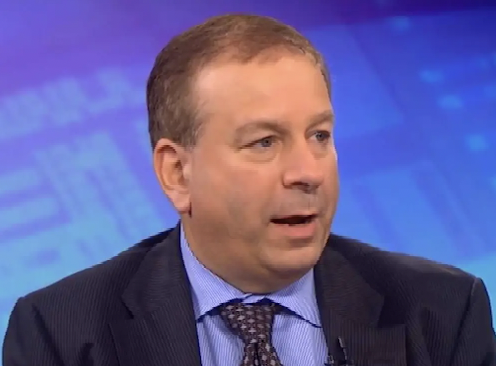
The odds of a “hard” recession are 99%, according to David Rosenberg, and it will start in the second quarter. Indeed, he said, it may have already started.
As Wall Street economists and central bankers debate if and when the US economy will slip into a recession, big money managers aren’t waiting to find out.
US companies’ earnings are strong enough that money managers like T. Rowe Price Group Inc. and PGIM Inc. expect corporate bonds to outperform Treasuries over the next 12 months, even if the economy suffers.
Lending standards are a lot like carbon monoxide since they operate in the back ground. When the Senior Loan Officer Opinion Survey (SLOOOS) showed that banks significantly increased lending standards in the third quarter, no one on Wall Street noticed.
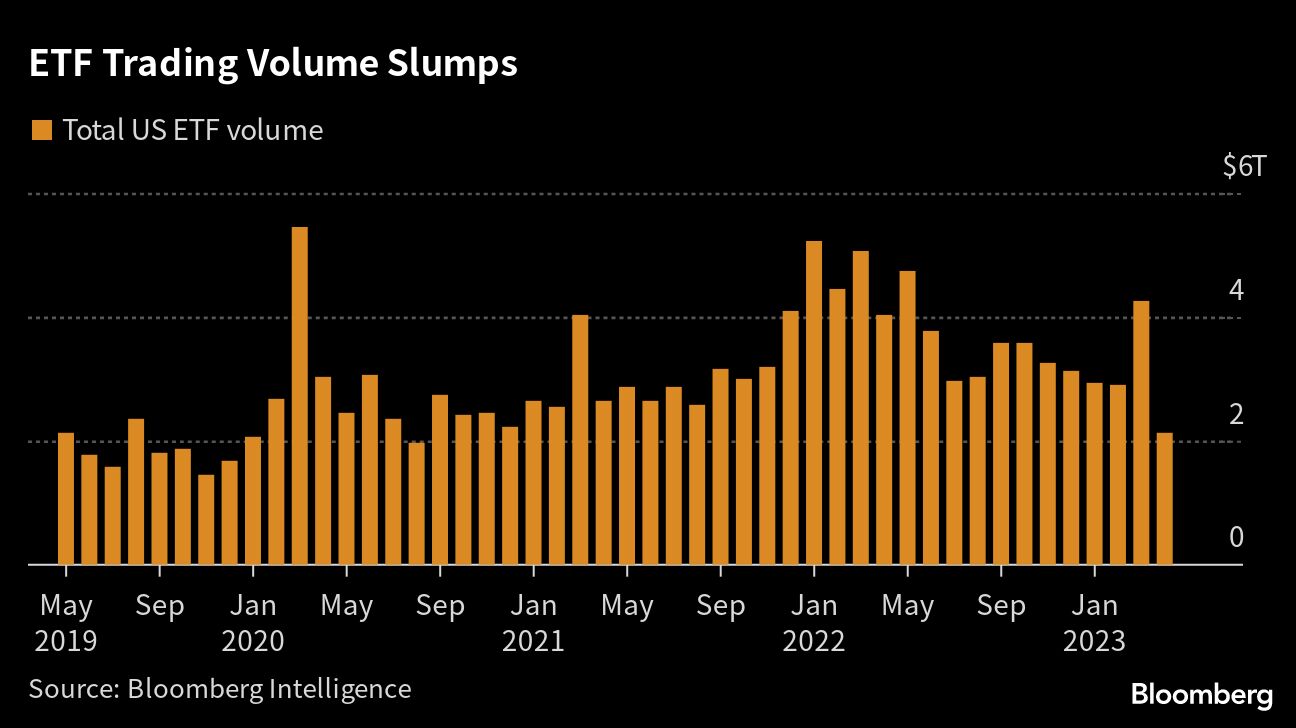
As stocks and bonds gyrate in well-defined ranges, the exchange traded-fund industry is sending a clear message: traders are tired.
For nine of the last fifteen years, few people thought about the Fed. Sure, we discussed QT and QE, but the Federal Reserve held interest rates at zero year after year.
Extreme volatility is making it more challenging than usual to predict market movements and where best to allocate portfolios. In fact, even BlackRock executives admitted that they're facing difficulties with allocations.
And neither should you.
The Fed is likely to lay the groundwork for a pause, and push back against an early pivot.
In the past three years, special purpose acquisition companies (SPACs) experienced stratospheric growth, became a manic bubble as sponsors raised new IPOs with a relentless fervor along with a market happy to oblige.
There have been glimmers of hope in 2023 that the inflation fixation of 2022 was a transitory phenomenon. In particular, the market has begun to more closely monitor jobs market data releases to try to spot signs of a labor market and wage slowdown.
Next week also brings what could be a pivotal Federal Reserve policy meeting. We use this word “pivotal” to say an event is important. Taken literally, it means to turn in a different direction than you were previously going.
In life, there are things that we should be convicted and committed to. For example, the love for our families, spouses, and religious beliefs. We can also be convicted about other things, such as political ideologies, social issues, and environmental causes.
Cryptocurrency adoption in the U.S. increased amid fears of a full-blown banking crisis, a new poll finds. According to Morning Consult, 22% of Americans, over one in five, said they owned at least one form of crypto in April, representing a four-percentage-point increase from January.
Key Takeaways
The current Federal Reserve’s (Fed’s) tightening cycle is approaching an end. This has been one of the most forceful as well as the fastest tightening cycle in history. However, because the federal funds rate was well below the neutral federal funds rate, the time it has been above that neutral level has not been that long.
Yesterday JP Morgan introduced a new model to quantify the last 20 years of Federal Reserve statements and speeches. While we aren’t privy to the details of the AI model, we will just assume that the model properly captures dovish and hawkish language.
The University of Michigan’s Consumer Sentiment Survey will give us more information on US consumers’ inflation expectations. The survey respondents’ inflation expectations, as other analysts have pointed out, are highly correlated with gasoline prices, which rose in March by 3.7%.
The volume of SPAC IPOs and mergers has reverted to pre-hype levels. Funding from public and private investors has plunged, while redemptions by existing investors have increased sharply.
Economic fundamentals are lining up for a return of QE. Yes, inflation is still on the high side but falling so rapidly that at least some central banks will be willing to take action before inflation is back to 2%.
Although the House narrowly approved a bill designed to jumpstart negotiations, the issue is far from resolved.
A few months ago, the internet was filling up with predictions that we’d have a 2008-style crash in home prices. The thinking was that the increase in interest rates would cause mortgage payments to skyrocket and price out an entire generation of homebuyers.
Higher bond yields and improved total return potential may offer advisors a compelling opportunity to move cash off the sidelines.
Discussion about inflation and the Feds efforts to fight it, the recent bank failures, and the odds of a U.S. recession.
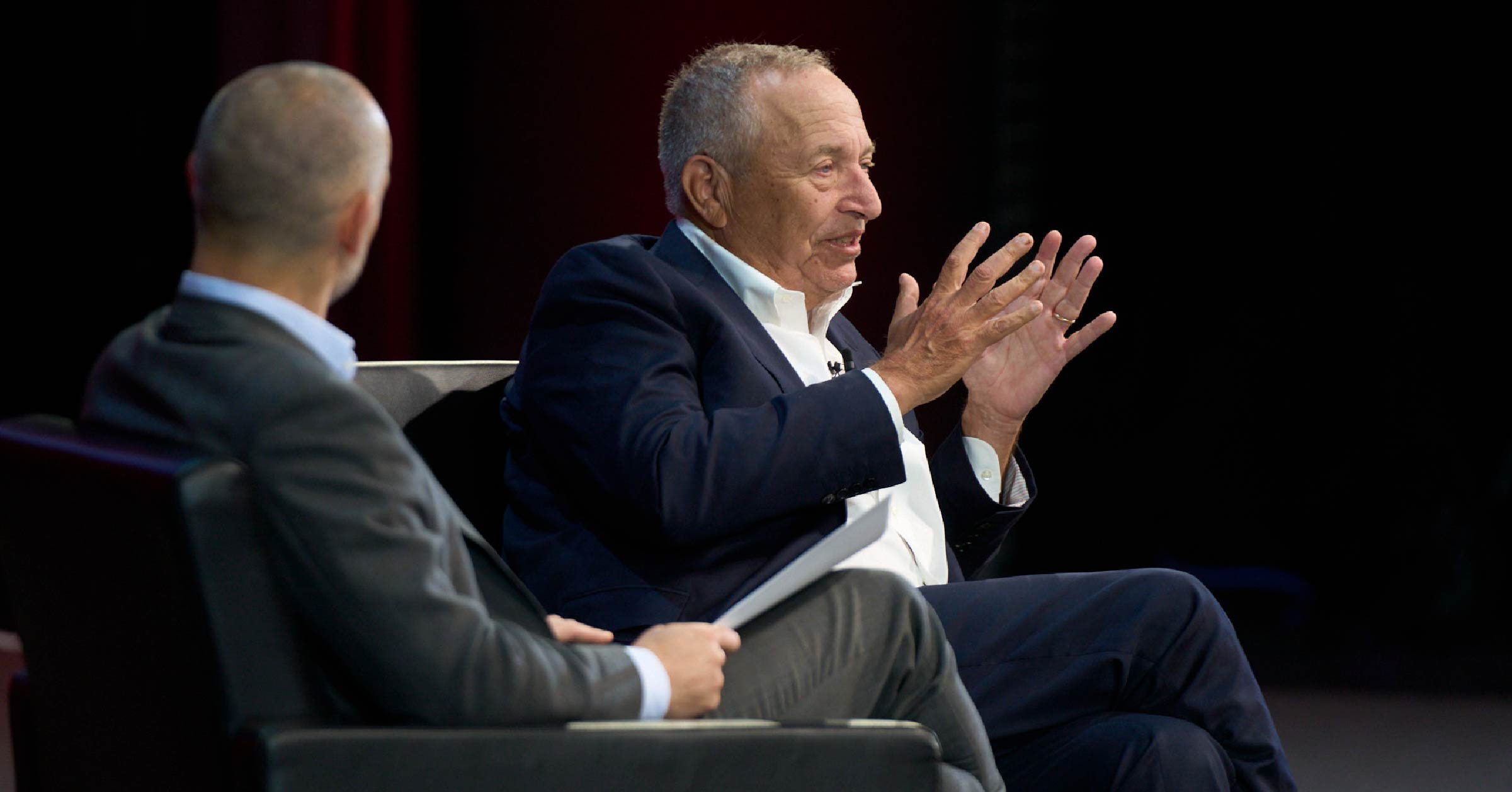
“Be careful in the equity markets,” warned Larry Summers. The bond market is predicting a recession but, he said, the equity market has not priced that in.
The sudden collapse of two US regional banks and the forced acquisition of Credit Suisse in Europe introduced a third dimension to the existing policy dilemma of balancing inflation and growth objectives: financial stability.
We favor high yield bonds and natural resource stocks as inflation still shows persistence, earnings expectations deteriorate and worries mount over a stalling U.S. economy.
The failures of Silicon Valley Bank, Credit Suisse Group AG and others have gotten financial authorities thinking again about bank runs and liquidity regulations — and whether some rules ought to be tweaked to make the system safer.
JPMorgan has unseated itself for the title of largest actively managed exchange-traded fund in the $7 trillion arena.
The vast “cash hoard of 2023” has the bullish media salivating about what it means for the future of equities. That cash hoard in money market funds now exceeds $5.2 trillion.
Over the next few weeks, the exciting professional hockey playoffs will determine this year’s Stanley Cup winner! The NHL’s fast-paced playoff games will be sure to keep fans on edge as momentum constantly changes as players skate to a puck that travels up to 100 mph.
VettaFi’s Tom Lydon discusses recent advisor polling data on everything from 60/40 portfolio returns to active ETFs. Sprott’s John Ciampaglia spotlights their lineup of energy transition ETFs, including the first-ever nickel miners ETF. Horizon’s Scott Ladner explains the process behind their ETF-centric, goals-based model portfolios.
Hedge funds are betting on higher Treasury yields in a market that’s divided over whether the US economy can avoid recession and Federal Reserve interest-rate cuts.
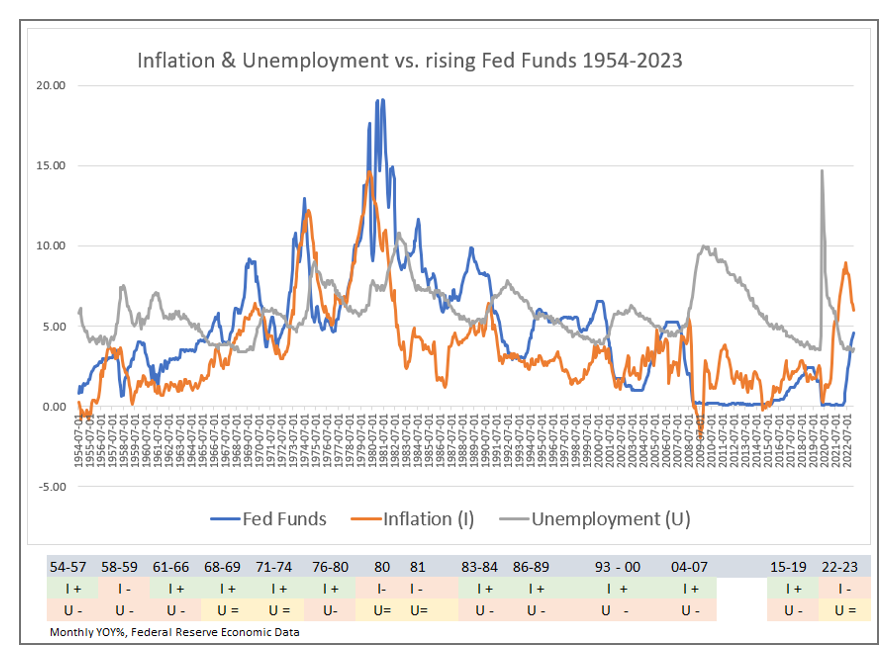
Amid the overabundance of economic opinion, unexamined clichés, and unverified assertions, and nutrient-free word salad dispensed by talking heads on television, market observers, and even Federal Reserve officials, I often wonder how many of them have ever taken the time to carefully examine historical data.
In spite of weakness in some economic data, problems in the banking sector, and much higher interest rates, real GDP in the first quarter will almost certainly show moderate growth.