TMX Group Limited (TMX Group) announced today that it has made a strategic investment in VettaFi Holdings LLC (VettaFi), a U.S.-based, privately owned data, analytics, indexing, digital distribution, and thought leadership company.
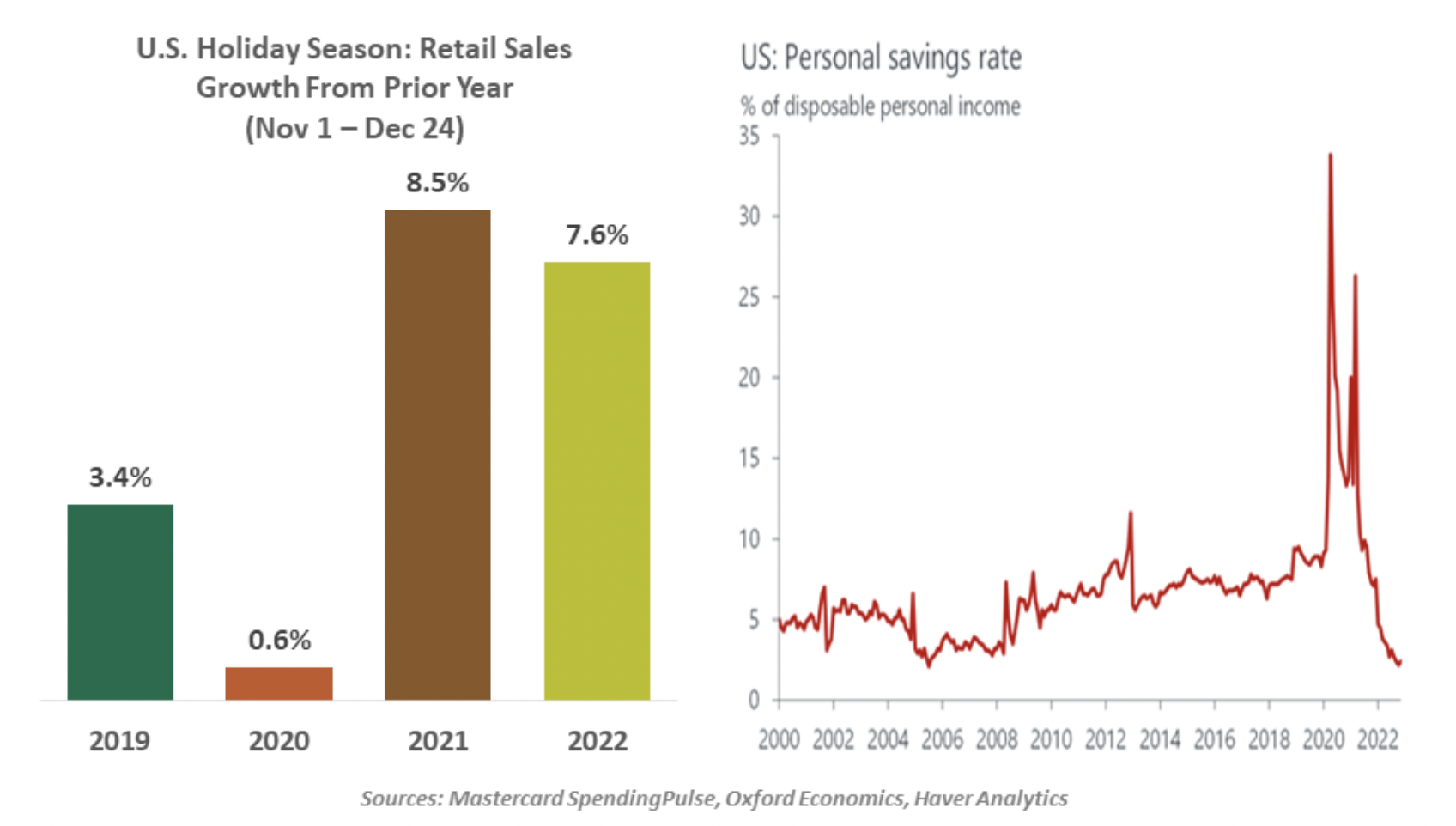
U.S. consumers did not slow their spending over the holidays.
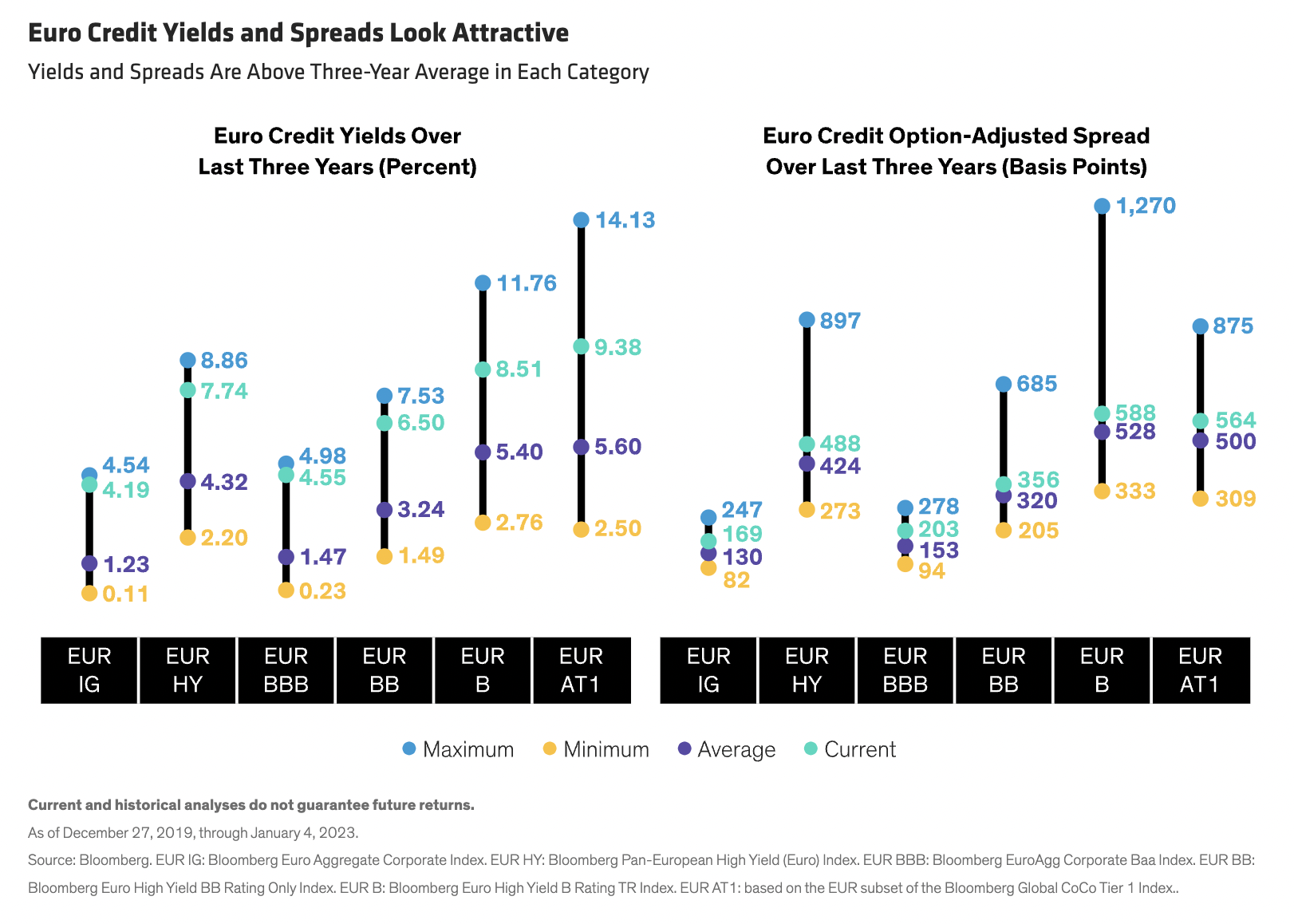
European bond-market performance was among the worst on record in 2022, as Europe ran the gamut of geopolitical, economic and market storms.
For many investors who started their investing journey following the financial crisis, forward returns will be disappointing compared to the last decade.
Learn trading techniques to better control pricing when buying or selling ETFs.
Review the latest portfolio strategy commentary from Mike Gibbs, managing director of Equity Portfolio and Technical Strategy.
An era of low inflation and low interest rates has ended.
Welcome to 2023. It’s Forecast Season on Wall Street, the time when everyone tells us what to expect for the new year. Do they really know? Of course not. Forecasters don’t know, investors know they don’t know, yet we all go through this exercise anyway.
Investors who use a 60/40 portfolio had a rough year. In the past, putting 60% in stocks and 40% in bonds has often helped investors hedge against losses in either asset class. But 2022 had other ideas.
This is my least favorite time of the year.
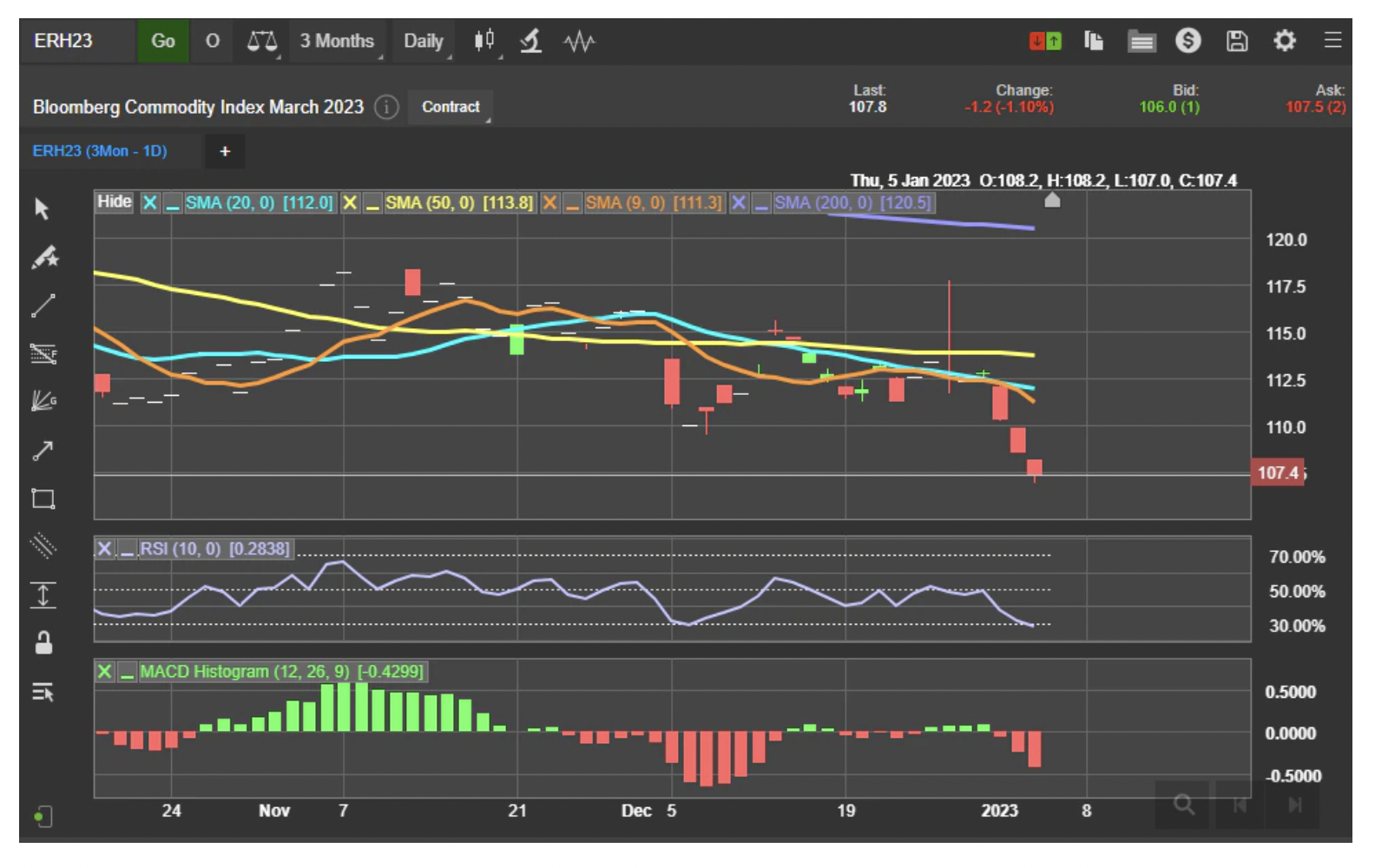
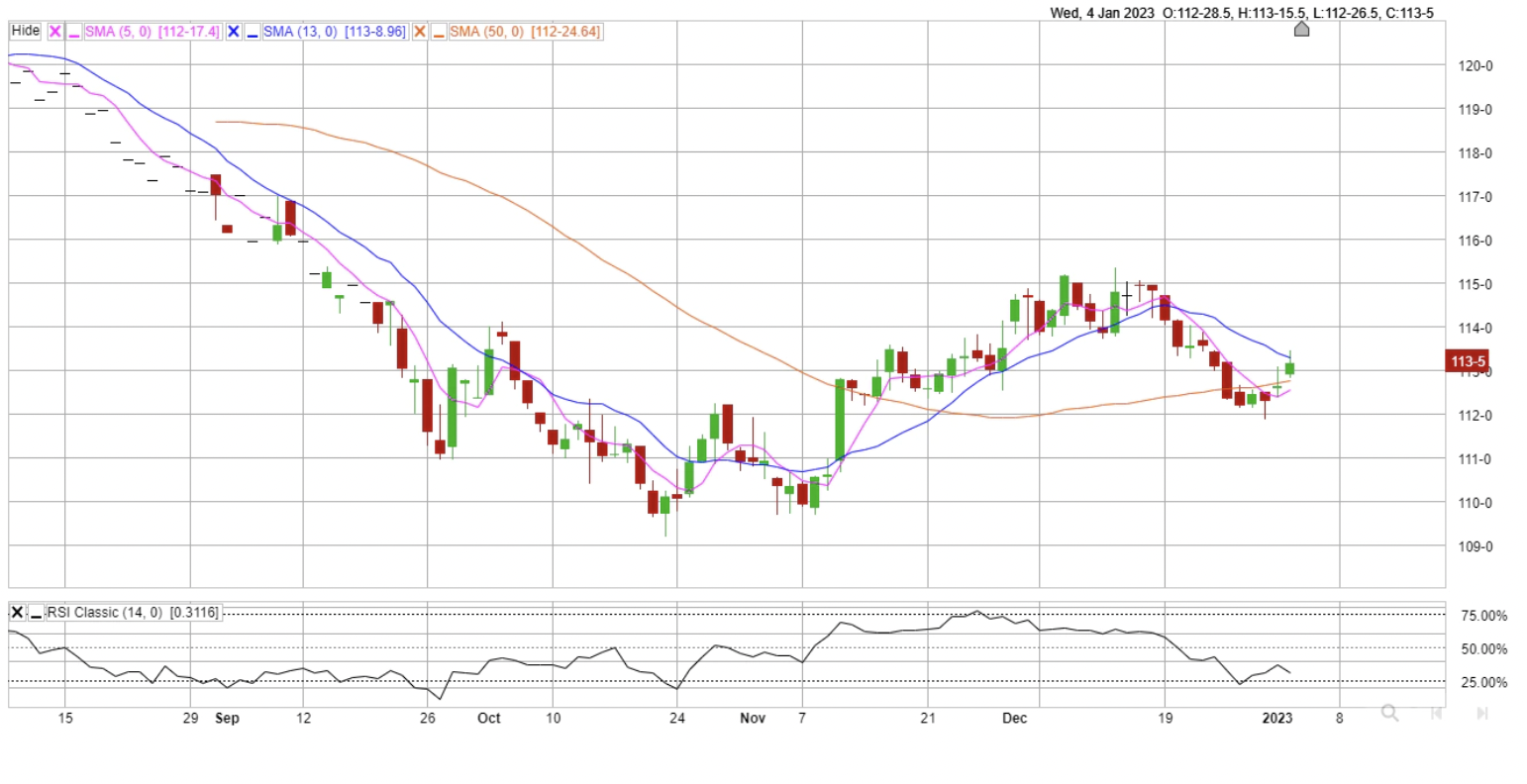
The March contract for the Bloomberg Commodity Index (ERH23) was down for the third consecutive day on Thursday. Since ending 2022 at 112.80, the contract is down 5.03 at 107.77.
Chief Economist Eugenio Alemán and Economist Giampiero Fuentes examine the factors which will contribute to the U.S. economy's path forward in 2023.
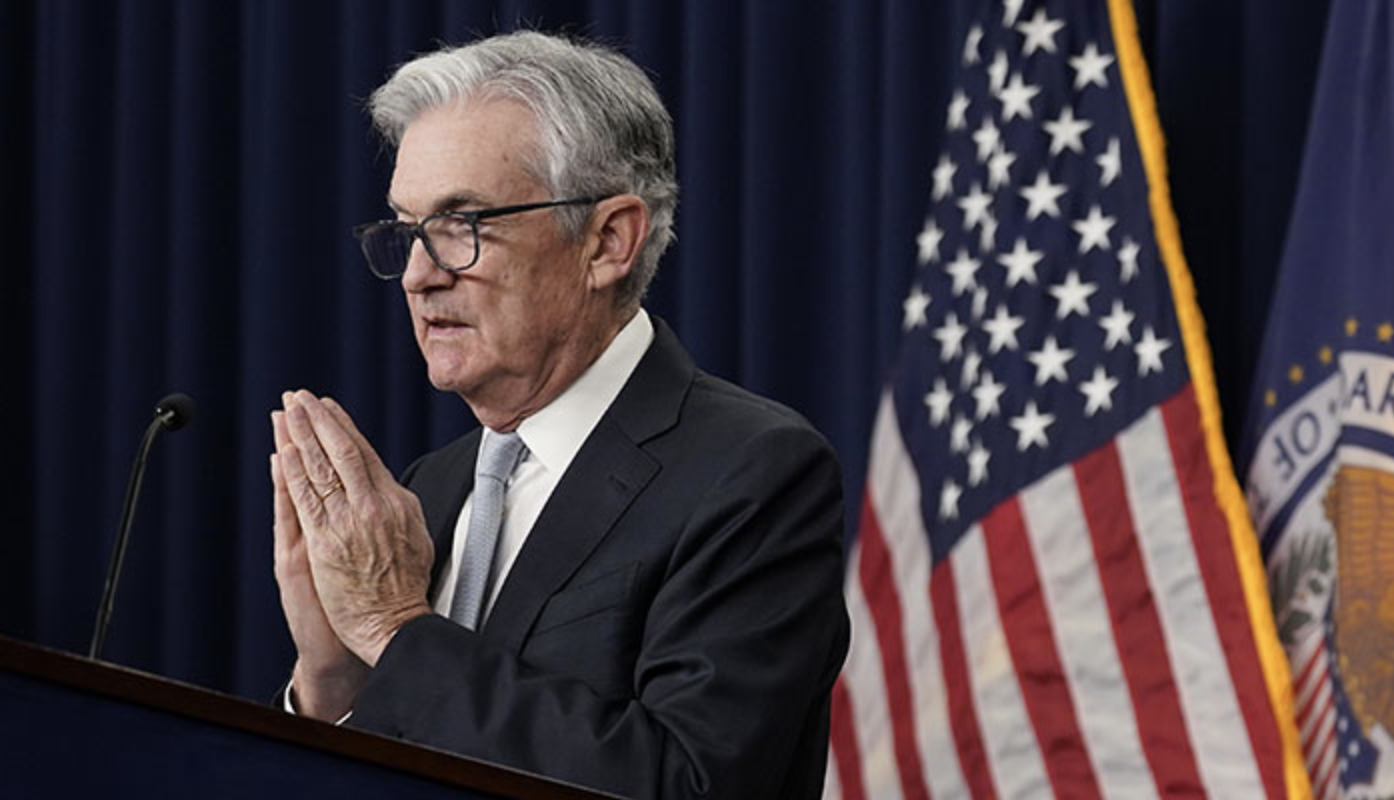
Just recently, James Bullard, President of the St. Louis Federal Reserve, suggested the central bank might need to employ the “7% solution” to ensure the complete destruction of inflation.
Tesla’s shares fell by more than 14% on Tuesday, after plunging by 65% in 2022.
Municipal Bond Strategist Jim Grabovac shares his views on outflows, trends and opportunities in the municipal sector.
The U.S. economy continually showed its resiliency through a challenging year.
Bonds are bouncing into the new year after notching a record annual loss last year.
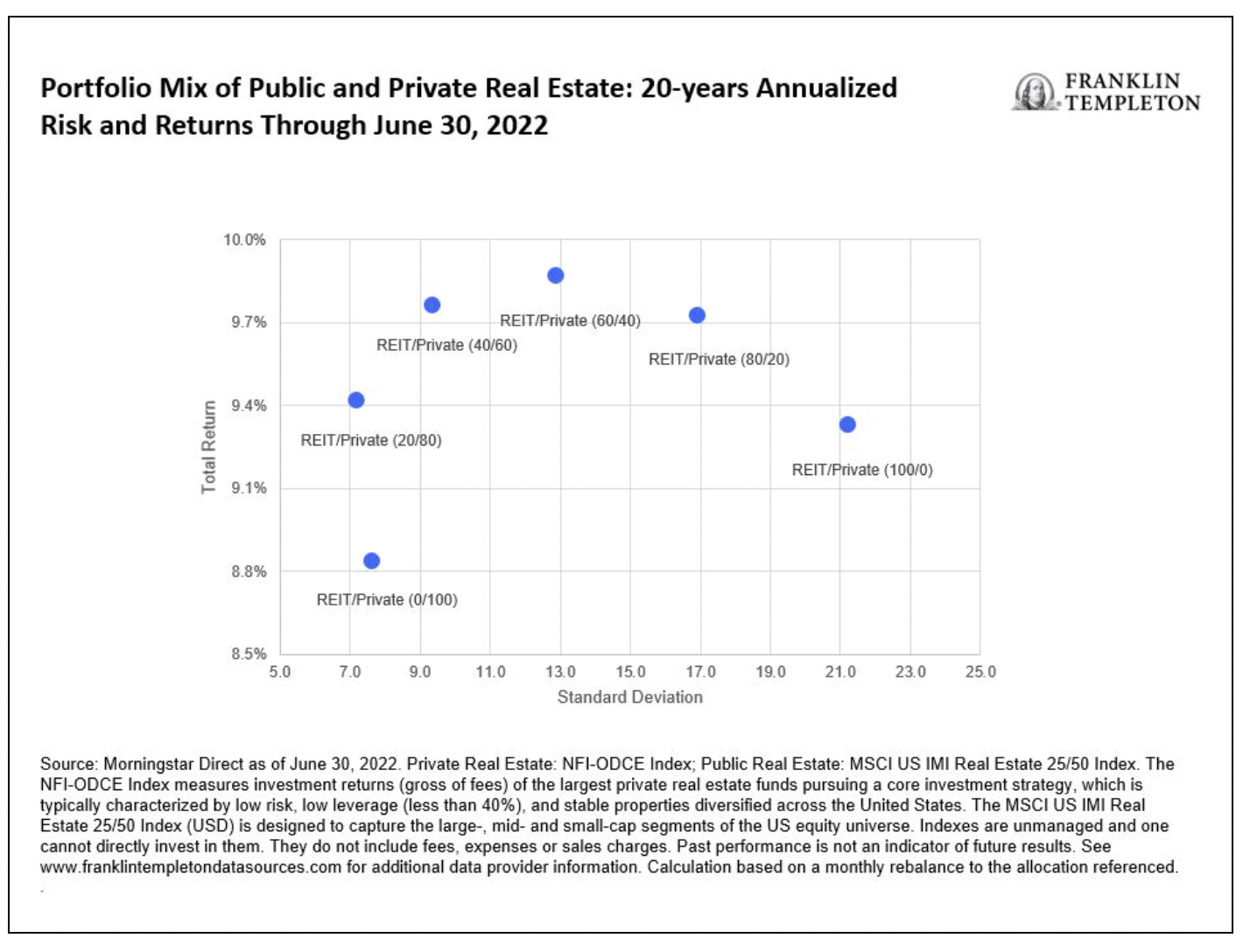
Public and private real estate investments present a compelling opportunity in the current environment of high inflation and rising interest rates, according to Daniel Scher and Blair Schmicker from Franklin Equity Group.
With inflation on the rise and the era of ultra-low interest rates over, financial markets will face a huge stress test in 2023.
Over the long-term, the fundamentals of the dollar suggest a downward bias is likely.
U.S. equities are solidly higher in afternoon action, paring some of the losses that have plagued the start of 2023.
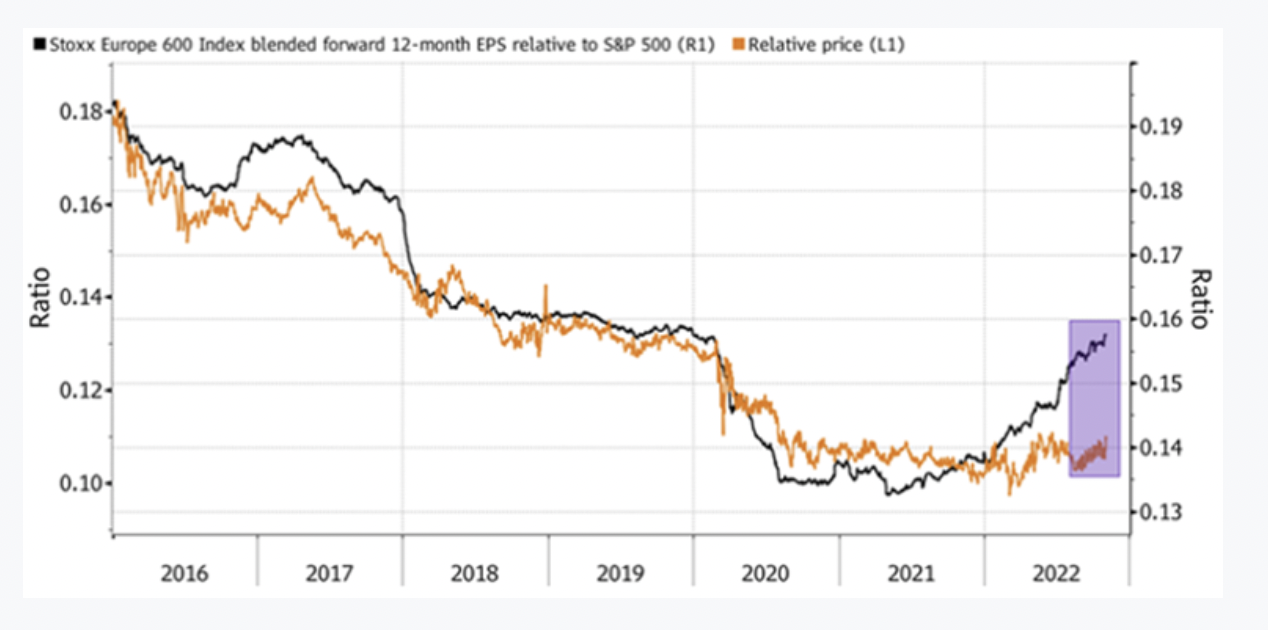
In our Quarterly Strategy Report, we illustrate the relative attractiveness of select developed international sectors.
2022 wasn’t the easiest of years to handle for investors.
The housing sector was a huge and early beneficiary of the super-loose monetary policy of 2020-21.
Bob Doll, CIO at Crossmark Global Investments, provides his annual 10 predictions for financial markets.
Craig Burelle sets the stage for our Sector Teams' Outlook blog series with his views on the macro backdrop in 2023.
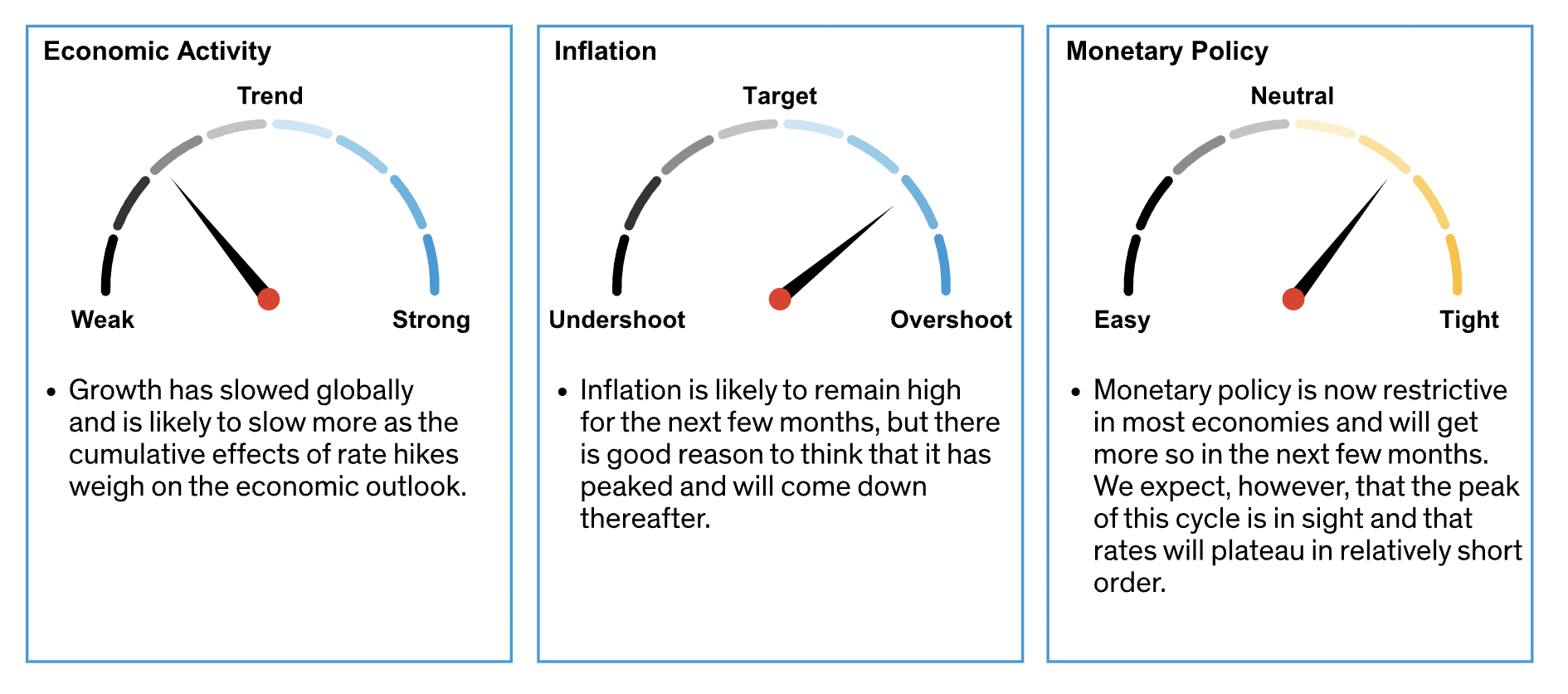
After a year defined by inflation and the policy response to it, we expect 2023 to be a year of transition.
Last week, thousands of Americans lived out a real-life version of Planes, Trains and Automobiles, the 1987 comedy that saw Steve Martin and John Candy...
Quarterly commentary giving an overview of the markets and the importance of having and implementing a strategy when investing in the markets.
With 2022 finally over, and not soon enough, such is an excellent time to review our “investor resolutions.”
Advanced economies and emerging markets are increasingly engaged in necessary "wars" – some real, some metaphorical – that will lead to even larger fiscal deficits, more debt monetization, and higher inflation on a persistent basis.
Nikko Asset Management’s Global Investment Committee recently got together to discus their views heading into 2023.
U.S. equities closed out 2022 in the red, and all three major indexes registered solid losses on a yearly basis. The stock market posted its worst yearly decline since 2008.
George Milling-Stanley of State Street Global Advisors provides his outlook for gold in 2023, as well as the specific headwinds and tailwinds he expect to drive price activity moving forward.
Any way you slice it, 2022 was a turbulent year, from Russia’s invasion of Ukraine to historic inflation and jumbo rate hikes to multiple failures in the digital asset space.
Much ink has been spilled over the death of the 60/40 portfolio.
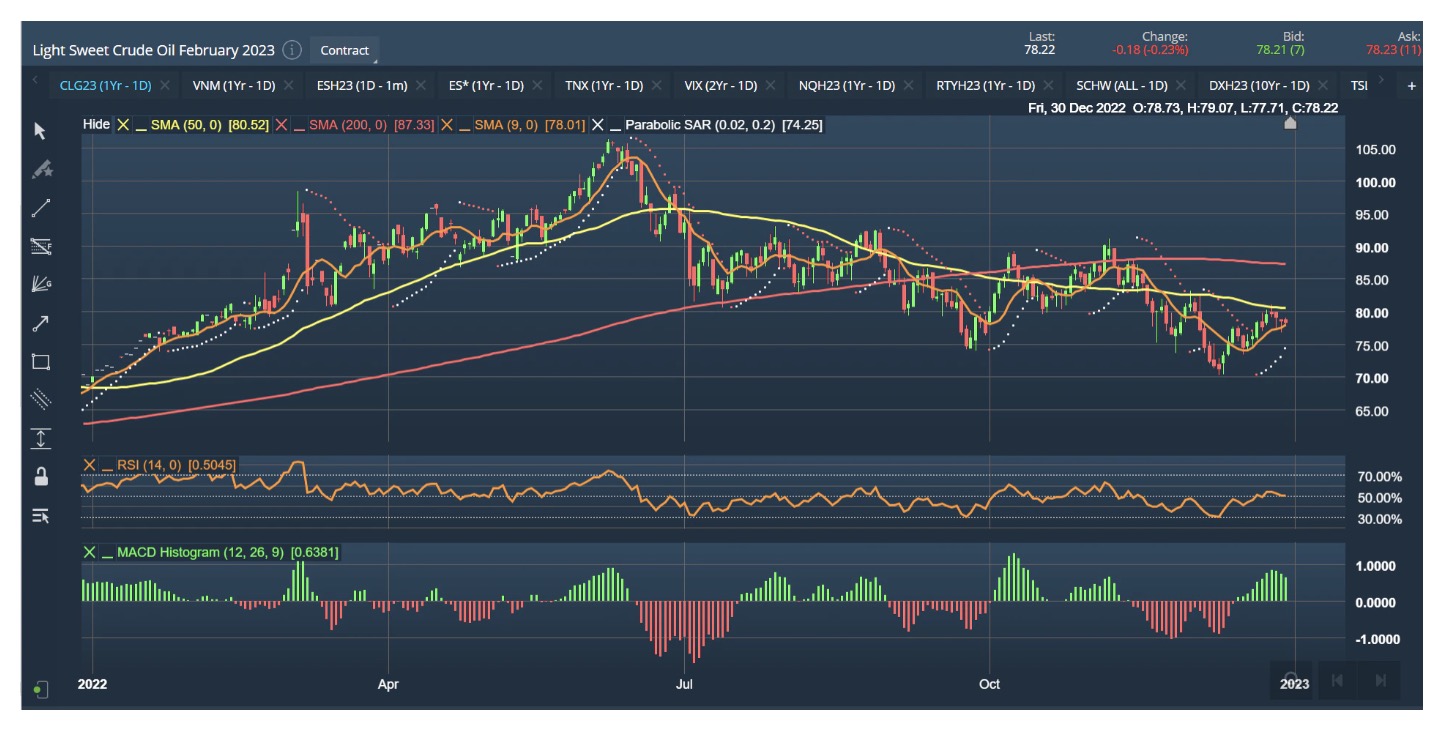
The February crude oil contract CLG23 was down over 2% in trading early Thursday.
Washington Policy Analyst Ed Mills outlines key components of the new legislation.
The Aiguille du Midi, neighboring popular Mont Blanc in the French Alps, is famous for having the highest vertical ascent cable car in the world, a vertigo-inducing ride that is equal parts scary and awe-inspiring.
U.S. stocks are rising in pre-market trading, looking to rebound from yesterday's drop.
We want to wish everybody a Happy Holiday season!
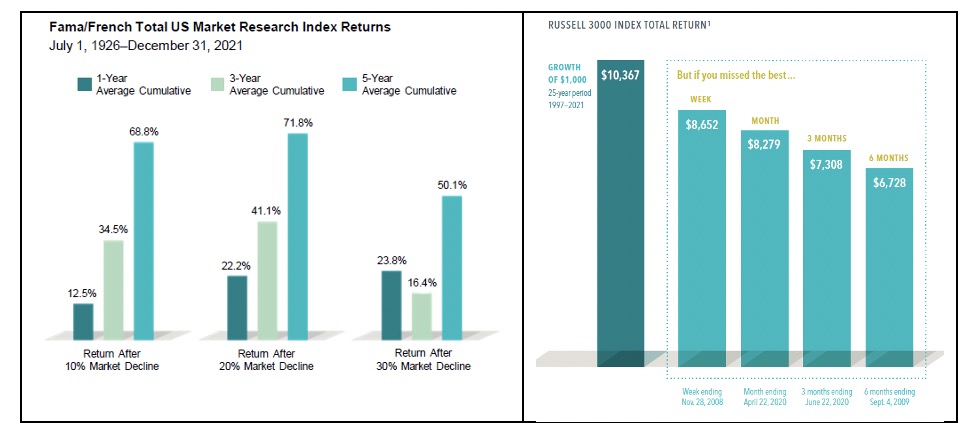
Bear markets end with widespread capitulation while a chorus of the stock trader’s prayer (God, if you get me out of this mess, I swear I will never buy another stock) spreads through out the land.
Enjoy the latest Newsletter from Harold Evensky.
Extremely harsh weather conditions from winter storm Elliot resulted in thousands of flight cancellations last weekend.
U.S. stocks continue to oscillate around the unchanged mark.
U.S. stocks are rising in pre-market action in the first trading session of the week following the long holiday weekend.
The market dislocations and skyrocketing inflation of the last year put longstanding retirement maxims to the test and that test isn’t over yet.
Managing your portfolio has more to do with gardening than you might imagine.
The big question heading into 2023 is the dreaded “R” word.
U.S. equities are modestly higher but near the unchanged mark in pre-market action.