U.S. equities are lower as pressure has returned to the banking sector, which remains top of mind.
Following this week’s banking crisis and the return of government bailouts, investors and traders alike are once again calling for a Fed pivot.
The market gyrations are not rooted in a banking crisis, but in financial cracks from rapid rate hikes.
Portfolio manager Peeyush Mittal and research analyst Swagato Ghosh say India has a fiscal playbook to chart a path of stability and growth.
In a dovish move, the central bank raises rates by half a point.
Implications of SVB and Credit Suisse on the European banking sector—check out highlights from our recent panel discussion with Kim Catechis, Investment Strategist with the Franklin Templeton Institute.
When markets react, consider a broader historical perspective before changing your financial course.
Although the dust has not yet settled, we think it’s a good time to pause and consider the implications of the recent Silicon Valley Bank (SVB) collapse.
Financial market volatility has followed the collapse of Silicon Valley Bank. Stephen Dover, Head of Franklin Templeton Institute, shares his thoughts on possible implications outside the United States.
What our experts think about today's market action.
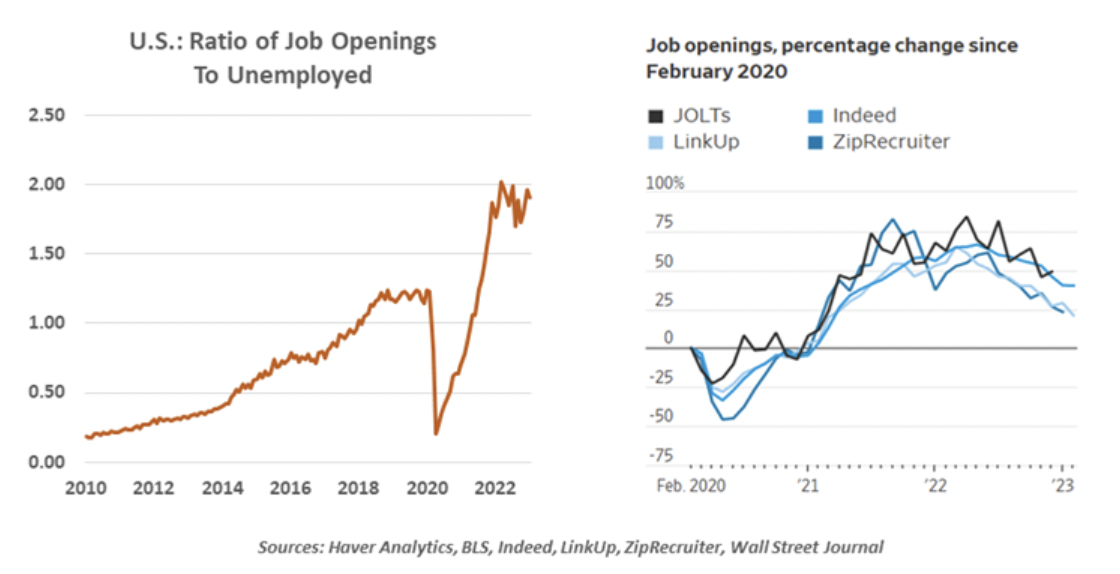
Elevated job openings may not give an accurate view of labor market conditions.
Credit Suisse’s problems revealed today stem from issues the company discussed last June in a profit warning.
U.S. stocks are falling in pre-market trading as recent banking turmoil on this side of the pond made its way to Europe.
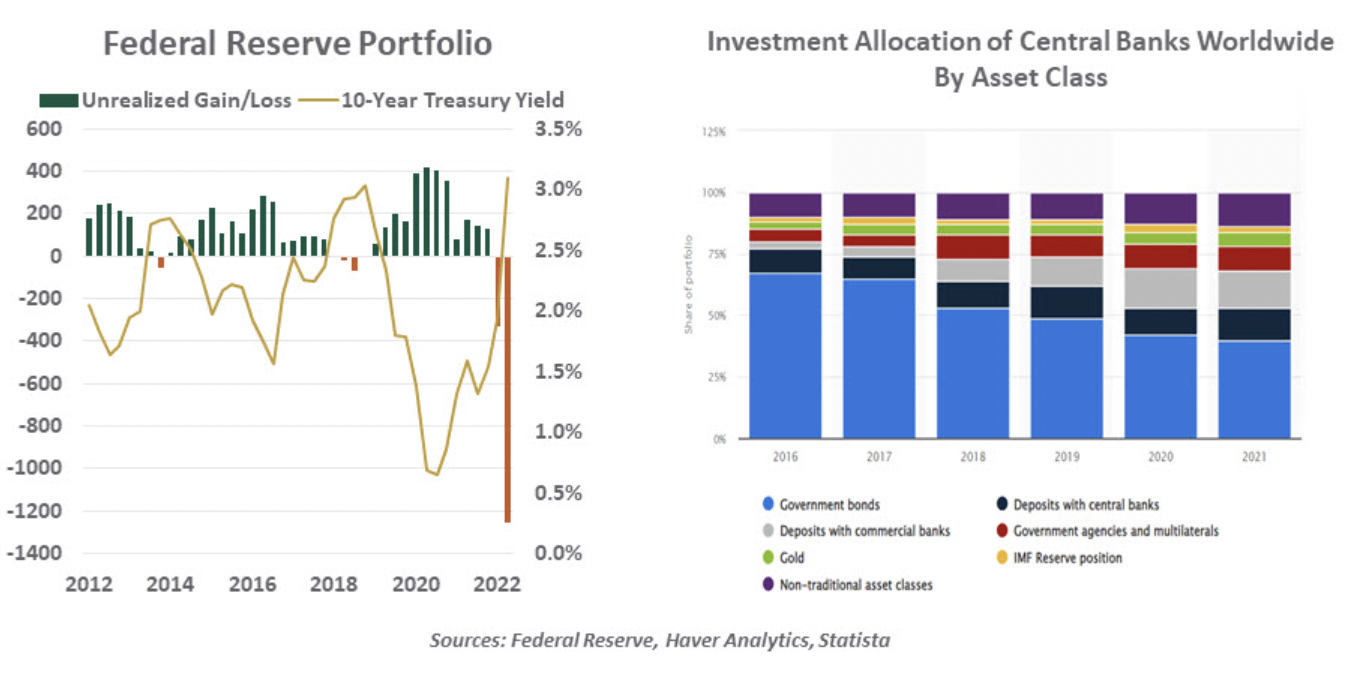
If marked to market, assets purchased during quantitative easing are in the red.
The failure of Silicon Valley Bank raises questions for Fed policy and economic growth.
101 Lesson of Structural growth versus recovery growth investing.
Headline CPI came in today as expected at 0.4%, however core inflation (ex food and energy) came in slightly higher at 0.5% versus the estimated 0.4% increase.
The extreme “tail” risk ahead may be disorienting.
The new SECURE Act 2.0 (Setting Every Community Up for Retirement Enhancement Act) seeks to make it easier for U.S. taxpayers to save for retirement and expands access to retirement plans.
The events that began with Thursday’s tumult in financial stocks and precipitated the FDIC takeover of Silicon Valley Bank and Signature Bank were swift.
We just experienced the fastest bank run in history with the closure of Silicon Valley Bank.
Regulators' prompt response and the creation of a new lending facility should limit broader market fallout from recent bank failures, notes Chief Investment Officer Larry Adam.
Why did Silicon Valley Bank fail?
The high-profile collapse of Silicon Valley Bank last week is a story about bad debt, just not in the way most people think.
Senior Sovereign Analyst Jon Levy shares his analysis of the European Central Bank’s plans to unwind its largest quantitative policy measure, how it could affect markets and how it compares to previous policy changes.
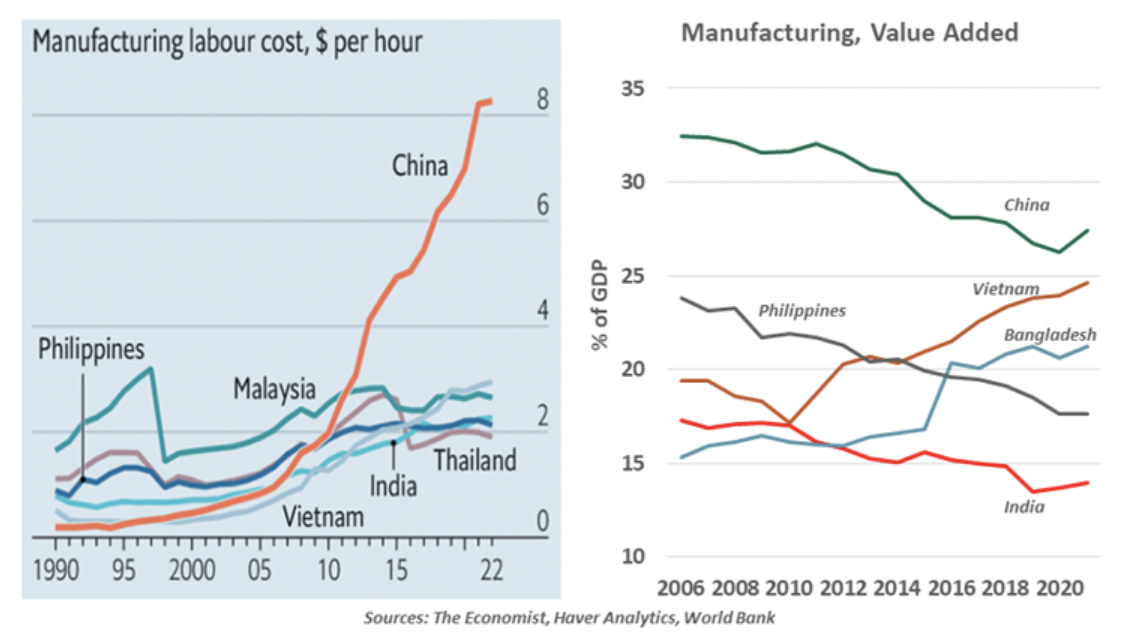
Can India capitalize on supply chain realignment to build its manufacturing sector?
U.S. stocks are extending last week's sharp declines that have come amid worries regarding the ultimate impact on the banking sector of the recent collapses of SVB Financial and Silvergate Capital.
Here’s an update on the latest news involving Silicon Valley Bank and the implications for the Fed and markets, from Stephen Dover, Head of Franklin Templeton Institute.
Chief Economist Eugenio J. Alemán discusses current economic conditions.
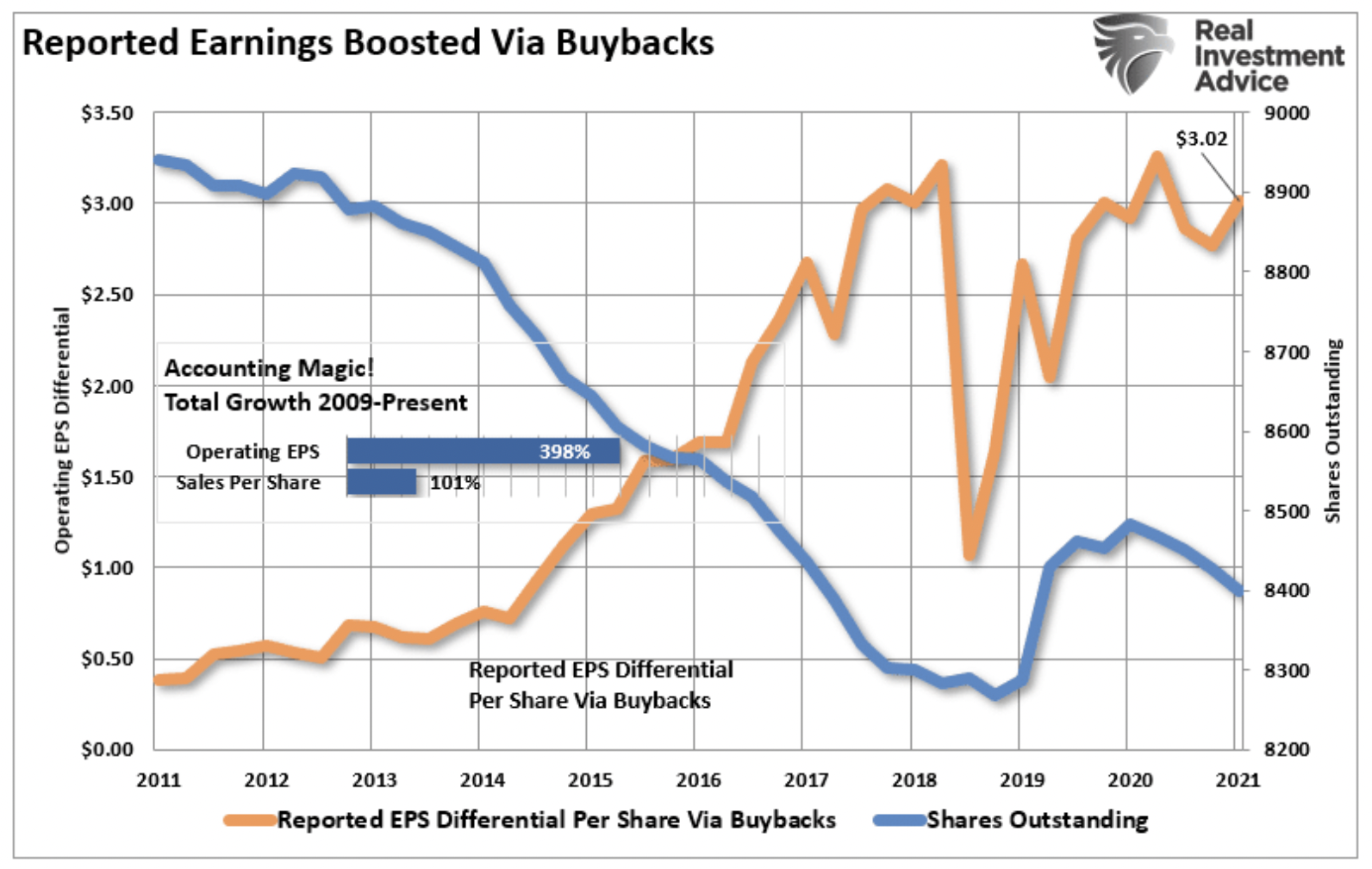
Warren Buffett defended stock buybacks in Berkshire Hathaway’s annual letter, pushing back on those railing against the practice he believes benefits all shareholders.
If a picture is worth a thousand words, this will be the “longest” letter I’ve sent you in a while, as there are quite a few pictures. It may also be the most wide-ranging.
Like face recognition, artificial intelligence (AI), mRNA vaccines and other modern technology, Bitcoin is a key component of the ongoing, rapidly accelerating digital transformation.
In September 2021, Silvergate Bank, specializing in digital currency, was performing well. In fact, the bank reported record-breaking growth in deposits and loans in 2020, thanks in part to increased demand for its services from clients in the cryptocurrency industry.
Review the latest portfolio strategy commentary from Mike Gibbs, managing director of Equity Portfolio and Technical Strategy.
U.S. equities are modestly higher in pre-market action following the February labor report that was only modestly above estimates.
Head of Portfolio Strategy David Dali explains why it’s an opportune time to add emerging-market exposure.
We believe municipal bonds boast several key factors that position them as an attractive asset class in general, but especially so when markets are volatile.
Gen Zers, according to a recent Magnify Money survey, are overly optimistic about being wealthy.
U.S. stocks are higher, paring weekly losses though the markets remain choppy following this week's hawkish Congressional testimony from Fed Chairman Jerome Powell.
International Women's Day is a global observance that recognizes and celebrates women's social, economic, cultural, and political achievements.
Federal Reserve Chairman Jerome Powell said the Fed could hike rates more and more often.
Investors focusing on climate change often overlook Chinese firms.
The problem with speculation is that there’s usually a gap between the underlying risk and the inevitable outcome.
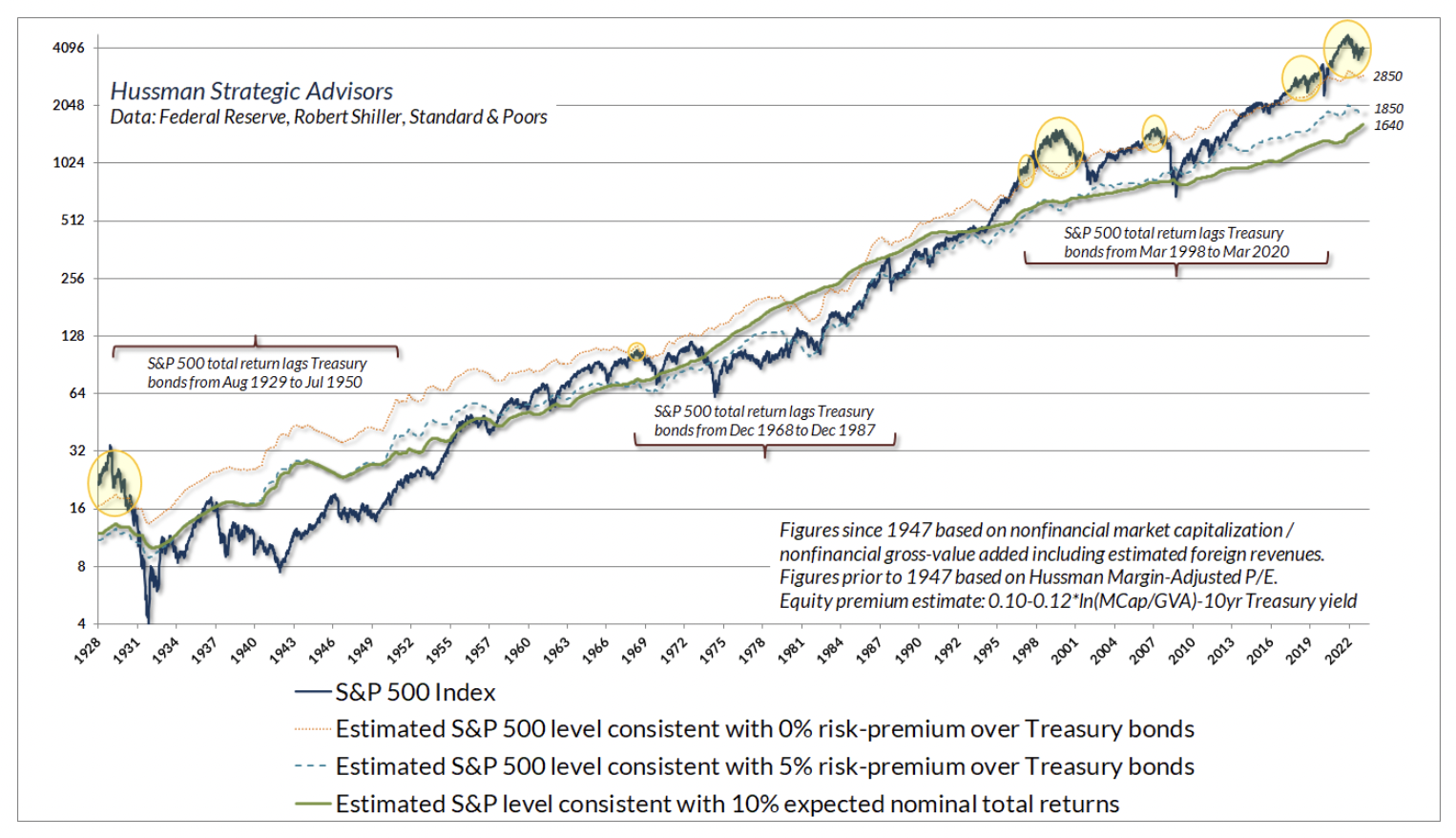
The long-term outlook for stocks remains questionable, as most of my leading indicators of risk assets suggest sub-par performance over the next year or so.
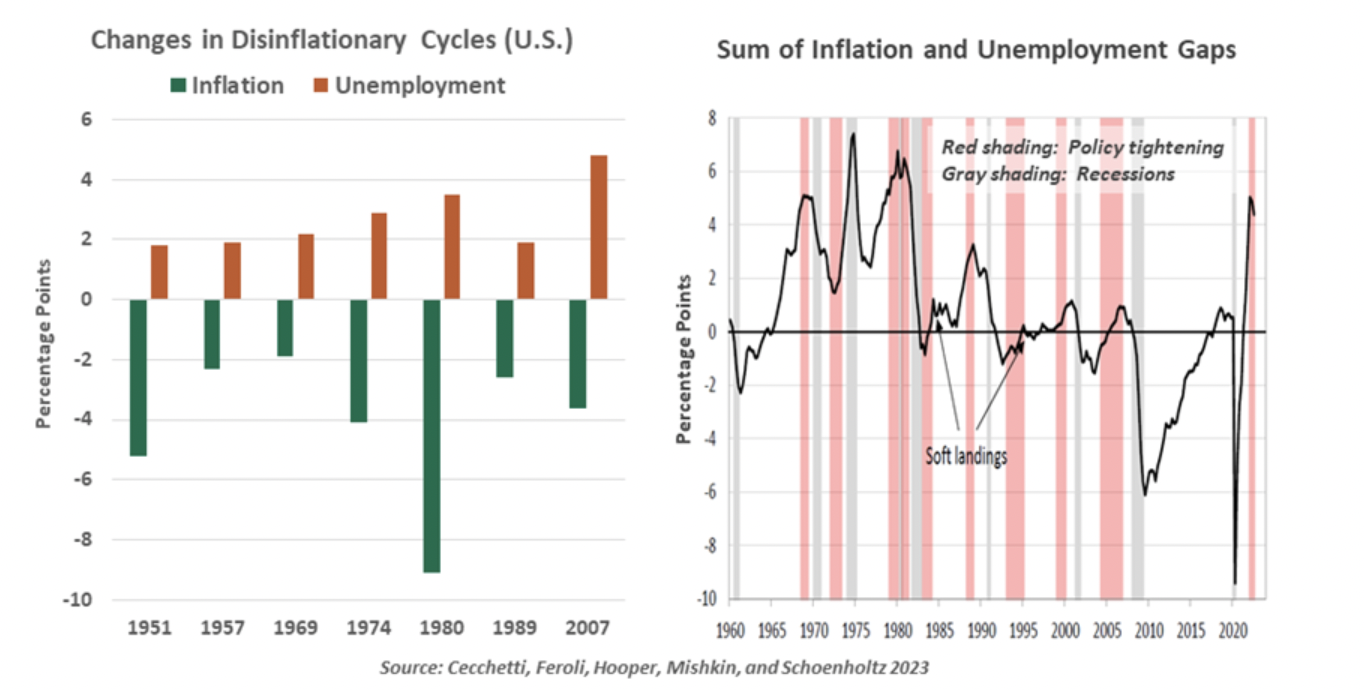
History shows a high risk of recession when central banks fight inflation.
Johnson & Johnson’s (JNJ) stock price has fallen approximately 13% since the beginning of the year. However, operating earnings are expected to increase modestly while operating cash flow is expected to increase 45% or more after dropping 1% in 2020 and 9% in 2022.
Investors in emerging markets (EM) have endured a decade of poor performance. But things may be changing. Based on The Economist magazine’s data comparing hamburger prices across countries, many EM currencies look cheap today—as they did 20 years ago before an extended rally of EM stocks and bonds.
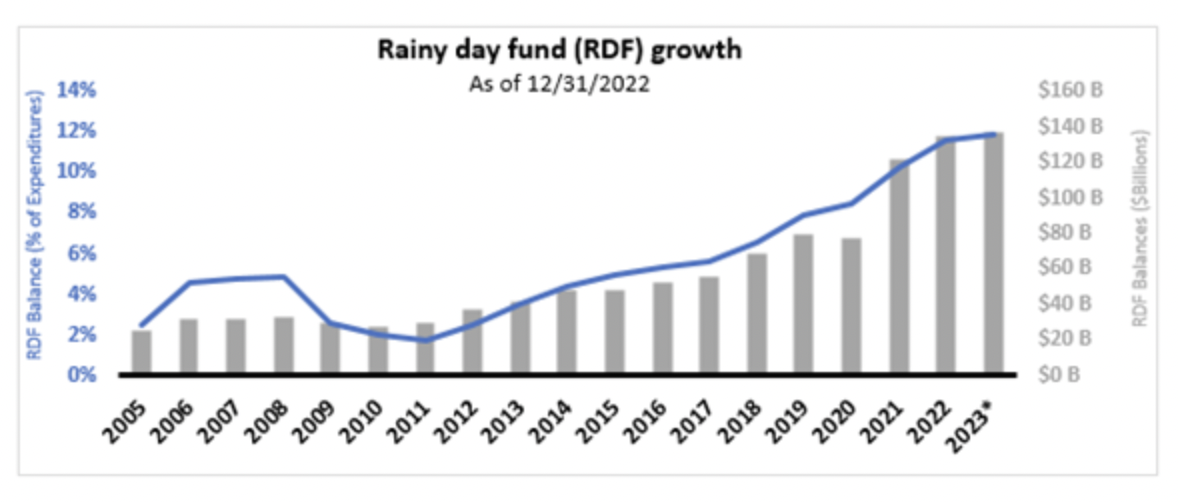
While 2023 has started on shaky ground for the municipal bond market, there are reasons to be optimistic for more stability ahead, according to Jennifer Johnston, Franklin Templeton Fixed Income’s Director of Municipal Bond Research. She explains why California’s issues don’t reflect all states, and offers reasons for optimism.
Given the topsy-turvy nature of the market thus far in 2023, it remains crucial for investors to know what they are buying—especially as it relates to growth, value, and quality.