The US birthrate fell to another record low in 2020, extending a trend which began in the mid-1960s, and this pattern is also happening in most other parts of the world.
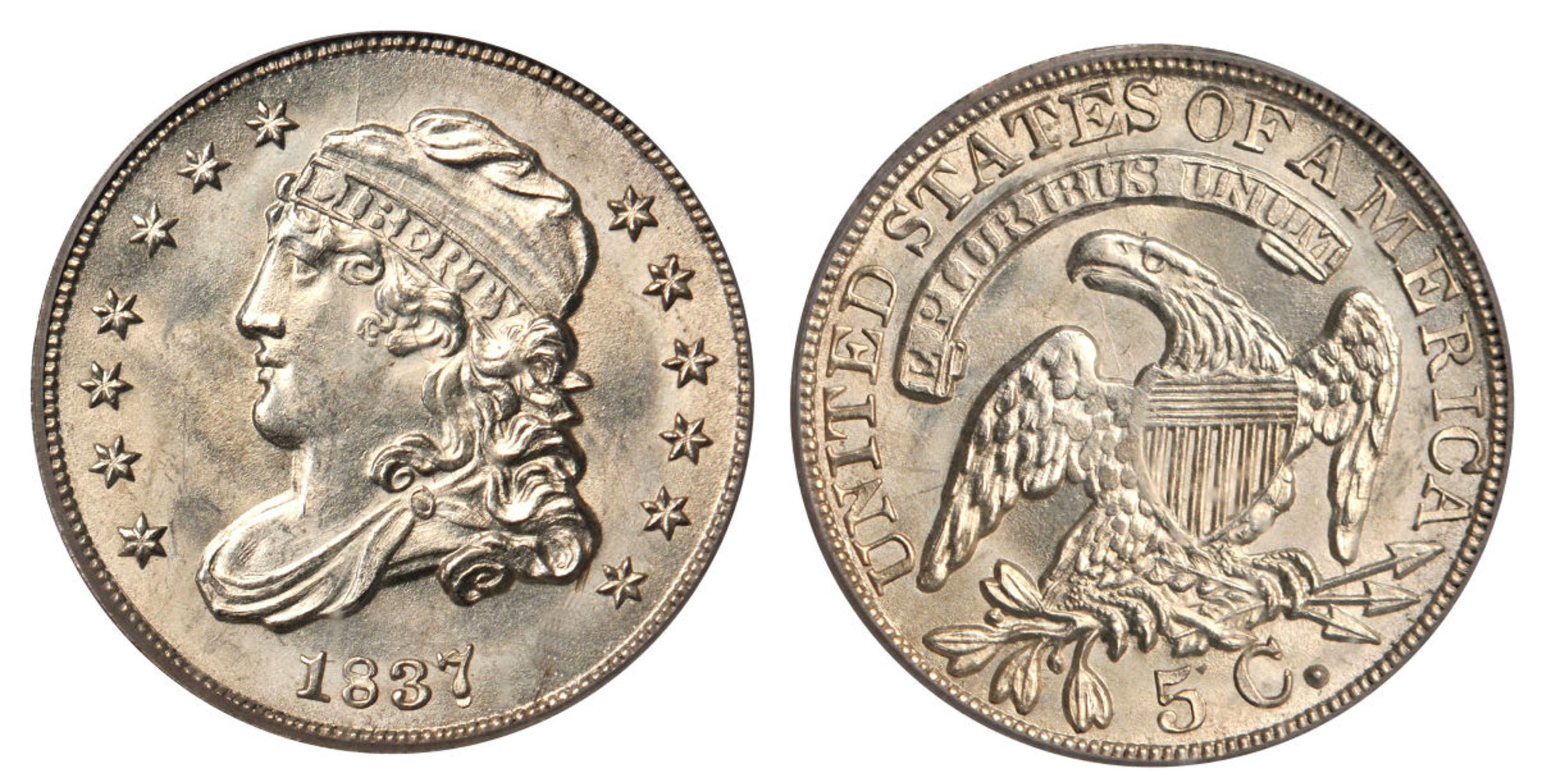
Gold is one of the rarest elements in the world, making up between 0.001 and 0.006 parts per million of the earth’s crust.
Are you missing opportunities to deepen your client relationships or losing business opportunities in your planning process?
Bull markets always seem to end the same – slowly at first, then all at once.
Through the first half of 2021, fixed-income investors have been faced with their greatest fear: inflation.
The Biden administration’s proposals won’t have much impact on the merely wealthy, but some changes will have huge consequences for the very wealthy.
Domestic business travel is well on its way to recovery. Forty percent of poll respondents said that business travel within the country where their firm is based has already resumed, while a third said that their company has either decided on a start date or is working toward a date.
As Europe’s economy continues to recover from COVID-19, it appears the central bank will remain accommodative, but for how long?
Market watchers have heard the warnings over and over. Stocks are expensive. Growth is set to slow. Higher taxes and hawkish monetary policy loom as threats. Yet there’s a mighty force pushing back against all the bearish voices: buyers who keep on buying.
U.S. and global equity markets are up 92% and 81%, respectively, from their March 23, 2020, lows through May 31, 2021.
To improve your sales skills, gain confidence, and act with intention, consistency and the ability to influence, there is one key activity you must pursue.
We begin with last week’s surprising report on inflation in May, which saw consumer prices rise the most in 13 years.
How much money does it take to be wealthy?
In our last issue we suggested that the "Inflation Genie" was out of the bottle.
Keeping that broker-dealer license comes with costs, both financial and emotional, in the form of two sets of compliance obligations.
I was inspired to write this article as a result of reading, The Strategic Thinking Manifesto by Rich Horwath.
Whenever I talk to financial advisors about autism, the response I get is something like, “Sara, my clients are high net worth individuals. They are not autistic.” Well, think again.
I spoke with Staley Cates, the vice chairman of Southeastern Asset Management, on the value opportunities he sees in the U.S. and abroad, and why his firm’s process has generated superior returns for its partners/investors.
To get the facts, sometimes you need to look beneath the surface.
I’ve been writing about the possibility of higher inflation for months, and now it looks to have finally made landfall. The headline consumer price index (CPI) came in at 5% year-over-year, the highest in over a decade.
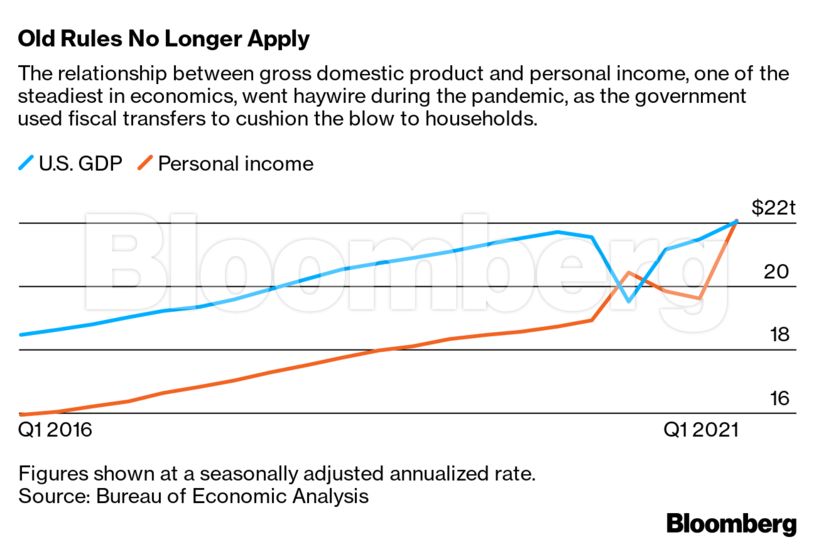
The media is buzzing with claims of an “Economic Boom” in 2021.
This week’s subscriber request series Tuesday covers 10 popular equity REITs.
Given recent history, policymakers would be unwise merely to hope for a best-case scenario in which a strong and quick economic recovery redeems the enormous run-up in debt, leverage, and asset valuations.
While we continue to assist our clients with digital marketing, we recently explored another strategy, which has fallen out of favor and been eclipsed by social media initiatives: Traditional public relations.
In 1974, U.S. President Gerald Ford took office “amidst one of the worst economic crises in U.S. history,” which was characterized by double digit inflation.
For the second month in a row, the US payroll employment report has come in below expectations.
All the online calculators and software programs combined cannot replace a human in the financial planning world.
Issues such as the convertibility of paper currency to gold and the viability of MMT were addressed more than 200 years ago by England, soon after the U.S. became independent.
According to data provided by The Block, mining revenue on the Ethereum blockchain topped $2.35 billion in May—a new all-time high—compared to $1.45 billion for Bitcoin. Transaction fees alone contributed over $1 billion.
President Biden’s proposed $6 trillion budget will not be fully paid for with tax increases or other spending cuts.
The recent focus of the U.S. Securities and Exchange Commission (SEC) on better quality, more comprehensive reporting on environmental, social and corporate governance (ESG) standards is a welcome development, particularly as investor interest in ESG products continues to grow rapidly.
Transitory is defined as being of brief duration, tending to pass away and not persistent
Something that I am asked by advisors over and over again is what ideas have you heard?
As more people are getting vaccinated and economic conditions return to normal, Franklin Equity Group’s Jonathan Curtis says the digital transformation themes that accelerated during the COVID-19 crisis are still just getting started.
Once ideas about how to manage the economy become entrenched, it can take generations to dislodge them. Something big usually has to happen to jolt policy onto a different track. Something like Covid-19.
As Amazon prepares to buy MGM Studios and announced an effort to put pharmaceutical stores all over the U.S., we are reminded of one of my favorite comedy movies, Silent Movie
Why commodity markets have done so exceptionally well
Here are examples of seven specific areas to focus on to turn clients into promoters.
The International Energy Agency (IEA) was founded in 1974 in response to oil embargos the previous year that caused the global price of oil to surge 300% from $3 per barrel to $12 per barrel. From the start, the IEA’s mission has been to help member nations deal with major oil supply disruptions.
Wondering where the dollar’s headed as the U.S. deficit keeps growing? Wall Street’s also trying to figure it out.
Our Chief Market Strategist Stephen Dover speaks with portfolio managers Matt Moberg from Franklin Equity Group and Aram Green from ClearBridge Investments on how they factor inflation and valuations into stock-picking decisions.
Today marks, in many ways, the birthday of my profession.
Central bankers around the world are mulling the future of their massive bond-buying programs in a post-pandemic world, knowing that with big balance sheets come big expectations.
I love blue-chip dividend growth stocks that consistently grow their businesses and their dividends year after year.
Our recent investing in innovation roundtable confirmed that investing in innovation requires intuitive and fundamental knowledge.
Traditional succession plans have two main downfalls.
Insurance is one of the areas I spend time working with clients to save them money and add value to the financial planning process. Here’s how I frame things to clients to give actionable advice.
The week’s selloff was dramatic. By Wednesday, Bitcoin was down more than 40% from its all-time high of $64,000, set in mid-April. The token’s market dominance fell to a three-year low of 40%.
Advanced economies are doing better than emerging markets.
The pandemic forced us all to communicate via Zoom.