The September Federal Reserve meeting provided few surprises, but ongoing uncertainty about the Fed's next move may mean more volatility ahead.
The Federal Reserve’s internal debate about the “neutral” real rate of interest is heating up.
Bond traders are bracing for Treasury yields to keep pushing higher after the Federal Reserve signaled it’s likely to hold interest rates at lofty levels well into next year.
Can the economy grow 2.0% to 2.5% faster per year over the next 10 years than the last 30 years? I don't think so.
The European Central Bank is likely at or very near its peak policy rate, but we don’t expect rate cuts in the near term.
Inverted curves (when the gold line goes below the red line meaning that short maturity yields are higher compared to longer maturity yields) have preceded recessions.
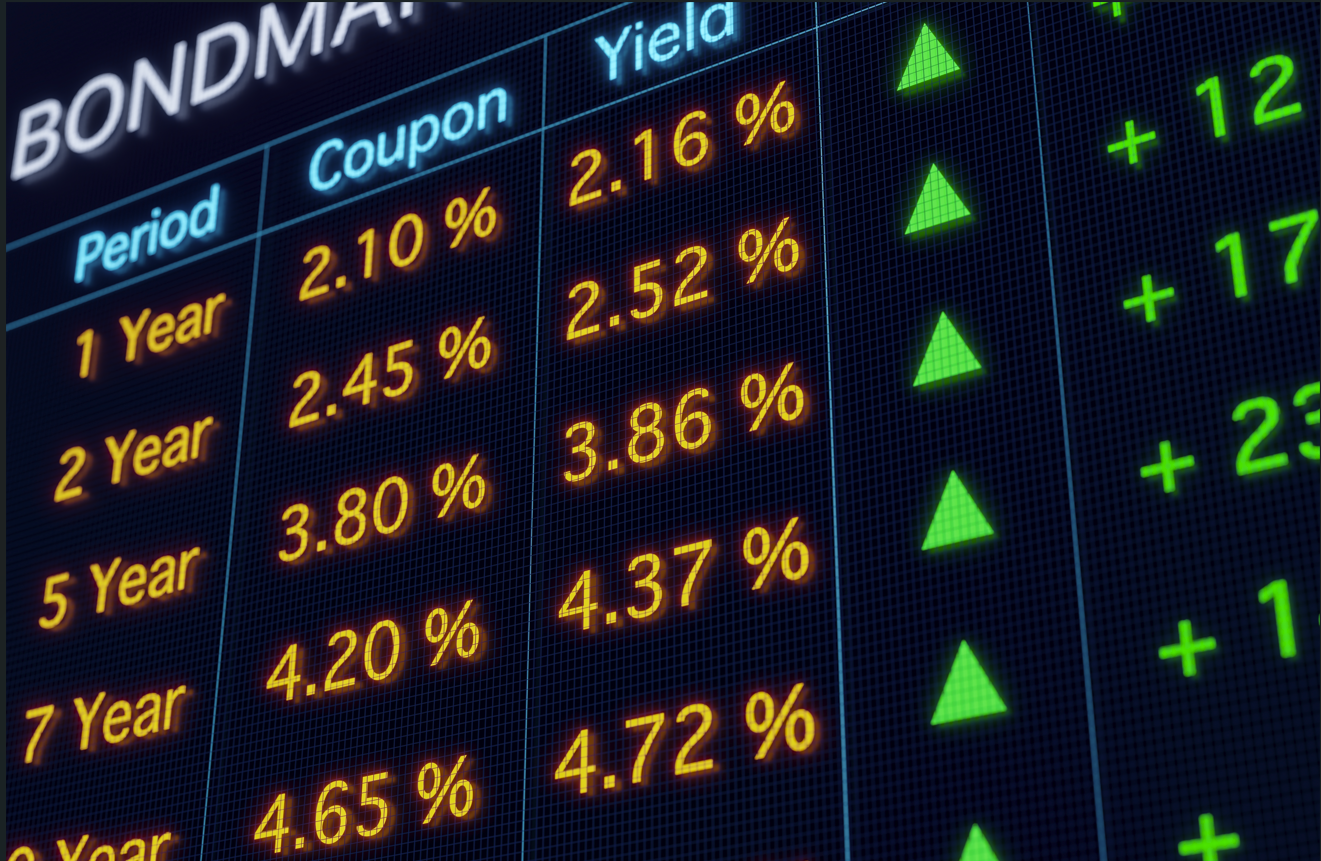
US five- and 10-year yields rose to the highest levels since 2007 after hotter-than-anticipated inflation data in Canada and rising oil prices added to global concerns about resurgent price pressures.
For new investors, the world of finance can appear daunting. But among the sea of investment options, Treasury bonds (often just called “Treasuries”) are a pillar of stability and reliability.
A return to the Great Moderation Era looks unlikely, which might lead to an increasingly volatile—and somewhat unfamiliar—inflationary, economic, and geopolitical landscape.
In this video, Chuck Carnevale, Co-Founder of FAST Graphs, a.k.a. Mr. Valuation will cover two very interesting stocks for your dividend growth investing that have been requested by subscribers to look at.
The term “Bond Vigilantes” is a nostalgic twist on an old-west theme. In the nineteenth century, the American West formed self-appointed groups, or committees, to seize the duties of law enforcement and judicial authority in situations when citizens found law enforcement lacking or inadequate.
Fifty cents on the dollar is a very low price in the world of bonds. In most cases, it signals that investors believe the seller of the debt is in such financial distress that it could default.
When markets are in a rising tide, all boats (aka stocks) can benefit. When the waters are choppier, active equity selection aims to identify the sounder vessels. Tony DeSpirito reviews five reasons why he believes the new environment is setting up to favor an active approach.
Warren Buffett has advised investors to be fearful when others are greedy and greedy only when others are fearful. New research confirms Buffett’s admonition.
Amid signs the bond market has bought into the Federal Reserve keeping interest rates higher for longer, a cohort of investors is placing bets on the economy hitting a wall — and a sharp policy reversal in short order.
Federal Reserve policymakers’ updated forecasts for their benchmark interest rate, due Wednesday, are looming as a key potential decider for a US Treasuries market at risk of a third straight year of losses.
Competing narratives have emerged to describe the state of the U.S. economy.
The Northern Trust Economics team shares its outlook for U.S. growth, employment, interest rates and inflation.
Today, I am going to do something that I've never done. I am going to start a two-part series describing what is in my personal portfolio and why. Let me start by offering two caveats: This letter is in the “do as I say and not as I do” category.
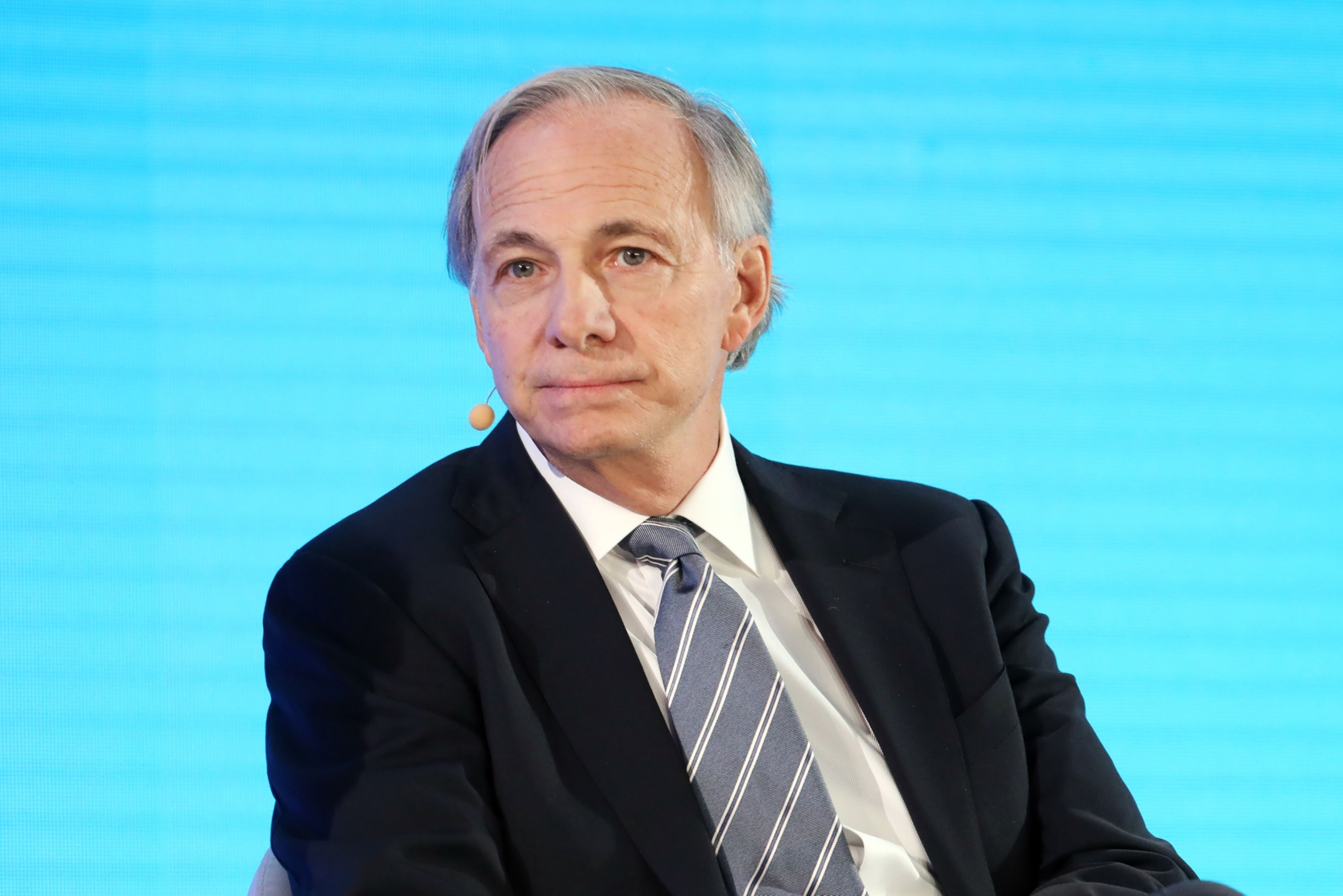
Bridgewater Associates LP founder Ray Dalio said he doesn’t want to own bonds and prefers cash, highlighting difficulties investors face as global central banks try to manage inflation.
If held until the bond is redeemed (either by call or maturity), the annual yield earned for the life of a bond is known upfront at the time of purchase. Knowing the return on an investment upfront makes long-term financial planning a much easier task.
Hear from Jeff Schulze, Head of Economic and Market Strategy at ClearBridge Investments, about the state of the US economy. Get his perspective on the Federal Reserve’s next potential moves.
Although US bond yields are well above their lows of the past decade, it’s always a good idea to think globally.
Municipals posted negative total returns amid rising interest rates. Issuance exceeded tempered expectations, while demand waned as performance struggled.
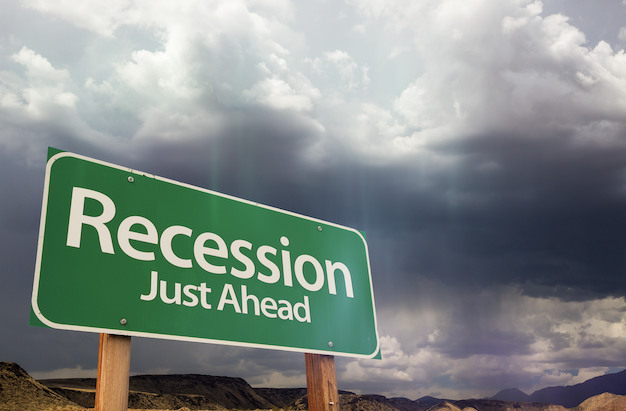
The consensus is wrong, and the Fed has not engineered a “soft landing.” A recession is all but certain in the first half of next year, according to Jeffrey Gundlach.
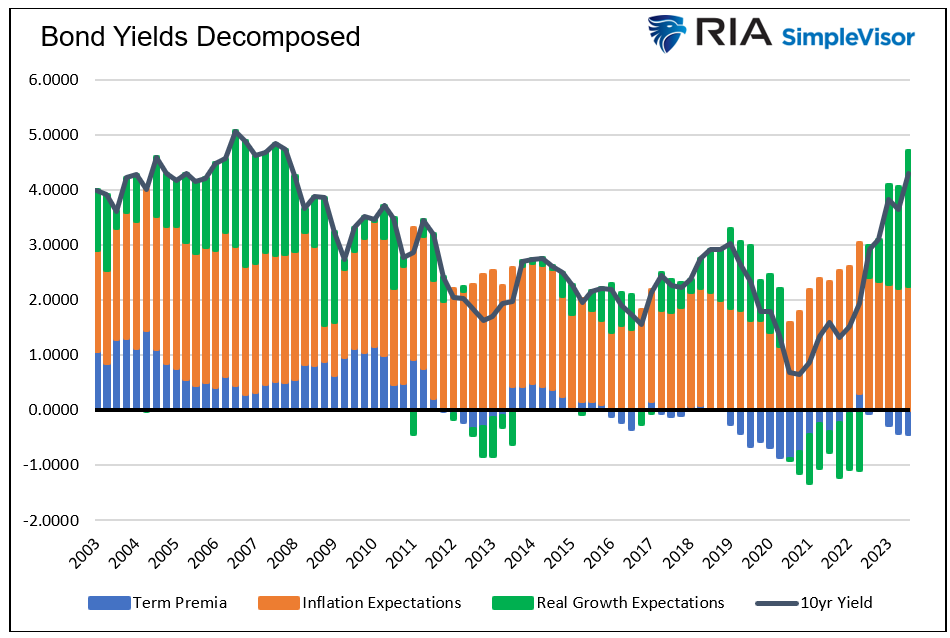
The 10-year Treasury yield has climbed steadily over the past two years. But we believe fixed-income investors should be prepared for lower yields ahead.
That’s a bold prediction in the title. I believe it will come true.
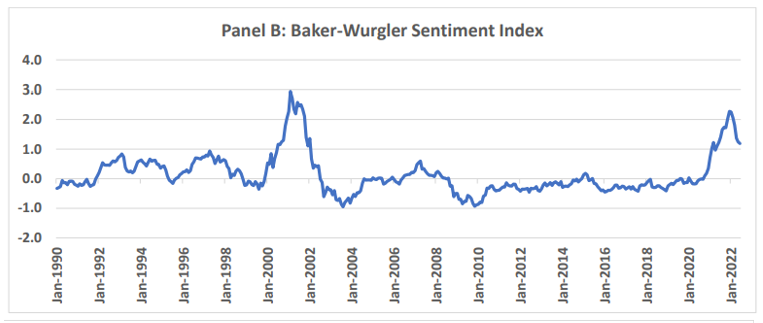
A recent paper analyzing the correlation between stock and bond returns going back to 1875 suggests the relationship of the past quarter century is shifting in an uncertain inflationary environment. The results might stimulate some investors to rethink their portfolio allocations.
The US bond market hasn’t flashed recession warnings so consistently for so long in at least six decades.
A flurry of hedge funds, direct lenders and others are expecting a revival of the $1.3 trillion collateralized loan obligation market — and they want to be ready to reap the benefits when it happens.
Underlying US inflation ran at a faster-than-expected monthly pace in August, leaving the door open for additional interest-rate hikes from the Federal Reserve.
While there are lots of reasons to celebrate the growth stocks inside the NASDAQ 100 index, some advisors might be looking for alternatives to the market-cap weighted index ETFs that reduce their risk profile. Thankfully there are some choices to consider.
Higher yields on cash have allowed some de-risking.
Everyone — from moms and pops to corporate treasurers and the mega asset managers — is piling in, won over by a unique opportunity: To lock in a 5% yield, and protect themselves from uncertainty over the US economy.
We expect yields to fall later this year and into 2024 as inflation continues to cool.
Today's economic conditions are attractive for BDCs (business development companies), and some benefit from businesses seeking alternative financing sources.
VettaFi’s Lara Crigger goes around the world of ETFs, covering recent spot Ethereum ETF filings, short duration bond ETFs, Nasdaq 100 ETF flows, Amplify ETFs’ purchase of ETFMG’s ETF lineup, and the recipe for thematic ETF success. Franklin Templeton’s David Mann discusses the firm’s approach to passive, smart beta, and actively managed ETFs.
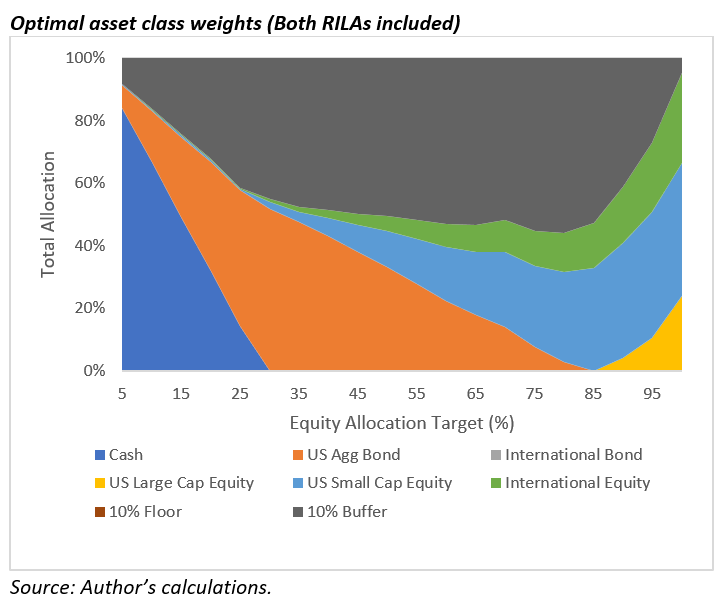
The benefits of RILAs vary significantly by design, and buffer RILAs have historically been a more attractive addition to a portfolio than floor RILAs.
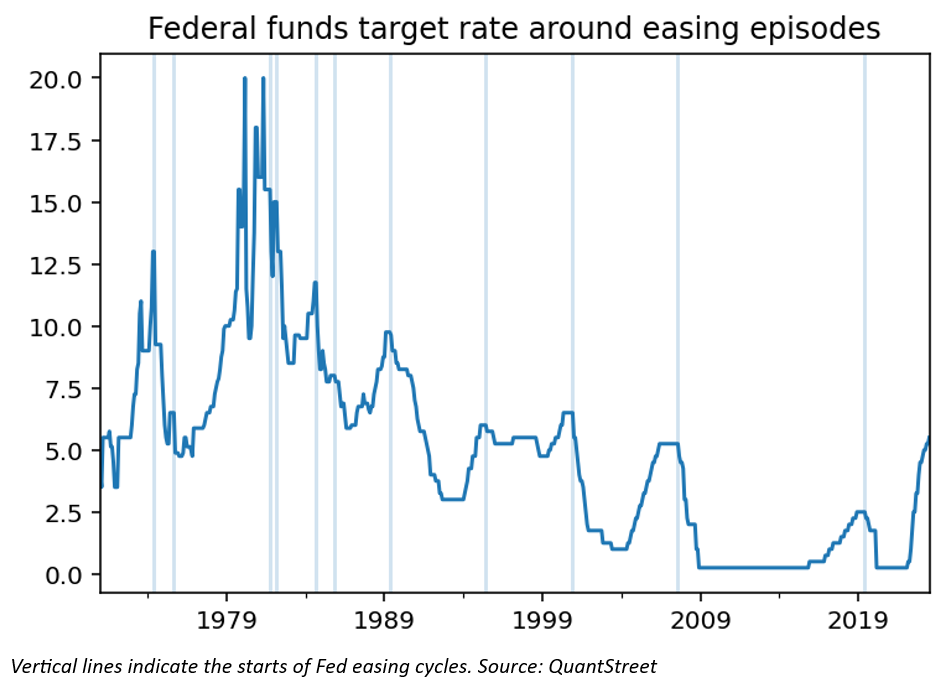
The Fed typically starts to ease ahead of economic weakness. But this isn't necessarily bad news for financial markets.
Morgan Stanley has pushed back against Treasury bears, saying investors should buy US sovereign debt as markets may be too optimistic over the prospect of a soft-landing for the economy.
Even though past performance doesn’t guarantee future results, investors should prepare for continued market volatility this month.
High-yield bonds, often referred to as “junk” or “speculative grade,” are corporate bonds that command a higher interest rate than other bonds. This higher yield is essentially compensation for the increased risk of default that investors assume when purchasing these securities.
On the interest rate front, the Federal funds rate is now close to systematic benchmarks that have historically been consistent with prevailing core inflation, nominal GDP growth, and unemployment.
Tony Davidow, Senior Alternatives Investment Strategist, at Franklin Templeton Institute, shares some takeaways from a panel discussion on the topic.
Private credit lenders are just getting started in the world of consumer and asset based finance, according to Rob Camacho, Blackstone Inc.’s co-head of asset based finance within the firm’s Structured Finance Group.
For months, megacap tech shares powered US stocks to dizzying gains. The market’s engine is now starting to sputter.
The rising threat of interest rates staying higher for longer is likely to dent prospects of a soft landing for the US economy and drive a selloff in stocks over the next two months, according to Bank of America Corp. strategists.
As soft-landing calls engulf Wall Street, traders are betting that a market calm will endure across investing strategies — despite the latest selloff in US stocks and bonds.
In general, portfolios can be split into growth assets and principal protecting assets. Growth assets tend to have greater risk coupled with greater income/reward.
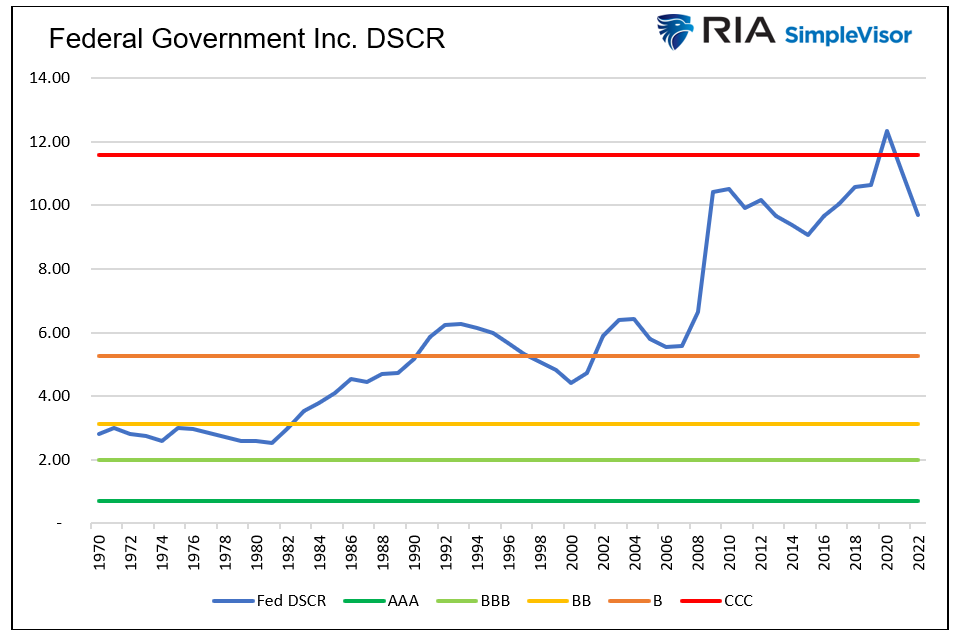
Investors believe that U.S. government debt is risk free. Why shouldn't they? Every economic and financial textbook, media outlet, and bond guru says so.