After entering the year with a cautious outlook, managers have become more defensively postured as the U.S. tariff policy has increased uncertainty.
When I was much younger, I worked as a bond salesman for a small regional bank in the southwest. I sold some short-term T-bills to yield 17% and some ten-year T-bonds to yield 14%. Paul Volcker, the Fed chairman at the time, had reduced inflation dramatically but the bond market had not yet accepted that new reality and kept interest rates very high for a while after Volker achieved his lower level of inflation.
Private equity transaction volumes remain limited despite predictions for a boom in 2025. With interest rates remaining elevated and the economic backdrop increasingly uncertain, executing acquisitions and IPOs is proving a challenge, leading financial sponsors to hold portfolio companies for longer.
US stocks jumped at the open Wednesday as investors were encouraged by news that the US and China are set to start trade talks this weekend, even as traders awaited the Federal Reserve policy decision later in the day.
Despite negative GDP growth in Q1 and global trade tensions, markets are showing surprising resilience. Investors are betting tariffs will not bite as hard as feared earlier in April and that deals will emerge to soften the blow.
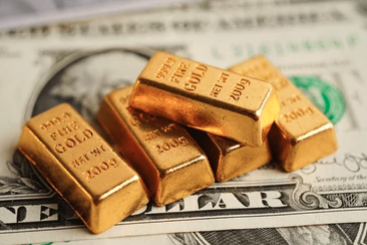
Most economists and portfolio managers are cautious when discussing gold. Its handling and transaction costs are high, and it pays no interest or dividends.
So what has caused such a surge in international returns versus the U.S. so far this year? Is it just short-term noise, reversion to the mean, or something more systematic? If the last few months were purely short-term noise, we will soon know, as U.S. stocks will resume dominance.
Roughly a month on from Liberation Day one thing is clear: While actual tariff numbers may not be set, markets have certainly been liberated from complacency. S
In recent times, central bank independence has been taken as gospel. Political pressure for easy money contributed to extremes of inflation in the 1970s.
Markets clawed back early losses in April, but one thing has become clear – policy uncertainty and risk isn’t fading, it’s spreading.
If you’ve been inside a Walmart, Target or Home Depot in the past week, you may not realize that a trade war is underway between the U.S. and China, the world’s two largest economies. Store shelves are well stocked, and prices have largely held steady.
Noise about tariffs, business uncertainty, a constitutional fight, and a drop in stock prices had already created fear of a recession. When real GDP declined in the first quarter of 2025, some started to question if a recession is already here. Let’s take a deep breath and consider the facts.
US markets struggled in the first half of April due to tariff-related worries. The second half saw rallies amid policy reversal.
Shockingly, given that I thought most readers would find interest rate swaps dull or wonky, we have received a few emails asking for more information. Given the importance of liquidity to all markets and how interest rate swap spreads are a good liquidity barometer, it's worth giving you that “coming article” now.
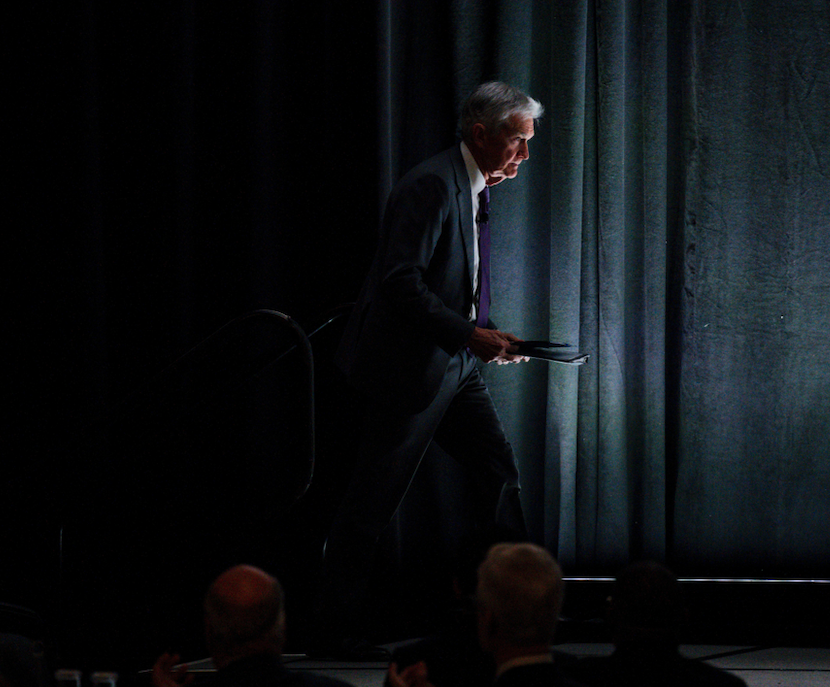
Jim Tuchler, a Chicago-area retailer, and Federal Reserve Chair Jerome Powell have a lot in common these days.
In investing, success is often judged by numbers—returns on investment, percentage gains, and the ability to outperform benchmarks like the S&P 500. However, some investors frequently pursue a peculiar set of “awards” without realizing the pitfalls they embody.
Last week's economic data arrived against the backdrop of a buoyant stock market enjoying a nine-day winning streak — its longest since 2004.a
The GDP report for the first quarter of the year showed a very engaged business sector as it rushed to try to minimize, as much as possible, the future impact of higher tariffs.
April was a volatile and policy-sensitive month in the markets. Every week, my colleagues and I were joined by Professor Jeremy Siegel to discuss how macroeconomic data, Federal Reserve policy and the variety of tariff proposals from President Trump shaped sentiment and the investment landscape.
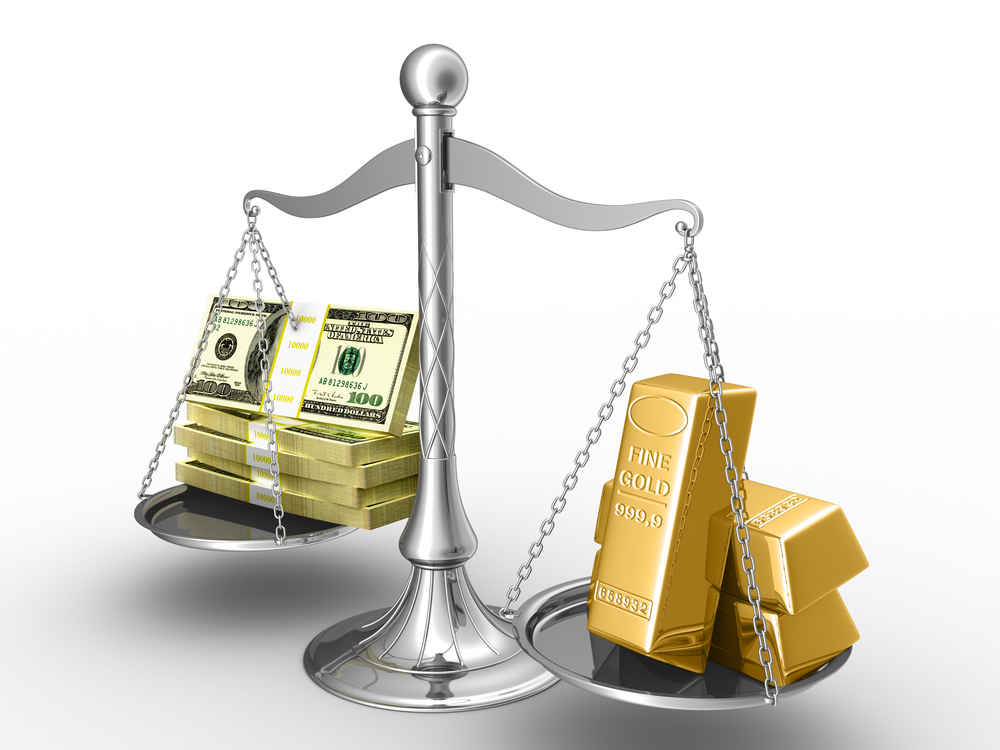
Inflation is caused by the growth of the money supply, and gold is a strong hedge because it rises alongside it.
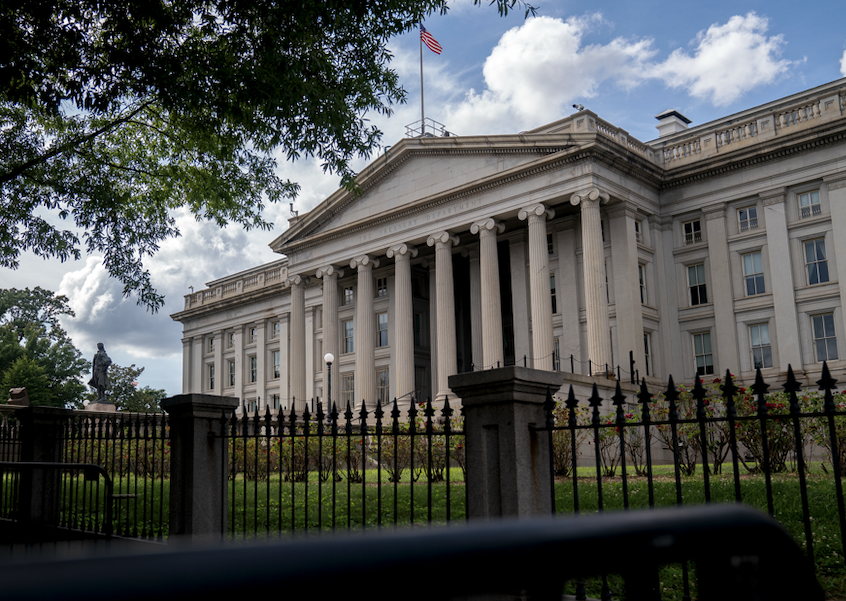
For decades, U.S. Treasuries have been universally regarded as a benchmark and a safe haven asset during periods of turmoil.
The world’s biggest exchange-traded fund just got its biggest endorsement yet.
US job growth was robust in April and the unemployment rate held steady, suggesting uncertainty over President Donald Trump’s trade policy has yet to have a material impact on hiring plans.
University of Michigan Consumer Sentiment is a so-called "soft" report, not reflecting "hard" data like GDP or CPI. It moved markets recently, so how much attention should investors pay?
Conventional wisdom is that investors should hold gold as an inflation hedge. Over the long term, this is a wise strategy.ok,
Uncertainty reigned through April and likely will continue to do so, at least in the near term. Markets have reacted, both negatively and positively, to every headline coming out of Washington.
In this article, Russ Koesterich discusses the ongoing uncertainty around tariffs and how investors can protect their portfolios against the potential for an environment of prolonged and heighted volatility.
A tense global trade war, policy uncertainty and other investor concerns in recent weeks have unleashed the sharpest market swings in years, with the CBOE Volatility Index (VIX) spiking to 52.3 on April 8.
Sustainable adjustments to trade imbalances require supportive monetary and fiscal policies – not just currency intervention.
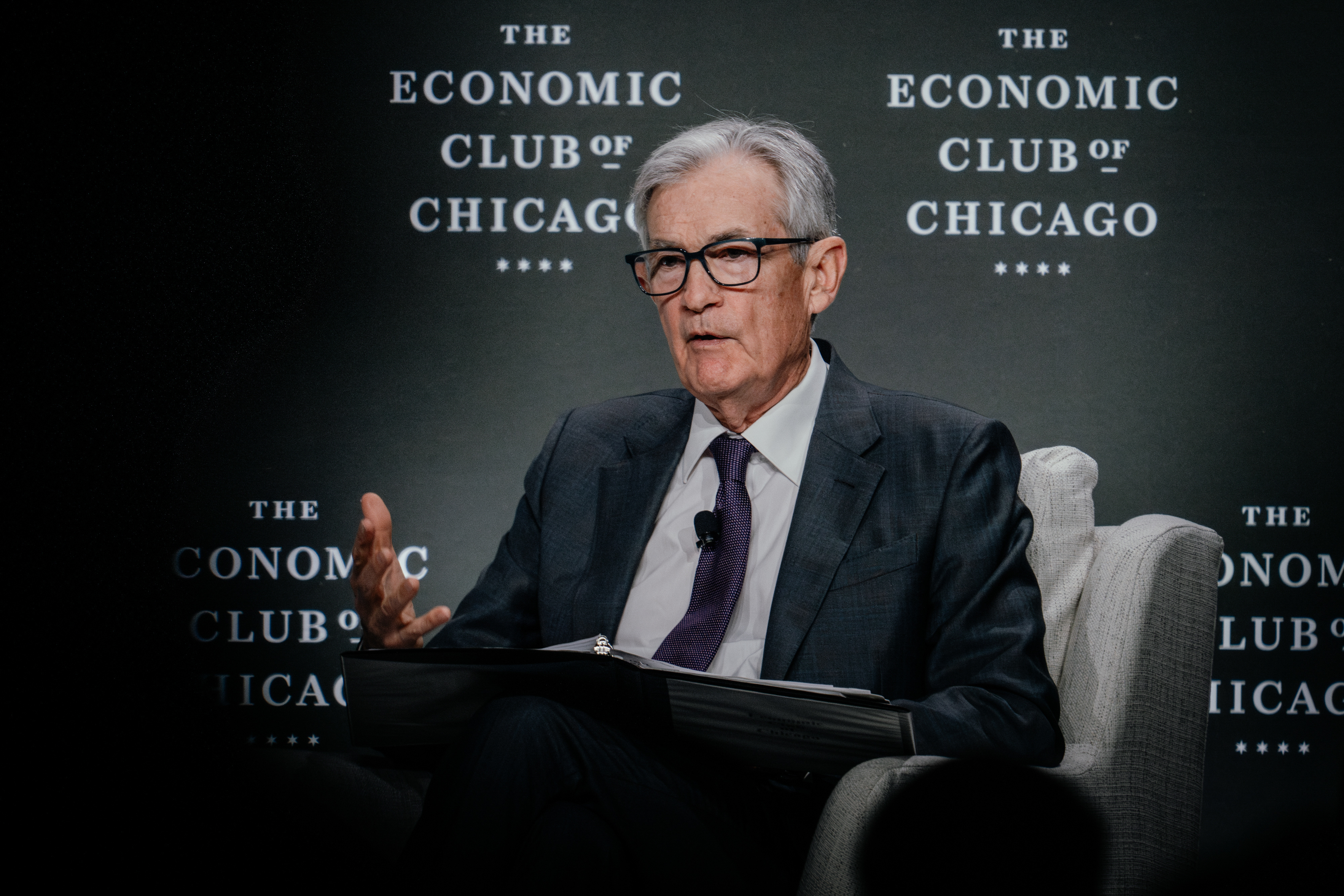
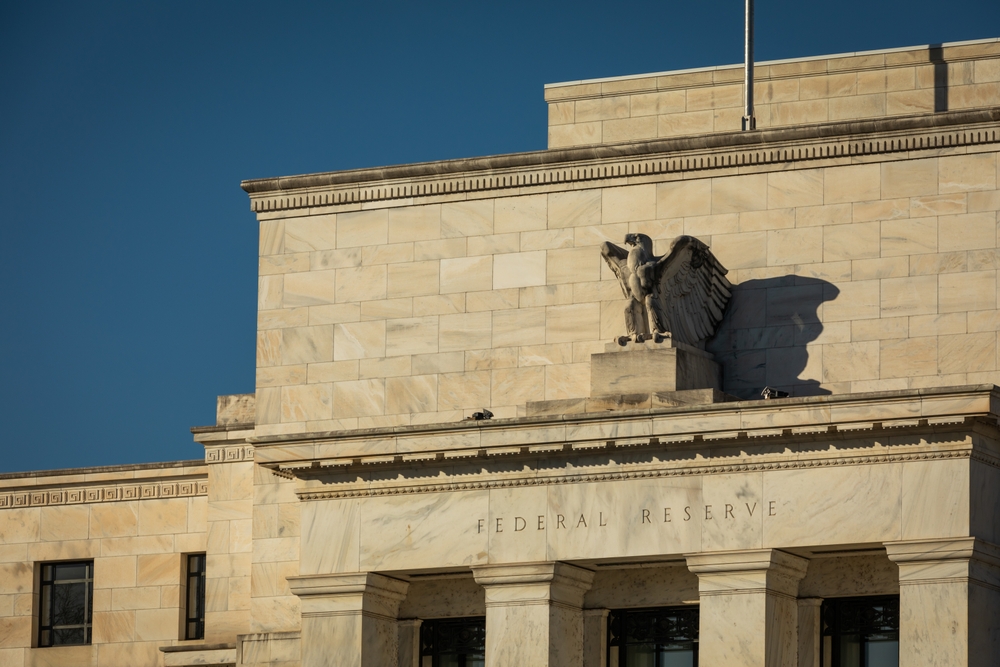
The US Federal Reserve is undertaking a major rethink of how it manages the world’s largest economy.
Famous gold skeptic Warren Buffett is right about the dangers of inflation when it comes to non-producing assets, but he’s never been a fan of gold. Monetary Metals has transformed gold into a productive asset by generating a yield on gold, paid in gold, proving Buffett wrong about gold and giving investors new ways to own this timeless asset.
Stable value funds can offer capital preservation and stable returns. Our Mike Dullaghan explains the key role of stable value in long-term retirement savings.
"This earnings season is critical". We've heard that line before, but this time we believe it really is.
Margin debt is the amount of money an investor borrows from their broker via a margin account. Margin debt is often seen as a measure of investor sentiment and risk appetite. High levels of margin debt can signal confidence, but extreme spikes may also indicate excessive speculation, increasing the risk of market instability.
The Treasury Department said it’s now looking at “enhancements” to its buybacks of older US government debt securities, just weeks after Scott Bessent hinted at the potential to beef up the program in the event of any major market turmoil.
Recession risk remains elevated, likely only receding with a fuller "pivot" in tariff-related uncertainty. While every recession is unique, history can provide a guide.
Think of the drafting process like investing—scouts meticulously rank players based on their strength, speed, flexibility, and mental acuity, much like we analyze the economy and financial markets to shape our outlook. The true value of these players might take years to unfold...
The markets rebounded strongly last week, holding ground despite the lingering cloud of uncertainty surrounding tariffs and trade negotiations. Importantly, while tariffs and dollar weakness are stirring short-term concerns, long-term inflation expectations remain firmly anchored, setting a strong case for the Federal Reserve to begin cutting rates.
As we have written…The Era of Easy Everything is ending. Part of this involves bringing inflation back to the Federal Reserve’s target of 2.0%. We could debate that number, but the Fed is getting closer.
While most market watchers have focused on the wildly yo-yoing stock market over the last few weeks, the Treasury bond market has been flashing warnings.
Small-caps have suffered in early 2025, but increased market breadth could support a recovery.
Social Security does face challenges. The trust fund reserves, built up during years when payroll taxes exceeded payouts, are projected to run dry around 2033. If Congress does nothing, benefits will need to be cut by about 20%. That’s serious, but it’s a solvency issue, not a scam.
Although President Trump has said he has no intention of firing Fed Chair Powell, the Trump administration may be testing the laws underpinning Fed independence.
The Fed’s in a bind. Policy uncertainty is high. And tariffs are likely to hit the U.S. economy with a “stagflation-lite” impulse in coming quarters—weaker growth and higher prices.
Local currency rates and FX screen very attractive, while hard currency credit is neutral+.
With uncertainty rising and credit markets flashing early warning signs, RBA explains why now might be the time to sidestep risk—and where investors can still find attractive, high-quality returns in fixed income.
President Donald Trump’s recent executive order revives many of the SDI’s ambitions, albeit with a modern twist. His January 27 directive launched what he first called an “Iron Dome for America,” later rebranded as the “Golden Dome.”
Unexpected wider and larger-scope tariff announcements have sent tremors through bond and equity markets, resulting in a brisk sell-off that signals investors’ caution.
We have good and bad news for investors who want to know whether the stock market will soar, stall, or plummet. First, the good news. This article presents a market path for what lies ahead. Unfortunately, the “right” path lies among three likely scenarios.
Gold has been a high-performing investment over the prior year. It has rallied on the back of falling short-term interest rates and recently increased uncertainty about global trade and economic growth.