The Sovereign Debt Wave is at a historic peak and appears set to continue growing. With higher inflation and reduced liquidity, some countries will be able to continue to issue debt easily, while some will not.
Despite persistent inflation and elevated short-term interest rates, the economy appears to be holding up well, and we believe the Fed may deliver the “soft landing” it has been trying to engineer.
Corporate profits are being challenged by market forces, diminishing pricing power.
The MSCI EM index is up 20% from its bottom last October, but is almost 30% below its February 2021 peak. Thus, it has lagged other major markets globally. We have seen and heard investors getting more positive on emerging equities and reallocating capital accordingly.
Using LOGICLY’s data and analytics platform, this article looks at the top funds in the equity asset class that have brought in the most assets YTD.
Climate change presents a significant source of transition risk for investors as companies face increasing pressures from regulators, consumers, and shareholders to lower their carbon footprints.
Japan may uniquely benefit from a wage-price spiral.
The next time someone expresses a firmly held opinion about homelessness, ever so gently recommend that they read Homelessness is a Housing Problem. The more people who read this book, the closer we’ll be to a solution.
To find undiscovered investment strategies, financial advisors must perform due diligence that goes beyond track records.
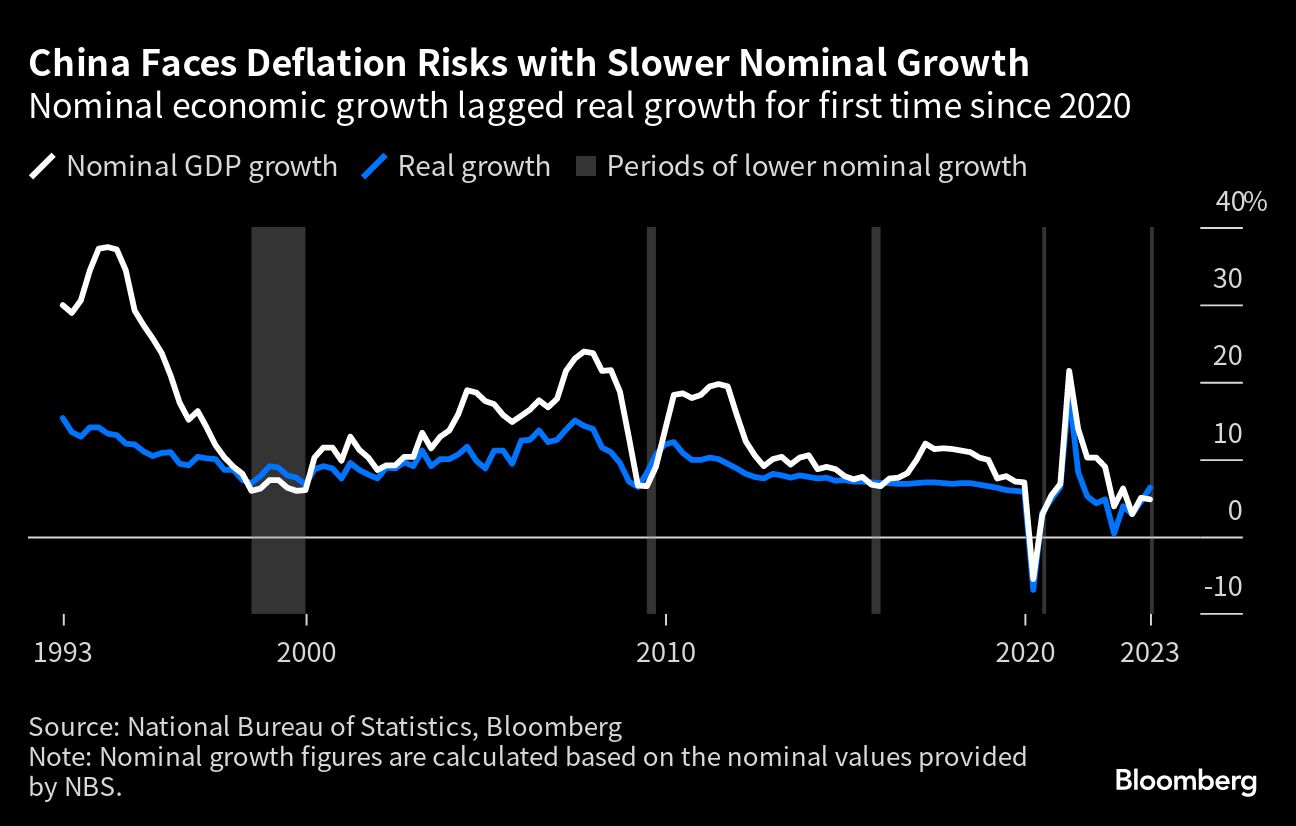
China’s disappointing economic growth figures prompted several economists to downgrade their forecasts for the year, citing major weaknesses in the recovery and Beijing’s relatively muted stimulus-response.
Nikko Asset Management presents an analysis of global market trends, offering insights into the surprising performance of equities and the resilience of the global economy to date.
Over the past two years, higher inflation has led to a higher return hurdle for investors who have established real return objectives, making it harder for them to achieve their return objectives over the short term. But is this likely to be the case over the long term as well?
Millions of young Americans will face the end of the student loan payment moratorium this summer. Why is this happening now, after a three-year break from payments?
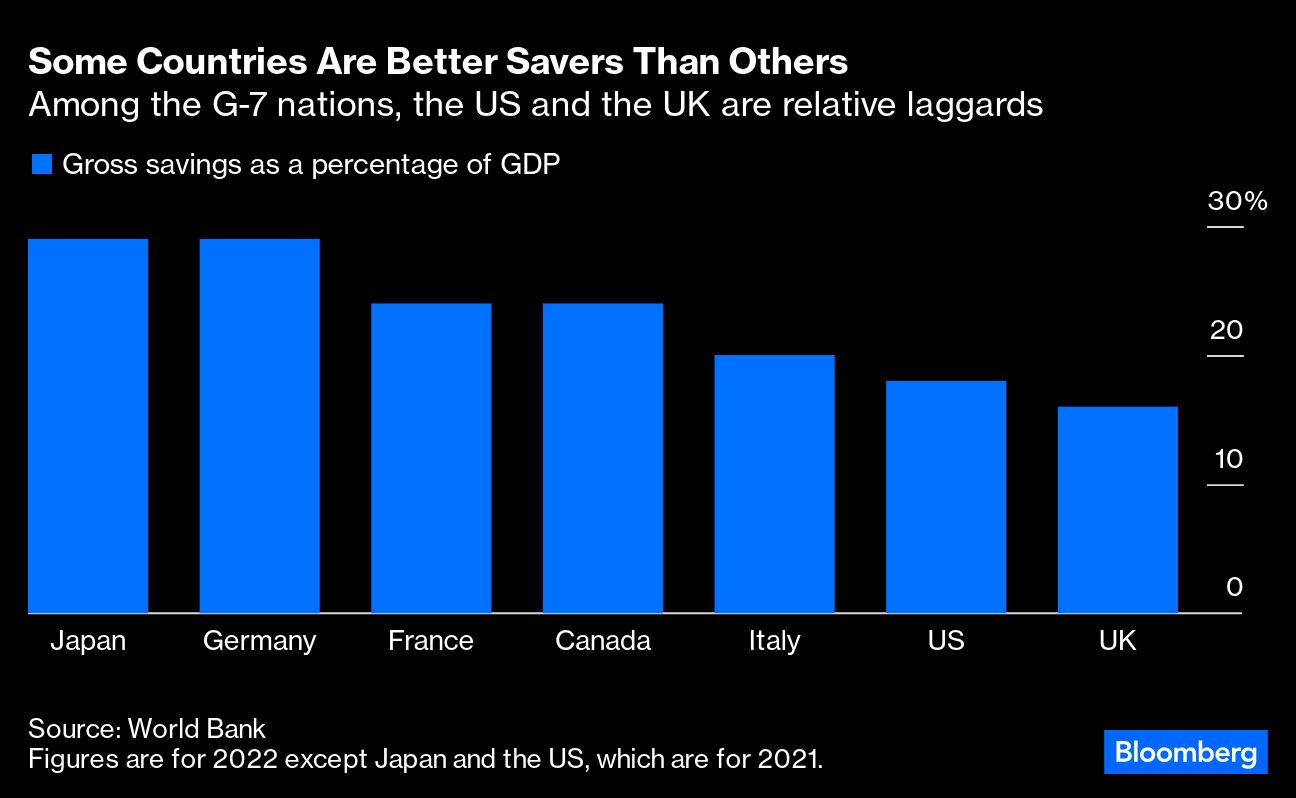
One way to deal with the current global economic uncertainty is to search for consistent and reliable indicators to help you navigate the chaos. Another way is to focus on some time-honored verities about savings and human capital.
Schwab Asset Management is seeking to draw investors to its high-yield bond exchange-traded fund with one of the lowest fees in the industry, even as rising rates and default fears rattle the asset class.
In his latest paper, James Montier lays out a framework for spotting what he terms “slow burn Minsky moments,” or the economic vulnerabilities associated with the build-up of private sector debt.
Factor investing can help drill through broad sector labels to help investors better understand past performance and expected returns.
We’re tactically cautious on developed-market equities with a broadly risk-off stance, but we have a relative preference for emerging-market (EM) stocks over a 6- to 12-month horizon.
Our money scripts have an impact on the way we think about final expenses for our loved ones and ourselves.
There are days when our trade press is even more misleading than the consumer rags.
I discuss recent regime changes and reveal findings from the SPIVA scorecard and Morningstar’s U.S. Active/Passive Barometer.
The ARCS strategy is a currency management strategy that gives a diversified exposure to three factors: Carry, Value and Trend.
Amgen sells its products to healthcare providers, including physicians or their clinics, dialysis centers, hospitals, and pharmacies in over 100 countries but primarily in the US.
Throughout 2022, high levels of volatility across all major asset classes created a difficult environment.
There is renewed anxiety among central bankers in the face of sticky inflation.
Ashmore is a specialist Emerging Markets investment manager with over thirty years' experience in these markets. Today we continue to innovate, offering new strategies that provide an opportunity for investors to participate in Emerging Markets.
As the world continues to be rocked by inflation and financial instability, four precious metals “megatrends” have emerged largely undetected by the mainstream – central bank gold buying, rapidly expanding silver uses, a platinum supply breakdown, and capital control schemes.
Depending on who you ask, the word bond can either refer to a specific type of financial instrument, or when capitalized, your favorite British Secret Service agent. For this guide, we’ll be talking about the lowercase version, which represents one of the largest financial markets in existence.
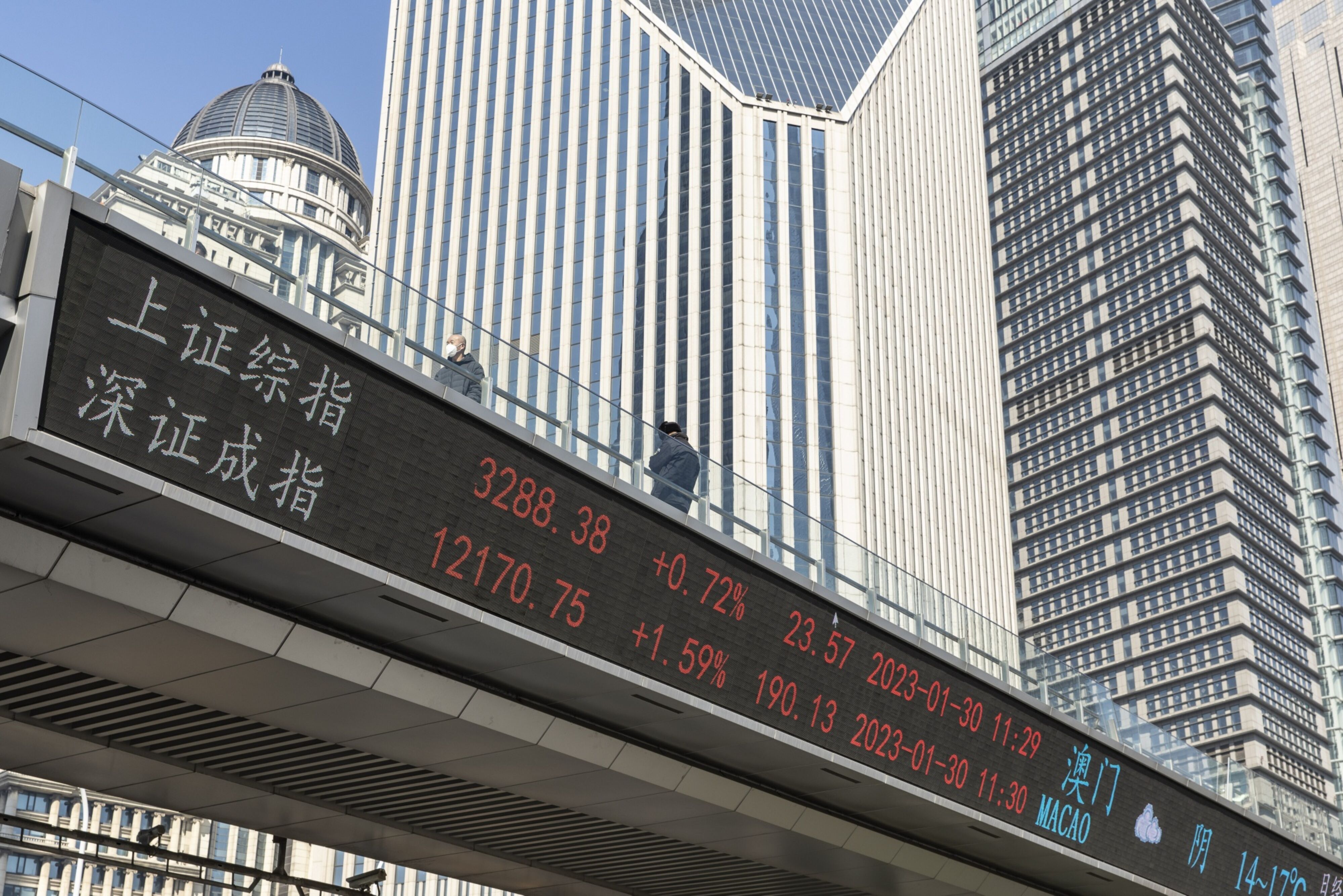
Investors lowered their expectations of gains in Asian equities this year as optimism fades about the prospects of looser monetary policy and China’s economic outlook.
Last week the Supreme Court struck down the Biden administration’s student loan forgiveness plan, which would have done away with as much as $20,000 per borrower.
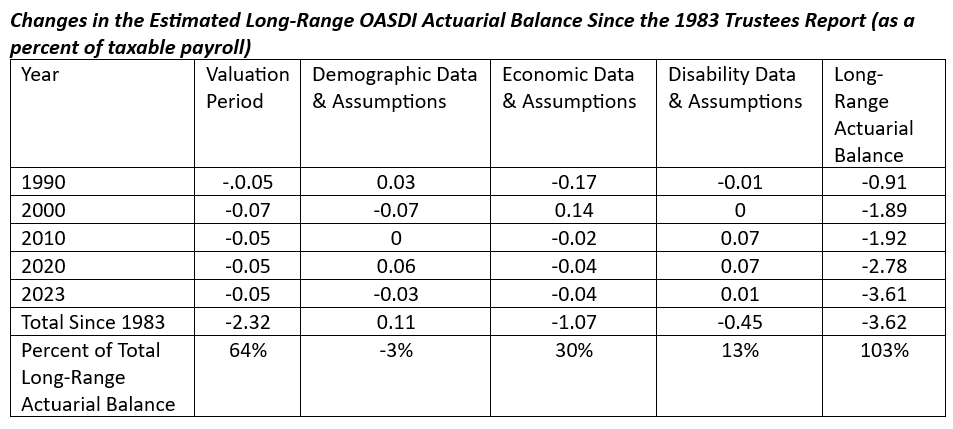
I will describe the general process used by actuaries to maintain financial sustainability, to encourage advisors to employ this same process to their client’s retirement planning.
We believe that the creeping economic slowdown in the United States will probably persist for a few more months, with a recession possible over the next 12-18 months. The onset of the recession may be delayed until 2024.
Central bankers think they can handle a situation and fire the artillery. It always has an effect… but ultimately it is rarely the effect they wanted. Doing nothing at all might have been better but that wasn’t an option. They’re trapped in an endless spiral of intervention.
One crystal-clear pattern has emerged. Everyone wants real-world, specific examples of how AI can and can’t enter into an advisor’s, investor’s, or creator’s workflow.
Broad appeal is a thing of the past. It’s time to find your niche.
The bankruptcy of Lordstown Motors Corp. is, in one sense, almost numbingly straightforward: Five years into existence, and having burned through more than $1 billion, it had delivered a sum total of six electric pickups.
Activities that help companies avoid emissions are an attractive investment opportunity, according to Templeton Global Equity Group Portfolio Manager Craig Cameron. By actively seeking opportunities to reduce emissions, he says investors can align themselves with sustainability goals that contribute to a low-carbon economy.
The problem with Gretchen Morgenson and Joshua Rosner’s These Are the Plunderers: How Private Equity Runs – and Wrecks – America is that while their moral and factual indictments of private equity operations find their mark, their pound-the-table-and-yell-like-hell tone detracts from its credibility.
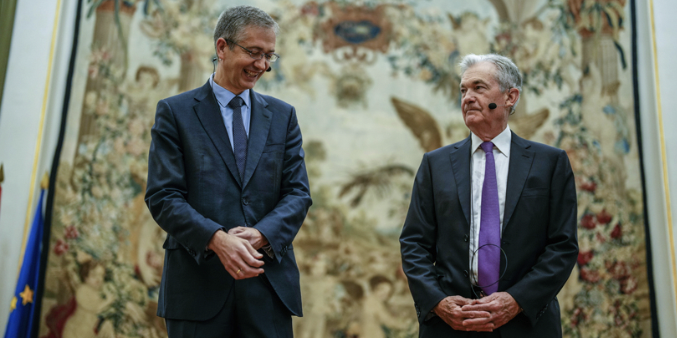
The US Federal Reserve (“Fed”) paused rate hikes in June, but signaled it expects to deliver 50 basis points of additional hikes this year.
For people looking on anxiously as stock wealth converges in an oligarchy of high-tech juggernauts, some perspective: It’s nothing new.
We get a big bunch of data reports this week: GDP revisions and economy-wide corporate profits for the first quarter; durable goods, new home sales, personal income, and consumer spending for May; home prices for April.
VettaFi’s Todd Rosenbluth offers perspective on the top five ETFs in inflows this year. ASYMmetric ETFs’ Darren Schuringa explains the technologically underpinning their “Smart” ETF lineup. Motley Fool’s Charly Travers spotlights their Small Cap Growth ETF (TMFS) and provides a behind-the-scenes look at day-to-day portfolio management.
Stress in the banking sector — whether or not more banks fail — remains an area of concern for us because of potential implications for the Treasury and agency MBS markets.
Many economists have been forecasting a recession for 2023 due to tightening monetary policy. But that recession has not arrived yet.
Heading into 2023, a looming recession dominated the headlines.
The complexity of some risk management platforms can lead to a steep learning curve for institutional investors, draining resources and creating stress.
Is recession still coming? Of course. But some funny things are happening on the way there.
Artificial Intelligence (AI) has garnered widespread attention with the public launch of ChatGPT. Learn how these same technologies can be used in investing.
Quarterly Macro Themes, a quarterly publication from our Macroeconomic and Investment Research Group, spotlights critical and timely areas of research and updates our baseline views on the economy.
Most of the things we expected to happen during the first half of the year in fact did: Inflation eased, U.S. economic growth slowed, the Federal Reserve appears to be near the end of its rate-hike cycle, and the U.S. government debt ceiling standoff was resolved before a potential default.