In a market environment of low bond yields and record high equity valuations, it’s time to look beyond simple asset-class diversification. A covered call strategy could provide clients with potential for growth, income and downside protection.
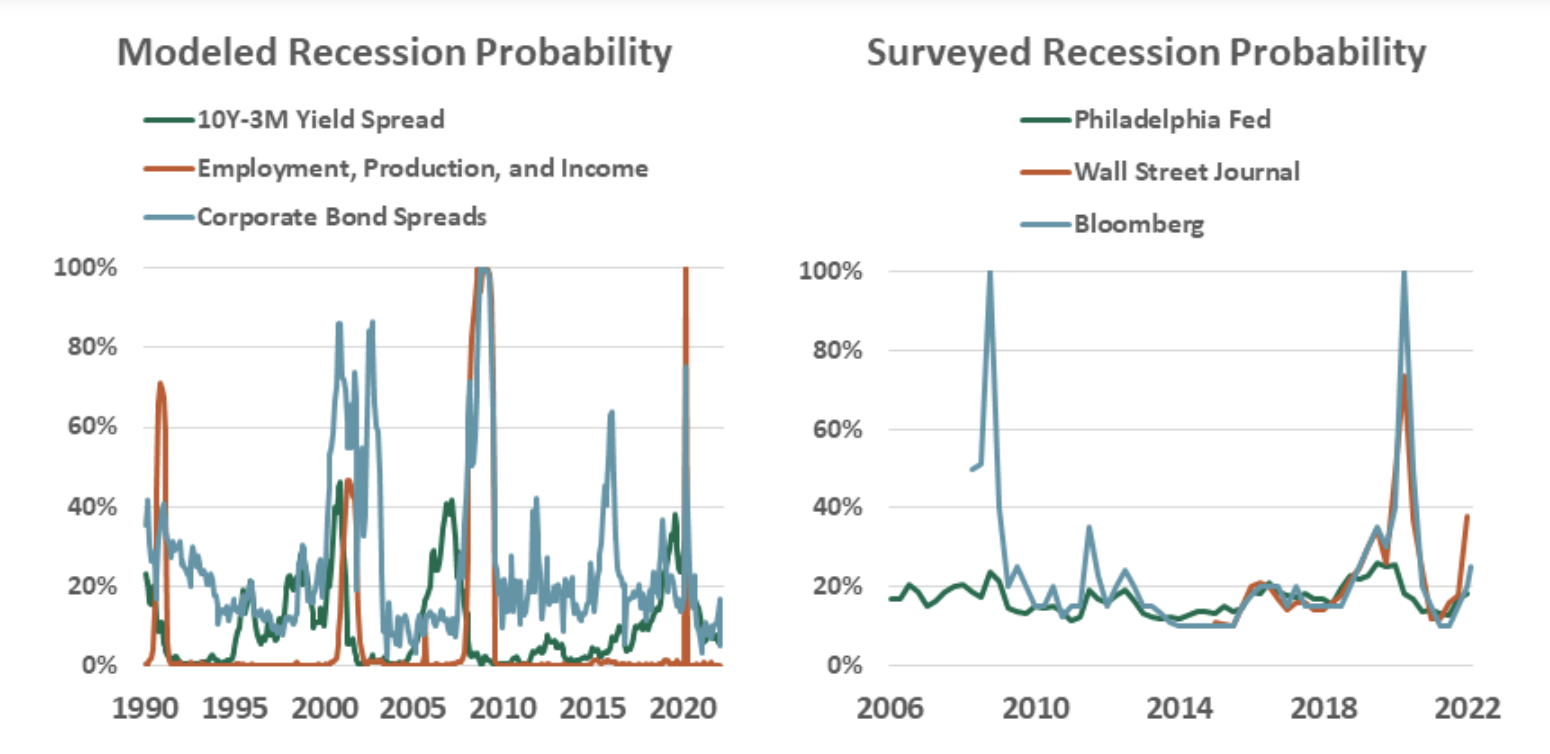
Recession warnings are clearly on the rise. Much of the initial media fervor focuses on the inversion of the yield curve.
The Bank of Canada embarked on a swift tightening path, but secular forces still weigh on the longer-run interest rate outlook.
The threat of U.S. stagflation has investors treating supermarkets and other consumer staples companies like the high-flying tech stocks of yesteryear. The shares have trounced their consumer discretionary peers by the widest margin in two decades, and the outperformance probably has room to continue.
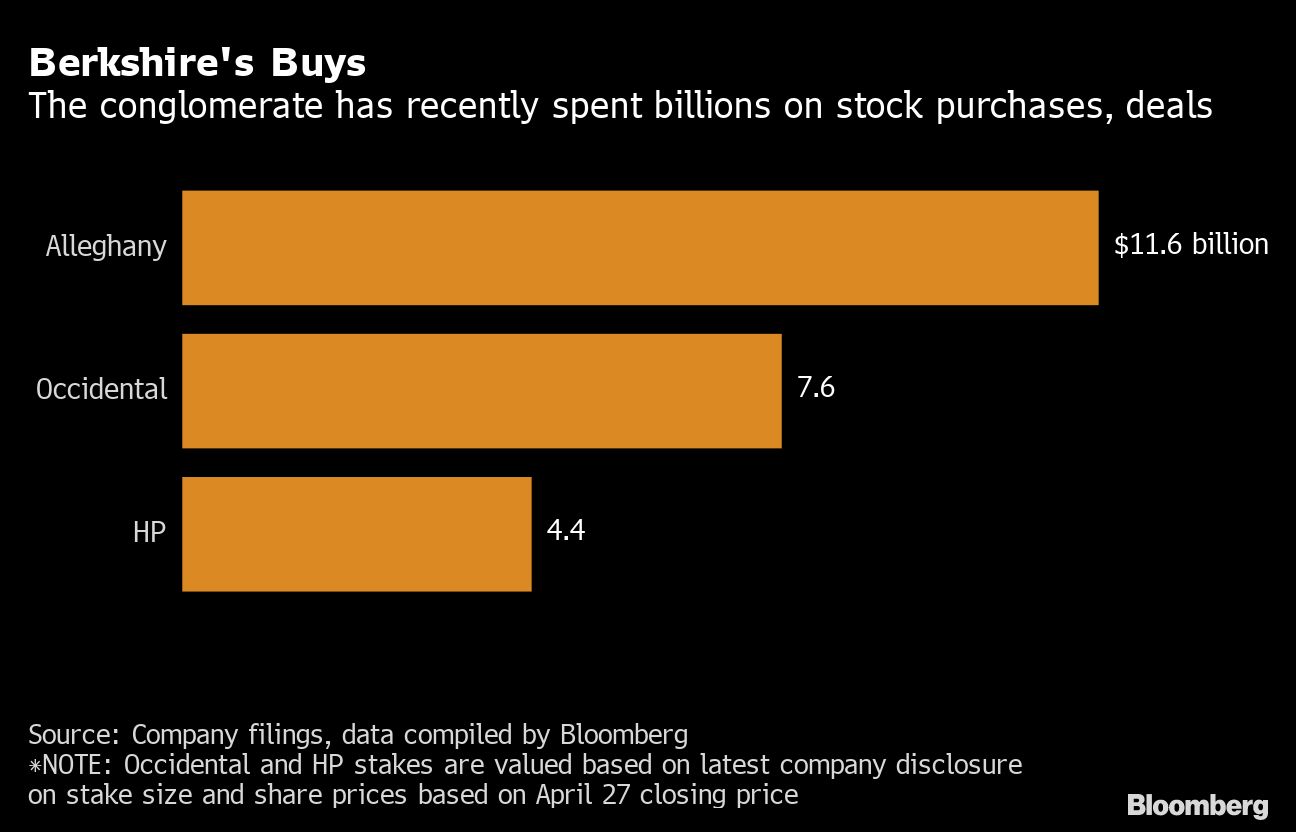
After hanging in the shadows for most of the pandemic, the billionaire investor and his deputies have been ramping up Berkshire Hathaway Inc.’s acquisition machine -- snapping up shares of Occidental Petroleum Corp. and HP Inc. and striking an $11.6 billion deal to buy Alleghany Corp. The flurry of activity comes just as investors are set to flock to Omaha, Nebraska, for the conglomerate’s first in-person shareholder meeting since 2019.
The U.S. economy unexpectedly shrank last quarter, the first contraction since 2020, as a ballooning trade deficit and softer inventory growth belied an otherwise solid consumer and business demand picture.
The risk of an imminent recession is low, but next year is anyone's guess.
Russ Koesterich, Managing Director and Portfolio Manager of the Global Allocation team, discusses the case for the cheaper segments of growth stocks.
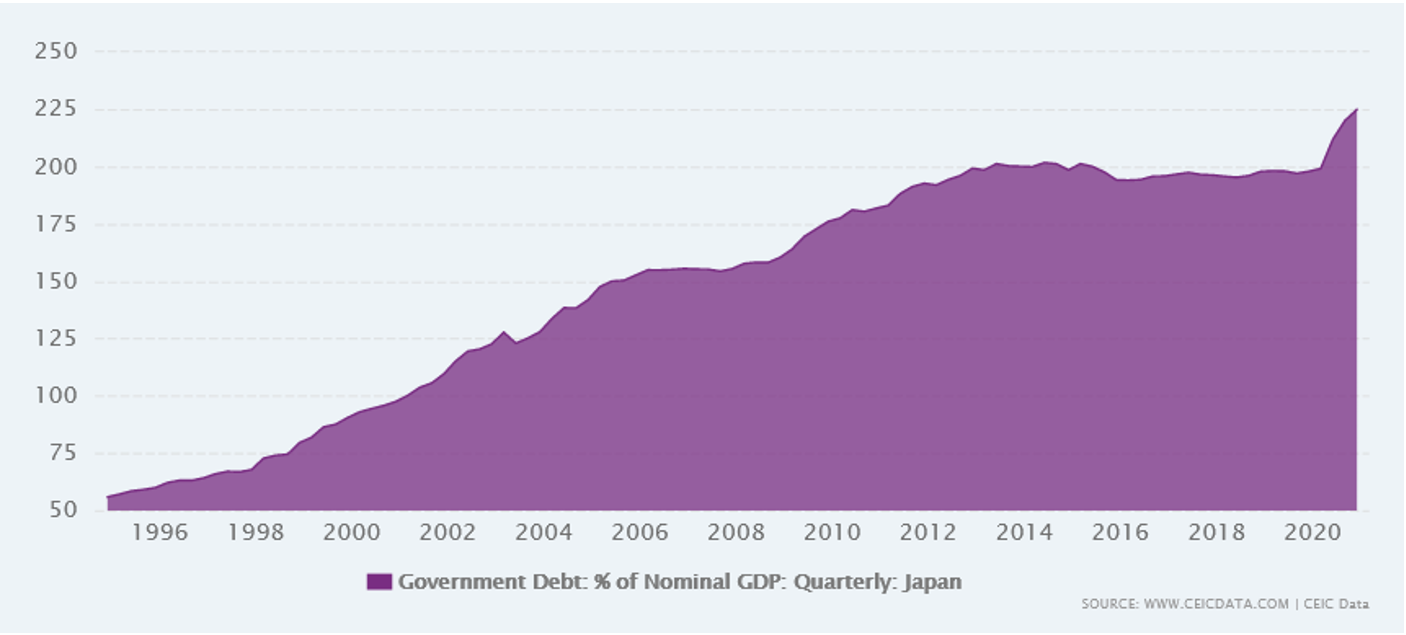
In propping up Japan's economy and financial markets, its central bank indirectly provided liquidity to the world's financial markets. But the BOJ could unleash a liquidity vacuum felt around the world.
In the span of just over two years, the world economy has been stricken by a pandemic and challenged by a military conflict in the heart of Europe. Major historical turning points are nearly always accompanied by fundamental shifts in the economy. The pace of history is accelerating with the global energy transition, urgency to secure reliable supplies of traditional energy, and locking in renewable alternatives. This shift will be driven by technology and innovation.
Our view is that the equity market is in a tug of war between a good earnings tailwind and a modest valuation headwind.
Inflation and hawkish central bank talk have spooked investors and led to bond losses not seen since the 1980s in developed markets (DMs).
ICYMI: In this roundup, we’re highlighting the five most popular pieces of content from the previous week.
Bookings for durable goods -- items meant to last at least three years -- increased 0.8% in March after a revised 1.7% decline a month earlier, Commerce Department figures showed Tuesday. The figures aren’t adjusted for inflation.
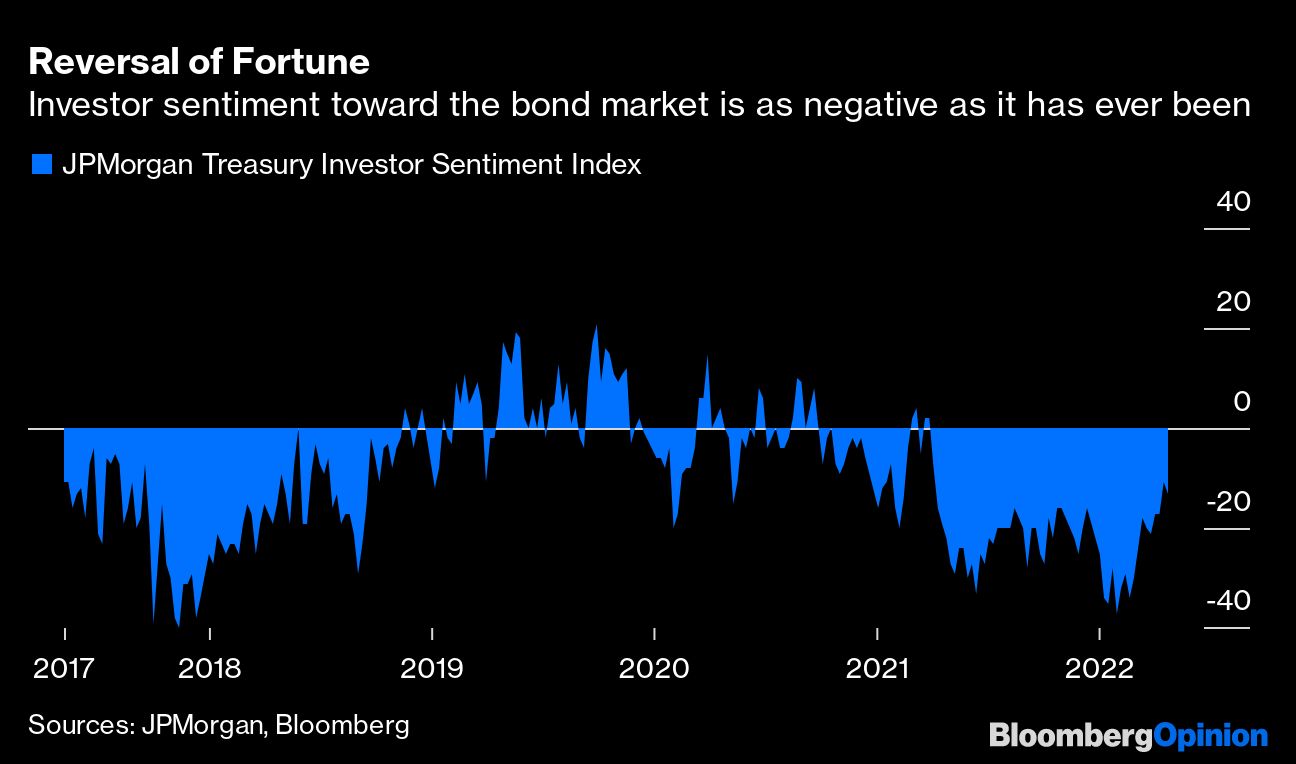
We are panicking over interest rates. Estimates of how high the Federal Reserve will raise its main rate to get inflation under control seem to increase daily. The yield on the benchmark 10-year U.S. Treasury note has surged 1.25 percentage points this year, inflicting historic losses on bondholders.
Since the global financial crisis, assets in private credit have grown exponentially as investors search for yield while protecting against inflation and rising interest rates. Once a small corner of the investment universe, private credit has boomed into a major asset class that does not show signs of slowing. Over the 2010-2020 period, assets grew by 12.8% annually. However, not all private credit is created equal. My guests today will explain how the private credit landscape is quite diverse relative to its publicly traded counterpart, and investors should take time to fully understand the differences within the space.
Markets don’t like uncertainty, but that uncertainty may be with us for a while. The Russia/Ukraine conflict shows no signs of abating, and the highest inflation levels in 40 years suggest that Fed tightening will be with us for a while. If that’s not enough, we have a midterm election coming up. Join us as we navigate the complexities of military conflict, monetary policy tightening, and an upcoming midterm election.
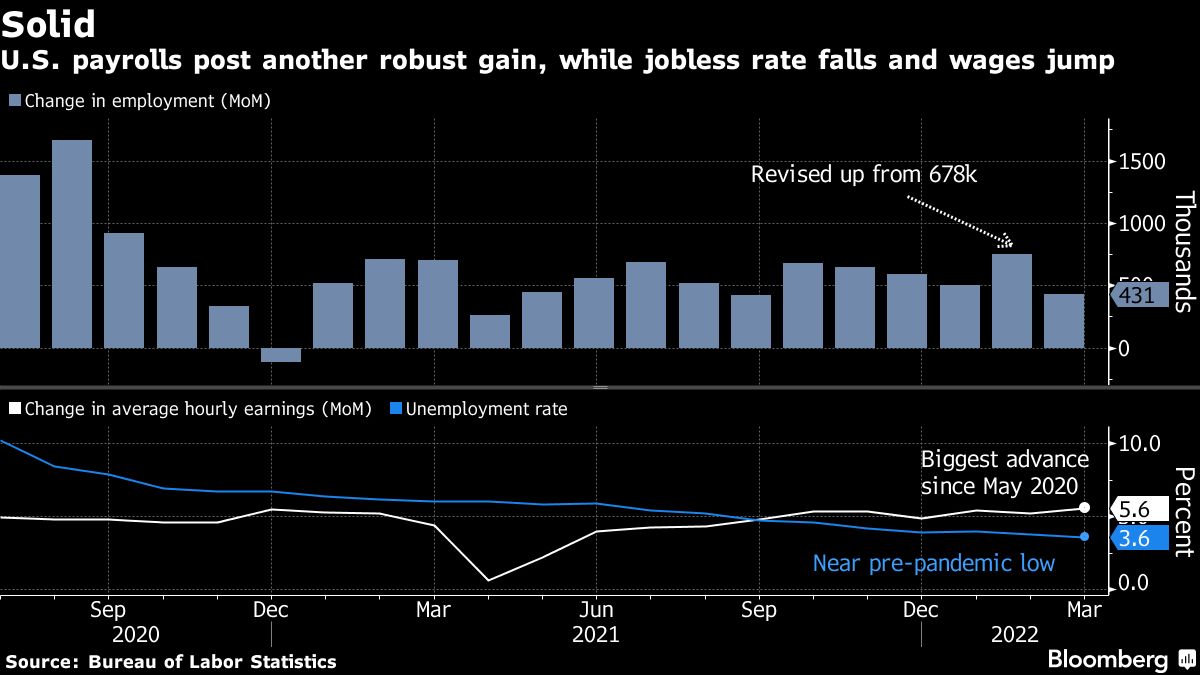
The economy seems to be doing well, with job growth still at high levels, consumer spending still healthy, and businesses continuing to invest.
With the world economy still recovering from the COVID-19 pandemic and now dealing with the Ukraine-Russia crisis, markets face a great deal of uncertainty.
Disaster is a strong but appropriate word that applies perfectly to the state of U.S. monetary policy.
Bank CEOs kicked off earnings season with a consistent message that household finances and demand are in solid shape. Procter & Gamble Co., which counts Tide, Bounty and Pampers among its brands, has seen consumers reaching for premium-brand products. Bank of America Corp. and credit-card giant American Express Co. noted solid travel demand.
U.S. stocks fell Friday, extending a run of weekly losses into its third straight week, as investors reacted to a handful of disappointing earnings reports and the Federal Reserve’s increasingly aggressive language about future interest rate increases.
The dollar is not as dominant as it was two decades ago, but is still the leading global currency.
No one can say that the Federal Reserve can't do the impossible.
Inflation is often viewed as an economic phenomenon, with mostly economic effects. Policy makers today worry about what inflation will do to the housing market; they express concern about government borrowing costs.
This is a hard time to retire. The market is down 7% from last year and the rate of inflation has risen to 8.5%. Both are brutal to your bottom line when you're on a fixed income. But buck up! As bad as things seem, odds are you are in better shape than your parents or grandparents. And if they got through retirement comfortably, so will you.
Savers are about to learn one painful and one surprising lesson about interest rates and banks. First, just because the Federal Reserve is raising rates doesn’t mean the rate investors earn on their cash will rise as much — if at all. In fact, the financial repression in the form of zero rates suffered for more than a dozen years by those who are ultra conservative with their savings isn’t going away soon.
Each April, we are moved by hope – it is financial literacy month. To help close the growing savings gap, we strongly feel financial literacy and better knowledge of retirement and financial planning fundamentals are critical to securing more stable financial futures.
While recent shocks have made the current inflationary surge and growth slowdown more acute, they are hardly the global economy’s only problems.
After a multi-decade pause, the winds of inflation have picked up. Only TIPS have been an effective hedge against inflation. Other asset classes have failed to varying degrees.
The successive financial bailouts of the past few decades, necessary as they were, have created a growing expectation: Whenever there’s distress in markets, central banks must step in. Once focused narrowly on traditional banks, they’ve provided emergency lending to prop up markets ranging from Treasuries to high-yield corporate debt.
Is there a bear market lurking in the shadows?
Through higher mortgage rates, demand for US housing is beginning to wane.
Does a risk-free bond with 7% yield interest you? If so, read about the red-headed stepchild of the bond world that is finally attracting investors.
On May 29, Colombia could elect its very first leftist president should Gustavo Petro receive a majority of the vote. The former congressman and mayor of the capital city of Bogotá, Petro is an unabashed admirer of and Hugo Chávez.
If you haven’t noticed—perhaps because you live on Mars—inflation is here. Not just in the US but almost everywhere. Prices for everyday goods and services, including necessities like food, are climbing rapidly. The US Consumer Price Index rose 8.5% in the 12 months through March… and we know it understates categories like housing.
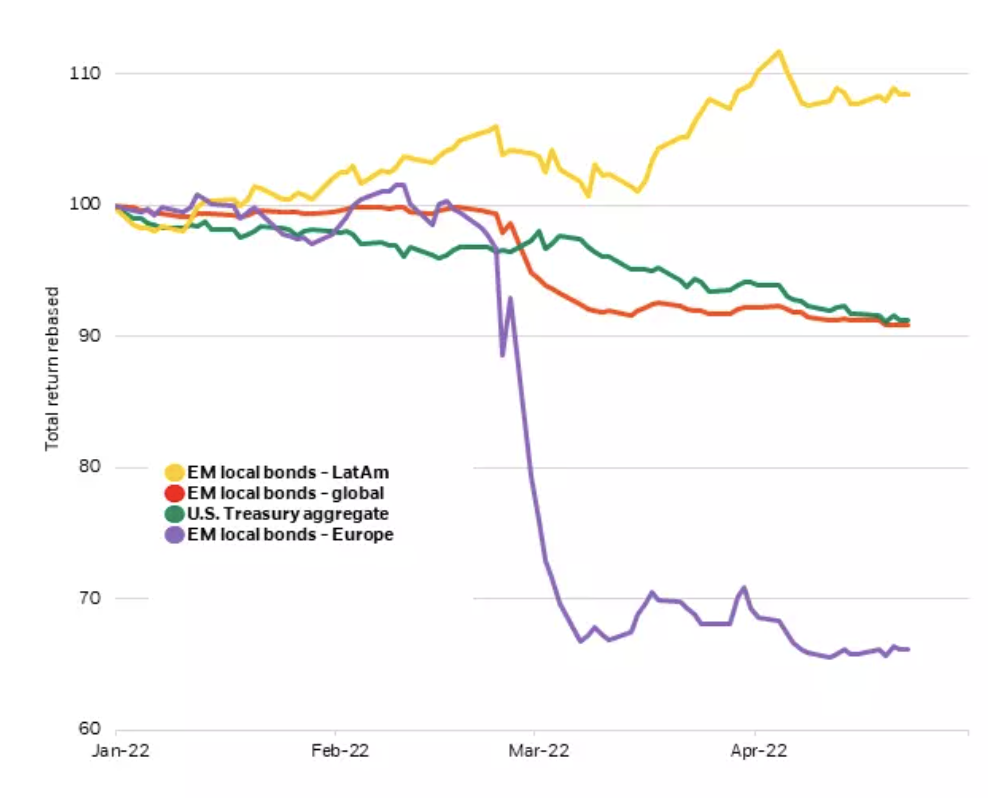
It might seem at first that everything is against emerging markets.
When reviewing the current state of the global economy and investment markets, we recommend focusing on market signals and weeding out market noise.
The International Monetary Fund’s significant downward revision to its 2022 World Economic Outlook, just one quarter into the calendar year, has generated headlines and hand-wringing around the world.
Concerns about the Ukraine war, inflation, and the Fed were top of mind last quarter, but a lesser appreciated long-tern headwind is the de-globalization of the labor force, which could have profound effects on the economy.
Our last edition of Volume Analysis stated, “The federal reserve’s rocket has since overshot its orbit, causing massive inflation while providing a speculative paradise for risk assets.
Despite gloomy news out of China, Andy Rothman explains why he remains optimistic about China’s road ahead.
The clear and present danger to the global economy is inflation because global central banks are starting to take aggressive actions to deal with what they now believe to be non-transitory inflation.
I didn’t start the fire.
For US states, spring marks budget season, a time to check the ledger board and allocate funds to entities and projects within the state—or cut back where needed.
Interest rates are structurally set up to go higher.
How bullish are we feeling? If the American Association of Individual Investors’ weekly survey is anything to go by, not very. It has been carried out for decades and is much followed as a measure of sentiment. Retail investors are simply asked if they’re feeling bullish, bearish, or neither.
Jerome Powell wants to quell inflation without sinking the labor market. Success or failure will be a defining part of the Federal Reserve chair’s legacy and the pro-employment policy he’s championed.
A couple dollars more a month normally isn’t enough to move the needle, but when Americans are facing the fastest inflation in 40 years, something has got to give. And for 600,000 people in the U.S. and Canada, that something was their subscription to Netflix Inc.
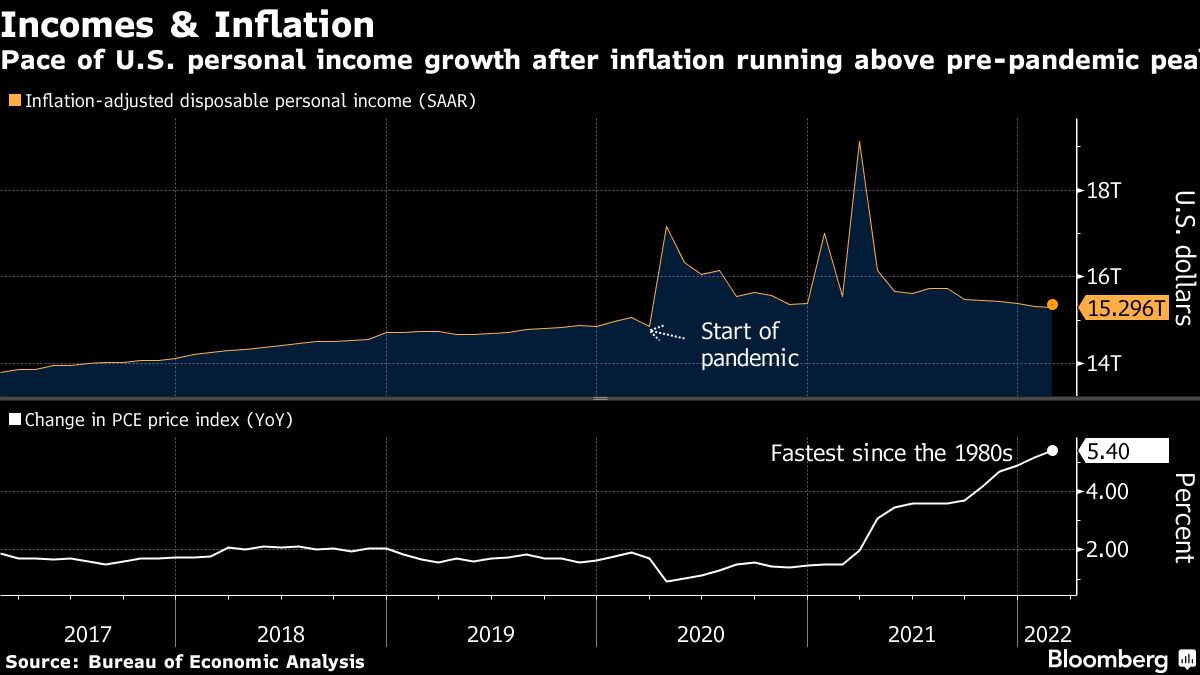
By most measures, the U.S. economy is doing well — but not when it comes to inflation. Consumer prices rose 8.5% in the year to March. Wages are rising too, though not fast enough to keep up. That means financial stress for many families, especially those on fixed incomes or with meager savings. With midterm elections approaching, President Joe Biden’s administration is likely to be judged on how it deals with this problem.