Signs of falling inflation have helped risk assets recently, but the relief is likely temporary. Volatility may continue in fixed income markets, as high-interest rates continue to weigh on balance sheets and the market digests the probability of a potential recession.
The Bank of Japan announced changes that could allow its yield curve control program to expire gradually if economic conditions are favorable.
The surprise move takes the rating to AA+ from AAA.
As that information presents itself, we may see a fair bit of market choppiness. This is why, even though the market’s monthly moves are fascinating and informative, they are far from instructive for a long-term investor.
Franklin Templeton’s new digital assets primer provides in-depth information on these new concepts and terminologies. In this article, Sandy Kaul, Head of Digital Asset & Industry Advisory Services, summarizes each section in the primer.
BondBloxx Investment Management continues to grow at a rapid pace in a short time. The fixed income specialist has exceeded $2 billion in assets under management. The firm achieved this milestone shortly after reaching $1 billion in AUM in April.
Today, not one Vanderbilt descendant can trace his or her wealth to the vast fortune Cornelius bequeathed.
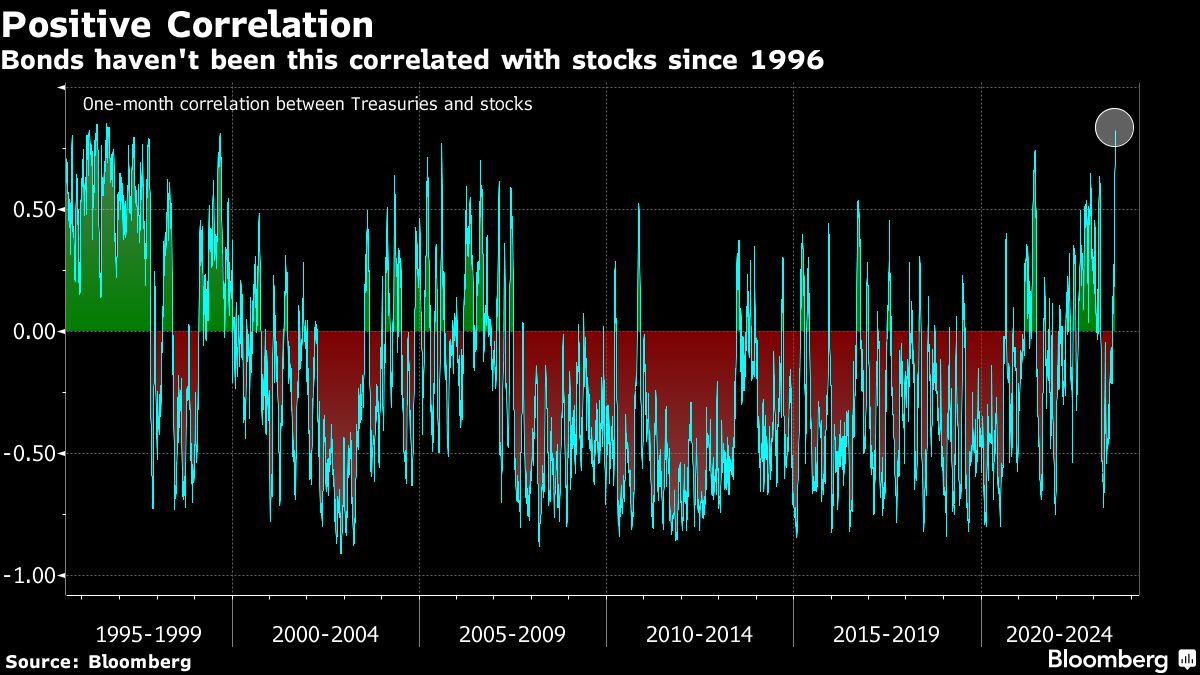
Historically, Treasuries tend to rally when stocks are tumbling, meaning they are negatively correlated. The idea is a cornerstone of the popular 60/40 strategy that uses an allocation to bonds as well as stocks to reduce the volatility of the overall portfolio.
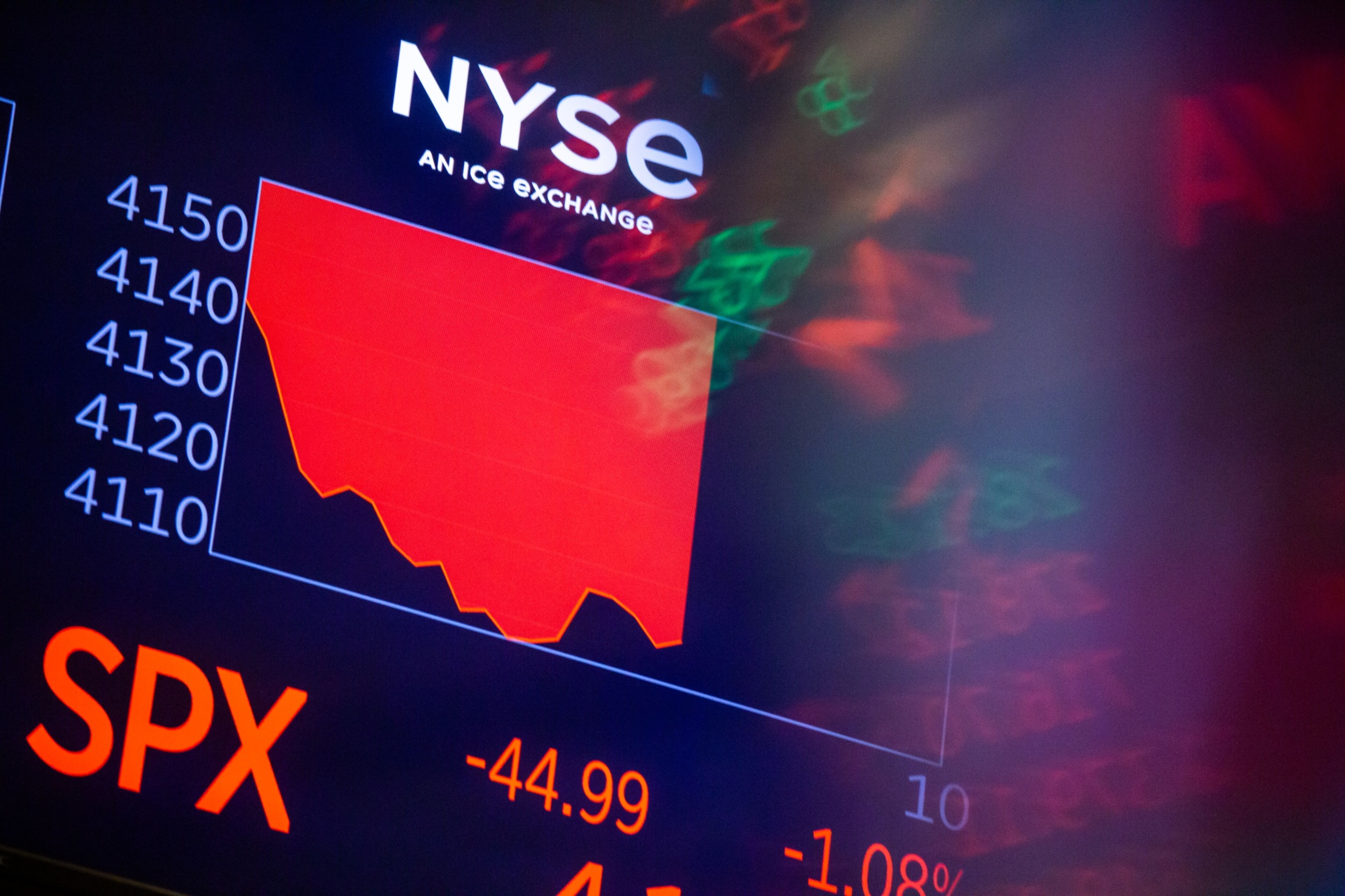
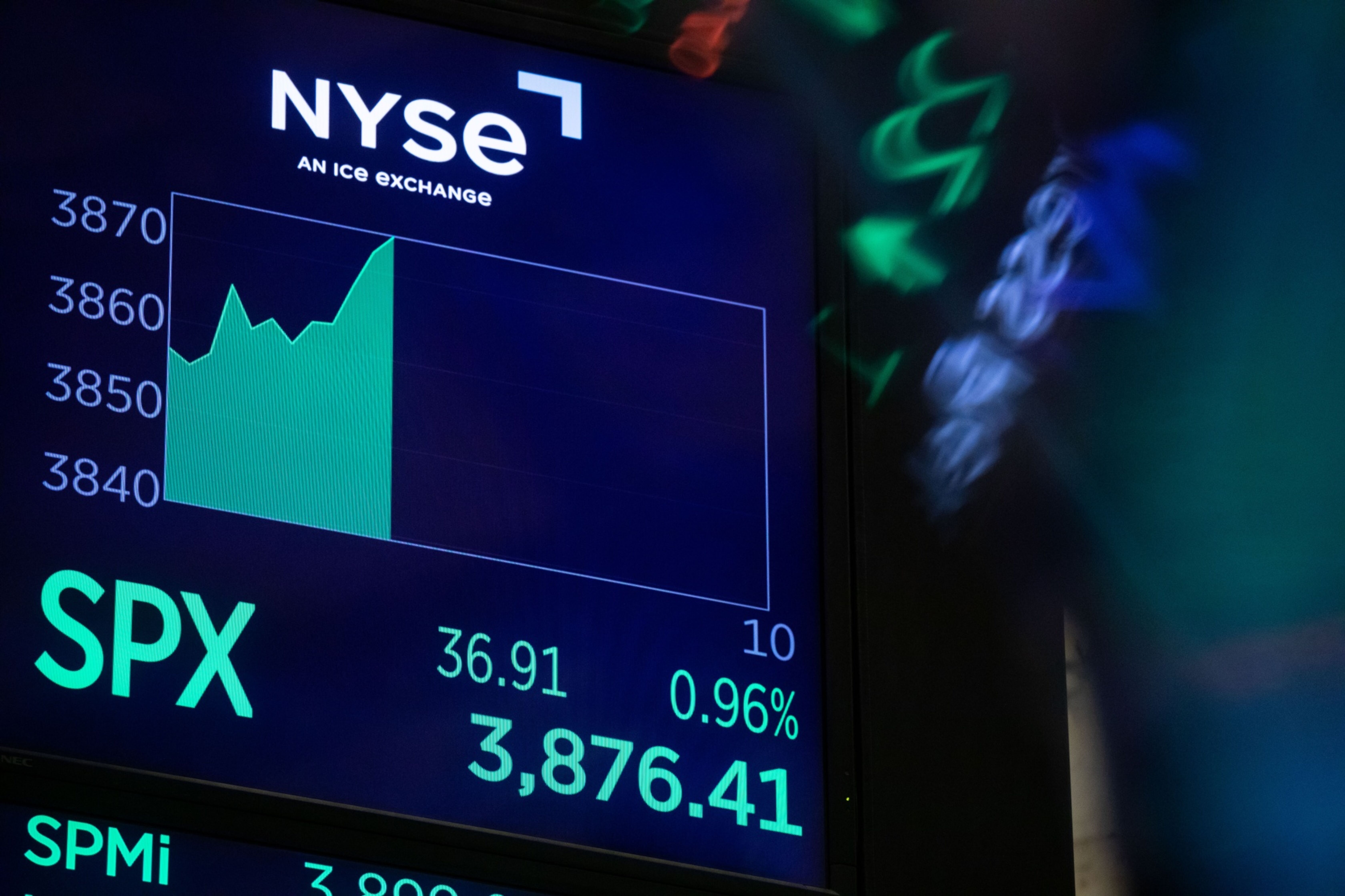
Stock market volatility is suddenly back on radar screens as equities drop for a third day in a row. That doesn’t bode well for the performance of markets, which haven’t seen a pullback of 5% or more since March.
Markets posted a strong first quarter, though it was a rollercoaster ride. The path forward will likely stay turbulent, with bank turmoil likely tightening credit conditions and the Fed still wrestling with inflation.
The question many economists, as well as market participants, asked themselves after the June Federal Open Market Committee (FOMC) meeting was why the Federal Reserve (Fed) paused its federal funds rate hike campaign if they were going to increase it again in July anyway.
During the past decade, a turnaround in the Golden State has resulted in higher credit quality for many issuers.
A member of Putnam's Fixed Income team since 2007, Onsel Gulbiten analyzes macroeconomic issues, including inflation, interest rates, and policy developments.
Take the 2008 financial panic. Was it market failure and bad business models or was it using the government to subsidize housing plus mark-to-market accounting? We believe the latter…without the subsidies and bad accounting rules, the recession might not have happened at all.
Last week was Super Bowl week for economists, with fresh guidance from the Fed, ECB, BoJ, as well as data releases on GDP and inflation. The economic data fireworks show was set against a busy week of earnings data, which acted as garnishes to the main course of economic data.
The unexpected downgrade of US government debt sent shockwaves across the economic and political landscapes. In financial markets, the move was met with what amounts to a shrug.
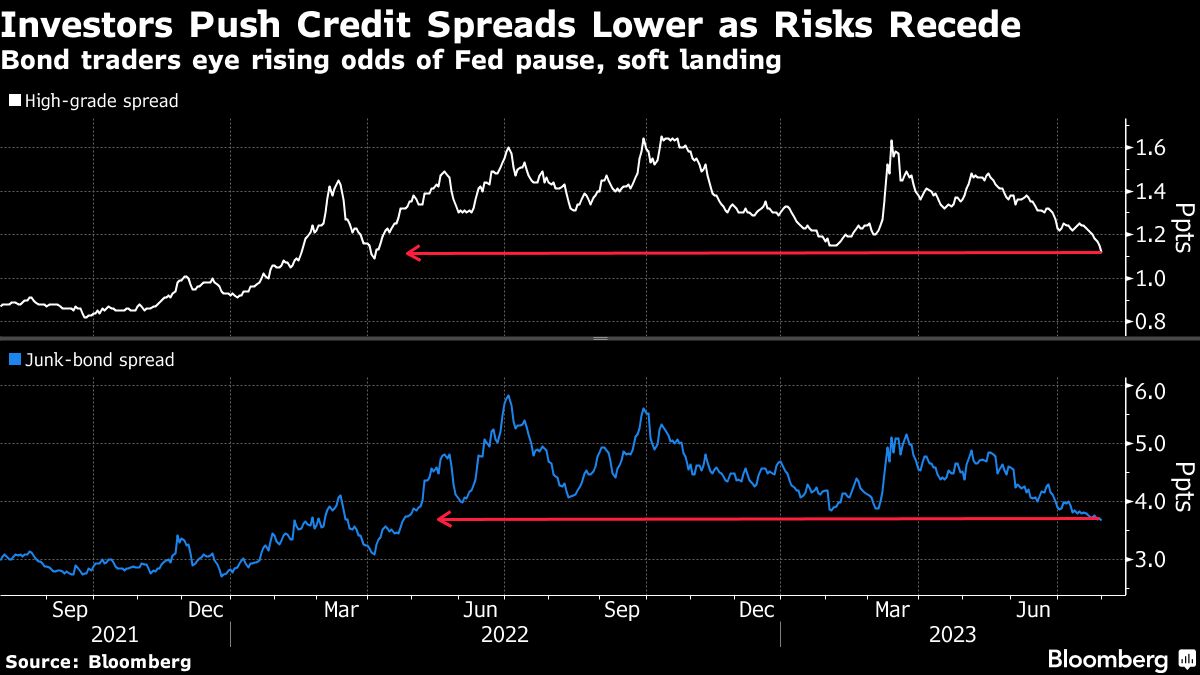
Credit investors are turning more optimistic that the Federal Reserve will pull inflation under control without shoving the US economy into a deep recession.
The US Treasury boosted the size of its quarterly sale of longer-term debt for the first time in over 2 1/2 years, testing dealers’ appetites amid an increase in government borrowing needs so alarming it spurred Fitch Ratings to cut the US sovereign rating from AAA.
State Street Global Advisors is challenging larger exchange-traded fund rivals BlackRock Inc. and Vanguard Group Inc. with its latest round of fee cuts.
Although past performance is never a guarantee of future results, it remains the case that stock-market valuations tend to outstrip bonds most of the time. Still, arriving at the best investment strategy is about more than simply doing the math; it also requires an appreciation of history and tail risks.
Is it vogue to be pessimistic about China’s economy? Andy Rothman explores.
Record-breaking heat waves dominate the news headlines, with 2023 shaping up to be one of, if not the hottest year on record. Extreme temperatures are shattering records across the U.S., Europe and in parts of Asia – not just on land, but also in the sea.
In a quarter filled with talk of potential Treasury default and the second largest bank failure in U.S. history, markets chose to look forward. This was a quarter of AI captivating markets.
The sale of a business, property, or large stock position can generate a financial windfall that may trigger a large tax liability.
Over the past 18 months, high inflation drove rapid monetary policy tightening, which weighed heavily on consumer spending power and corporate margins. As inflationary pressures now abate, we see eventual improvement in both real incomes and profits, which should enhance prospects for multi-asset investors.
Central bank policies are set to diverge from the steady hikes characterizing the first half of 2023, contributing to increased market volatility for the remainder of the year.
The current environment looks favorable for equity market neutral, global macro and insurance-linked securities, according to K2 Advisors. The team offers its mid-year outlook for these and other hedge fund strategies.
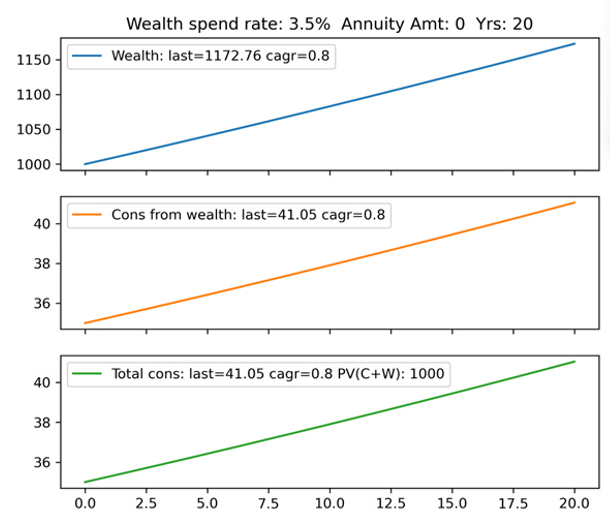
Advisors and investors wonder what role annuities should play in retirement planning. Here are the pros and cons of a common annuity product versus consuming out of invested wealth.
The Wall Street Journal recently reported that America’s retirees are investing more like 30-year-olds. Is it true?
Talk of Goldilocks has taken hold in the markets, and with it the risk-taking allure of not-too-hot and not-too-cold investing conditions.
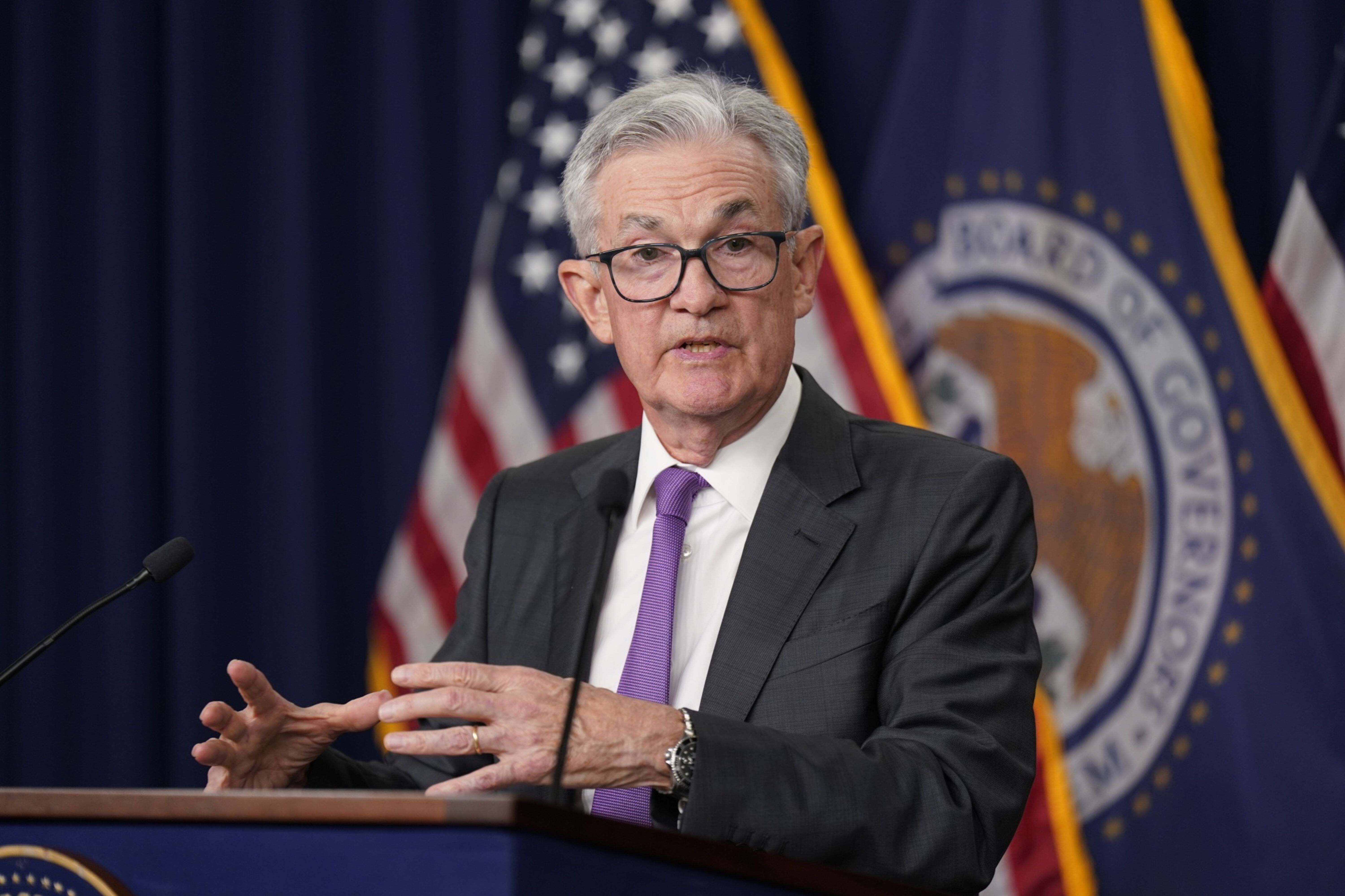
Federal Reserve Chair Jerome Powell has left the door open to another interest-rate hike, but Wall Street economists see the signs pointing in one direction ahead of the central bank’s September meeting: pause.
There’s a shift in tone happening across Wall Street.
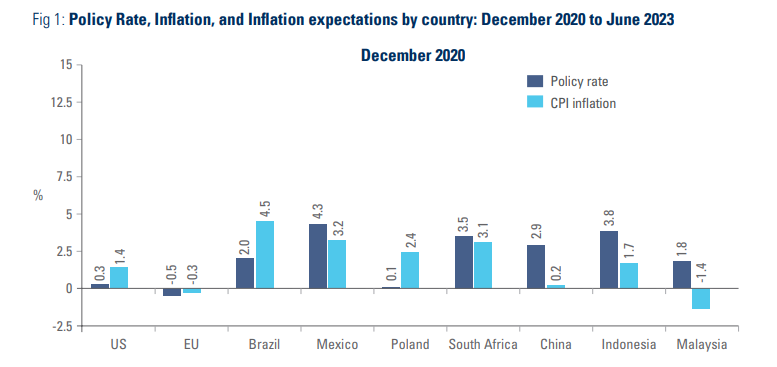
Believe it or not, Emerging Markets (EM) local currency bonds have been outperforming global fixed income asset classes for the past 18-months.
Loomis Sayles' Private Credit Group discusses how issuance in the private credit markets bucked the trend and maintained typical levels in the first half of the year.
Amid an outlook for slower growth and more moderate inflation, the Fed shifts to data dependence.
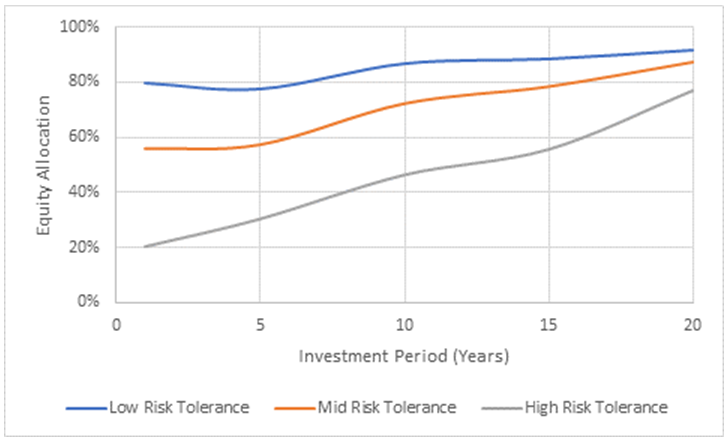
While the equity allocation of portfolios should increase for longer investment horizons, the adjustment should be less than implied by the historical evidence, and it should be based on each investor’s unique situation and preferences.
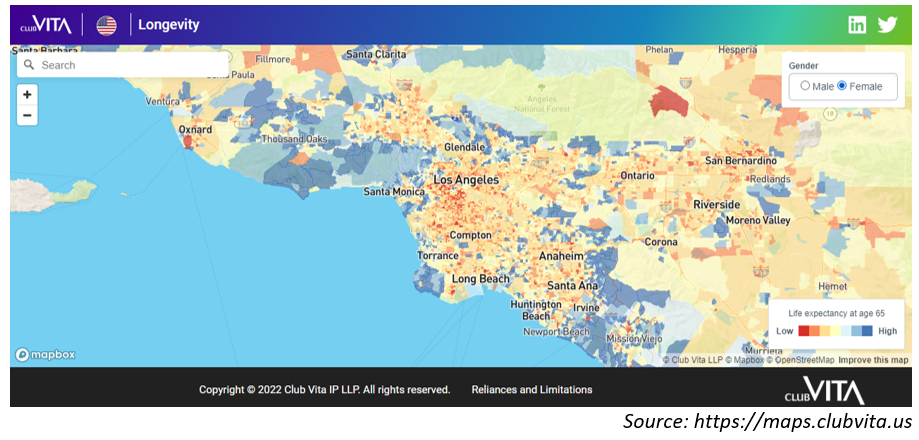
Many advisors are using longevity assumptions that are less conservative than they think.
With the Federal Reserve nearing the end of its most disruptive monetary-tightening campaign in a generation, a softening US dollar is poised to boost profit growth for nearly half of the companies in the S&P 500 Index over the next year.
All the chatter back in December was that 2023 was to be the “year of the bond.” And for a brief moment or two in the winter, that call — and the economic doom and gloom that underpinned it — looked right.
No matter what happens, financially or economically, there is always a high number of companies regularly beating Wall Street estimates.
How will we tell if the mythical soft landing is happening?
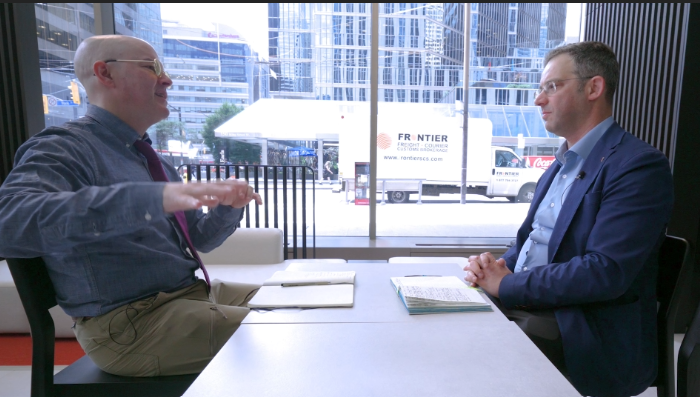
Home Bias, Yield Hunters & Thematics - The Canadian Perspective. A conversation with Dave Nadig, Financial Futurist at VettaFi and Daniel Straus, MD, ETF Research & Strategy at National Bank Financial.
Mutual Series’ Christian Correa and Mandana Hormozi believe the Japanese equity market is finally benefiting from reforms, inflation, and efforts to push companies to focus on growth and improve their valuations.
Solid fundamentals, decent valuations, and attractive income potential make a case for continued exposure to corporate credit even in an uncertain economic environment.
We talk frequently about the way central banks and governments affect the economy. In the grander scheme of things, though, whatever the Fed does is more like throwing a hand grenade into a large building. Yes, you’ll make some noise and cause some damage. People may be hurt. But the building won’t care, and the owner will fix it.
Looking at the potential benefits, risks and societal changes of artificial intelligence from an investment lens with Stephen Dover, Head of Franklin Templeton Institute.
Morgan Stanley strategist Mike Wilson finally capitulated and apologized for getting the market wrong the last nine months. He was everyone’s favorite analyst in 2022. King of the Bears. I haven’t seen that much drooling over a strategist since Abby Joseph Cohen in 1999.
Higher yields for corporate bonds generally correspond to higher credit risk based on an issuer's credit rating.
Office Commercial Real Estate faces challenges ahead, with high vacancy rates, declining rental income, and potential defaults. Investors should seek opportunities in more resilient sectors; multifamily properties for better risk-adjusted returns amidst a weakening economy/hawkish Fed.
CIO Robert Horrocks, Ph.D., says peaking interest rates may strengthen the case for quality growth stocks in emerging markets.