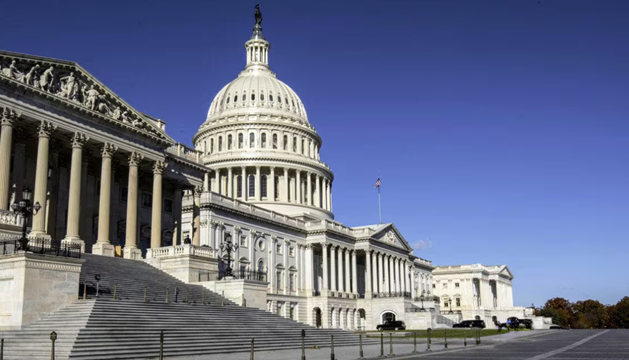
The deadline for the #debtceiling is quickly approaching. Where does each side stand? What does each side have to lose? Will a deal get done despite the hardening of partisan lines? Check out what it all means for investors.
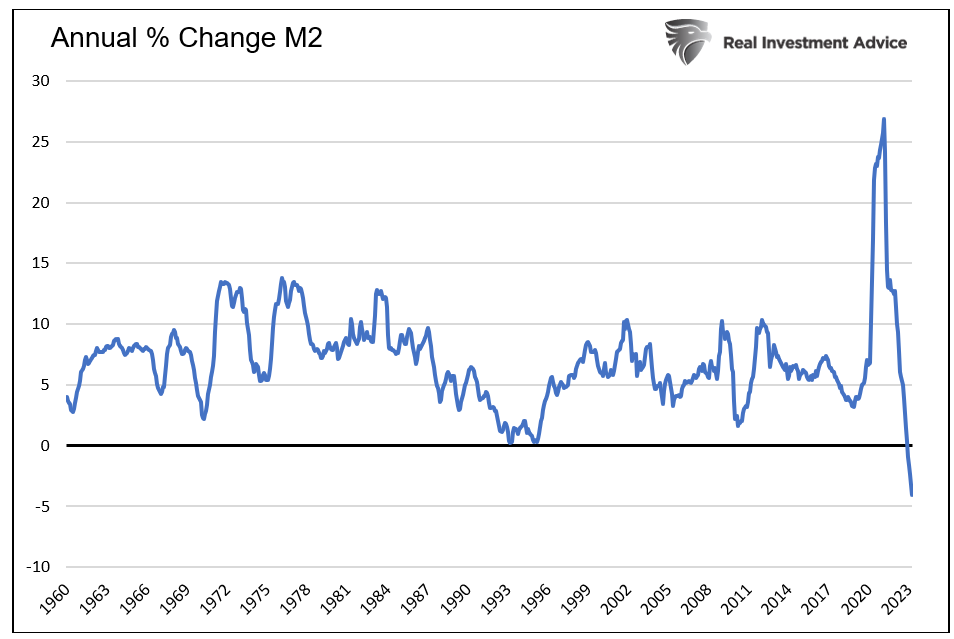
The Fed failed to recognize the danger of its loose monetary policy in 2021. We are seeing its pernicious effect, as the money supply and velocity combined to inflict non-transitory inflation.
Bond-market titans BlackRock Inc., Pacific Investment Management Co. and Vanguard Group Inc. are warning that recent violent swings in US Treasuries are only the beginning of a new era of volatility that’s here to stay until central banks conquer inflation.
Diversification is a cornerstone of thoughtful, long-term focused investing. Incorporating assets and asset classes that don’t always move in tandem – that is, their returns aren’t strongly correlated – can help temper stock and bond market risk.
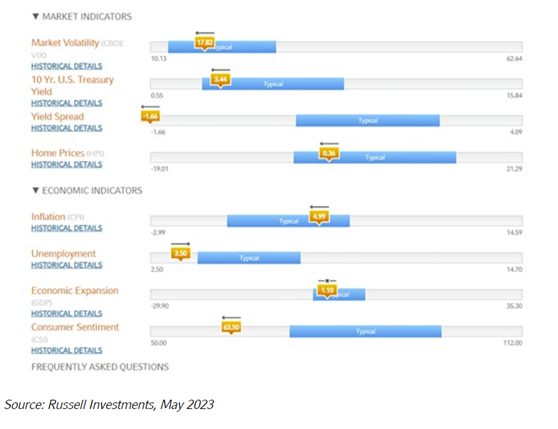
Several key economic indicators are released every week to help provide insight into the overall health of the U.S. economy. Policymakers and advisors closely monitor these indicators to understand the direction of interest rates.
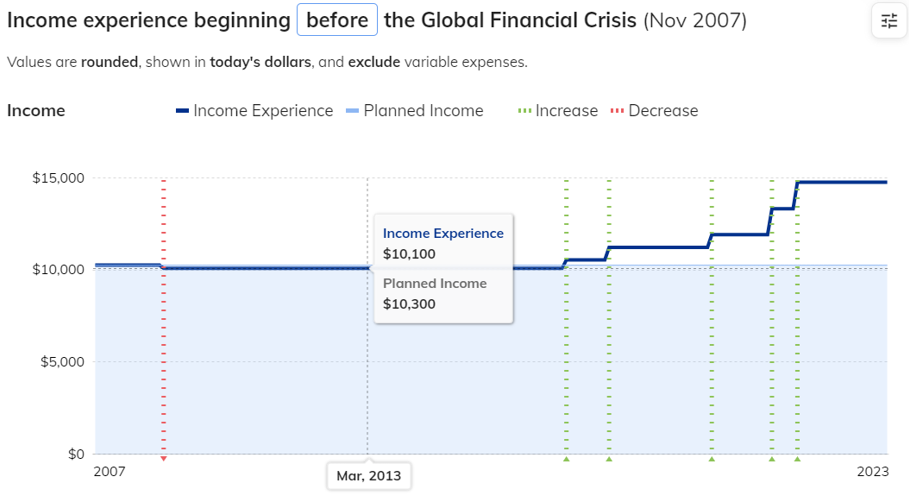
A better retirement stress test would focus on the standard of living in retirement and how spending would need to change in times of market turmoil or heightened inflation.
Review the latest Weekly Headings by CIO Larry Adam.
Many investors view real estate as an attractive long-term investment opportunity that plays an important role in portfolio diversification. With that in mind, Columbia Threadneedle Investments recently announced the expansion of its exchange-traded fund offerings with the launch of the Columbia Research Enhanced Real Estate ETF (Ticker: CRED). The fund offers investors and allocators an accessible, research-driven way to gain exposure to the real estate asset class. REITS have a history of low correlations and attractive long-term returns and have a strong historical performance record in high inflation. According to a recent Columbia Threadneedle survey, 93% of financial advisors plan to maintain or increase their real estate allocations over the next 12 to 24 months.
A member of Putnam's Fixed Income team since 2007, Onsel Gulbiten analyzes macroeconomic issues, including inflation, interest rates, and policy developments.
Negotiations among lawmakers in Washington, D.C., to raise the debt ceiling might trend in a more favorable direction.
No piece of technology is more crucial than the microchip. Its supply was central to the cause of the post-COVID-19 inflation, and the stability of the U.S.-China relationship hinges on its manufacture.
Investors are planning to ramp up bets in emerging markets, according to the latest Markets Live Pulse survey — a sign the asset class is becoming a favorite for those wary of a US recession.
What generally follows that expression is a succinct synopsis. We’re always trying to be concise; however, distilling complex economic and investment matters usually requires several pages.
Macroeconomic uncertainty presents new challenges for investors who are saving for long-term goals like retirement. Inflation can diminish the ability to save today and the value of those savings tomorrow.
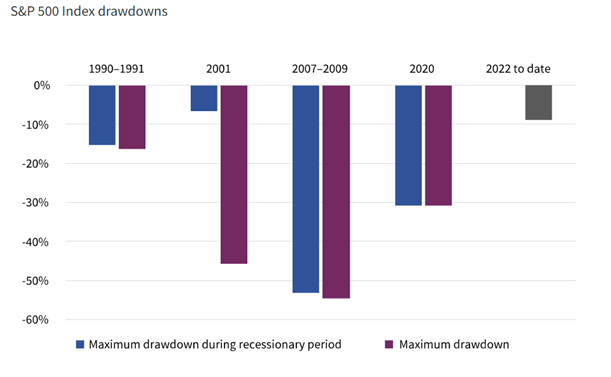
Could massive monetary support have softened the deep bear market many expected? It is an interesting question. Particularly given the Fed has hiked rates at one of the most aggressive paces in history.
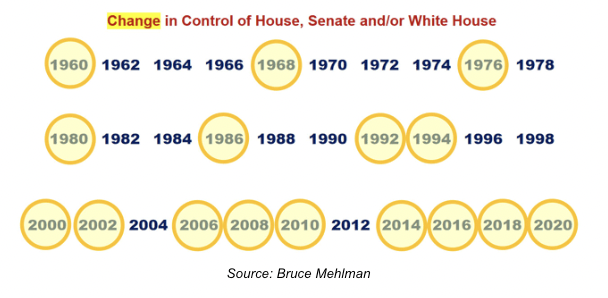
HNW Americans need to be prepared for every contingency, including Democrats winning a trifecta of POTUS and majorities in both houses of Congress.
Chief Economist Eugenio J. Alemán discusses current economic conditions.
Although attendance was down this year compared to last—mostly because Bitcoin’s price is still off its record high of approximately $69,000, set in November 2021—there was nevertheless an impressive turnout of investors of all ages, industry leaders, policymakers and more.
When markets turn volatile, it’s not time to despair. Stephen Dover, Head of Franklin Templeton Institute, offers some judicious perspectives on how to turn volatility into opportunity.
After embarking on a rapid tightening cycle in March 2022, the Federal Open Market Committee (FOMC) appears poised to pause its interest rate hikes in the middle of this year.
Here’s what we learned in earnings season about how companies are coping with a particularly tricky set of macroeconomic conditions.
The U.S. economy is likely slowing down, and a recession seems likely in the 12-18 month time horizon.
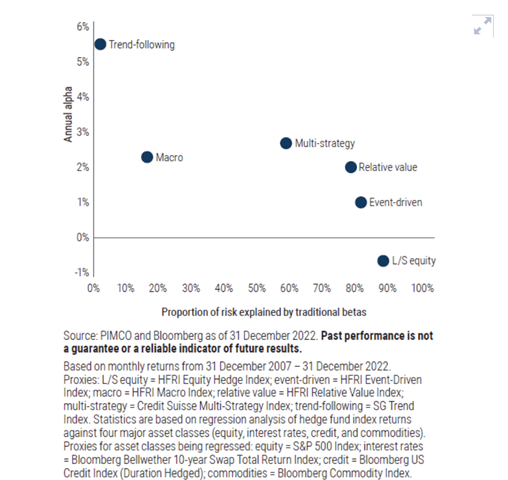
An in-depth analysis of hedge fund performance demonstrates that, over the past 15 years, lower-beta hedge fund styles have generally achieved higher alpha, aligning with investors' objectives of maximizing returns and diversification.
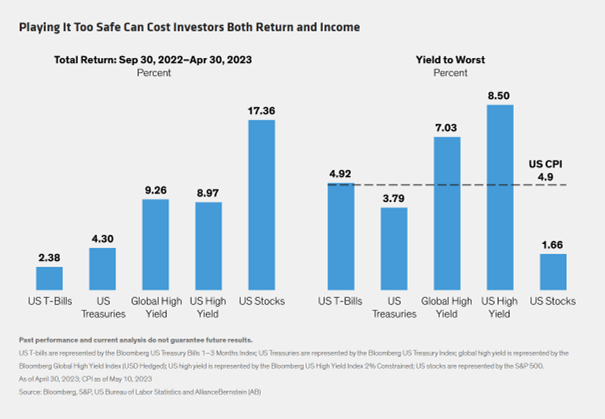
Parking your fixed-income assets in cash may seem like a safe choice in today’s volatile investing environment, but it’s actually a risky proposition. Here are three reasons why sitting on the sidelines can be a dangerous game.
Despite economic uncertainty, we see compelling value in high-quality, liquid assets that we view as more resilient in the face of a potential recession.
Here are GMO’s updated forecasts for performance of various asset classes over the next seven years.
It’s hard to open up a newspaper these days and not see a scary story about the debt ceiling debate. The Biden Administration is saying that a “default” is approaching if an agreement isn’t reached soon.
The Northern Trust Economics team shares its outlook for U.S. growth, employment, interest rates, and inflation.
The Federal Reserve’s latest 0.25% interest-rate hike has likely capped one of its most aggressive policy-tightening cycles in 40 years. And the cumulative 5% policy rate increase in just over a year is now starting to have an effect on rate-sensitive sectors and inflation.
Working with a skilled OCIO provider can help you position your portfolio to benefit from investment opportunities and avoid uncompensated risks.
The CBOE Volatility Index (VIX) is down about 26% for the year, but investors shouldn’t assume there won’t be market fluctuations ahead, especially with quantitative traders increasing their activity as of late.
The current economic and investing environment remains one of the most challenging and difficult to navigate in recent times. We have stubborn inflation, economic resilience, geopolitical tensions, tight labour markets, rising interest rates, higher for longer monetary policy, QT, bank failures, overwhelming bearishness and now, issues surrounding the debt ceiling.
Rising rates in today's fixed-income markets have led to more attractive bond prices and higher yields, alleviating some of the challenges facing income investors.
What's on the menu? Heading into a profits recession, there are many things to consider when building a portfolio. Here's a sneak peek at what we are serving up.
If 2022 was the zenith of the post financial crisis bull market, the intervening year and a quarter is a relatively short period from which to conclude that a turn in the secular tide has taken place. That said, several indicators have already begun to signal a change in trend.
When an exchange traded fund (ETF) is associated with high or low beta, what exactly does that entail? It all boils down to risk and how much an investor is willing to accept, which is different for everybody.
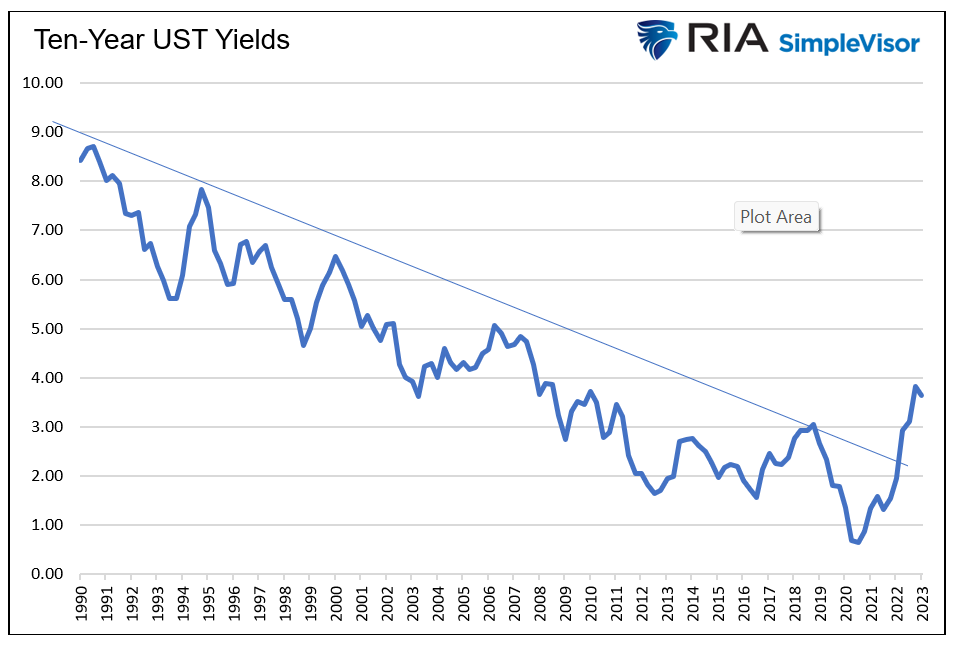
Long-term Treasury bonds are an excellent investment. But timing the purchase of bonds is difficult because three headwinds are keeping rates higher.
Analysis shows an extraordinary range of outcomes since the S&P 500's inception in 1928.
Macroeconomic and geopolitical hurdles are slowing the full recovery of tourism.
What if I told you that future returns could approach zero? Such seems hard to believe, considering young investors piling back into the markets since the beginning of the year
Nearly a year ago, I – provisionally and with qualifications – declared I-Bonds to be the fabled “free lunch” due to the remarkable 9.62% rate they were paying. That rate came down – a lot – so should you still buy them?
Two Federal Reserve officials signaled they favored pausing interest-rate increases, while a third policymaker suggested the central bank may have more work to do in its inflation fight.
The COT (Commitment Of Traders) data, which is exceptionally important, is the sole source of the actual holdings of the three critical commodity-trading groups, namely: Commercial Traders, Non-Commercial Traders and Small Traders.
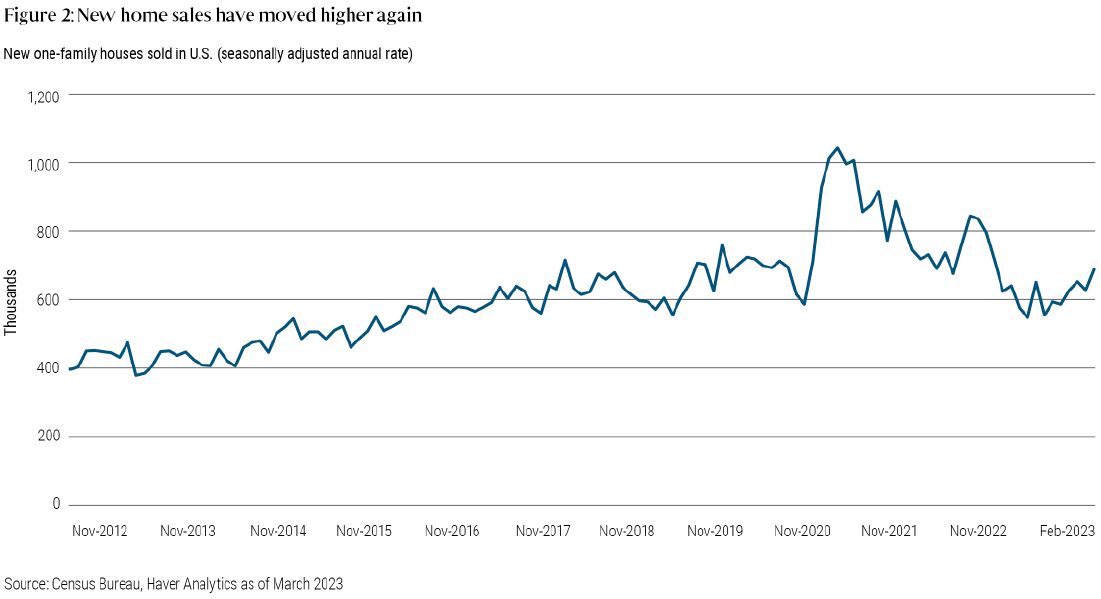
Although affordability remains an obstacle, recent data offer reasons to be more constructive as broader conditions still appear supportive of home prices.
Whether it’s high inflation or greater market volatility, Monte Carlo analysis will reveal how those uncertainties impact a client and provide peace of mind about their plans.
We think the U.S. debt limit showdown will spark renewed volatility in markets. That risk reinforces why we stay invested and cautious by going up in quality.
Technological progress in the last two centuries, and especially in the recent past, has been nothing short of amazing. So why are we so unhappy? Why aren’t we all rich?
As the credit market grows more stringent, investors should consider high-quality, longer-term bonds. Here are some fixed-income strategies.
Key Takeaways
The economy co-exists and interacts with broader society, including government. Public policies—and the political processes that determine them—can change the economy in deep and lasting ways. We may not like them, but we can’t ignore them.