Global equities rebounded in the second quarter as confidence in the AI investment cycle strengthened. As the third quarter begins, we believe markets have become priced for a smooth and profitable AI build-out, leaving little margin for error. June’s sharp sell-off in the Magnificent Seven stocks underscored how quickly sentiment can shift when crowded AI trades are priced for near-flawless execution.
Second-quarter 2026 markets were driven by the Iran conflict, which disrupted oil flows and spiked prices before easing after a partial Strait of Hormuz reopening. Focus then shifted to new Fed Chair Warsh’s reforms and SpaceX’s high-valuation IPO. The U.S. economy remains stable with moderate growth and rising inflation. Markets are up, led by AI-driven semiconductors, though risks and uncertainties persist.
Chris Galipeau discusses high-conviction insights that go beyond media headlines.
The June employment report’s headline readout was softer than expected, but the details reinforce my view that the U.S. economy remains on a stable footing. Headline payroll growth disappointed, yet the previous two months—which had surprised to the upside—were revised lower, bringing hiring back toward a pace that is far more consistent with a mature expansion.
Right now, advisors are facing a massive generation of clients trying to navigate retirement. That’s challenging enough, but with inflation and the cost of living rising, assuaging those clients’ concerns and delivering for them has become much trickier. Income ETFs can help meet those clients’ goals, with new, daily covered call ETFs an appealing option.
Close to 40 years ago, I moved from Canada to the U.S. after acquiring a controlling interest in U.S. Global Investors. I’ve built my entire life and career here, and in all that time, I’ve never stopped marveling at my adopted country.
What is remarkable about Livermore is that his rules are still incredibly valuable. The markets he traded in no longer exist. The technology, the communication speeds, and the regulatory framework of his day are unrecognizable compared to today. But the principles and behavioral patterns he identified are as operational in 2026 as they were a hundred years ago.
Wage growth peaked four years ago. Since 1985, it has led CPI by three to seventeen months in every single cycle. The May 4.2% inflation print is the noise. Watch the wages.
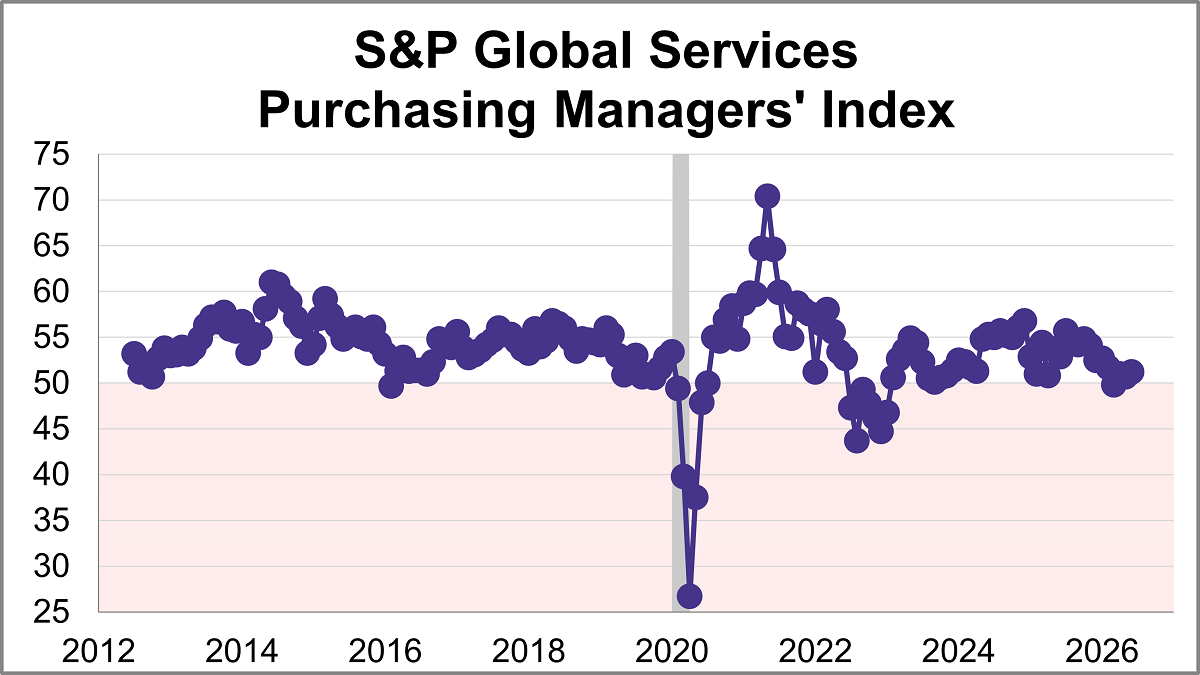
The June U.S. Services Purchasing Managers' Index (PMI) from S&P Global rose 0.5 points to 51.2, indicating a modest rise in service sector activity. The latest reading was just below the forecast of 51.3 and marked the strongest expansion in four months.
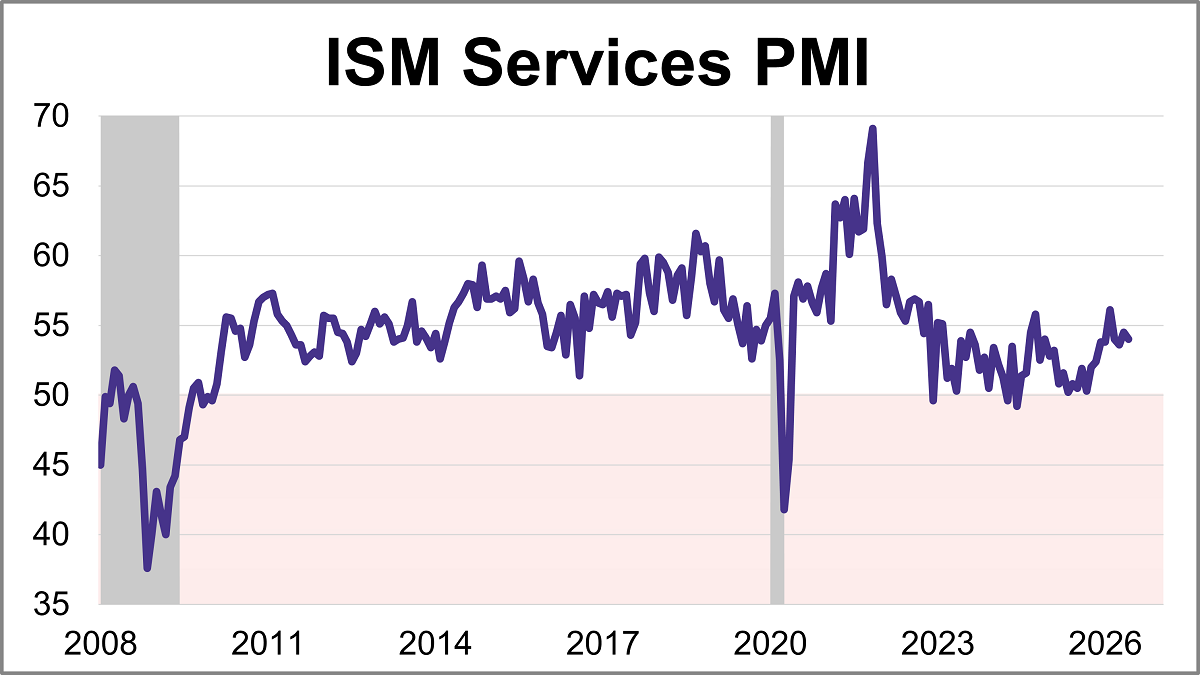
The Institute for Supply Management (ISM) released its June Services Purchasing Managers' Index (PMI), with the headline composite index at 54.0. This was slightly lower than the forecast of 54.2 but keeps the index in expansion territory for a 24th consecutive month.
While the Federal Reserve left interest rates unchanged at the latest meeting, investors increasingly speculate that rate hikes are on the table in 2026.
US stock futures climbed early Monday as investors gauged whether the artificial-intelligence trade can regain its footing after one of its sharpest pullbacks in more than two years.
A growing share of central bankers argue that artificial intelligence will ultimately push neutral interest rates higher. Intuitively, if AI boosts productivity and lifts long-run growth, then households have less incentive to save, pushing up the real neutral rate.
Midway through 2026, Franklin Templeton Institute’s Global Investment Outlook framework remains a valuable lens—but the landscape has shifted.
The war in Iran has delivered an oil shock into a bond market that had not fully shaken inflation pressures. Higher energy prices have revived concerns about the path of inflation just as central banks were edging toward rate cuts, forcing a reassessment of what investors require to hold long-term bonds. That reassessment is now playing out in higher long-term yields and steeper yield curves globally.
AI-related disruption, asset valuations and borrower stress have put private credit under a microscope lately. Is this a market facing its first major test after a decade of rapid growth? If it is, we expect it to pass comfortably.
The Federal Reserve left interest rates unchanged at its June 17 meeting, but investors were more focused on the future under new Fed Chair Kevin Warsh, whom Trump appointed in May.
Federal estate taxes may not affect most households, but state death taxes can still be significant. Learn key planning considerations and strategies to help preserve wealth.
Productivity is an essential component of economic success. It allows for growth without inflation; compensates for demographic deficits; and helps nations attract investment.
One should always take government data with a grain of salt. But if we aren’t going to reject it outright (if we do, we have nothing at all to go on), we should at least analyze it with a microscope. The headlines touted by your mainstream pundits almost always miss the real story.
Today’s market backdrop reflects a tension between expectations and reality. Despite higher oil prices and plenty of geopolitical noise, the US economy remains resilient and durable, supported by steady consumer spending, a labor market finding its footing, ongoing fiscal support and a surge in AI and infrastructure investment.
Slate Auto, the electric vehicle start-up backed by Jeff Bezos, is a grand experiment in whether austerity sells — and a warning for the US auto sector.
U.S.-listed ETFs locked in a record-breaking first half of the year. Read the analysis on active ETFs, fixed income shifts, and equity flows.
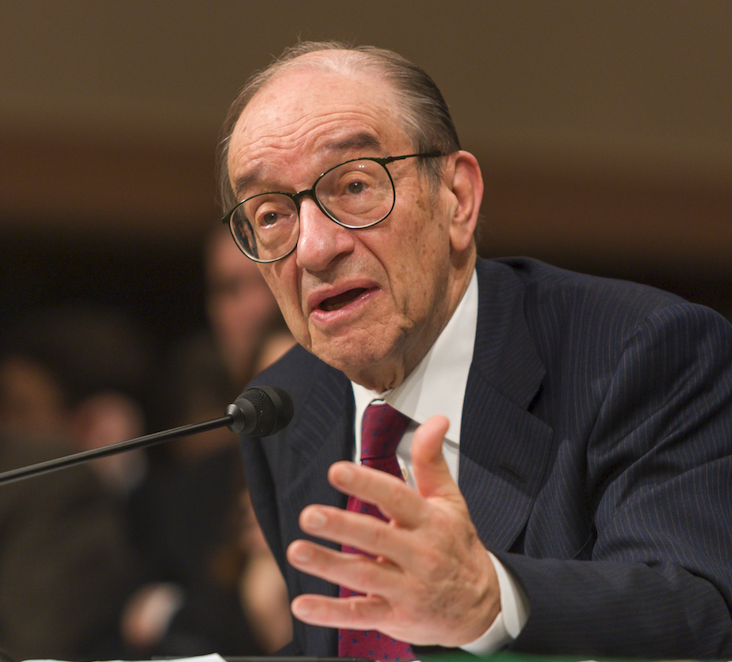
Former Fed Chair Alan Greenspan’s passing has brought a stream of retrospectives on his approaches to managing the economy. He erred on the side of parsimony, favoring short public statements. Greenspan’s vague communication style offered little clarity over the future path of interest rates.
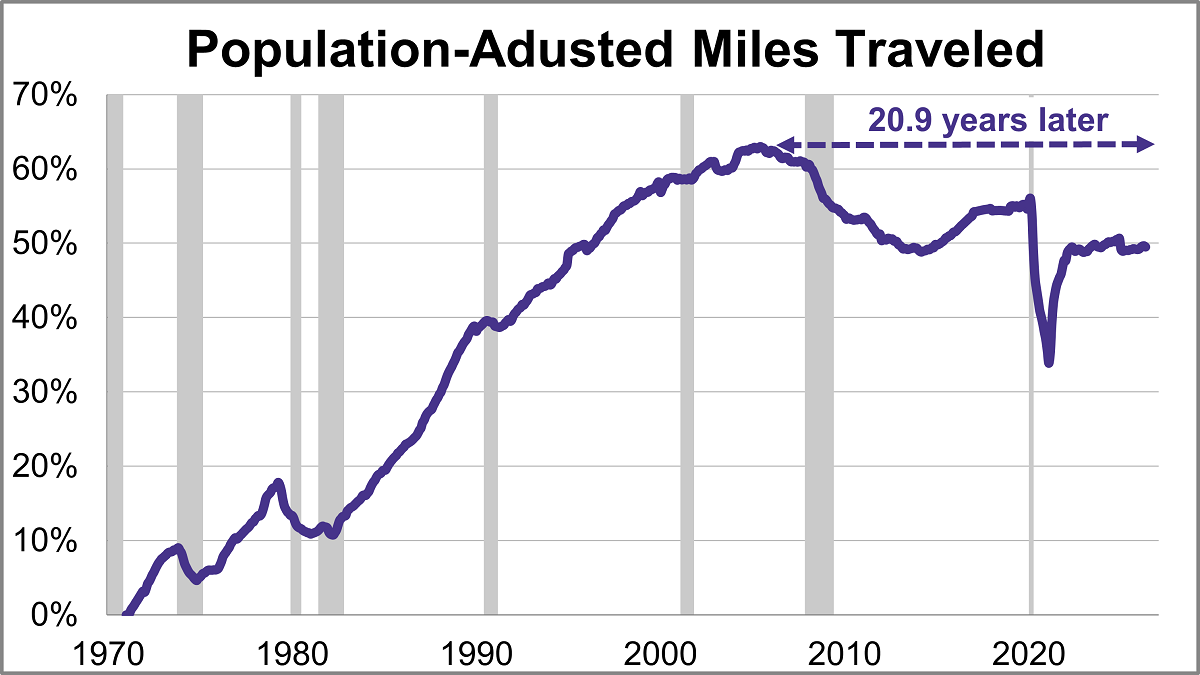
Travel on all roads and streets decreased in May. The 12-month moving average was down 0.06% month-over-month but was up 0.93% year-over-year. However, if we factor in population growth, the 12-month MA of the civilian population-adjusted data (age 16-and-over) was down 0.10% month-over-month and up 0.32% year-over-year.
A look at the resilient global economy, evolving market opportunities, and key risks shaping the investment outlook.
Markets weathered turmoil in the first half, helped by solid earnings with signs of broadening beyond a few AI beneficiaries. If the war in Iran eases, oil prices could normalize, reducing inflation pressure. Still, growth, inflation and policy risks may be underestimated.
Global stocks surged during the second quarter as oversold conditions in March and de-escalation in the Middle East created ripe conditions for a rally. In the United States, the large-cap S&P 500 index climbed by 13%, while the small-cap Russell 2000 index increased by nearly 25% (yCharts).
June saw strong market fundamentals once again in conflict with macroeconomic uncertainties, creating a choppy market. While a durable peace plan with Iran is seemingly underway, investors have regarded the negotiations with caution, pricing in potential setbacks.
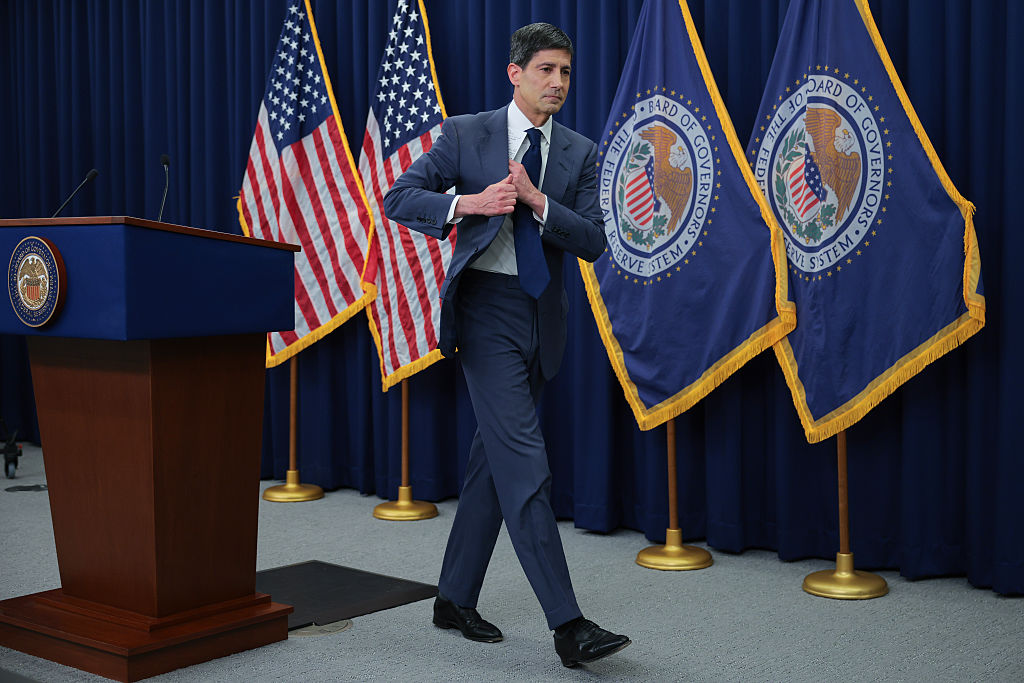
Federal Reserve Chairman Kevin Warsh said price risks have come down in recent weeks, while repeating his determination to bring inflation back to the US central bank’s 2% target.
Markets may have ended the first quarter with a thud, but stocks put another record run in the books to close out the first half of 2026. The U.S. ETF market had already shattered records, crossing the $15 trillion threshold and cruising past $1 trillion in net inflows right before summer officially began.
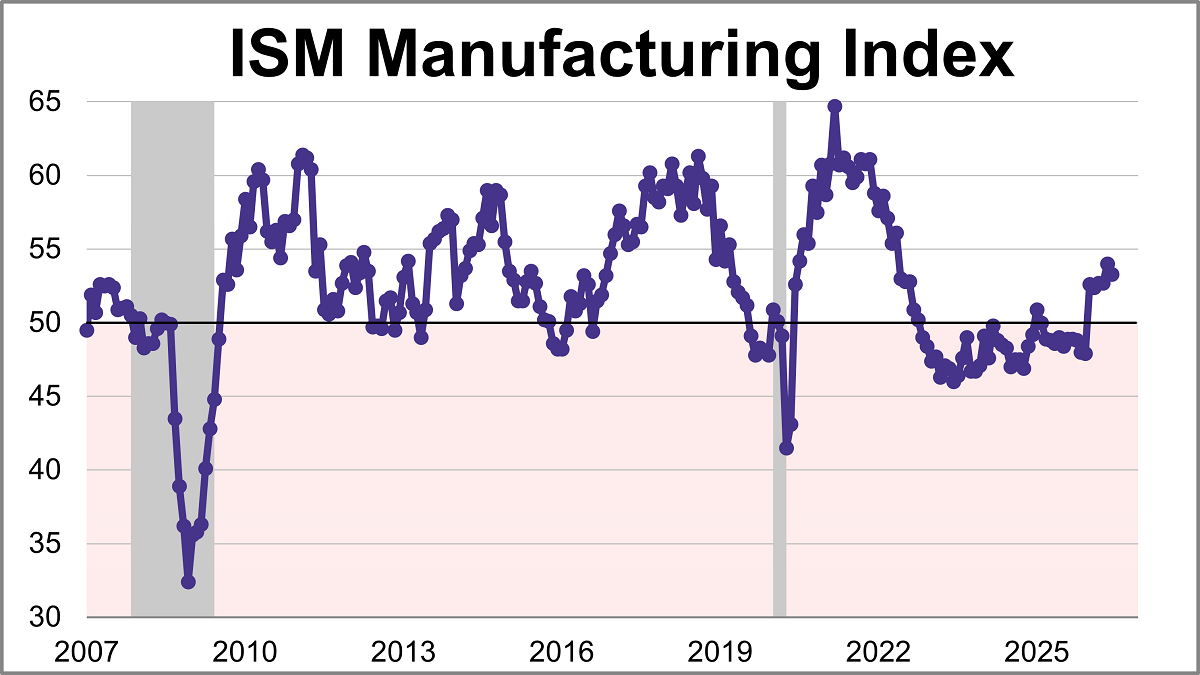
The Institute for Supply Management (ISM) manufacturing purchasing managers index (PMI) came in at 53.3 in June, down from 54.0 in May, marking slightly slower growth. The latest reading was just below the 53.8 forecast and is the index's sixth straight month in expansion territory.
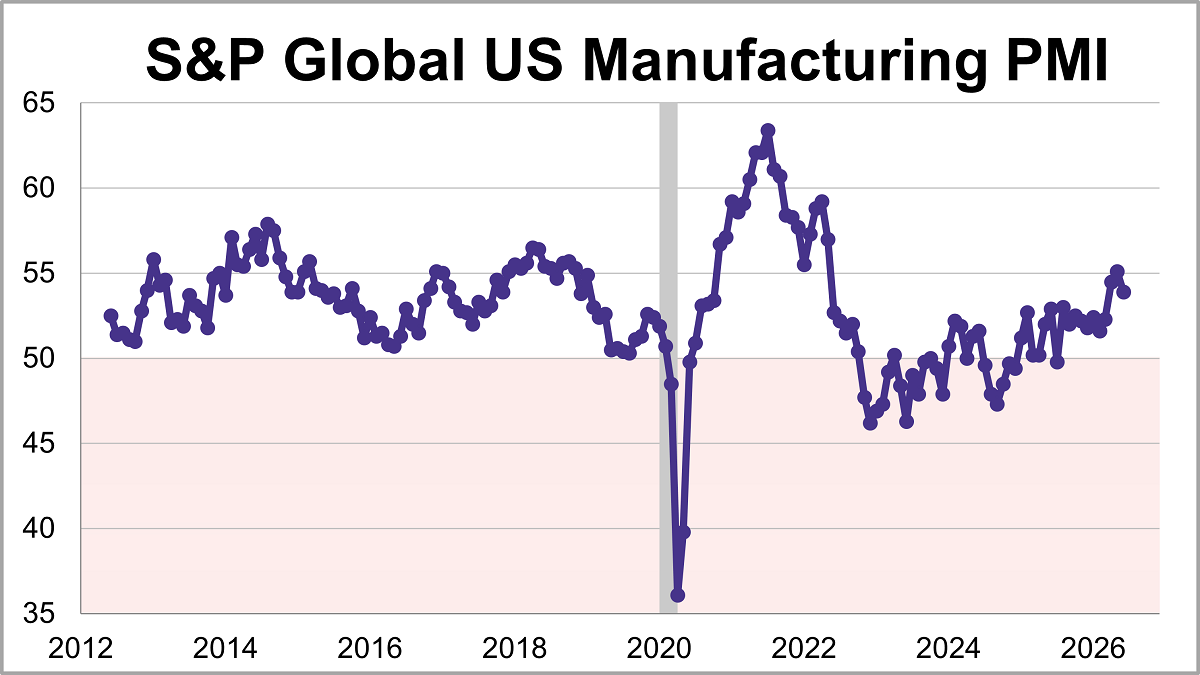
U.S. manufacturing expanded for an eleventh straight month in June but the growth eased to its lowest level in three months. The S&P Global PMI fell 1.2 points to 53.9 last month, falling short of the 55.7 forecast.
July is a great time to buy stocks. In fact, it’s been the best month for the S&P 500 Index in the past two decades. Bulls are finding comfort in that history ahead of what stands to be an eventful stretch.
While the Middle East is still far from calm, it does appear the worst of the volatility in the region is in the past. The U.S.-Iran ceasefire is in place, with negotiations underway for a more durable peace.
In our view, this divergence continues to reflect how the buildout of artificial intelligence (AI) is influencing both the economy and markets as it progresses across the value chain, even as the associated costs continue to climb.
The sharp retreat in oil prices has dramatically altered the market narrative. Just weeks ago, investors feared a renewed inflation shock from the conflict with Iran. Instead, crude has fallen back toward pre-conflict levels, Treasury yields have declined, and markets have begun rotating aggressively away from the large tech hyperscaler, the Magnificent Seven, that dominated recently and toward more cyclical and value-oriented sectors.
Geopolitics, artificial intelligence, and inflation each took their turn commanding market attention last week. U.S. equities were mixed, as a pullback in technology names masked broadening performance beneath the surface.
Join the experts at SS&C ALPS Advisors and BBH for an educational webcast exploring municipal bonds and how inflation, geopolitics, and more are impacting the space.
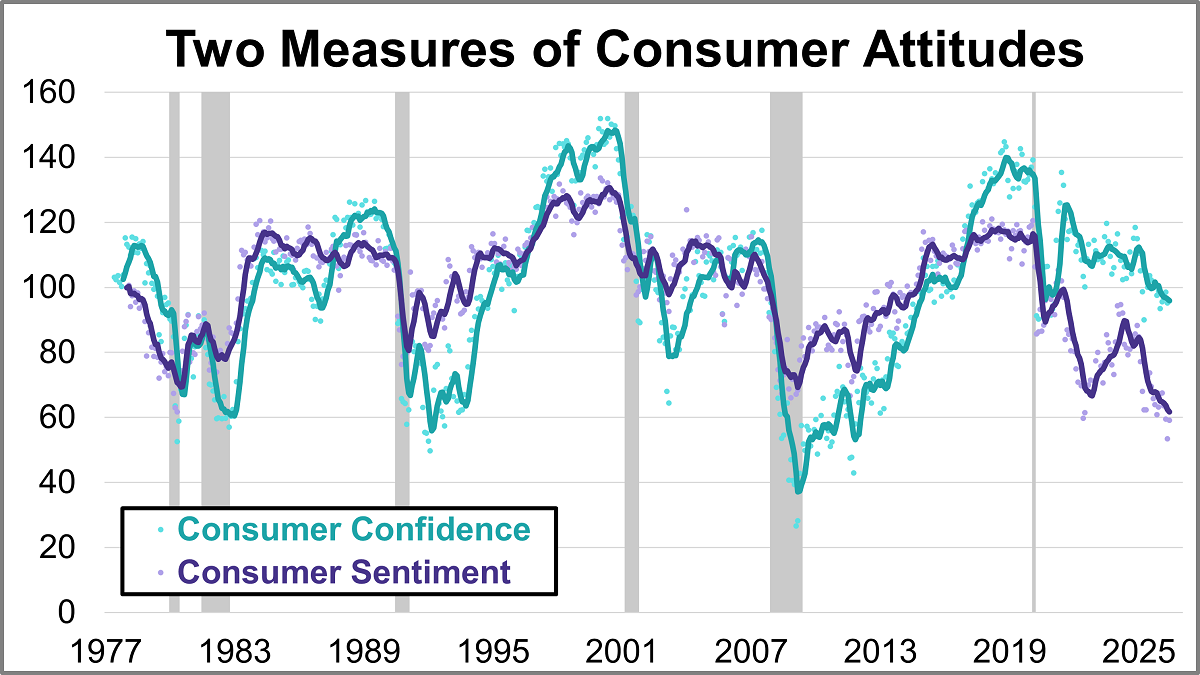
What are consumers thinking about the economy? Their collective mood offers crucial clues for businesses, investors, and policymakers alike. In June, the two leading benchmarks, the University of Michigan’s Consumer Sentiment Index (MCSI) and the Conference Board’s Consumer Confidence Index (CCI), offered similar views with both showing slight improvement despite ongoing inflation concerns.
Even people whose money beliefs and behaviors align more closely are not necessarily an ideal match. Partners whose predominant money scripts fall into the money vigilance category may both track expenses, openly discuss finances, and hold similar values around saving.
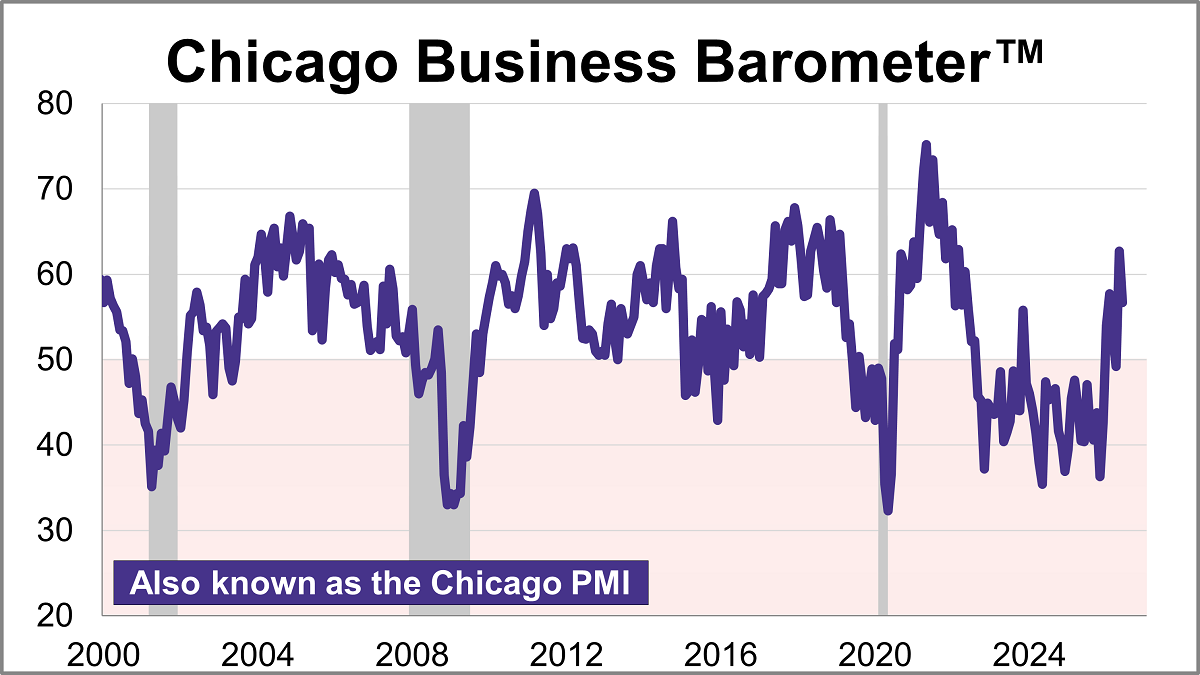
The Chicago Purchasing Managers’ Index cooled 6.0 points in June to 56.7, signaling an expansion in regional business activity for a second straight month. The latest reading was higher than the projected 55.7.
A sharp rise in the dollar may emerge as one of the biggest “pain trades” in the second half of the year, according to HSBC Holdings Plc.
Ten years ago this week, the world watched the United Kingdom vote to walk away from the European Union. While the political class was clutching its pearls and every talking head on television was promising Armageddon by Christmas, I told you something different.
Alan Greenspan passed away last week at the ripe old age of 100. Other than presidents, few Americans have wielded as much power in the arena of economic policy as Greenspan did during his roughly eighteen years and five months at the helm of the Federal Reserve.
It’s hard to believe we’re nearing the halfway point of 2026 – and what an eventful start it’s been. Markets have pushed through a geopolitically driven energy shock, rising inflation pressures and accelerating disruption from the artificial intelligence boom.
The top 10 active ETFs YTD by fund flows show some intriguing trends and successful names that may pique the interest.
Social Security is now just six years away from insolvency, according to the latest annual assessment. Many in Congress might like to keep on ignoring the problem, as they have for years, but this won’t be an option much longer. Senators elected in November will see the system’s trust fund empty during their terms.
The Federal Reserve’s new chairman, Kevin Warsh, plans to convene no fewer than five task forces to review the central bank’s methods and operations. They will ask how the Fed can improve its communications, balance-sheet policy, use of data, understanding of “productivity and jobs in an era of transformation,” and delivery of price stability.