I was reminded in a recent read of Robert Hagstrom’s book, Warren Buffett: Inside the Ultimate Money Mind, how Warren Buffett and Charlie Munger define the economic earnings power of a business.
U.S. stocks are soaring in pre-market trading amid a softer-than-expected November consumer price inflation report.
The U.S. Superbubble, as Jeremy Grantham has termed it, featured the most dangerous mix of factors in modern times at the end of last year: all three major asset classes – housing, stocks, and bonds – were critically historically overvalued.
On his first visit to Japan since the pandemic, portfolio manager Shuntaro Takeuchi found new opportunities as well as familiar ones intact.
There’s a lot of chatter out there about recession…
The Fed’s mandate is stable prices and maximum employment.
Since the beginning of October, the market has performed better as a “Fed Pivot” bull case pushed investors into the market
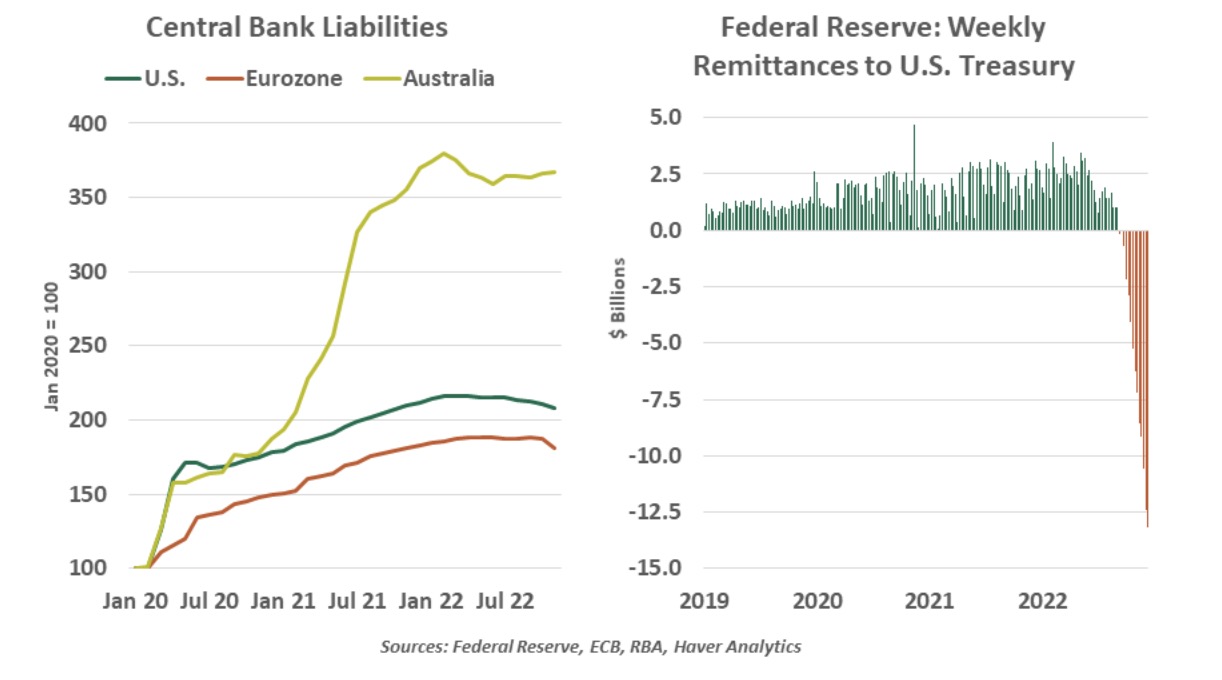
Central banks are incurring losses.
As the super-growth cycle is ending in dramatic fashion, we are already seeing some of the most attractive valuation opportunities in years.
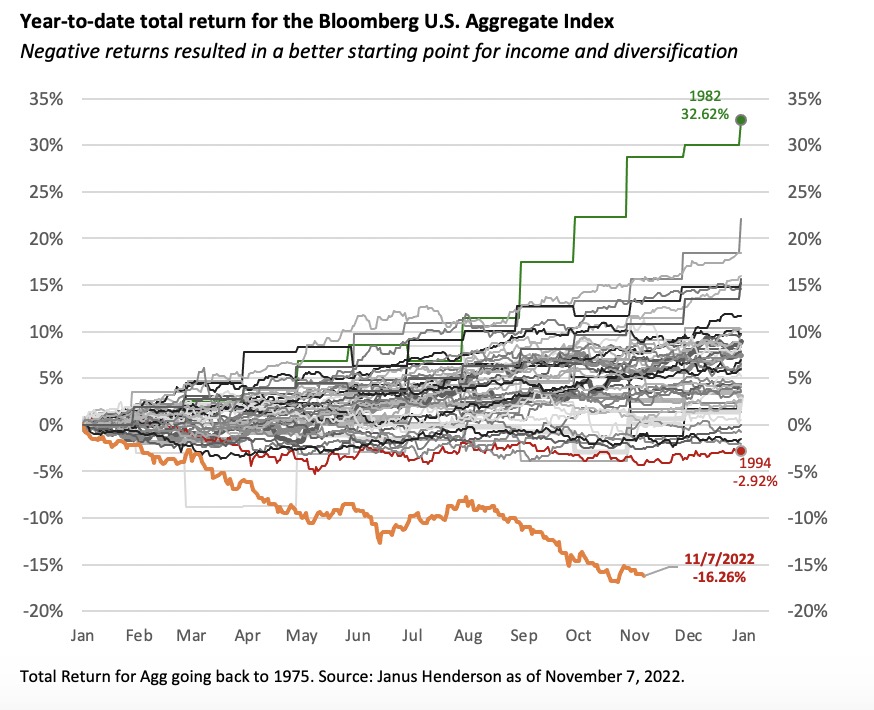
For the first time in a long time, muni investors may be able to earn attractive yields without having to take undue risk.
The recent escalation in interest rates is squeezing household budgets.
Many have been asking this question since earlier this year, a question that has no easy answer. As economists – us included – continue to forecast the most ‘telegraphed’ recession in history, it is important to point to those things that make this economic cycle very different from past economic cycles.
Why everyone should invest this way. With this video, I have revisited previous videos going back as far as July 2017.
Economic news—and market reactions to it—increasingly resemble a tennis game. Spectators follow the ball back and forth, thinking something will happen but usually it doesn’t.
Ole Hansen, respected commodity strategist at Denmark’s Saxo Bank, says it’s possible once markets realize that global inflation will remain hot despite monetary tightening. I believe, as I’ve said before, that gold could climb as high as $4,000.
Review the latest Weekly Headings by CIO Larry Adam.
An alpha-oriented approach.
Recently, Bank of America discussed the “5-Lessons From The Nifty Fifty.”
It's the end of the world!
U.S. stocks ended higher in a quiet day, trimming some of the week's losses.
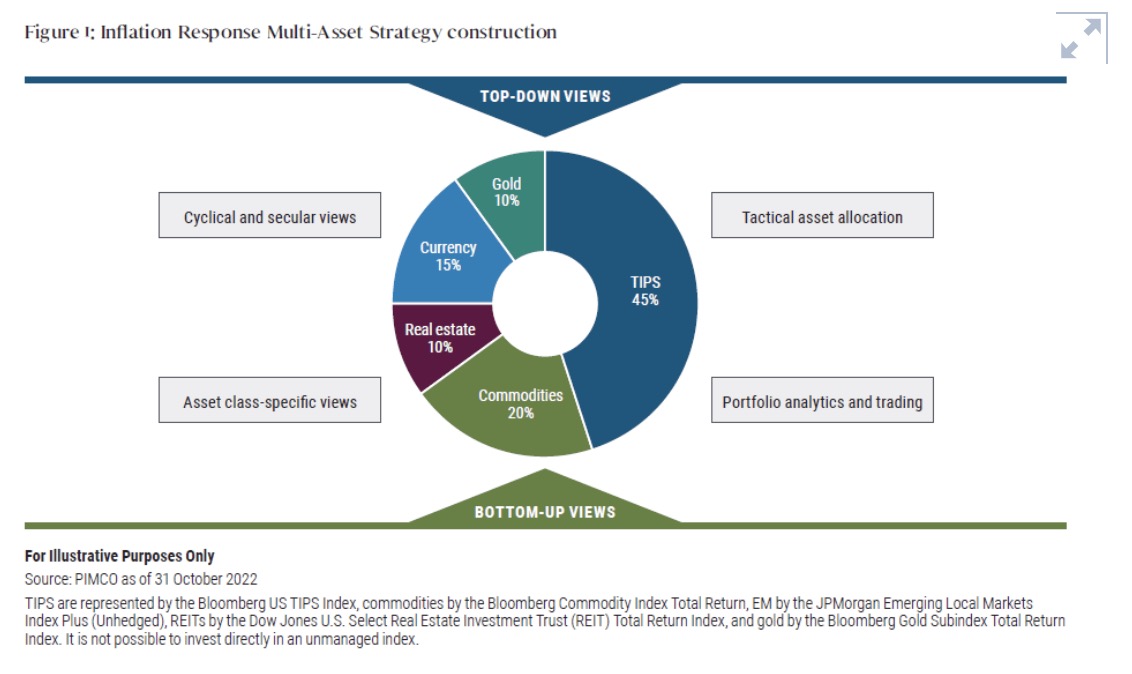
A multi-real-asset strategy may help plan participants preserve and grow purchasing power, enhance portfolio diversification, and mitigate inflation risks.
Subscribers have requested that I cover 5 dividend stocks with yields ranging from 2.5% to 9.5%.
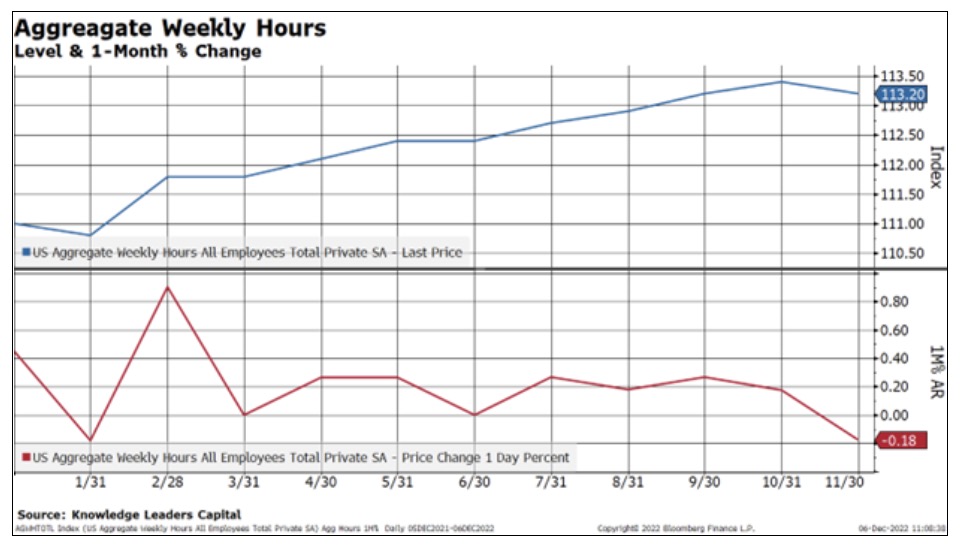
While many seemed to focus on the basics of the employment report like average hourly earnings (which don’t take into consideration industry mix shifts among the employed) and the payroll job beat for the month, there is one very important variable that revealed the weakness in last month’s jobs report.
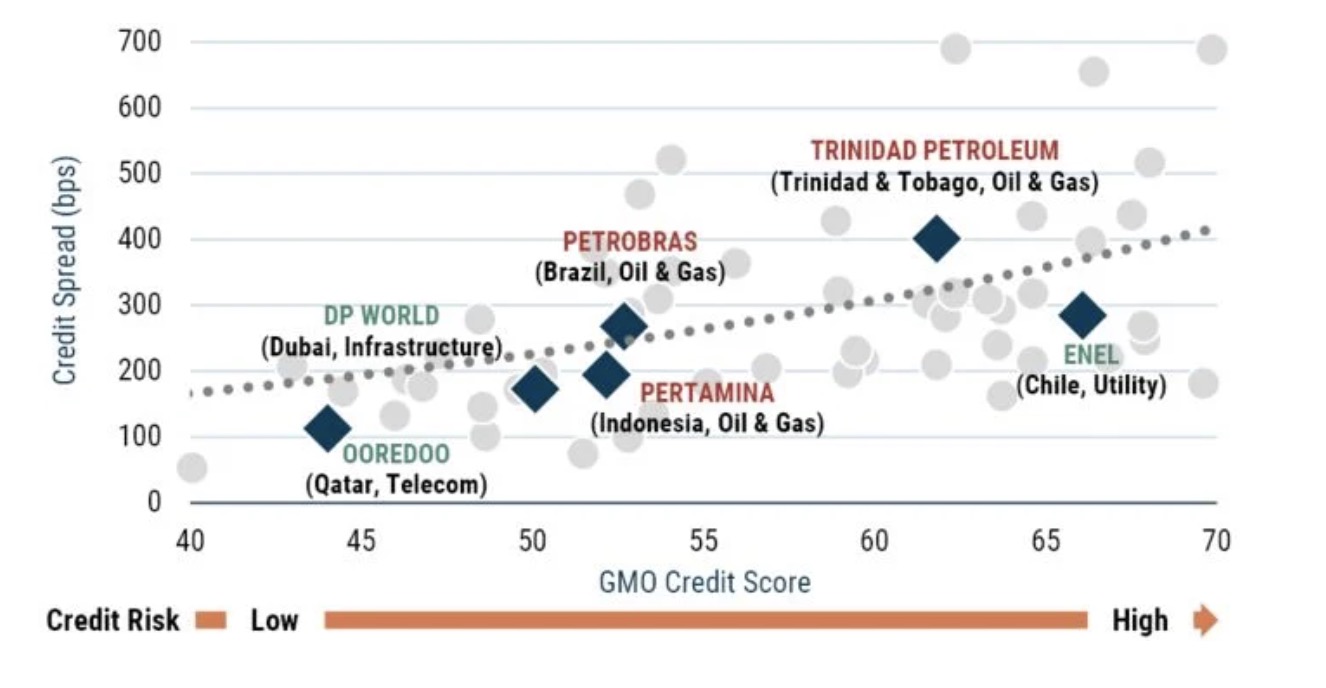
After a challenging 2022, it is time for investors to look forward to opportunities. Emerging Markets (EM) debt stands out as one place where investors can potentially take advantage of an underutilized asset class that offers attractive yields and diversification.
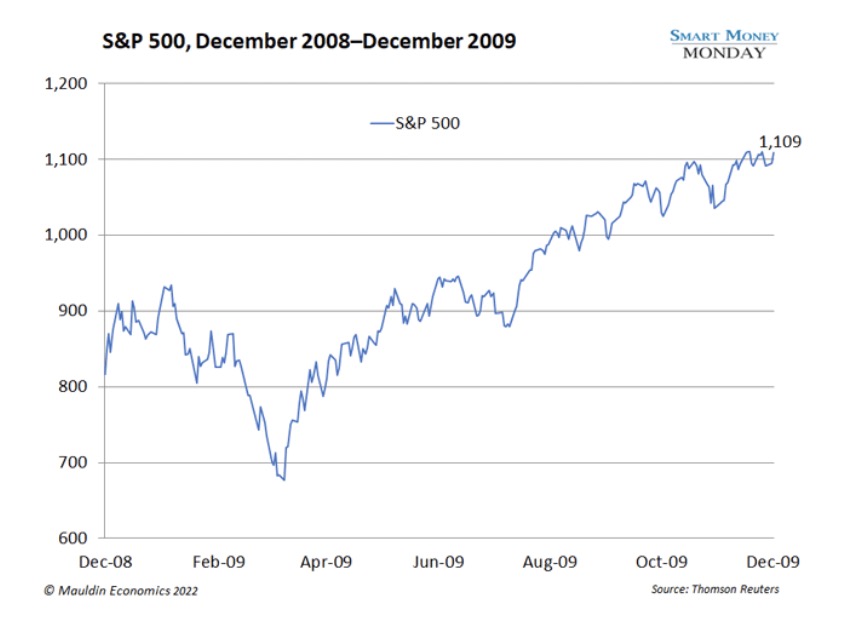
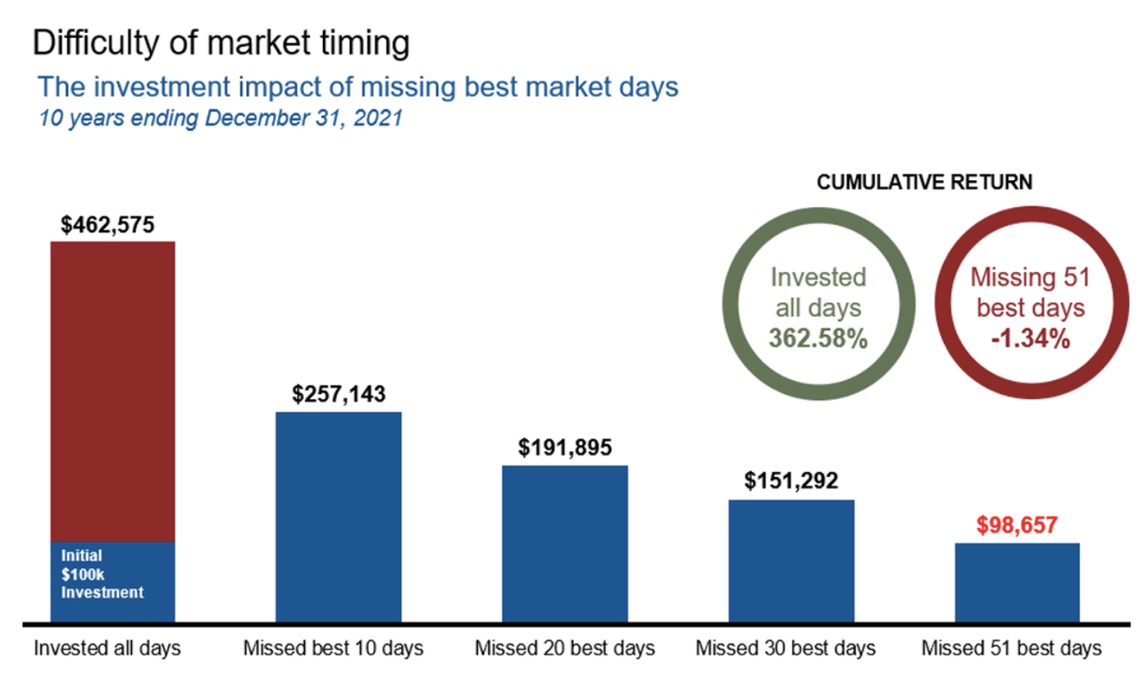
“95 years ago, your crystal ball reveals: Russian debt default, LTCM fail, DotCom implosion, 9/11 attacks, financial crisis and great recession, pandemic killing millions, 3 market crashes. Would you put your money into stocks? No? You missed a 10X return.”
In his latest memo, Howard Marks weaves together some of the themes he’s explored in 2022 to explain what he believes really matters in investing and what doesn’t. He discusses the disadvantages of short-term thinking, the difference between volatility and risk, and the one word he believes defines the essence of investment excellence.
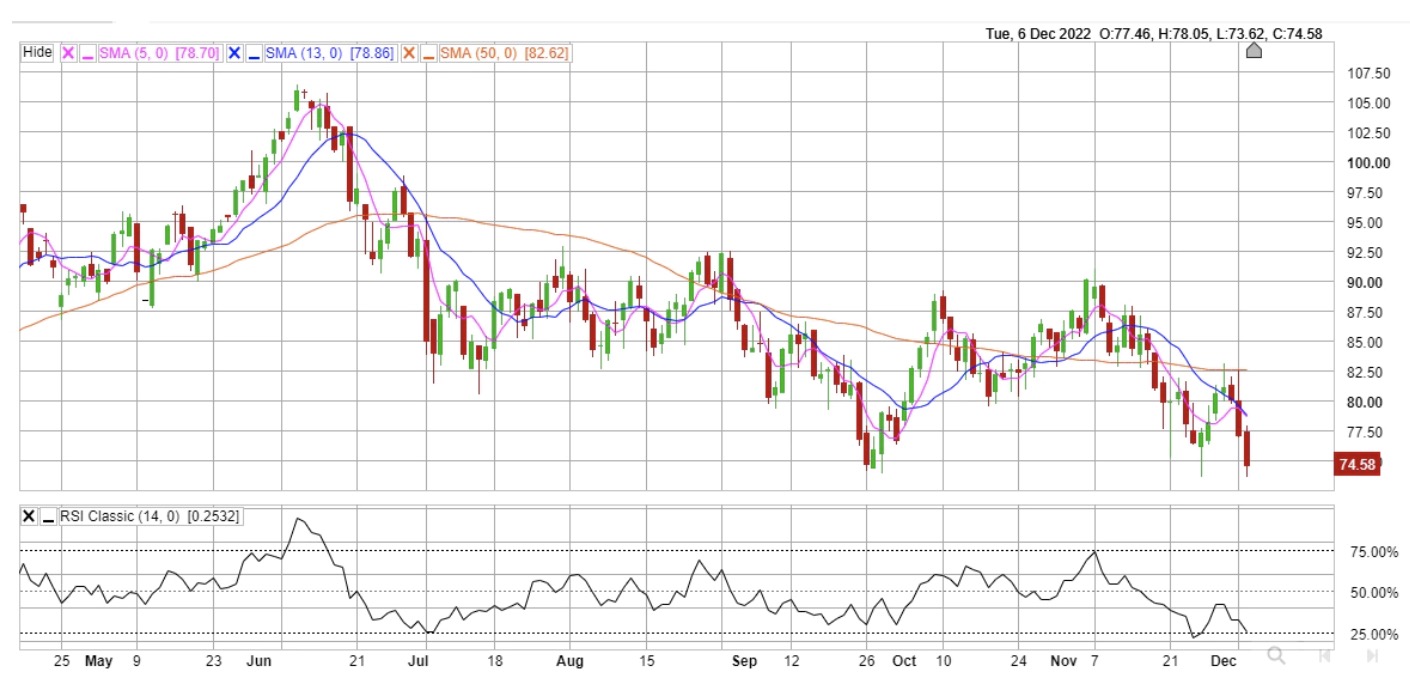
Oil dropped Tuesday on the release of the new Short-term Energy Outlook (STEO) released by the Energy Information Administration.
“Web1” represents static websites, and “Web2” represents the shift in the delivery of the internet to user-centric, dynamic web offerings and platforms.
Are Chinese stocks good value? It’s a question we’re getting asked by a lot of clients. Some Chinese stocks may appear attractive from a valuations perspective – but you need to think differently about value investing in emerging markets.
Stocks are overbought and overvalued relative to bonds.
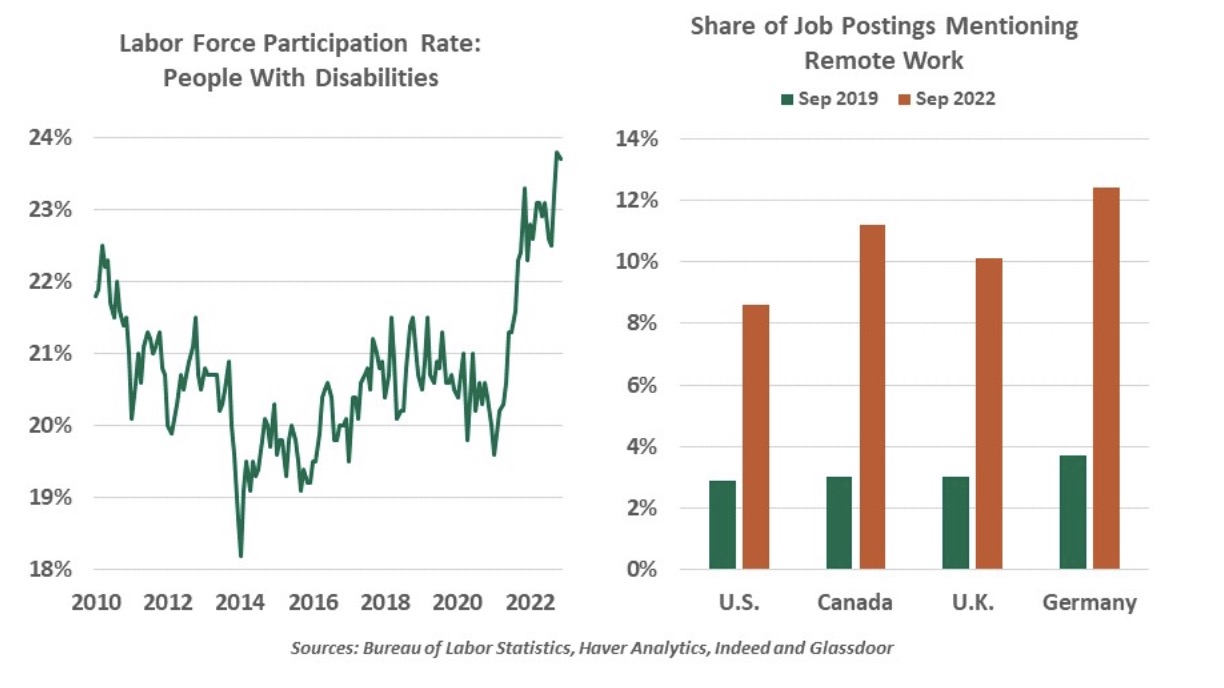
Disabled workers are helping close the labor gap thanks to remote work.
There’s enormous scope for India and Greater China to increase GDP per capita relative to the U.S. and other developed nations
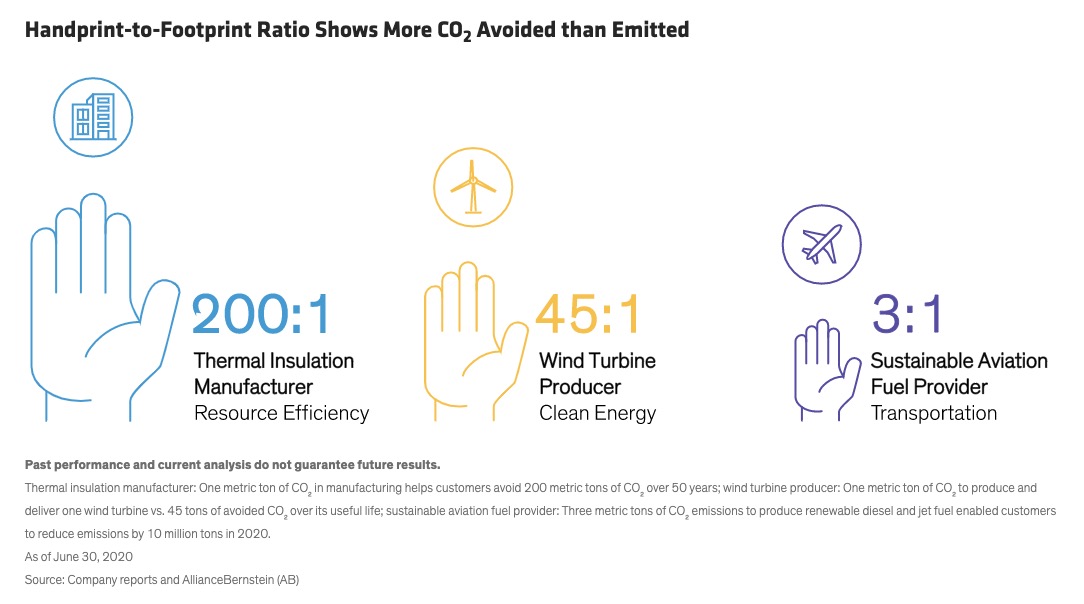
As global warming worries approach critical mass, corporate bond investors expect issuers to be part of the solution.
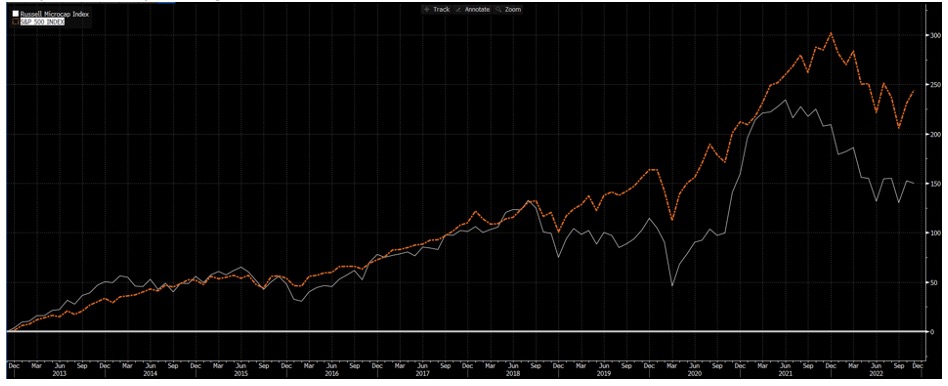
We believe microcap stocks are an attractive asset class offering the opportunity to deliver outsized returns to investors and that they should be an important part of a diversified investment portfolio.
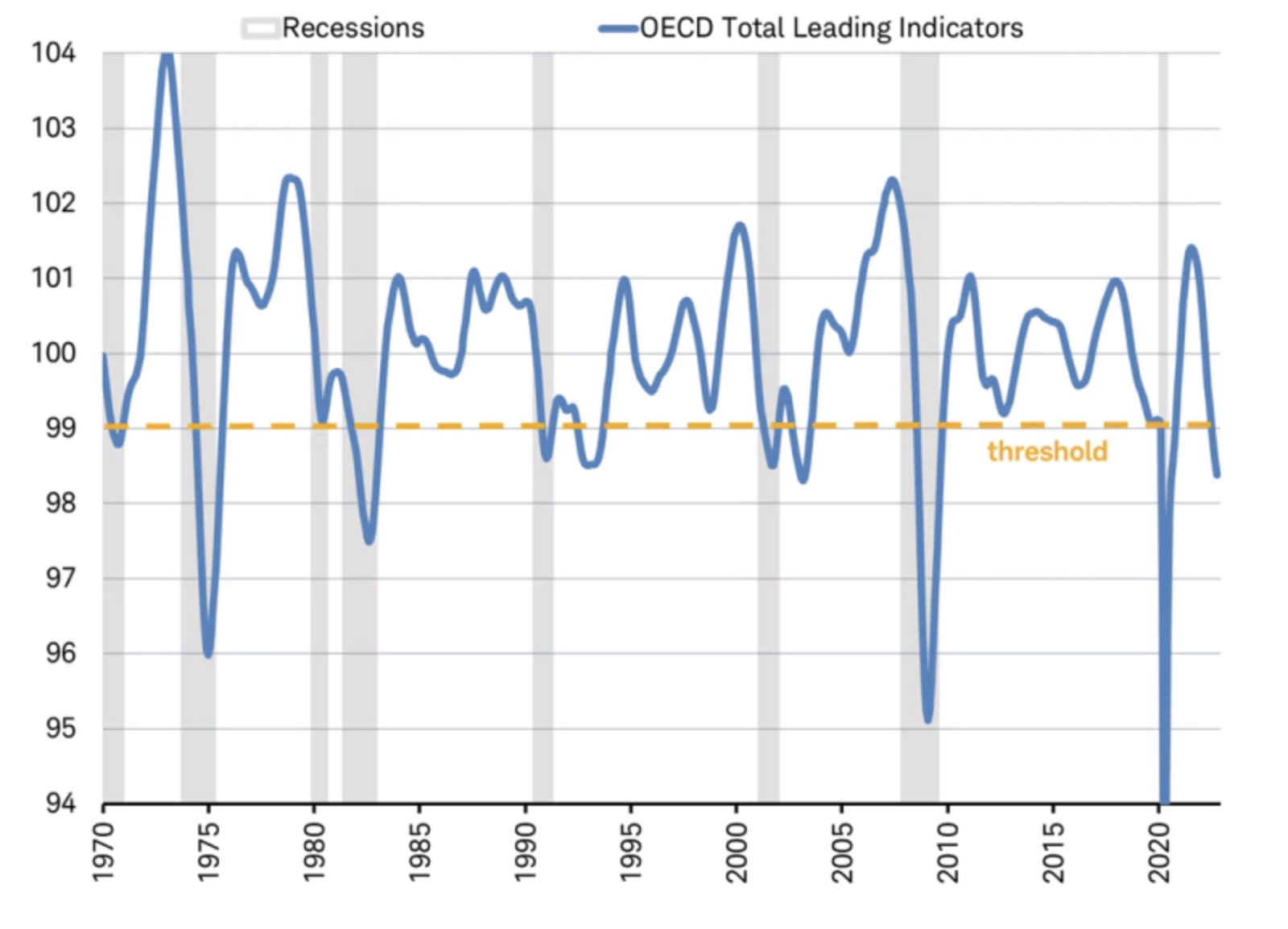
Our position on the economy has been that the US is headed for a recession, but we’re not quite there yet.
Markets may continue to see volatility in 2023 as they navigate between global economic growth and inflation fears, with central banks' decreasing rate hikes and China's reopening.
Drew O’Neil discusses fixed income market conditions and offers insight for bond investors.
U.S. stocks are lower as the new week kicks off, even as China took further measures to ease COVID restrictions.
After 12 years of a liquidity-fueled, Fed-induced bull market, are the markets set to start another “secular” bear market?
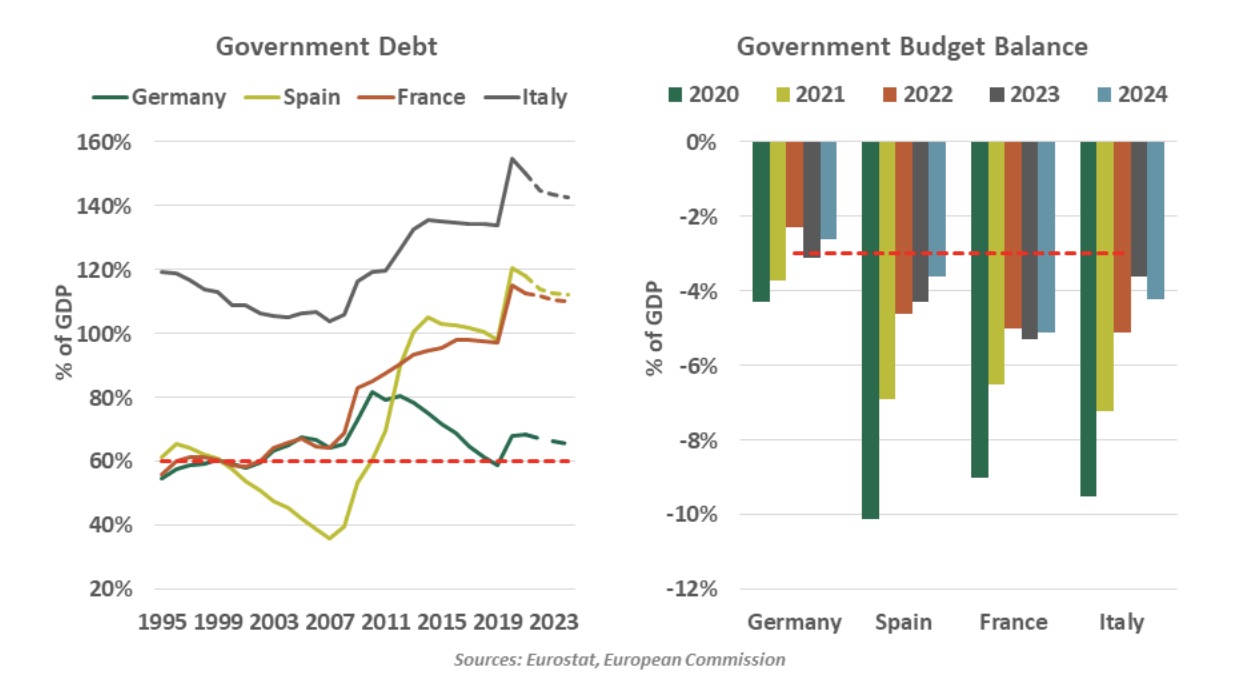
Europe needs higher investments, which will only be possible with an overhaul of its fiscal rules.
Earlier this year, we added “Globalisation 2.0” to our list of megatrends – trends that are virtually set in stone and so all-encompassing that they will have a profound effect on financial markets in the years to come.
We continue to believe that a value-conscious, risk-managed, full-cycle discipline, focused on the combination of valuations and market internals, will be essential in navigating market volatility in the years ahead.
Weaker economic trends will likely form heading into 2023 as the Fed battles inflation, but a (hopefully) mild recession may help set stocks up for a better second half of the year.
While economists have been lowering their employment forecast month over month over month, the U.S. labor market has continued to disappoint those forecasts and has remained relatively strong as well as relatively stable, with jobs growing at an average of 392,000 per month during 2022.
Key Takeaways
After years of uncertainty around how U.S. retirement plans could consider ESG factors, the dust is finally settling. It’s official: A Nov. 22 rule issued by the Department of Labor (DOL) allows retirement plans to consider financially material ESG factors when selecting investments and exercising shareholder rights.
Over the past 12 months, global container shipping rates have steadily declined to their long-term averages as supply chain snarls have receded and backups at ports have disappeared. Now, another segment of the cargo shipping industry is seeing day rates explode to record highs.
Change is constant, in the economy and everything else. We talk about it often. Yet when we talk about the economy changing, we usually mean the economy’s condition is changing—from expansion to recession, deflationary to inflationary, emerging to developing, etc. That’s different from changes in the economy’s actual structure.
After years of ultra-loose fiscal, monetary, and credit policies and the onset of major negative supply shocks, stagflationary pressures are now putting the squeeze on a massive mountain of public- and private-sector debt.
Three reasons why investors should consider adding intermediate-duration bonds back to their fixed income portfolios.