The hit TV series “That 70s Show” aired from 1998 to 2006 and focused on six teenage friends living in Wisconsin in the late 70s.
Investment-grade credit is currently offering impressive yields, with relatively less risk than other fixed income sectors, according to Josh Lohmeier of Franklin Templeton Fixed Income. He makes a case for investing in the space today.
Environmental, social, and governance policies and investing have become targets of political derision. That doesn’t dampen the need for corporations and governments to pursue agendas tied to climate change and diversity, equity, and inclusion.
Financial advisors often face the challenge of transitioning a new client into their practice in a tax-efficient way.
I, however, like all Kens, have always had a firm grip on the remote for 100% of the time but I decided to let her have her way just once.
When it comes to sheer equities performance over the last 30 years, there’s no denying the United States compared to the rest of the world. However, that could be changing according to one hedge fund manager.
Many of the speakers and attendees were bullish on the physical metal, pointing to gold’s resilience in the face of a very strong U.S. dollar and multiyear-high yields.
Honeywell International Inc. is a global leader in diversified technology and manufacturing. As sectors like aerospace and construction undergo rapid changes, there’s a demand for solutions that boost efficiency while prioritizing safety.
Artificial intelligence (AI) is widely viewed as the fuel for the rocket known as growth and technology stocks in 2023. While there is truth to that notion, there’s more to the story. Including the “magnificent seven” cadre of mega-cap growth names that are powering the market higher this year.
For many wealth advisors, workplace retirement plans are either a burden or an afterthought, according to John Kutz, National Retirement Plan Strategist at Franklin Templeton. He and his team explore why embracing these plans can benefit their practice, and their clients.
Fund managers have been avoiding emerging markets (EM), especially when it comes to China. However, that doesn’t mean there aren’t opportunities that exist.
While our Washington Policy analyst believes there is a path to a resolution to avoid a government shutdown ahead of the looming September 30 deadline, the rhetoric out of Washington suggests otherwise.
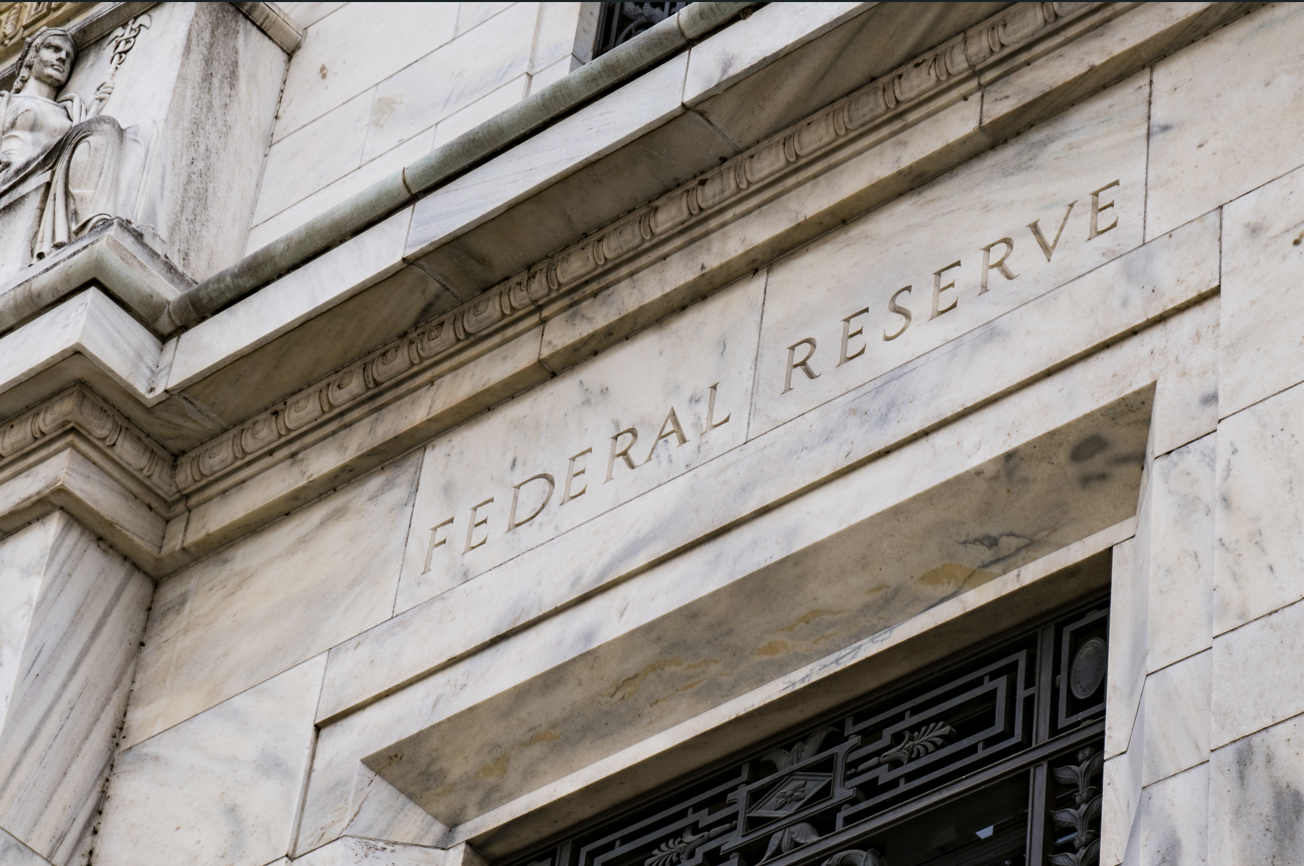
The Federal Reserve weighs the data while investors wonder: Is the rate-hike cycle over?
Last week we began exploring the details of my personal portfolio. This week we will finish and then move back to our discussion of various cycles.
With the rapid pace of urbanization, there’s an increasing demand for efficient and sustainable power solutions, and ABB’s advancements in smart grids and renewable energy integration are pivotal in meeting the demands of this transition.
Over the last 100 years, the US equity market has returned about 9% annually. What will it return over the next 100 years?
To survive, businesses must grow. Growing your practice is important in all fields, but it is particularly critical for financial advisors. Without growth, advisors risk falling into a rut and becoming stuck. Here are four tips that can help you grow your practice.
For the second time in four months, the central bank decided to not increase interest rates but indicated another hike in 2023 is likely.
While some stocks may seem expensive, there are areas of opportunity that feature attractive valuations and growth catalysts, according to the Franklin Templeton Investment Solutions team.
Many view growth stocks, including tech stocks, as sensitive to rising interest rates. Last year confirmed this thesis. That script has been flipped for the better this year as technology ranks as one of the best-performing groups in the S&P 500 despite multiple rate hikes by the Federal Reserve.
Yesterday’s Equity Symposium brought together industry thought leaders. Attendees were treated to actionable information. Additionally, the panels presented cutting-edge thinking around equities.
Given concentration risk, understanding what a strategy and portfolio owns is more important than ever in current markets.
ETF Trends interviewed three sources about active ETFs, why financial advisors are opting for these investment solutions for clients, and how these factors have changed in recent years. Each source responded to the same questions in their respective interviews.
While the Fed kept rates unchanged at today’s meeting, between the press conference and forecast updates, Powell and Co. gave plenty of ammo to keep the financial press busy speculating about what may come at the next FOMC meeting this Fall.
To prevent catastrophic climate change and accelerate the global transition to a net-zero economy, policymakers and asset owners urgently need to rethink how we channel capital at scale. The key is to develop new financial instruments that are profitable, liquid, and easily accessible to savers and investors globally.
In this video, Colton Carnevale will take you through the various metrics that FAST Graphs has to offer such as EBITDA and Sales.
In our view, the specific market dynamics that influence a company's sales growth prospects have a greater impact on equity returns than the overall direction of the economy.
The September Federal Reserve meeting provided few surprises, but ongoing uncertainty about the Fed's next move may mean more volatility ahead.
GMO has published a new 7-Year Asset Class Forecast.
In State Street Global Advisors’ recent Gold ETF Impact Study, the firm reported that “36% of surveyed investors don’t invest in gold because they don’t know enough about the ways that they can invest in gold.”
The biggest growth companies continue to increase their concentration in major equity indexes this year. It’s not surprising that investors are starting to rethink their exposure to large-caps, given concentration risk and ongoing market uncertainty.
Thematic ETFs have come a long way since they made their full debut in the ETF ecosystem.
Just about 10 “mega-cap” firms have driven more than 80% of the S&P 500’s growth in 2023. For some, that’s proven to be a source of robust returns, but that statistic also means heightened concentration risk for everyone.
Broad-based dividend strategies haven’t performed very well in 2023. But panelists at VettaFi’s Equity Symposium argued that there is value in dividend ETFs — investors just need to know where to look.
When Exchange first launched in 2022, it redefined what an advisor-focused conference could look like. Now, Exchange 2024 is just around the corner. The financial services industry prepares to unite at Miami Beach on February 11th-14th.
The European Central Bank is likely at or very near its peak policy rate, but we don’t expect rate cuts in the near term.
What’s inside an ETF really matters. This is an argument I’ve been making for more than a decade. However, with the growth of alternatively weighted index ETFs and actively managed products, this has become even more notable.
Inverted curves (when the gold line goes below the red line meaning that short maturity yields are higher compared to longer maturity yields) have preceded recessions.
The Franklin Templeton Fixed Income team believe that issuers that think critically about the environment in which they operate could outperform throughout the full market cycle compared with those who are slower to adapt.
Whatever stories Americans are told about the strength of the economy under President Joe Biden, they are not going to be persuaded to look past the issue of their own living standards. For most Americans, these have declined somewhat as price increases have outpaced wage growth.
Banks have reemerged as a potential pain point for the investment community, as rating agencies recently embarked on a downgrade cycle in the sector.
Industrial securities are unloved by financial advisors. However, it is the backbone of a relatively popular sector ETF and two relatively new thematic ETFs positioned to benefit from transformational changes. Perhaps they want to dive deeper into the fundamentals with us during the VettaFi Equity Symposium on September 21.
For new investors, the world of finance can appear daunting. But among the sea of investment options, Treasury bonds (often just called “Treasuries”) are a pillar of stability and reliability.
Given the uncertainty over a recession, there are other incremental steps that investors may want to consider instead. These include making adjustments to a portfolio’s market beta and credit exposure.
A return to the Great Moderation Era looks unlikely, which might lead to an increasingly volatile—and somewhat unfamiliar—inflationary, economic, and geopolitical landscape.
In arguably quiet fashion, active managers are performing admirably in 2023. An impressive percentage of active equity and fixed income funds beat their benchmarks in the first half of the year.
Celebrating an exciting milestone: Franklin Income Fund turns 75. Learn more about this flagship strategy and read some fun facts from back in 1948.
In this video, Chuck Carnevale, Co-Founder of FAST Graphs, a.k.a. Mr. Valuation will cover two very interesting stocks for your dividend growth investing that have been requested by subscribers to look at.
The term “Bond Vigilantes” is a nostalgic twist on an old-west theme. In the nineteenth century, the American West formed self-appointed groups, or committees, to seize the duties of law enforcement and judicial authority in situations when citizens found law enforcement lacking or inadequate.
Now seems like a good time to talk about wrappers and which ones are best for different situations. How do you decide whether to use an ETF, a mutual fund, or something else?