When it comes to the private real estate sector, the mention of the U.S. commercial office sector scares many investors away. While the office sector may give some investors pause, it's also prudent to look at the bigger picture.
With India's development continuing to gain steam, one of the biggest challenges will be to avoid the mistake that others have made when they failed to recognize their newly acquired global systemic influence and adapt accordingly. Both China and Big Tech show that it is never too early to start managing one's own rise.
After two volatile years, we believe conditions are especially compelling for fixed income.
The upcoming US presidential elections transcend mere political rivalry. Stephen Dover, Head of Franklin Institute, examines the policy differences between the major parties and their potential implications on capital markets in the years to come. He also discusses whether elections and their outcomes have significantly affected equity markets or if other factors made more of an impact.
For this edition of Bull vs. Bear, Karrie Gordon and Nick Peters-Golden debate whether alts deserve portfolio allocation in 2024.
Actively managed equity ETFs are gaining traction in 2024. Consider active management on small caps and their ETFs.
After a career in design that included restoring furniture and textiles for nine presidents, Iris Apfel became a fashion icon in her 80s. This isn’t a commentary on how to live out one’s retired years (some may air-quote that term). It’s to drive home the point that she lived – really lived – to 102.
Recent signals from major central banks suggest challenges ahead with easing monetary policy amid above-target inflation.
On Jan. 30, Senior Director and Head of ESG and Investment Management Kris Tomasovic Nelson moderated an online discussion exploring the findings of Russell Investments’ 2023 Manager ESG Survey. In its ninth year, the annual survey offers valuable insights into the evolving landscape of ESG practices within the investment management industry.
We believe optimism over a soft-landing scenario—where economic growth slows but a recession is avoided—may deliver more near-term market gains, as inflation declines and central banks look to start easing around mid-year.
The negative rate experiment has ended. What comes next?
Rate cuts should help ease volatility in the bond markets, making it ideal for prospective bond investors to get core exposure.
Enthusiasm for AI is widespread, with epicenters of that ebullience including the investment community and corporate America.
It is long past the time that we face the fact that “Social Security” is facing a retirement crisis. In June 2022, we touched on this issue, discussing the stark realities confronting Social Security.
Cautious investment is holding back the outlook for European nations.
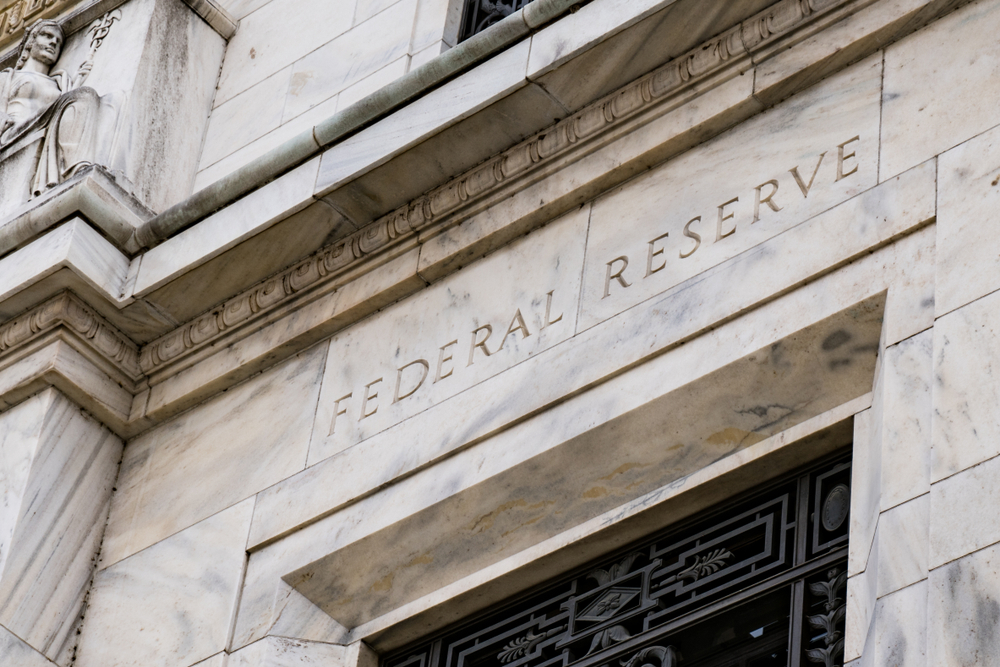
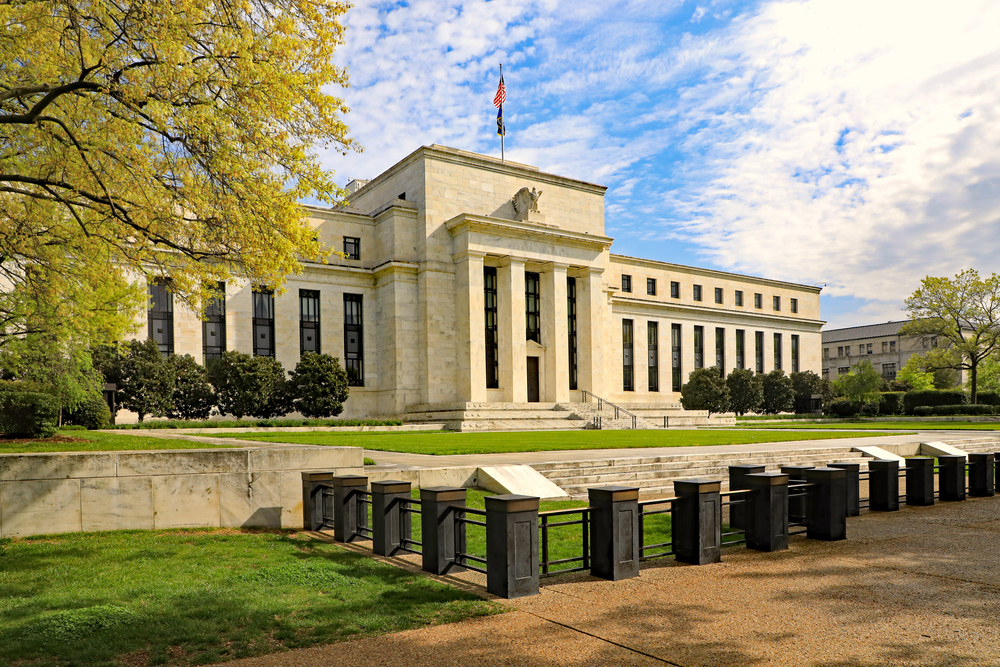
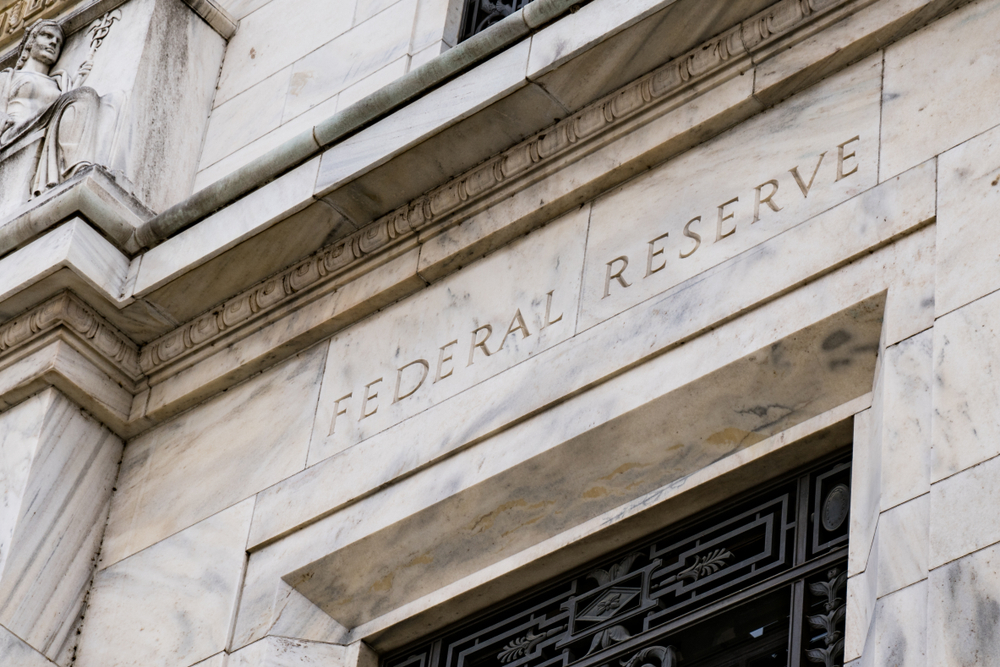
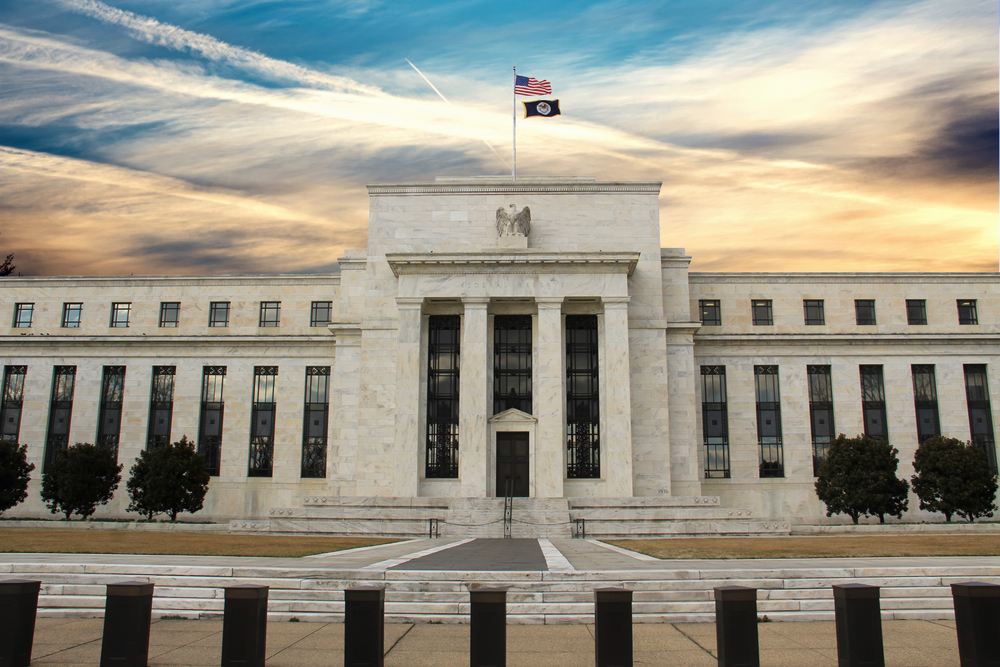
The Federal Open Market Committee (FOMC) comprises the Federal Reserve System’s decision-makers on monetary policy in the United States. This monetary policy is designed to keep the Fed’s dual mandate of maximum employment and price stability in line with targets.
Bob Doll, CEO & CIO at Crossmark Global Investments, explains why double-digit earnings growth and multiple Fed rate cuts seem incompatible.
Global Head of Client Portfolio Management Seth Meyer discusses the hidden risks and potential strategic pitfalls of sitting in cash.
Changes in China's economic policy tend not be communicated prior to implementation. What can we expect from China's stock market in response to any shifts?
More charging stations and lower prices can break EV sales out of their slump.
Economic indicators allow policymakers, advisors, investors, and businesses to make informed decisions about financial markets.
Larry Adam takes stock of how the economy and markets have performed since the beginning of the year and take a fresh look at where we are heading as we progress through the year.
Ask investors, likely both professional and retail, what individual stock they most readily associated with artificial intelligence (AI).
Geopolitical tensions in recent years have prompted companies to reconfigure their supply chains, with US firms increasingly moving production outside of China.
Franklin Templeton Fixed Income CIO Sonal Desai believes that the Fed's March policy meeting was not as dovish as some commentators and market participants have claimed, and that the Fed is still pragmatic and cautious about inflation and rate cuts.
We’ve mentioned this before, but it bears repeating. It seems that investors pay as close attention to what the government is doing, as they do to actual business news. We don’t think investors are wrong to do this, but it’s only because government has become so big.
As the anticipation of rate cuts build, it may cause fixed income investors to fret, but an ultra-short option could help ease those worries.
Given the rises of some 'Magnificent Seven' members, there are myriad claims those and other large- and mega-cap tech stocks are stretched on valuation.
With the last half of March upon us, the blackout of stock buybacks threatens to reduce one of the liquidity sources supporting the bullish run this year.
Markets have taken the Federal Reserve (Fed) decision to keep about 75 basis points (bps) cuts in its dot plot as a very positive sign that the Fed is going to actually cut 75 bps during the year and are still acting upon the news.
GMO has published a new 7-Year Asset Class Forecast.
Thoughts on the US monetary policy path ahead from Franklin Templeton Institute’s Stephen Dover and Rick Polsinello.
Many investors seem content to sit in cash. But with the market pricing in rate cuts by July, we think it’s time for muni investors to jump back in now. Here’s why.
There have been several big changes in the municipal bond market lately. Here's what you should know.
If, like me, you’re old enough to remember the 1990s internet bubble, today’s AI excitement might be giving you flashbacks. The parallels are unmistakable.
Gold staged a blinding comeback this week, surging to fresh all-time highs above $2,200 an ounce. The rally, which has added around 10% to gold’s value since mid-February, caught many market watchers off-guard.
Earlier this week, I shared my thoughts on a ban or forced sale of social media platform TikTok. The Chinese Communist Party can use it to surveil and manipulate Americans, and we should ban it immediately. Many of you sent thoughtful feedback, which I appreciate.
With three potential Fed interest rate cuts forecast for this year, gold remains an attractive equity hedge.
Seeking ETF options as rate cuts look further and further away? Consider how value investing via active ETFs could help.
The Bank of Japan (BOJ) has bid farewell to its negative interest rate policy (NIRP), yield-curve control (YCC) and quantitative and qualitative easing (QQE), marking the end of an era of extraordinary monetary easing.
Corporate defaults have been on the rise. As such, investors may want to consider investment-grade debt until credit risks subside.
Zach Pandl, the head of research at Grayscale, spoke with VettaFi about bitcoin's current runup and what lies ahead for the cryptocurrency.
Based on the valuation measures we find best-correlated with actual subsequent S&P 500 total returns across a century of market cycles, the stock market presently stands at valuation extremes matched only twice in U.S. financial history.
The Northern Trust Economics team shares its outlook for major markets, with a spotlight on China.
The central bank will look to cut interest rates three times by the end of 2024.
We will explore research concerning passive, covered call income strategies, give an overview of the derivative income category and due diligence considerations, and take a closer look at an ‘active-active’ approach deployed in a new ETF.
Federal Reserve officials appear locked in for multiple rate cuts this year, despite inflation reaccelerating – raising questions about the speed and timing of this easing cycle.
Tech companies know that if there is an open, democratic debate about data security, consumers’ concerns about digital safeguards will win out. And while the industry's lobbyists tried to ensure that no such debate could ever occur, one of their more cynical moves has now been exposed and thwarted.
The Federal Reserve suggested that interest rates likely will move lower, but perhaps not as quickly as markets had been expecting.
In this FAST Graphs Analyze Out Loud Video, Chuck Carnevale, Co-Founder of FAST Graphs, a.k.a. Mr. Valuation will analyze Super Micro Computer (SMCI) Chuck will also cover Nvidia Corp (NVDA).