AUM-based compensation was a necessary evolution. But it isn’t the endpoint. If our profession is serious about being a profession, not an asset-gathering enterprise, we must continue to evolve. That means taking a hard look at how we get paid.
Remember that people have different communication and learning styles. What works for one person who “gets it” doesn’t work for another. If a message is important, make sure to use several modes of communication — written, verbal and interactive — wherever possible.
Investors who watched the robotics space peak back in 2021 may see the current rally with apprehension. Back then, the narrative of a China-driven logistics and e-commerce boom sent robotics stocks to dizzying heights. What followed was China’s economy first slowing down, and then a pandemic-fueled demand shock. The sector fell hard.
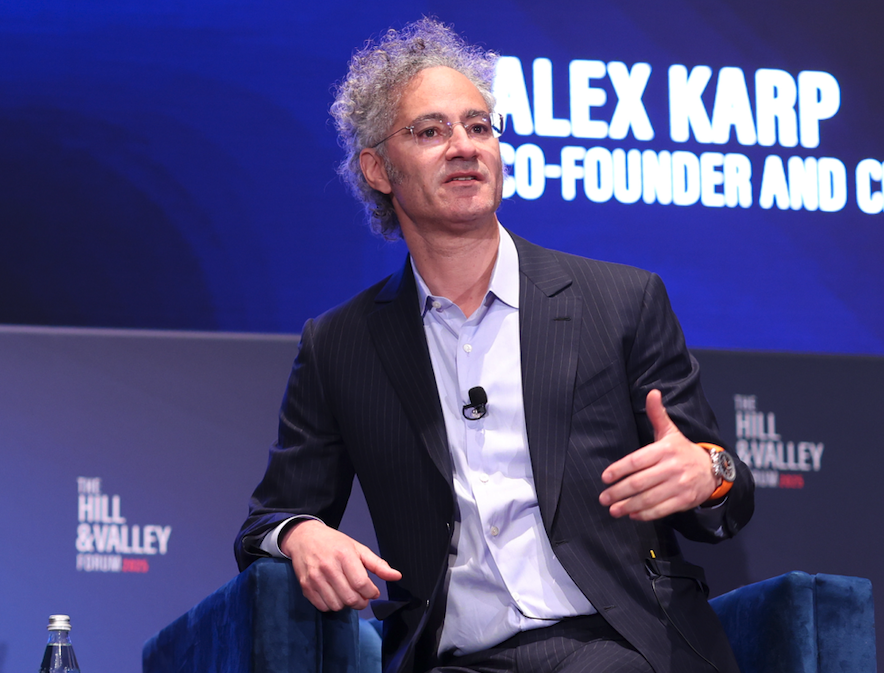
There can be only one Highlander, but Palantir’s Alex Karp shows there can be multiple highly paid, outspoken chief executive officers of richly valued tech companies with cult followings and unsettling stores of political power. That still doesn’t guarantee it’s a durable model for success.
The huge checks Meta Platforms Inc. is writing to support its artificial intelligence ambitions are reminding some investors of the massive metaverse outlays that crippled the stock just a few years ago.
The US Treasury indicated it’s not looking to boost sales of notes and bonds until well into next year, in a decision that will see the government increasingly rely on bills to fund the budget deficit.
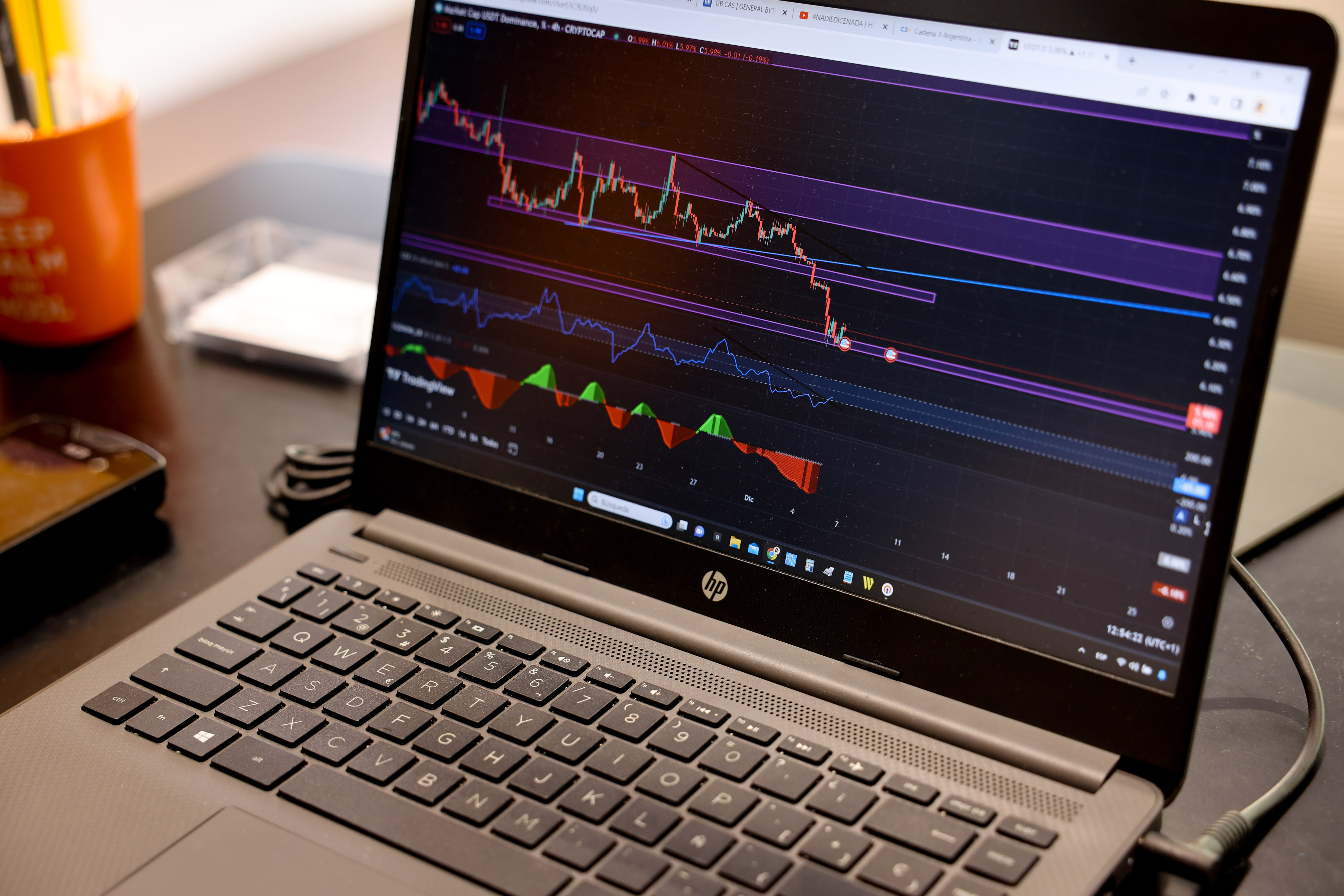
The trade was simple — and worked until it didn’t. Wrap crypto in a stock ticker. Call it innovation. Ride the wave.
Following this year’s impressive rally in gold (the best year for the metal since 1972) investor attention has once again turned toward its role as a long-term portfolio component.
Actively managed ETFs, particularly those of the fixed income variety, are among the fastest-growing ETF segments today. That growth has been facilitated in part by advisors moving away from higher-fee mutual funds and issuers converting popular mutual funds to the ETF wrapper, among other factors.
An advisor or allocator needs to do three things: understand the goals of their client, find different ways to earn returns for taking risks, and then take the right amount of risk to meet those goals.
While many commentators have criticized Argentine President Javier Milei's draconian approach to economic reform, the results of the October legislative election show that the Argentine people would prefer short-term economic pain over a return to Peronist policies. Milei now has a clear path to finish what he started.
Amazon.com Inc.’s latest global layoffs should come as a singular warning to India. For policymakers dealing with the world’s largest youth population, AI suddenly poses a very real risk to jobs, wages, and a white-collar future.
October was a good month for financial markets, with a broad-based rally across geographies and sectors. Tech stocks and gold led the way, and the dollar finally had an up month. QuantStreet's strategies, across different risk levels, moved in line with or slightly exceeded benchmarks.
Classical conditioning teaches us a valuable lesson regarding the current investor dilemma. Pavlov’s research discovered a basic psychological rule: when a neutral stimulus is repeatedly paired with a reward‑stimulus, eventually it will trigger the same response even when the reward is absent.
As policy priorities evolve, Japan’s focus on “responsible fiscal expansion” could reshape bond dynamics.
Every innovation follows a lifecycle, from breakthrough to ubiquity to obsolescence. The Edison bulb once lit up the world, transforming how we lived and worked. But it was ultimately replaced by more efficient and sustainable alternatives.
Last week’s main story for markets was the meeting between U.S. President Donald Trump and Chinese President Xi Jinping. Following the talks, both sides announced a modest set of agreements aimed at improving trade relations.
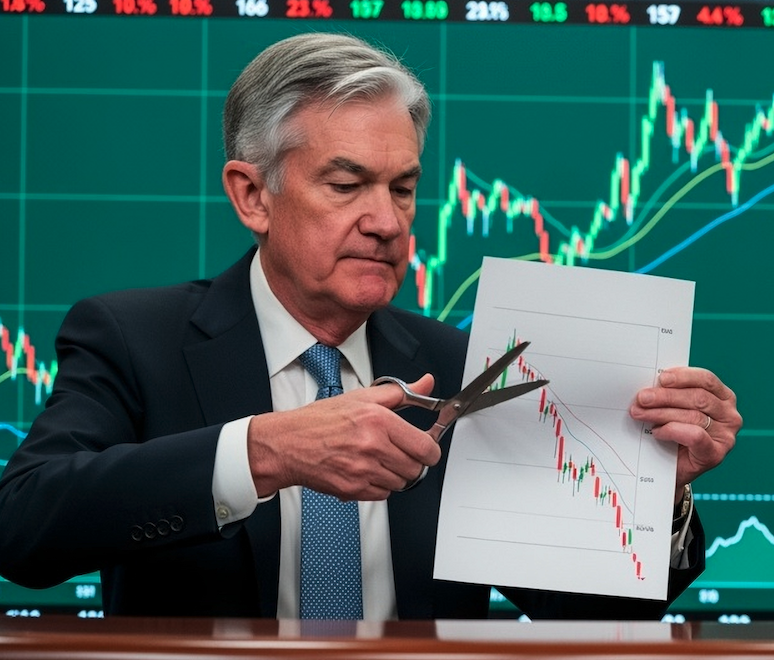
Markets were taken by surprise by Federal Reserve (Fed) Chair Powell’s strong suggestion that a rate cut in December is not a certainty, as they were sure they were going to get one at December’s Federal Open Market Committee (FOMC) meeting.
On this episode of the “ETF of the Week” podcast, VettaFi’s Head of Research, Todd Rosenbluth, discussed the Capital Group Municipal Income ETF (CGMU) with Chuck Jaffe of Money Life. The pair discussed several topics related to the fund to give investors a deeper understanding of the ETF.
Eric Balchunas, Senior ETF Analyst at Bloomberg Intelligence, offers a tour through the ever-evolving world of ETFs – covering crypto funds, the rise of exotic products, industry flows, the coming multi-share class structure, and more.
October saw some strong data for bond ETFs, according to recent research, suggesting opportunities may abound in the category.
Recent dealmaking by OpenAI appears to raise an awkward question for mergers and acquisitions advisers: What value do you add?
Nothing says gold is hot quite like a story that big US banks are considering getting back into the business of holding other people’s bullion.
Adding AWS as a key cloud provider can ease some pressure for OpenAI, especially as it continues to farm out more contracts to neocloud providers like CoreWeave, which operates at a much smaller scale than AWS.
RIAs need to use AI effectively in their practices, but they also need to understand how their clients are using it.
Rick Kahler highlights a tool for helping investors achieve balance between two opposing financial concepts.
U.S. workers, particularly those in the Gen Z and millennial generations, are facing a “financial vortex” of financial pressures that are eating into their savings, including rising debt, housing, healthcare and caregiving costs.
Investors are bracing for Treasury Secretary Scott Bessent to lean more toward shorter maturities in the government’s funding mix to keep down long-term yields amid a mounting debt burden.
Rising electricity demand continues to be a key trend for investors to watch, with the latest news revolving around Google (GOOG). GOOG, a key AI hyperscaler, announced a collaboration with NextEra Energy (NEE) for the restart of the Duane Arnold nuclear plant earlier this week.
The Halloween week Fed meeting was more trick than treat for bonds with only a mild and temporary scare for stocks. As soon as Chair Powell signaled the next cut is “not a foregone conclusion – far from it!,” the Dow swooned before recovering about half the drop, while the 10-year drifted higher.
The good news for investors is that history may be on their side. According to the Halloween effect—also known as the Halloween strategy or indicator—stocks have tended to outperform in the six-month period from November to the end of April, compared to the six months from May to the end of October.
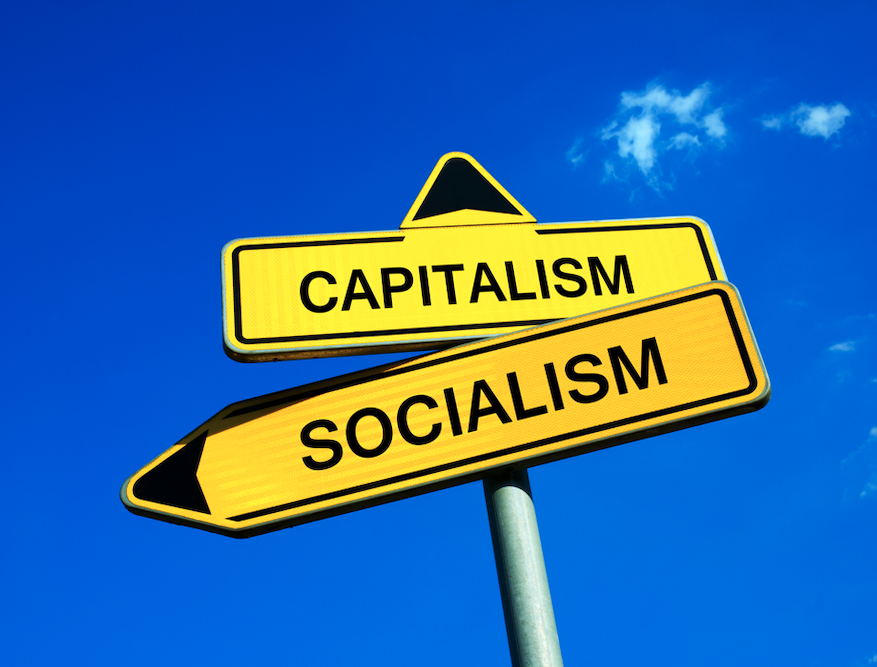
History is absolutely clear – Capitalism is the best system ever developed (actually evolved by human experiment) to boost living standards. At the same time, Socialism has a seriously lousy record.
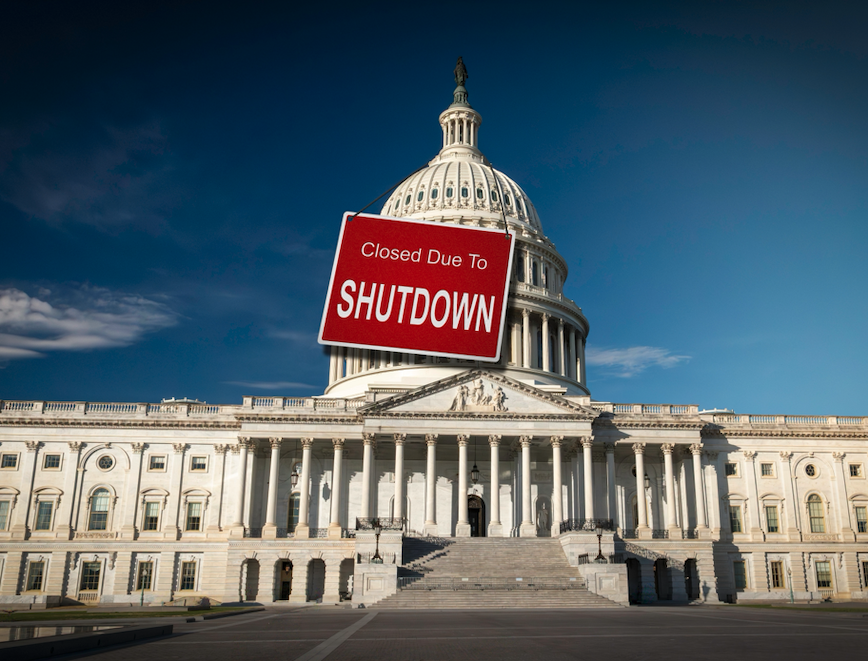
Progress toward resolving the US government shutdown remains limited despite increased bipartisan dialogue. Senate Majority Leader John Thune noted that “a lot more conversations” are happening across the aisle, suggesting some softening in tone compared with previous weeks.
The term 'digital gold' is often used by cryptocurrency enthusiasts to describe Bitcoin, Ethereum, and similar assets. However, our latest research shows they behave differently in portfolios. We look at how liquidity and uncertainty drive returns, and why that matters for positioning.
The U.S. government shutdown is about to enter its second month. We did not rush to comment on it, because we didn’t think that it would have much of an economic impact. But the risk that lasting damage will be done is rising.
The market has become much less cyclical over time, and valuations have increased alongside growth and quality.
As global rate pressures ease and fundamentals strengthen across key economies, conditions appear increasingly favorable for EM local bonds and currencies.
Everyone is wondering if we’re in another tech bubble. Tech companies are breaking valuation records, with Nvidia Corp. leading the charge. On Wednesday, it became the first company ever to reach a $5 trillion market cap.
For the second straight meeting, the Fed cut the federal funds rate by a quarter percent on Wednesday. In an even more aggressive move toward monetary easing, the FOMC also announced balance sheet reduction will end in December.
Wall Street is riding this era of American state capitalism — tracking it, packaging it and offering it back to investors through a new ETF.
Join the experts at Range Fund Holdings and VettaFi for an educational webcast covering where nuclear power fits in the growing global demand for cleaner energy sources.
Join Dr. Ankur Crawford, Executive Vice President and Portfolio Manager at Alger, for a product due diligence session on the Alger Concentrated Equity ETF (CNEQ).
Five of the so-called “Magnificent Seven” firms reported earnings this week in a major milestone for 2025’s economic narrative. Apple (AAPL), Amazon (AMZN), Microsoft (MSFT), Google (GOOGL), and Meta (META) all shared their earnings, offering some important insights into key tech firms amid the AI revolution.
This article details personalization with a strong caution against trying to personalize what cannot be personalized because it’s not nice to fool mother nature with a 'managed' account that is not actually managed.
More than a generation ago, financial historian Peter Bernstein wrote about investors’ 'memory banks,' the market experience that accumulates in their hippocampi over their investing lives and molds their investment strategy. As he put it, looking back on the 1990s: 'Most of the new participants in the market had no memory of what a bear market was like.'
As equity valuations approach — or in some cases surpass — the record highs of 1999, investors are growing increasingly anxious. This unease is partly driven by the media issuing grim warnings, often based in part on CAPE valuations.
My series on Ray Dalio’s book raised a bunch of questions, one of which stood out above the others. To paraphrase, readers asked, 'How do we get ready for this?' It is certainly fair for you all to ask what I am personally doing to prepare for the big picture I anticipate. It’s tough to answer because the coming debt crisis could unfold in many different ways.
Gold is not immune to market cycles. It’s a volatile asset driven by shifting narratives and capital flows. If you’re buying gold today, understand what’s supporting the price, and what could shake that support loose. Treat gold as a hedge, not a core growth asset.
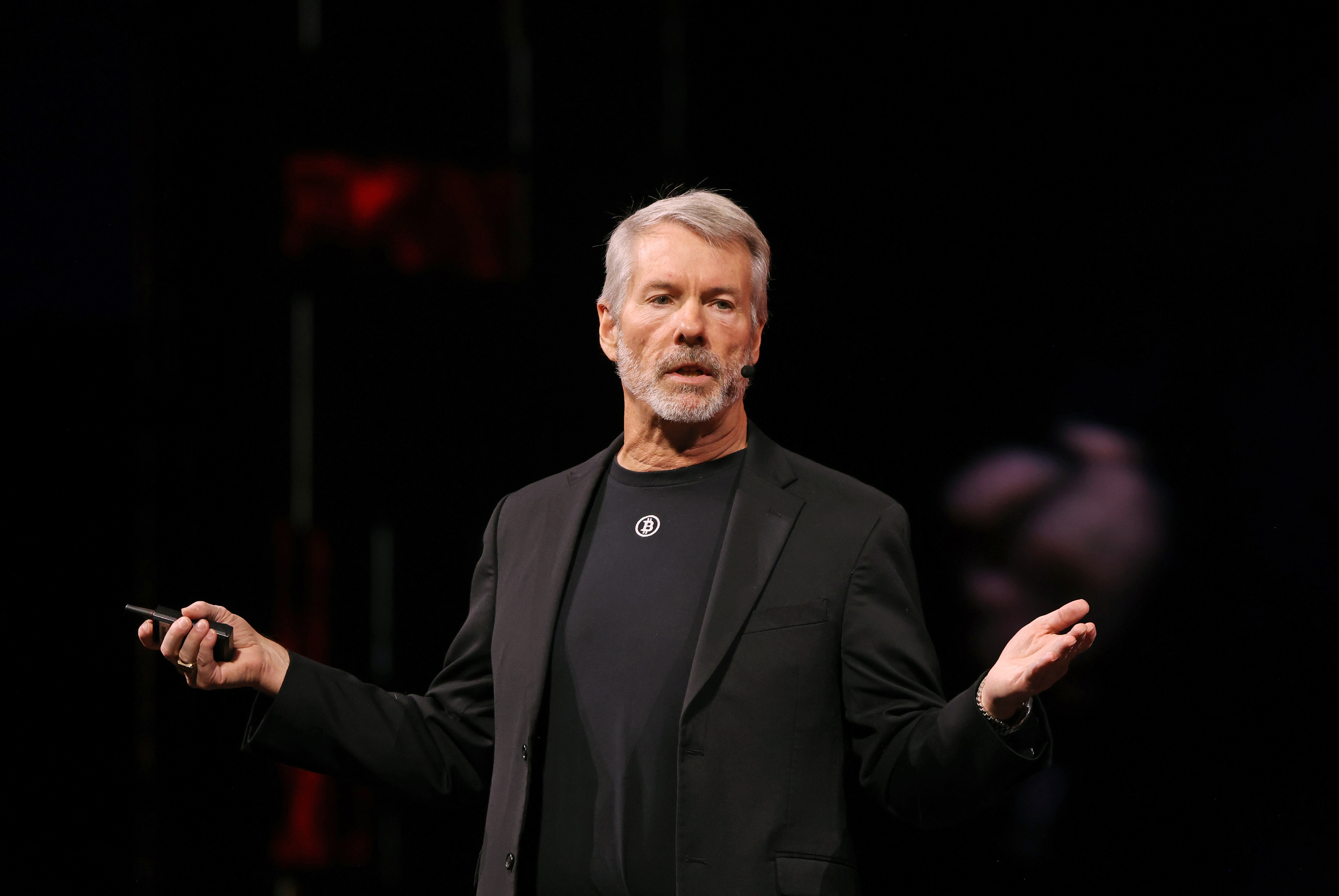
Michael Saylor is raising the stakes for almost everyone that is touched by his multibillion dollar bet on Bitcoin.
One of the things we have in common with Warren Buffett is that we started our risk-taking career handicapping at racetracks. Buffett handicapped the horse races in Omaha, and I handicapped greyhound races near Portland at Multnomah Kennel Club in Gresham, Oregon.