Cryptocurrency adoption in the U.S. increased amid fears of a full-blown banking crisis, a new poll finds. According to Morning Consult, 22% of Americans, over one in five, said they owned at least one form of crypto in April, representing a four-percentage-point increase from January.
The volume of SPAC IPOs and mergers has reverted to pre-hype levels. Funding from public and private investors has plunged, while redemptions by existing investors have increased sharply.
Although the House narrowly approved a bill designed to jumpstart negotiations, the issue is far from resolved.
You can’t add more hours to a day or decrease the amount of work on your plate. Your only option is to save time by increasing your efficiency. The question is how.
Direct indexing is an innovative investment strategy that can solve a variety of investor challenges. We discuss the five main benefits of incorporating direct indexing in a client’s portfolio.
In the spirit of being a good corporate citizen working to build a better world, Franklin Templeton is launching a Diversity, Equity and Inclusion (DEI) webpage that will highlight the company’s DEI efforts.
Over the next few weeks, the exciting professional hockey playoffs will determine this year’s Stanley Cup winner! The NHL’s fast-paced playoff games will be sure to keep fans on edge as momentum constantly changes as players skate to a puck that travels up to 100 mph.
How can advisors ensure that clients will keep their assets with you?
Having recognized the myriad benefits of an advisor-CPA collaboration, here is how to embark upon the process of finding the ideal partner.
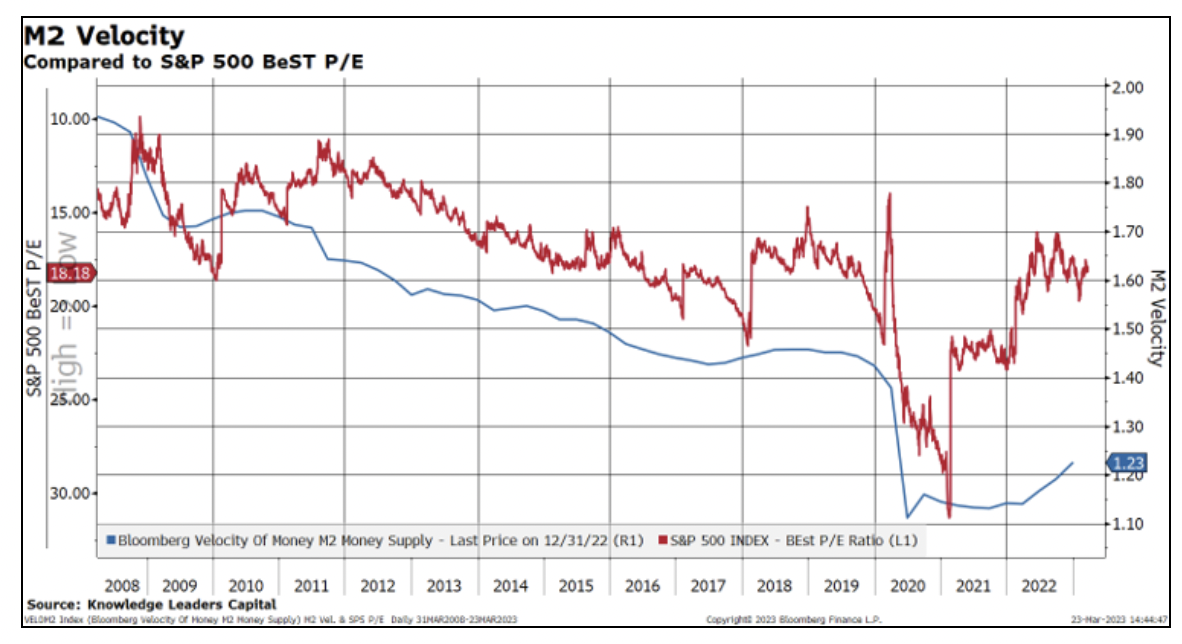
Amid the overabundance of economic opinion, unexamined clichés, and unverified assertions, and nutrient-free word salad dispensed by talking heads on television, market observers, and even Federal Reserve officials, I often wonder how many of them have ever taken the time to carefully examine historical data.
Chinese economic data blew expectations out of the water this week, reflecting a strong comeback for the Asian giant as it finally emerges from the world’s most restrictive pandemic-era lockdown.
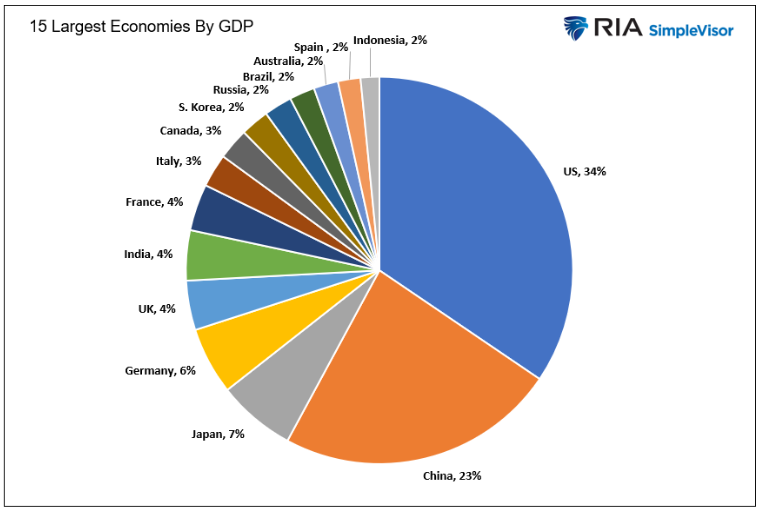
Former Treasury Secretary Lawrence Summers rejected speculation that the dollar is rapidly losing its dominance in the global economy, and highlighted China’s detractions in providing an alternative reserve currency.
Tax season isn't the only time advisors should think about how taxes may impact their client portfolios. There are various strategies advisors can use year-round to ensure they are investing in a tax-efficient manner. Helping your clients maximize their after-tax wealth is an important element of the value you provide.
The value style is in the early stages of what Mutual Series believes could be a multi-year outperformance relative to growth.
Four reasons, the rule of law, liquid financial markets, and economic and military might, all but guarantee the death of the dollar will not occur anytime soon.
Many advisors want to write or have an idea for a book stuck between their ears. They’re waiting for the time and inspiration to get it down on paper. So let me tell you a secret.
We are at the start of the period when companies release their results for the first quarter of 2023, known as earnings season. With everything going on—inflation, rate hikes, a labor shortage, the weakness of the dollar, a pending recession, the list goes on and on...
Disagreement is bubbling up at the Federal Reserve as dueling growth and inflation risks pull policymakers in different directions. If you think the debate seems fiery now, just wait until the third quarter, when recession may be at the nation’s doorstep.
At the end of 2021, the Dow Jones Industrial Average closed at 36,338, and the career scoring total of LeBron James stood about 60 points lower…
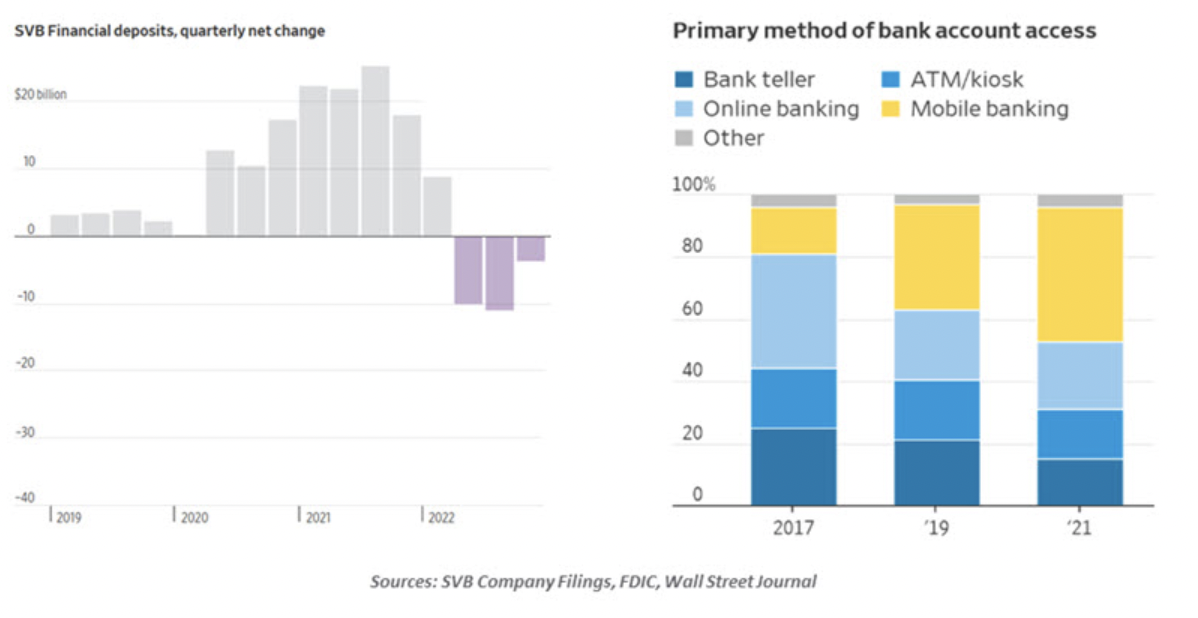
In his latest memo, Howard Marks discusses the significance of the Silicon Valley Bank collapse. He argues that it likely doesn’t portend a wave of banking failures but may amplify preexisting wariness among investors and lenders, leading to further credit tightening and additional pain across a range of industries and sectors.
To kick off the beginning of 2023, there continues to be a bias we see in equity investor portfolios. These portfolios have many of the traits investors see at the endpoints of the economy like software, consumer products and computer chips.
Recession odds have climbed considerably since Jerome Powell’s testimony before Congress and the latest FOMC meeting. However, the recent failures of Silicon Valley Bank (SVB) and Credit Suisse (CS), as higher rates impact regional bank liquidity, also added to the risks.
It’s believed that to meet this goal, two out of every three passenger vehicles manufactured in the U.S. would need to be electric models.
There was a downer vibe at the IMF/World Bank meetings this week. The World Bank Group told the international community to brace for low growth and the possibility of a lost decade. The International Monetary Fund warned of low growth and considerable downside financial risks on top of it.
Despite recent headwinds, structural drivers underpinning China’s growth remain intact. Sectors that will benefit from the structural trends include healthcare, industrial automation, and domestic brands targeting increased spending by Chinese consumers.
Given market uncertainty and the risk of a US recession, is now the time for defensive stocks? Making a case for low-volatility, high-dividend equities with Franklin Templeton Investment Solutions’ Vaneet Chadha and Michael LaBella.
Two of the biggest proposals Biden introduced in his recent budget were a big increase to the long-term capital gains tax and a new tax on the wealthiest Americans.
When recession becomes a reality and your clients go into panic mode, your firm can suffer from decreased revenue, inflationary pressures, and anxious clients. Learn best practices for delivering outstanding support to your clients, while continuing to grow your business in a challenging environment with AssetMark’s new guide, Recession Proof Your Practice.
History is full of economic and societal collapses. The Incan and Roman societies disappeared, the Ottoman Empire fell apart, the United Kingdom saw the pound lose its reserve currency status. So, anyone who says the US, and the dollar, couldn’t face the same fate doesn’t pay attention to history.
Almost $1.5 trillion of US commercial real estate debt comes due for repayment before the end of 2025. The big question facing those borrowers is who’s going to lend to them?
The case for a central bank digital currency has many shortcomings.
Safe and risky: the final frontier. These are the voyages of the retiree on her lifecycle mission: to explore strange new investments. To seek out safety and protect against inflation. To boldly go where no woman has gone before!
Central Banks are on the verge of declaring the yearlong interest-rate hiking cycle over. The reason: Banks have taken the wheel and are pressing the brakes.
Rick Rieder and team argue that a major shift in market perception of growth, inflation and policy trajectories means investors should consider calling a "time-out" to reassess portfolios.
History suggests the lagged economic effects of tighter central bank policy are arriving on schedule, but any eventual normalizing or even easing of policy will still likely require inflation to decline further.
Walmart Inc. is betting on greater supply-chain automation and hinting that a recent investment binge might lift profit beyond the retailer’s stated long-term goals.
Transitioning to the independent RIA business model is the most consequential decision advisors will make in their career. A successful outcome requires choosing the right partner. That means identifying a good cultural fit, the right technology, and an open-architecture platform that affords access to the investment products that best meet a client’s needs.
Here are five ways to respond when you know someone is lying, blowing you off, or dodging your questions.
It’s a familiar story: a once-dominant US industry is challenged by low-cost competitors overseas and gradually loses market share. This time, however, the pressured industry isn’t a manufacturer. It’s the American farm.
As banks back away from credit creation, we think certain assets could reassert their leadership. In our Quarterly Strategy Report, we analyze the Credit Crunch.
As firms navigate staffing challenges, a looming threat of recession, and skills gaps across industries and generations, the same old process just won’t cut it. You’re the conductor of your symphony, and you need an actionable plan to keep the music playing.
If I did not have bad luck, I would have no luck at all.
Stocks built on overnight gains and Treasury yields inched lower following today's relatively benign February PCE inflation data.
US equity capital markets are having the slowest start to a year since 2009, and dealmakers fear a rebound is nowhere near.
In the face of high and persistent inflation, recession risks, and now a looming insolvency crisis in the financial sector, central banks like the US Federal Reserve are facing a trilemma.
The rise of remote work during the pandemic has cut demand for office space and left some American downtowns feeling like ghost towns. As a result, there’s been much talk of converting downtown offices into apartments. This could not only bail out owners of suddenly less-valuable commercial real estate...
The dollar has lost some of its luster over the winter. The twin supports of its status as the preferred haven during the pandemic and being backed by the world’s strongest economy are fading.
Congress is asking the Federal Reserve and other financial regulators what went wrong at Silicon Valley Bank and why they didn’t see it coming. In due course, they’ll admit some mistakes, draw some lessons and tweak some rules.
Here is what sets rockstars apart from the average advisor.