When the Fed increased the M2 money supply by over 40% during the COVID crisis, our instinct was that the implications would extend far beyond a temporary boost to the U.S. stock market and higher inflation. That intuition is proving accurate. We’re now seeing the long-term ripple effects play out in real time across multiple asset classes and global markets.
For good reasons, many investors have a love-hate relationship with commodity investments. Operationally, the annoying K-1 form complicates tax filing, although thankfully the industry has started to launch “no K-1” funds.
This year’s formidable challenges have clarified strategic lessons for equity investors to apply in the coming months
The marathon Senate budget vote took center stage early and stocks slipped from yesterday's all-time highs. Job openings, Powell, and manufacturing data are top of mind.
India has seen foreigners leaving the market for most of 2025. For this and other reasons, India has become one of the bigger shorts in our Systematic Global Macro Strategy’s equity portfolio
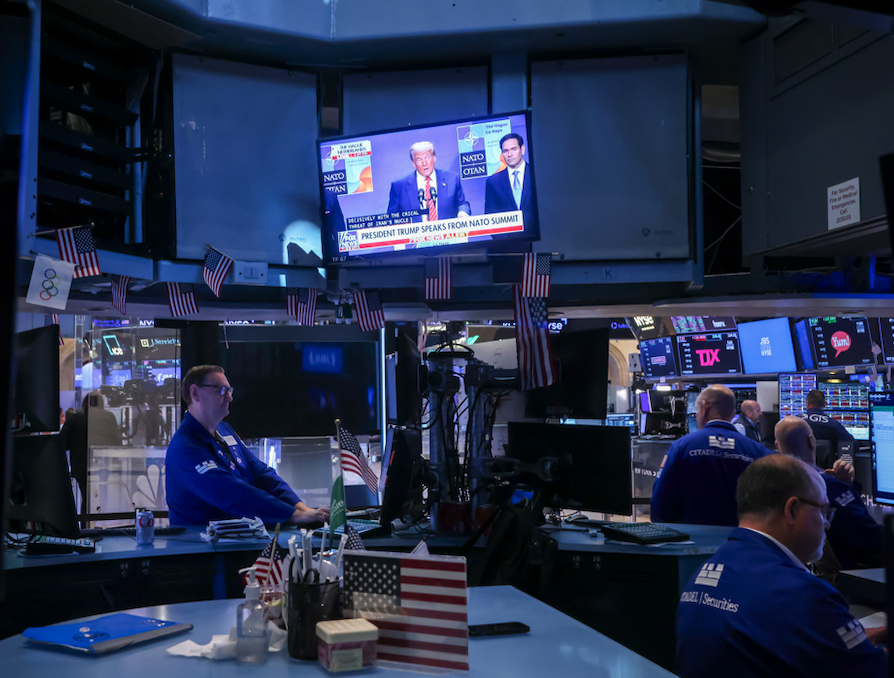
Markets notched fresh all-time highs on Friday with a positive tone and geopolitical outlook. Swift retreat in oil back to pre-strike levels, combined with friendlier NATO negotiations and de-escalated fighting in Iran restored risk appetite.
Only a subset of subsidies will be rolled back.
A potential conflict with Iran has consistently appeared in our monthly Market Risk Monitor for over two years. Now that risk has materialized. Our equity portfolio managers assess the implications for global markets.
Victory Capital’s Lance Humphrey walks through the VictoryShares ETF lineup and shares his perspective on the current market environment. VettaFi’s Kirsten Chang highlights key takeaways from the firm’s Mid-Year Market Outlook Symposium, offering insight into how advisors are approaching portfolio allocations for the remainder of the year.
Growth is expected to decelerate, but not come crashing down.
Chief Economist Eugenio J. Alemán discusses current economic conditions.
This article will help you evaluate whether it’s still a good time for clients to gain Bitcoin exposure—even after its recent all-time high—and how to do so responsibly. You’ll learn how Bitcoin fits into a diversified portfolio, what leading financial institutions forecast for its future, and why spot Bitcoin ETFs offer a regulated, practical entry point for long-term investors.
The United States’ tariff announcement on April 2, 2025, created significant market volatility, as the tariffs were perceived as higher, broader, and more punitive than expected, and the implementation sooner.
Market uncertainty needs a tailor-made approach to fixed income for advisors to construct the ideal portfolio for their clients. There’s an easier solution that encompasses an active management approach, various income sources, and low cost. It’s the Vanguard Multi-Sector Income Bond ETF (VGMS).
Stocks are wrapping up a stellar quarter at all-time highs amid signs of progress in US trade talks while hopes the Federal Reserve will resume its rate cuts drove Treasuries toward their biggest first-half stretch in five years. The dollar eyed its longest monthly slide since 2017.
One of the enduring challenges of portfolio management is the inability to follow all news flow relevant to portfolio positions. AI and cloud-based workflows are helping us overcome this problem.One of the enduring challenges of portfolio management is the inability to follow all news flow relevant to portfolio positions. AI and cloud-based workflows are helping us overcome this problem.%MCEPASTEBIN%
It’s a widely held belief among economists that President Donald Trump’s tariffs will boost inflation notably over the next few months. But muted price increases so far have called that assumption into question, emboldening the White House and opening up divisions at the Federal Reserve.
Treasury Secretary Scott Bessent indicated it wouldn’t make sense for the government to ramp up sales of longer-term securities given where yields are today, though he held out hope that interest rates across maturities will be falling as inflation slows.
The S&P 500 Index just rallied back to all-time highs, brushing off the April tariff shock, the conflict with Iran and the insidious and persistent increase in US continuing jobless claims.
The Fed’s credibility rests not on never being wrong, but on being adaptive and forward-looking. Inflation has cooled, wage growth has moderated, and economic momentum is slowing. Now is the time for the Fed to focus not on headline fears, but on real-time data.
Until recently, commercial real estate appeared poised for a long-awaited rebound. However, 2025 has revealed a new reality: Uncertainty has become structural.
Until that US government debt-crisis moment arrives, which we will get through, things will muddle along.
Last week's economic data presented a mixed picture, emerging against the backdrop of a record market rally and rising inflation.
Index futures inched upward premarket as the headline May PCE data landed in line with expectations, though the core data and annual figures were up slightly.
US consumer sentiment rose sharply in June to a four-month high and inflation expectations improved notably as concerns eased about the economic outlook and personal finances.
The Federal Reserve is aiming to lessen the costly fluctuations in bank capital demands created by its annual stress tests. But big lenders are pushing for more relief while the central bank is politically weakened and some board members seem keen to please the White House.
Money Metals Midweek Memo host Mike Maharrey isn’t buying the recent bearish turn in gold forecasts from Wall Street.
US stocks climbed Thursday, ending the day on the cusp of a record as optimism around potential rate cuts stoked risk-on sentiment across financial markets.
Today’s investment landscape, shaped by persistently above-target inflation, structurally higher debt and deficits, and reduced global dollar recycling into US financial markets, has contributed to elevated market volatility alongside historically high policy uncertainty.
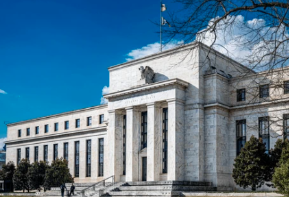
The Fed left rates unchanged and signaled it’s still in wait-and-see mode, even as inflation risks and policy uncertainty persist.
Former Federal Reserve Vice Chair Richard Clarida explains where yields may be headed, as well as positioning considerations for the long-run by charting the relationship between r* and term premium.
Jeff Chang, CFA, President of Vest, a pioneer of Target Outcome Investments with some $50 billion under management, examines how geopolitical events like U.S. airstrikes can create ripple effects across global markets, and why the actual impact often depends more on context than headlines suggest.
The dollar fell and US Treasuries rallied after a report that President Donald Trump is considering naming Federal Reserve Chair Jerome Powell’s successor well before the incumbent’s term is scheduled to end next May.
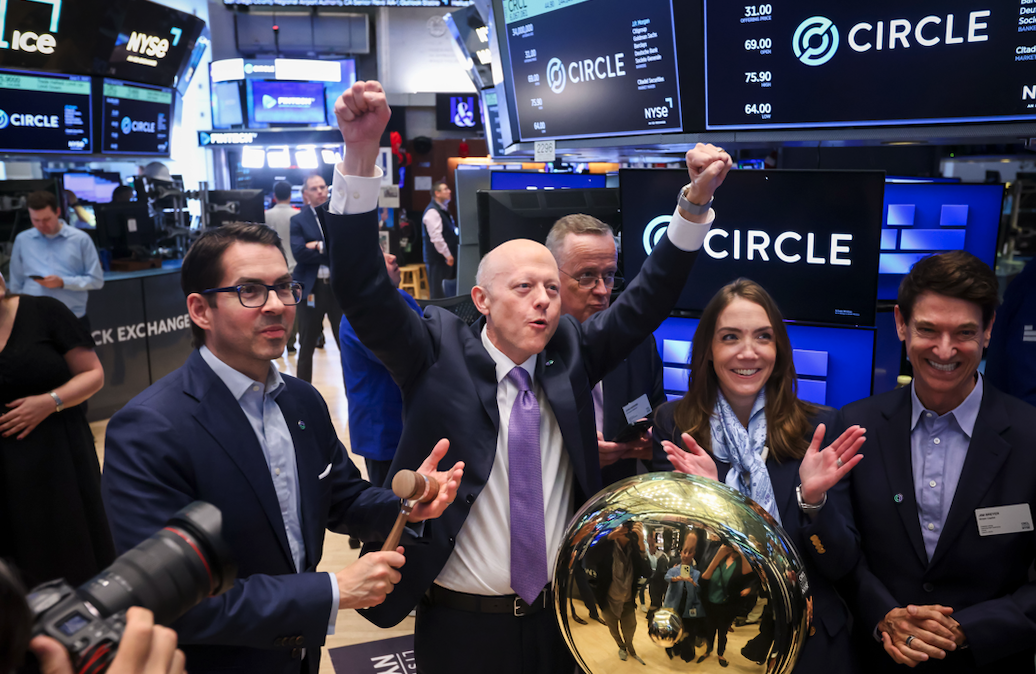
Roaring returns for US IPOs are driving fresh optimism that activity will pick up steam later this year and into 2026, even as worries over geopolitics and President Donald Trump’s tariffs hang over the market.
Target-date fund glide paths can be important tools for retirement planning. Advisors should focus on assumptions, transparency, and outcomes to ensure they align with participants' needs.
Tensions in the Middle East and their effect on oil prices have dominated the recent news headlines—and for good reason. A rise in oil prices, especially if it lasts, can push up inflation and slow down economic growth.
The US Census Bureau’s May retail sales report came in weaker than expected, with the headline measure — total nominal sales — down 0.9% on the month. It’s the largest drop in nearly two years and reflects broad-based softness across categories like autos, gas stations, and restaurants.
The old Wall Street quip about economists having “predicted nine of the last five recessions” has never felt more painfully relevant.
The Federal Funds Rate (FFR) is the interest rate banks charge each other to borrow money overnight. It's set by the FOMC and is one of the Federal Reserve's primary tools to implement monetary policy and is a key driver of economic activity. This video examines the Federal Funds Rate and reviews the Fed's latest interest rate meeting.
Why are we still making high-stakes economic policy based on lagging surveys and statistical approximations? The answer lies in a system that hasn't kept pace with modern realities.
While both valuation and technical factors suggest to us that the dollar may continue to weaken in the near-term, we would caution investors against reading too much concerning the US’ long-term economic stability into further dollar weakness.
Just when the International Monetary Fund sees slower growth around the globe, the economy the World Bank ranks 112 out of 196 based on gross domestic product is leading everyone – with the opposite outlook.
Inflation's trend has been favorable this year, but a growing conflict in Iran—combined with already-imposed tariffs—might put upward pressure in prices later this year.
Doug Drabik discusses fixed income market conditions and offers insight for bond investors.
The recent decline in the dollar relative to other currencies is well within historical norms. Notably, previous declines were much larger without the “fear-mongering” from the “experts of doom.”
The U.S. strike on Iran over the weekend has added a modest premium to oil, and in the Sunday evening market, stocks opened only slightly lower. Any resolution to the crisis could send stocks to new all-time highs.
We have seen a lack of conviction from the Federal Reserve (Fed) in previous opportunities. Last year, during the first quarter, Fed members were spooked, as inflation numbers moved higher, changing their view on the path forward regarding interest rates.
If we’ve seen the worst of the oil price shock from the Israel-Iran conflict, then another ostensible impediment to Federal Reserve interest rate cuts may have just disappeared.
The current round of budget discussions in Washington will have a significant impact on America’s fiscal trajectory decades into the future. A key underpinning of this year’s debate has roots that go decades into the past.
For the fourth meeting in a row, the Federal Open Market Committee (FOMC) decided to keep rates unchanged, leaving the Fed Funds trading range at 4.25%–4.50%.