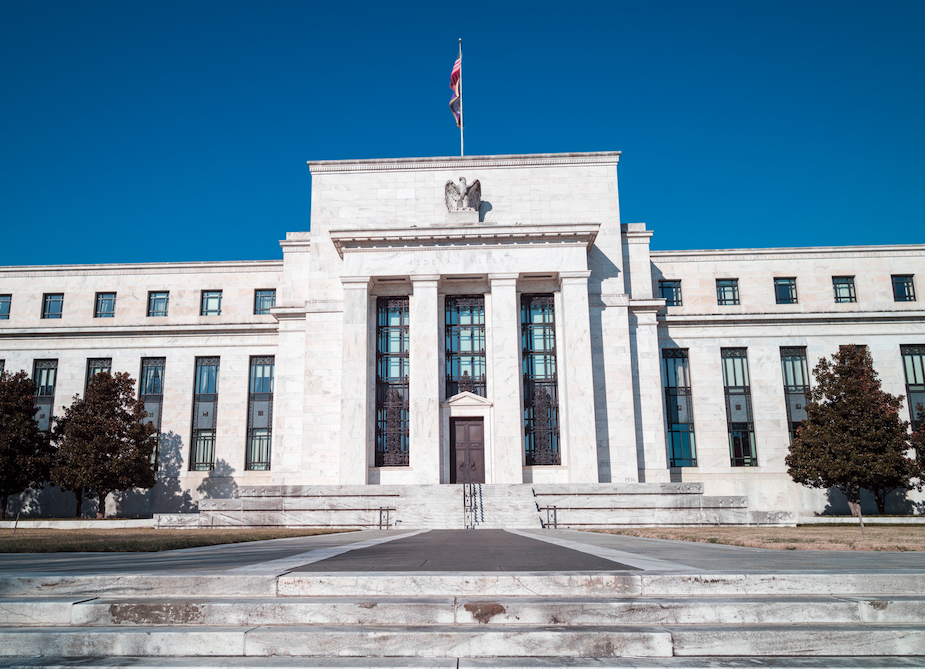
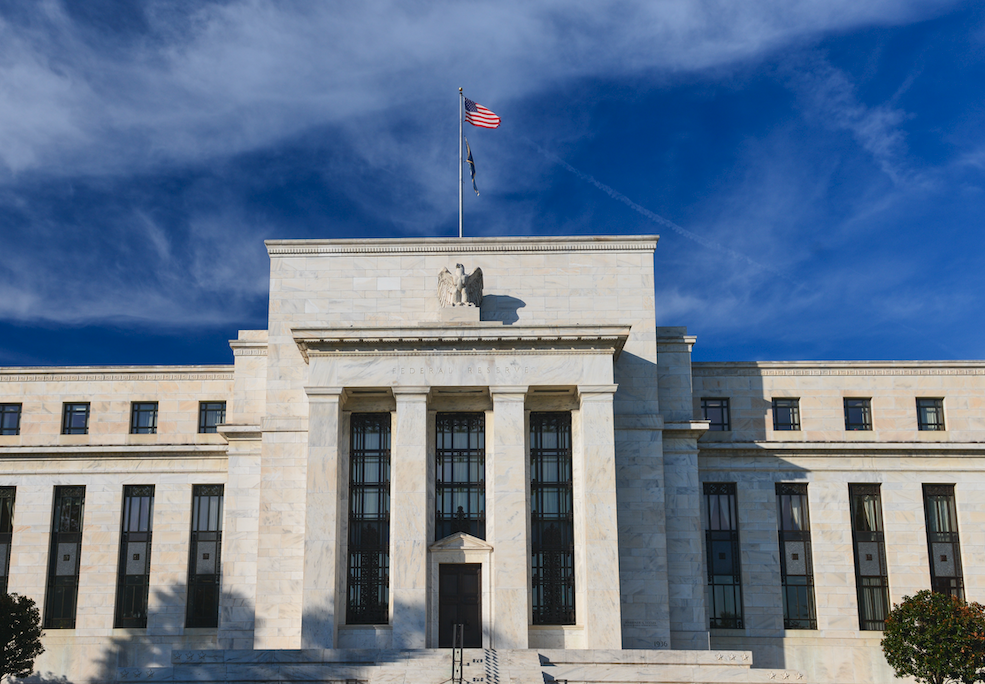
Geopolitics – beyond the Fed’s control – have added to economic uncertainty and cloud the outlook as Fed Chair nominee Kevin Warsh (who this morning won the backing of the Senate Banking Committee and will now head to the Senate for final confirmation) looks almost certain to take the reins in just over two weeks.
The European Union (EU), pursuing ambitious decarbonization goals, is significantly recalibrating its emissions compliance regime with the Carbon Border Adjustment Mechanism (CBAM). This new border tax intends to promote fair competition amid varying emissions rules and costs. Our research suggests it could also offer insight into profitability as the rising costs to meet carbon limits weigh on corporate financial health, creating winners and losers.
Days before his first annual meeting as the chief executive officer of Berkshire Hathaway Inc., Greg Abel is facing a problem that seldom confronted his legendary predecessor: a floundering stock price.
As widely expected amid rising oil, rates will remain 3.5% to 3.75%. However, four policymakers dissented. And Fed Chair Powell will stay as governor after his chairmanship ends.
In a recent (unscientific) Franklin Templeton social media poll, we asked investors what they felt was the biggest risk to the global economy over the next 12 months. Nearly half (45%) of respondents highlighted high oil prices as their greatest fear factor.
As multi-asset income investors, we seek to help a wide range of clients meet their income needs. The benefits of an income-centric approach are especially relevant for investors as they enter retirement – and that’s especially true today. We bring that to life with two case studies.
The rapid institutionalization of the $3 trillion private credit market has left many financial advisors racing to catch up. While the asset class was once a walled garden for pension funds, the mainstreaming of private debt requires a new level of diligence and education. The shift toward transparency is finally allowing advisors to look under the hood of these complex structures.
Applications for US unemployment benefits plunged to the lowest level in decades, a sign that job-cut announcements have not yet meaningfully translated into layoffs.
Lance Humphrey, head of portfolio management at Victory Capital, and Dom Rizzo, portfolio manager at T. Rowe Price, joined Nate Geraci on this week’s ETF Prime to discuss quality investing and active technology strategies. Victory Capital now ranks as a top 30 ETF issuer with 23 ETFs and over $21 billion in assets, having attracted $1.7 billion in inflows year-to-date.
Participants will gain a deep understanding of the macroeconomic drivers shaping the next three months. We will move beyond the headlines to provide actionable insights on portfolio construction, risk mitigation, and identifying value in an environment characterized by both transition and opportunity.
Inflation-adjusted gross domestic product increased an annualized 2% in the first quarter after the longest-ever federal government shutdown limited growth in the closing months of 2025, according to an initial estimate issued Thursday by the Bureau of Economic Analysis.
Meta Platforms Inc. is looking to sell between $20 billion and $25 billion of investment-grade bonds, according to people with knowledge of the transaction, as the Facebook parent boosts spending on infrastructure for the artificial intelligence boom.
Treasury Inflation-Protected Securities, or TIPS, can help buffer a portfolio against inflation. However, it's important to understand their unique characteristics and complex nature.
The stakes for OpenAI are existential at worst and a serious burden at best as it seeks to go public. In preparation, the company has taken spring cleaning to the next level — embarking on a culling of “side quests” like the video creator Sora, ending some science research and even putting on hold its plans for an erotic version of ChatGPT.
For much of 2025, the U.S. dollar looked vulnerable: expensive, less supported by the exceptionalism narrative and heading toward a weaker regime. Then the war in the Middle East changed the picture. Energy prices rose, risk sentiment shifted and the dollar reclaimed its safe-haven role.
Reaching age milestones triggers critical financial and tax-planning actions. This guide explores how specific ages impact decisions regarding Medicare, Social Security, charitable giving and retirement withdrawals, helping you navigate these milestones to optimize your long-term wealth strategy.
The long-term shift from traditional pensions to defined contribution (DC) plans puts employees in charge of their retirement savings—and needing help.
So the question is not whether innovation can drive growth. It’s how much growth innovation can drive. The falling population and heavy debt load mean productivity will need to increase GDP by at least 2.5%, maybe 3% depending on the path of interest rates.
For years, Warren Buffett shaped the meeting into something closer to a macro forum layered atop a company update. His commentary, alongside the late Charlie Munger’s sharp mind and entertaining voice, kept Berkshire stockholders and the investing world glued to TV screens on the first Saturday in May.
In a choppy year for tech investors, one trade has stood out as a success: buy chip stocks, sell software shares. And the divide between winners and losers is getting bigger as 2026 moves along.
Now and then, advisors need to get a sense of how Americans of all ages approach retirement planning. Back in March, Fidelity Investments released its 2026 State of Retirement Planning Study. The report took a deep dive into how different age groups of Americans are viewing retirement preparations.
For the third consecutive policy gathering, the Federal Open Market Committee (FOMC) decided to remain ‘on hold,’ keeping the fed funds trading range at 3.50%–3.75%. This result was largely expected by the markets. Unfortunately for the Fed, the policymakers are in a challenging position of juggling incoming economic and inflation data as well as the uncertainties emanating from the Middle East war.
The U.S. stock market hit a record high on January 27, 2026, as investors prepared for additional Fed rate cuts, fiscal stimulus, and fading inflation.
For many high-performing advisory teams, the challenge has never been ambition or capability. The missing ingredient has simply been an operational structure designed to support the level of success they have already surpassed. High-performing teams that tap into this reality strengthen firms from the top down and deliver exceptional service with the systems required to sustain it.
Offloading certain tasks to AI can be appealing, especially for solo advisors (or those operating with a lean team). Used effectively, it can be a time and energy-saver. But as you’re likely aware, AI tools are not perfect — they also tend to produce repetitive, generalized content that may not always resonate with your target audience.
If you read my column, you know I am a proponent of following the SHIFT format. First, get the team together to identify who you want to be as a team and what success looks like to you. Make sure everyone is headed toward the same outcome and cares about the same goals.
For much of the past few years, US Treasuries have failed to serve their traditional role as a sure-fire refuge from global market meltdowns.
Hyperliquid, the decentralized crypto exchange that has emerged as one of the most active trading venues in digital assets, is proposing to add prediction markets to its platform — a direct challenge to Kalshi and Polymarket as the fast-growing sector draws new competitors.
A quarterly report providing an in-depth analysis of the global economic landscape, key drivers and insights into fixed-income markets for investors.
Hedge fund manager turned NBA owner Gabe Plotkin, who shut his firm after a bruising showdown with meme-stock traders, is planning to convert some of his own assets into an ETF using a tactic that’s helped a slew of wealthy investors defer tax.
Here’s where I want to start, because this is the point that almost every government debt analysis, including the article we’re responding to, completely ignores. Government debt doesn’t disappear into a void. By definition, if the Government borrows capital from someone, that capital must flow somewhere.
One of the most important decisions anyone will make in their lives is whether, and whom, to marry. A well-chosen partnership can lead to a happy steady state and help to weather downturns. But even the best long term partnerships can have their ups and downs. For currencies that are wedded to the U.S. dollar, the war in Iran has put some stress into their relationships.
The Department of Justice drops probe into Fed Chair Jerome Powell, Kevin Warsh's confirmation moves forward, and Department of Homeland Security funding is back in the spotlight.
Sentiment toward BDCs – funds that invest in small and midsize private U.S. businesses – has improved since early March. BDC bond spreads have stabilized and outperformed the broader investment grade (IG) index, suggesting credit investors are increasingly comfortable with downside risk.
A few weeks ago, I sat down at my laptop and built a trading platform. It connects to three financial exchanges. It ingests news from RSS feeds, web searches, Reddit and Twitter.
On Friday, the Department of Justice announced it was dropping its investigation of the current Federal Reserve Chair Jerome Powell. Senator Thom Tillis was effectively blocking the nomination process from moving forward while the Department of Justice investigation of Powell was ongoing.
If venture capital investment is a measure of the economic future, California would seem to have locked things up. In the first quarter of this year — by far the biggest quarter for US VC investment ever — an unheard-of 85% of the money went to California companies, according to the PitchBook-NVCA Venture Monitor. For all of 2025, California’s share was an also-unprecedented 60%.
Supply shocks from the Strait of Hormuz don’t hit immediately. But the lag is over. What comes next, across oil, food, plastics, and chips, lands on a Fed in transition.
Global Head of Securitised Products John Kerschner and Portfolio Manager Ian Bettney from Janus Henderson’s Global Securitised Team examine how CLOs and other securitised credit have weathered recent volatility, and why selectivity and active management remain central to capturing opportunities across the market.
It’s a stressful investing landscape right now and investors are feeling it. Volatility, driven by a chaotic geopolitical landscape, has defined much of the market narrative this year — perhaps just second to everything AI. Although markets have marched steadily upward, a growing number of investors are making more defensive moves to adapt. In fact, recent data from VettaFi suggests downside protection ETFs are gaining significant traction.
Active ETFs are punching well above their weight in 2026. Despite representing just 12% of total ETF assets, actively managed funds have captured 40% of year-to-date flows, Todd Mathias, head of North America ETF product strategy at Franklin Templeton, told attendees at an April 27 roundtable discussion at the firm’s Manhattan office.
With the proverbial ceasefire negotiation can kicked down the road for the second time in a week, the U.S. and Iran remain in a stalemate over the Strait of Hormuz.
The defining feature of a Ponzi scheme is that it persuades investors to pay for future cash flows that, at least in part, don’t actually exist, while creating the impression that those cash flows imply an attractive return on the price investors pay. If we look carefully at the record valuation extremes in the equity market, and the wildly elevated profit margins that investors appear to view as permanent, we can already see the potential for difficult, even tragic outcomes for investors.
If you have an aging parent whose bills are starting to be neglected, or a client who needs more hands-on financial oversight than a planner provides, you might consider hiring a daily money manager. The American Association of Daily Money Managers can help you find someone in your area.
Every year, hundreds of thousands of life insurance policies lapse or are surrendered for cash. The policyholders walk away with whatever the carrier offers. Their advisors sign off. Their attorneys see nothing. And nobody asks the obvious question. Could this policy have sold for more?
No one likes that heart-drop feeling of missing an important detail. And yet, this happens all too often when it comes to healthcare planning. Healthcare and health insurance are complex topics. Without an expert or the right resources, it can be very difficult for financial advisors to do on their own.
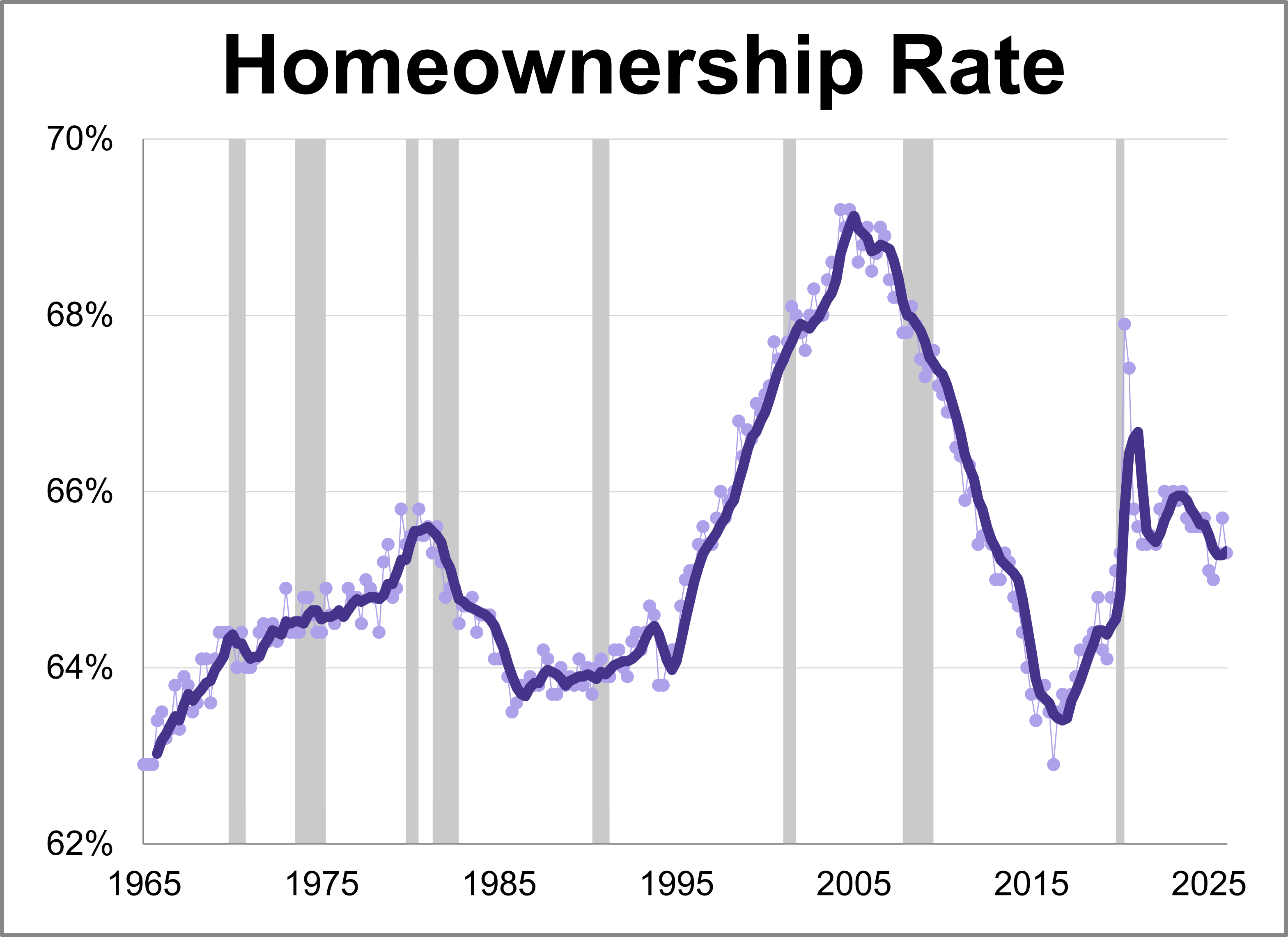
The Census Bureau released its latest quarterly report for Q1 2026 showing the latest homeownership rate is at 65.3%.
Technology megacaps are pushing benchmark indexes to new records while the rest of the market is lagging behind. Traders can be forgiven for feeling like they’ve seen this movie before.
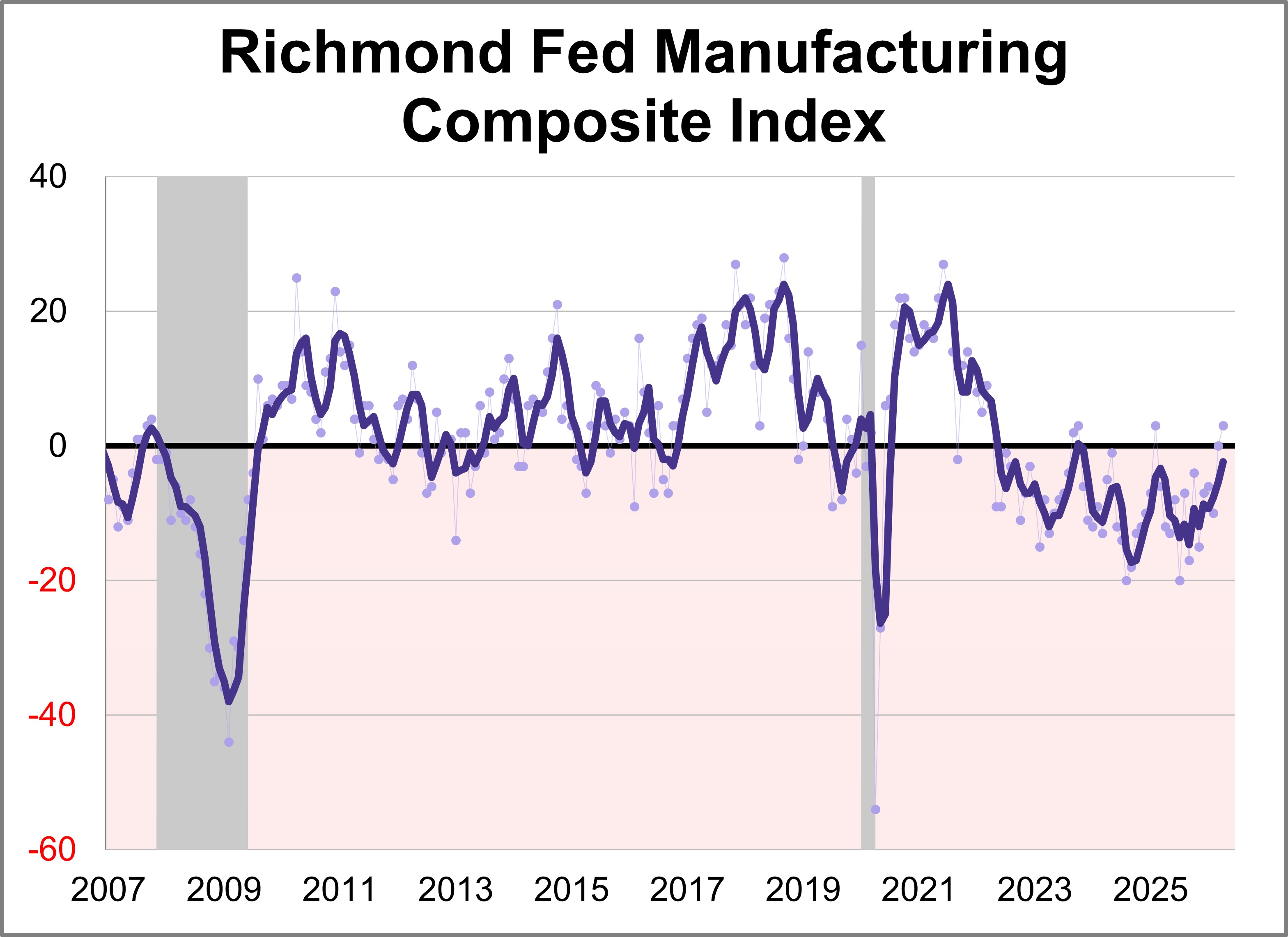
Fifth district manufacturing activity increased in April according to the most recent survey from the Federal Reserve Bank of Richmond. The composite manufacturing index rose three points points to 3, marking the highest level for the index in 20 months. This month's reading was above the forecast of 2.
BlackRock Inc. is bringing its roughly $2.5 billion money market fund to cryptocurrency exchange operator OKX, with Standard Chartered Plc holding the underlying assets — the latest sign that Wall Street infrastructure and digital-asset markets are converging.