I’ve identified nine skills and practices that will help you become a great leader and foster a culture that’s conducive to developing future leaders, not just followers.
In the fiscal year that just ended, the US government borrowed $1.7 trillion, more than 6% of gross domestic product. Bear in mind, that was with an economy running hot, with high inflation and more than full employment.
Investors are accustomed to getting a snapshot of the market by looking at the latest index statistics. But today, average spreads and yields for investment-grade corporate bonds are deceptive. A look under the hood reveals that intermediate-maturity corporates are a much more compelling opportunity than long-maturity ones.
Investments in alternative energy have become unattractive due to higher interest rates, not changes in government policies, adoption or pricing of green technologies.
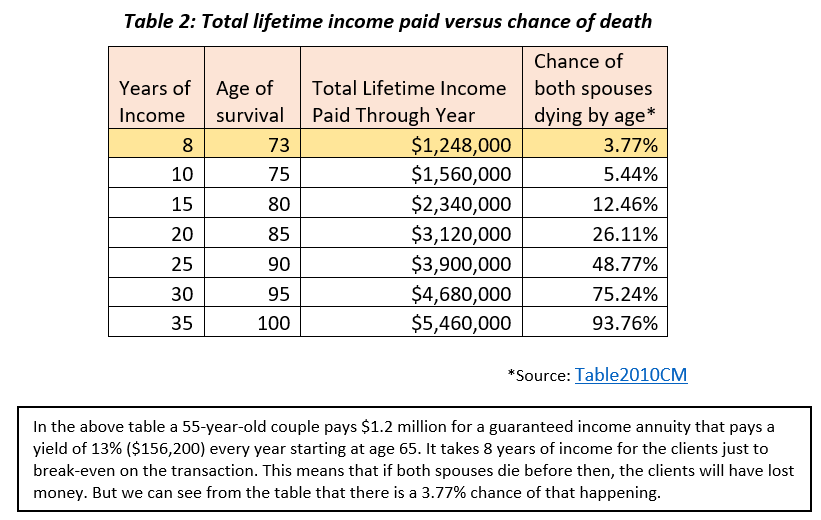
With interest rates at near 20-year highs, guaranteed lifetime income locks in those rates for the rest of one’s life, creating better retirement outcomes.
U.S. equities have ruled the roost for the better part of the last decade, but another region may emerge as the leader if the business cycle changes.
I previously discussed a method of applying long-run, risk-return insights to a goals-based approach to retirement investing. This article considers how to extend the process into the pre-retirement years.
Many aspects of the economy are still being buffeted by the ripples from the pandemic, which makes precedents hard to apply, and should make everyone cautious as to their judgments. Housing market data is also, inevitably, reported with a lag.
We have been looking at big historical/economic/political cycles for the past two months.
Homeowners, drivers and other individuals in the marketplace for insurance, have a host of factors to consider to make sure they are appropriately covered in the event of a death, accident, or other untimely event, advisors shared in interviews with VettaFi.
For the first time since the Federal Reserve started raising interest rates, every part of the housing market is now poised to worsen.
The Federal Reserve (the Fed) has made some relatively painless progress thus far in its inflation fight. Some other prominent economists have walked back their forecast for a near-term recession.
The popular 60/40 portfolio isn’t dead, and in fact is a significantly more compelling investment than cash over the coming decade, according to JPMorgan Asset Management.
There is a growing movement among investors to align their portfolio to their values or belief systems. Advisors can use Direct Indexing products and Separately Managed Accounts to help their clients pursue faith- or values-based investing.
A run of shrinking quarterly profits may finally end soon, but it's probably not time to break out the champagne just yet.
Value-conscious, historically-informed, full-cycle investors place a great deal of emphasis on the relationship between the price an investor pays today and the cash flows they can expect to receive in the future. The reason is simple.
Florida’s farmers have spent nearly two decades fending off plagues, freezes and storms that decimated their orange crops. A growing number of them have had enough.
“Restrictive for longer” is now the mantra as monetary policymakers seek to bring inflation reliably to target.
As the second quarter came to a close, the Fed’s elusive soft landing appeared to be within reach. However, inflation resurfaced during the third quarter, substantially complicating the near-term economic outlook.
When your system, whatever it may be, is working extremely well, we used to say it’s “firing on all 8 cylinders.” What does that mean?
Savvy investors are aware that geopolitical tensions and uncertainty can significantly influence the financial markets.
Most investors are aware of certain taxes on their investments, such as on dividends, interest and capital gains. But those are just the tip of the iceberg.
US consumers’ year-ahead inflation expectations rose sharply in early October, driving a steep deterioration in Americans' views of their finances as well as sentiment.
Mortgage rates in the US rose for the fifth week in a row, topping 7.5% for the first time in more than two decades.
With all eyes on generative AI (genAI) and its transformative potential, individual investors’ interest has been piqued. The market-moving innovation certainly has generated a lot of hype ― and questions. Equity CIO Tony DeSpirito parses three reasons for excitement and three areas for awareness.
Slower growth and rising interest rates have tapped the brakes on private deal activity this year. But as banks continue to retreat from lending, we see plenty of opportunity for investors to pick their spots across the broad private credit universe.
In his latest memo, Howard Marks provides a follow-up to Sea Change (December 2022). He argues that the trends highlighted in the original memo collectively represent a sweeping alteration of the investment environment that calls for significant capital reallocation.
The financial planning landscape is undergoing a great transformation, driven by emerging trends that have accelerated in recent years.
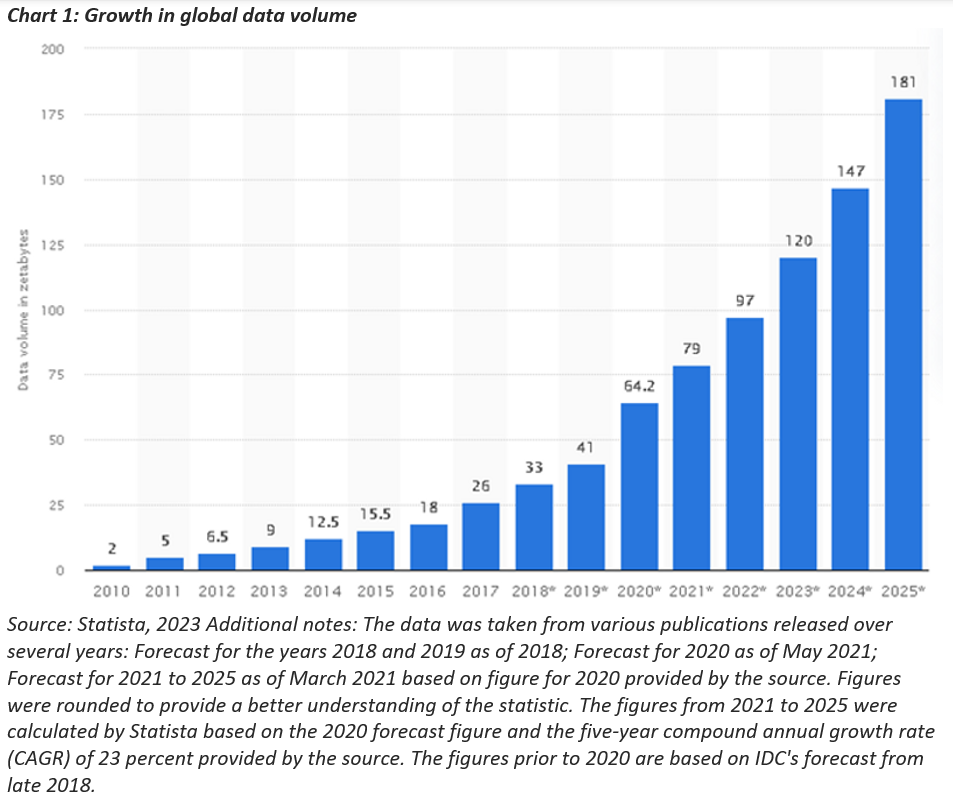
Data science will no longer remain the preserve of large quantitative managers.
While bond yields have risen sharply lately, fund flows into bonds tell two very different stories.
What everyone wants to know now is how much further the selloff will go and how long it will last. I can venture a few educated guesses based on history.
But to serve more people who need your services and insights, often before the urgency is critical, you must close this profound gulf between what your clients know and your prospects think.
For two decades, Amy Wu Silverman has tracked fear and greed across Wall Street by keeping a close eye on the twists and turns in the Cboe Volatility Index.
Selling a business and managing sudden wealth calls for guidance from trusted advisors and a consistently mindful approach.
Advisor Perspectives has announced its Venerated Voices™ awards for commentaries published in Q3 2023.
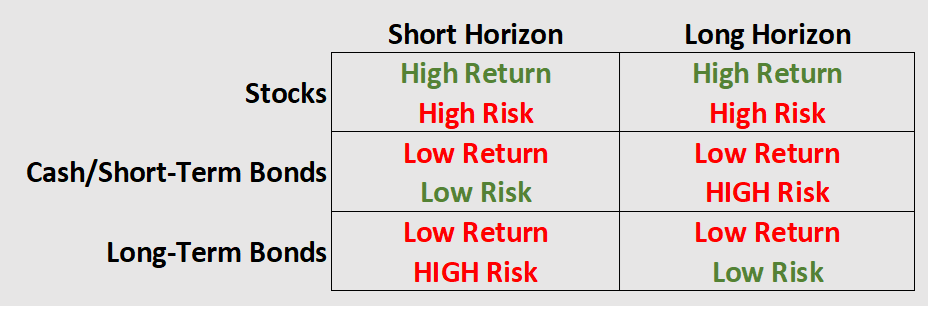
In investing, you can have a safe present or future value, but not both!
The U.S. Treasury yield curve is currently inverted, with yields on short-term bonds higher than yields on longer-term bonds. Some expect this to unwind with short-term bond yields falling faster than longer-term yields. Amid these expectations, those investors are wondering if they should consider reallocating to shorter-term bonds.
With yield curves still inverted, a short-dated high-yield strategy continues to make sense for return-seeking investors with a defensive mindset.
The US economy has been more resilient than many pundits had anticipated over the past year—but can this resilience continue? Stephen Dover, Head of Franklin Templeton Institute, recently hosted a discussion with economists from across our firm to explore where the risks and opportunities for investors lie today and into year-end.
As heightened inflation has lingered, the Federal Reserve diminished hopes of 2024 interest rate cuts and economic data suggests a mild recession in the first half of 2024.
Thomas Jefferson University (TJU) developed a strategic resource allocation framework to rationalize and simplify the complex legacy portfolio structures it had inherited through mergers and acquisitions.
Not so long ago, families, businesses and governments were effectively living in a world of free money.
Investors had gotten used to smooth sailing with the economy remaining resilient, the equity market soaring double digits, and volatility remaining (mostly) subdued.
Plenty of ink has been spilled about how much money has gone into active ETFs in 2023, and from a pure top-line flows perspective, it’s true.
Stock bulls reeling from the worst month of 2023 have at least one reason for optimism: Corporate profits are set to rebound sharply in the fourth quarter.
As global financial markets reel under the possibility of 5% benchmark Treasury yields, the question on investors’ minds: how much worse could it get?
Last year, Exchange solidified itself as the most valuable advisor-centric event in the country, uniting advisors with thought leaders and experts in financial services, fintech, and economics. Exchange 2024 looks to be the boldest yet.
During Q4, we believe there is an elevated risk of market volatility when monthly U.S. inflation data is released, quarterly earnings season begins, and major central banks meet.
I always talk about how powerful social media is. Let me tell a story that proves it.