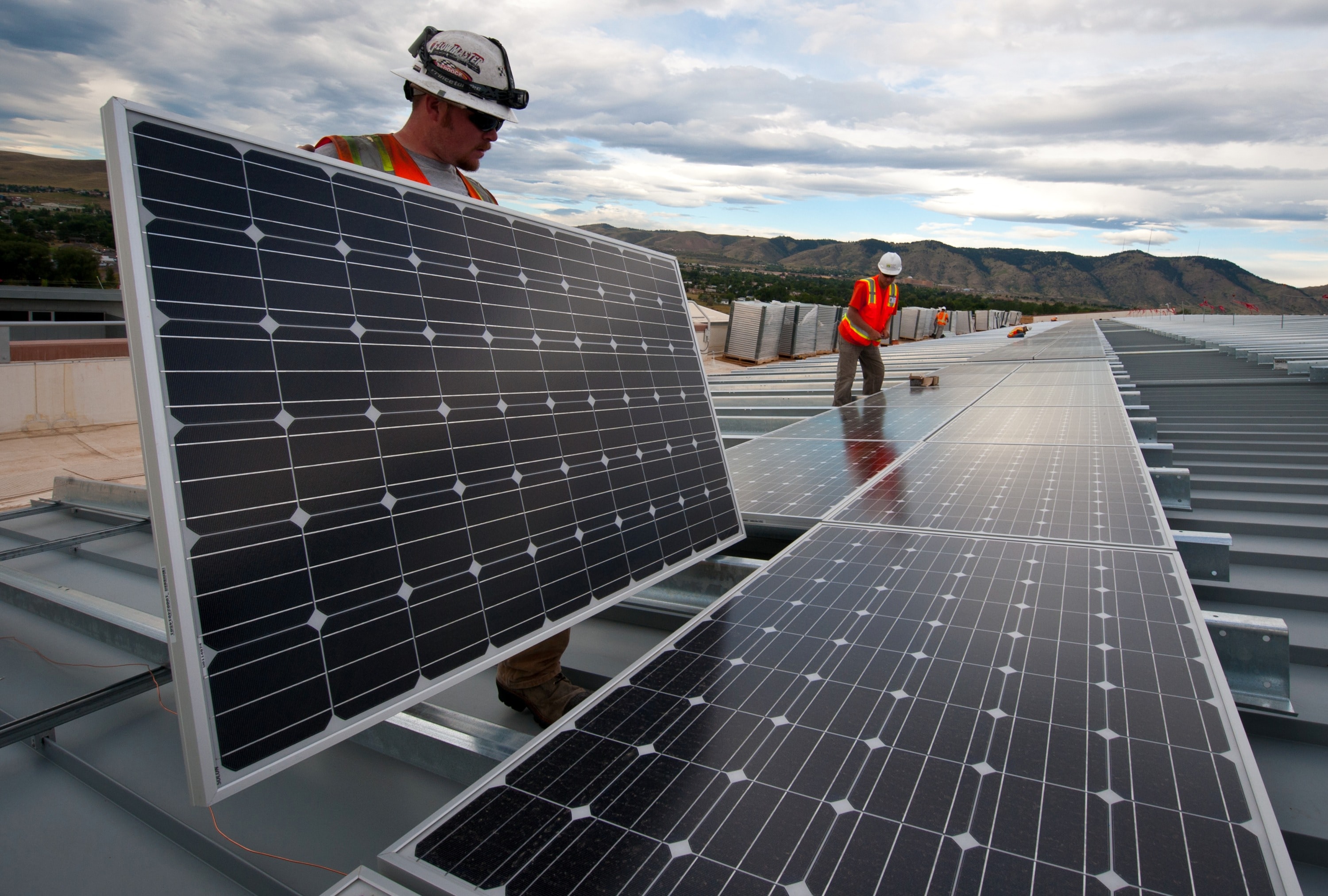
From digital factories to plant-based clothing, climate change investing is much more than just investing in renewable energy, according to the Templeton Global Equity Group.
Fintech companies in Africa raised more capital despite the Covid-19 pandemic, standing in contrast to their emerging-market peers such as Latin America that saw a decline.
April 3rd marked the 1-year anniversary of the first investments deployed by GMO’s Quality Cyclicals Strategy,1 within a fortnight of the trough that ended 2020’s quickfire bear market.
Addressing within-country inequality may be the political imperative of the moment.
Advisor Perspectives has announced its Venerated Voices™ awards for commentaries published in Q1 2021.
"Buy American:" easier said than done. Sports leagues are still struggling, and tax evasion is costly.
We believe Asia is the core of growth and innovation within emerging markets, and companies domiciled in Asia comprise over 75% of the benchmark universe.
With everything up, where are the value buying opportunities?
The post-pandemic economy could well be defined by the return of robust aggregate productivity growth after 15 years of relative sclerosis.
A powerful economic restart is underway in the U.S. – with Europe and emerging markets (EMs) set to follow.
More than 60 central banks right now are believed to be exploring the idea of digital currencies, including retail tokens that would be used by citizens as well as wholesale applications for financial institutions.
I think we will probably have a few months of significantly higher inflation. It will fade but meanwhile hurt certain people and industries. It will be like one of those extremes causing bruised knees and volatile markets.
There were three seemingly strong reasons to predict last year that the US economy was headed for a double-dip recession.
While a global recovery has now become the base case for financial markets, differences between countries and regions on the path toward normalcy are significant and seem set to widen.
China’s first quarter macro results are a mix of fantasy and real life, and distinguishing between the two are important for understanding the sustainability of the post-pandemic economic recovery.
My core values are based on five Hawaiian words: mahalo, aloha, ohana, pono, and imua. These words closely align with the values I learned from my mother and my father.
Emerging-market bulls who’ve benefited from moderating U.S. Treasury yields are bracing for a relapse as political risks pile up.
John Vail of Nikko Asset Management dives into the findings from Nikko’s latest Global Investment Committee meeting.
National corporate tax policies need global coordination; U.S. unemployment rates don't tell the full story.
Digital currencies stormed Wall Street in a big way this week. Crypto exchange Coinbase went public in a direct listing, opening the floodgates for a number of other crypto-related companies.
A few years after launching Grab Holdings Inc. in 2012, Anthony Tan got a piece of advice from Jack Ma. The co-founder of Alibaba Group Holding Ltd. told the entrepreneur that life is a tsunami. When you’re up on the wave, get ready for the crash, he said.
Infrastructure merits more investment, everywhere; we look at the specifics of the U.S. proposal.
We’re more than ready to put the pandemic in the rearview mirror. For the first time since this all started a year ago, more than one million people per day have been flying commercial in the U.S. for 30 straight days.
The acceptance of digital currencies as a form of payment expanded greatly this week, foreshadowing the increasingly important role cryptos such as Bitcoin and Ether will play in our lives going forward.
We forecast a strong global recovery in 2021 amid significant fiscal support, accommodative monetary policy, diminishing lockdowns, and accelerating vaccinations.
Today, it seems to be an article of faith among US policymakers and many economists that the world’s appetite for dollar debt is virtually insatiable.
Addressing technical, idiosyncratic and structural aspects of inflation.
My question, as always, is whether we’re measuring inflation accurately. What if we’re doing it all wrong? As investors, we want to make decisions based on the best available data, so what should we do if the data is incomplete or flawed?
As US inflation expectations grow, many investors are concerned about the potential impact on stocks.
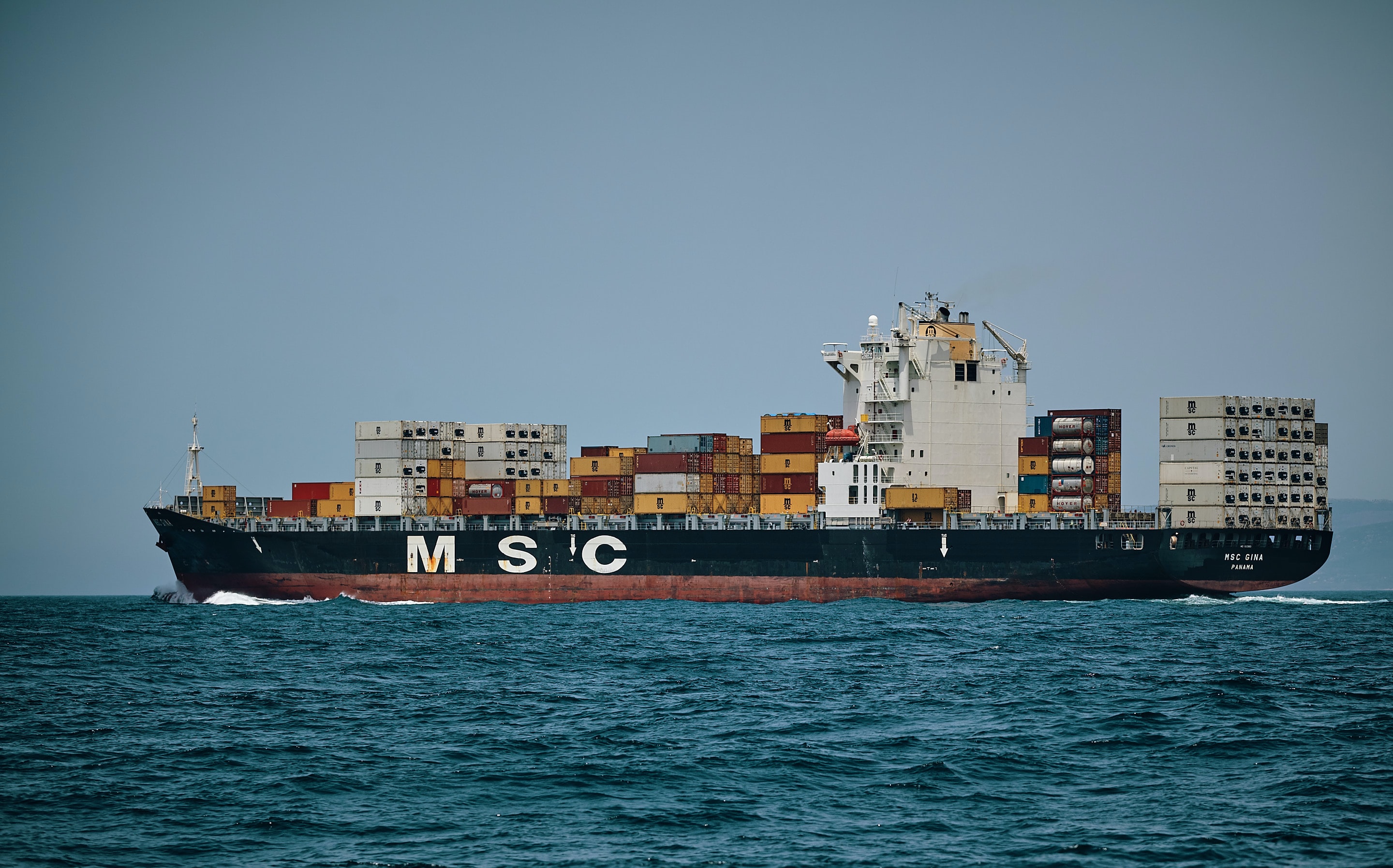
For the past 20 years, the Port of Los Angeles has been the busiest seaport in the Western Hemisphere, responsible for exporting commodities such as soybeans and raw cotton and importing everything from furniture to electronics.
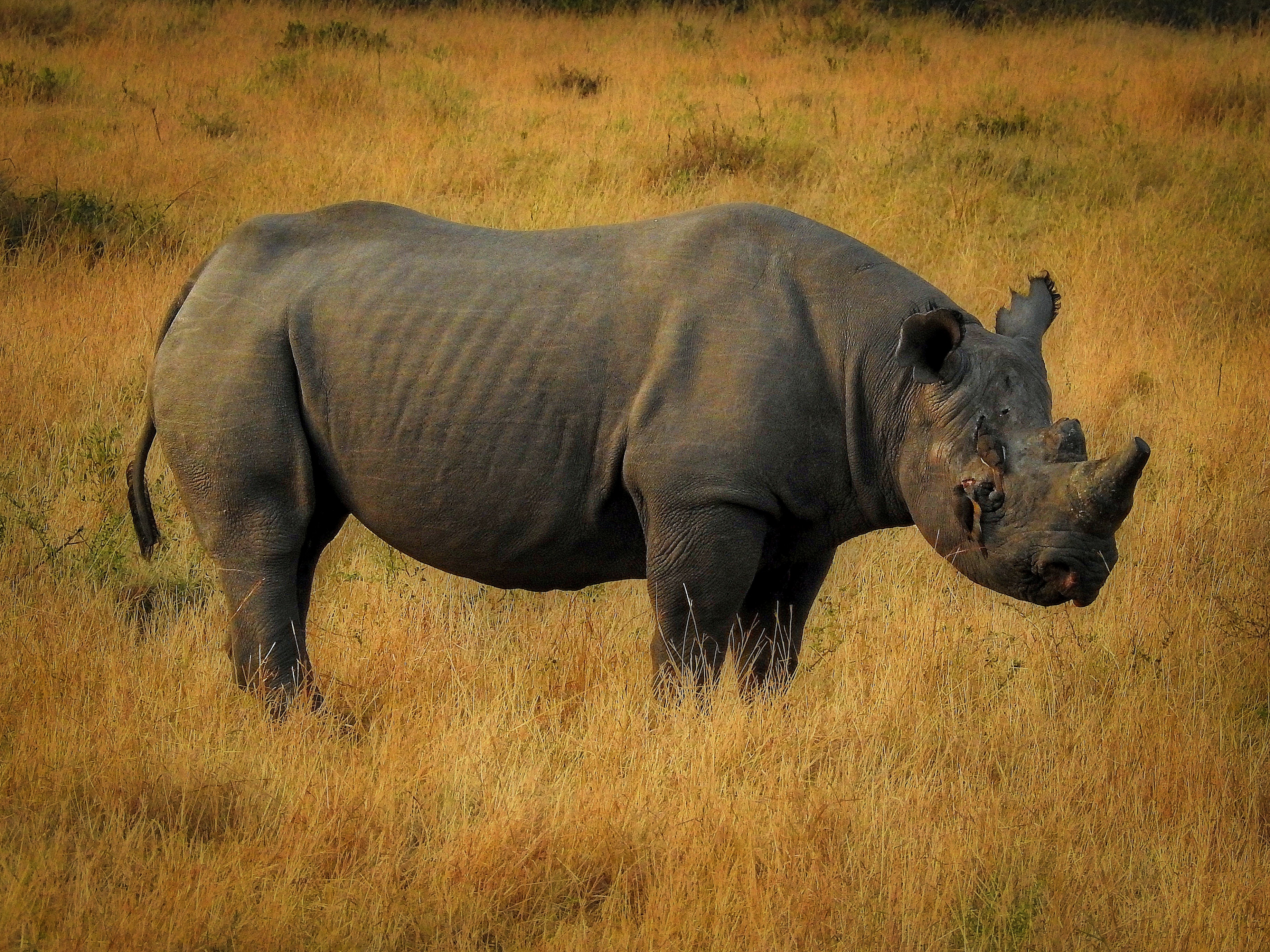
A bond designed to raise funds to grow the population of endangered black rhinoceros in South Africa will be sold by the World Bank this year.
We’re going to have to do something about climate change. I will review the science and the possible solutions, and ask what role investors – including your clients – can and should have to foster a solution.
Wall Street thought 2020 was the Year of the SPAC, or special purpose acquisition company (SPAC). Turns out, this title was premature.
The case for disaggregating international exposure by allocating to single countries remains strong, according to Dina Ting, Head of Global Index Portfolio Management, Franklin Templeton Exchange-Traded Funds.
A little over a hundred years ago, the United States emerged from the double whammy of a world war and deadly pandemic. Eager to get back to “normal” life, Americans went on a decade-long spending splurge, buying cars and radios and stocks.
I believe we have passed the point of no return. Changing policy now would create a recession as big as Paul Volcker’s in the early ‘80s. There is simply no appetite for that. Further, the national debt and continued yearly deficits force monetary policy to stay accommodative.
In this issue of Sinology, we provide a macro perspective for thinking about whether an investor’s portfolio has enough exposure to China.
It’s been a long time since investors have had to worry about inflation.
In November 2020, an Hermès handbag sold at Christie’s for a cool HK$3.4 million, or US$437,330. It set a new sales record for a handbag of any kind according to the auction house, which described the item as being made from the hide of a rare white Nile crocodile.
There is significant variation in how countries have handled the pandemic, managed fiscal and monetary policy, and supported their economies, according to Templeton Global Macro.
Global risk assets rose in the wake of positive developments on the two main fronts that have dominated headlines over the past 12 months – pandemic and stimulus.
Dirt-cheap fares are popping up from airlines brave enough to expand or start out amid the Covid crisis, as they try to eke out sales and get a jump on competitors that have pared back operations.
A rapid souring in financial markets on Monday highlights how even the most positive news for the world economy is no fillip to risk assets weighed down by the anchor of the global bond market.
Concern is mounting in corporate credit markets globally as longer-term Treasury yields continue to rise, leading borrowers from New York to Tokyo to delay bond sales and strategists to warn of trouble ahead.
The region’s health care sector is setting a brisk pace for growth and innovation. Our team discusses the opportunity set.
There may be some incredible opportunities for investors in companies that produce the metals, minerals and other raw materials that will be needed with an increase in spending.
The opportunity cost for inflation protection is high—is it worth the cost?
As International Women’s Day approaches, three PIMCO executives share their perspectives on diversity in the workplace.
China kicks off its biggest political meeting of the year Friday, laying out plans that could propel the economy into the world’s biggest this decade.
Bond traders have been saying for years that liquidity is there in the world’s biggest bond market, except when you really need it.