A deal to restructure $240 million of municipal bonds sold for underutilized parking garages at Yankee Stadium is on hold because of a spat over parking spaces.
Our Chief Market Strategist Stephen Dover explores blockchain and digital assets through an equity-investor lens with Anthony Hardy and Christophe Vande Walle.
One of the world’s most exclusive clubs just got a new member, with a second aspirant knocking on the door.
The reflation trade that hammered bonds, drove stock gauges to repeated records and re-energized long dormant value shares this year is in rapid retreat.
“Warnings From Behind The Curtain” almost sounds like the title of a good “Cold War” fiction novel.
This article is about an exception to a rule – an exception that, I believe, has ceased to be. And so the rule has become stronger, and there is a little less joy in the investing world.
You only need to look as far as the business headlines to see what happens when fund administrators and their management teams make a mistake.
Rising inequality is but one symptom that the U.S. has swung to a society that is characterized by a disproportionate focus on individuals over the collective good. A national priority, similar to the Apollo moon project of the 1960s, is needed to reverse that trend, and there is an obvious candidate.
Baseball fans returning to ballparks has been a definitive symbol of the optimism emanating from the reopening of the US economy. While the enthusiasm from consumers and investors alike is warranted, Jeff uses his version of the old-western movie title ‘The Good, The Bad, and The Ugly’ to describe Oak’s current view of the investment landscape.
Raymond James Chief Investment Officer Larry Adam examines the current investing environment through the lens of classic games.
Here are several ways you can make yourself a household name in your area, and they don’t involve throwing thousands of dollars at an advertising budget.
Constructing sustainable and risk-adjusted portfolios in a global context
Brexit and the pandemic didn’t change the fundamental attractiveness of great U.K. companies.
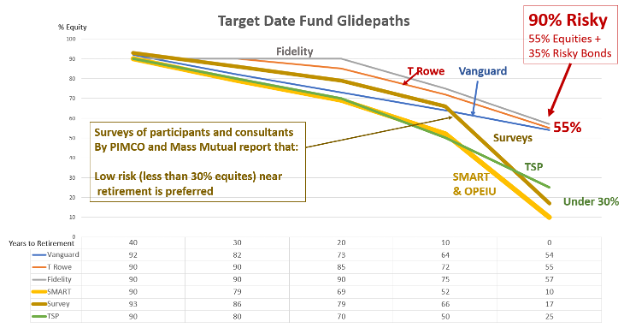
Two Congressional chairs have authorized a review of target-date funds (TDFs). The last such review was in 2009, and all that changed was that risk increased. It would be a shame if this initiative failed to produce results.
To understand the process by which physical coins became accepted tender in the 19th century, one should start with the wisdom of Yogi Berra and Niels Bohr.
Bitcoin erased its 2021 gains this week as China ramped up its crackdown on mining of the cryptocurrency, a move that’s expected to help shift the industry’s center of gravity from Asia to North America.
This year’s SIC closing day was a blockbuster. In this letter, I’ll wrap up my conference reviews by wrapping that day for you.
Sir John Templeton famously said that “this time is different” are the four most dangerous words for investors.
Taking the highest upfront check or calculating out your apparent newfound riches from a suspiciously high payout will undoubtedly be mentally rewarding in the short term. Over the long term, you are assured to be disappointed, though.
Domestic business travel is well on its way to recovery. Forty percent of poll respondents said that business travel within the country where their firm is based has already resumed, while a third said that their company has either decided on a start date or is working toward a date.
U.S. and global equity markets are up 92% and 81%, respectively, from their March 23, 2020, lows through May 31, 2021.
More and more, investors are wondering whether the Federal Reserve will tweak its monetary policy toolkit to help out money markets that are starting to drown in a sea of cash.
Commodities prices have been moving higher this spring amid rising demand and rising inflation expectations globally as economies emerge from the pandemic.
The investment opportunities are constantly changing as economic reopenings roll on.
The travails of the “rich” have always been something of a spectator sport.
MicroStrategy Inc. is borrowing $400 million to buy more Bitcoin while also writing down the value of its existing holdings. It’s the first-ever junk bond sale used for financing purchases of the volatile cryptocurrency.
We keep hearing people make comparisons between this recovery and those of the past as if it's apples-to-apples.
A cyberattack on JBS SA, the largest meat producer globally, forced the shutdown of all its U.S. beef plants, wiping out output from facilities that supply almost a quarter of American supplies.
President Joe Biden’s push for the first major federal tax increase since 1993 now rests on the shoulders of Richard Neal.
The days of bargain basement airfares are ending as the U.S. vaccine supply unleashes a wave of pent-up travel demand.
My recent reads have been stuck in the 1960’s, including Adam Smith’s The Money Game and Andrew Knowton’s Shaking the Money Tree.
In late 2020, China launched an anti-trust campaign focused mainly on big technology firms, aiming to crack down on what the government views as monopolistic practices.
How much clearer would things look from the outside if advisors were willing to tell the whole truth instead of virtue signaling?
Senior Macro Strategies Research Analyst Craig Burelle shares a visual snapshot of our GDP growth expectations around the globe.
As we entered 2021, we put the pivot point of the economy and market returns squarely on inflation.
The US Centers For Disease Control and Prevention reported last week that the US birth rate plunged for its sixth consecutive year in 2020. The US fertility rate also hit a new record low. Demographers are puzzled at this potentially troubling trend...
Much has been written about the need to justify your value. Once you buy into this premise, there’s no end to the advice about how to do so. But it’s a terrible idea.
Retirement planning has evolved from a singular focus on savings to ensuring that account values provide income for life. Multiple generations of DC plan participants are concerned that they’ll outlive their retirement savings, and they’re turning to plan sponsors for solutions.
Just over a year since the COVID-19 virus began spreading around the globe and significant portions of our economy shut down, today the U.S. is solidly on the road to recovery.
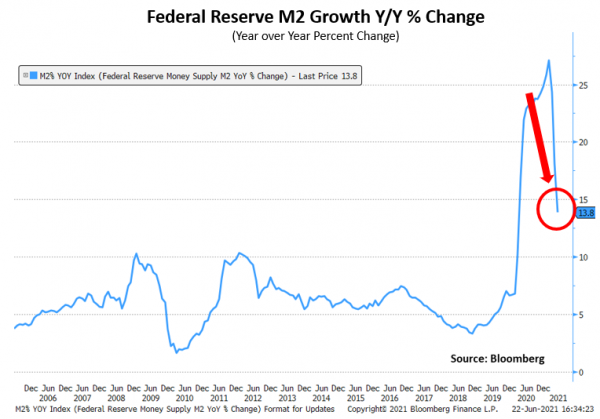
We look at the myriad of liquidity measures and what the draining from gains does to asset prices and fiscal and monetary responses.
"Buy American:" easier said than done. Sports leagues are still struggling, and tax evasion is costly.
In December of 2018, I was invited to dinner with some of the world’s largest Bitcoin holders at the Guggenheim museum in New York.
Now that the leaders of the most popular tech companies are going into outer space, we thought it appropriate to consider the return implications of this urge to “explore strange new worlds.”
Nuclear decommissioning trusts (NDTs), the pools of money accumulated over decades used to dismantle nuclear power plants and safely dispose of radioactive materials, allocate about 40% of their assets to fixed income securities.
More than 60 central banks right now are believed to be exploring the idea of digital currencies, including retail tokens that would be used by citizens as well as wholesale applications for financial institutions.
For this Frank Talk, I decided to take a deep dive in the airline industry to see how it fared in the first quarter of 2021, one year after the start of the pandemic.
After working with investors for more than 50 years, I have learned many things about human nature.
A year ago it would have been hard to imagine where we’d be sitting today.
A few years after launching Grab Holdings Inc. in 2012, Anthony Tan got a piece of advice from Jack Ma. The co-founder of Alibaba Group Holding Ltd. told the entrepreneur that life is a tsunami. When you’re up on the wave, get ready for the crash, he said.
The full implications of Beijing’s rapid-fire moves against Jack Ma’s internet empire in recent days won’t be apparent for weeks, but one lesson is already clear: The glory days for China’s technology giants are over.