Contract closings decreased 2.7% in March from the prior month to an annualized 5.77 million, figures from the National Association of Realtors showed Wednesday. The figure was in line with estimates in a Bloomberg survey of economists.
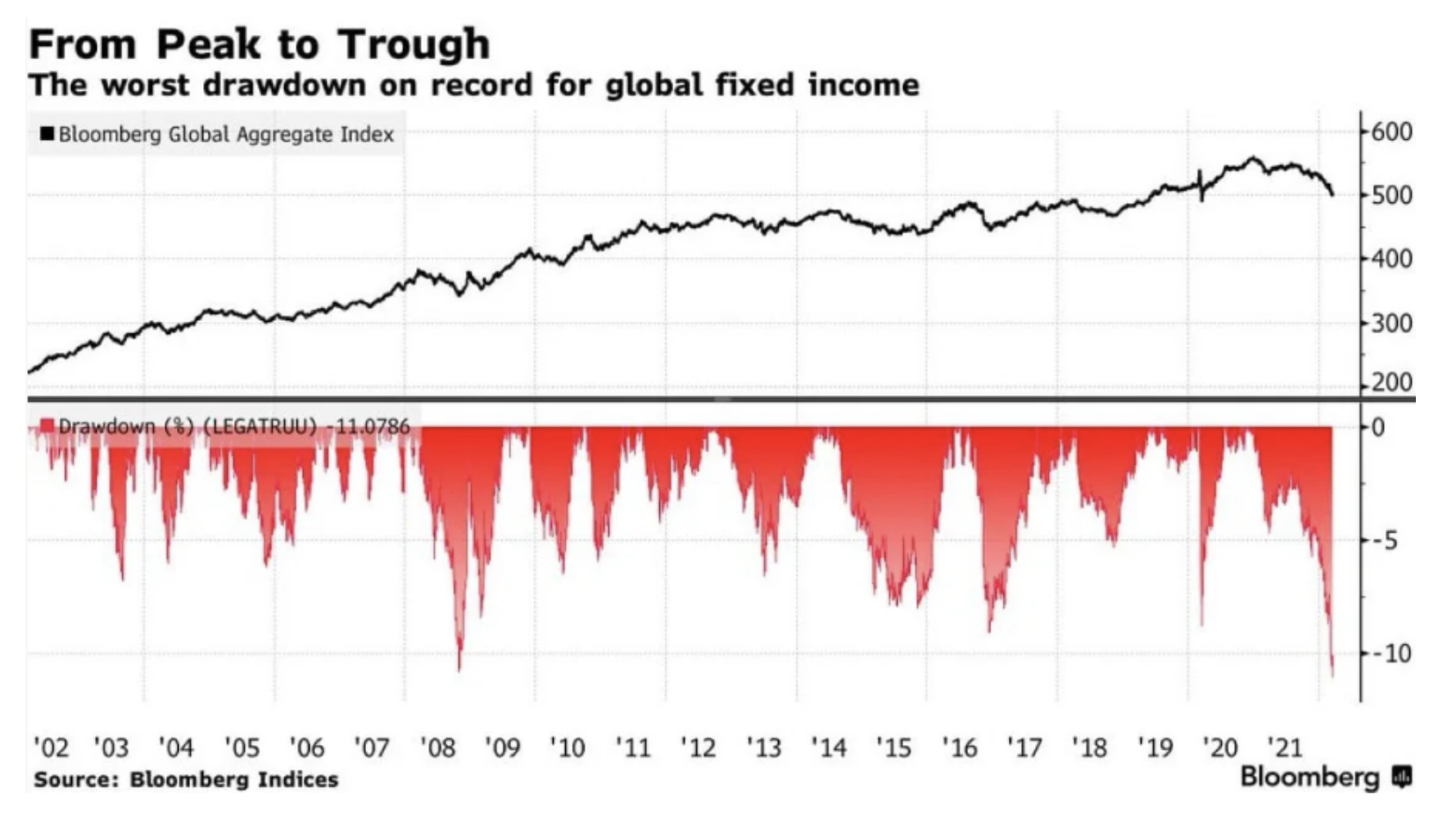
Traditional long-only fixed income managers had one of the worst quarters on record in Q1 2022 as higher interest rates left “bottom up” portfolios overweight duration.
Real Treasury bond yields fell into deeply negative territory in 2021.
Although inflation has risen sharply for multiple reasons, increased demand is by far the most important factor.
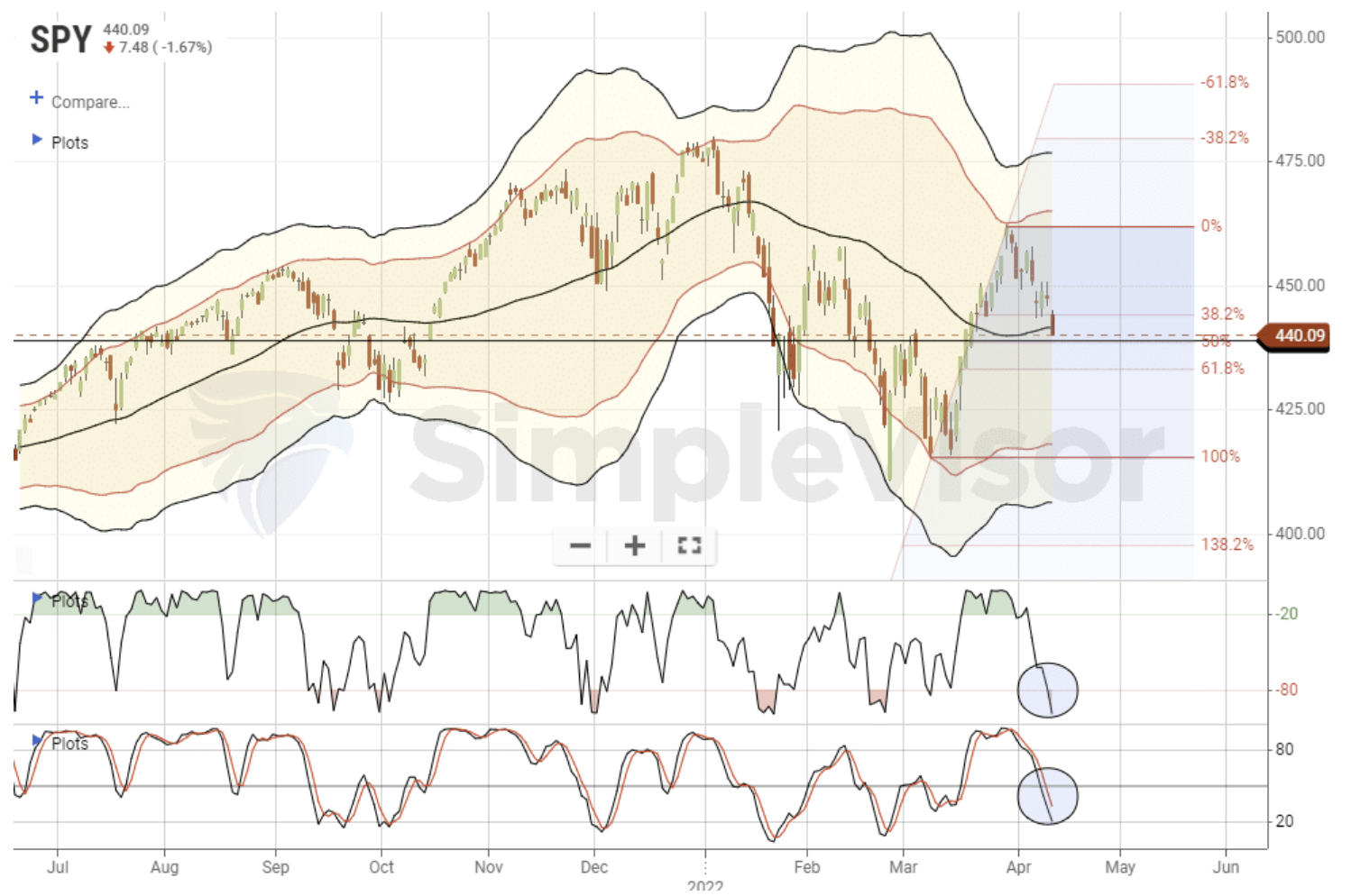
Is it still a “bear market rally?”
The Northern Trust Economics team shares its outlook for key markets in the month ahead.
A few weeks ago, I wrote an article on strategies to become more time efficient. Since that time, I have been inundated with advisors asking questions such as…
Depending upon the annuity that is being recommended and its purpose, your discovery process should include these questions. This article is written for clients and can be forwarded to them using our Premium Membership Service.
ICYMI: In this roundup, we’re highlighting the five most popular pieces of content from the previous week.
The Federal Reserve’s most hawkish official cracked open the door to discussing the first 75 basis-point interest-rate hike since 1994, a move economists say would be a last resort in case inflation further spirals out of control.
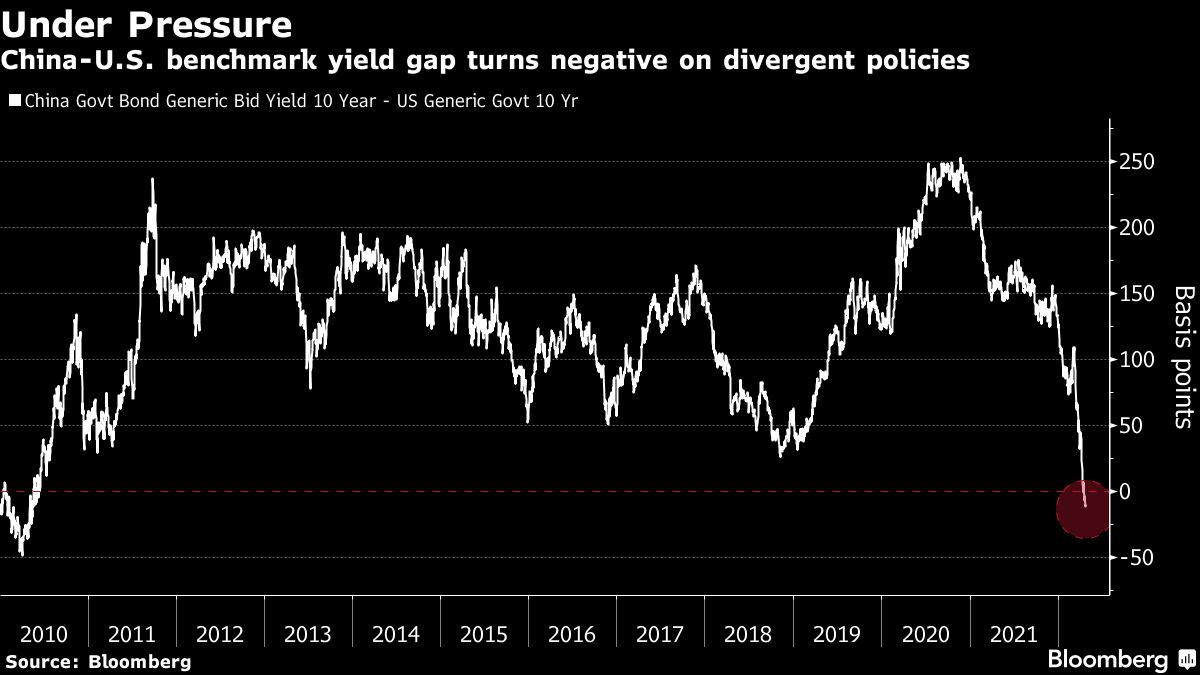
Asia’s two biggest central banks are having to grapple with the fallout from the Federal Reserve’s hawkish pivot.
Viral success stories of people who used the post-pandemic stock market to trade their way out of mountains of student loan debt keep inspiring do-it-yourself investors.
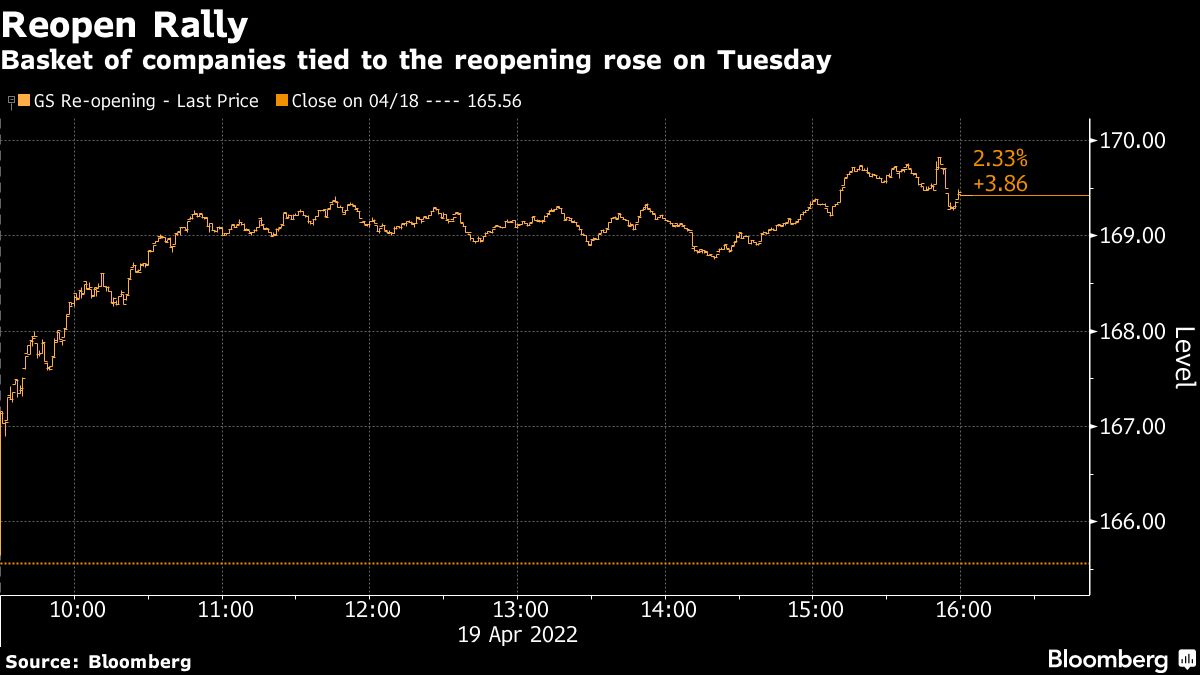
The S&P 500 rose 1.6%, its best day since mid-March and only its second gain in seven sessions. The Russell 2000 Index of smaller firms added 2% in its strongest performance of April. Meanwhile, S&P sectors sensitive to the economy -- including consumer discretionary and real estate -- outperformed, with only energy closing lower.
As we have noted in this space in the past, there is a lot of the world that cannot be captured by the most elegant and detailed of spreadsheets.
Russia’s invasion of Ukraine has exacerbated inflation, which was already rising. The big questions now are how far will the Fed be willing to go to slow inflation, and how will the market react as rates increase?
Something in the market changed about a half-year ago. A dandy old “truism” that had made the rounds for ages got scrapped.
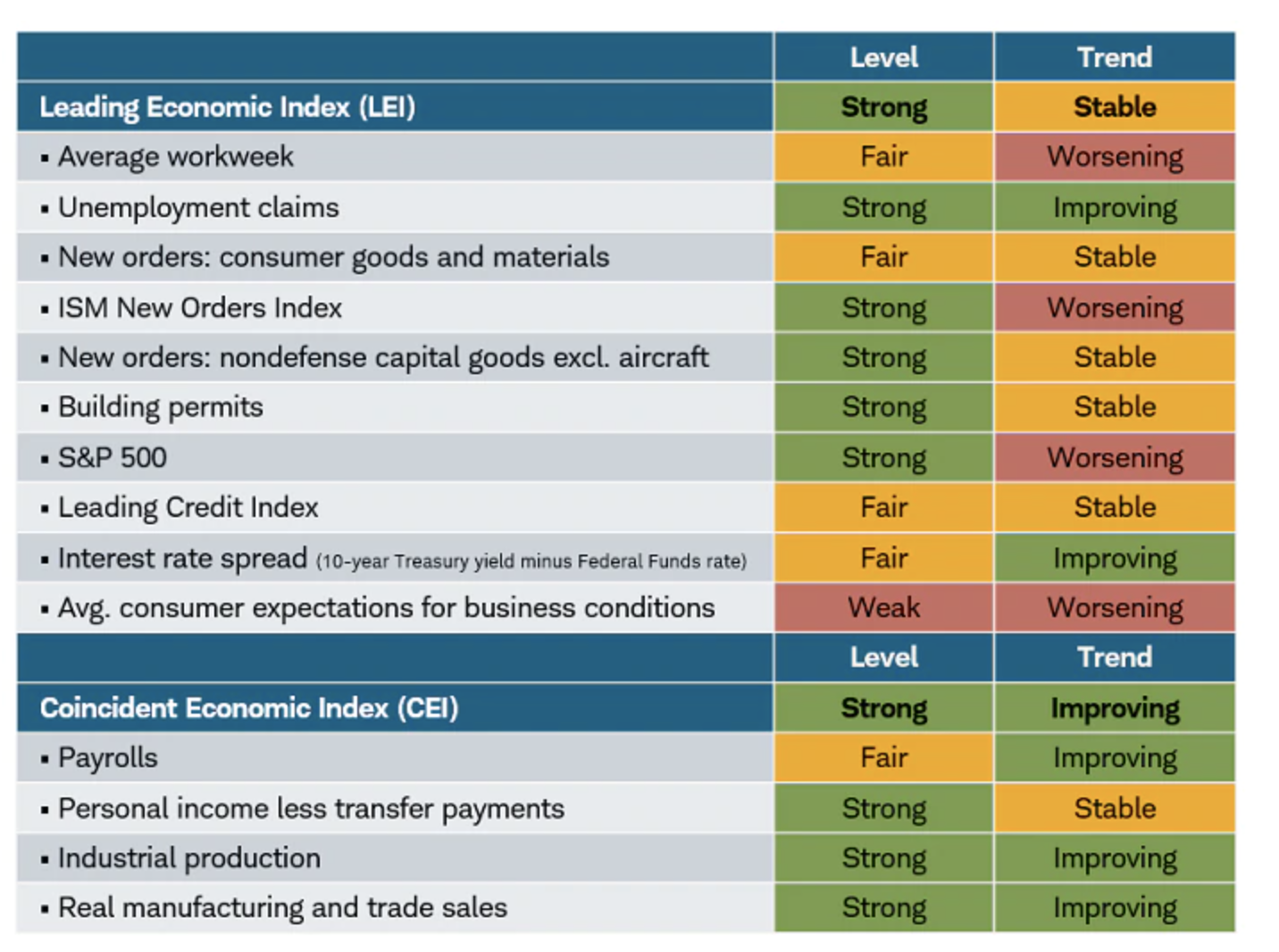
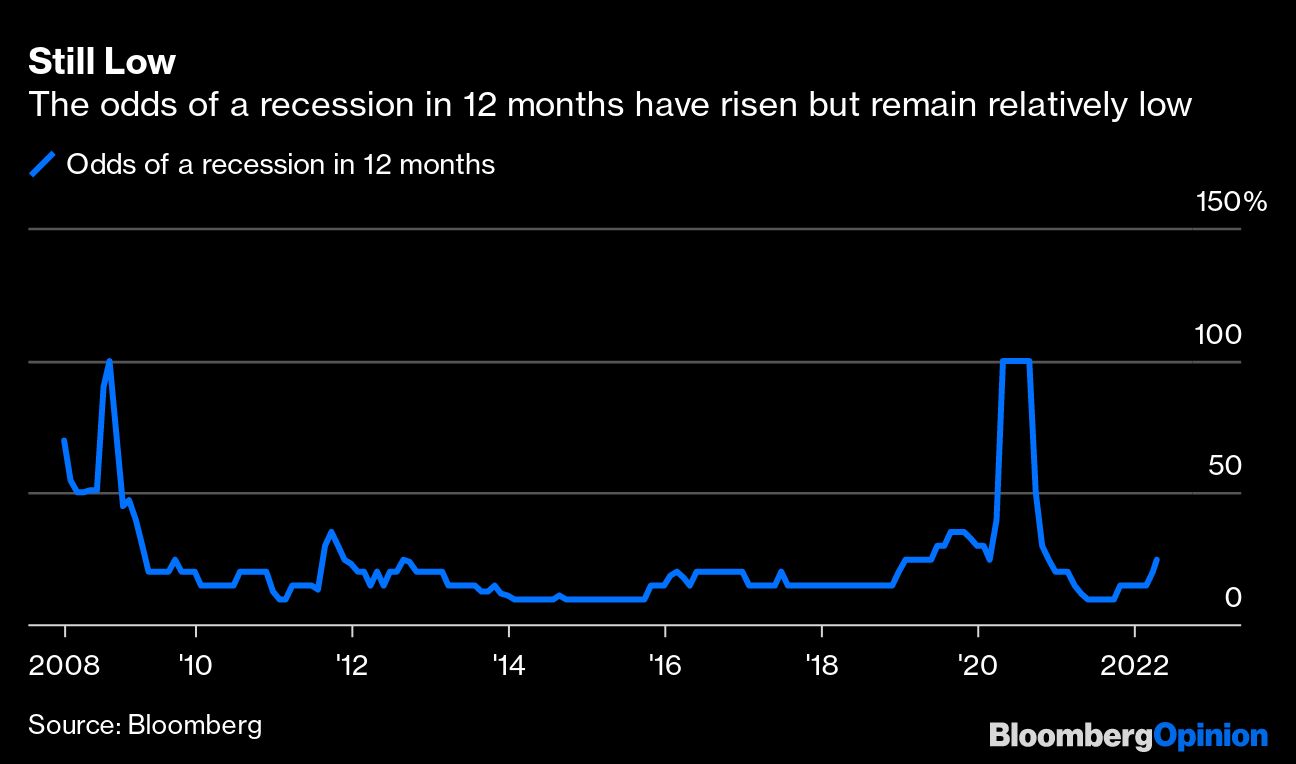
Recession chatter has picked up increasingly for numerous reasons, not least being the spike in oil prices, slowdown in economic growth estimates, and the Fed's transition from accommodative to tighter monetary policy.
The recession chatter has been building for a few weeks but really picked up on Easter Sunday, when Goldman Sachs Group Inc. chief economist Jan Hatzius published a report putting the odds of a recession at about 35% over the next two years. He noted that 11 out of 14 tightening cycles in the U.S. since World War II were followed by a recession within two years.
If you are under 45 and live in America or Europe, the odds are this past year has been your first real experience with inflation. Other than a blip in 2008, inflation has barely topped 3% in the last 30 years.
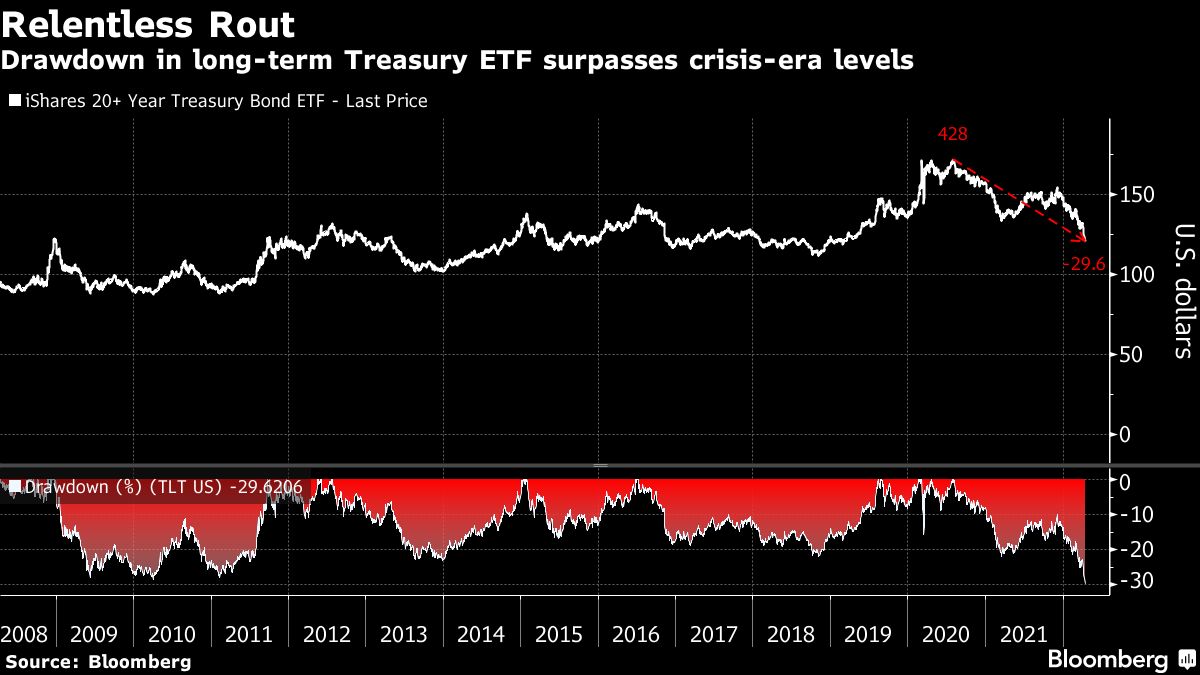
Long-maturity Treasuries are contending with their biggest drawdown on record, at least according to their most popular exchange-traded fund.
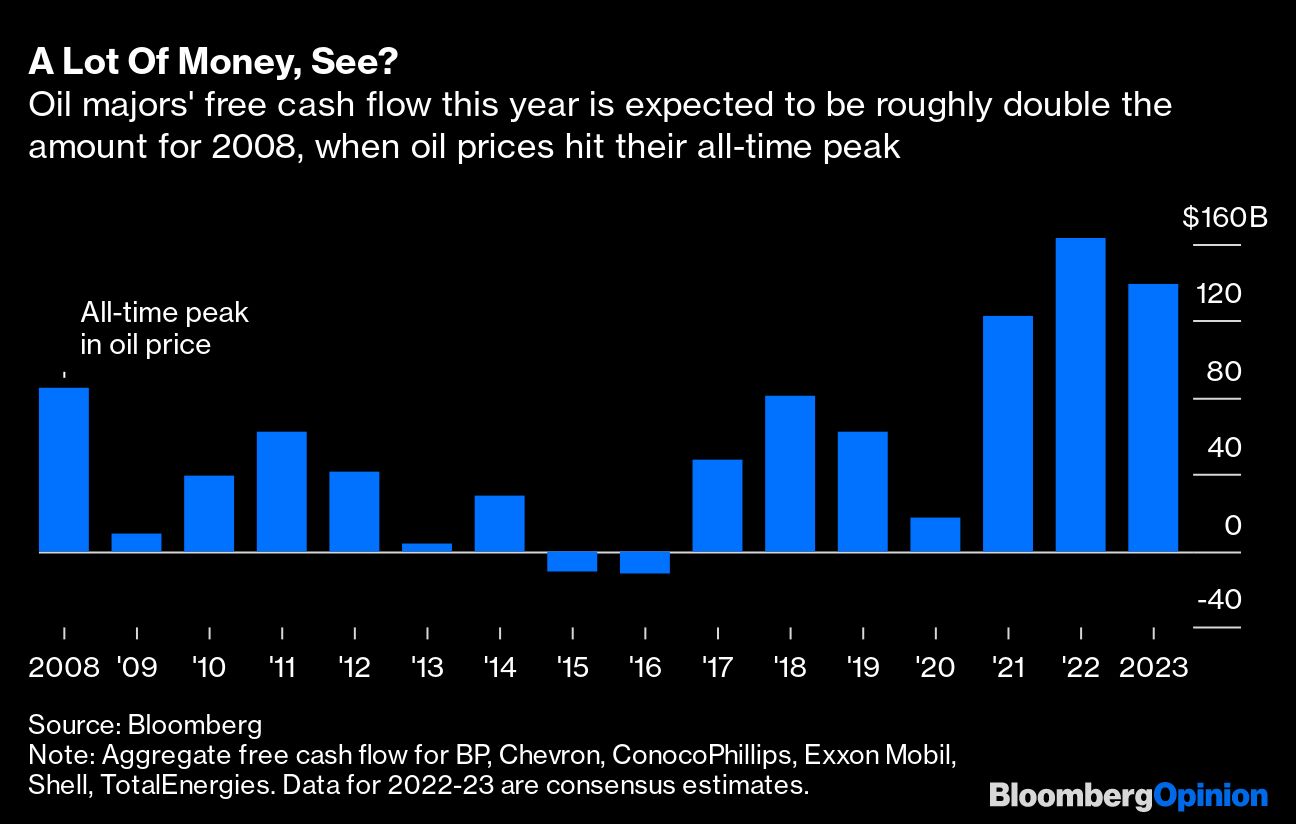
Six of the largest Western oil producers — BP Plc, Chevron Corp., ConocoPhillips, Exxon Mobil Corp., Shell Plc and TotalEnergies SE — are expected to generate free cash flow, after capital expenditure, of $163 billion this year.
Bitcoin dropped to its lowest level in more than a month and other digital assets tumbled as investors’ tendency toward risk aversion, combined with the lack of a clear catalyst for buying, drove the market lower.
Does the scenario below sound likely? If so, you are among the thousands of RIAs who are likely to lose significant assets over the next decade.
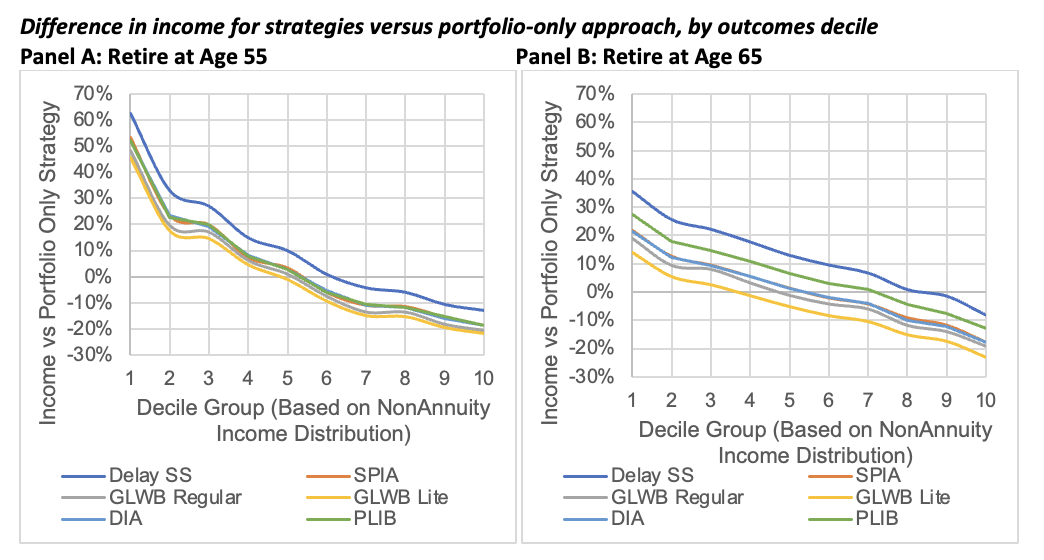
While the lower fees associated with GLWB Lite products make them seem more attractive, the expected income is significantly lower than other annuities.
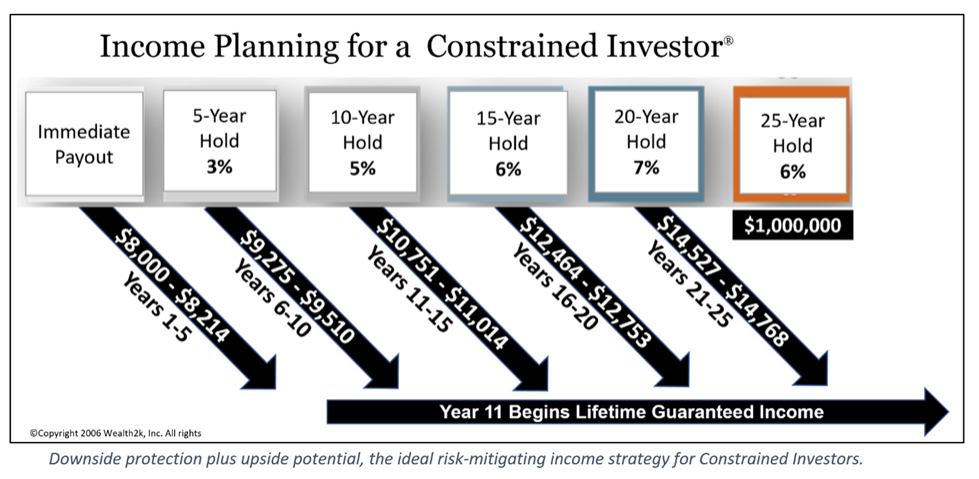
In this article, I will explain how to structure an income strategy that best serves the needs of constrained investors. Demographic, economic, cultural, and social forces argue for a new approach to retirement planning.
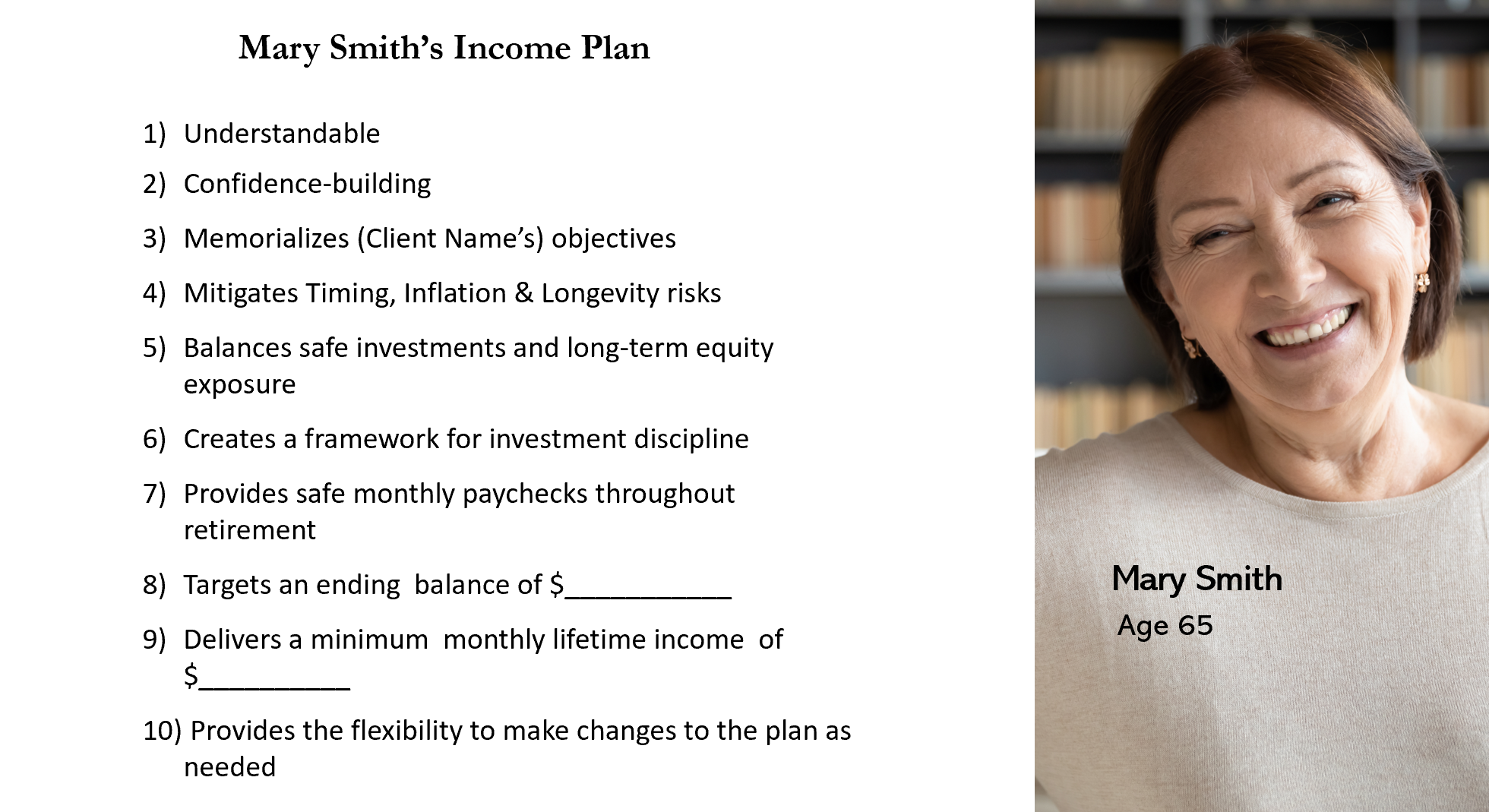
RIAs must align their communications, planning methodologies, and product set with the needs of retirees, especially women, whose chief priority is reliability of income more than return on investment.
The war in Ukraine has further complicated the investment backdrop, and fears of a recession are rising now that the U.S. yield curve has inverted. Given so much uncertainty, we are focusing on what we can control and maintaining a defensive posture
Real GDP, in the US, grew 5.5% in 2021, the fastest growth for any calendar year since the Reagan Boom in the mid-1980s.
The “wisdom of the crowd” isn’t always wise to follow. A recent article by Scott Nations via MarketWatch made an excellent point.
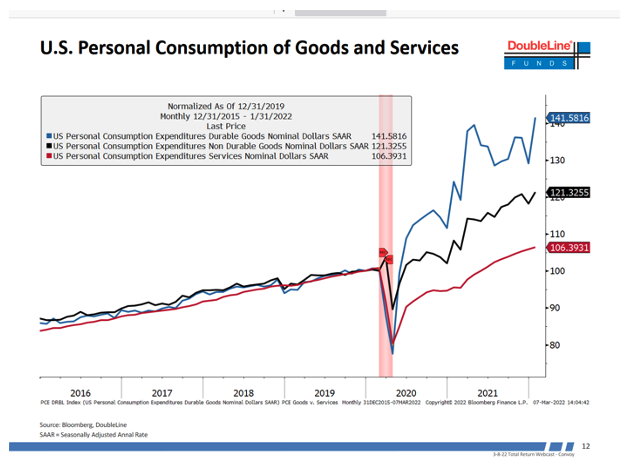
Moving forward beyond the pandemic of 2020, the theme the world woke up to is that people want more…more home, more land, more entertainment, more goods.
The countries’ weight in global trade is relatively small, but outsize exports of raw and semi-finished goods may portend price hikes across a variety of industries.
The last decade and a half rewarded investors with healthy stock and bond returns. But high valuations, low interest rates and high inflation are signals to reassess risk tolerance and asset allocations.
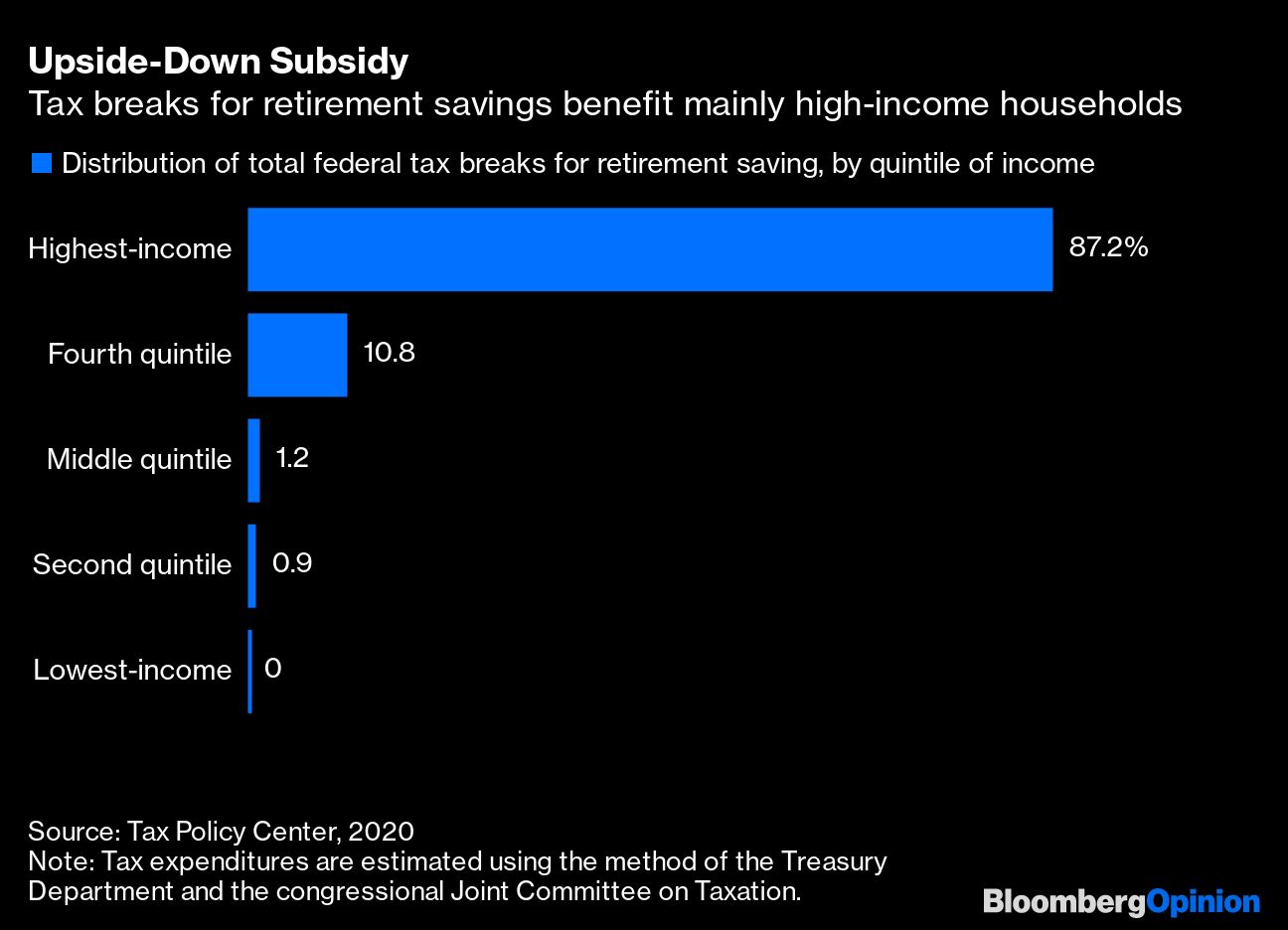
It’s hard to imagine a social program more dysfunctional than America’s morass of retirement-saving accounts. It costs hundreds of billions of dollars a year, excludes tens of millions of workers, and fails to ensure a comfortable old age for many who do participate.
The fastest inflation in decades and the resulting rush by central banks to raise interest rates are stoking recession fears in financial markets -- worries that are being compounded by the impact of aggressive coronavirus lockdowns in China and the war in Ukraine.
U.S. government bonds dropped across the curve, with the two-year yield up two basis points to 2.47% as of 11:28 a.m. in New York. The 10-year yield rose two basis points to 2.85%, while a long-maturity Treasury ETF suffered a nearly 30% decline from a peak in August 2020 -- a record drawdown.
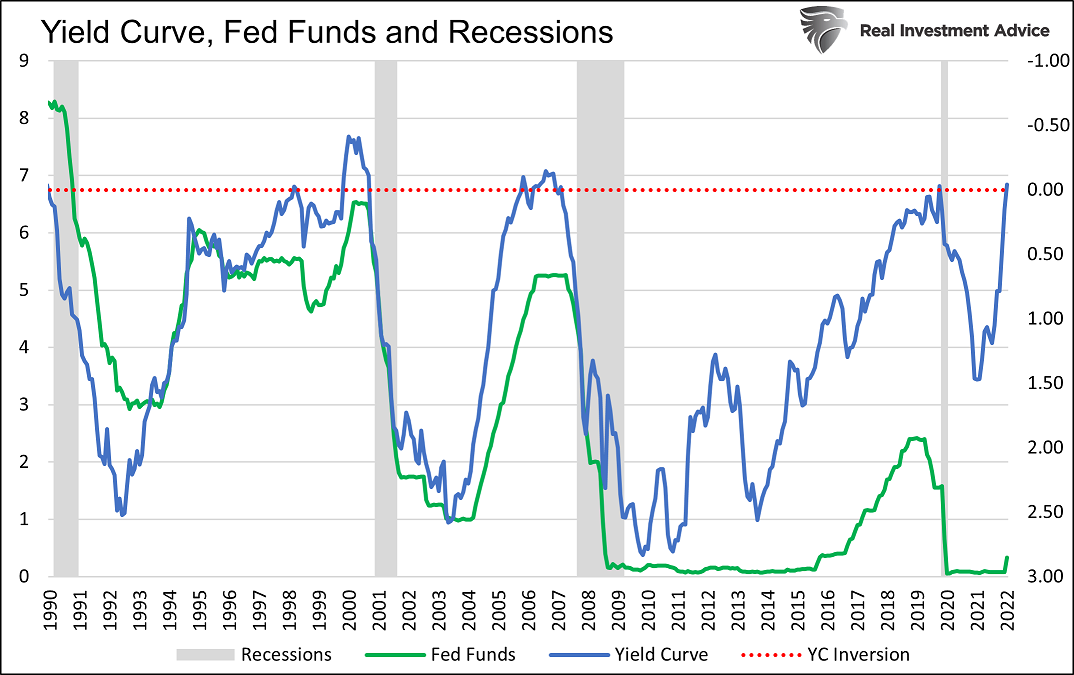
It’s Easter weekend, so we are going to revisit a 2018 letter about the yield curve. The yield curve is much misunderstood and misused by many analysts. This letter will give you the tools to understand the correct importance and relevance of the yield curve. And then, a few comments about Ukraine.
Cryptocurrencies and digital finance will catalyze an economic transformation on a par with the Industrial Revolution, according to Pippa Malmgren.
The war in Ukraine has contributed to inflation in the short term, but there’s much more to the story, which began way before Russia invaded its neighbor.
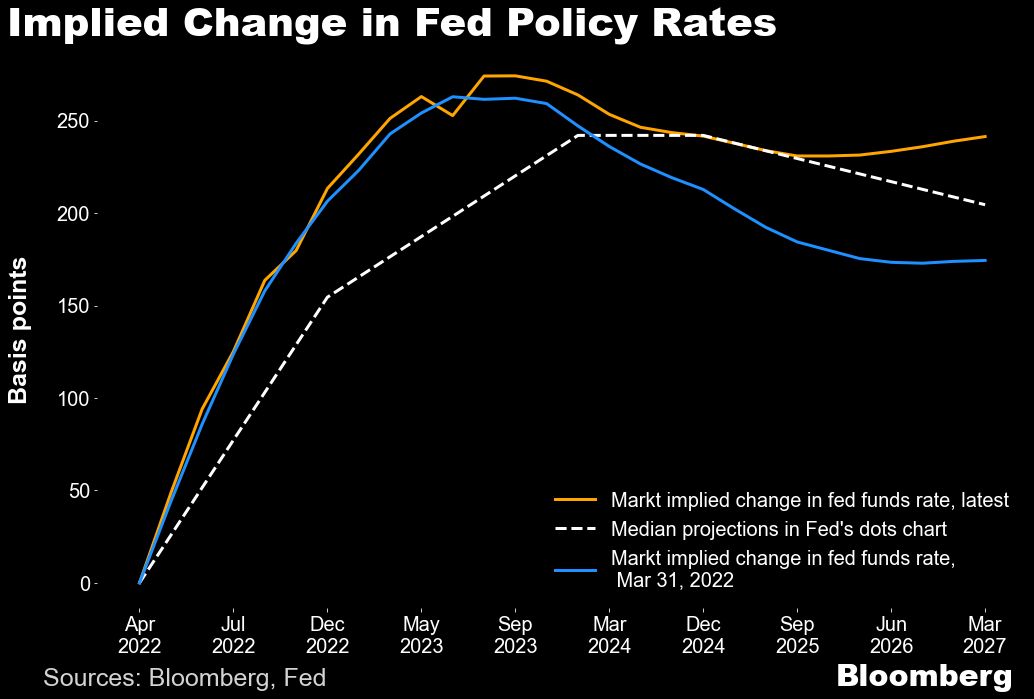
An unusually strong tug of war between economic forces is playing out in global markets, with a booming economy and low unemployment offset by the effects of the Russian invasion of Ukraine and expanded inflation. Expectations over the timing and magnitude of Fed interest rate increases rapidly evolved as clarity began to emerge around central bank responses to inflation.
The Northern Trust Economics team shares its outlook for growth, inflation and interest rates.
Inflation is surging, central banks are on the move and now it’s earnings season. To top it all off, stock traders face the market-roiling potential of a monthly options expiration estimated at more than $2 trillion.
U.S. retail sales picked up in March, helped by a surge in gas station receipts that masked mixed results in other large spending categories as consumers contend with decades-high inflation.
On Tuesday, the day that government-reported inflation hit 8.5%, Jeffrey Gundlach said it may reach 10% this year.
The more the Fed decides to dance with inflation and ignore the bond market and economy, the more we should expect stock prices to fall.
To start, let’s discuss what diversification is and what it is not.
The war in Ukraine is shifting the conversation on what a post-COVID-19 world will look like.
The market was tough in the first quarter. Find out what it means for long-term investors.
Central to my market and macro outlook at present is the likelihood we are amid a growth cycle downturn that is looking to decelerate meaningfully in the coming months.
For years, small accounts have been overcharged and underserved. I’m encouraged, however, by what I see some advisors doing, I wish the rest of the profession were inspired to similarly elevate the value provided for the price charged small clients.
Many advisors don’t understand risk. They apply different standards when it comes to assessing risk in their business and personal lives.