Japan zero-inflation mindset is no match for today's price pressures.
Gold and silver is money. Everything else is credit.
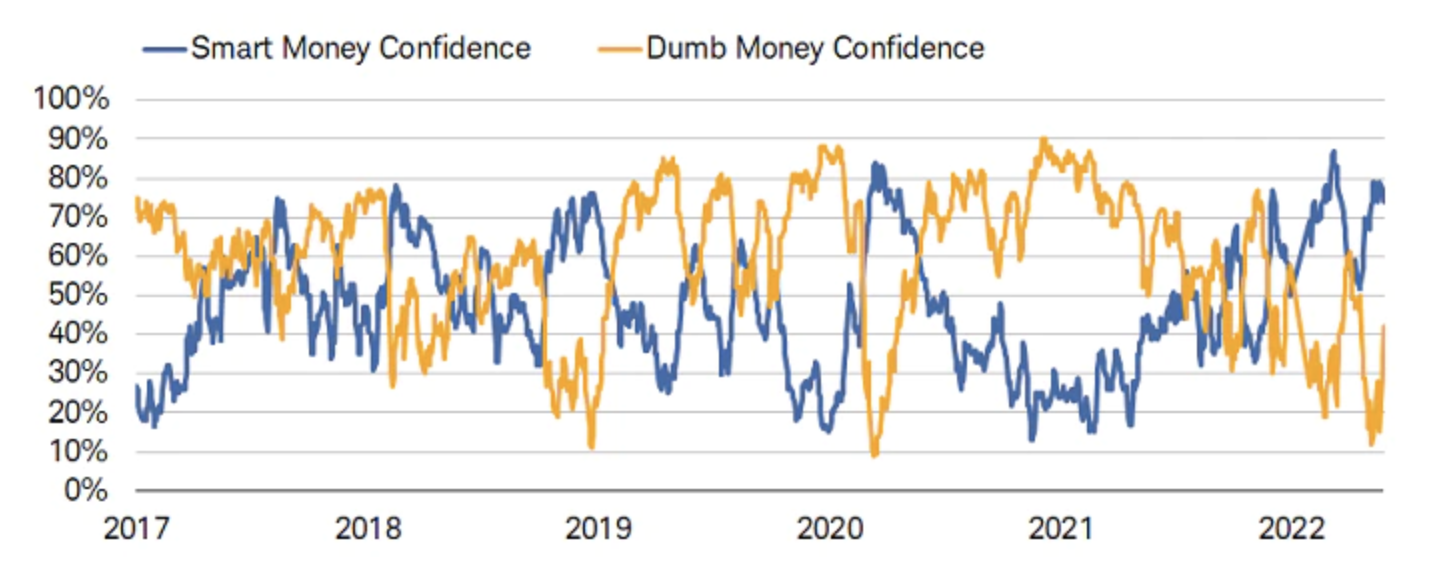
This is one of my favorite charts, and one that helped get us onto the right side of the global policy pivot that has rippled across markets this year.
Market headlines in 2022 have been dominated by inflation, tightening monetary policy, ongoing volatility and the Russia-Ukraine conflict. To get ahead of client concerns, financial advisors need to develop creative ways to turn difficult conversations into opportunities to build confidence. A clear and concise presentation on the capital markets can help solidify and restore lost credibility—and trust. Hear from Ken Haman, Managing Director, and Scott Tatum, CIMA, CFP, Director, as they discuss seven steps to organize a compelling capital-markets narrative.
If you’re itching for a dream vacation this summer after two years of travel restrictions, then you might end up paying more to rent a car than you spend on a plane ticket.
Gold may be heading for another rally, with warnings over a global economic slowdown paving the way for a fresh push toward $2,000 an ounce.
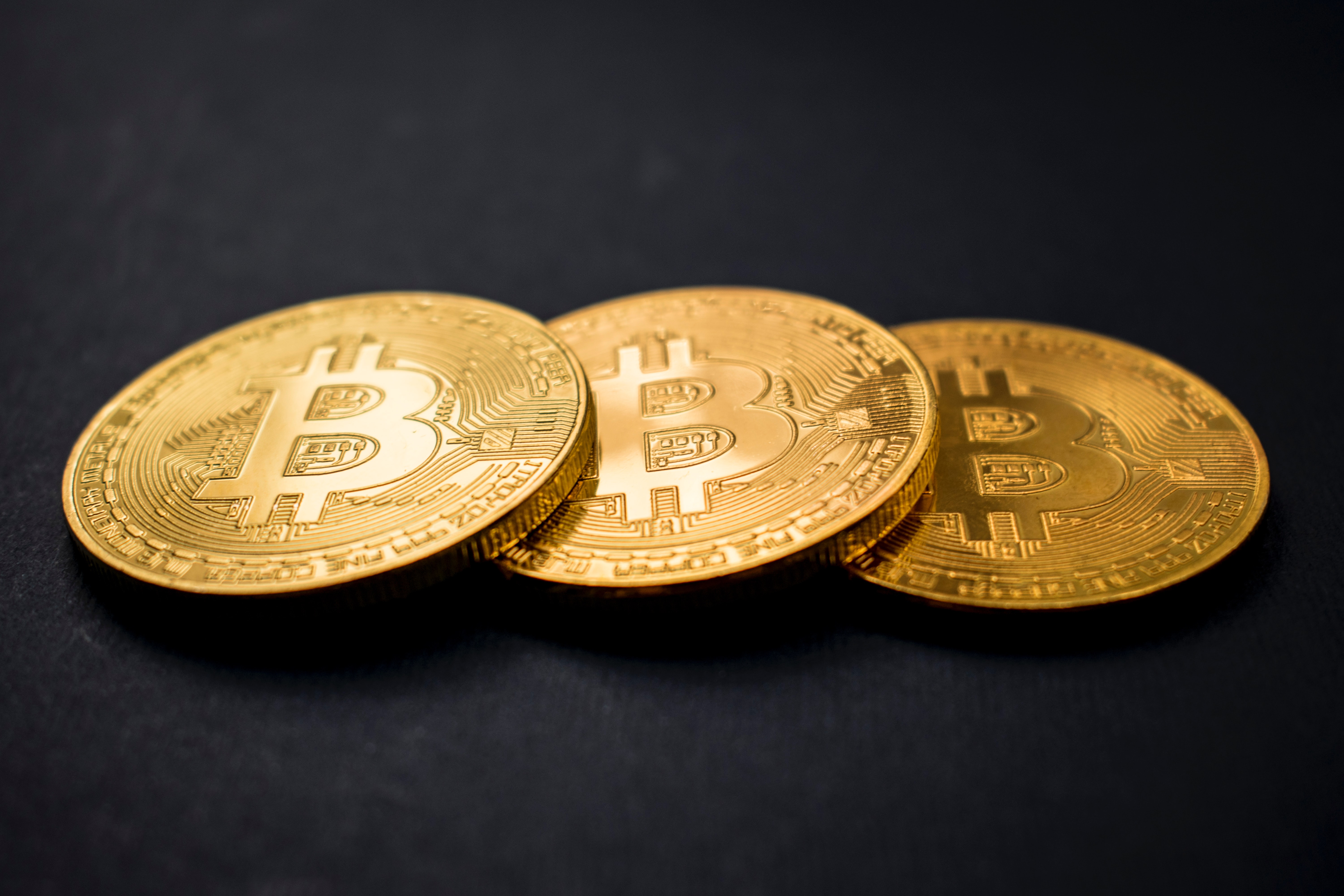
Most everyone knows that Bitcoin had a stellar two years when the pandemic broke out. But just about all of the coin’s gains since then have happened while US markets are closed.
US workers can’t quit quitting.
On the latest edition of Market Week in Review, Director of Investment Strategies, Shailesh Kshatriya, and Director of Institutional Investment Solutions, Greg Coffey, discussed the recent PMI (purchasing managers’ index) readings from China and the U.S.
A cooler housing market isn't a bad outcome.
U.S. equities are lower as the recent volatility continues despite yesterday's gains.
Thoughts on recent market volatility and implications for investors from Head of Franklin Templeton Institute, Stephen Dover.
While the danger of a downturn has risen as growth has slowed, most economists argue a contraction is unlikely in the immediate future, given the continued strength of the jobs market and the more than $2 trillion in excess cash on household balance sheets.
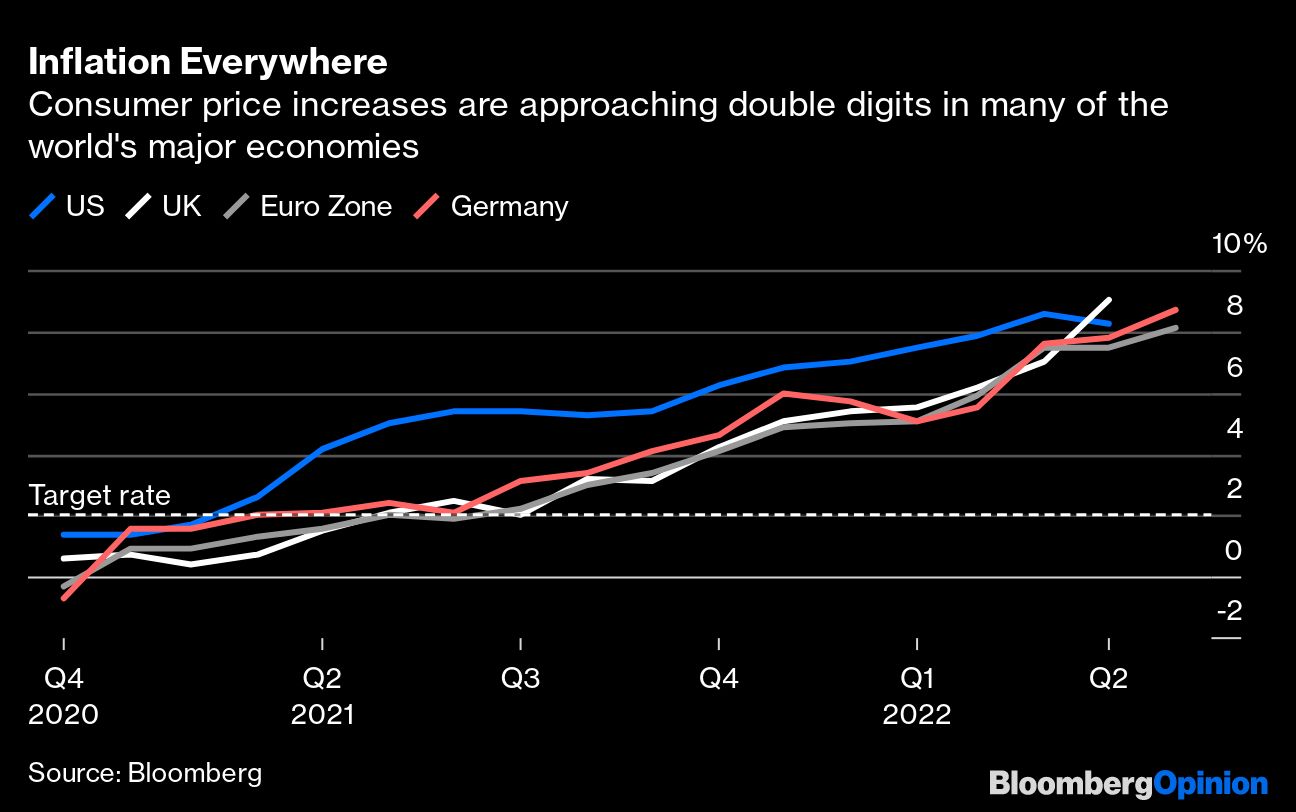
The Federal Reserve, the European Central Bank and the Bank of England all preside over inflation rates that have surged to quadruple their 2% targets. One of their brethren is highly skeptical of their chances of success in calming price increases.
The ESG investment industry may be headed for a reckoning and many companies won’t survive this period of higher interest rates.
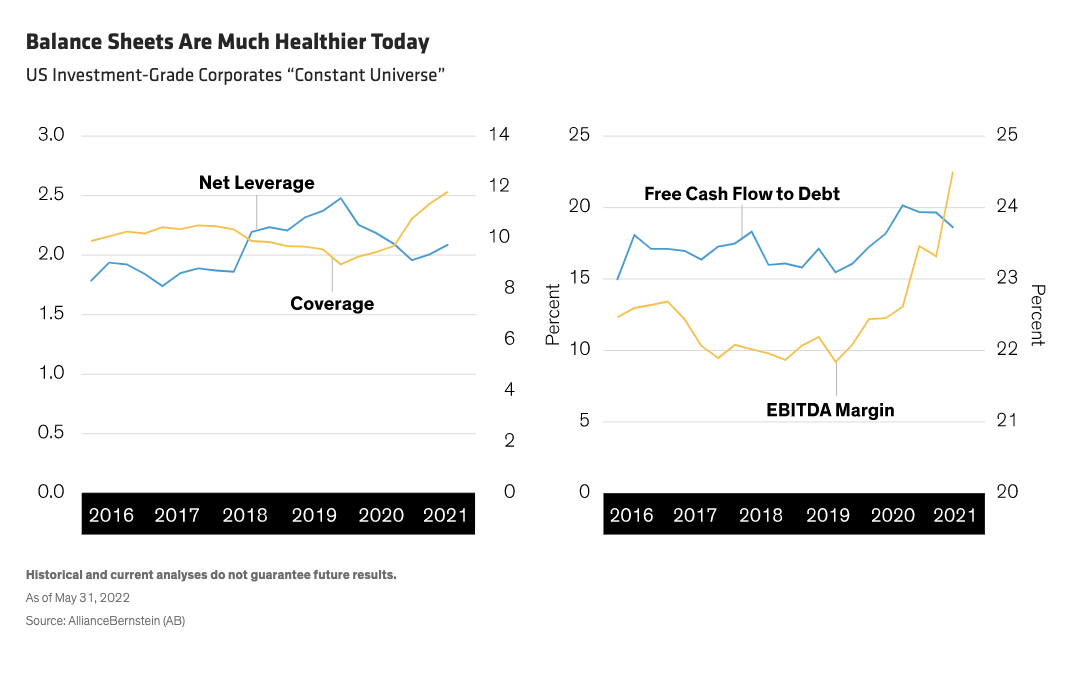
Something still feels off in this economy. It’s booming in many respects, with a strong labor market, healthy corporate and household balance sheets, and a lot of consumption. But some, like JPMorgan Chase & Co. CEO Jamie Dimon, are worried we’re seeing the calm before the storm.
Reasons to worry about a recession are piling up: the Federal Reserve's inflation fight, a slowing housing market, warnings from retailers and venture capitalists and a smattering of layoff announcements.
Investors are shifting their focus from runaway inflation to slowing global growth as central banks hike rates to tame price pressures.
Strong employment and spending will help the economy grow through current shocks.
The Social Security benefit formula is short-changing a select group of retirees, and the losses are apt to exceed $25,000 over a lifetime. There is no effort to fix the flaw, so the concern is on-going.
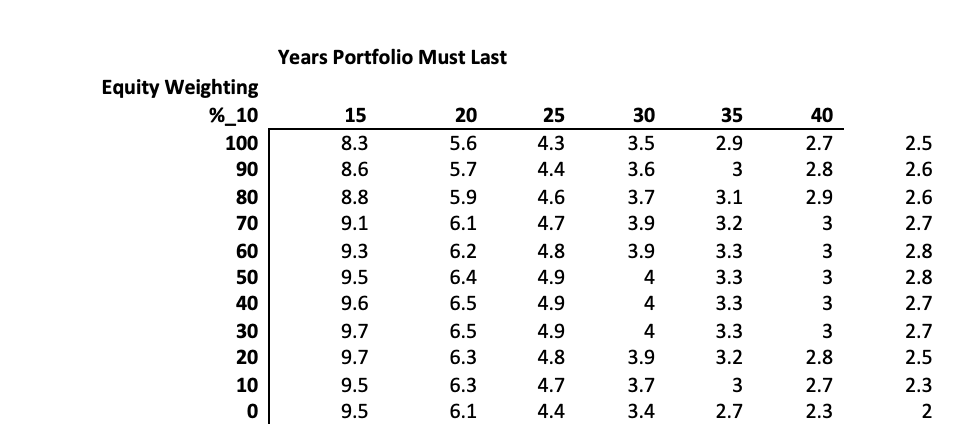
I’m going to review the research on safe-spending rates and then critique common methods of risk mitigation. I’ll offer the practical methods to reduce sequence-of-return risk that I suggest to my clients.
Will the Fed pause its rate hikes as markets correct?
LPL Research looks at the May jobs report and its impact on markets and Federal Reserve (Fed) policy.
Homeowners should take a total-balance-sheet view when evaluating options for their mortgage.
It’s not all doom and gloom, though. Due to stratospheric oil and gas prices, energy stocks have been the one bright spot in an otherwise dour market this year. Through the end of May, the S&P Oil & Gas Exploration & Production Index gained an incredible 60%, compared to the S&P 500, which fell about 13%.
The chance that all the necessary pieces will line up that way? Somewhere between slim and none, and as my dad used to say, “Slim left town.” And while my memory isn’t perfect, I don’t believe any speaker at the conference believed in the possibility of a soft landing. And even if we get one, we have serious problems that predate this inflation. They haven’t gone anywhere.
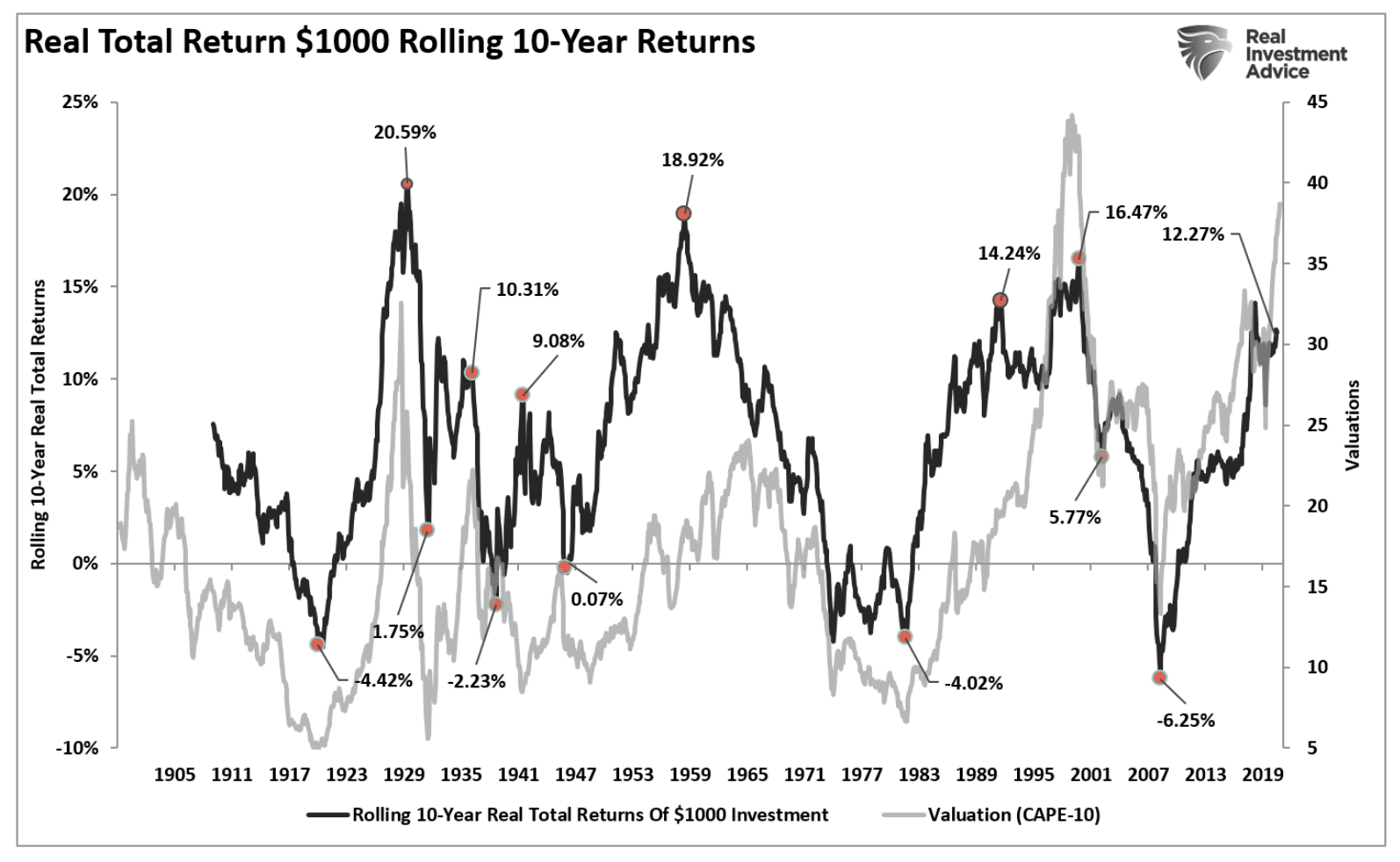
Is a “lost decade” ahead for markets?
Markets stabilized in May after one of the worst months since the start of the pandemic.
In January Goldman Sachs projected that the FOMC would increase the federal funds rate at every other meeting (each meeting is 6 weeks apart) starting with the March meeting.
Bear markets always signal a leadership change within the overall equity market. The leadership going into a bear market is rarely, if ever, the leadership coming out. Because of this rule of thumb, we view bear markets as periods of extreme opportunity.
Bitcoin rebounded after slumping along with stocks on Thursday, meeting resistance at the $30,000 level around which it’s been trading for the past month.
Some supply strains in the US are easing, two years after a jump in demand started emptying shelves, snarling shipping and sowing the seeds of soaring inflation.
Sharp, countertrend rallies may continue this year, but aggressive Fed policy, the turning of the liquidity tide, and slower economic growth will likely keep pressure on stocks.
Virtual reality is not reality!
High schoolers and their parents are increasingly questioning whether a traditional four-year college education is the right financial decision, with rising costs often resulting in crippling student-loan debt.
The first half of the year has so far been challenging for investors in municipal bonds.
A fascinating aspect of the financial markets is that long-term returns are driven almost entirely by math, while short-term returns are driven almost entirely by psychology.
The Federal Reserve looks like it’s finally getting what it really needs in its fight to tame inflation: a cooling in the red-hot labor market.
Last week’s rising stock prices suggested that many investors are still wishing the Federal Reserve will step in to counter downward pressures on the market. Hopes for this “Fed put,” however, may be confusing the Fed’s willingness to act with its ability to do so.
US economic growth looks to have downshifted in recent weeks in the face of headwinds that include rising interest rates and inflation, the Federal Reserve said.
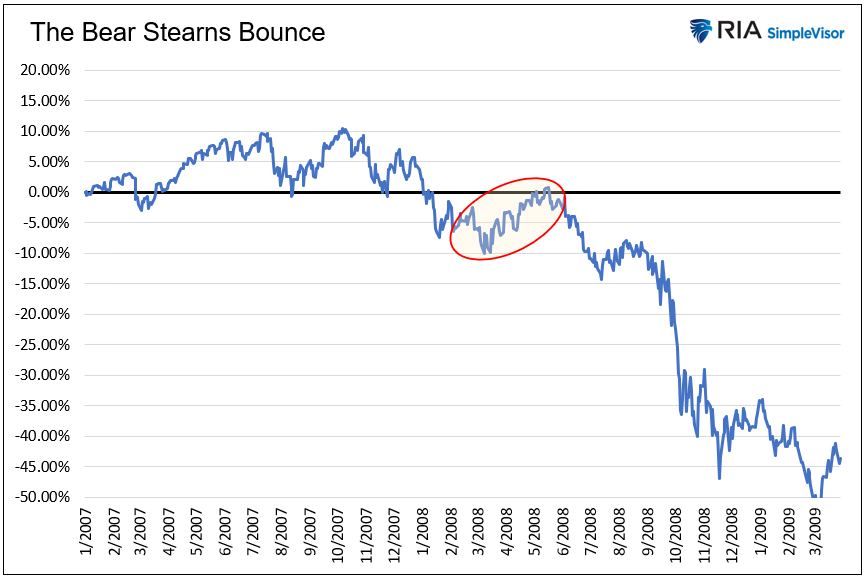
The tale of Bear Stearns’ rally and investors' myopic vision in the spring of 2008 is a valuable lesson for today.
Markets flailed in May, seeking certainty amid conflicting signals.
There are eight global mountaintops scaling 26,000 feet or higher, including Mt. Everest, the most famous of them all.
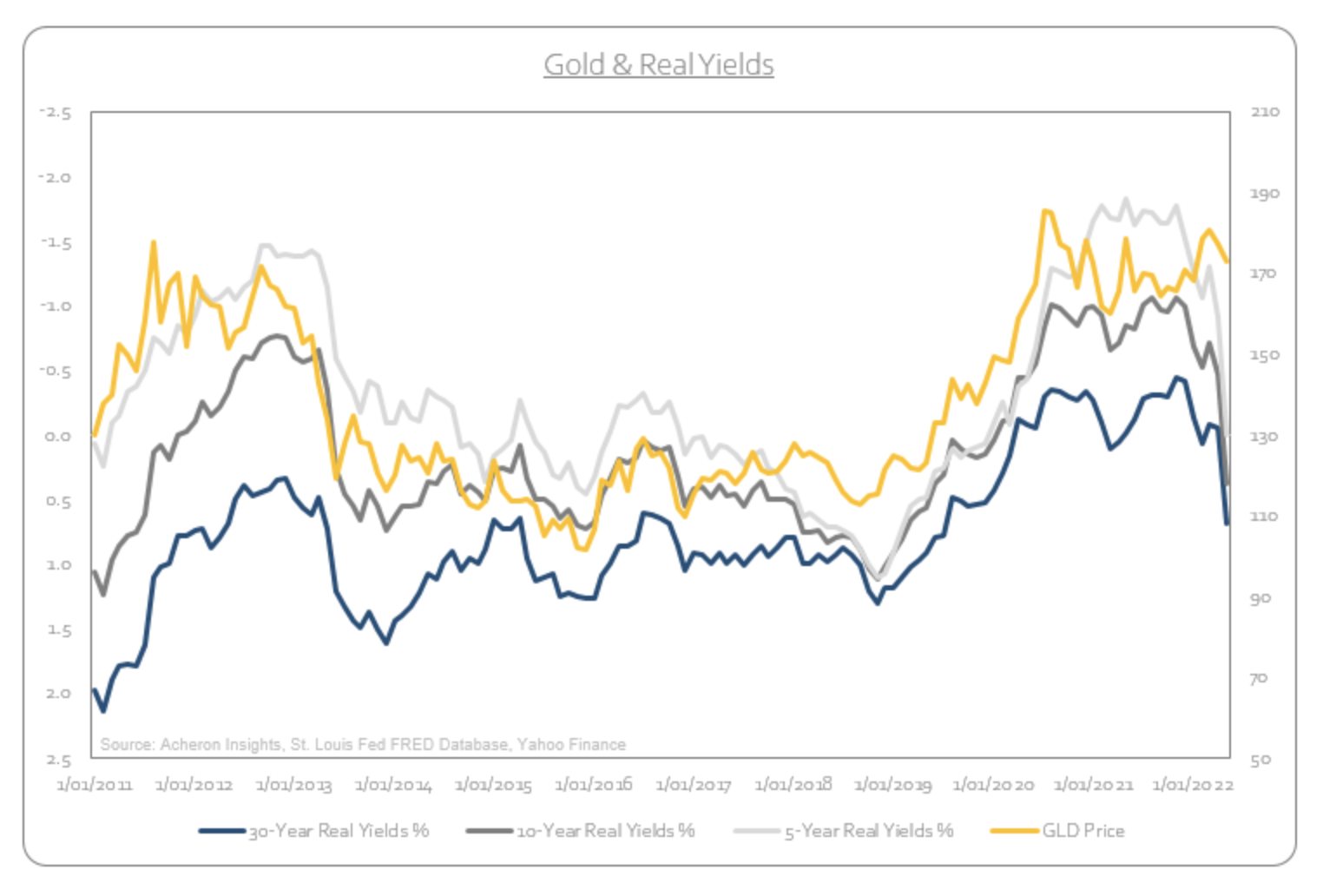
Through rising real yields, a slowing economy and poor seasonality, short-term headwinds remain for gold and precious metals.
US consumer confidence dropped in May to the lowest since February, underscoring the impact of decades-high inflation on Americans’ economic views.
There are costs to living a virtuous life; It requires going without.
Despite the massive selloff in equities this year and persistently high inflation, Dawn Fitzpatrick isn’t worried about a recession in the immediate future.
Has the global investment environment which we have grown accustomed to over the past few decades fundamentally changed?
They are creations of easy credit, beneficiaries of central bank largesse. And now that the era of unconventional monetary policy is over, they’re facing a challenge like never before.
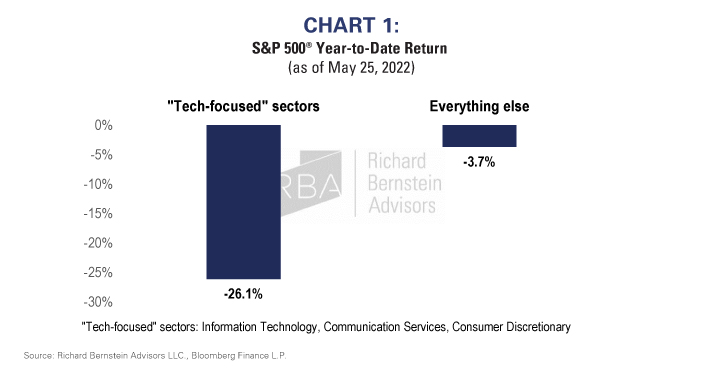
The drubbing global technology stocks have seen this year may be far from over.